

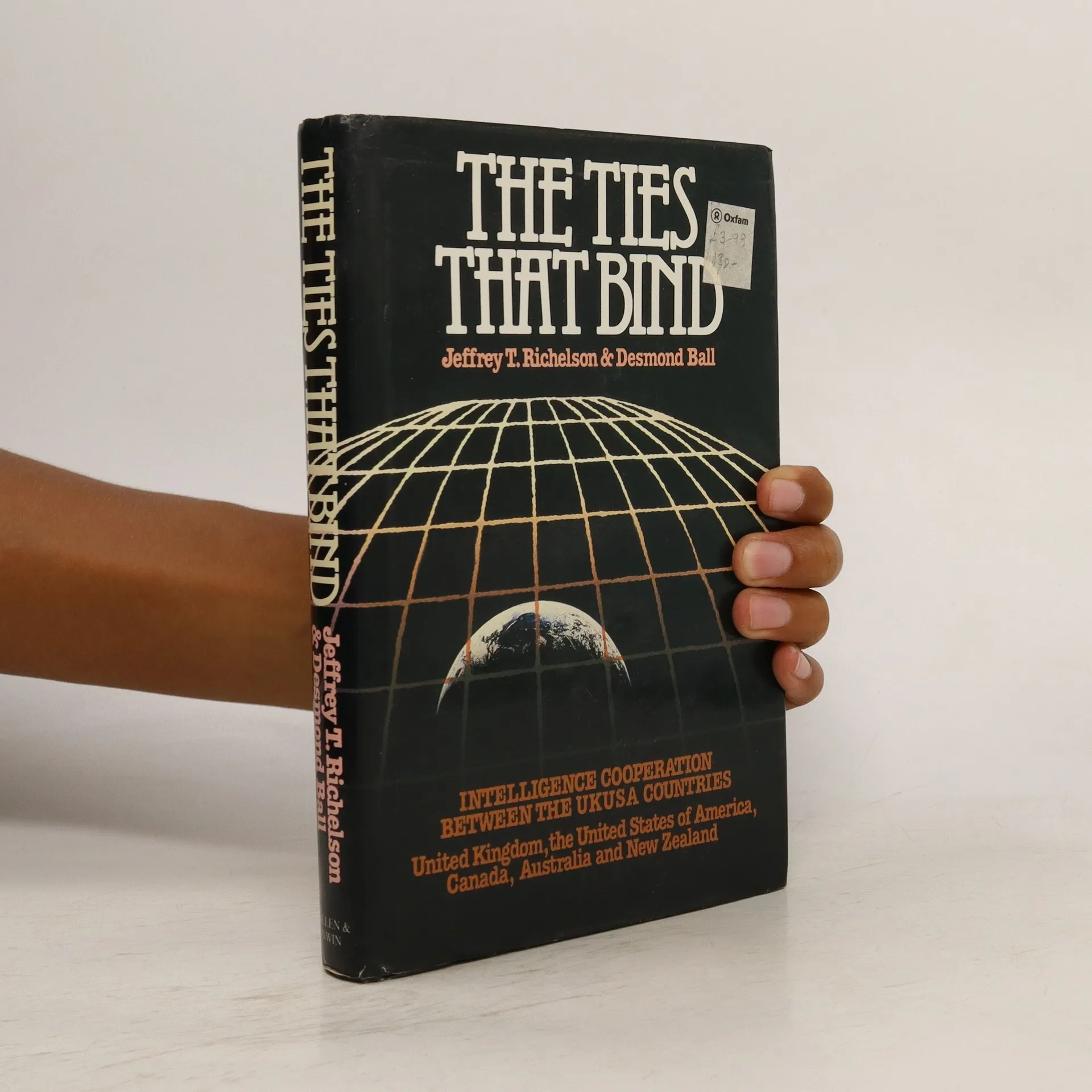
This work offers an account of a secret treaty entered upon by Britain, the United States, Australia, Canada and New Zealand in 1947, and which concerned the creation of a global network of security and intelligence co-operation amongst the participants. The book examines each of the countries' intelligence communities and also traces the web of inter-relationships amongst the five countries over the 30 years of the existence of the treaty, assessing the costs and benefits of secretive co-operation. Also included is a chapter examining recent changes and new disclosures that have taken place in the last five years and the implications for the future. The authors jointly edited "Strategic Nuclear Targetting" and Desmond Ball is the author of "A Suitable Piece of Real American Institutions in Australia", "A Base for Debate" and "Pine Gap".
Jeffrey T. Richelson Livres
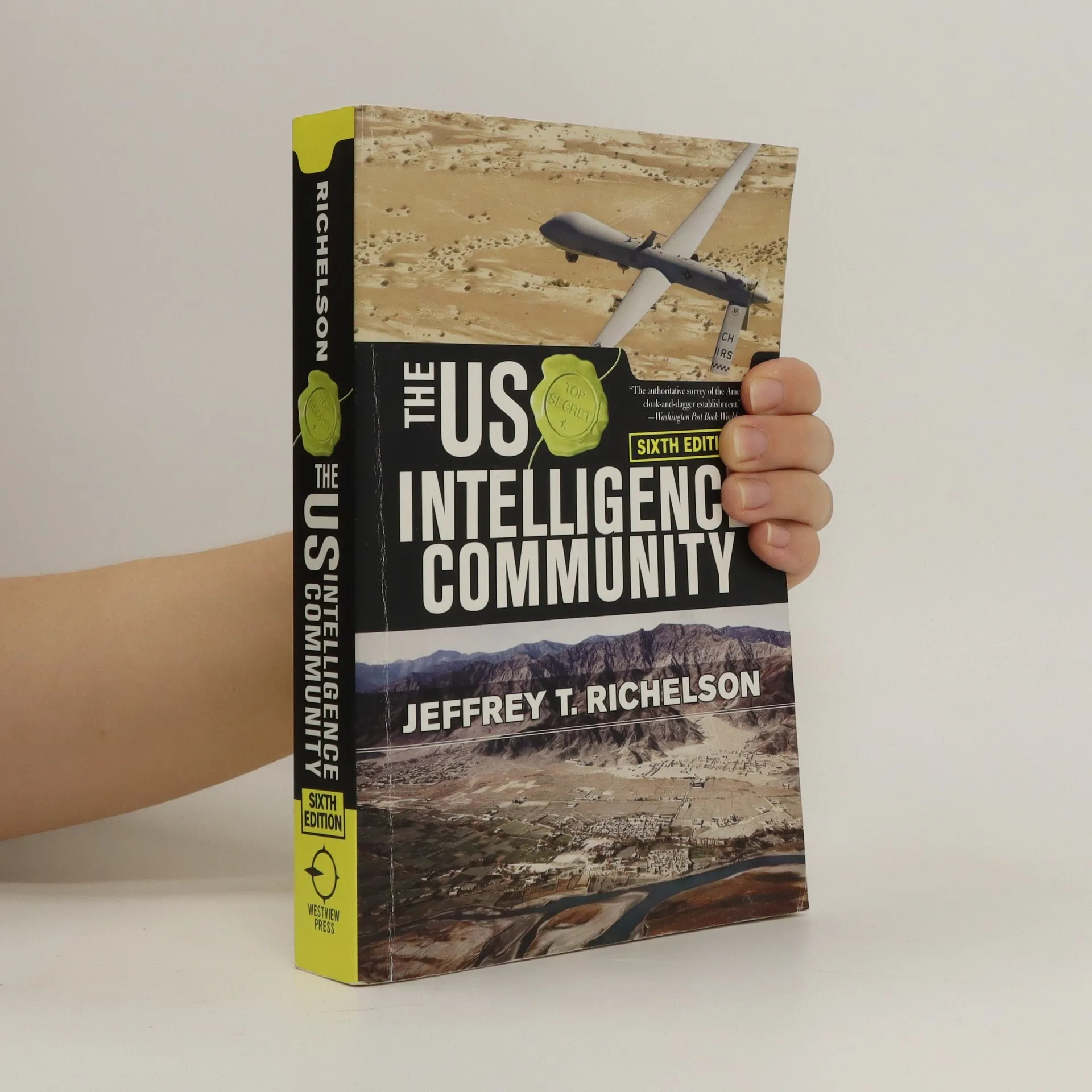
The US Intelligence Community
- 603pages
- 22 heures de lecture
The role of intelligence in US government operations has changed dramatically and is now more critical than ever to domestic security and foreign policy. This authoritative and highly researched book provides a detailed overview of America's vast intelligence empire—its organizations, its operations (from spies on the ground to satellites thousands of miles in space), and its management structure. Relying on a multitude of sources, including hundreds of official documents, author Jeffrey T. Richelson provides an up-to-date picture that will allow students to understand the full scope of the US intelligence community's organizations and activities and give valuable support to policymakers and military operations. Fully revised throughout, the sixth edition of this definitive text includes new material on intelligence organization, foreign and domestic intelligence collection and analysis, covert action, and cooperation with foreign intelligence services.
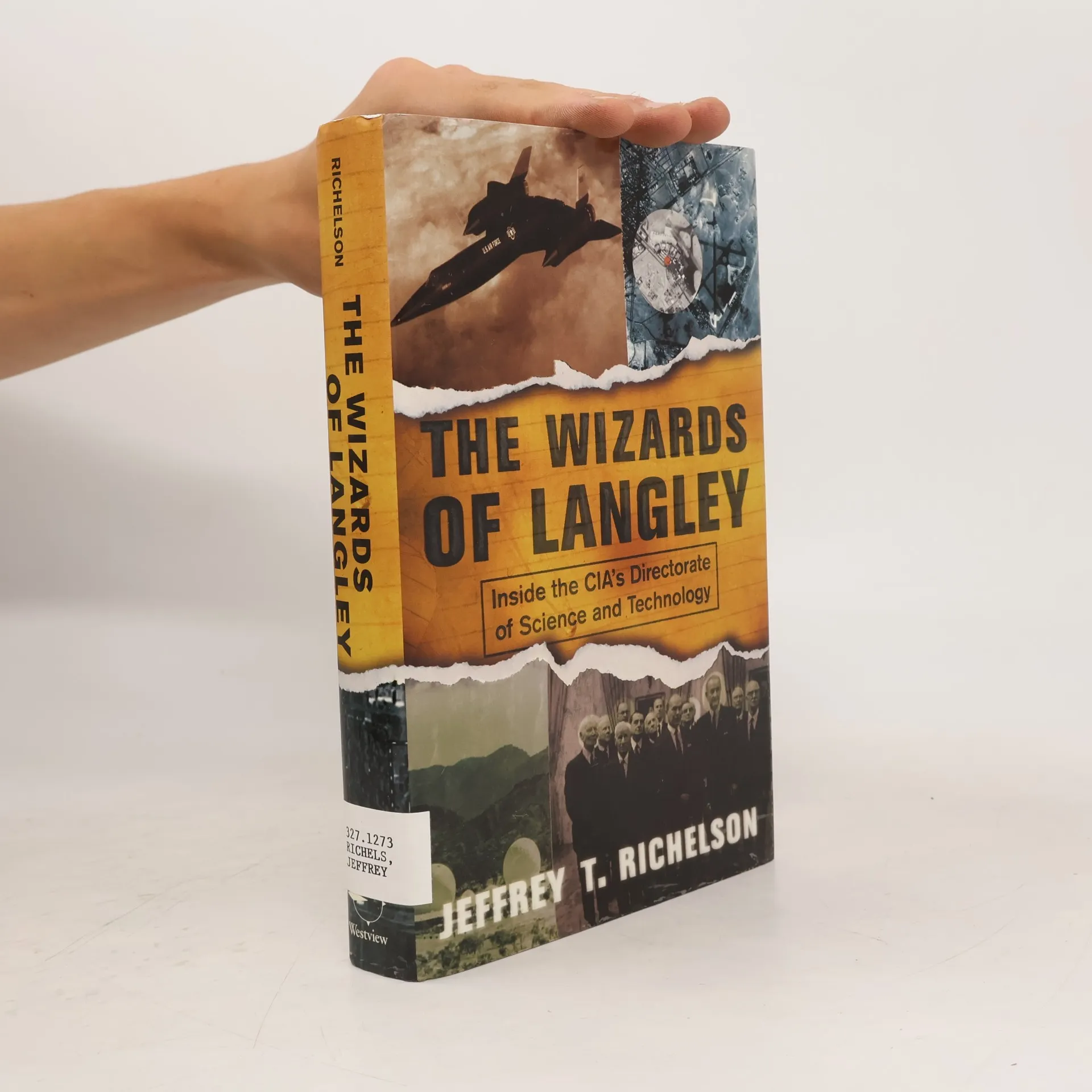
The Wizards of Langley
Inside the CIA's Directorate of Science and Technology
- 386pages
- 14 heures de lecture
"In 1956, the CIA dramatically breached the Iron Curtain when its U-2 began overflying Soviet territory to photograph that nation's military installations. Four years later, the Soviets would shoot down pilot Francis Gary Powers and his U-2, thereby ceasing these missions. Within months, however, the CIA had another, and better, technical program in operation - the CORONA satellite. Throughout the Cold War and beyond, the CIA's scientific wizards would continue to devise high-tech ways to collect and analyze information about potential adversaries. Their mission was of such importance that a new branch of the CIA was created - the Directorate of Science and Technology.". "In this first full-length study of the CIA's Directorate of Science and Technology, author Jeffrey T. Richelson introduces us to key personalities who helped shape the directorate: Edwin Land of Polaroid, Albert Wheelon, Carl Duckett, and others who operated secretly within the directorate such as Antonio Mendez, whose "technical service" skills helped six Americans escape Iran after the seizure of the U.S. Embassy in 1979."--BOOK JACKET.