Bookbot

Ernst Lothar

    25 octobre 1890 – 30 octobre 1974
    Gottes Garten
    Macht und Ohnmacht des Theaters
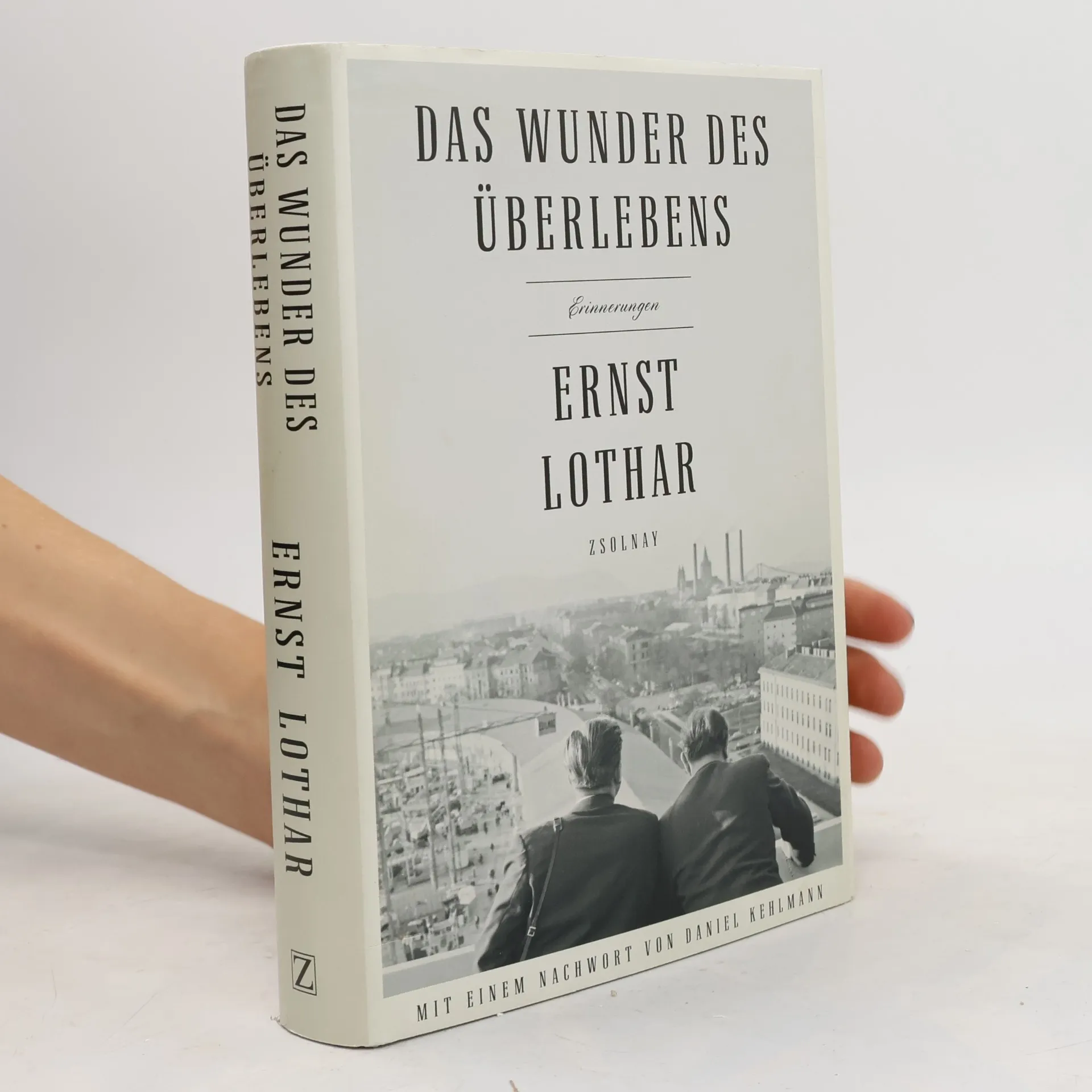
    Das Wunder des Überlebens
    The Vienna Melody. Der Engel mit der Posaune, englische Ausgabe
    Die Rückkehr
    Mélodie de Vienne
    • Mélodie de Vienne

      • 663pages
      • 24 heures de lecture

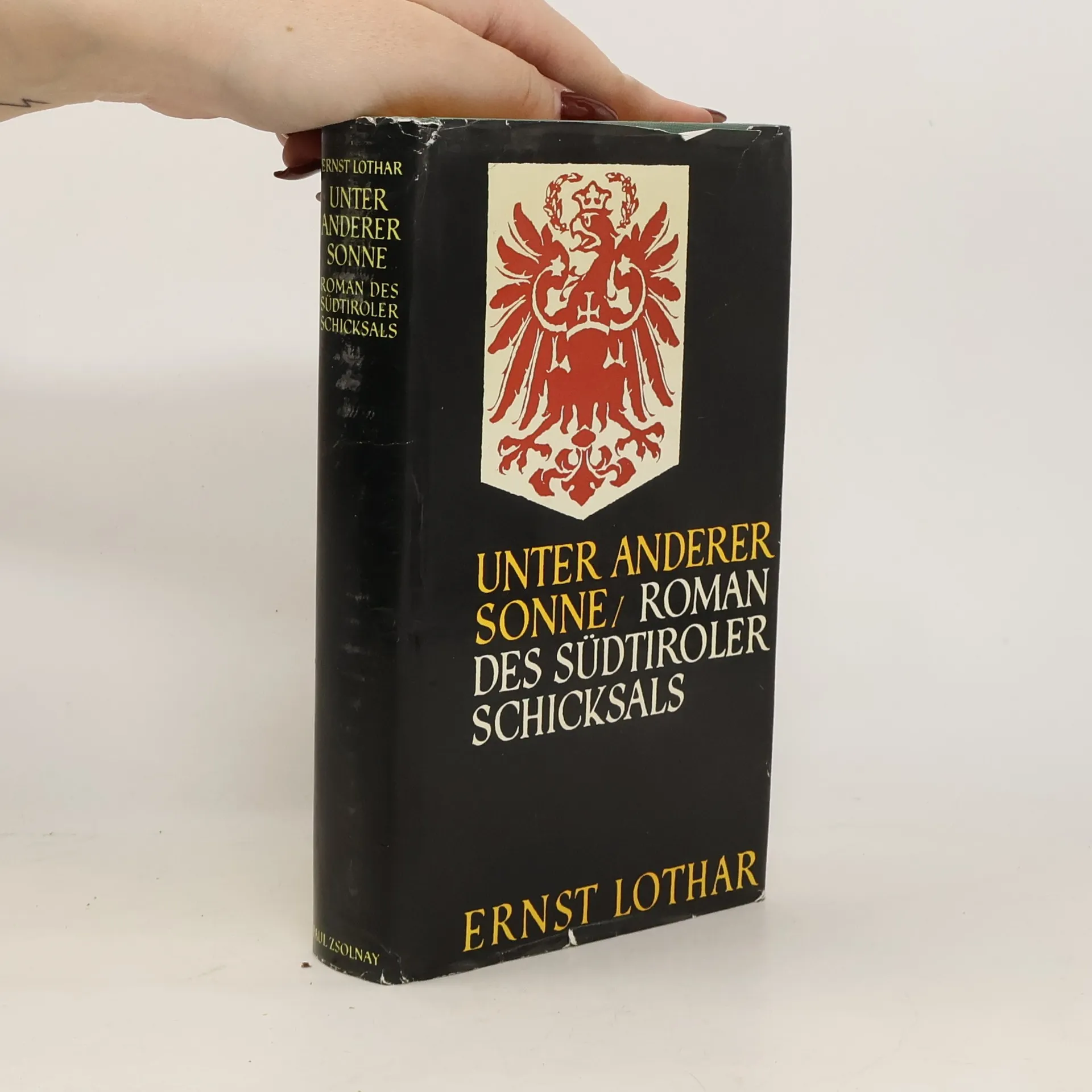
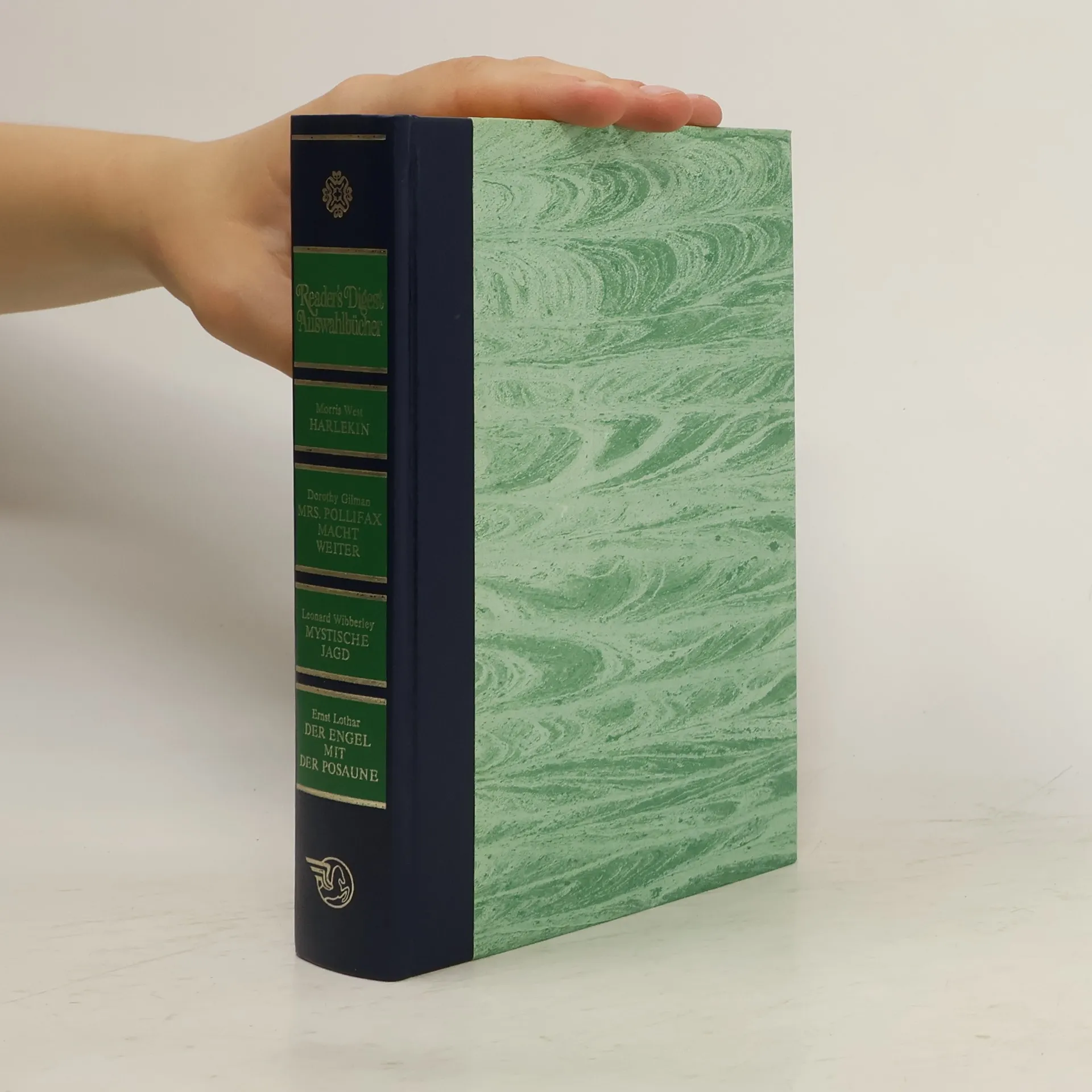
      Dans un immeuble cossu de Vienne, en 1888, la famille Alt occupe tous les étages. Leur titre de noblesse? Le piano sur lequel a joué Mozart, construit par Christoph Alt, le fondateur. Des ateliers sortent encore des pièces exceptionnelles. Une réputation qui leur impose de s’astreindre aux règles de la haute société viennoise. L’arrivée dans la famille de la trop belle Henriette Stein – d’origine juive qui plus est – sème le trouble. La jeune femme plonge dans le tourbillon de fêtes et de création qui s’empare de la ville en cette fin de siècle. Un tourbillon où l’on percevra bientôt les fêlures du rêve austro-hongrois : le suicide du prince héritier, l’assassinat de l’archiduc suivi de la guerre de 14-18, l’essor du mouvement ouvrier, la montée du nazisme… Le destin mouvementé de la famille Alt suivra les soubresauts de l’Histoire dans un roman comparé par la critique aux Buddenbrook de Thomas Mann et à La Famille Karnovski d’Israël Joshua Singer.

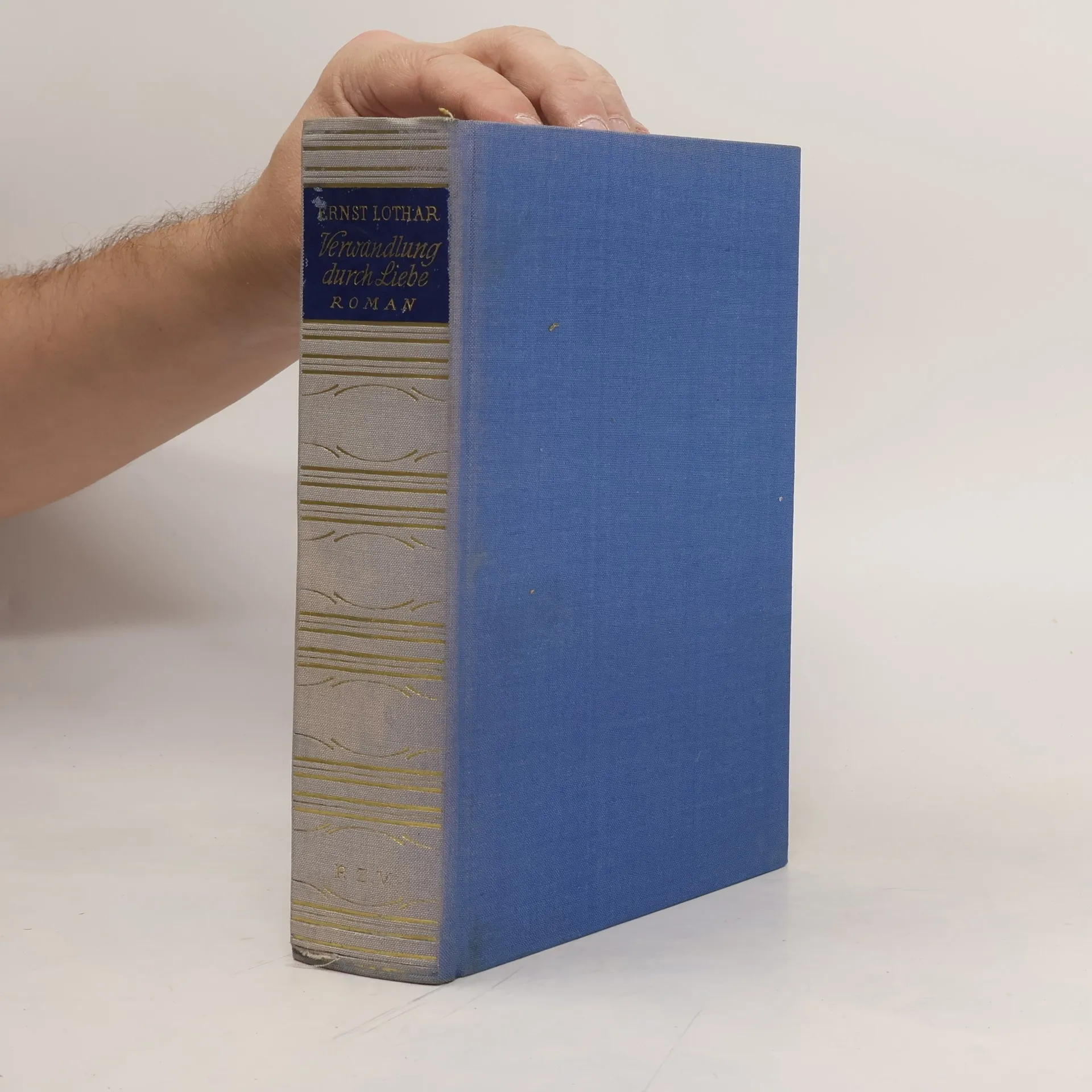
      Mélodie de Vienne
      3,9
    • Since the end of the war, Felix von Geldern has been eagerly anticipating his return to Europe. In late May 1946, he boards a ship bound for Vienna. Eight years earlier, his old Austrian family fled to New York to escape National Socialism following the annexation. Now, he must confront the reality of Austria after its defeat and liberation. He quickly realizes that the celebrations in Heldenplatz are not genuine, as his former girlfriend has betrayed him, first embracing Goebbels and now a US colonel. This novel explores themes of disillusionment, betrayal, and the complexities of returning home after years of exile, capturing the profound changes in a nation and its people in the aftermath of war.

      Die Rückkehr
      4,2
    • All Vienna knows that the inhabitant of number 10 Seilerstatte is none other than Christopher Alt, piano maker, the best in Vienna, probably in all of Austria, and possiblly the world over. His piano keys have given life to melodies by Mozart, Haydn, Beethoven, and many more. On his deathbed, moved by the wish to keep his children united, he leaves a will specifying that his descendants, if they are to get their inheritance, must live together in the family home. Over successive generations of the Alt family, history itself passes through the doors, down the halls, and into the private rooms of the Alt's building. There is intrigue at the court of Franz-Josef: an heir to the throne has fallen in love with Henrietta Alt, who will have to carry the guilt for his eventual suicide. There are betrayals, beloved illegitimate children, and despised legitimate offspring. There are seething passions and icy relations, a world war and the rise of Nazism to contend with. There are duals, ambitions, hopes, affairs of the heart and affairs of state. Three generations of Alts live and die at number 10 Silerstatte and each member of the family, in his or or her own way, is a privileged witness to the winds of change and a Europe at the height of both its splendor and decadence

      The Vienna Melody. Der Engel mit der Posaune, englische Ausgabe
      3,9
    • Das Wunder des Überlebens

      Erinnerungen

      • 399pages
      • 14 heures de lecture

      „Diese Erinnerungen sollten Pflichtlektüre sein.“ (Daniel Kehlmann) – Ein bewegendes Dokument von Ernst Lothar, Autor des internationalen Erfolgs „Der Engel mit der Posaune“. „Der Tag, an dem Österreich-Ungarn unterging, traf mich ins Herz … etwas Unersetzliches war gestorben.“ Ernst Lothar war ein Kind des Habsburgerreiches und blieb es bis zu seinem Ende. In der Ersten Österreichischen Republik machte er sich einen Namen als Theaterkritiker, und bis zu seiner Emigration leitete er gemeinsam mit Max Reinhardt das Theater in der Josefstadt. Nach Kriegsende kehrte er als Entnazifizierungsoffizier zurück und übernahm trotz Anfeindungen führende Positionen am Burgtheater und bei den von ihm mitbegründeten Salzburger Festspielen. „Es ist schwer möglich, diesen genialen kindlichen Menschen nicht ins Herz zu schließen“, schreibt Daniel Kehlmann in seinem Nachwort zu „Das Wunder des Überlebens“: „Diese Erinnerungen sollten Pflichtlektüre sein.“

      Das Wunder des Überlebens
      4,0
    • Helga

      • 148pages
      • 6 heures de lecture
      Helga