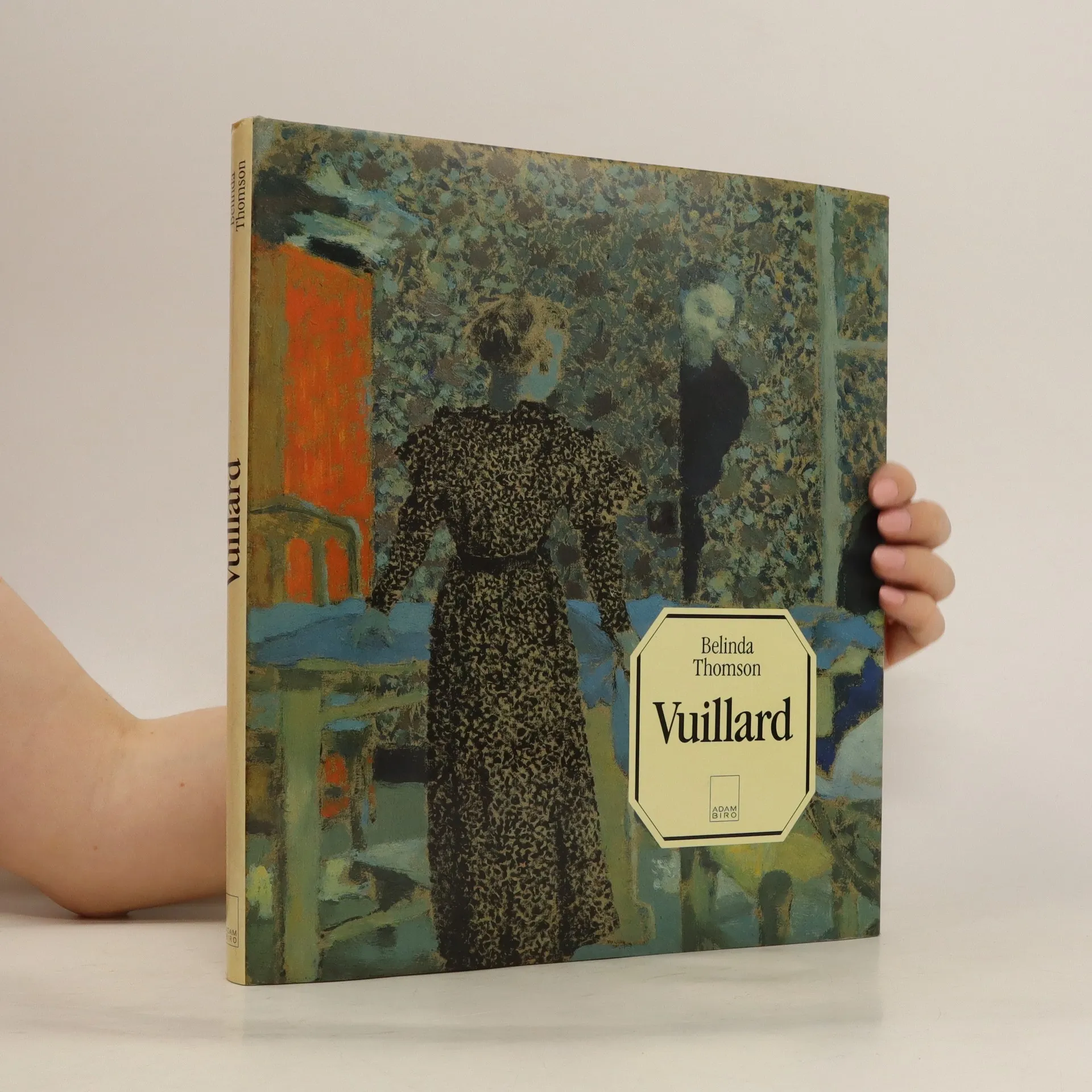
Édouard Vuillard (1868-1940), peintre intimiste et membre du groupe Nabi, était un maître de la couleur et des motifs riches. Ce livre présente une monographie originale et autoritaire, avec un texte vivant et bien écrit par l'auteur Belinda Thomson, qui dévoile de nombreuses informations inédites. Vuillard constitue une introduction essentielle à l'un des peintres les plus aimés et admirés de France.
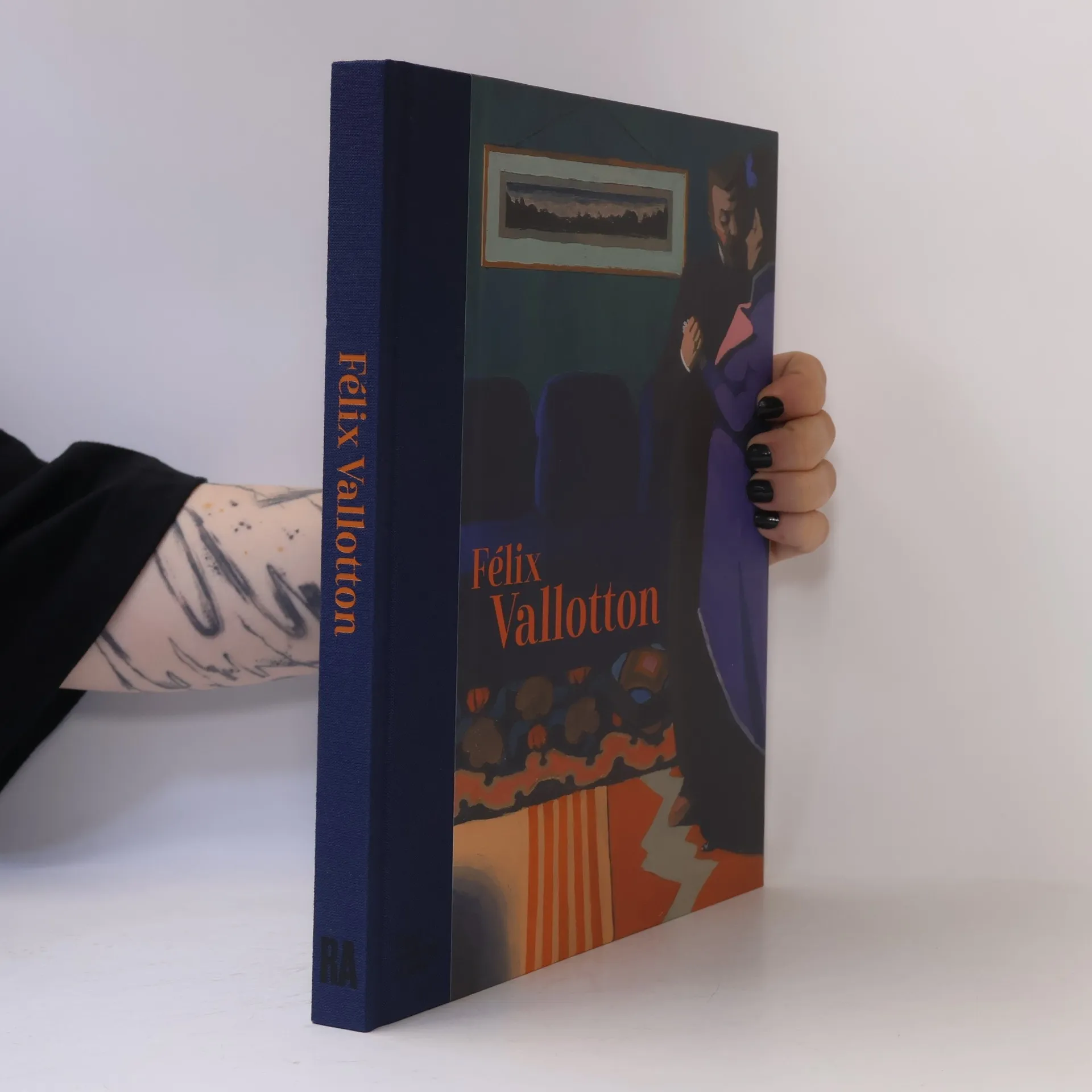
Vallotton’s vivid and sometimes unsettling paintings and woodcuts positioned him as a key commentator on the social mores of fin-de-siècle Paris. By the late 19th century, Paris had become the capital of the Western art world, with Impressionism transforming visual arts and post-impressionism flourishing. The city’s modernization, marked by new boulevards and parks, created a vibrant atmosphere for entertainment and consumption, and artists were seen as the avant-garde of society.
At 16, Félix Vallotton joined the Nabis, a group that included Pierre Bonnard and Edouard Vuillard. He embraced their decorative style while also drawing inspiration from journalistic illustration and Japanese ukiyo-e prints. Vallotton's works provided witty yet unsettling insights into domestic and political life, establishing him as one of the greatest printmakers of his time. His later style, characterized by sharp realism and cool linearity, made him a distinctive figure in early 20th-century art.
This book, richly illustrated with Vallotton’s finest works, accompanies a new exhibition in New York and London, featuring pieces never before seen in public. It aims to reevaluate his legacy, with texts from leading authorities exploring his life and impact. Born in Lausanne, Vallotton spent much of his career in France, where his innovative approach continued to evolve throughout his life.
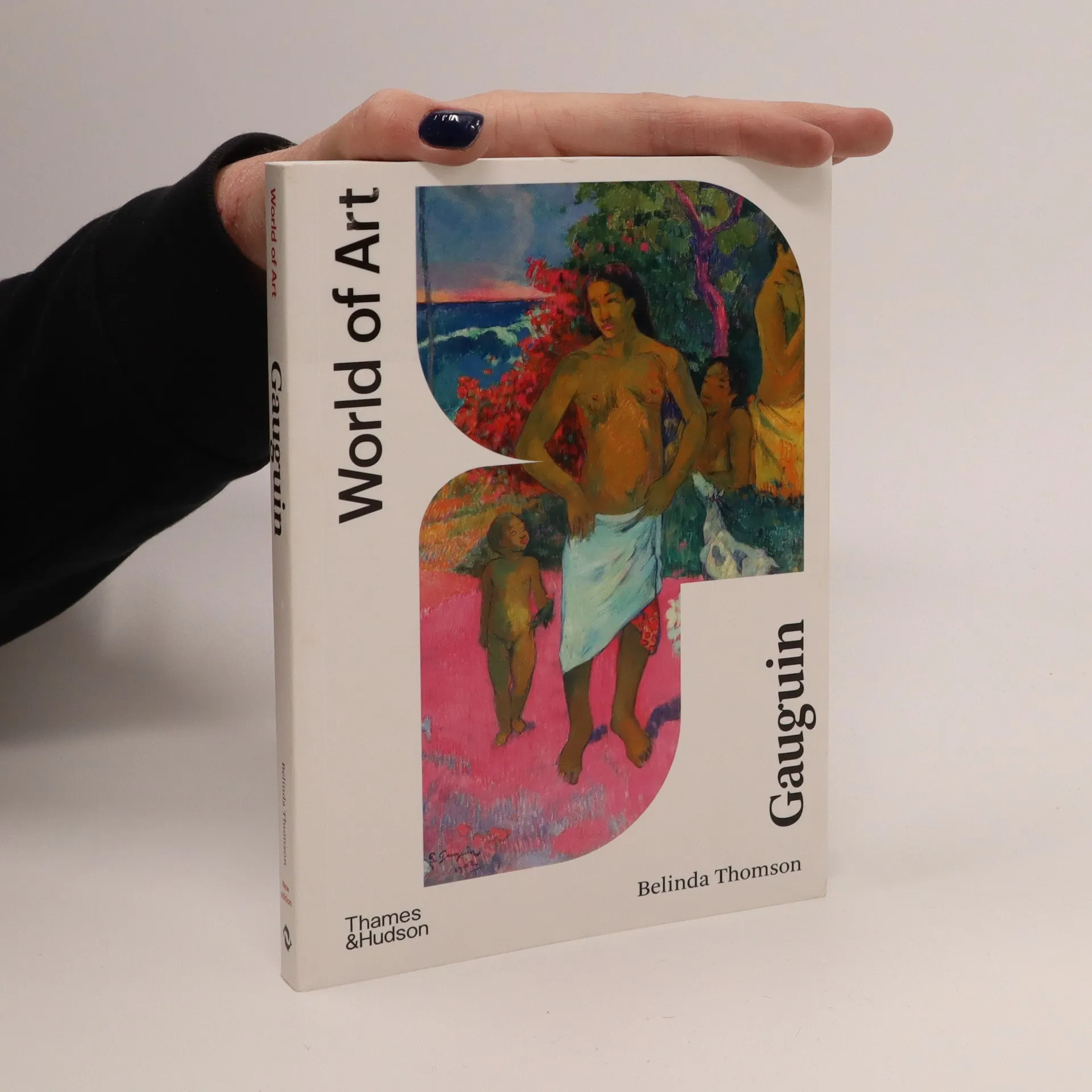
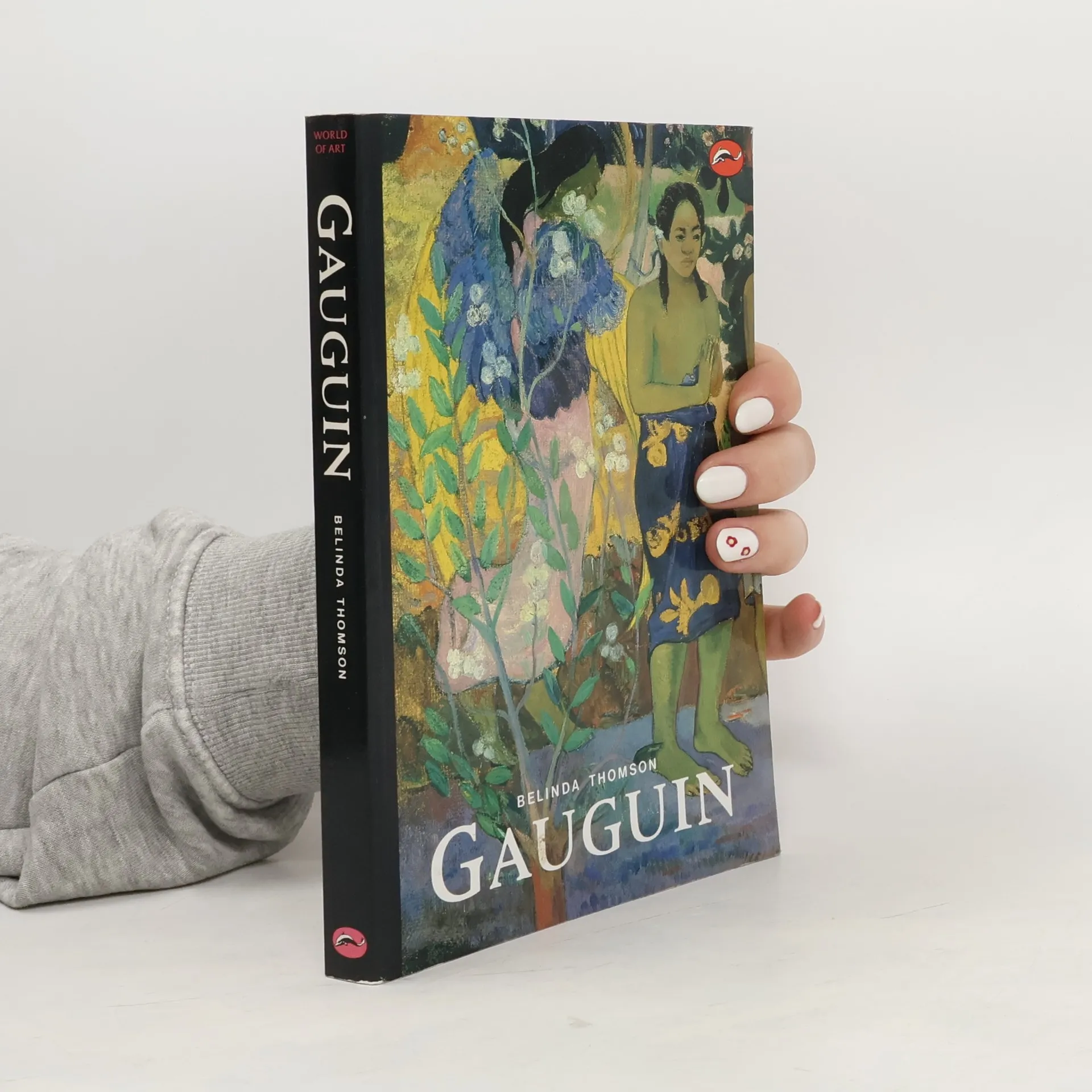
This authoritative account of the life and work of Paul Gauguin, one of the most original artists of the late nineteenth century, is revised and updated with color illustrations throughout.Artist Paul Gauguin achieved a high public profile during his lifetime and was one of the first artists of his generation to achieve international recognition. But his prominence has always been tangled up with the dramatic and problematic events of his life—his self-imposed exile on a remote South Sea island and his turbulent relationships with his peers—as with the appeal of his art.In this revised and updated edition, art historian Belinda Thomson gives a comprehensive and accessible account of the life and work of one of the most complicated artists of the late nineteenth century. Gauguin’s painting, sculpture, prints, and ceramics are discussed in the light of his public persona, his relations with his contemporaries, his exhibitions, and their critical reception. His private world, beliefs, and aspirations emerge through his extensive cache of journals, letters, and other writings. Fully illustrated in color, and drawing on the new, more global conversation surrounding the artist, Gauguin is the definitive volume on this controversial and often contradictory figure.
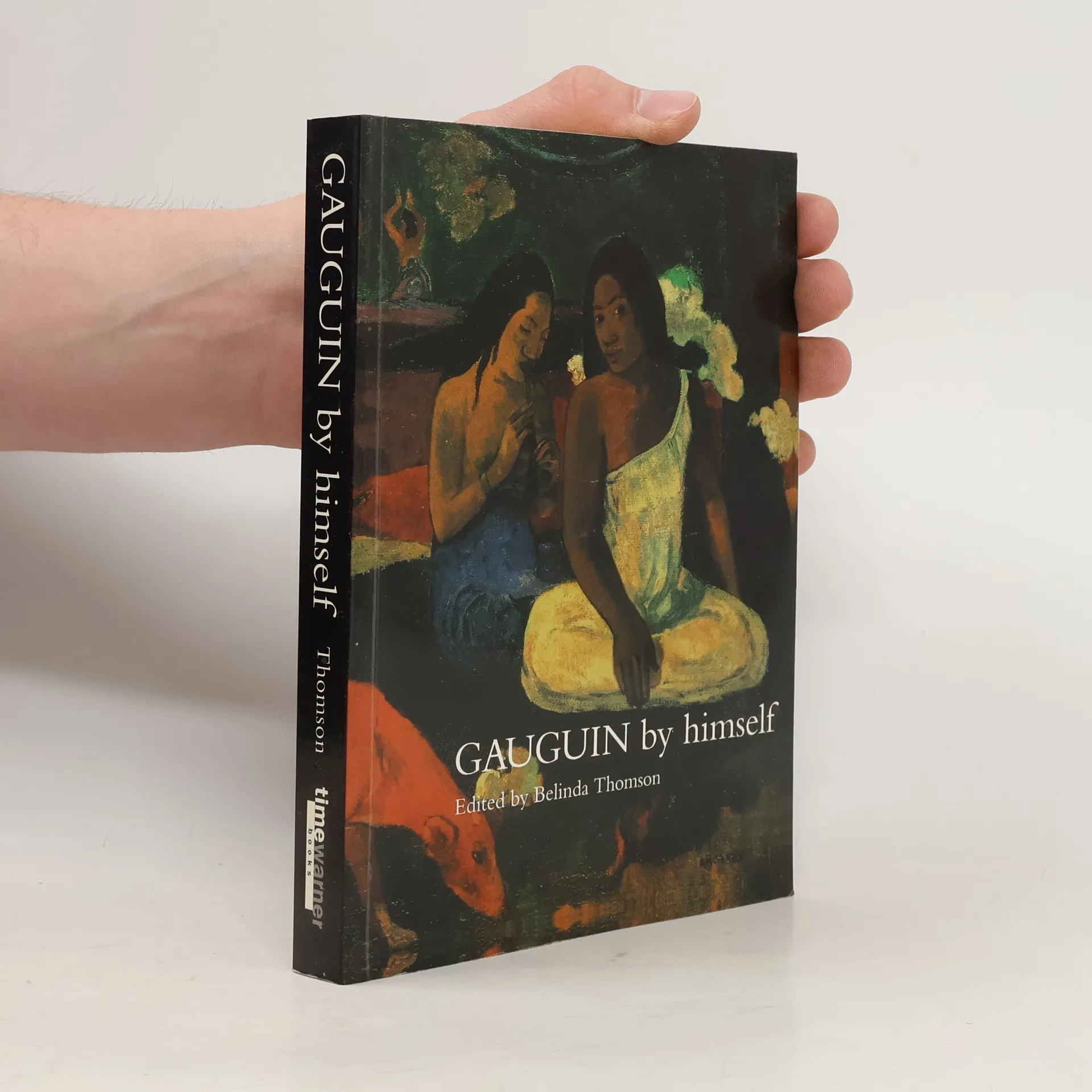
This unique book gives equal weight to Gauguin's activities, both as an artist and a writer, providing a rare insight into his intractable character and uncompromising ideals.
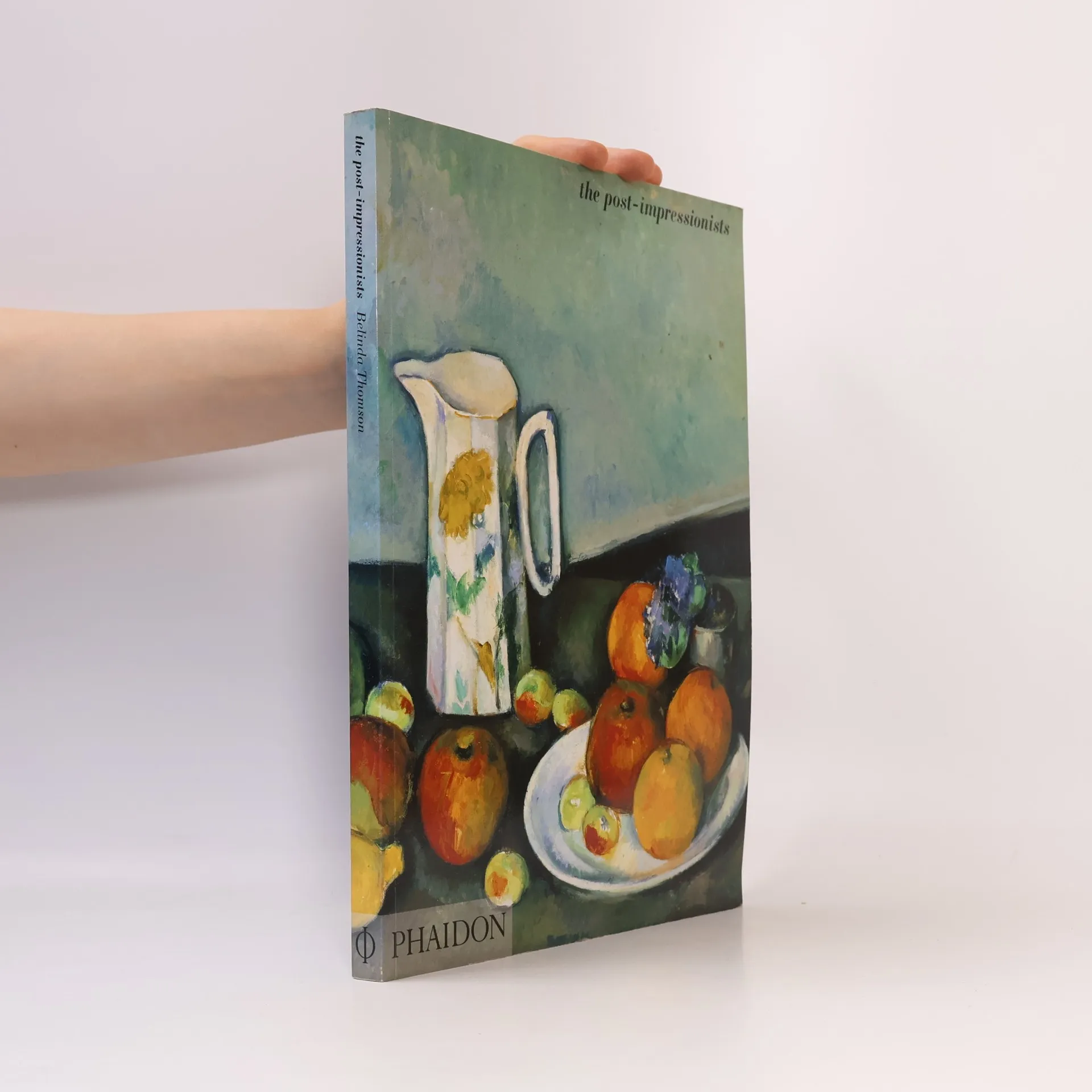
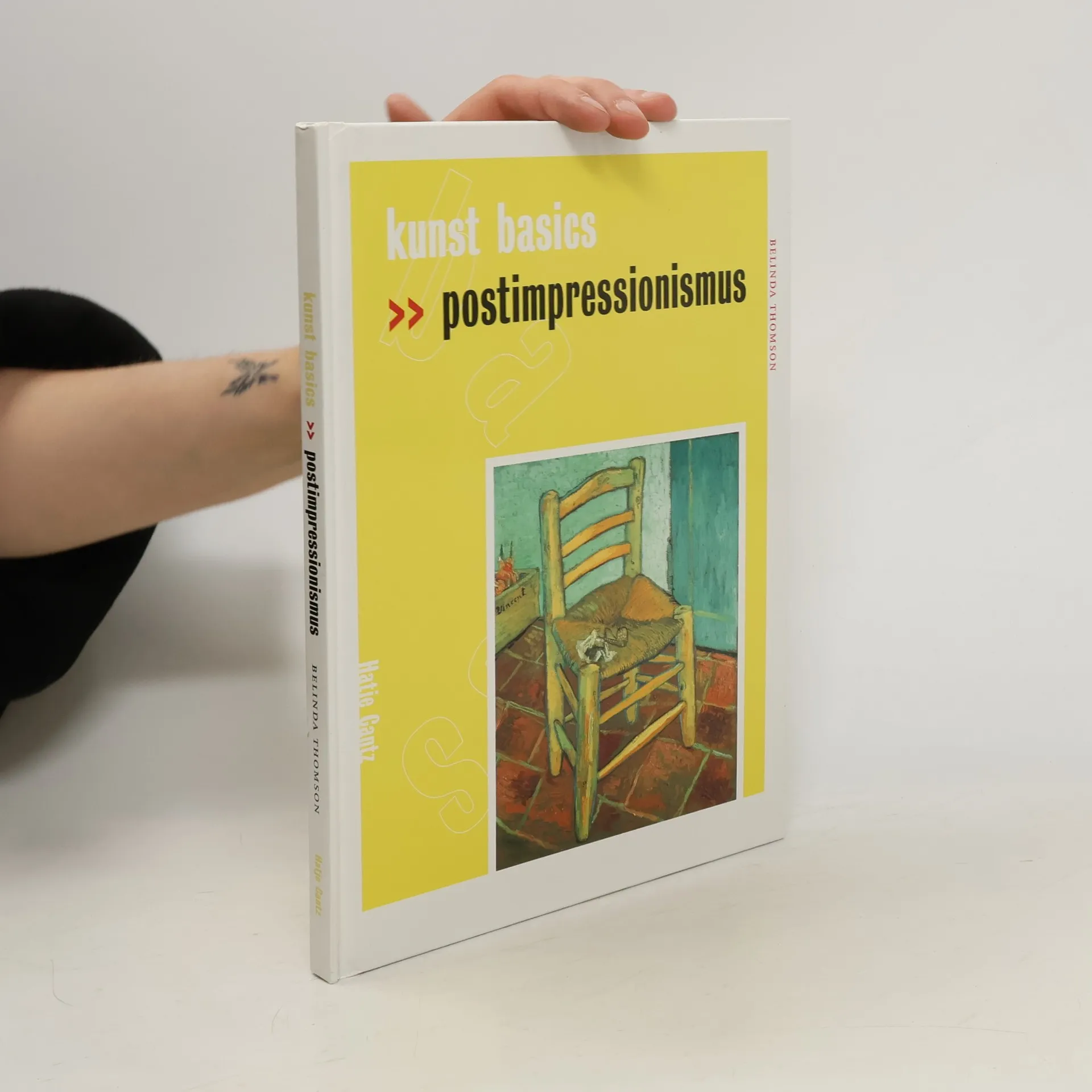
The term 'Post-Impressionist' was coined in 1910, to describe the work of the French painters of the 1880s and 90s - principally Cézanne, Gauguin and Van Gogh - but has never been a satisfactory label. In this lively survey and sophisticated reappraisal of a period of avant-garde experimentation, many minor as well as major artists are discussed and illustrated. By concentrating on what the artists and contemporary critics did and said, and by looking at what the artists painted, the author raises very sharply the question of what 'Post-Impressionism' means and reveals a fascinating glimpse of personal rivalry, commercial pressures, individual initiatives and shifting allegiances - and no simple pattern at all.
Traces the life of the nineteenth century French artist, looks at his most important paintings, drawings, and sculpture, and discusses influences on his work.
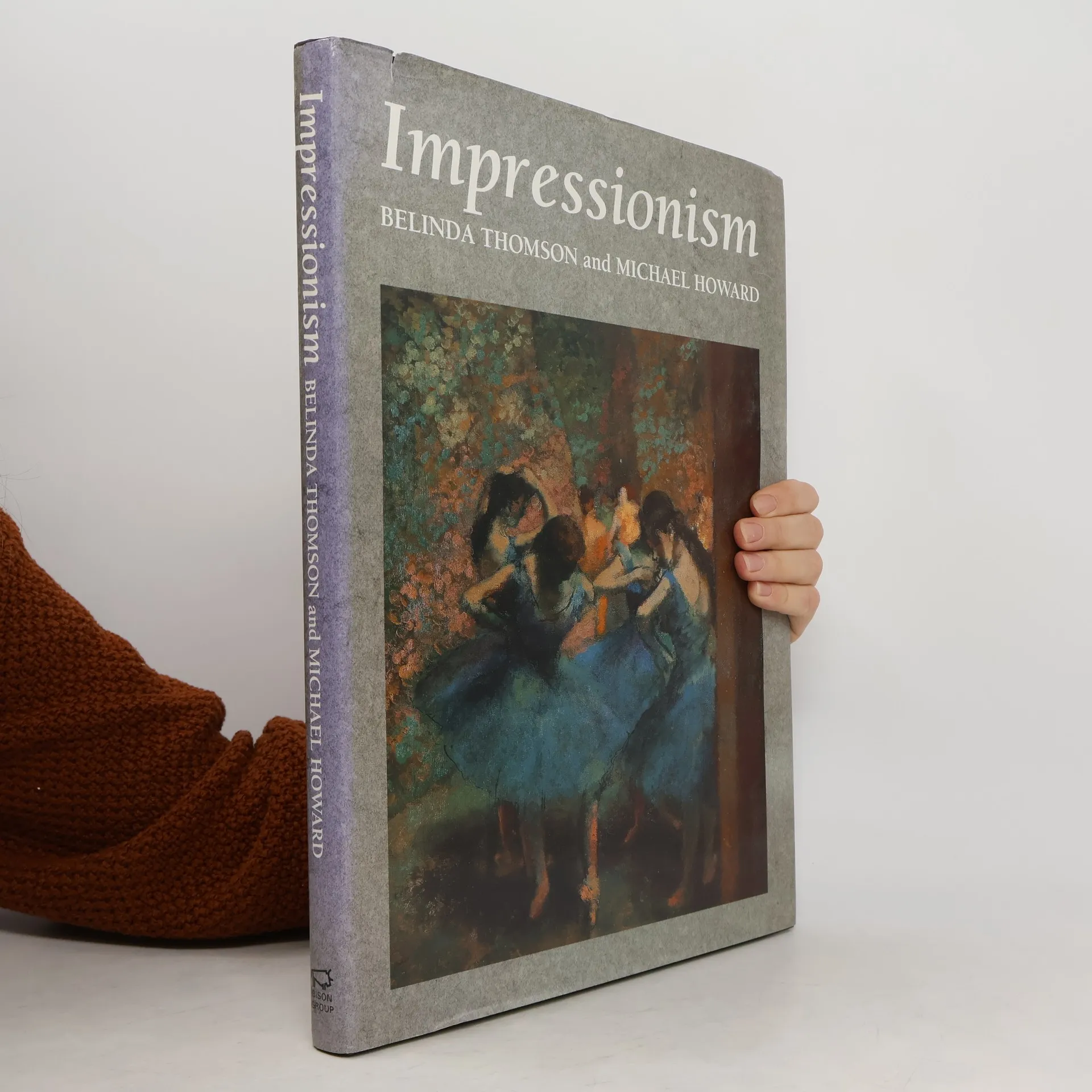
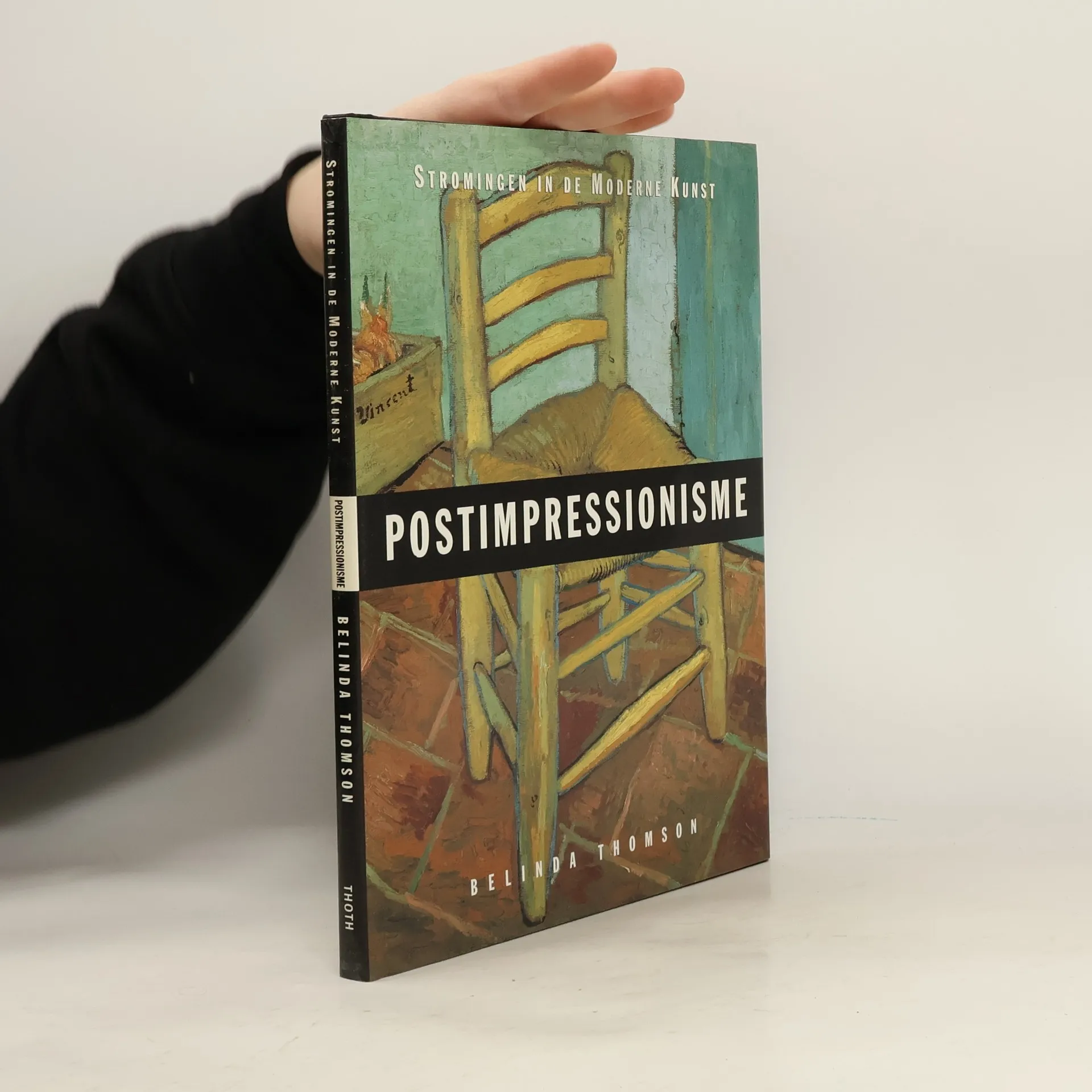
One of a series introducing major movements in modern art to general readers, students and gallery visitors, this text looks at the Post-Impressionists. Hard on the heels of the Impressionists came artists with a different agenda. Dissatisfied with the essentially short-term effects Impressionism had mastered, they strove in their different ways for an art of a more permanent, structured and expressive kind. By refining and codifying, or dismantling and reassembling, the procedures of Impressionism, artists such as Seurat, Cezanne, Gauguin and Van Gogh and their associates rewrote the rules for representational painting at the turn of the 20th century. The arbitrary colour, exaggerated forms and abstraction of their works marked a new distance between artist and nature, and prepared the public for the freedoms of the next generation of innovators. This book focuses on the artists responsible for these influential stylistic changes, and sets them in their intellectual and historical contexts.
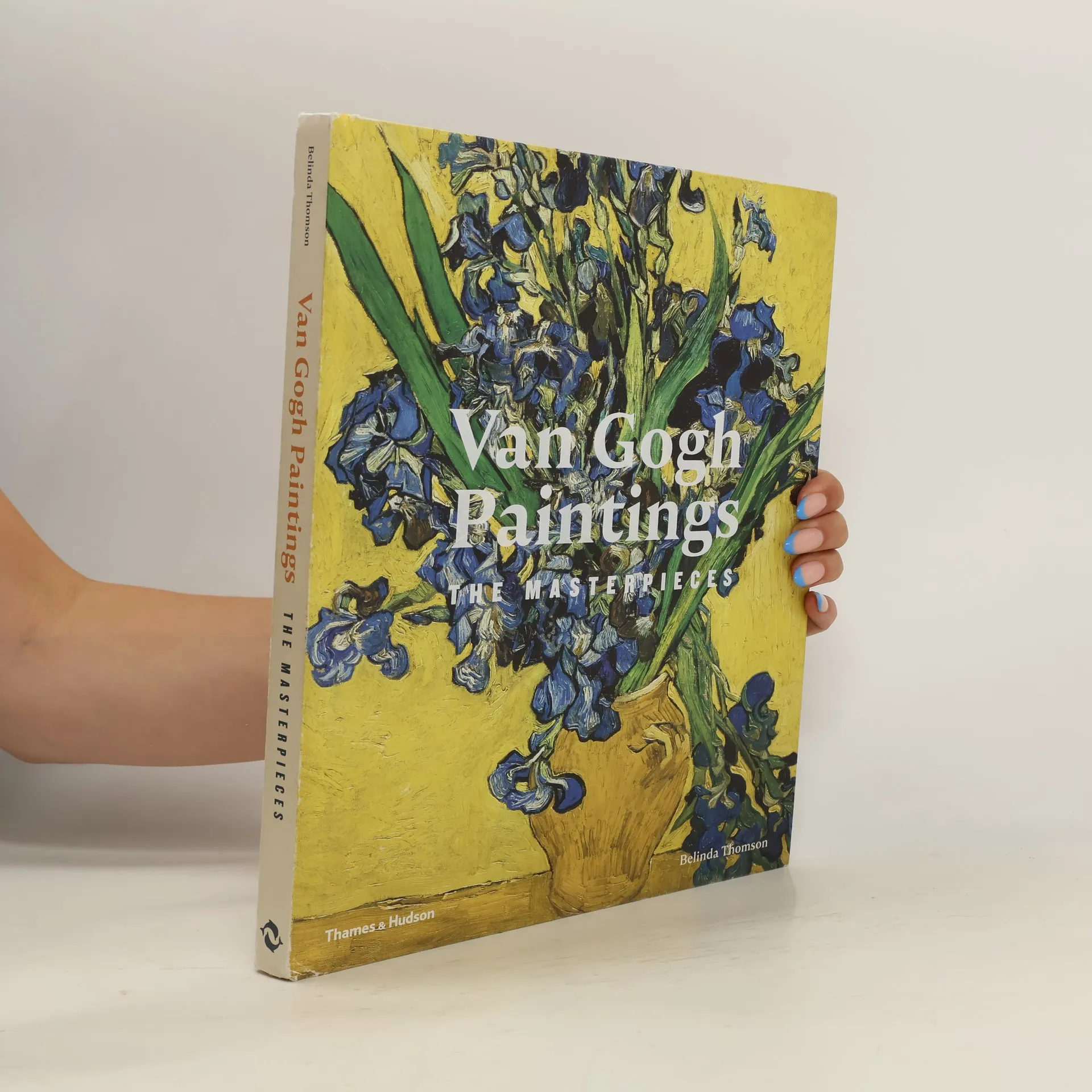
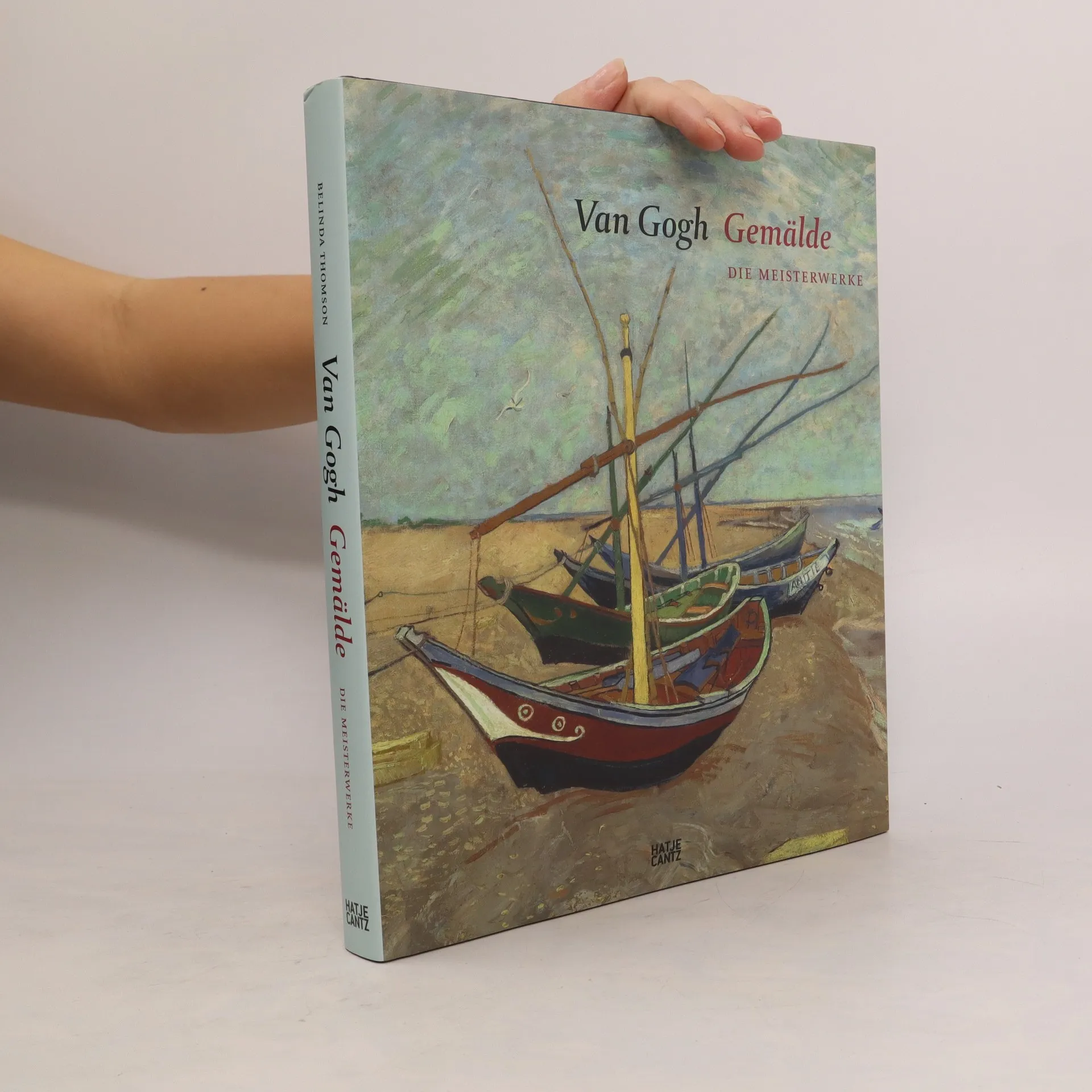
Wer kennt sie nicht, die Meisterwerke von Vincent van Gogh (1853–1890): seine sonnig leuchtenden, flammenden Kornfelder der Provence oder seine einfühlsamen Porträts. Seit Jahren gehören seine Bilder zu den teuersten der Welt. Der Mythos um van Gogh, der zu Lebzeiten kaum ein halbes Dutzend Gemälde verkaufte, heute aber zu den bedeutenden Begründern der Moderne zählt, wird damit bis in unsere Tage fortgeschrieben. Kaum ein anderer Künstler weckt mit seinem Leben, seinen Selbstzweifeln, seiner Einsamkeit eine so große Anteilnahme. Wir freuen uns daher, Ihnen einen Band mit den beeindruckendsten Gemälden van Goghs anbieten zu können, der die 'Ikonen' seines Œuvres und darüber hinaus auch einzelne weniger bekannte Gemälde aus seiner gesamten Schaffenszeit versammelt. Belinda Thomson, eine ausgewiesene Kennerin der Kunst van Goghs und des Postimpressionismus, betrachtet sie vor dem Hintergrund seines kurzen, aber äußerst produktiven Lebens. Die Korrespondenz des Künstlers, die aus Hunderten von Briefen an Familienmitglieder und Freunde besteht, bildet dabei eine wichtige Quelle der Interpretation.