Reinhold Ebertin est reconnu comme une figure clé de la Cosmobiologie moderne, s'appuyant sur les recherches d'Alfred Witte concernant les points médians astrologiques et les combinaisons planétaires. Son œuvre synthétise de manière unique des corrélations psychologiques avec l'astrologie médicale, en utilisant des outils tels que le 'cadran de 90°' de l'École de Hambourg. À travers des textes fondamentaux comme 'La Combinaison des Influences Stellaires', Ebertin a fait progresser l'intégration de l'astrologie aux principes scientifiques, explorant les intrications complexes entre les mouvements célestes et le bien-être humain.
Der Klassiker der Astromedizin ist wieder erhältlich. Er ordnet Körperteile und Organe bestimmten Graden zu, was jedoch nicht bedeutet, dass ein Planet auf einem Grad zwangsläufig Krankheiten verursacht.
The basis for this book was a publication by Elsbeth Ebertin entitled Sternenwandel und Weltgeschehen. It contained cases of her own investigations and records. Her son, Reinhold Ebertin, and Georg Hoffman, Elsbeth's coworker, edited the text and added many new sources of information. Like Ptolemy's astronomical handbook, Almagest, this is the basis for much of the current information on fixed stars. Modern astrologers recognized that fixed stars carry an influence into the horoscope if conjunction a natal planet by longitude and even more so if by latitude. A prominent star on the Ascendant or Midheaven is said to be an indication of recognition achieved in the lifetime. The character of the star indicates the kind of influence the aspect will have. This book contains 73 major stars and describes their essential nature.
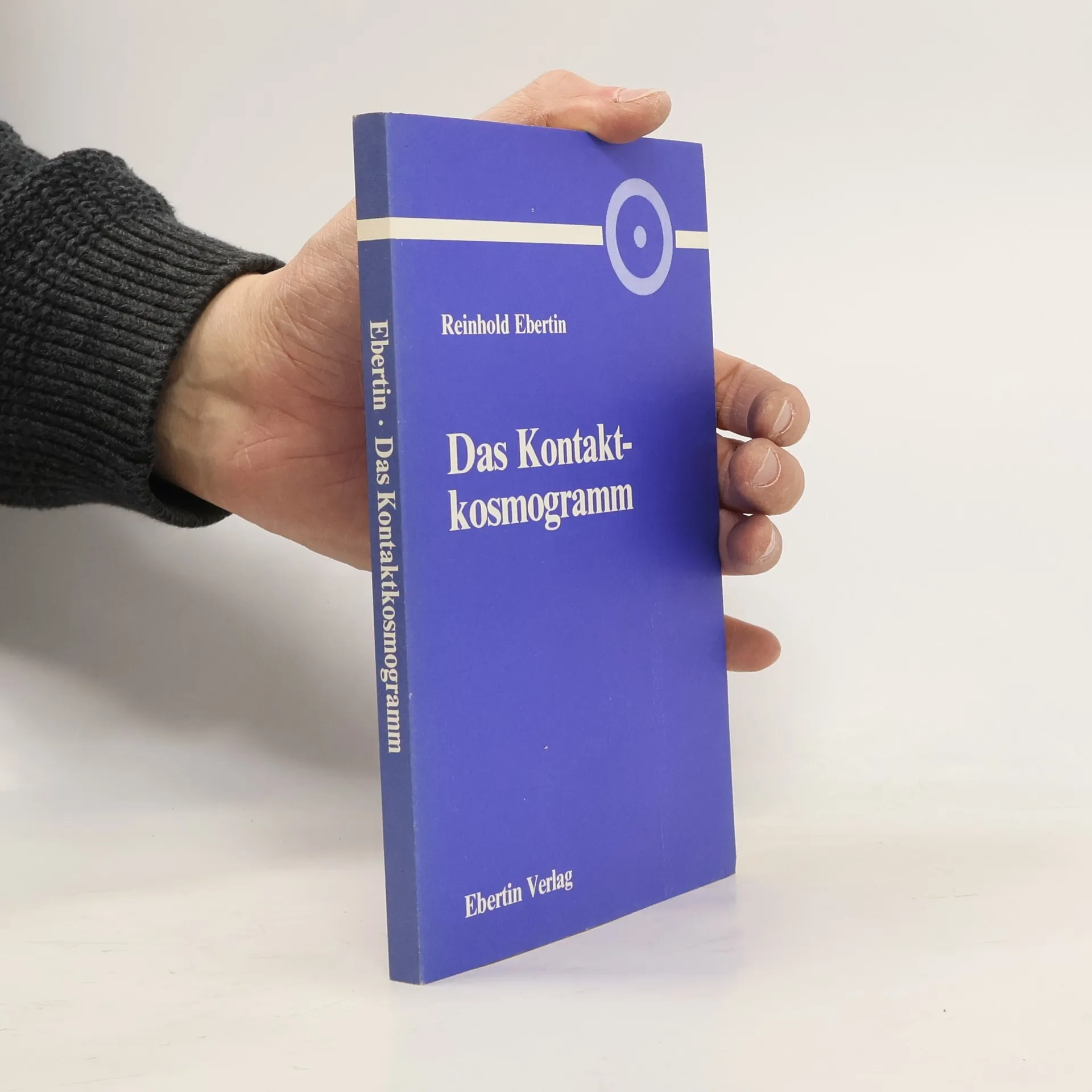
Jeder Mensch wird in eine bestimmte Umgebung geboren, die sein Leben von Anfang an prägt. Beziehungen sind ein entscheidender Faktor in dieser Entwicklung, beginnend bei den Eltern und Geschwistern und sich ausweitend auf Freundschaften, Kollegen und romantische Beziehungen. Jede dieser Beziehungen sowie die Menschen und Erfahrungen, die angezogen werden, können im Horoskop gesehen werden. Einige bringen Glück und dauerhafte Bindungen, während andere Verzweiflung, Leid und Lernerfahrungen mit sich bringen. Das Kontaktkosmogramm konzentriert sich auf Beziehungen durch die Technik des Horoskopvergleichs, mit der festgestellt werden kann, ob dauerhafte Harmonie und ergänzende Faktoren zwischen zwei Personen bestehen. Der Autor untersucht auch die Indikatoren, die zwei Menschen helfen oder hinderlich sein können, wenn sie Lebenskrisen gegenüberstehen. Umfangreich illustriert mit vielen Beispielen, erforscht das Kontaktkosmogramm das Leben berühmter Paare, problematischer Ehen und Zusammenarbeit.
Seit den frühesten Ursprüngen der Astrologie wurden die Fixsterne sowohl im Persönlichkeits- als auch im Mundanhoroskop verwendet. In der neueren Astrologie wird die Deutung ihres Einflusses meist ganz vernach-lässigt. Das vorliegende Buch gibt eine Anregung, sich wieder stärker auf die Fixsterndeutung zu besinnen. Die Positionen von 73 Fixsternen und deren Bedeutung in zahlreichen Ge-burtsbildern werden ausführlich besprochen.
The Combination of Stellar Influences is a well-known and popular book that explains the development of cosmobiology, which uses the 90-degree dial, and teaches the methods of this progressive school of astrology. Through the interpretation of the stellar bodies and other astronomical points in the individual's chart, emphasis is placed on the cosmobiological character and the shaping of destiny. The delineation of the various combinations and mid-points is well-defined, easy to follow and to the point. Learn the basic influence and principle characteristics of planetary combinations, as well as their psychological, biological and sociological correspondence and probable manifestation in natal and predictive astrology.