
Bookbot

Patricia Ingham

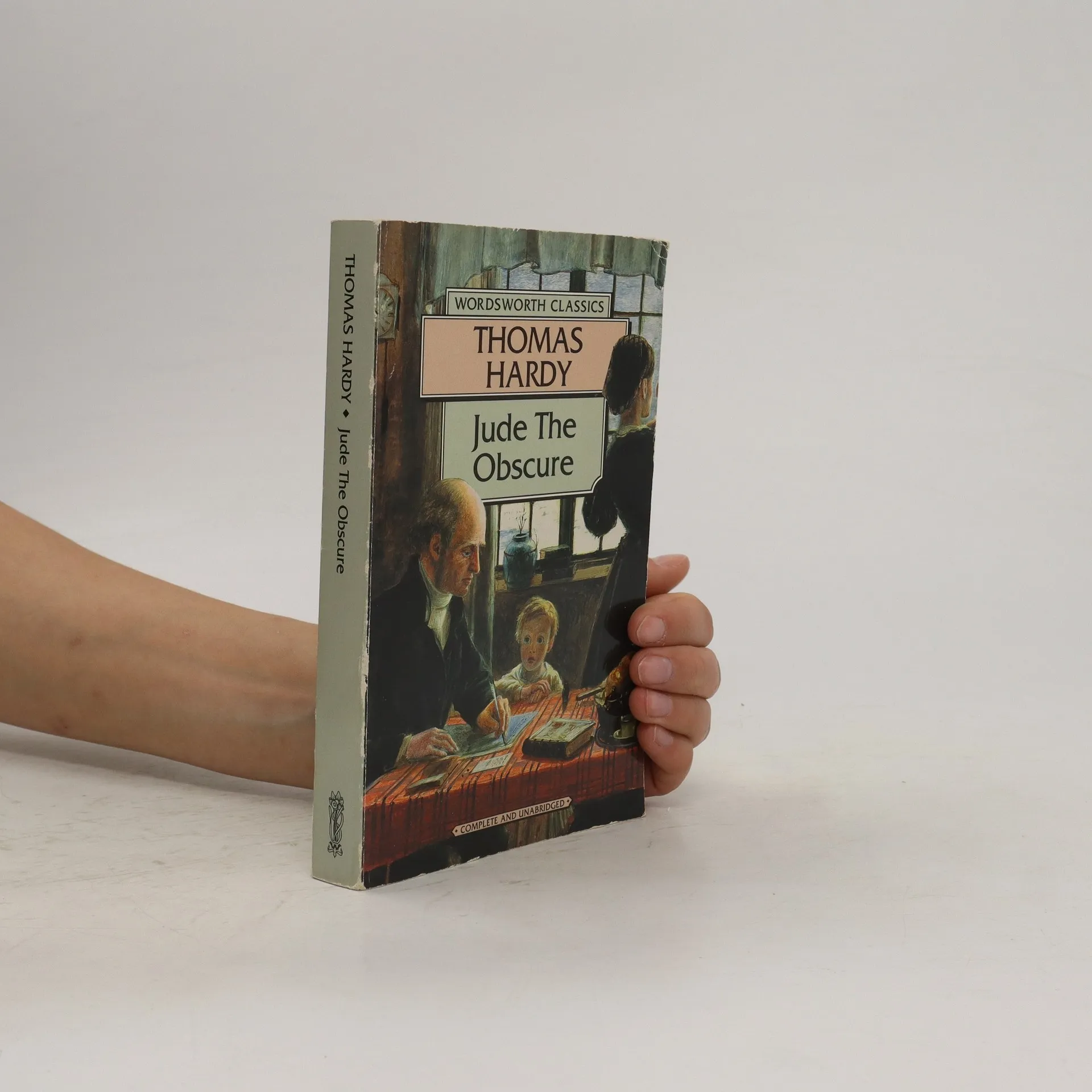
    Jude the Obscure
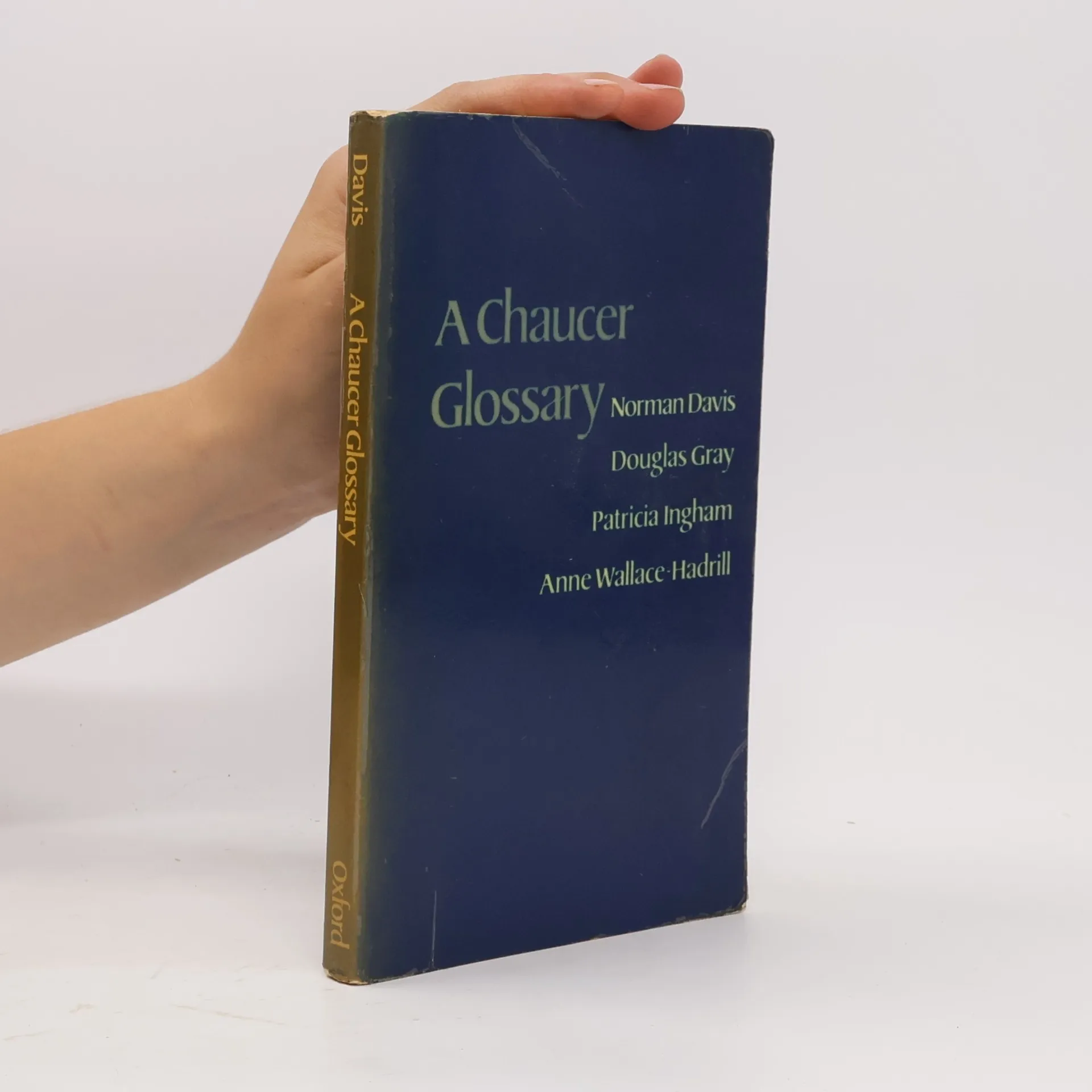
    A Chaucer Glossary
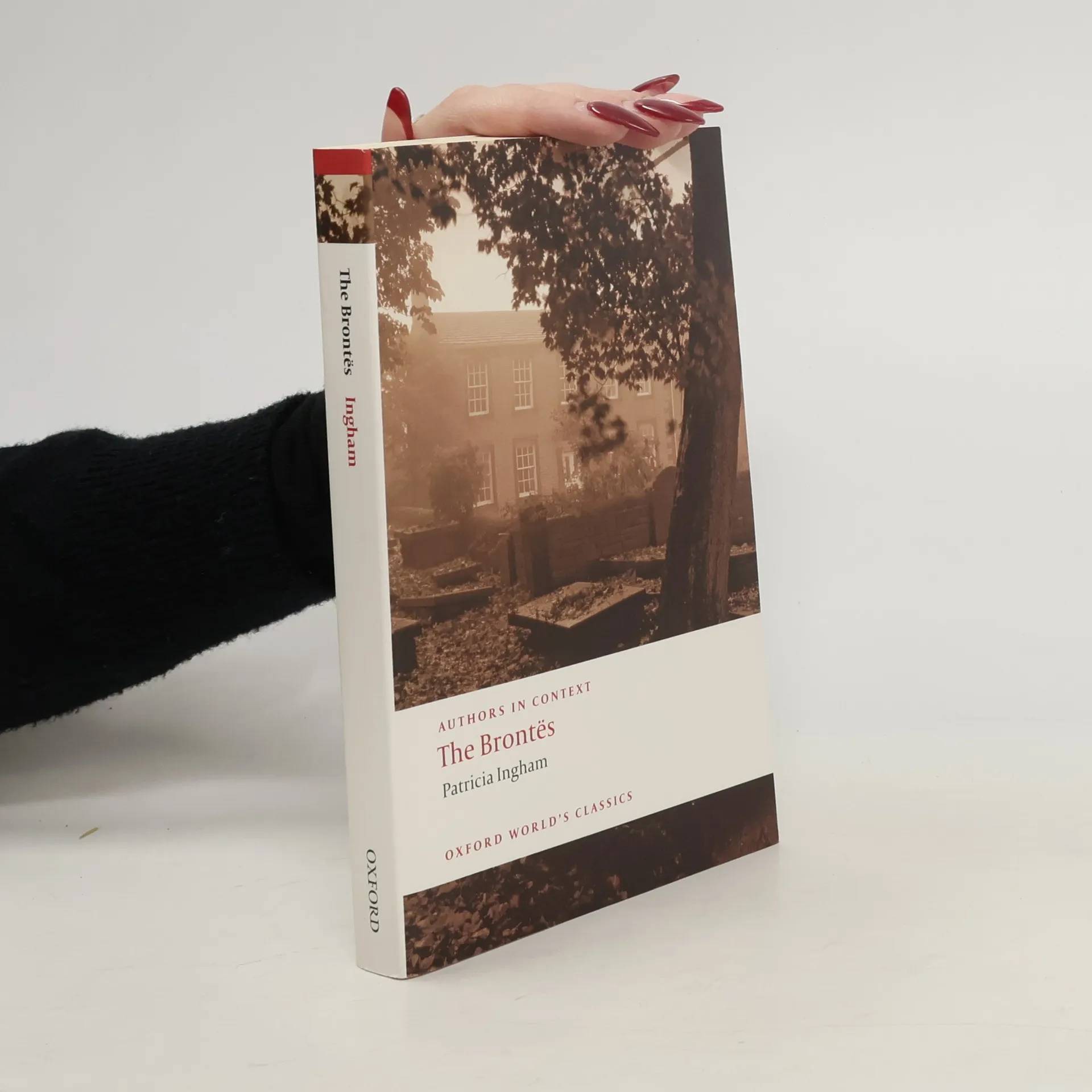
    The Brontes (Authors in Context)
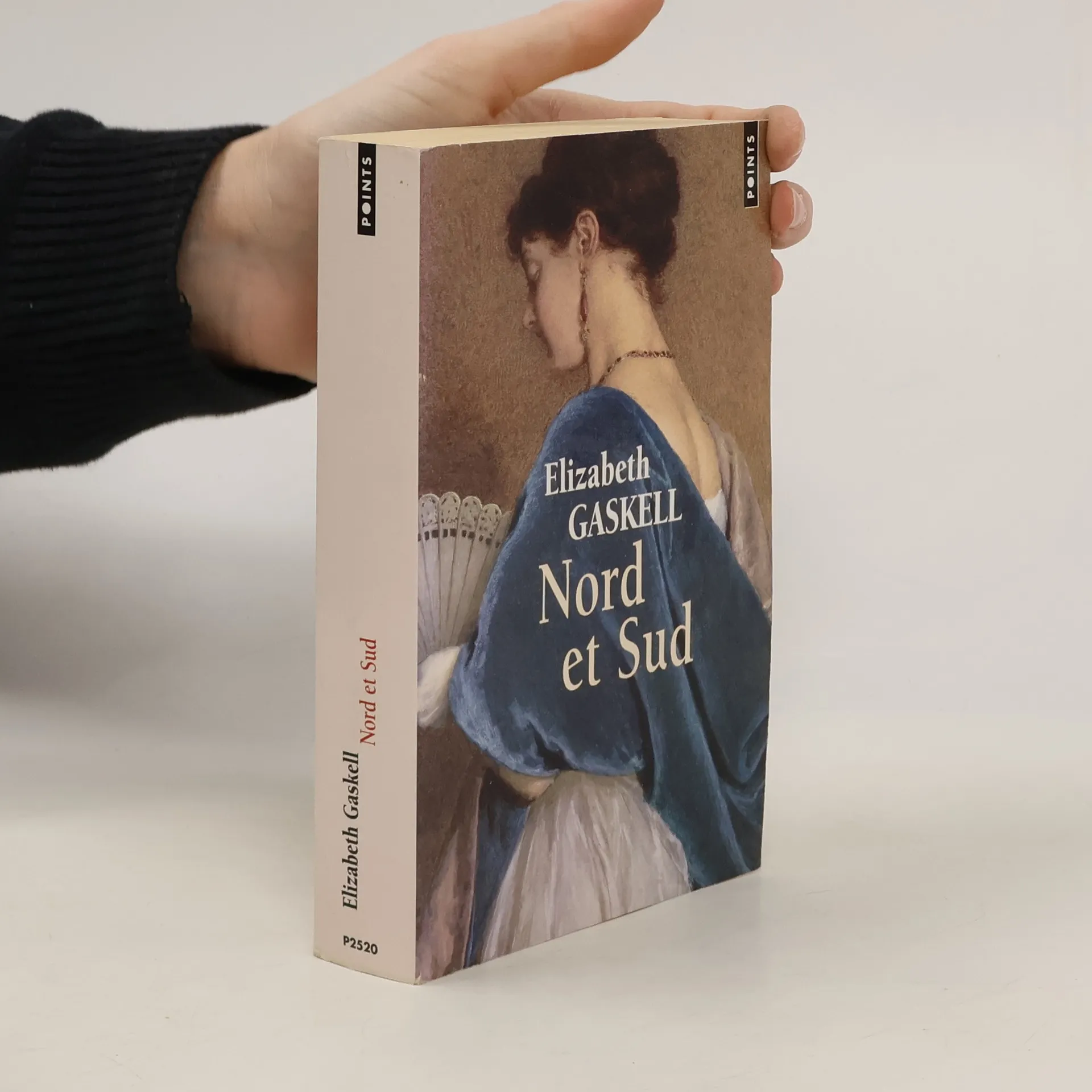
    North and South
    • The Brontes (Authors in Context)

      • 273pages
      • 10 heures de lecture

      'The Brontës' is a topical exploration of the novels of the three Brontë sisters in relation to the age in which they lived, and in modern contexts such as film and television. The book traces the origins of novels such as 'Jane Eyre' and 'Wuthering Heights' and examines the 20th century's remaking of the novels in film and TV.

      The Brontes (Authors in Context)2008
      3,7
    • North and South

      • 448pages
      • 16 heures de lecture

      This is one of the earliest novels of industrial alienation, tellingly linked to the plight of 19th-century women. It tells of the relationship between Margaret Hale, a girl from the old rural south, and John Thornton, a mill owner from the new industrial north.

      North and South2000
      3,8
    • Jude the Obscure

      • 444pages
      • 16 heures de lecture

      In 1895 Hardy’s final novel, the great tale of Jude the Obscure, sent shock waves of indignation rolling across Victorian England. Hardy had dared to write frankly about sexuality and to indict the institutions of marriage, education, and religion. But he had, in fact, created a deeply moral work. The stonemason Jude Fawley is a dreamer; his is a tragedy of unfulfilled aims. With his tantalizing cousin Sue Bridehead, the last and most extraordinary of Hardy’s heroines, Jude takes on the world—and discovers, tragically, its brutal indifference. The most powerful expression of Hardy’s philosophy, and a profound exploration of man’s essential loneliness, Jude the Obscure is a great and beautiful book. “His style touches sublimity.” —T. S. Eliot

      Jude the Obscure1985
    • A Chaucer Glossary

      • 208pages
      • 8 heures de lecture

      This Glossary, designed as a practical aid to the reading of Chaucer, is intended to be serviceable with any of the widely read editions. Its primary aim is to explain the meanings of words and phrases used by Chaucer in ways which are unfamiliar in modern English. Words used as they are today are not included, but many now in common use do appear, as they had different connotations in Chaucer's time. This concise working tool will be valuable to all Middle English scholars.

      A Chaucer Glossary1979