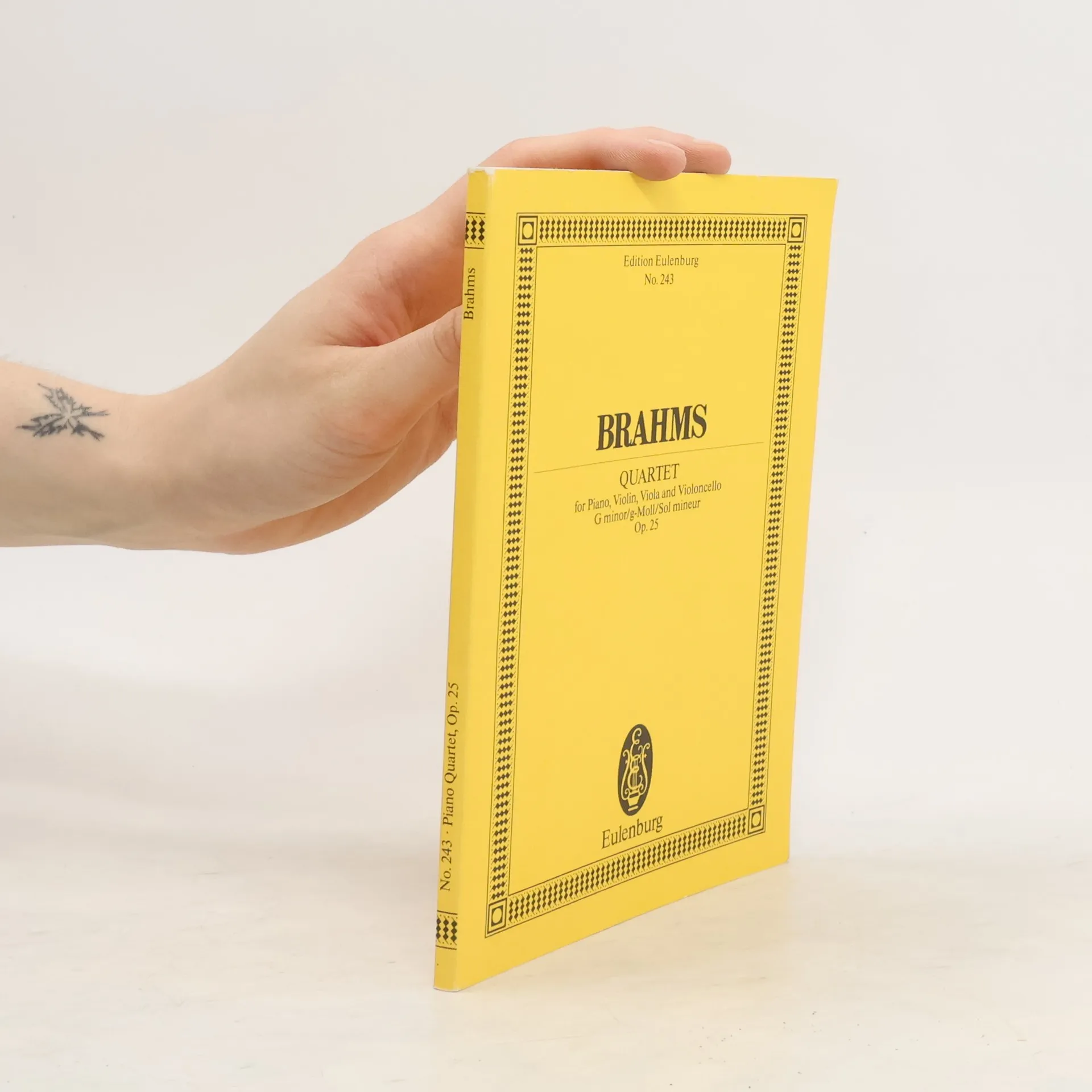
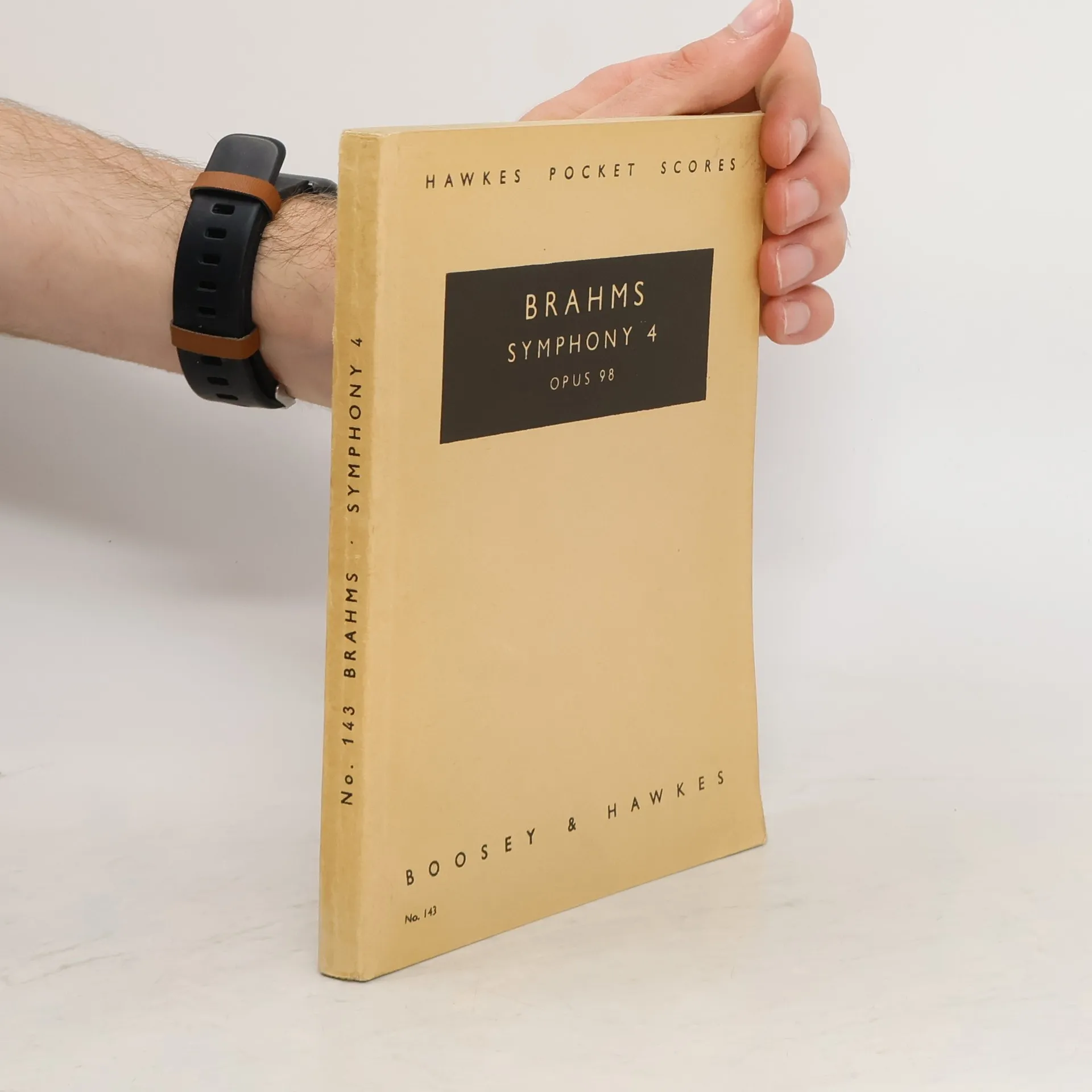
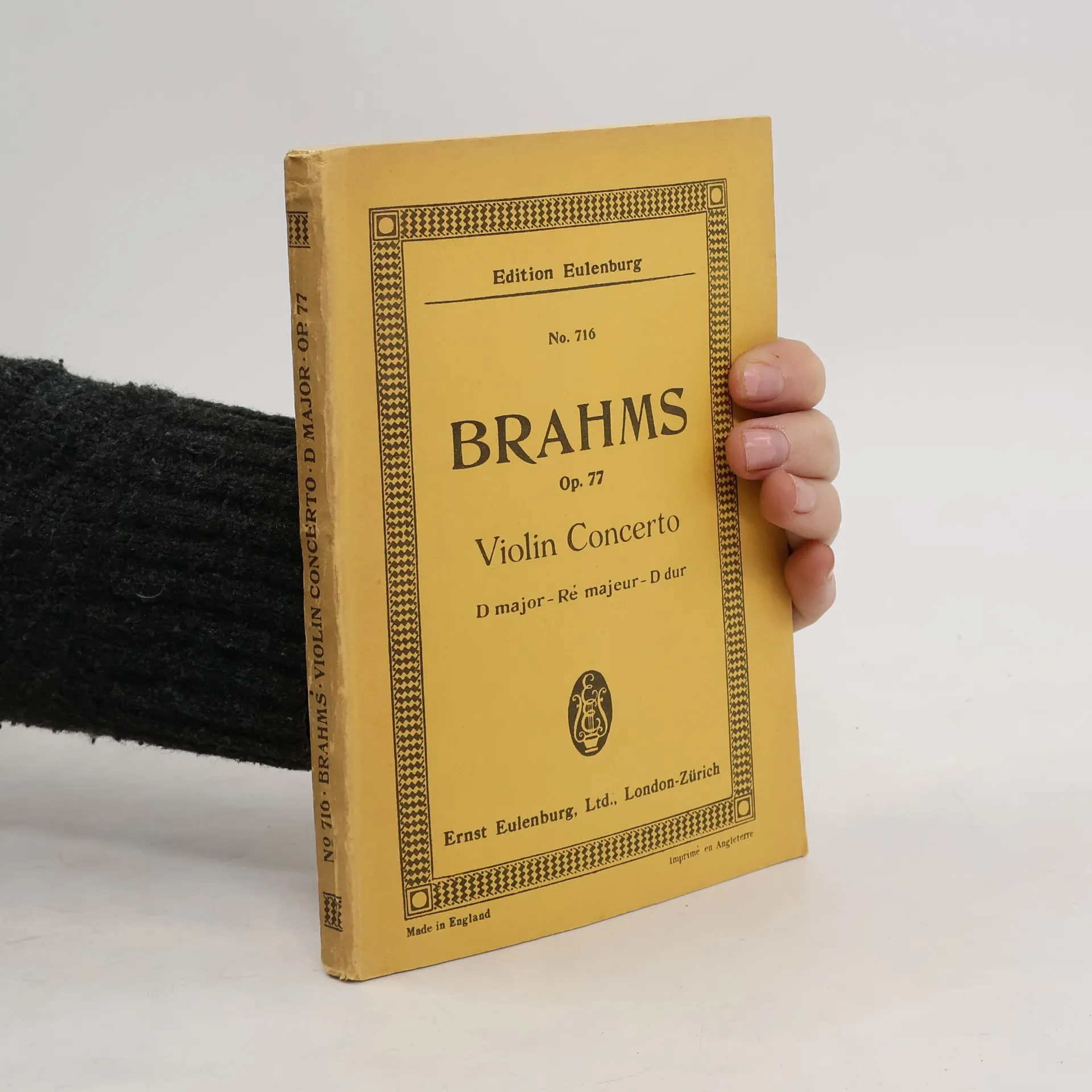
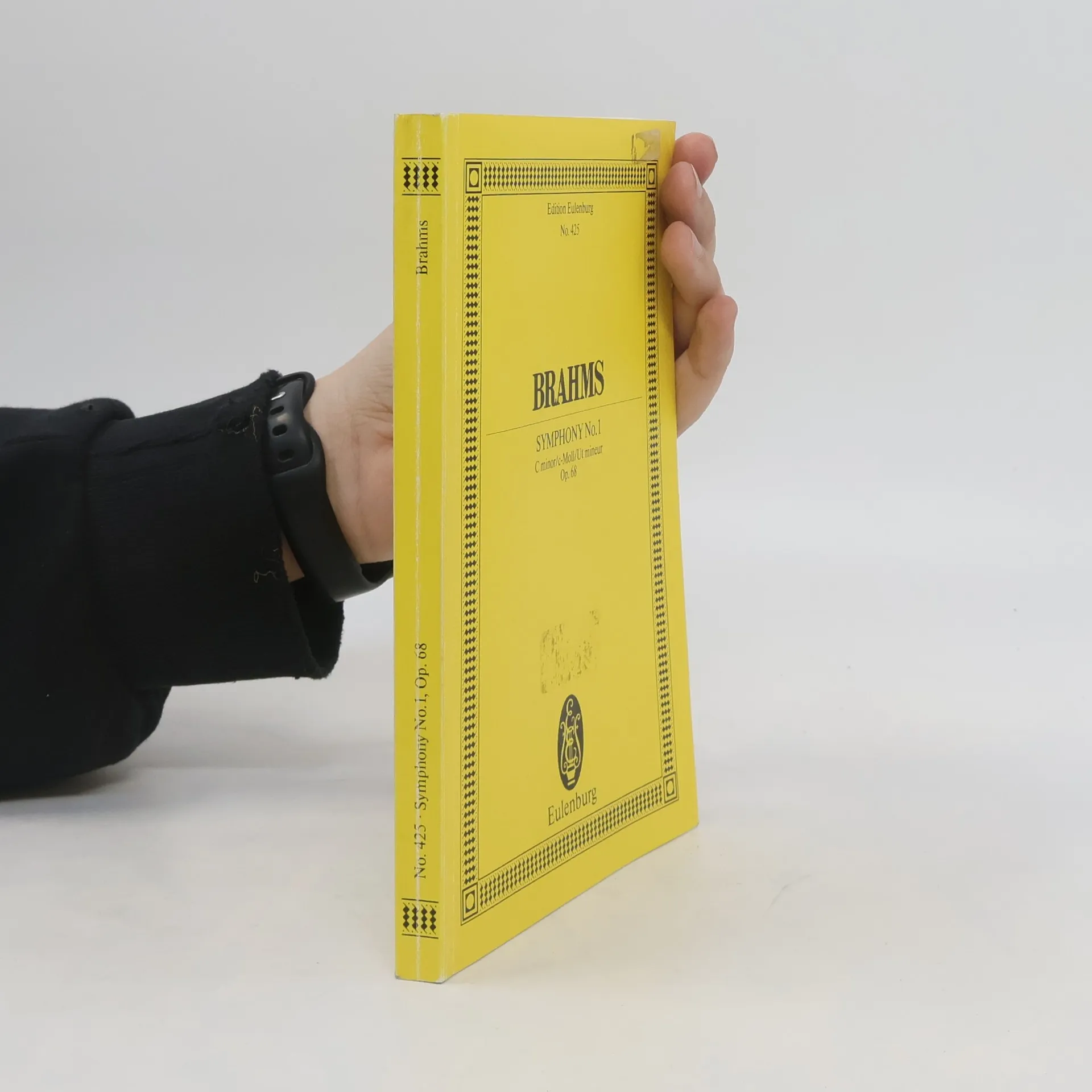
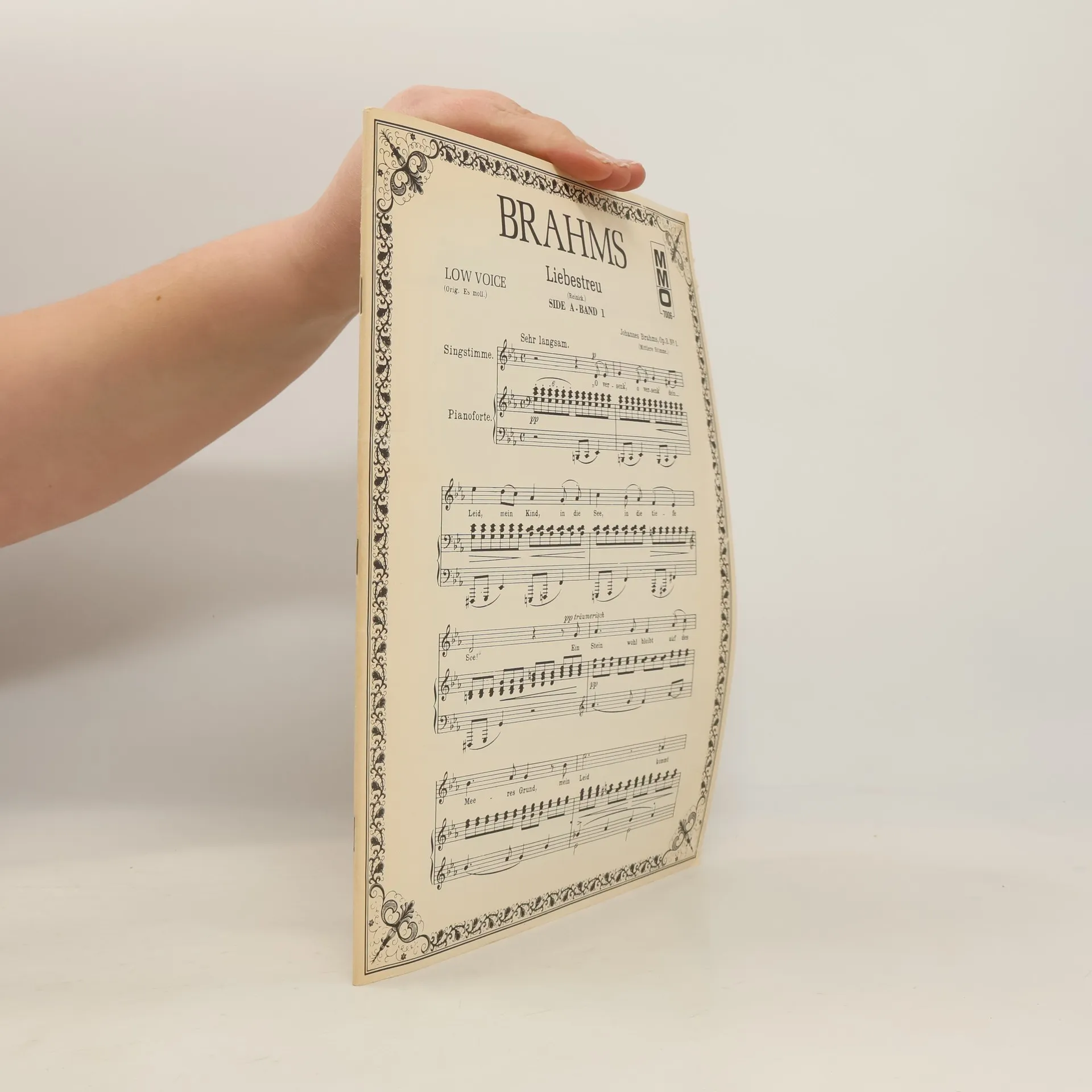
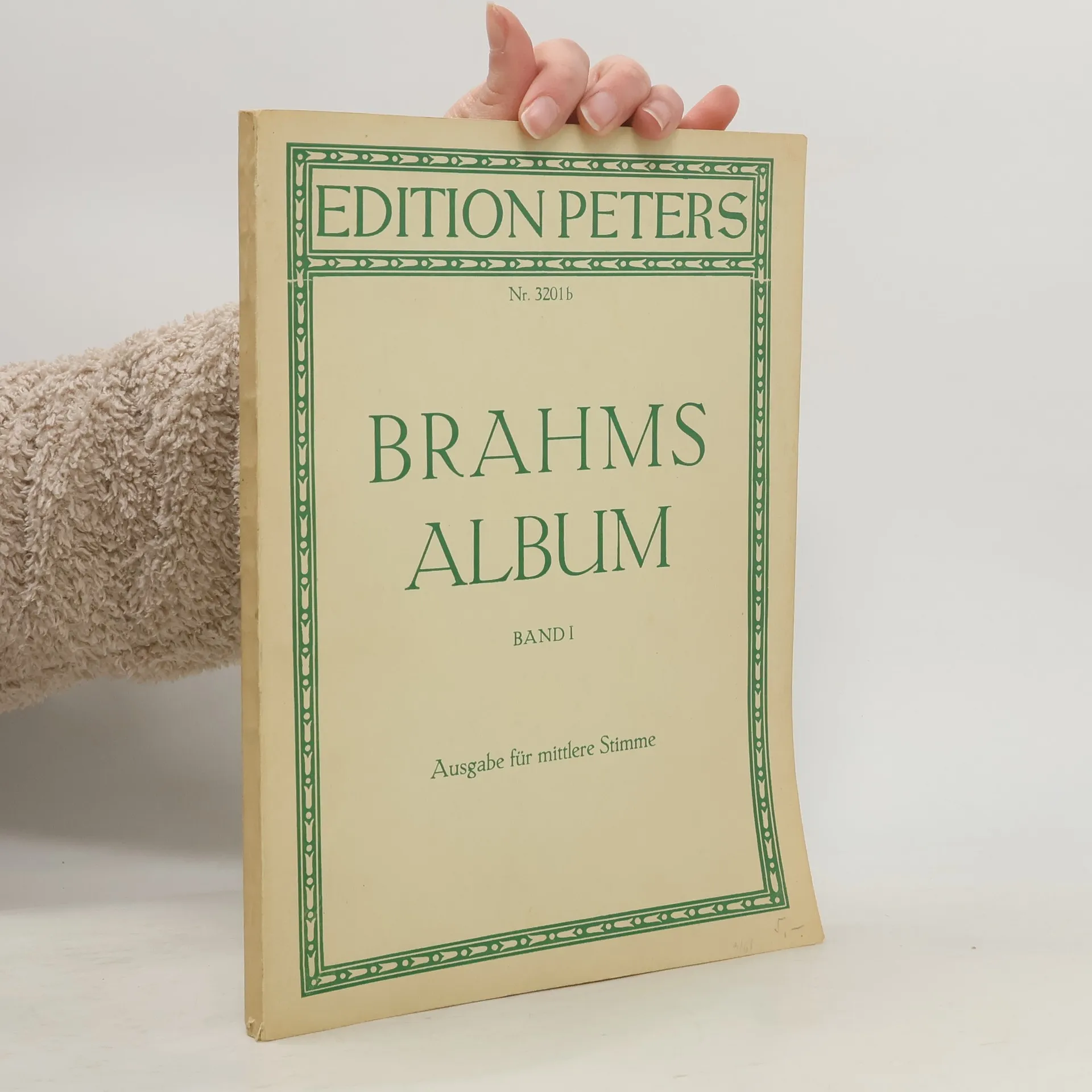
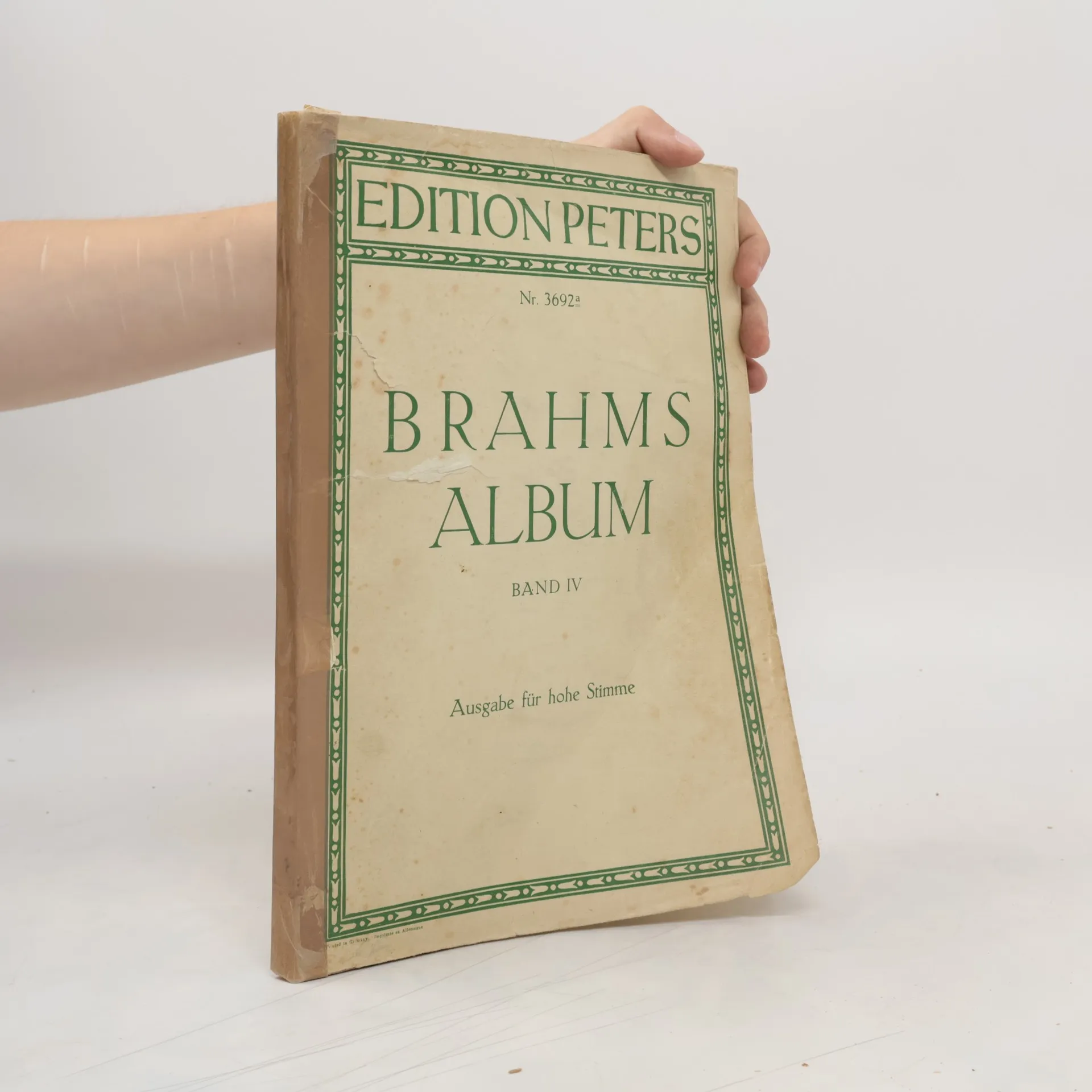
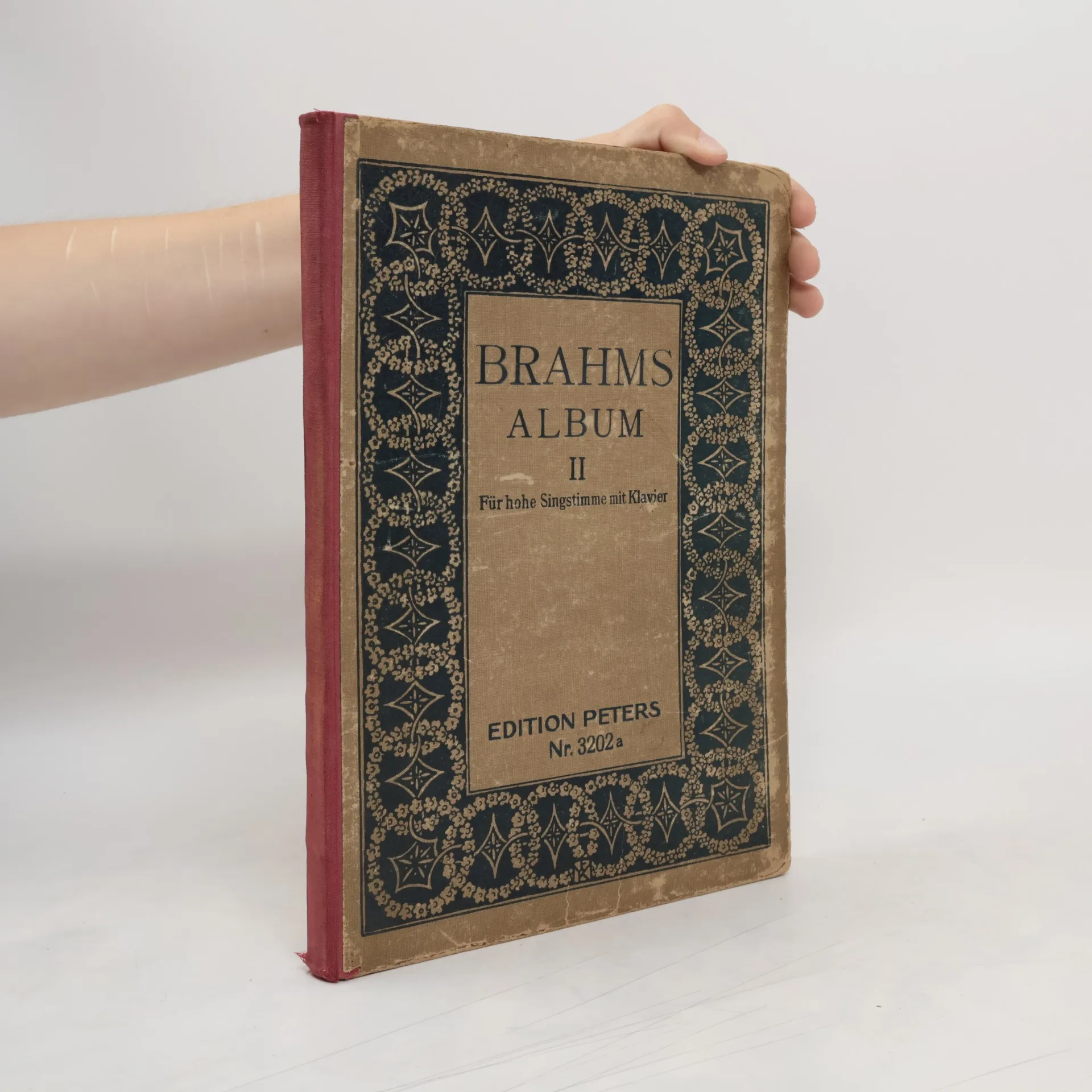
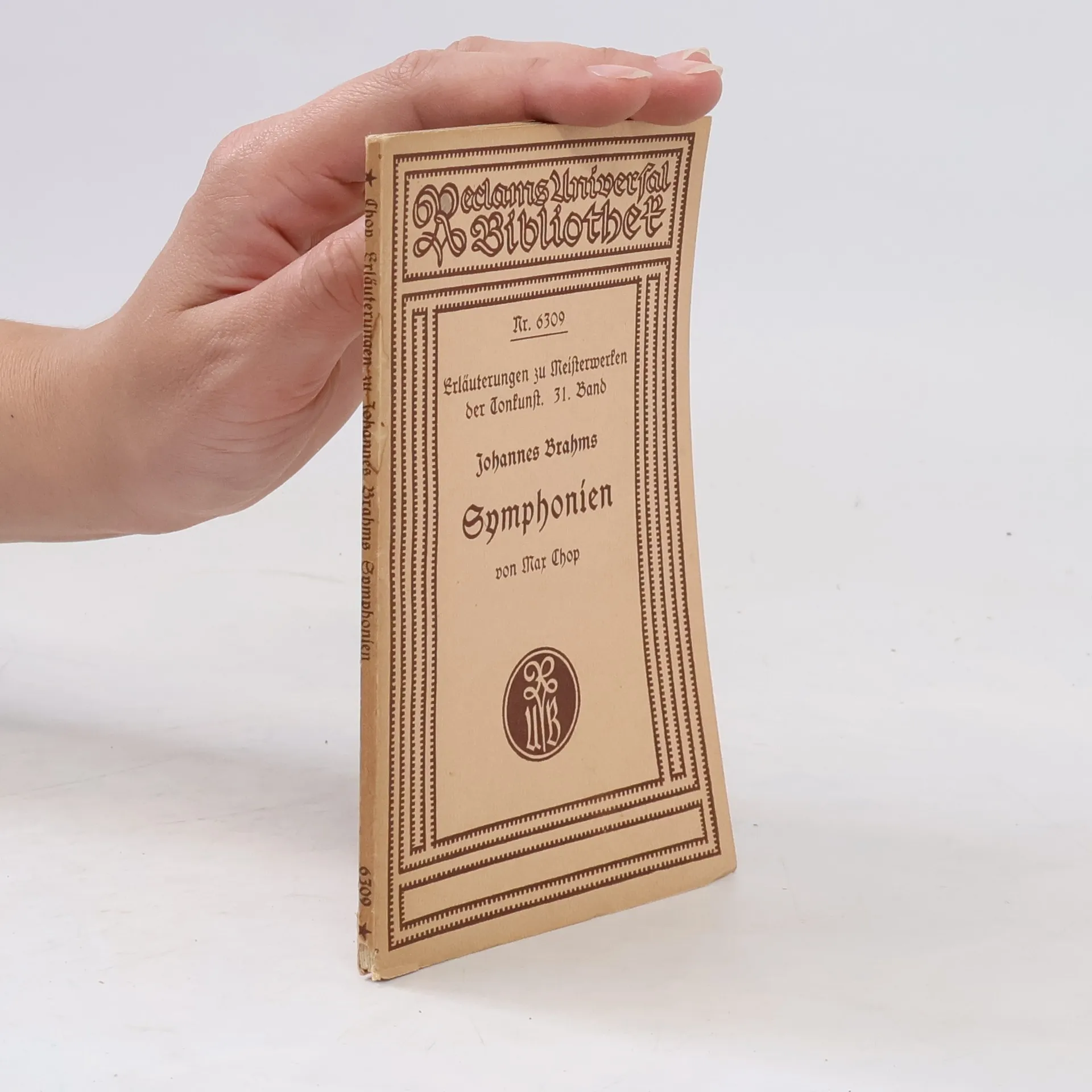
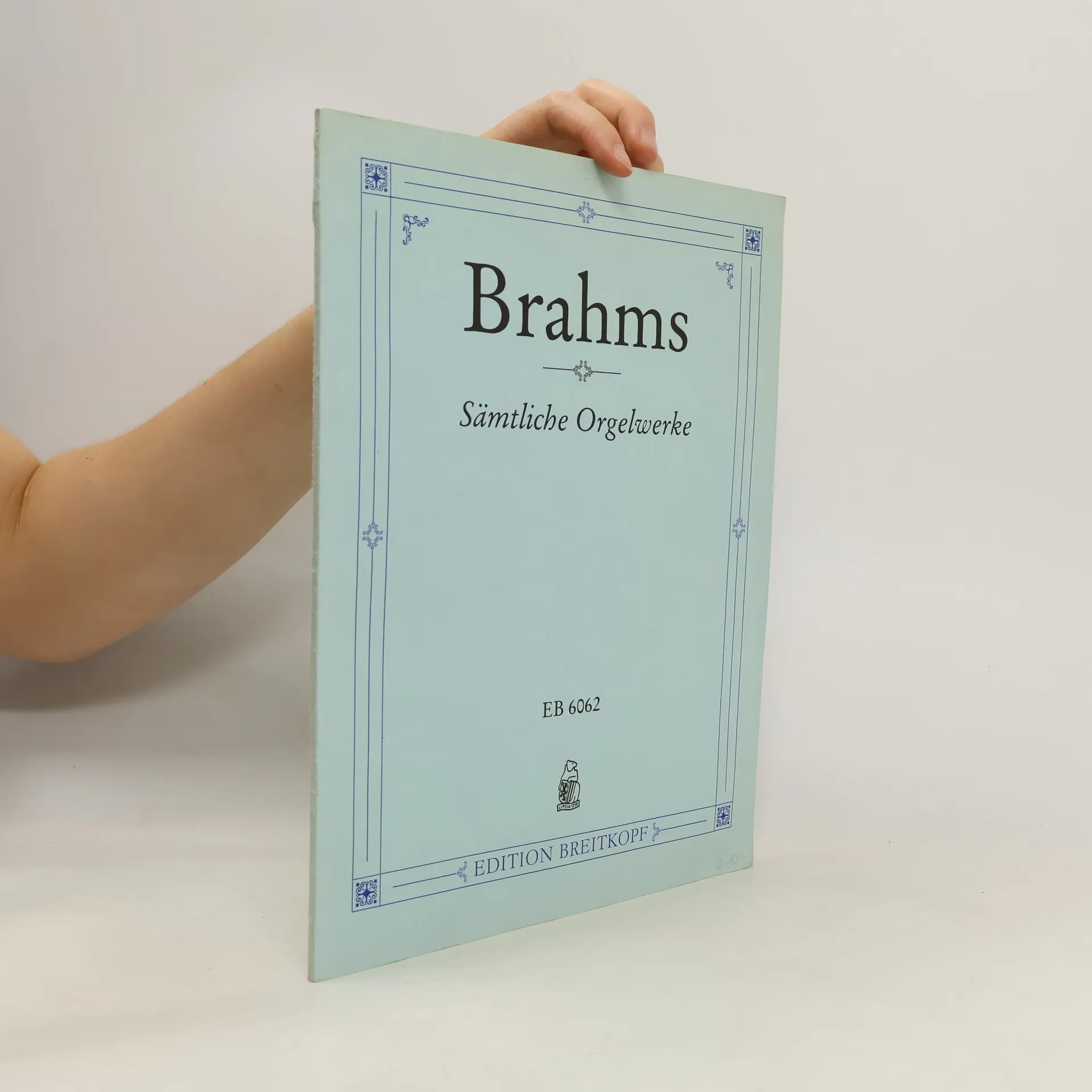
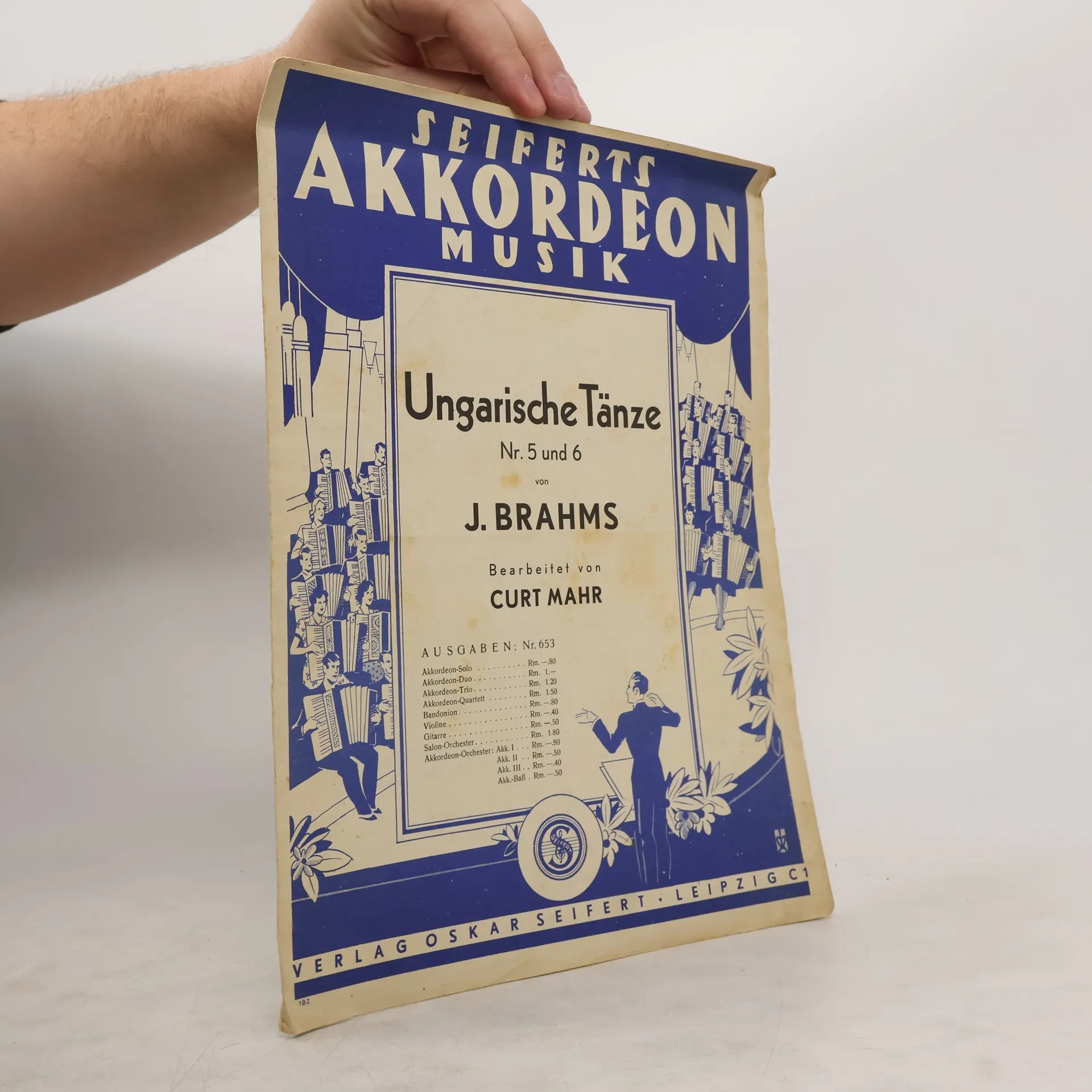
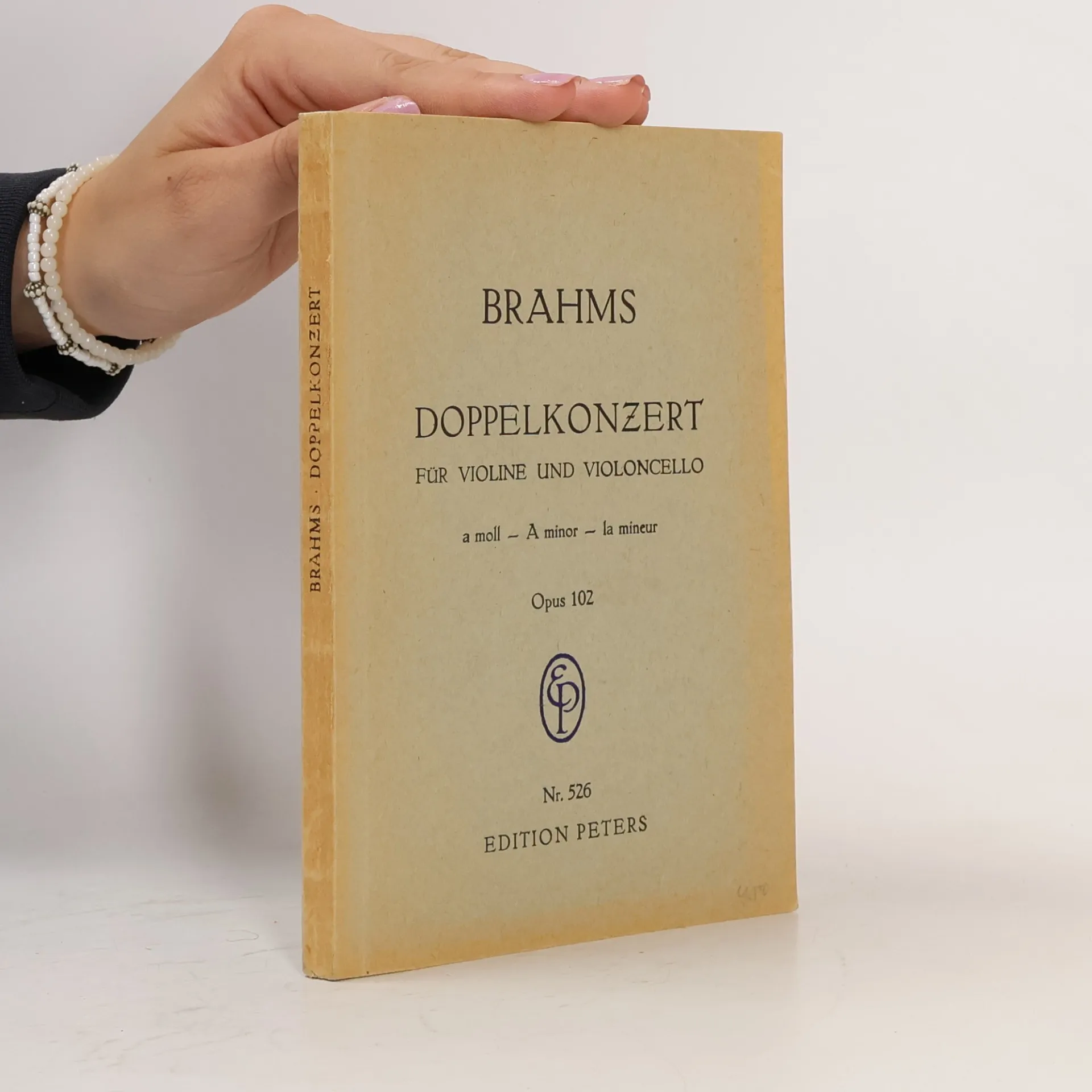
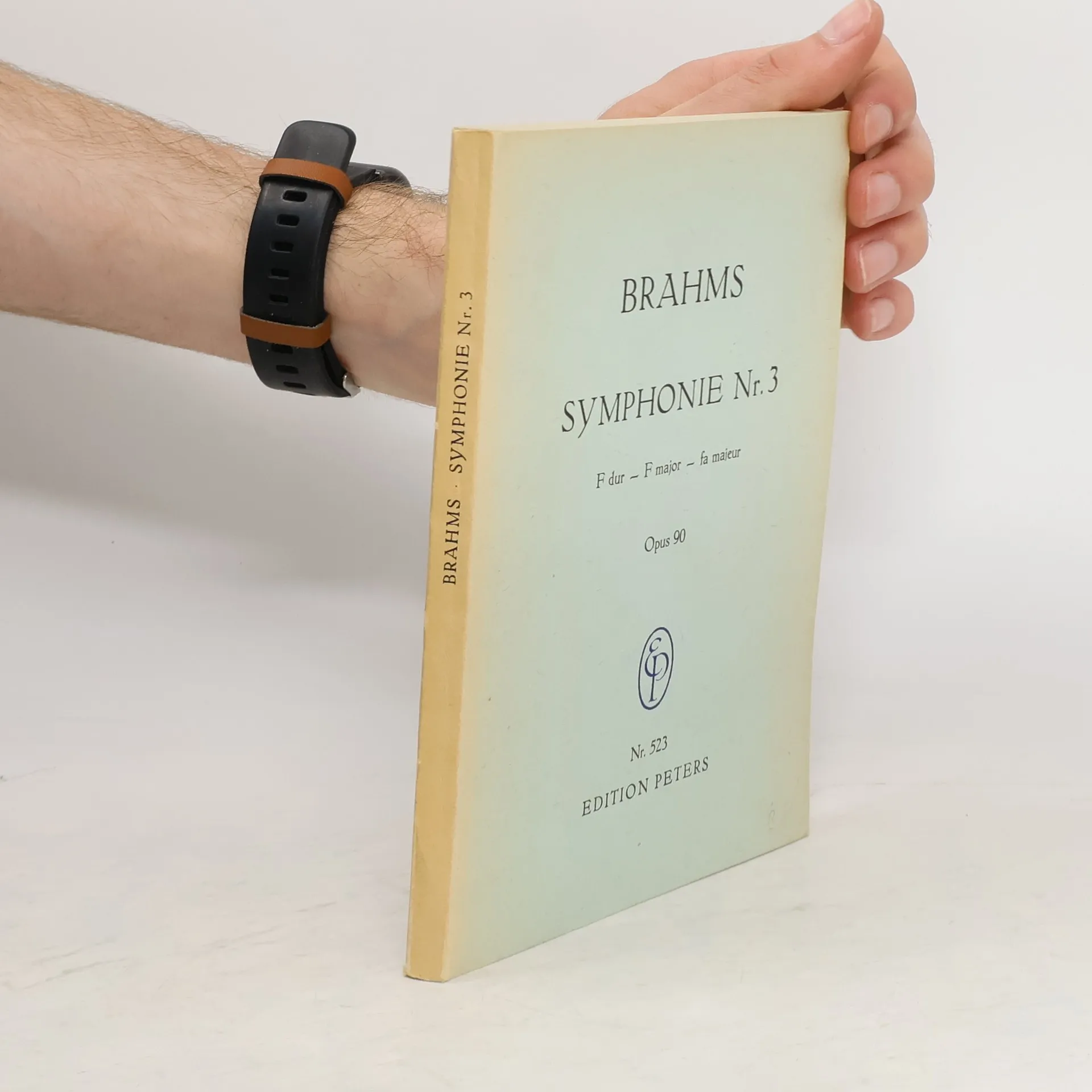
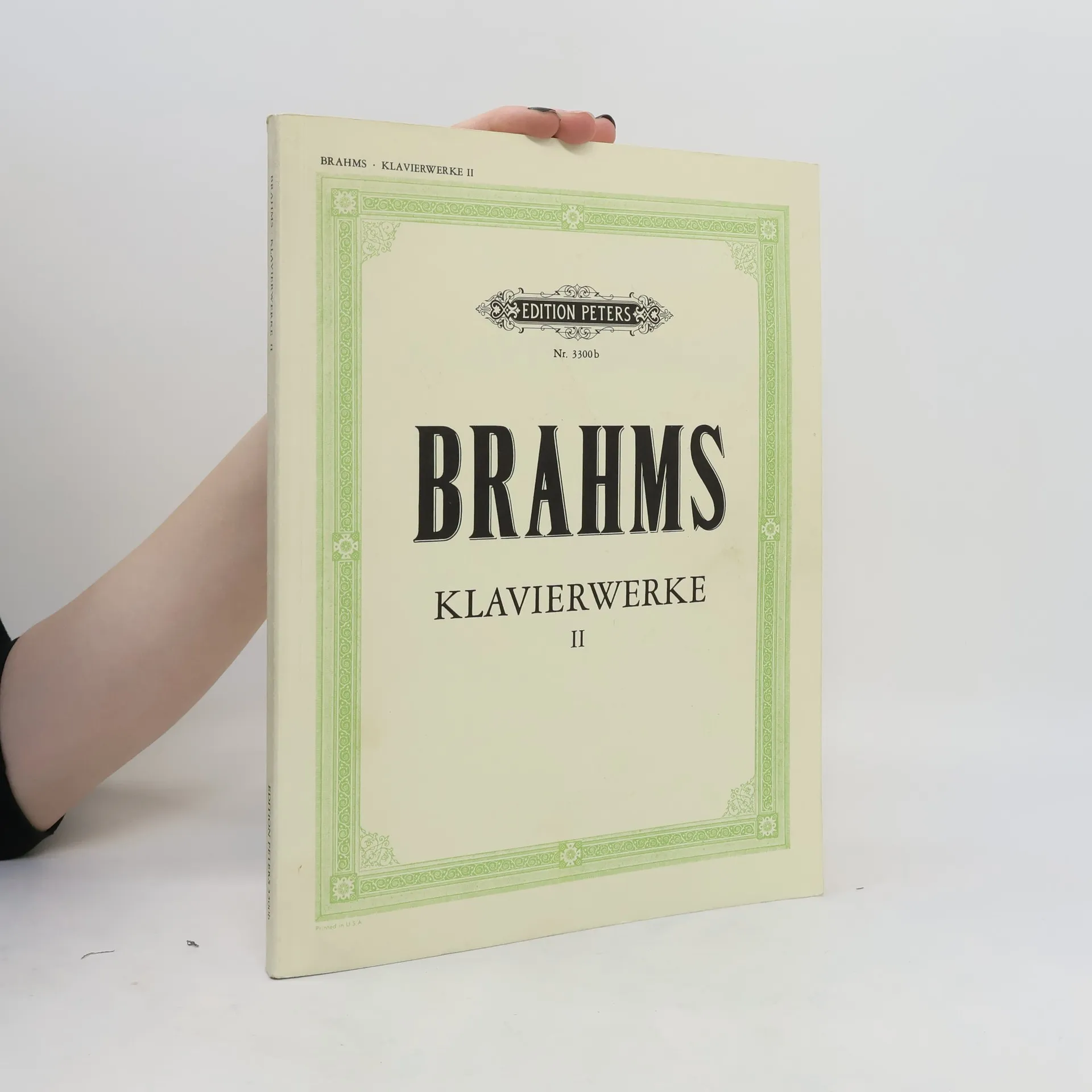
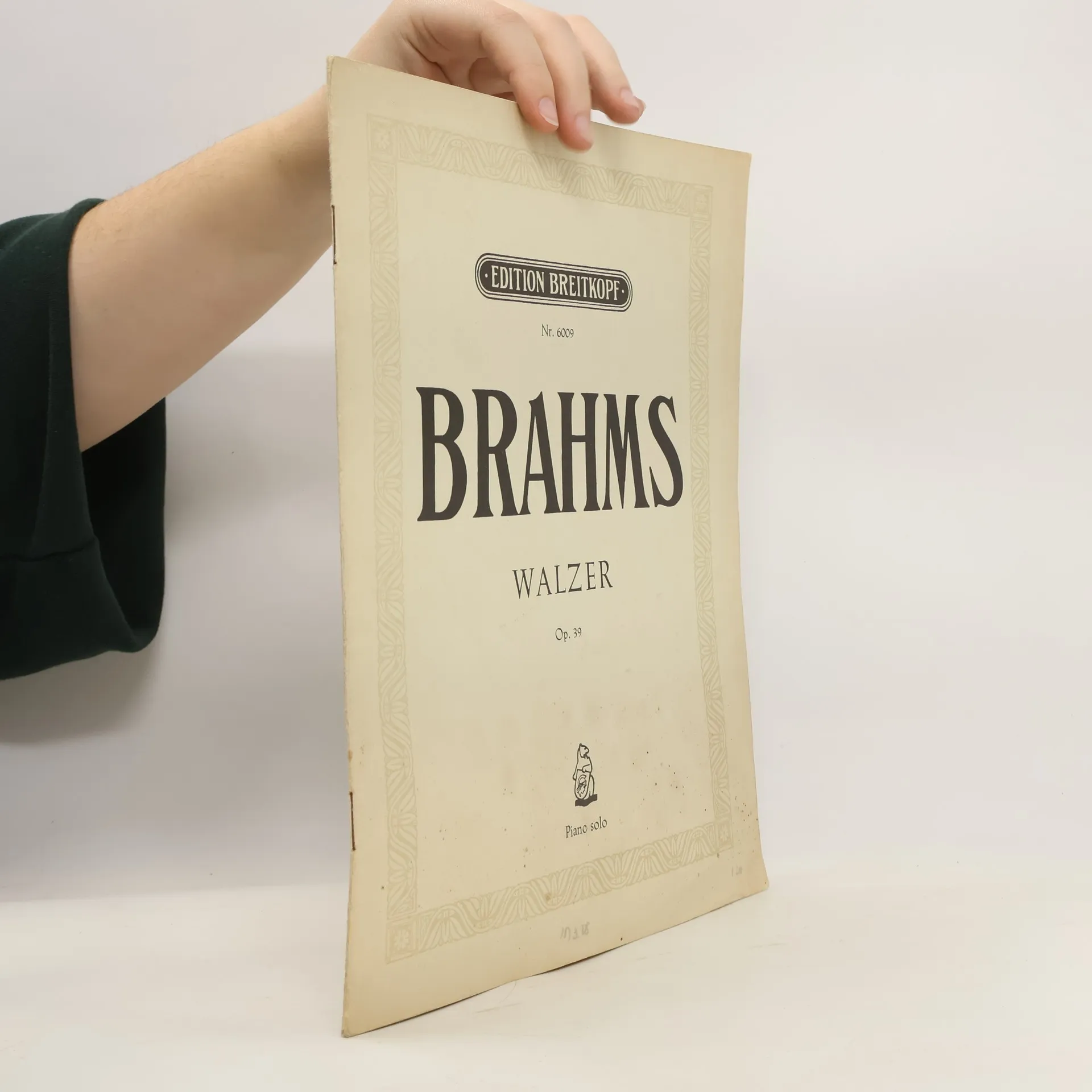
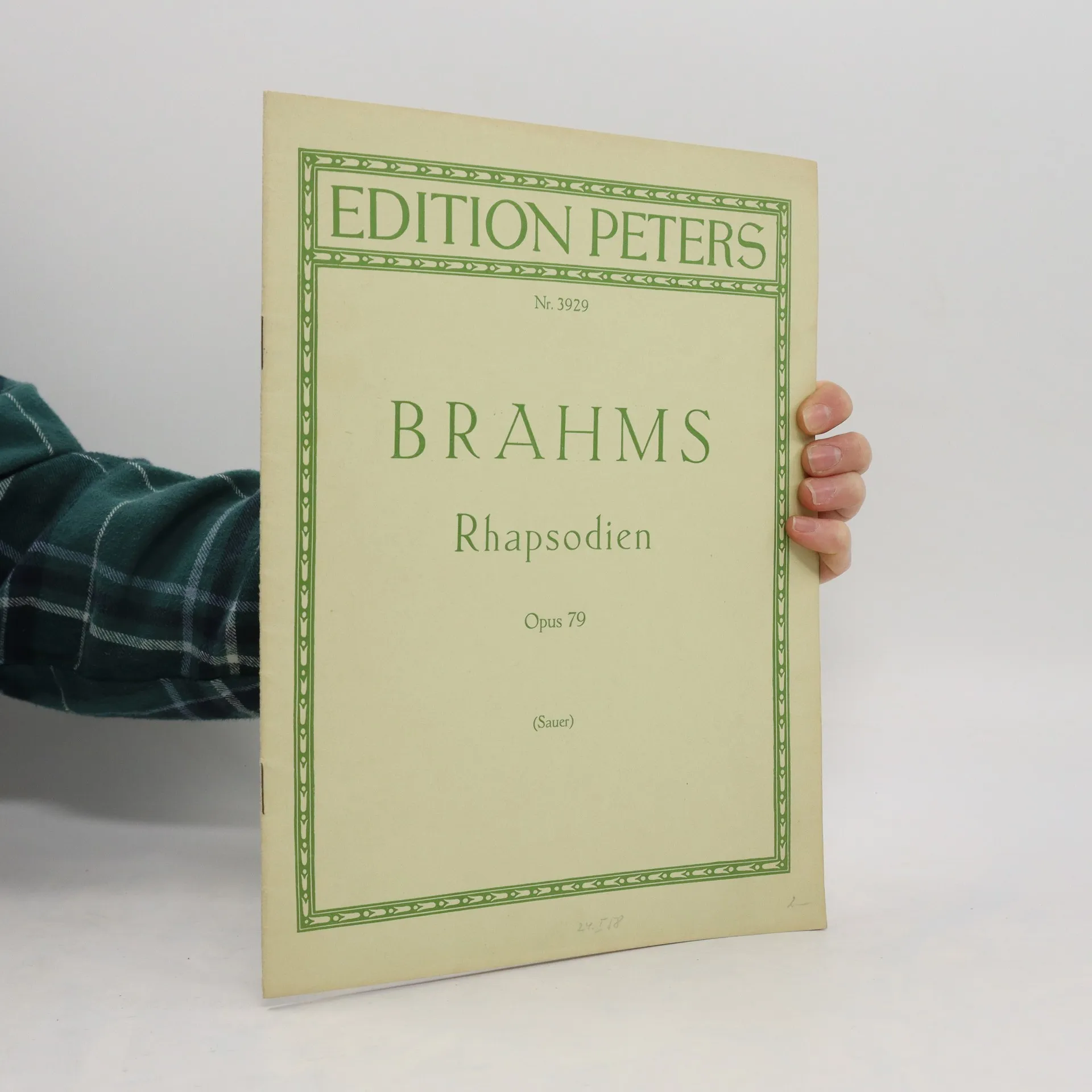
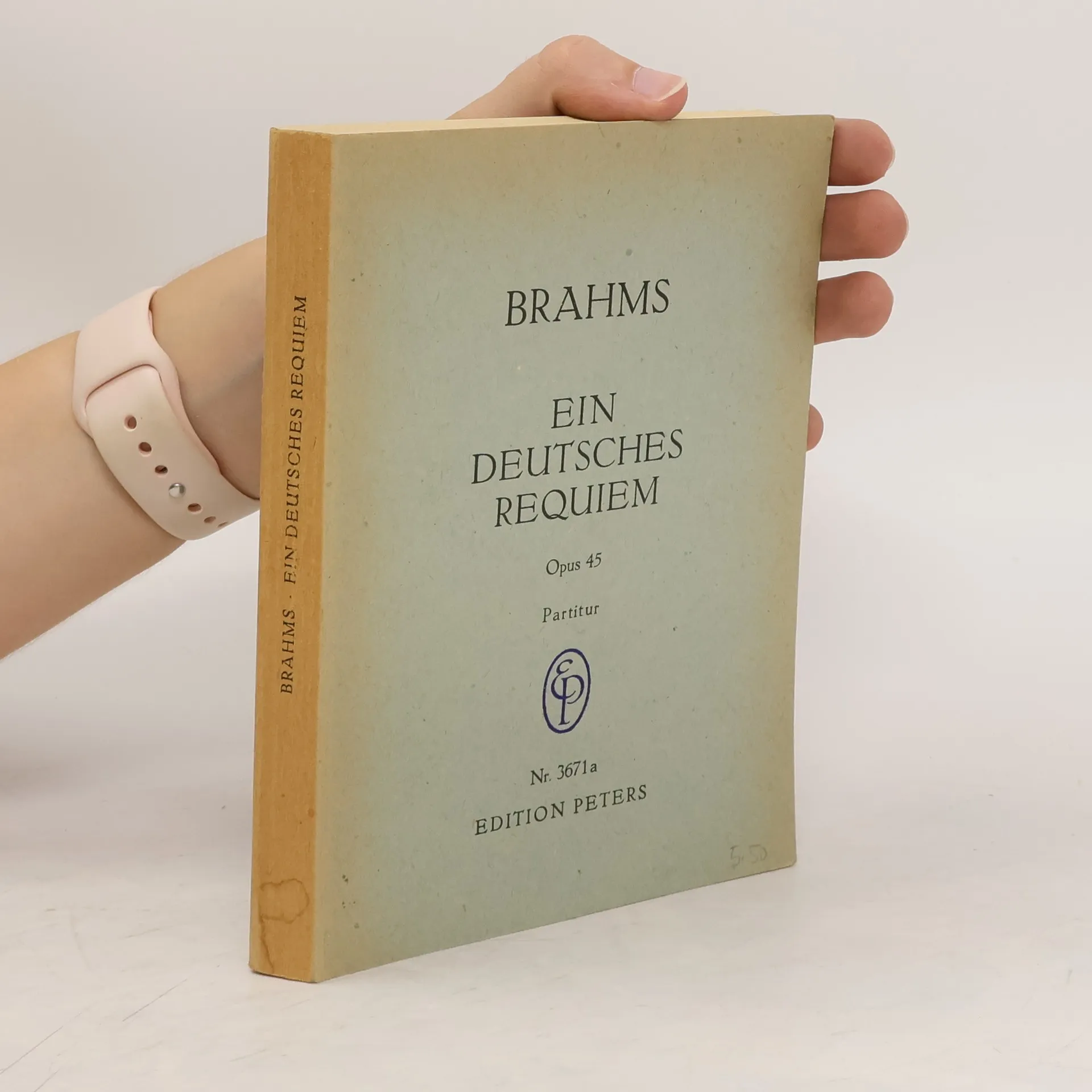
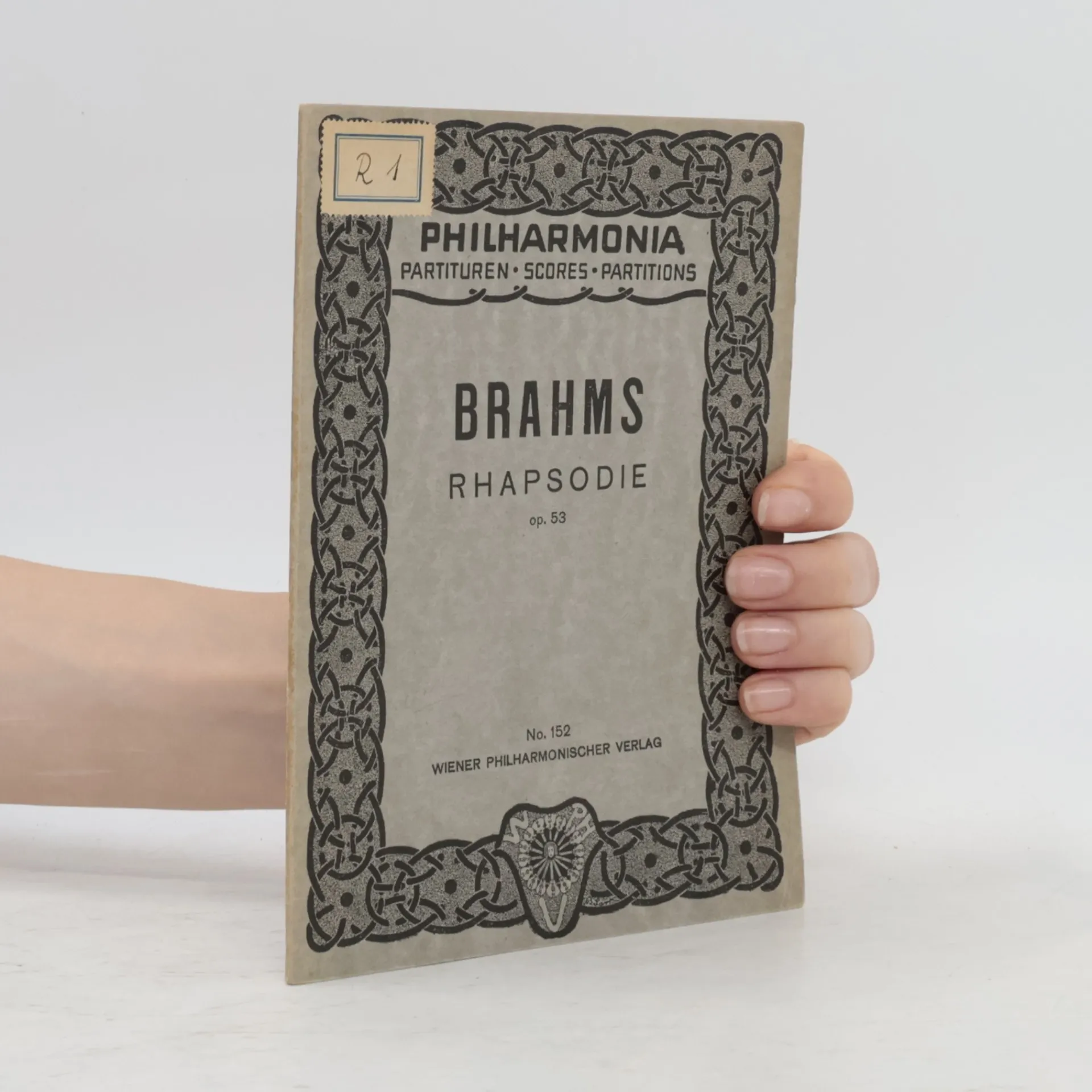
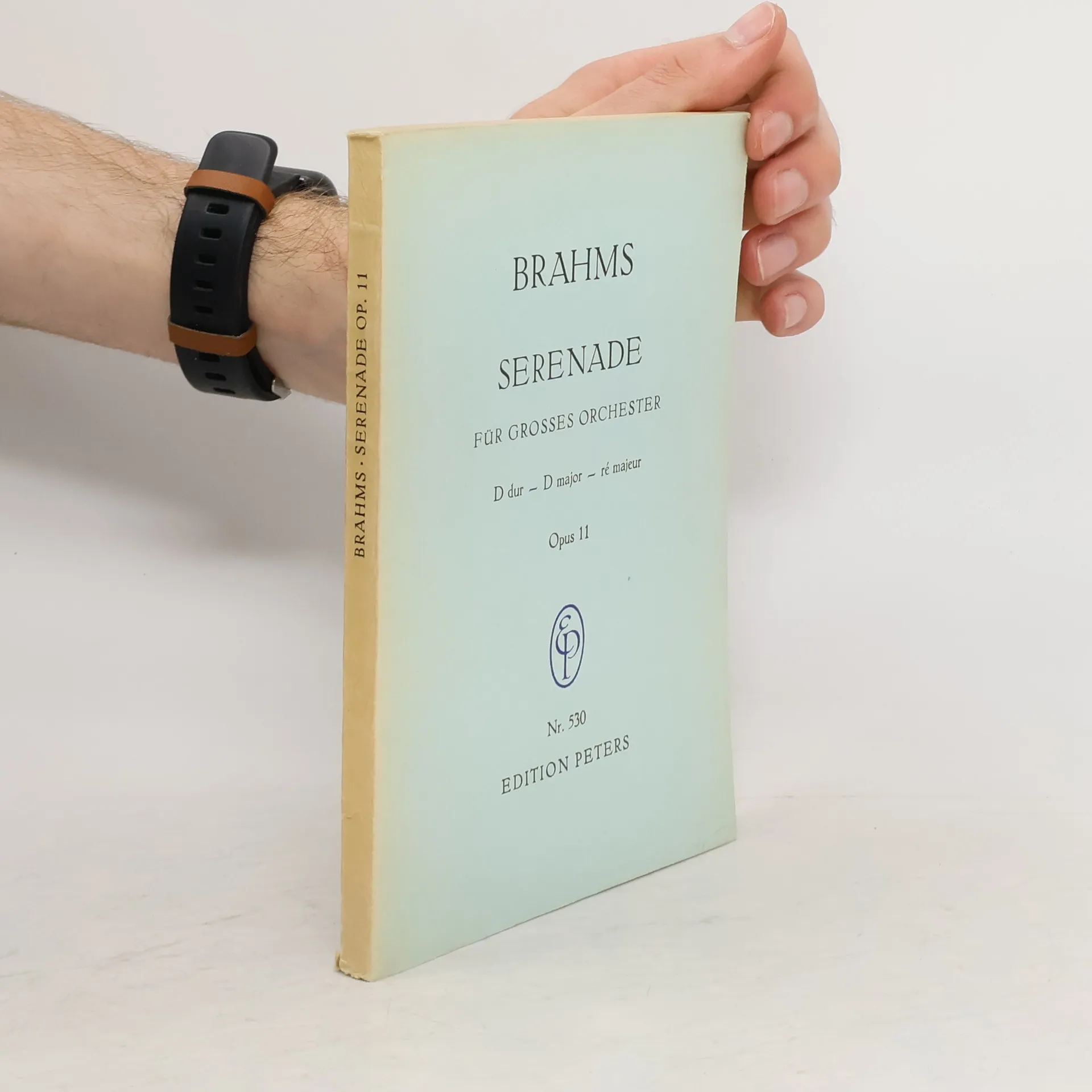
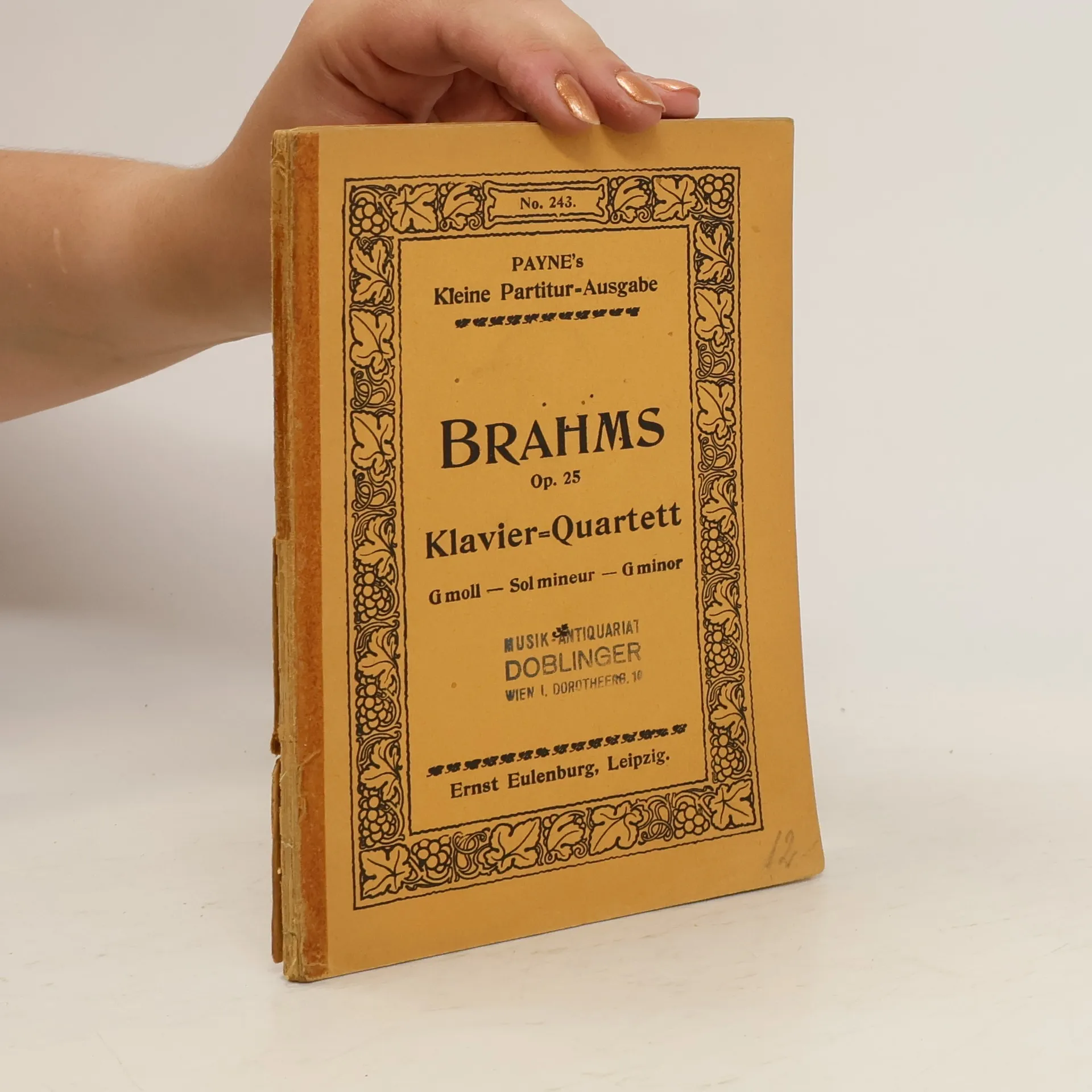
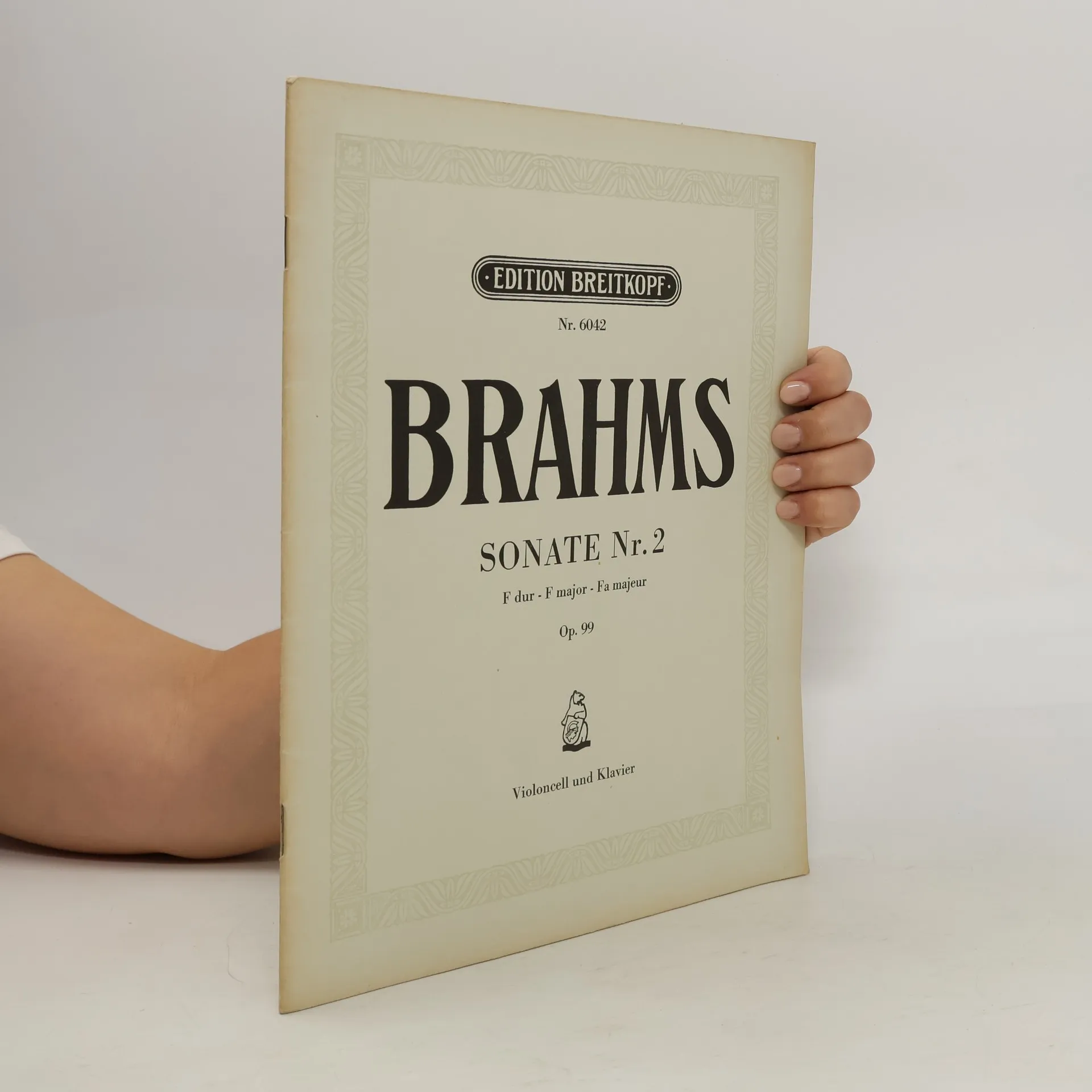
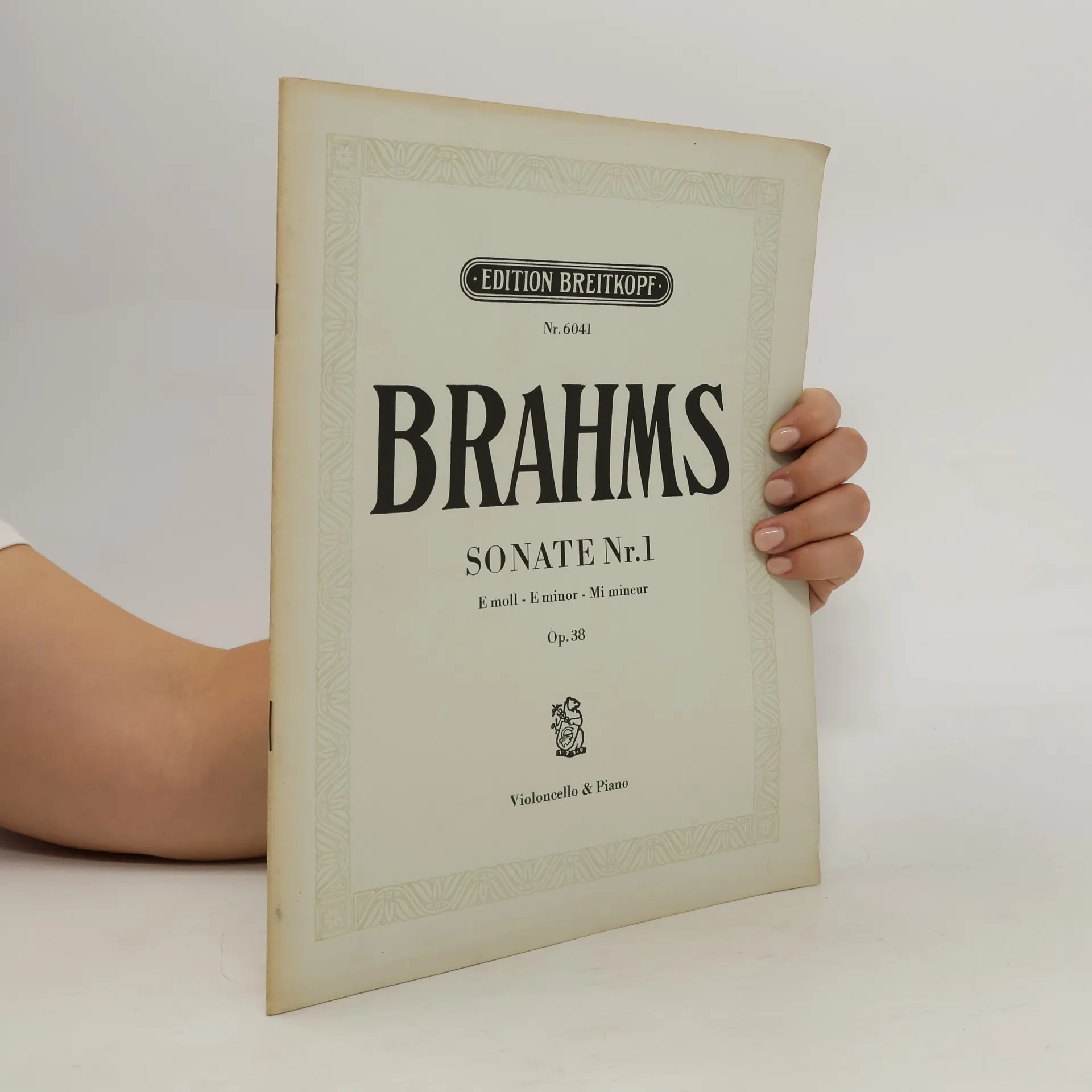
Johannes Brahms Livres
Johannes Brahms était un compositeur dont la musique puisait dans un profond humanisme et agnosticisme. Il tirait son inspiration de la nature, de la littérature et de la philosophie, ses œuvres se caractérisant par une construction complexe et une grande profondeur. Brahms s'opposait à l'antisémitisme et était connu pour sa générosité et son accessibilité. Sa musique, souvent associée à des maîtres comme Bach et Beethoven, a influencé une génération de compositeurs.


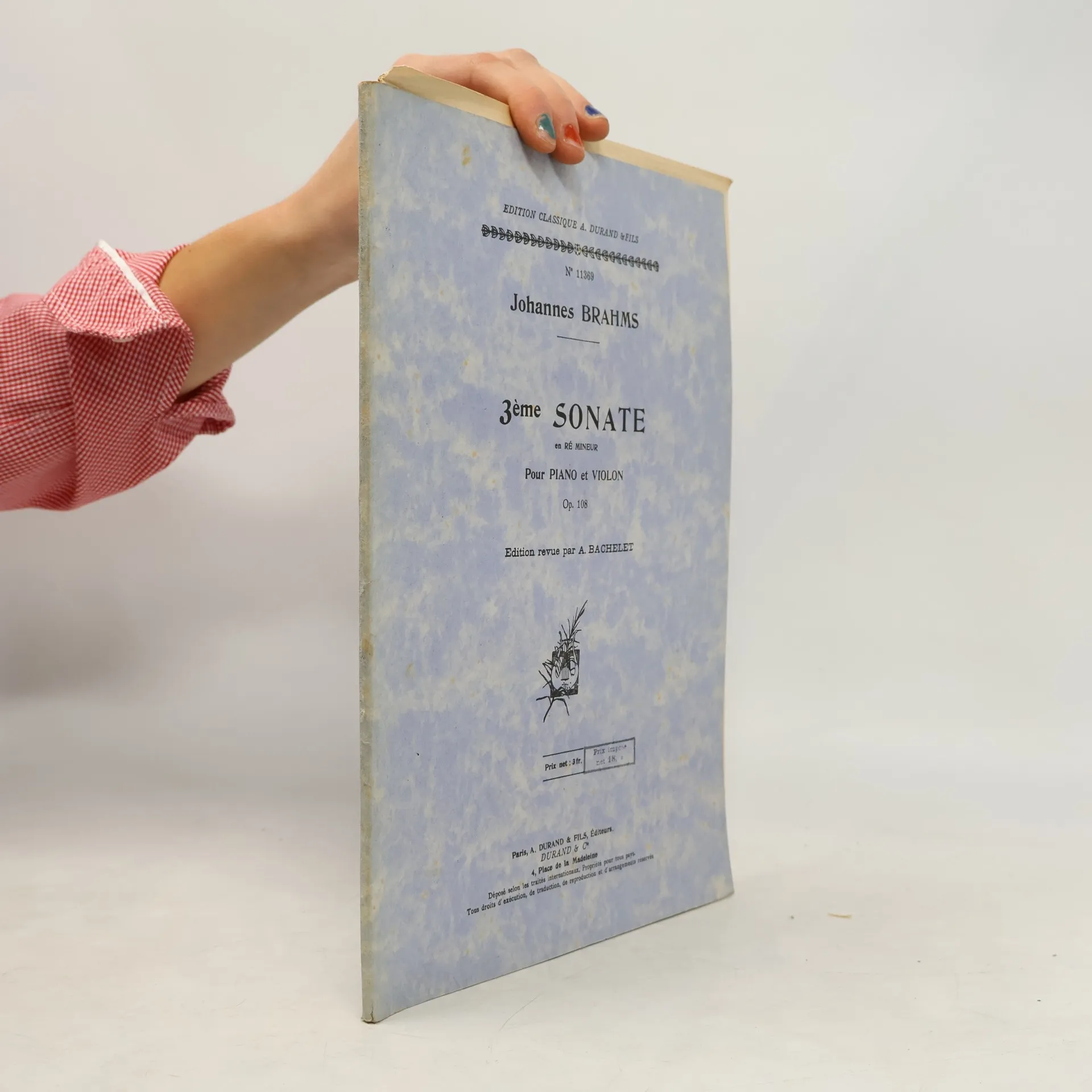
3eme Sonate
Pour Piano et Violon. Op. 108
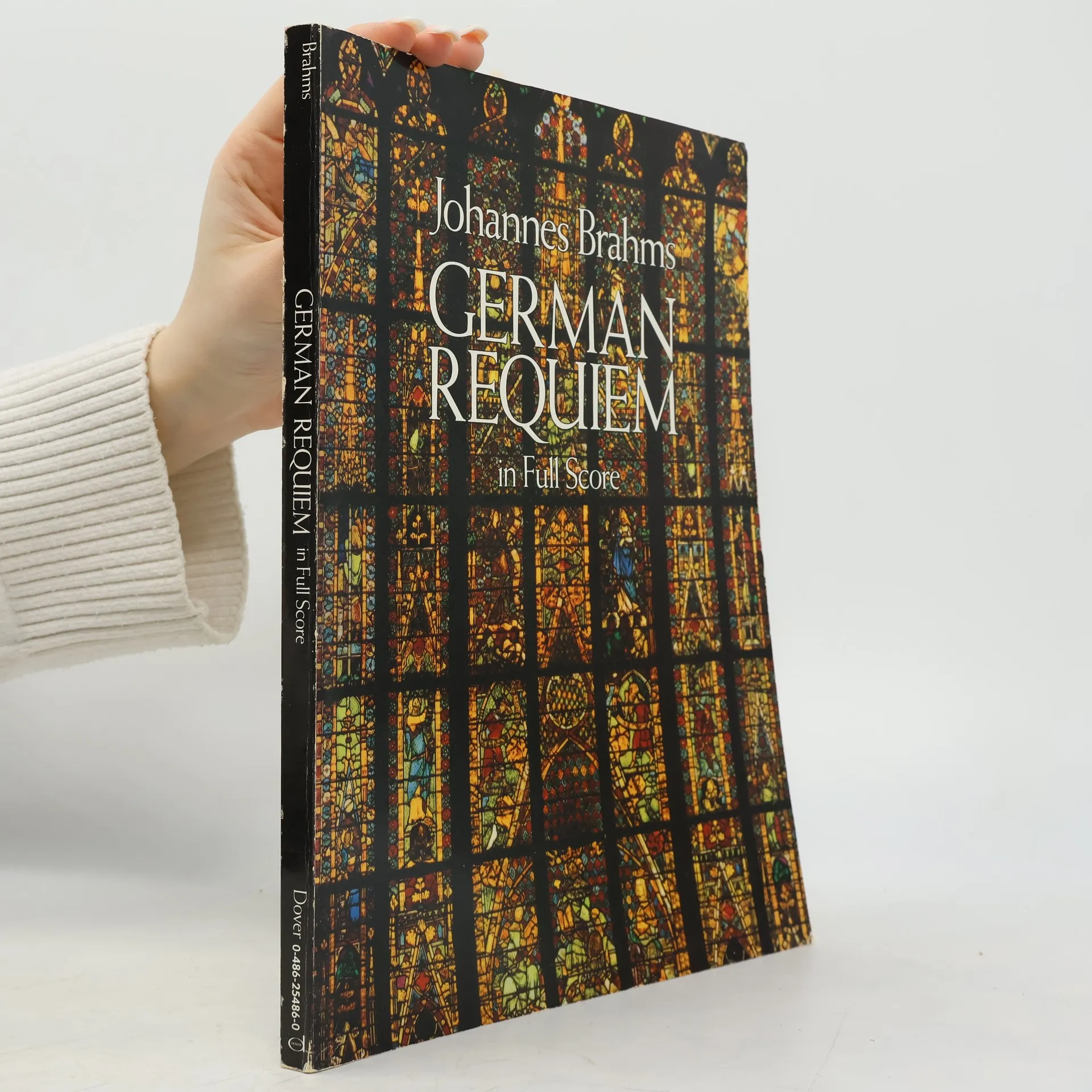
German Requiem in Full Score
- 208pages
- 8 heures de lecture
This edition of Brahms' greatest, most ambitious vocal work is reprinted from the definitive edition of the composer's works, prepared by Breitkopf & Härtel of Leipzig. Inexpensive but sturdily constructed to provide years of pleasurable use, this full score combines all the musical parts in a clear, readable format, with wide margins, large noteheads, and many other helpful features.Brahms conducted the first major performance of the German Requiem in Bremen Cathedral in April 1868. The occasion — attended by many distinguished musicians, among them Clara Schumann — provided the 34-year-old composer with his first great public success. Scored for mixed chorus, solo voices, and full orchestra, the Requiem reflects Brahms' virtuosic grasp of nineteenth-century vocal technique as well as the polyphonic vocal traditions of the previous three centuries. Above all, it radiates Brahms' stalwart individuality, technical mastery, and stirring emotional appeal, which were soon to secure his unique position in the musical world. More than a century after its debut, this masterpiece of choral music is one of the most performed and recorded works in the repertoire of religious music.
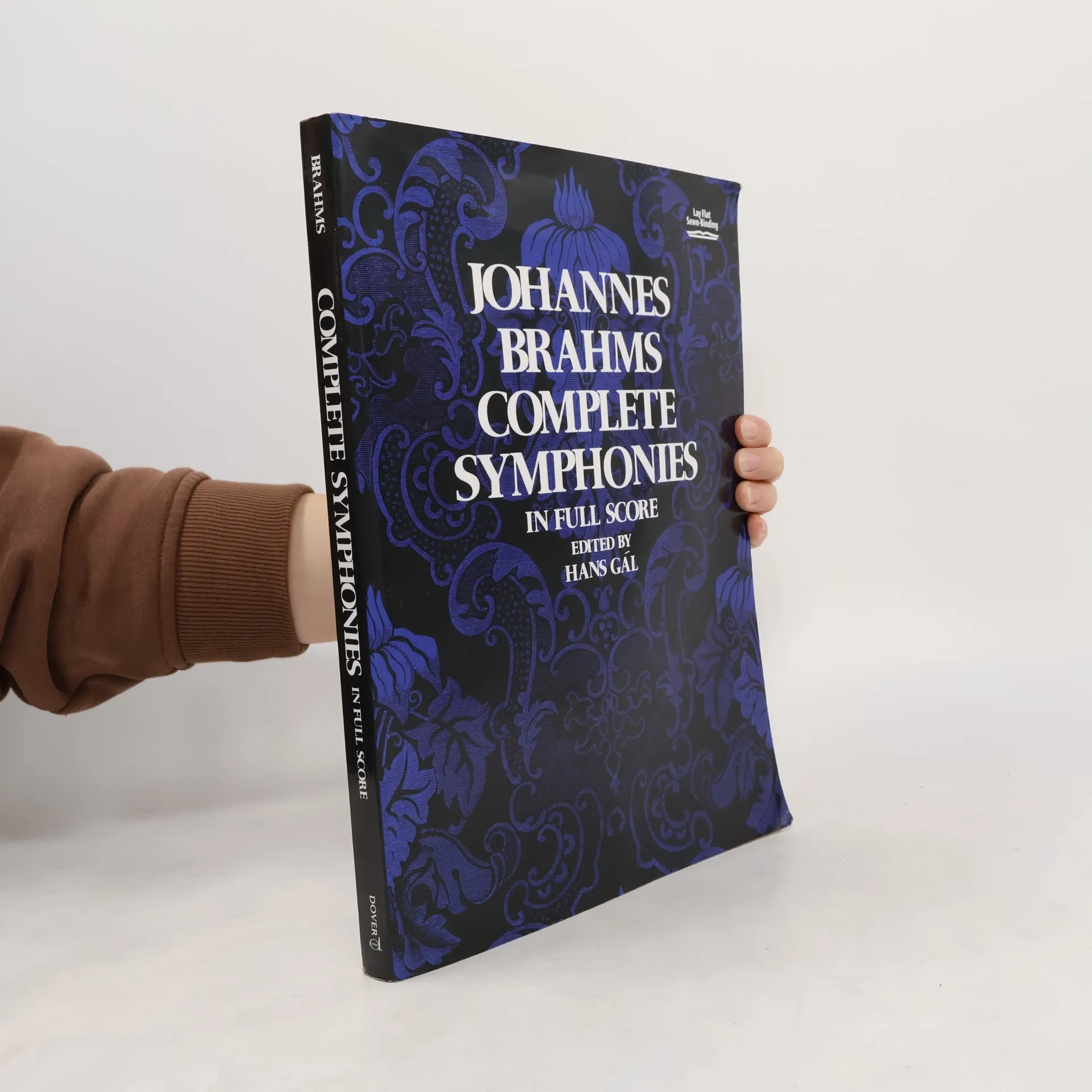
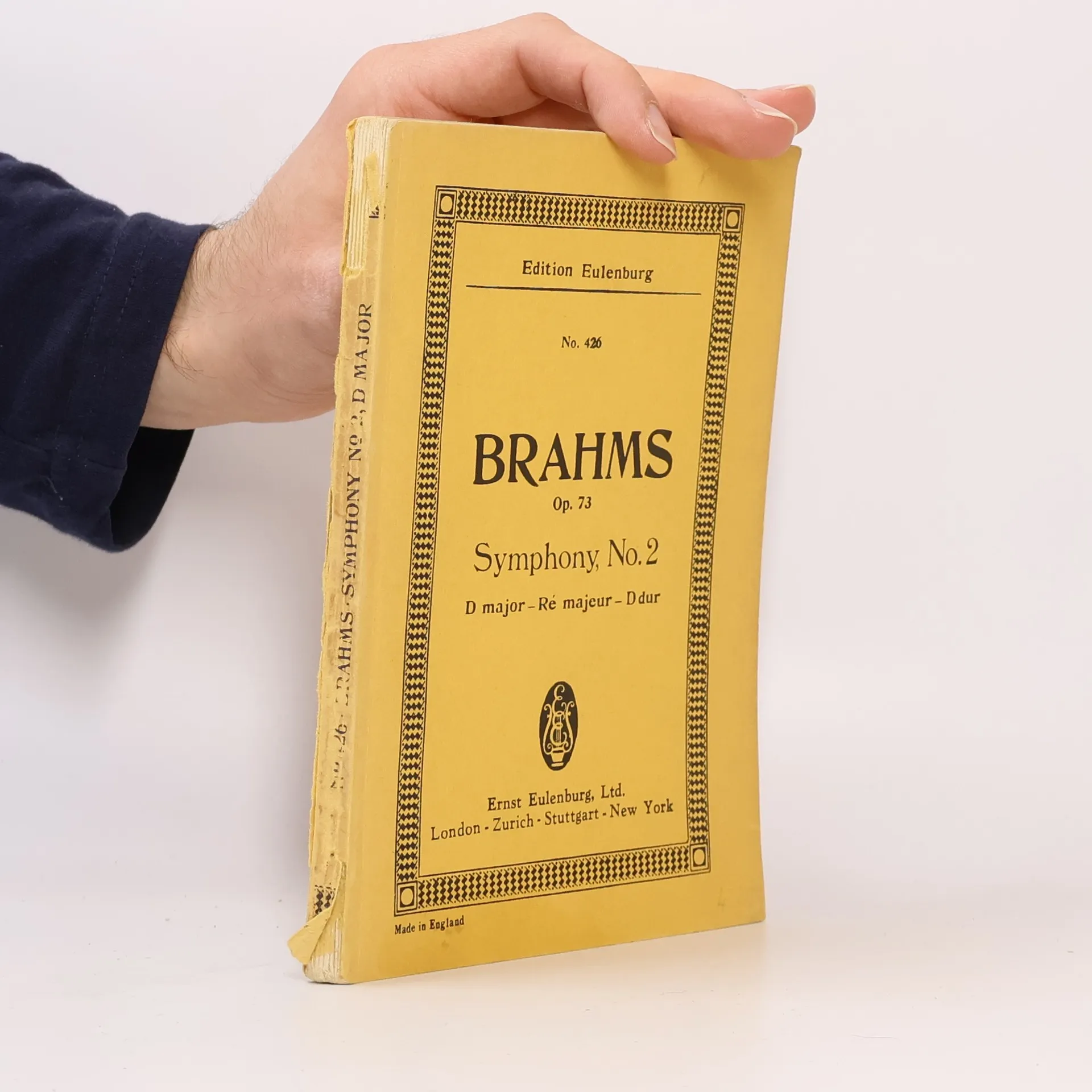
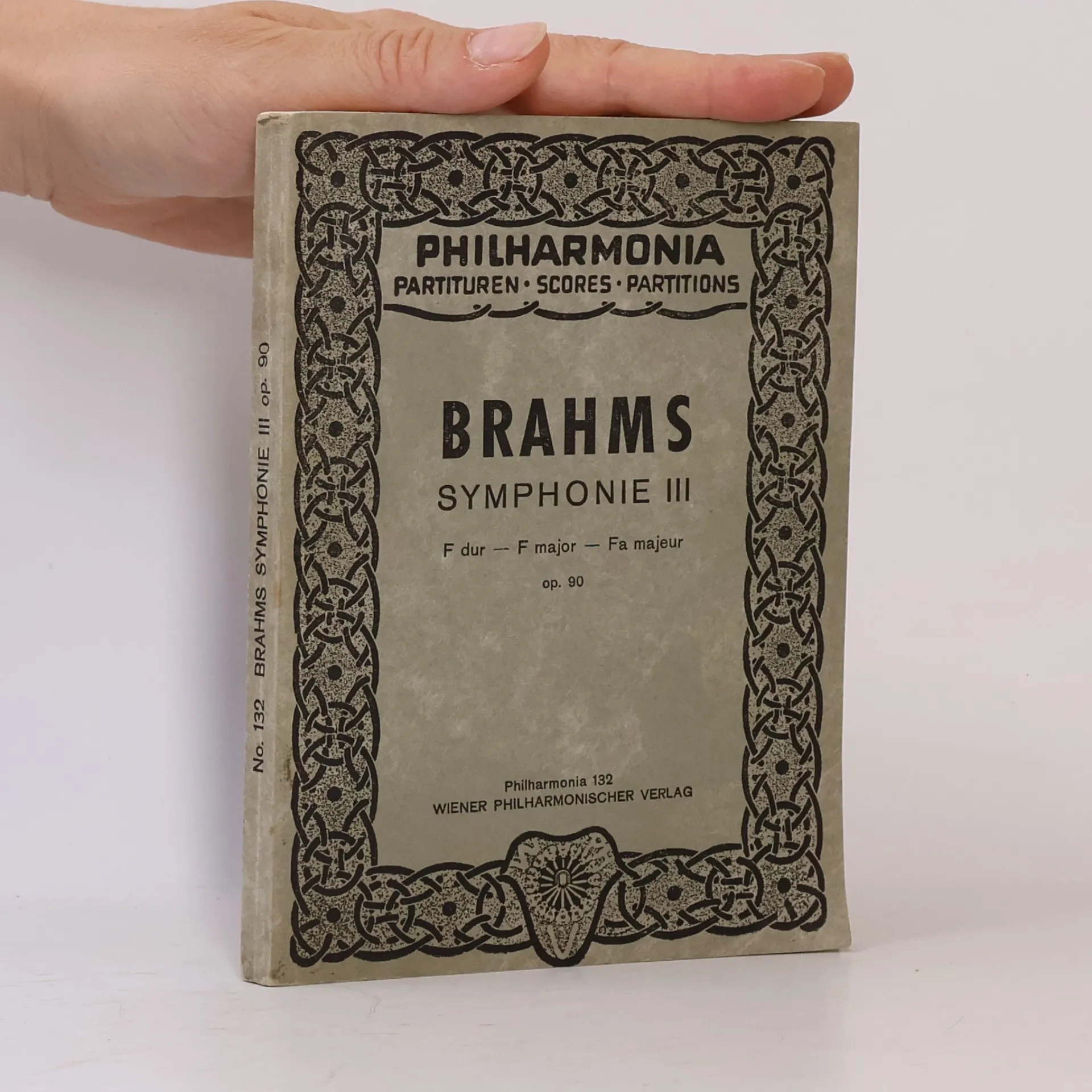
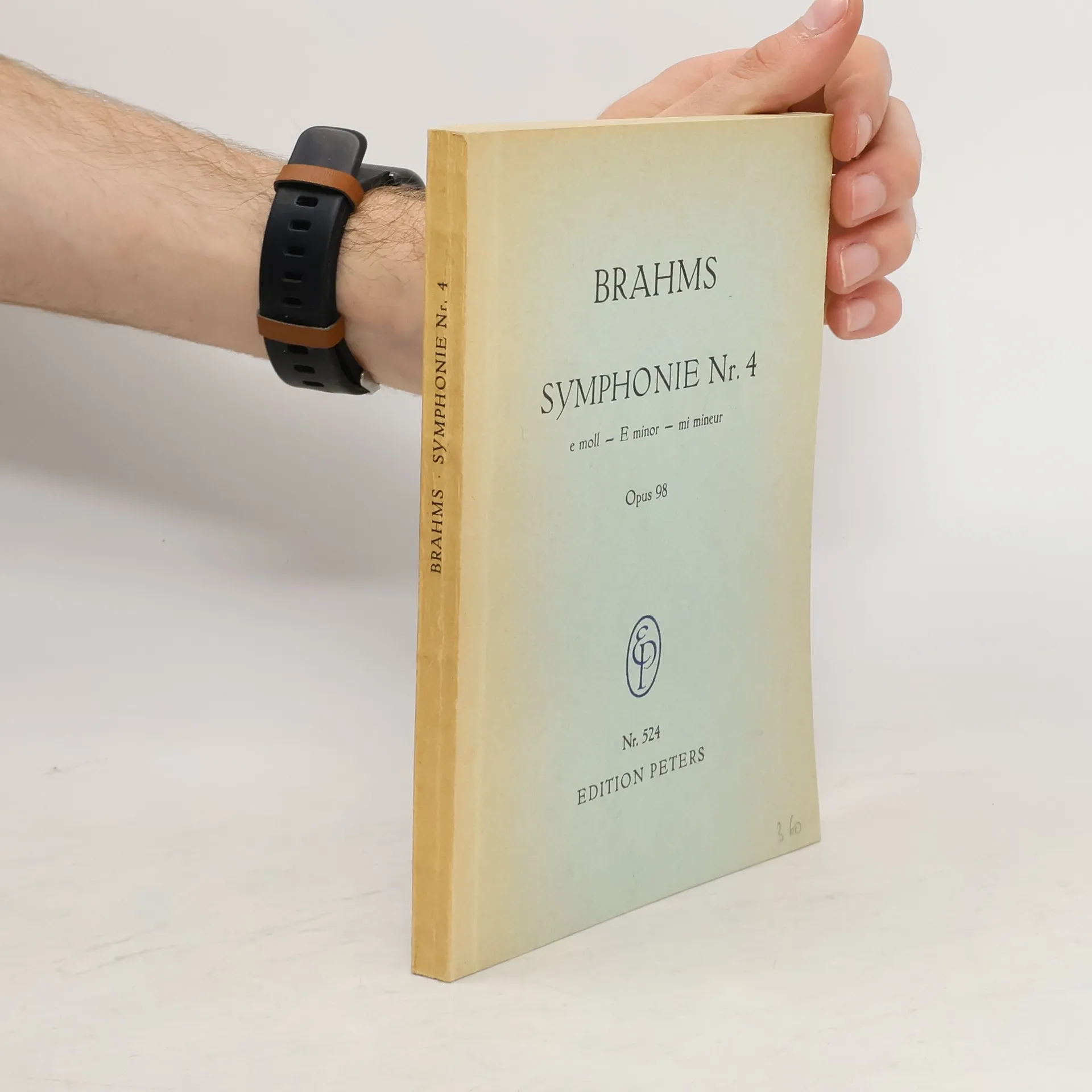
Brahms was a master of musical structure, especially in his 4 symphonies. This text presents full orchestral scores of No. 1 in C. Minor, Op. 68; No. 2 in D Major, Op. 73; No. 3 in F Major, Op. 90; and No. 4 in E Minor, Op. 98.
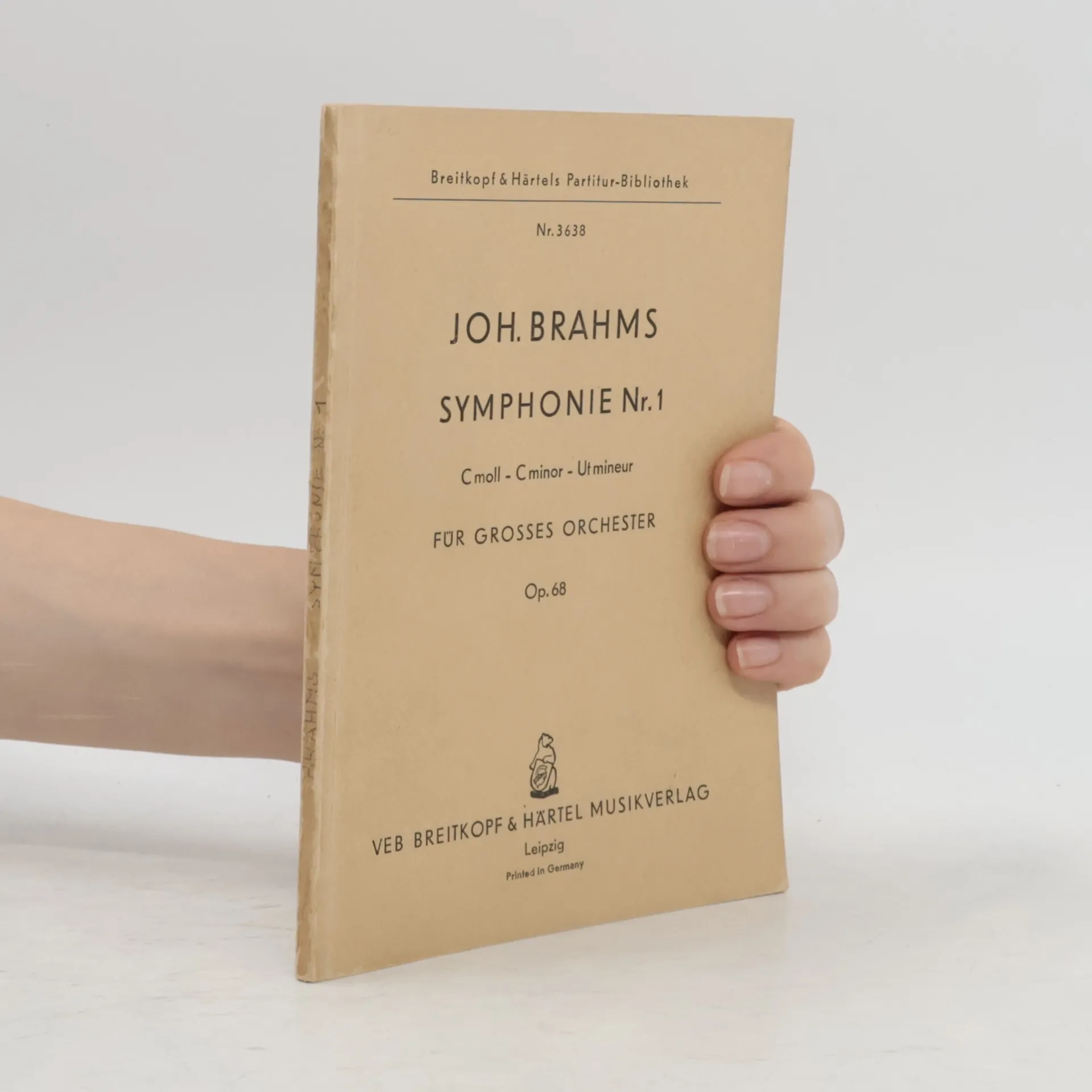
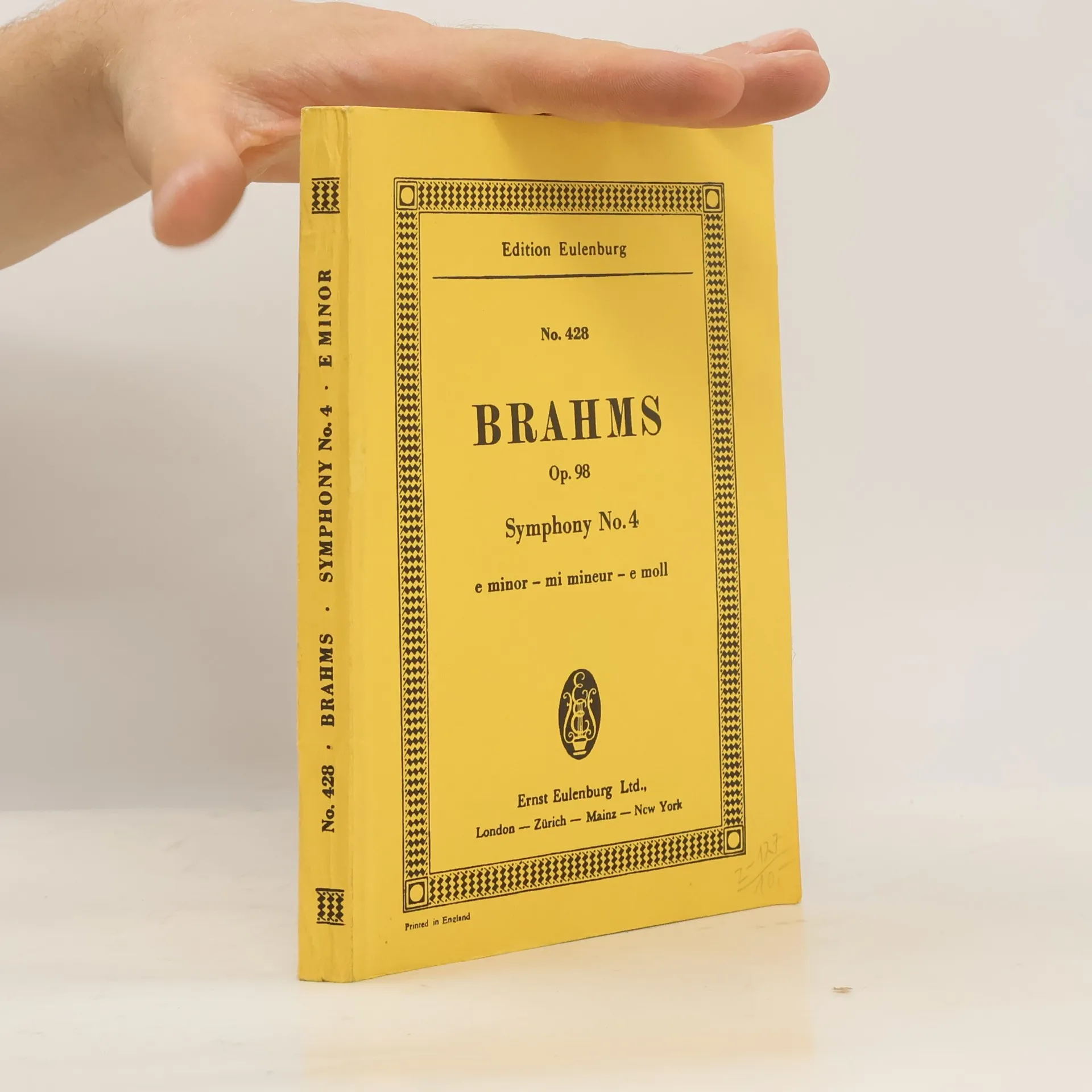
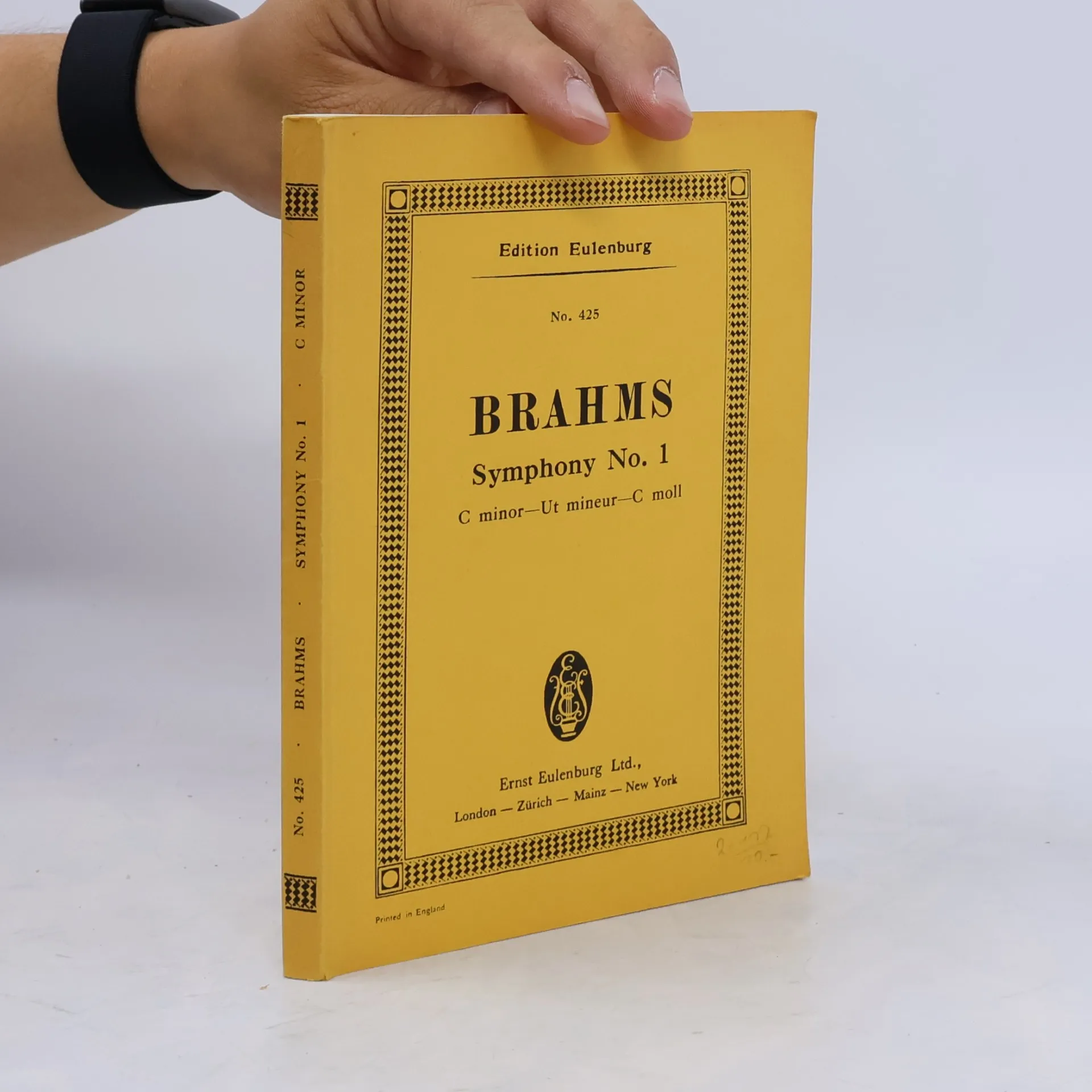
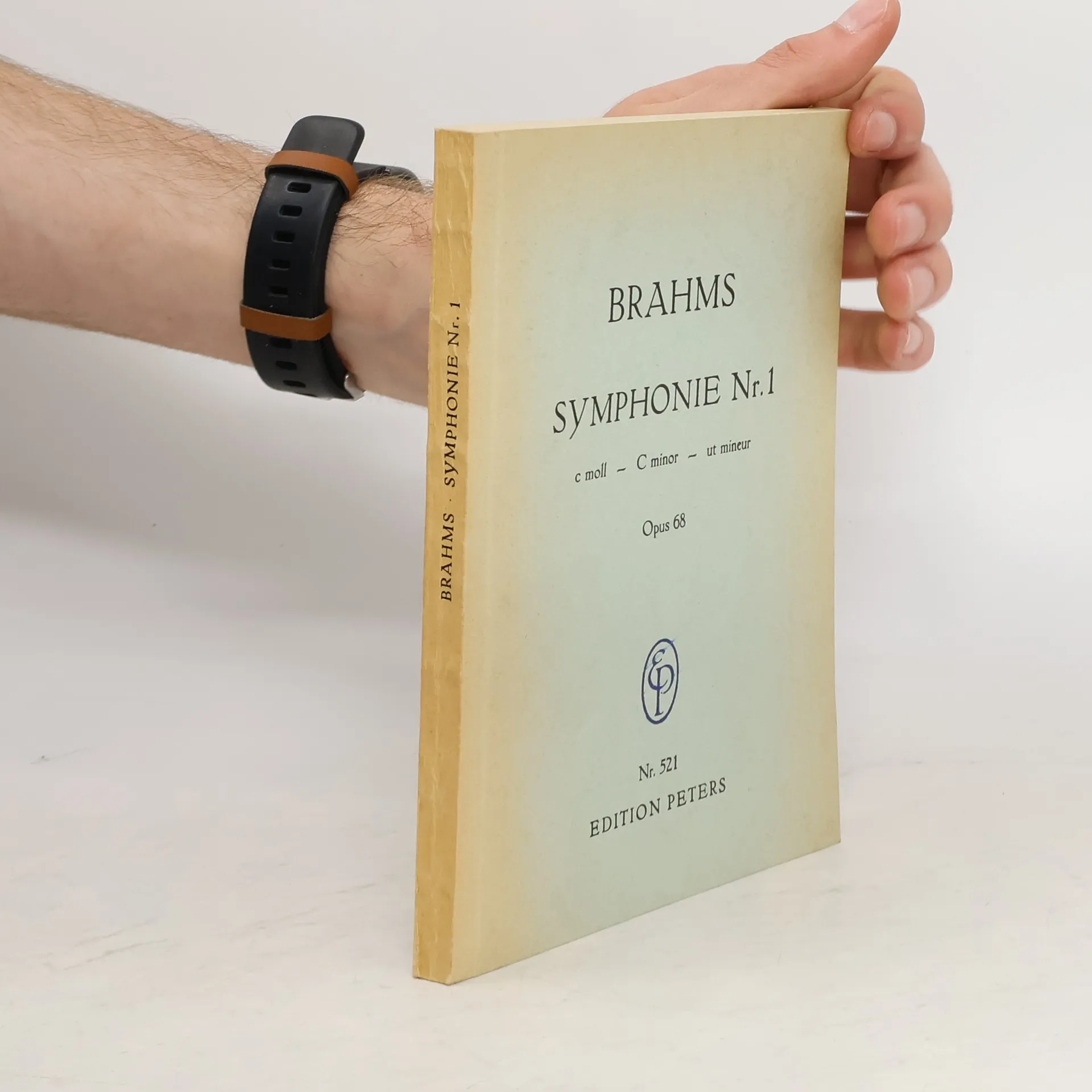
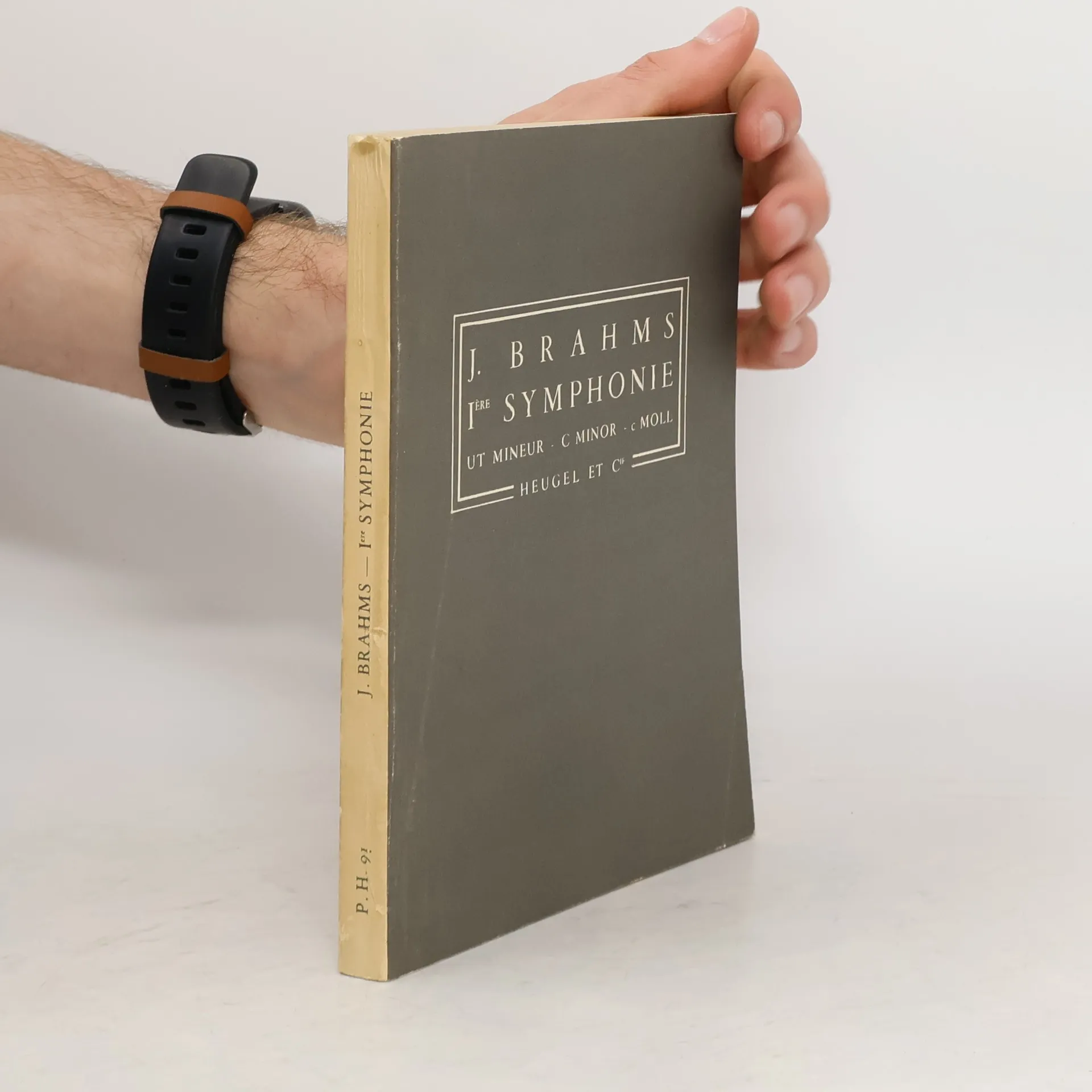
Brahms. Symphony No.1
Cminor/c-Moll/Ut mineur Op. 68
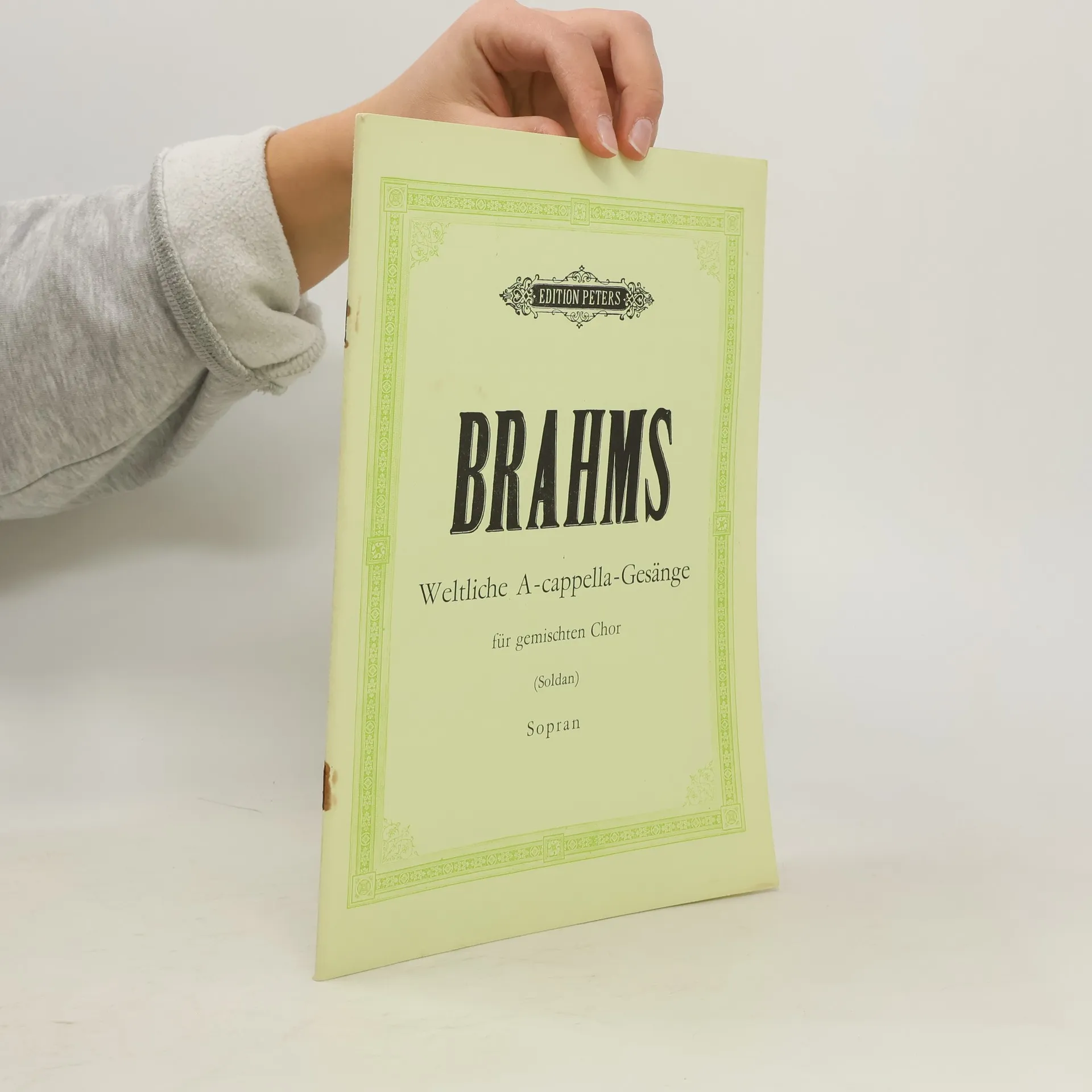
Brahms composed these part songs for female chorus in 1860 while acting as Director of the Hamburg Women's Choir. Each song lasts around 3 minutes, and is accompanied by an ensemble of harp with two horns (a unique combination for Brahms). Texts are by Ruperti, Shakespeare, Eichendorff and 'Ossian' (with English translations by Jean Lunn). This is the vocal score, containing the harp (or piano) accompaniment and horn cues for rehearsal purposes. Instrumental accompaniment parts are available separately. * Manufacturer EP6617-HN1 * Horn I
Hungarian Dances for Violin and Piano, Nos. 11--21
- 999pages
- 35 heures de lecture
Brahms, Johannes - Hungarian Dances 11-21 Book 2 for Violin and Piano - Arranged by Joachim
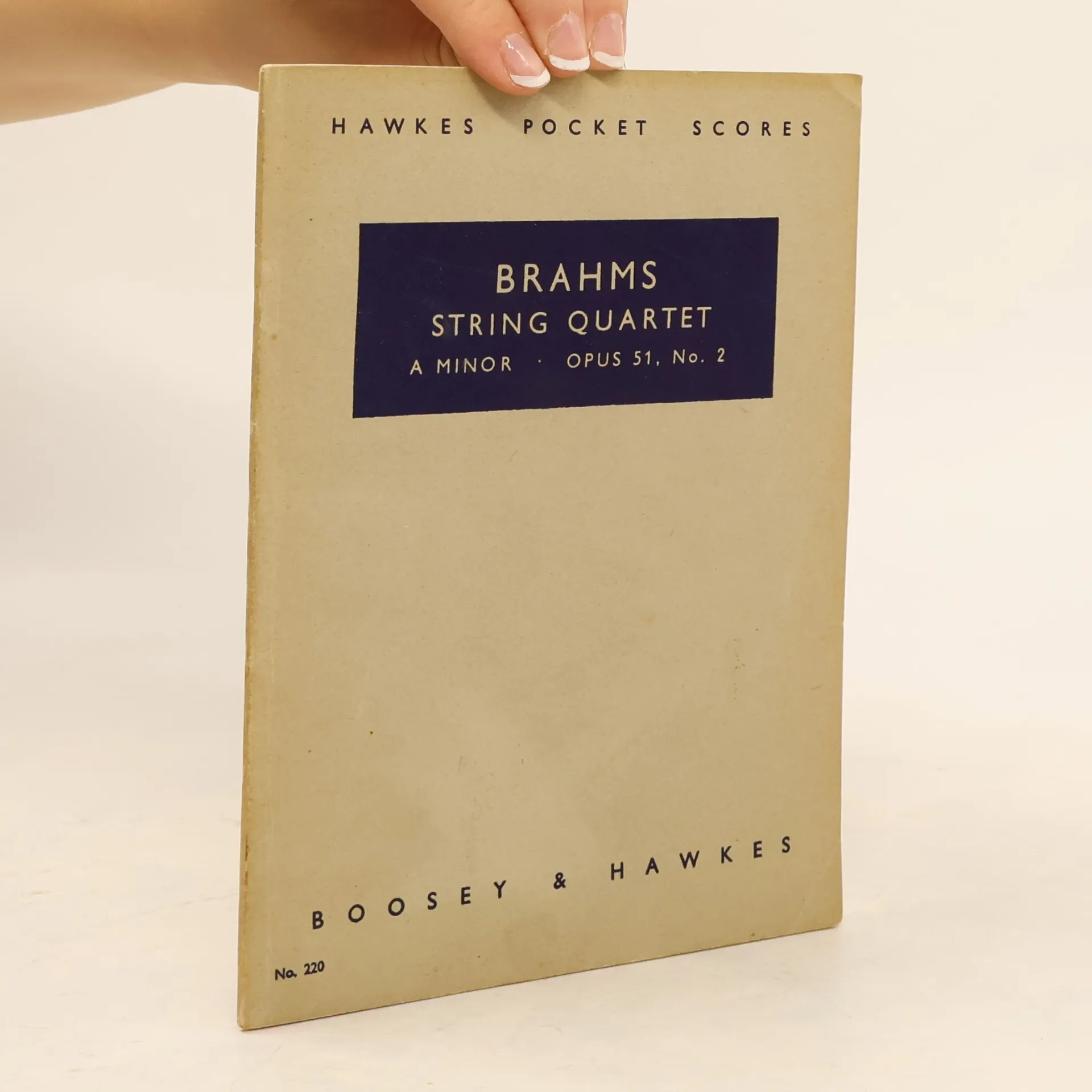
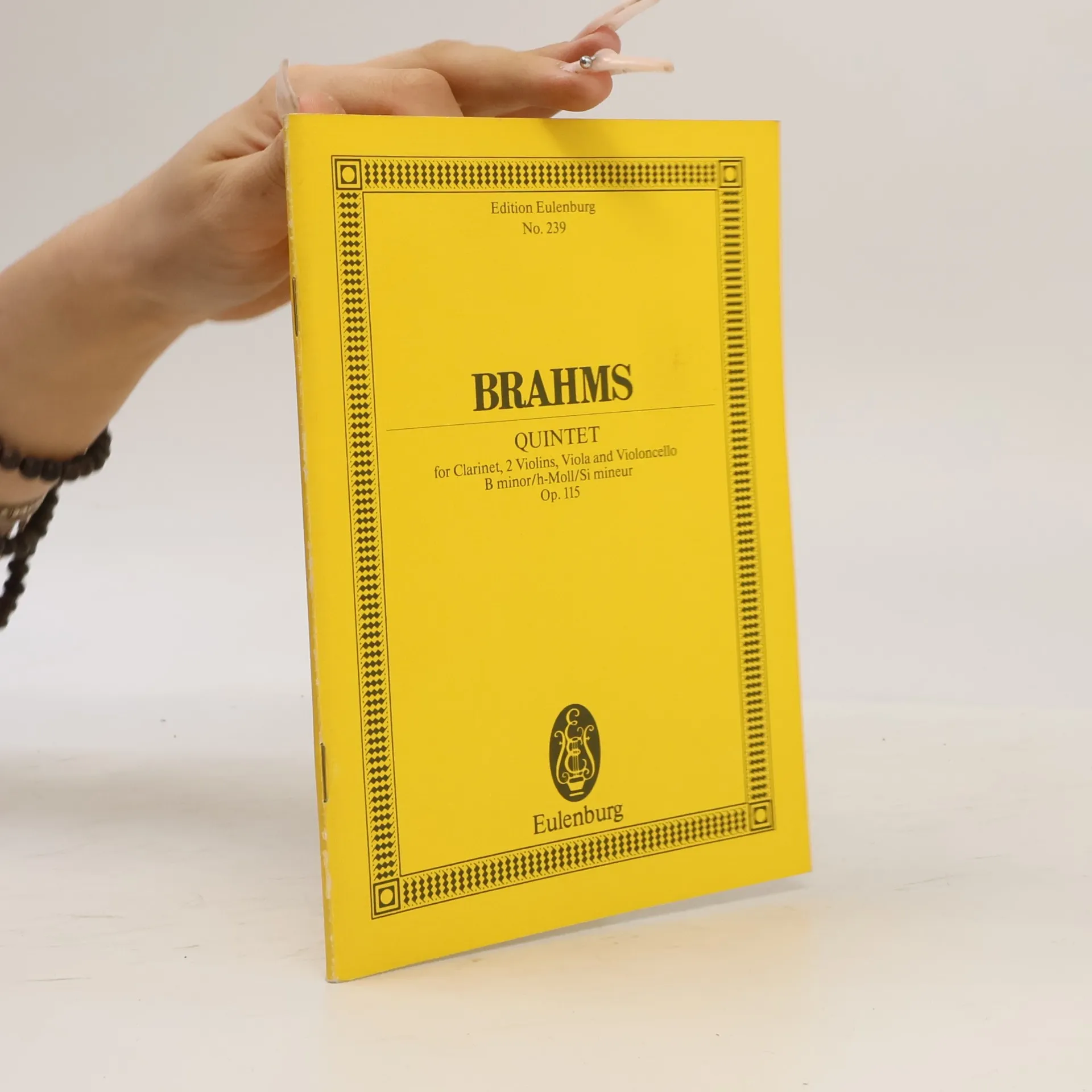
Brahms String Quartet Cuarteto.
A Minor, La Menor. Op. 51, No. 2
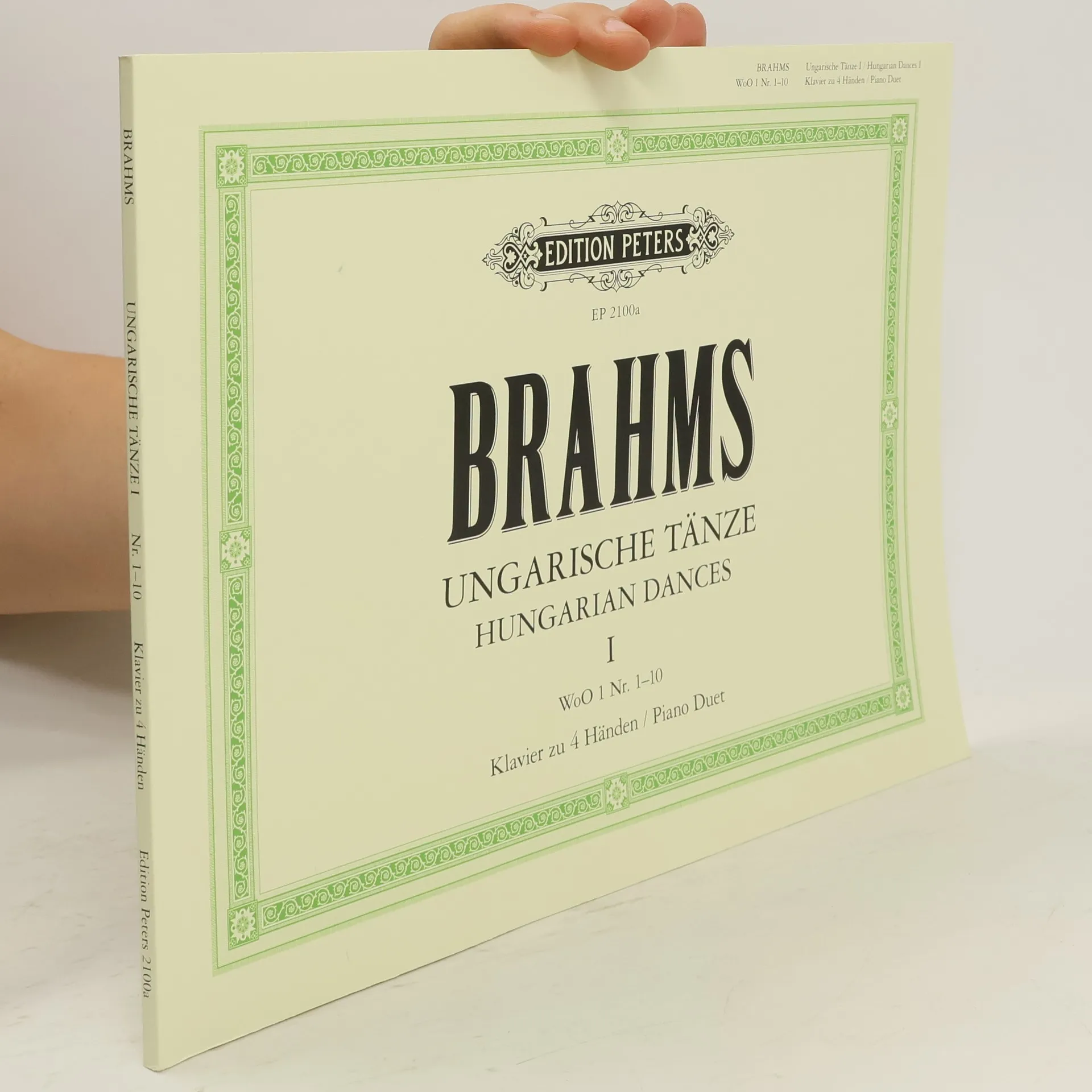
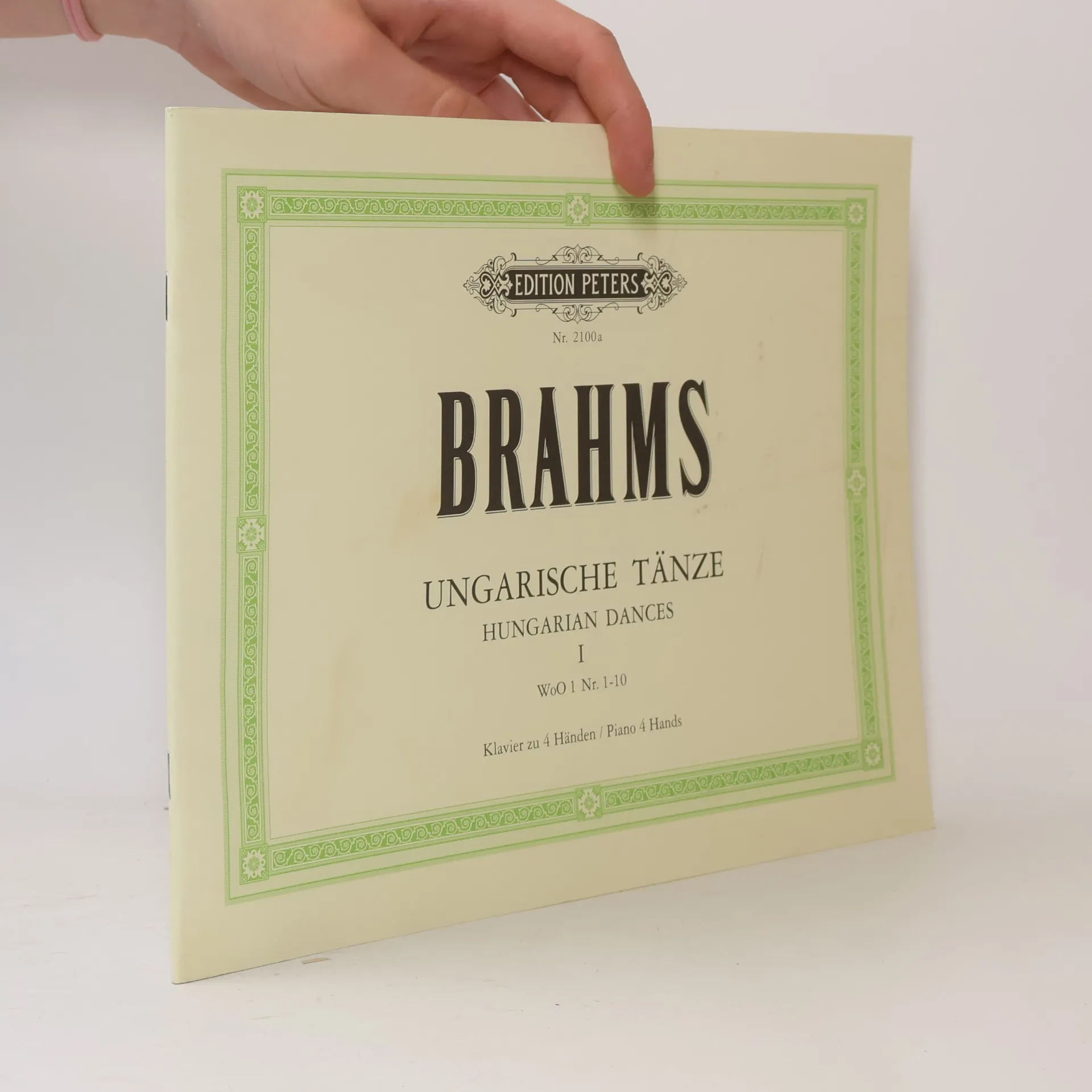
Ungarische Tänze I
Hungarian Dances - WoO 1 Nr. 1-10 - Klavier zu 4 Händen / Piano 4 Hands
Sonata
- 120pages
- 5 heures de lecture
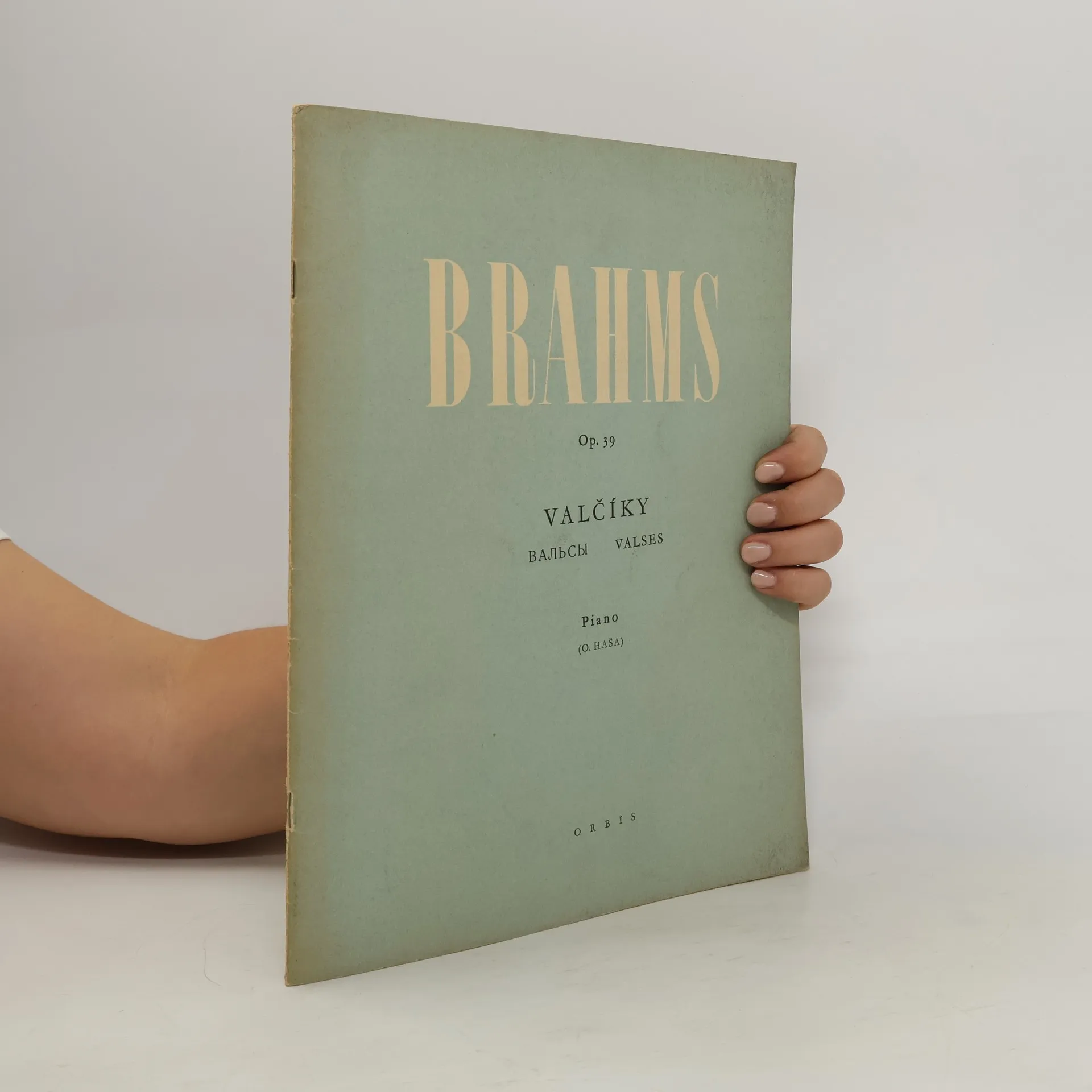
Scherzo, Ballades, Rhapsodien und Tanze
- 130pages
- 5 heures de lecture
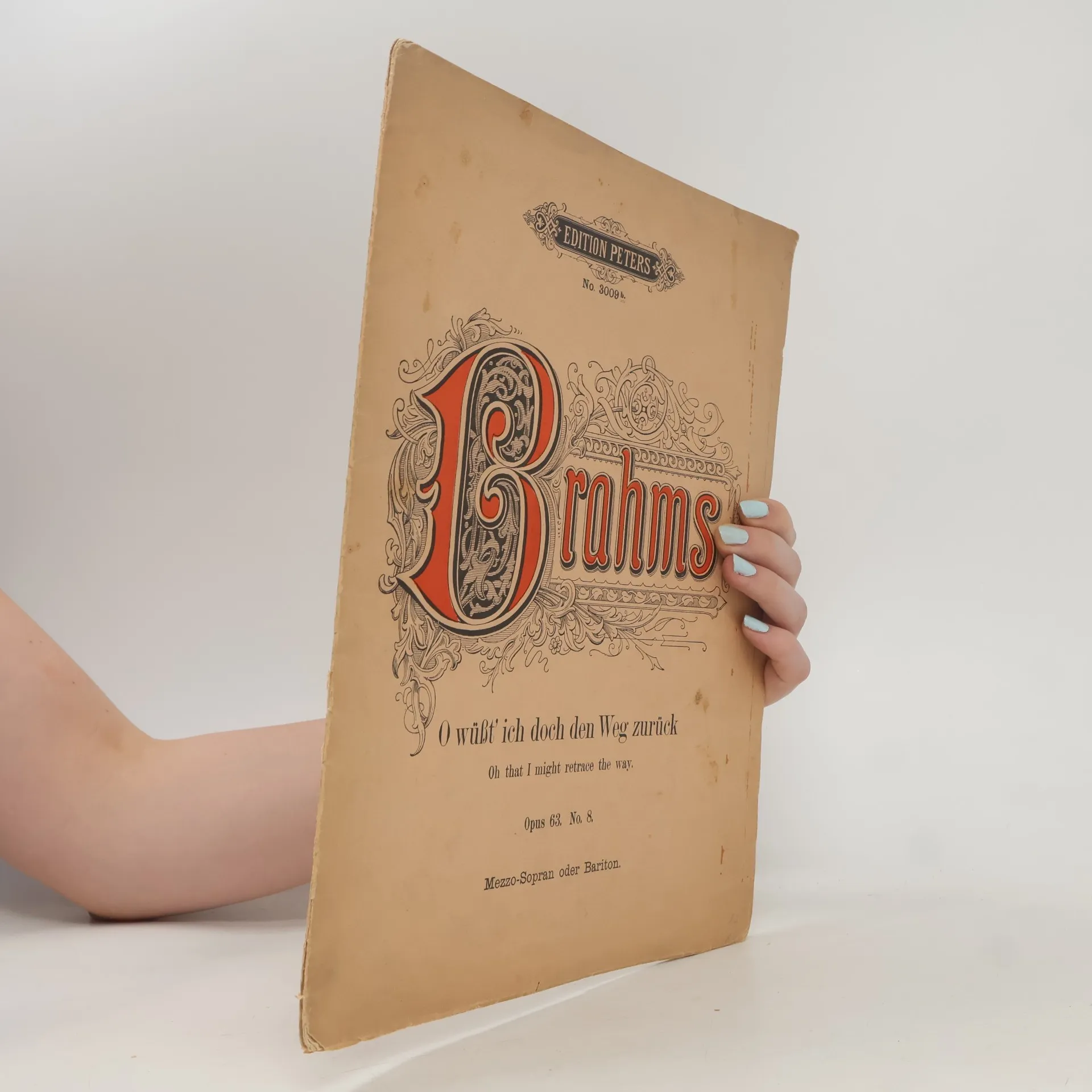
O wüßt' ich doch den Weg zurück. Oh That I Might Retrace the Way
Opus 63. No. 8. Mezzo-Sopran oder Bariton
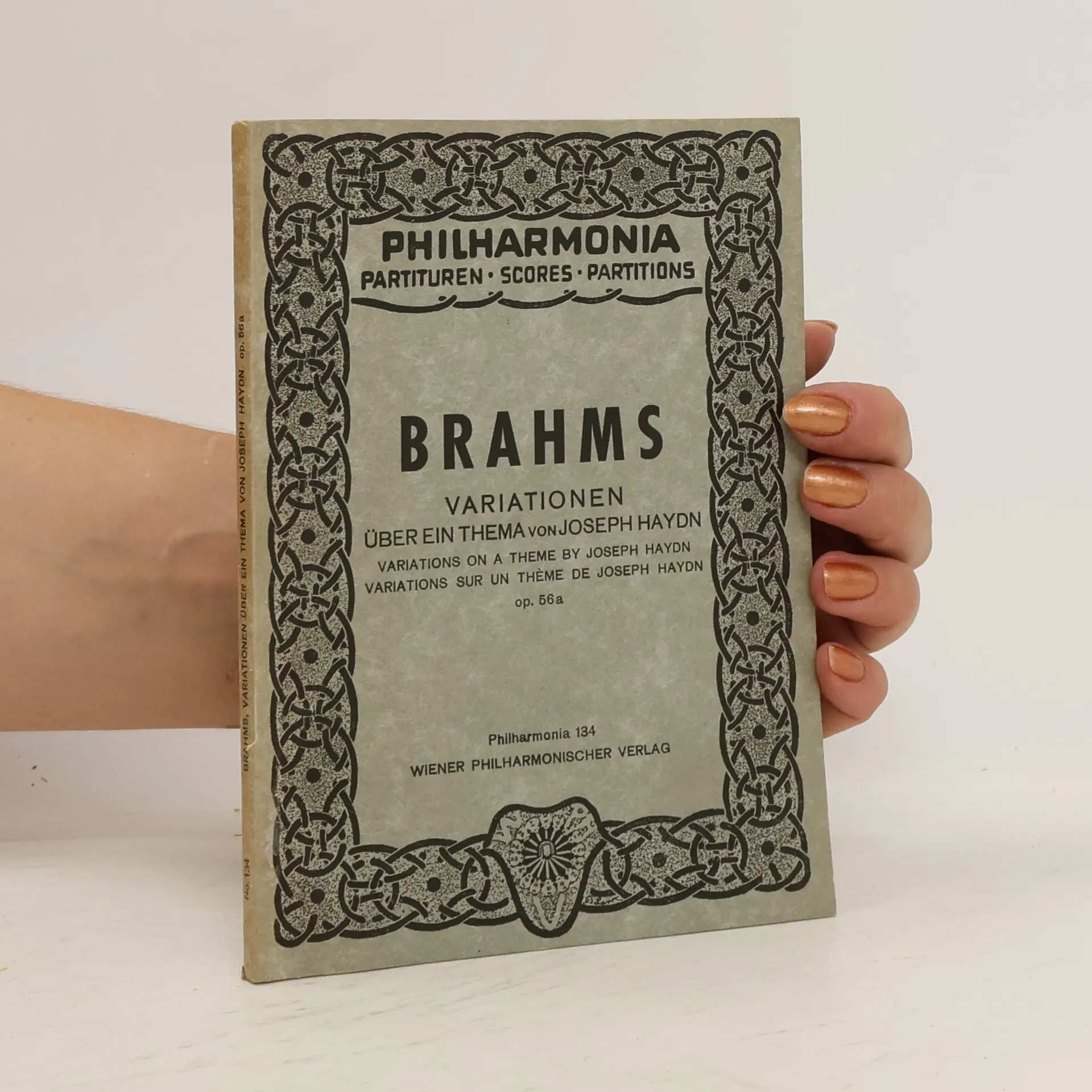
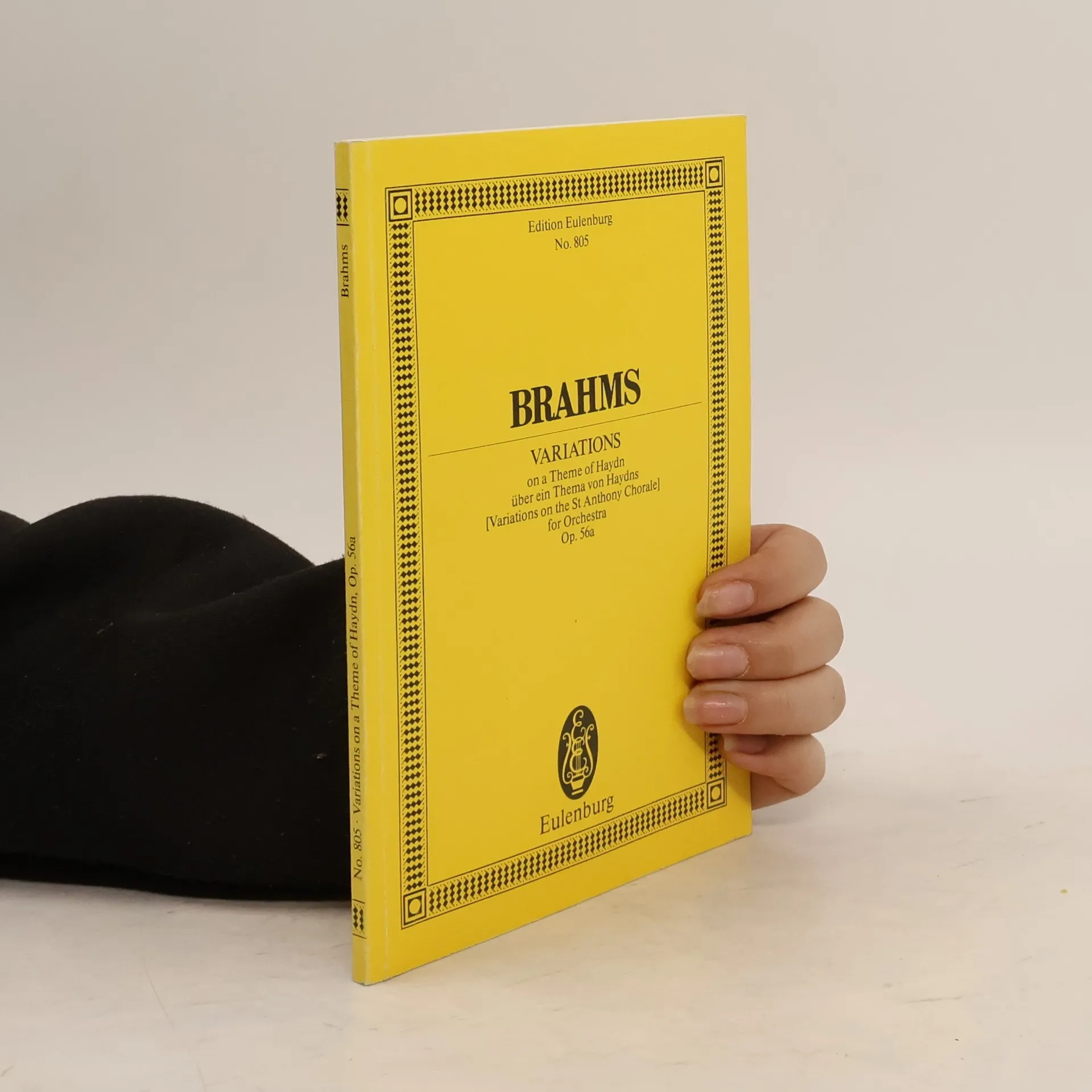
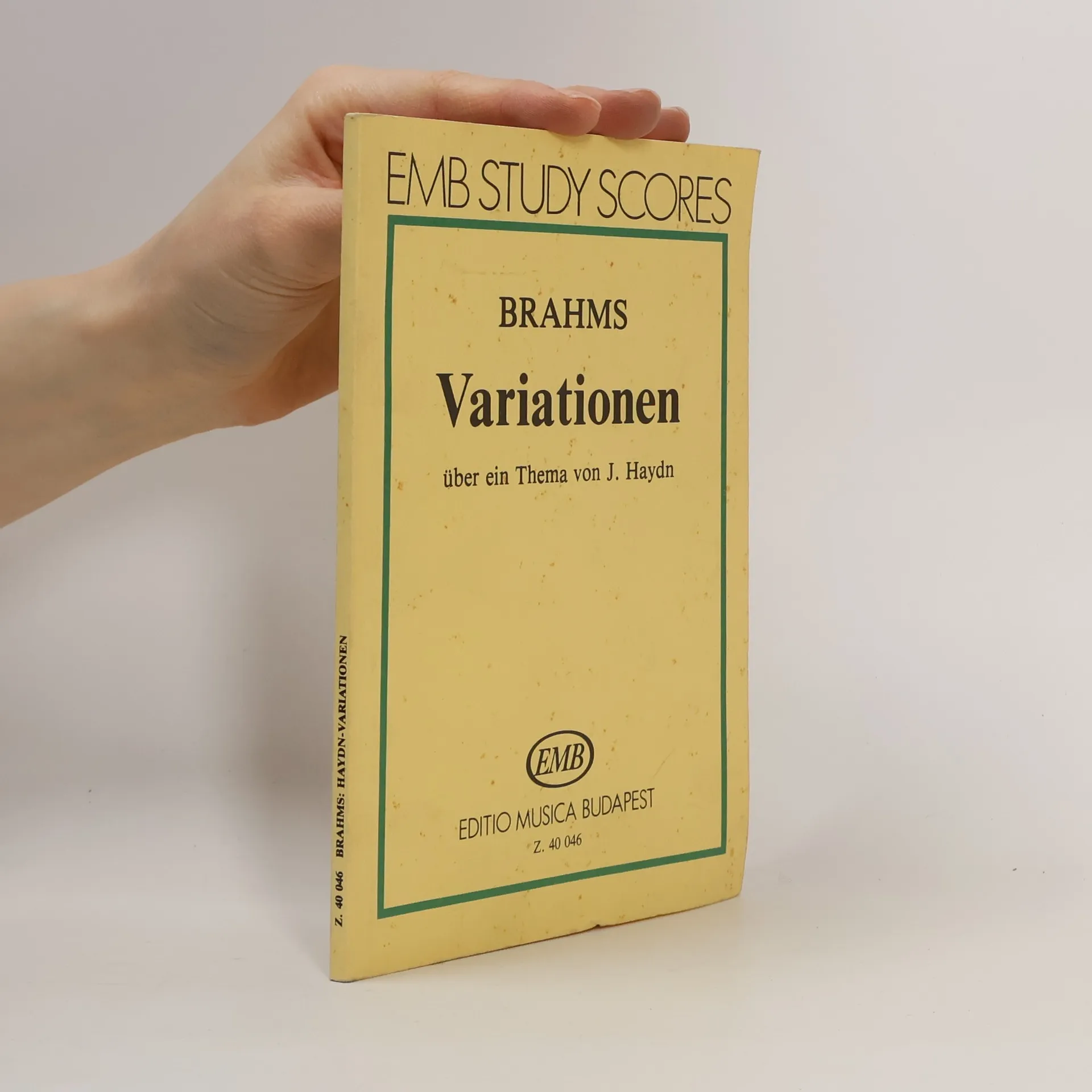
Variations on a Theme of Haydn. No. 805
for Orchestra, op. 56a
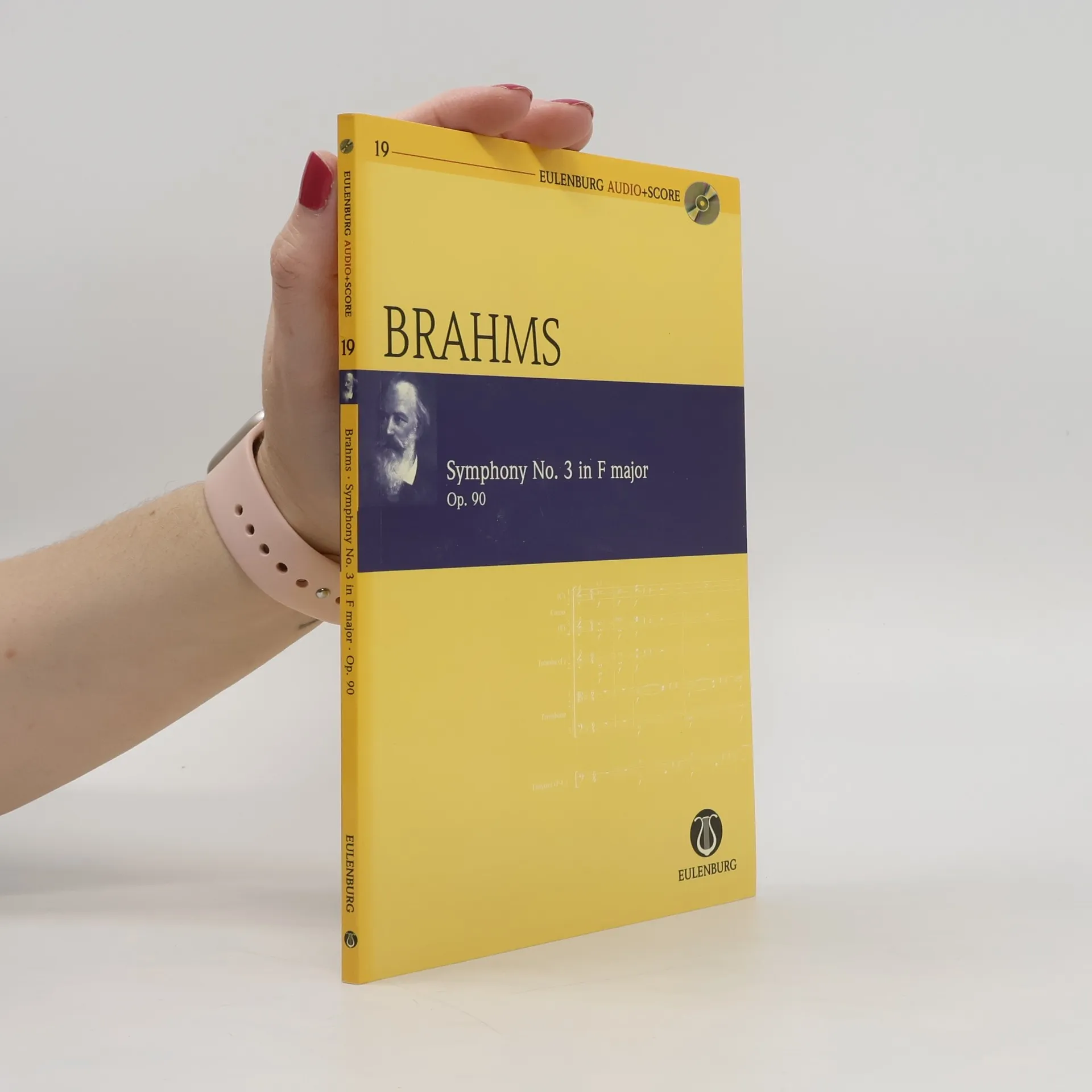
Eulenburg Audio+Score 19. Symphony no. 3 in F major. Op. 90
- 106pages
- 4 heures de lecture
(Schott). Vorwort * I. Allegro con brio * II. Andante * III. Poco Allegretto * IV. Allegro
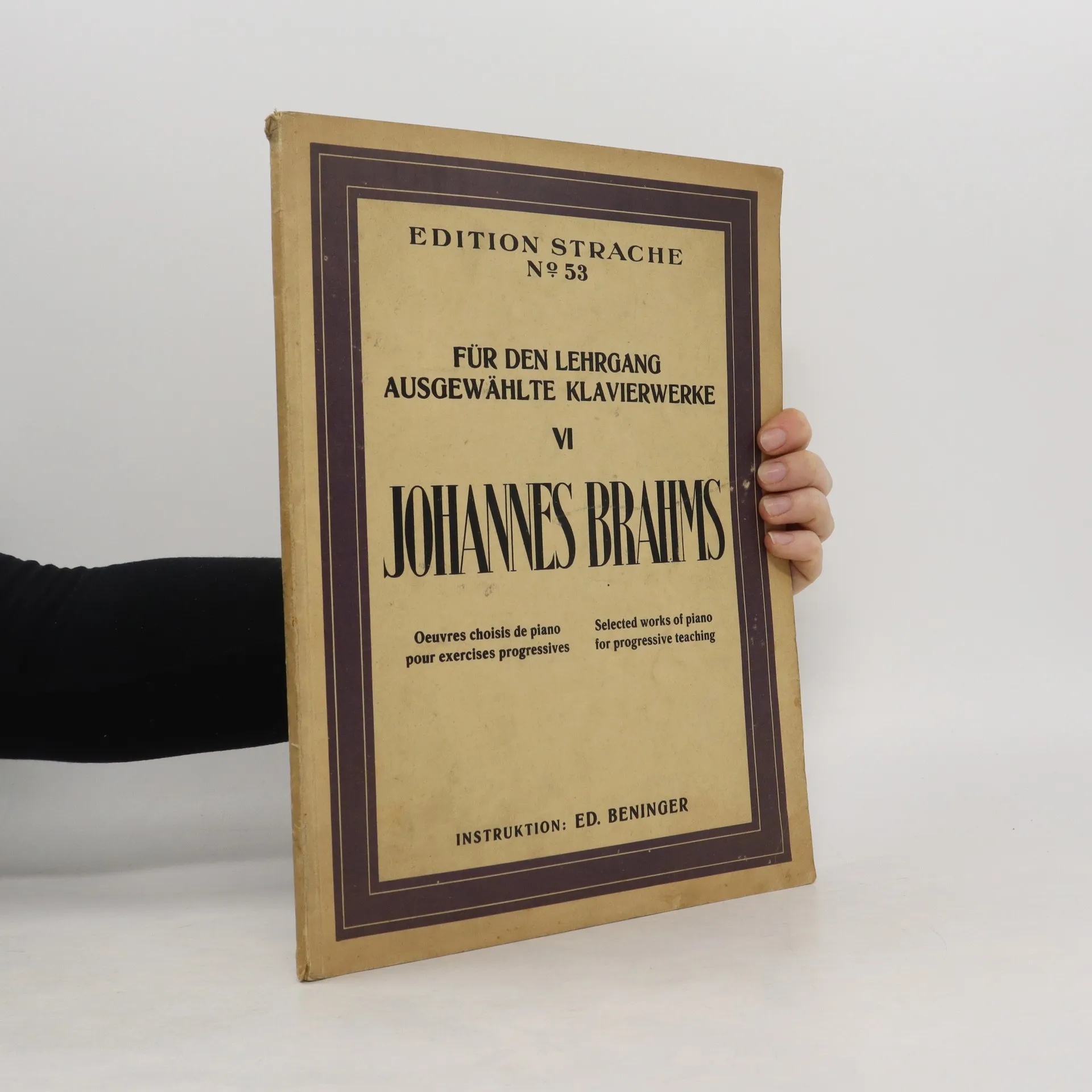
Edition Strache N. 53
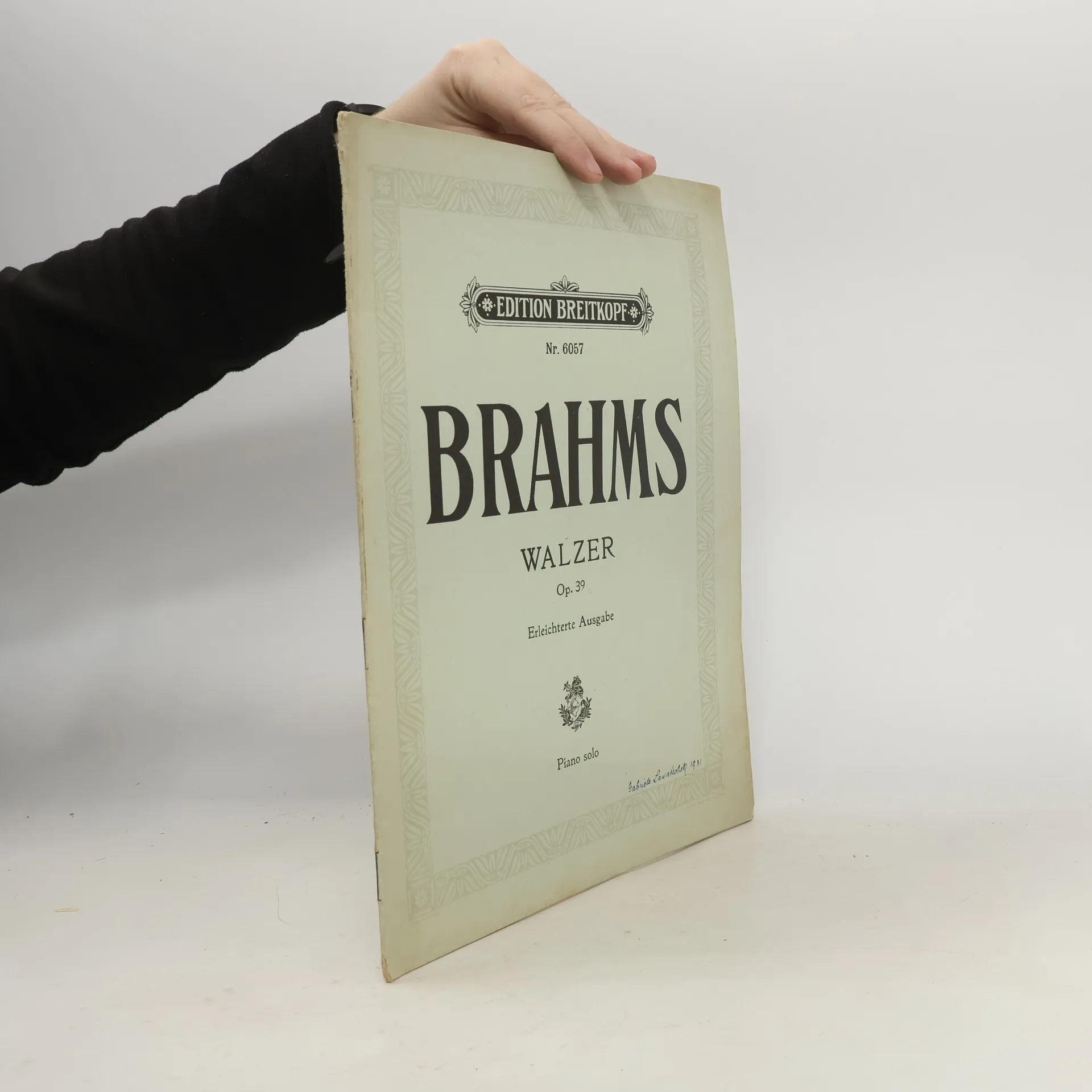
Für den Lehrgang ausgewählte Klavierwerke
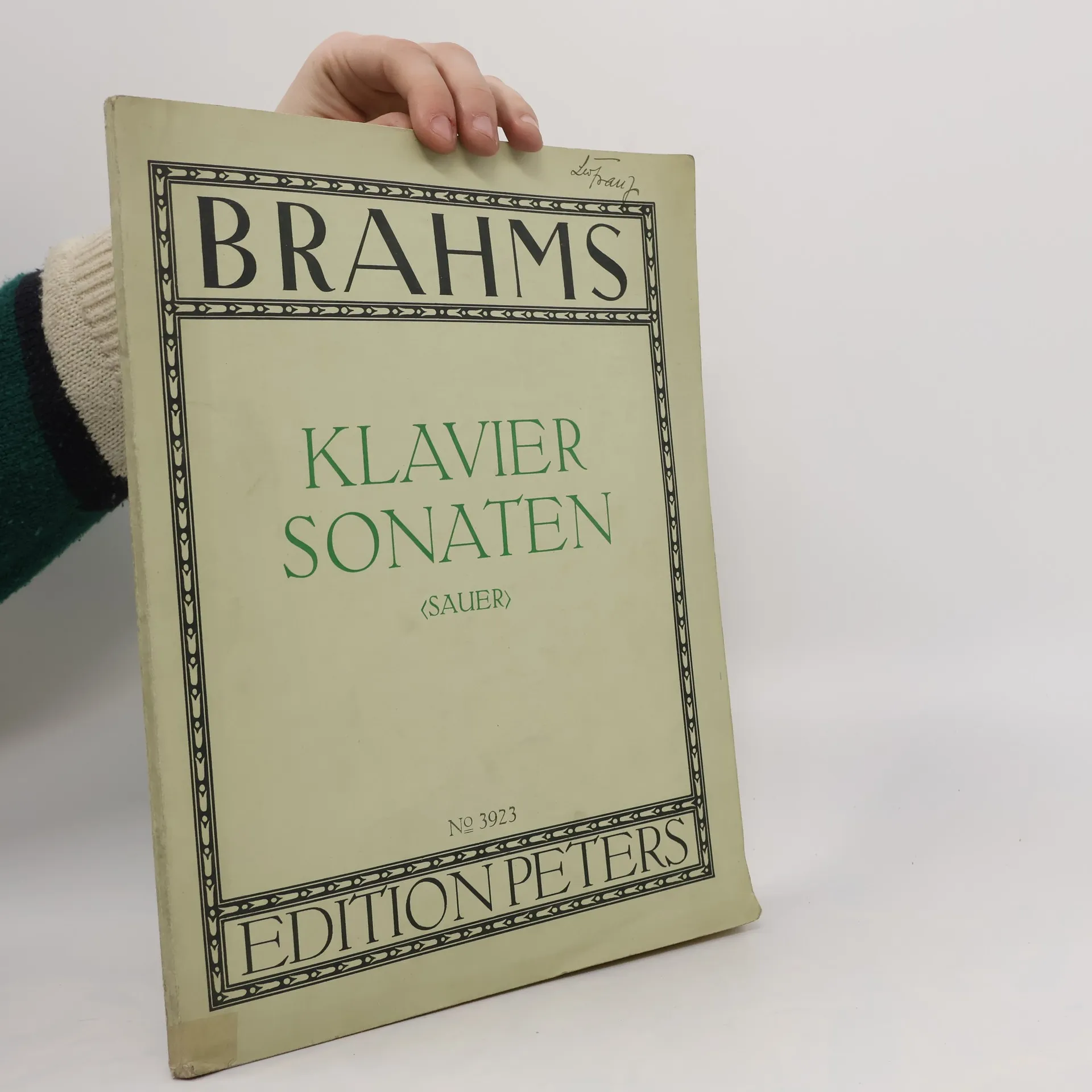
Brahms. Klavier Sonaten (Sauer) No 3923
Sonaten für Klavier zu 2 Händen
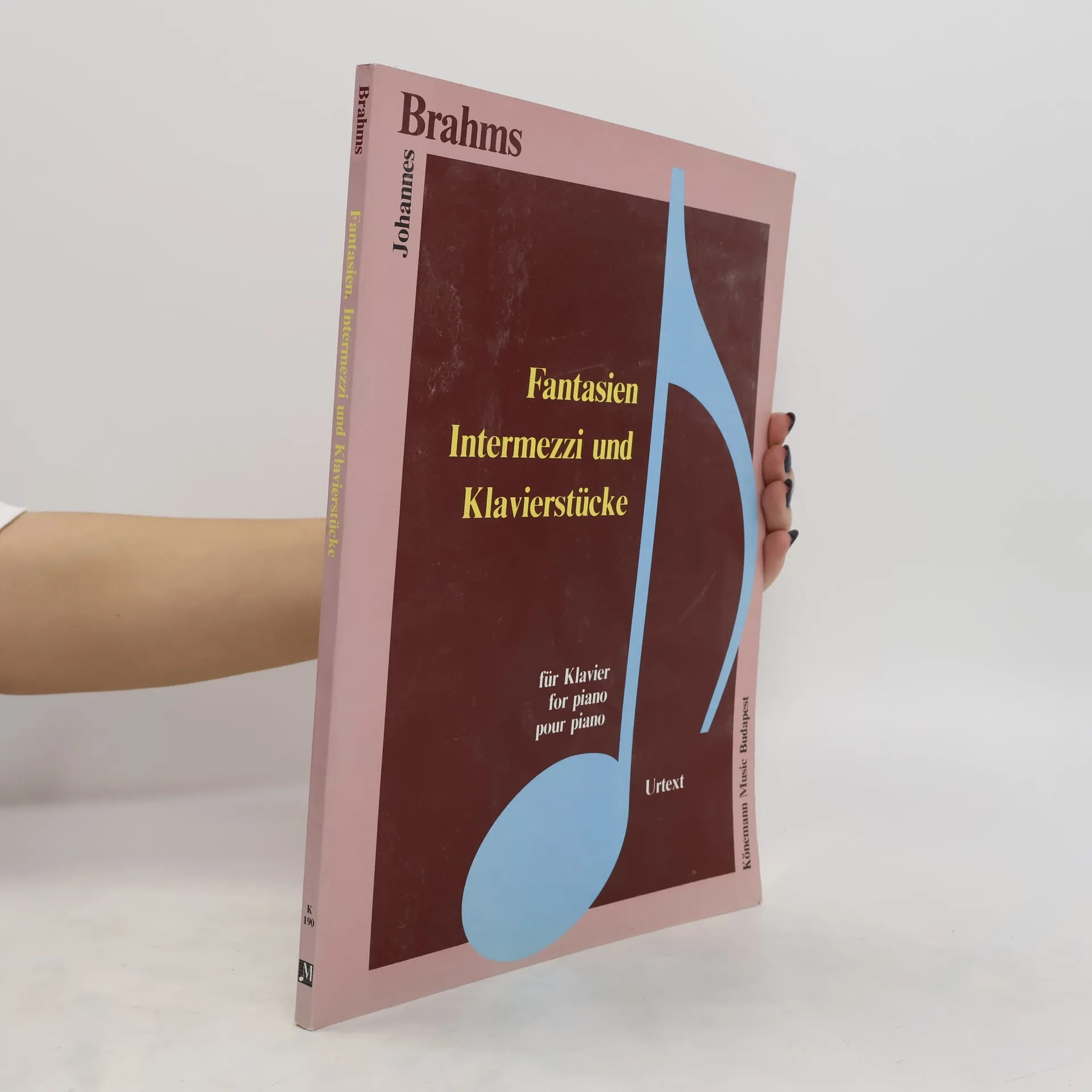
Fantasien, Intermezzi und Klavierstücke
- 116pages
- 5 heures de lecture
Clara Schumann Johannes Brahms
- 656pages
- 23 heures de lecture
Clara Schumann (1819-1896) war eine bewunderte Pianistin und die Frau von Robert Schumann. Nach Roberts Tod pflegte Johannes Brahms eine enge Freundschaft mit Clara, die jedoch unerwidert blieb. Berthold Litzmann, ein Germanist, veröffentlichte eine dreibändige Biografie über Clara und edierte ihren Briefwechsel mit Brahms.
Ein deutsches Requiem in Karlsruhe
- 64pages
- 3 heures de lecture