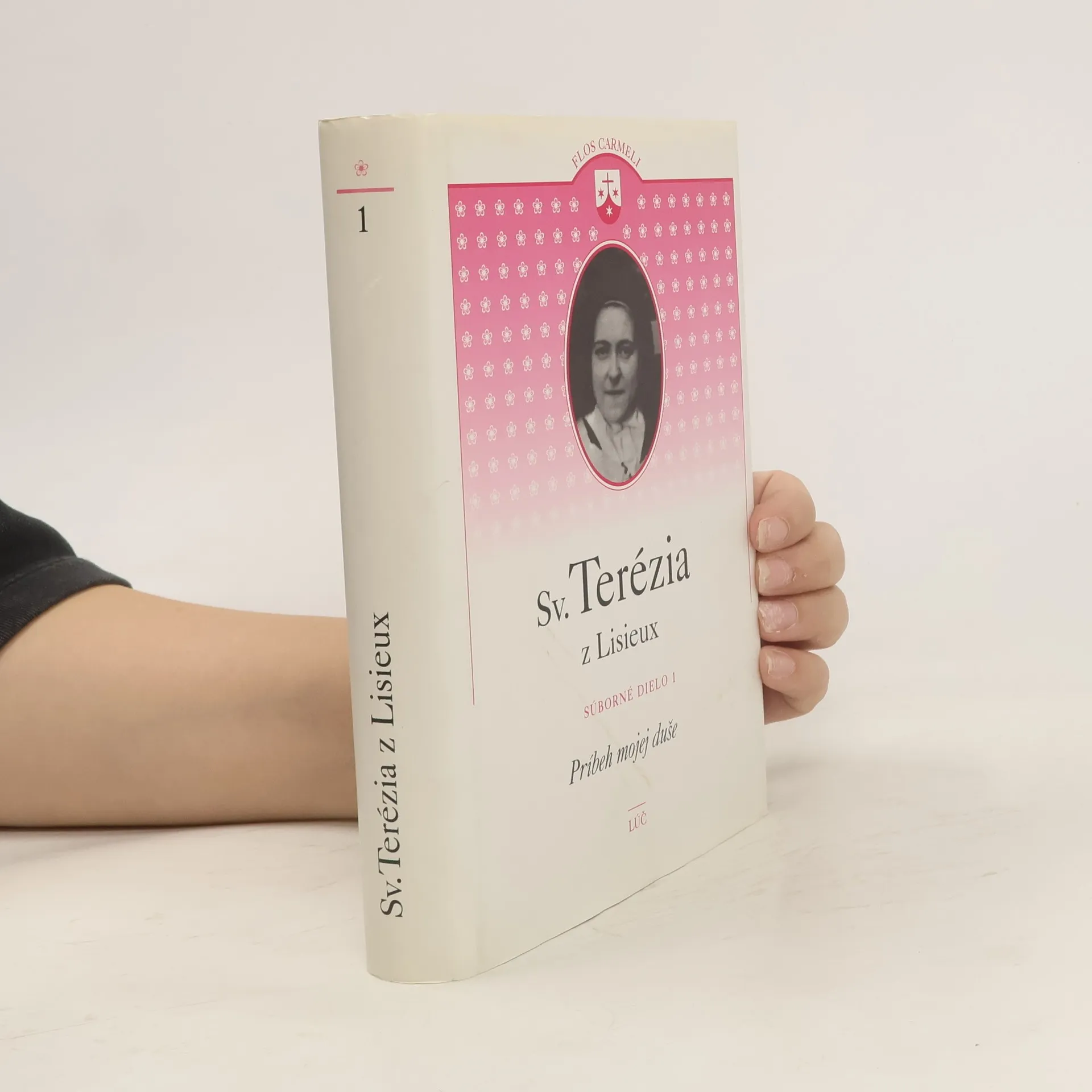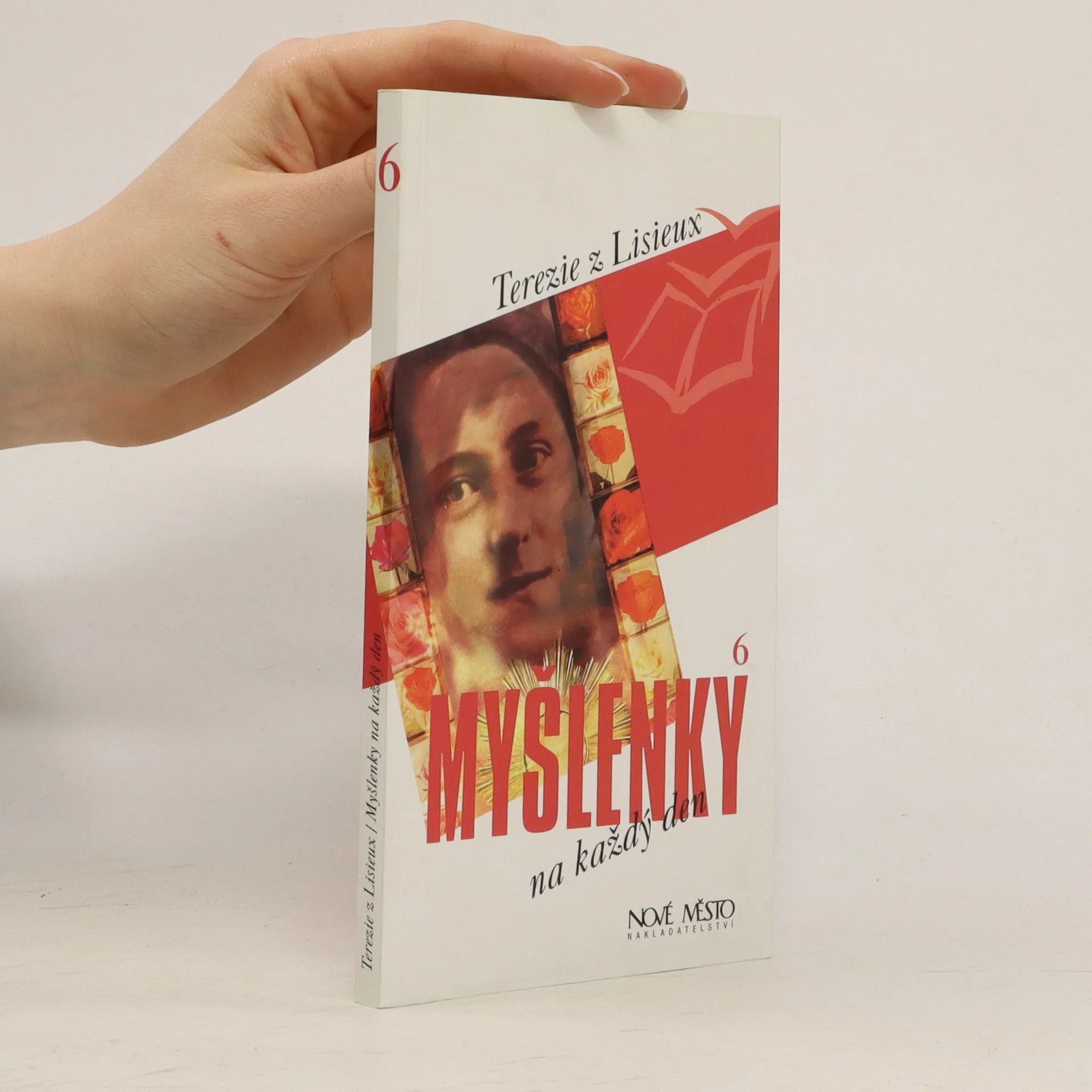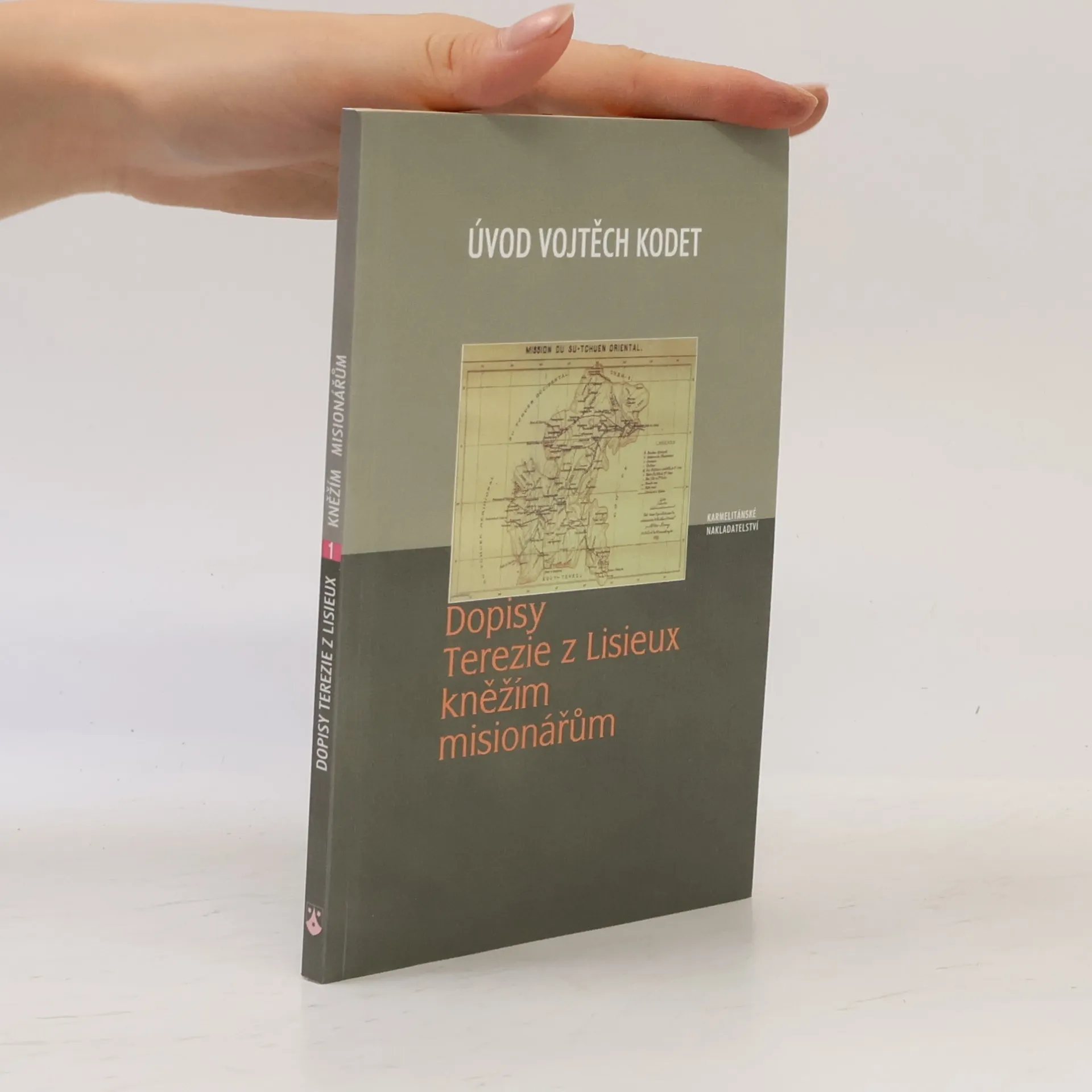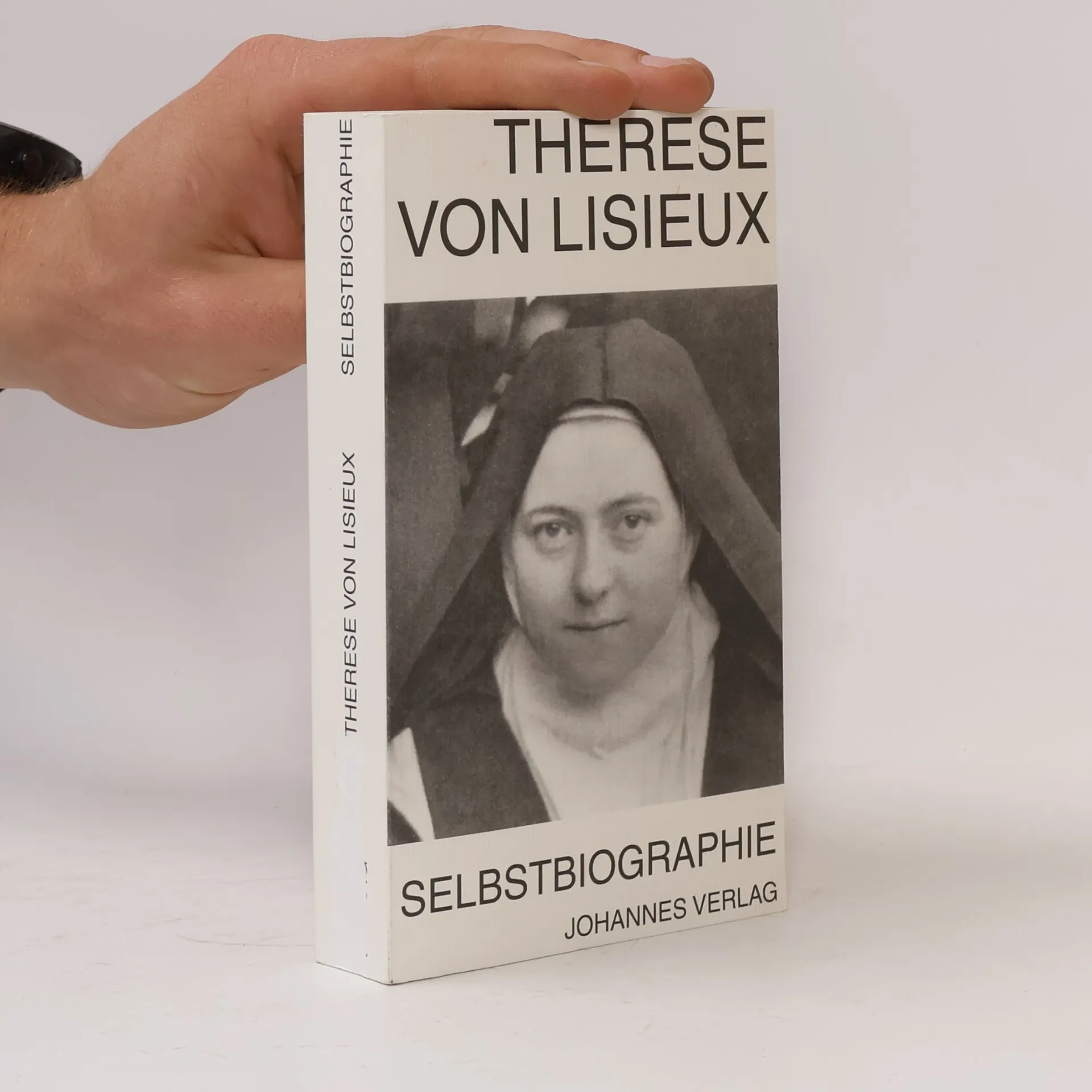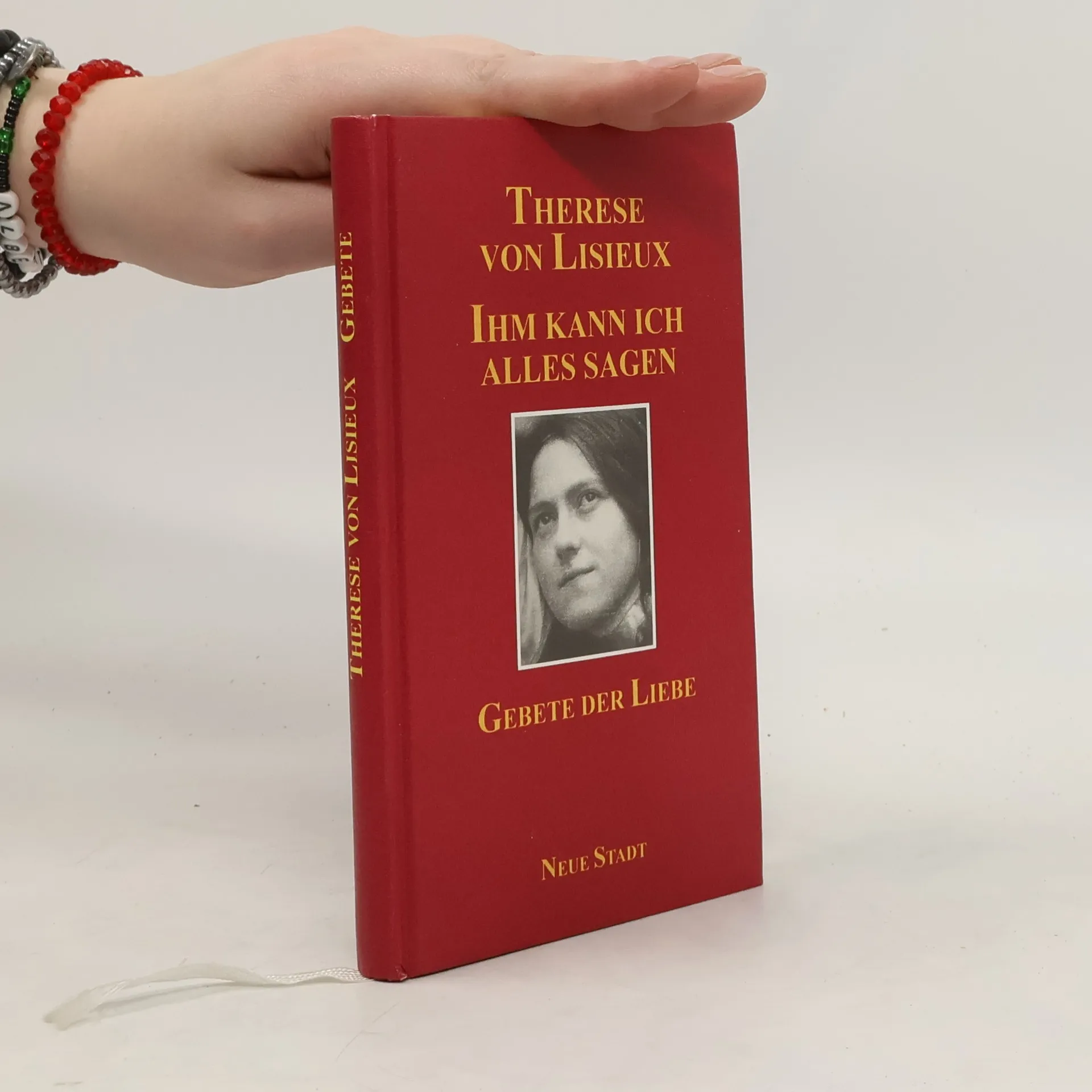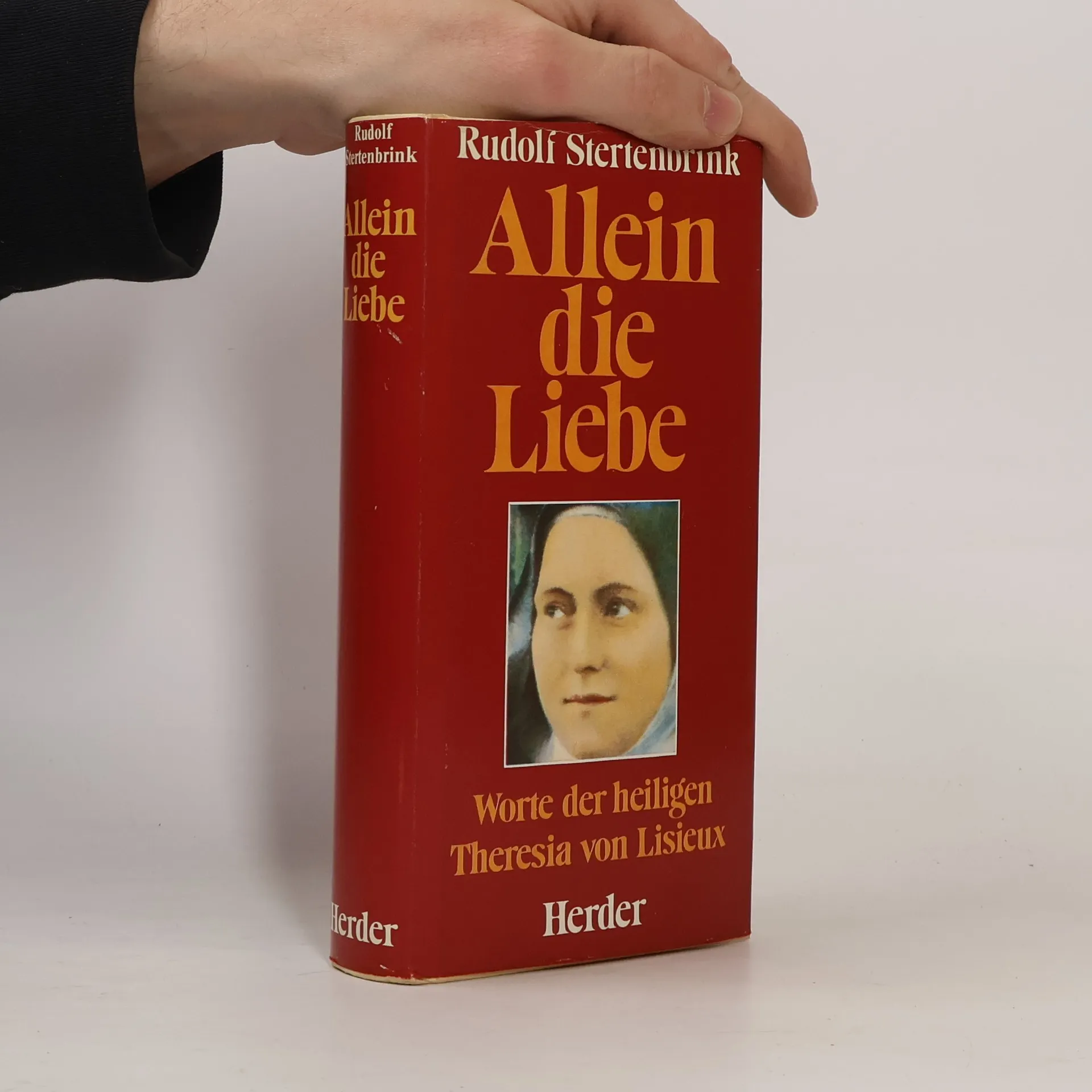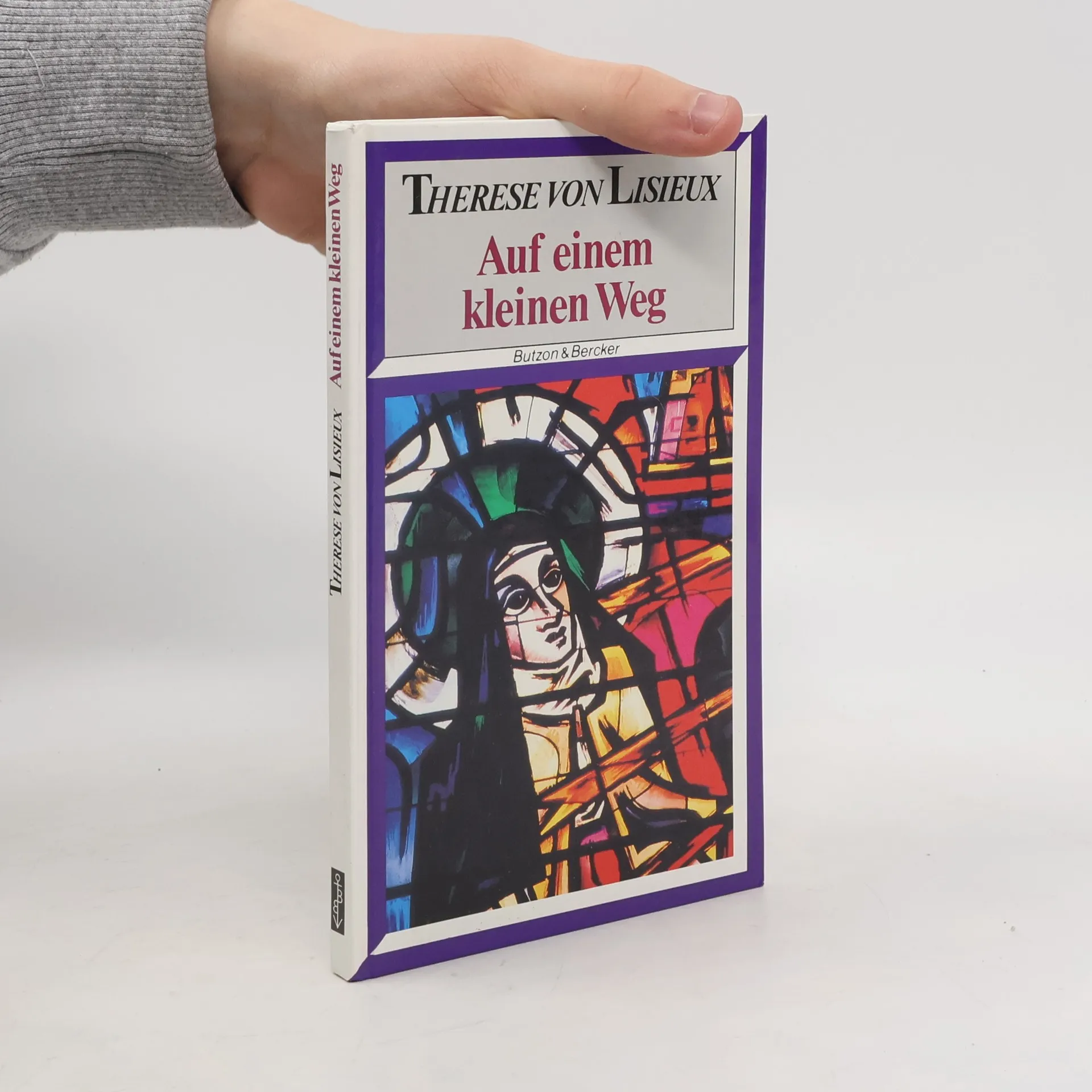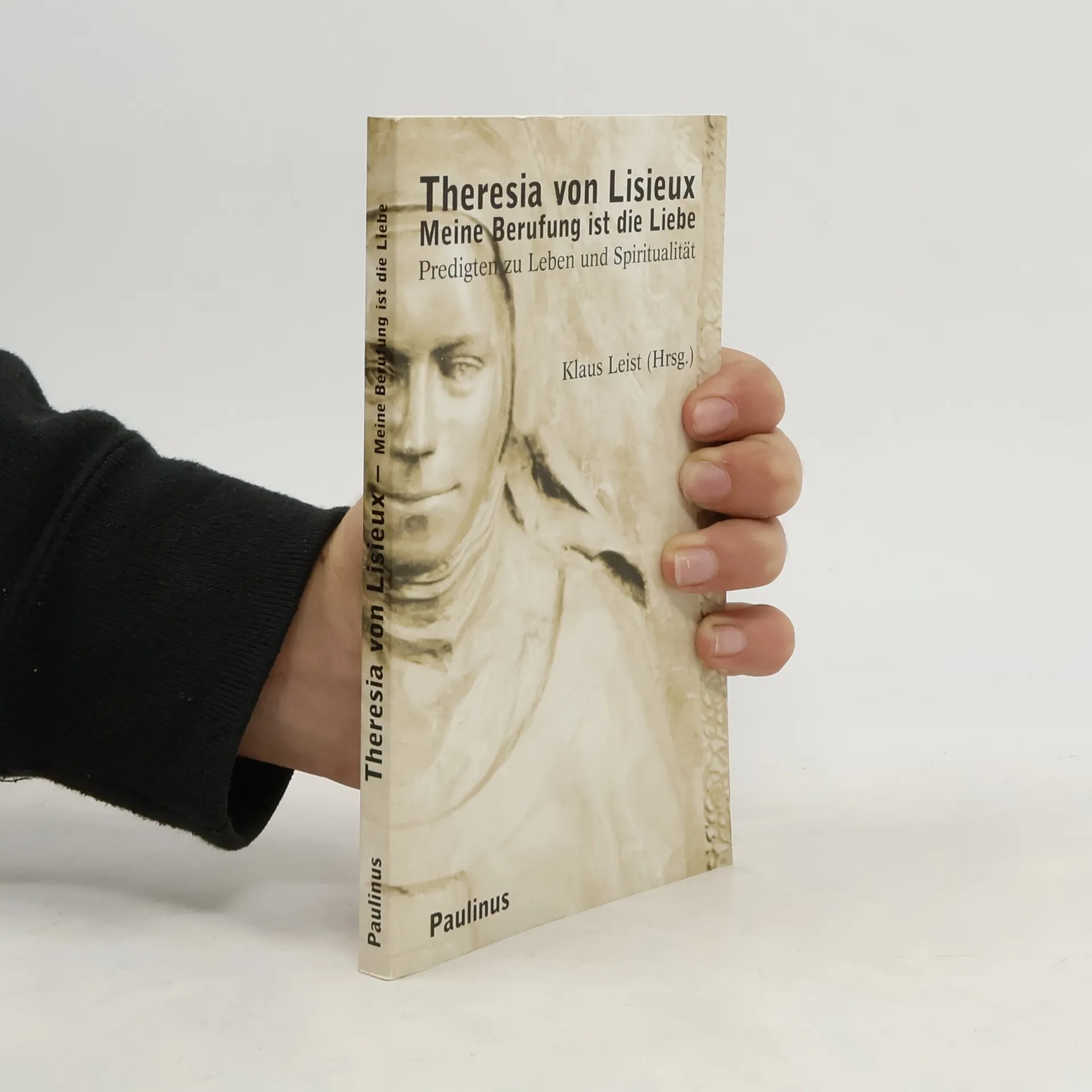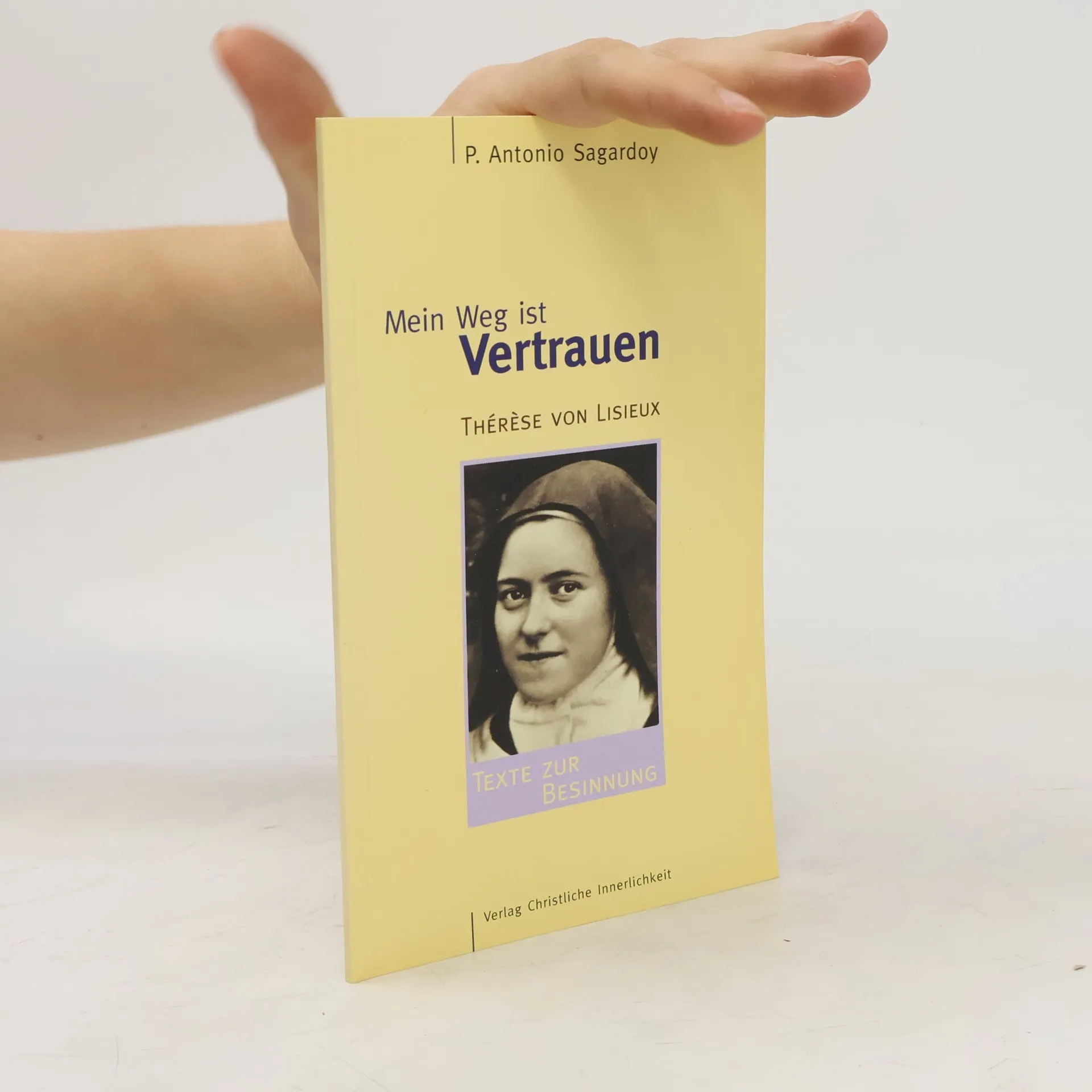
Cette religieuse carmélite est devenue célèbre grâce à ses écrits, qui révèlent une profonde spiritualité et une foi centrée sur l'amour et la confiance. Son héritage réside dans la découverte d'une nouvelle voie, simple et empreinte de confiance, pour s'approcher de Dieu. Malgré son désir d'obscurité, ses écrits et ses pensées continuent de se propager, inspirant des millions de personnes dans le monde entier. Son style littéraire et ses profondes perspectives spirituelles en font l'une des figures les plus influentes de la littérature spirituelle.
This book, first published in 1898 in a highly edited version, quickly became a modern spiritual classic, read by millions and translated into over fifty-five languages. John Clarke's acclaimed translation, first published in 1975, is now accepted as the standard throughout the English-speaking world.
Ce volume propose une réactualisation de l'Édition courante augmentée des Manuscrits autobiographiques (texte critique de la Nouvelle Édition du Centenaire). Il comprend donc outre ces derniers, les Lettres, les Poésies, les Récréations pieuses, les Prières, les Derniers entretiens et les Appendices. Les notes, peu importantes, sont situées en fin de volume.
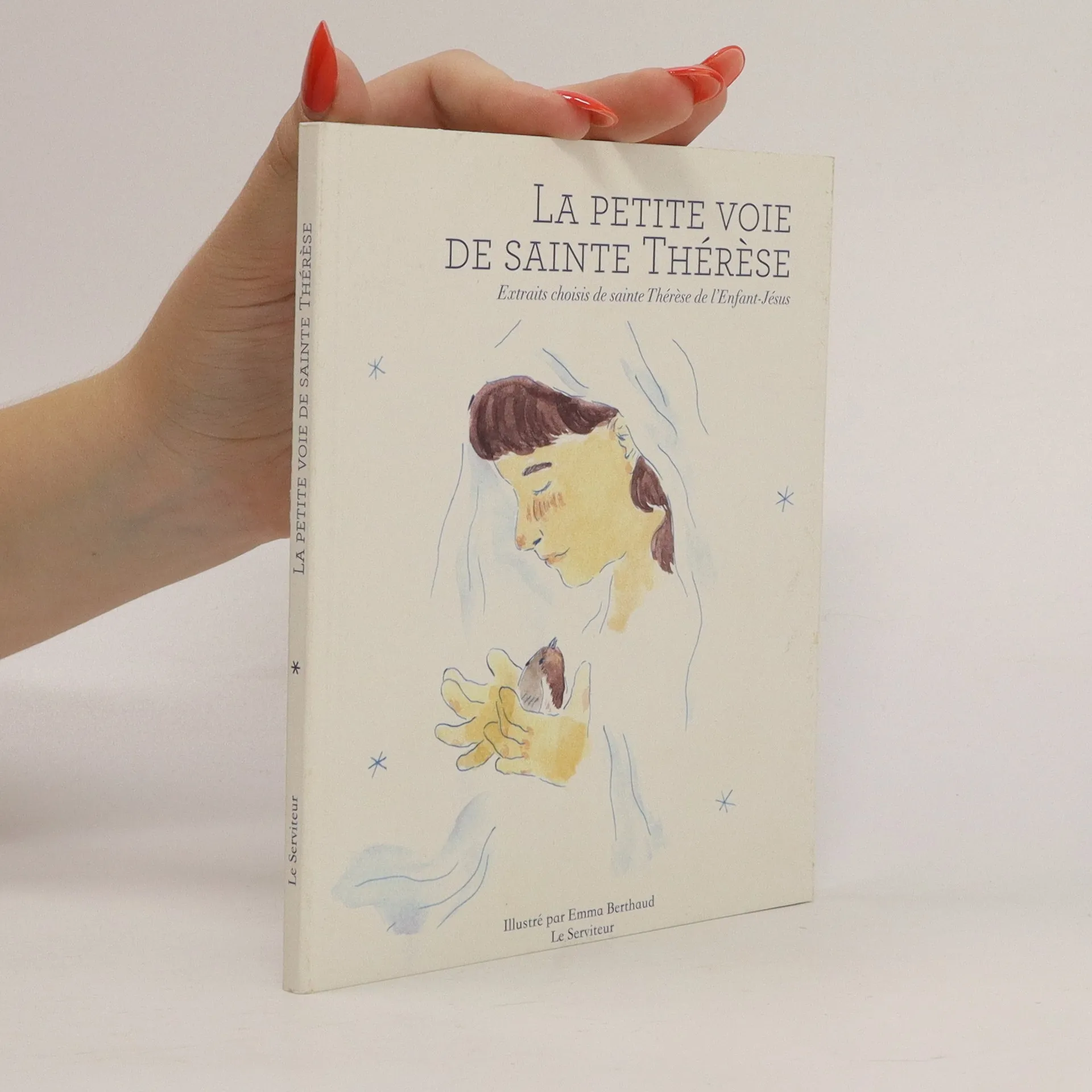
La petite voie de sainte Thérèse Extraits choisis de sainte Thérèse de l'Enfant-Jésus, très joliment illustrés à l'aquarelle. - Le mois de Marie avec Victoire - Je pensais - Première communion - Je veux entrer au Carmel - La petite voie - Acte de charité - Thérèse tombe malade - Parabole du petit oiseau A partir de 9 ans et pour tous.
A deep, insightful and poetic selection of beautifully illustrated texts from the popular saint Thérèse of Lisieux for the celebration of her 150th anniversary "Can you imagine, for doing little things with great love, the Church is making her a Doctor, like St. Augustine and the big St. Teresa! It is just like Jesus said in the Gospel to the one who was seated in the lowest place: 'Friend, come up higher.'" --Mother Teresa of Calcutta Discover the powerful spiritual path of love set by one of the most popular religious figures of modern days: Saint Thérèse of Lisieux, affectionately nicknamed "The Little Flower." In this year where we celebrate her 150th anniversary, discover the "Little Way" of love as lived and revealed by Thérèse of Lisieux in her own words.
Exploring the interplay between self-perception and societal judgment, this verse novel delves into the narratives we create to shape our identities and seek belonging. It highlights the struggle to find meaning in life amidst the complexities of truth and storytelling. As characters navigate their experiences, they confront the balance between presenting themselves favorably and the harsh realities that sometimes emerge, leading to a profound reflection on forgiveness and acceptance in a seemingly indifferent world.
Facing her fortieth birthday, India Butler embarks on a journey to Los Angeles seeking to reinvent herself. Amidst the glitz and glamour often overshadowed by the paparazzi, she uncovers deeper insights about fulfillment and the essence of truly "having it all."
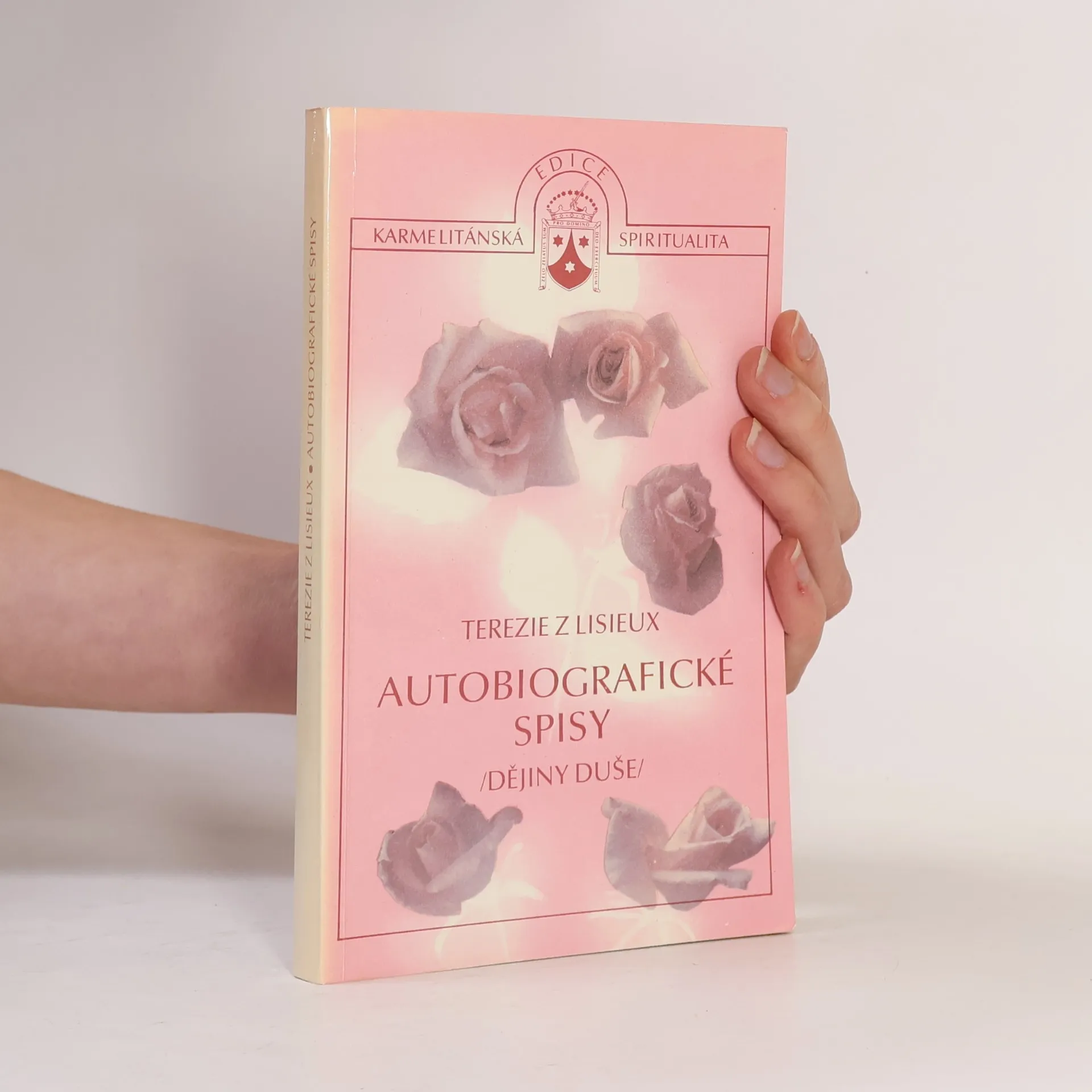
Životopis sv. Terezie z Lisieux očištěný od pozdějších přídavků a oprav, který v upravené a přepracované verzi měl název Dějiny duše. Jde o tři od sebe oddělené autobiografické spisy, které Terezie napsala na žádost tří různých osob a v plném rozsahu nám dávají poznat velikost této „světice malé cesty“. Krátký a plodný život této karmelské světice, naplněný utrpením i duchovní radostí, vnitřními zkouškami i milostí, uchvacuje stále další generace křesťanů. Pius XI. ji nazval „největší světicí nové doby“ a „živoucím Božím slovem“.
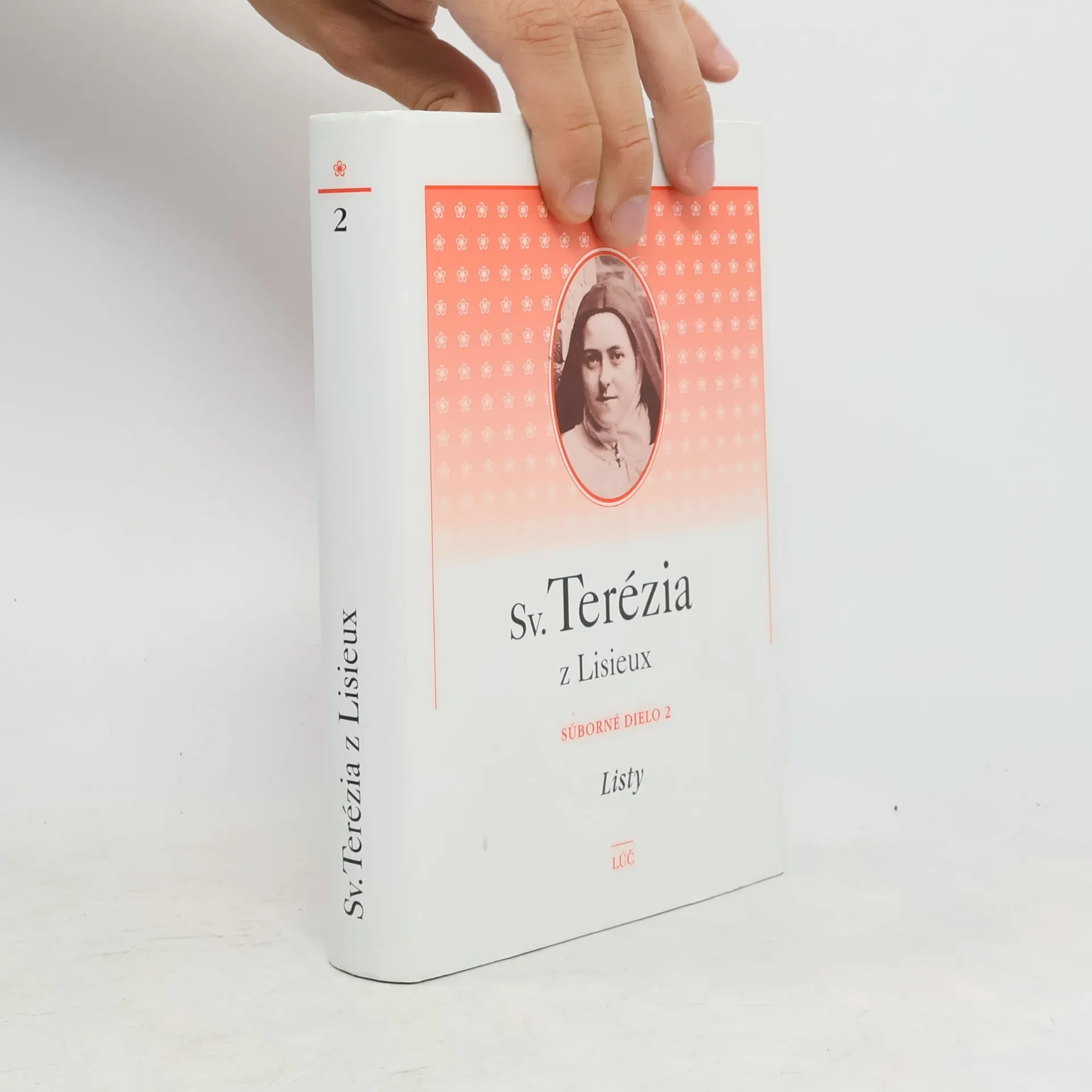
Listy sv. Terézie od Dieťaťa Ježiša a Sv. Tváre vychádzajú prvý raz v slovenskom preklade ako druhý zväzok jej štvorzväzkového súborného diela. Sú vzácnym pokladom, ktorý bohato dopĺňa jej životný príbeh - „Príbeh mojej duše" (Bratislava, LÚČ 1997, 434 s.) Kniha obsahuje 266 zachovaných listov sv. Terézie, vrátane jej lístkov z detstva. Ich adresátmi boli zväčša jej najbližší príbuzní; po vstupe do kláštora sa jej rodinný kruh rozšíril o duchovnú rodinu. Sv. Terézia sa vo svojich listoch s ľahkosťou a nenútenosťou zdôveruje so svojimi skrytými túžbami, očakávaniami, utrpením, no predovšetkým v nich vyjadruje nezlomnú odvahu a nádej dosiahnuť cieľ: milosrdnú lásku, s ktorou sa stretávala v každej etape svojho života a ktorú sa usilovala šíriť okolo seba. Učí nás „malej ceste - ceste dôvery a lásky", ktorú sama objavila, vedená Duchom Svätým....
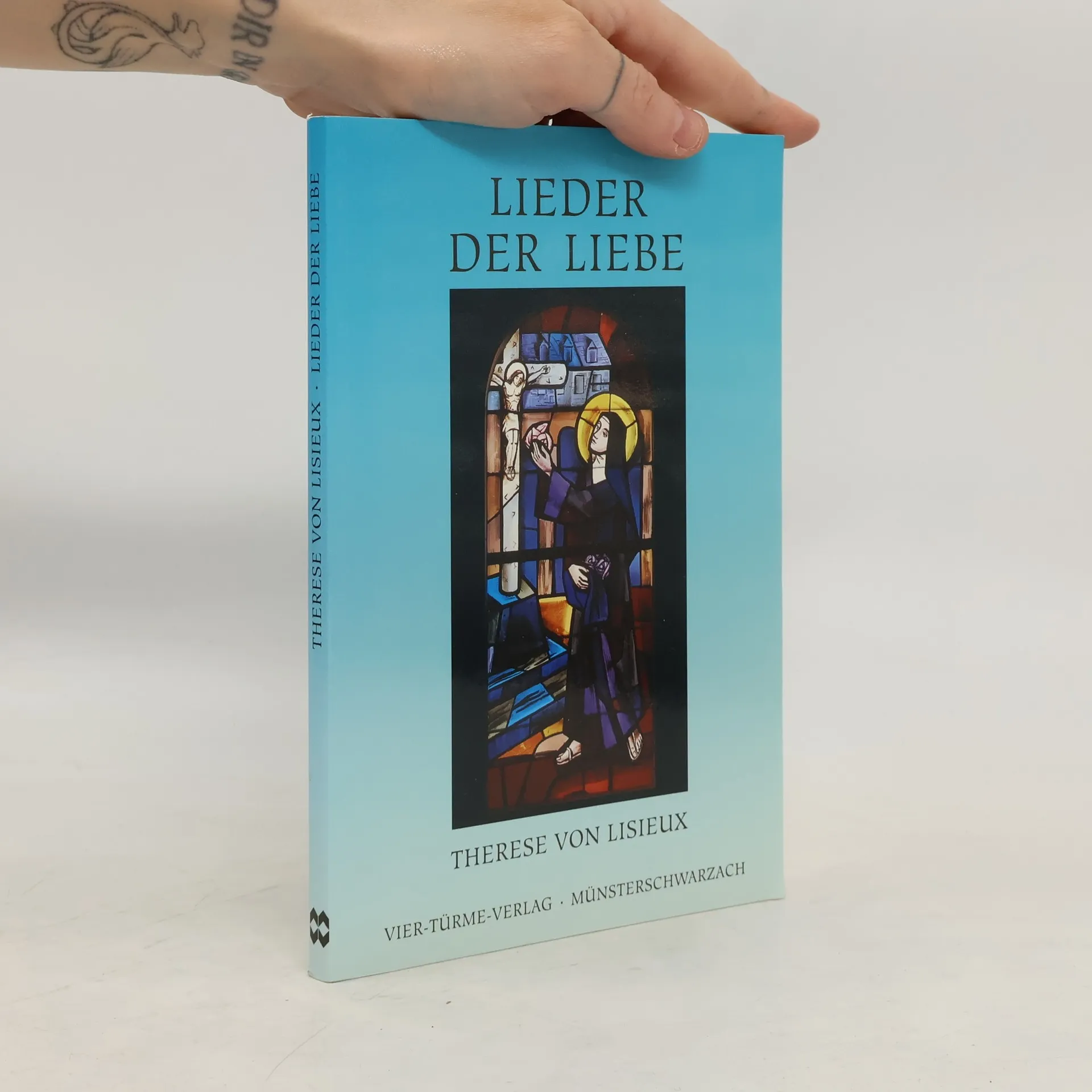
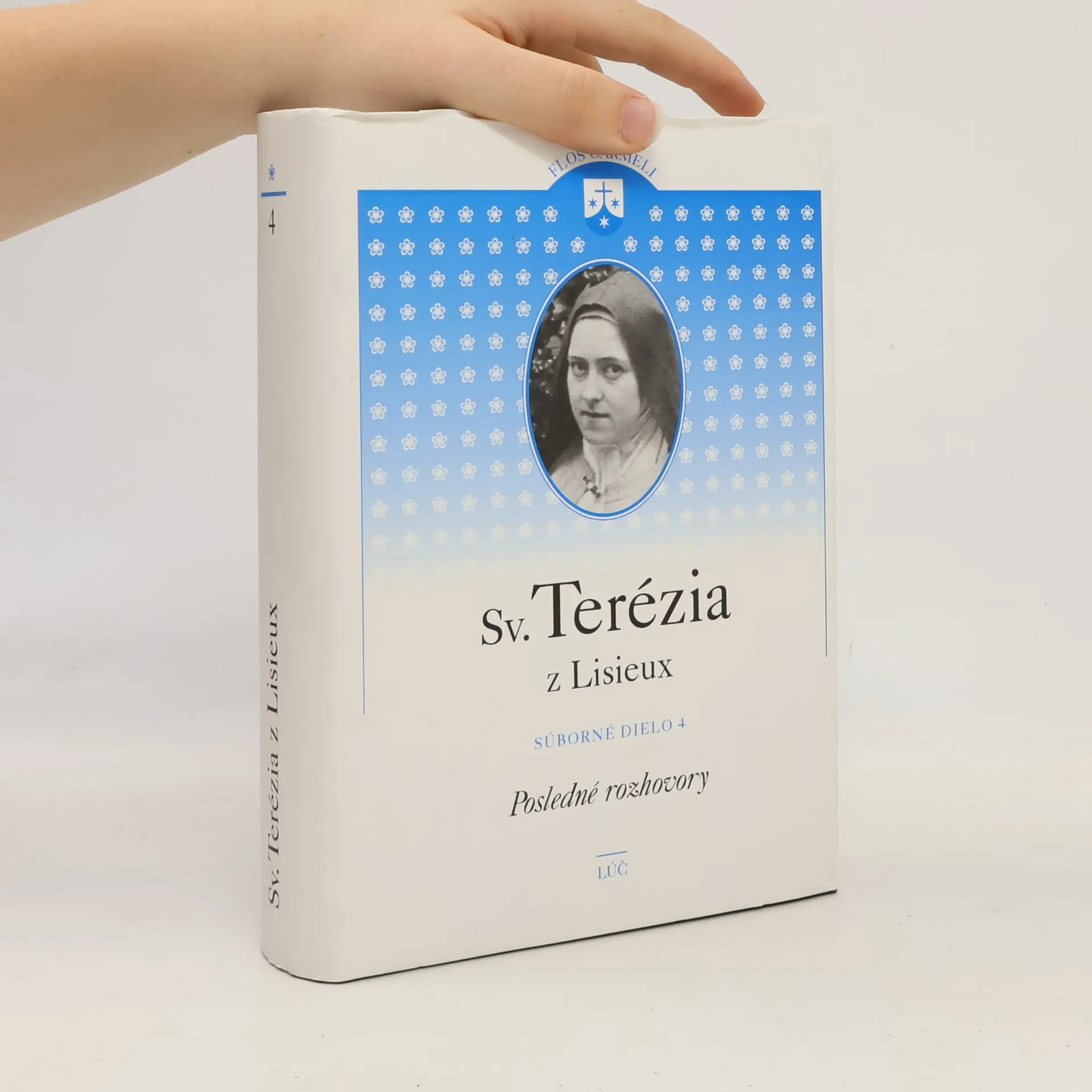
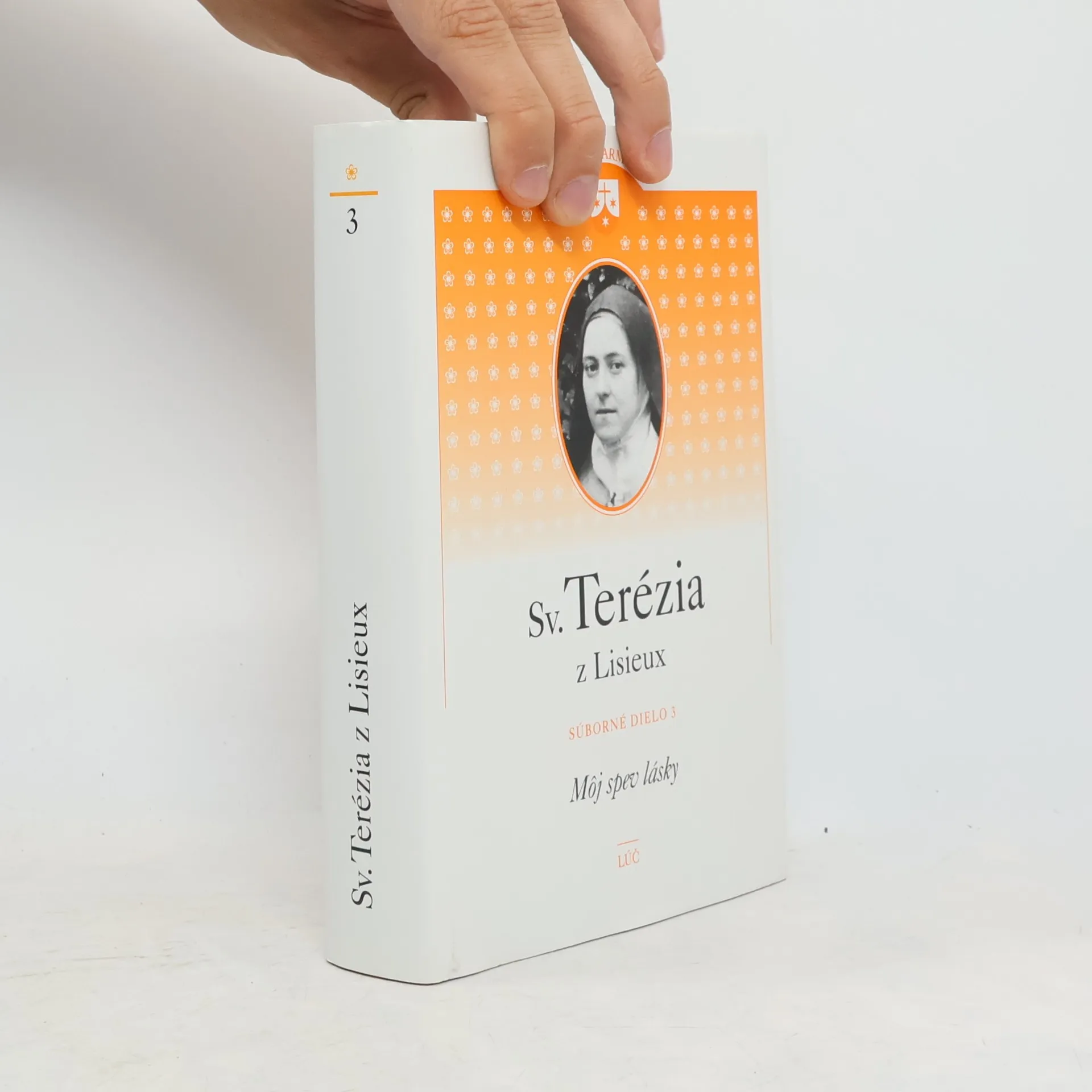
Teréziin život je spevom lásky. Už na prvej strane autobiografických zápiskov hovorí:
Napokon, budem robiť iba jedno: začnem ospevovať to, čo musím opakovať naveky - Pánovo milosrdenstvo.
Jej spev je vyslovene kresťanský: keď spieva, robí to pre niekoho, v mene niekoho a niekomu. Jej spev nie je nikdy egoistický; obracia sa na rodinu, na svoje sestry, na bratov misionárov, na svätých v nebi, na Pannu Máriu, na Boha. Je to predovšetkým duchovný alebo mystický dialóg s Ježišom.
Terézia neprestajne vedie rozhovor medzi zemou a nebom. Jej poézia je v zásade spevom, ktorým sa obracia k nebu (Vlasti), alebo rozpráva o nebi. Tento Jakubov rebrík, tento vzdušný most, ktorý buduje medzi zemou a nebom, oslavuje Pánove milosrdenstva. Teréziina poézia vyjadruje neutíchajúci úžas, vzdáva vďaky Všemohúcemu, ktorý sa stal človekom a vzal na seba ľudskú poníženosť.
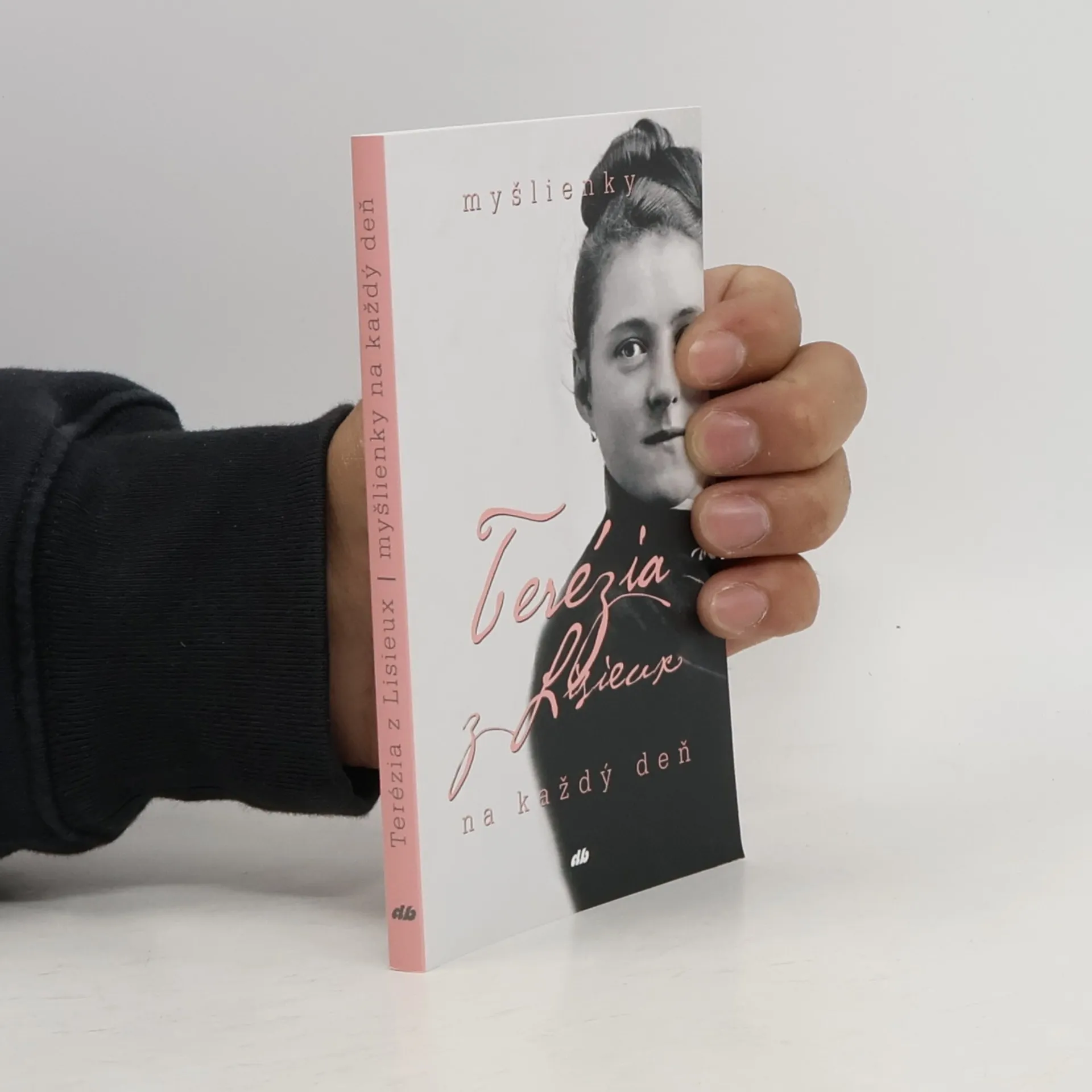
Svědectví života sv. Terezie, jež vyrostlo z mnoha trápení, zklamání a bolesti, se nyní předkládá čtenářům ve formě krátkých úvah. Nabízí se jako průvodce - den po dni - na cestě naším časem...
«Unser Zeitalter der Ausgrabungen, das den Dingen begegnen will wie sie sind, hat nun auch die Züge Thereses vom Kinde Jesus aus einem wahren Grab von Schminke gehoben; als die entstellenden Schichten wegfielen, trat, wie nicht anders zu erwarten war, das Gnadenwunder von Lisieux mit dem ganzen Glanz und der schlichten Evidenz des Ursprünglichen zutage. Es ist zunächst eine Sache der Atmosphäre: wie wenn man aus einer sorgföltig verschlossenen ‹guten Stube› in den Wald hinaus tritt und man weiß plötzlich was frische Luuft heißt und was Atmen, und man fühlt sich so dankbar, daß man die Frage, warum einem dieses Einfache solange vorenthalten wurde, auf sich beruhen läßt. Was aus unbegreiflicher Überkleisterung befreit uns entgegentritt, ist etwas Jugendfrisches, Spontanes, erschreckend Hüllenloses, das sich so sorgenfrei nur geben kann, weil es sich unangrifbar geborgen weiß in den Schleiern der Gnade.»
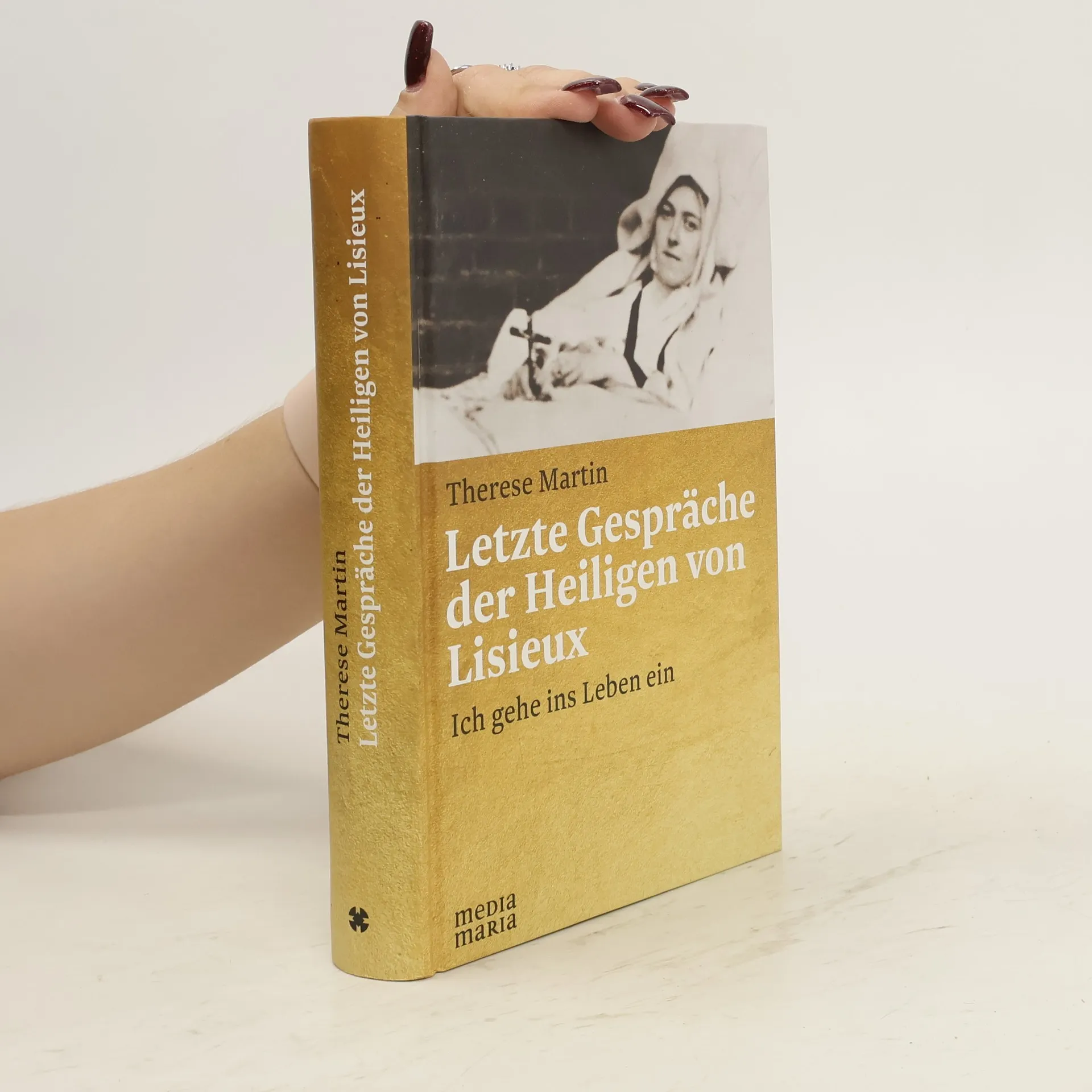
Das Buch »Letzte Gespräche der Heiligen von Lisieux« kann als Testament der heiligen Therese von Lisieux betrachtet werden. Es ist ein sachlicher Bericht und zugleich eine Lehre über das Thema: Wie leidet, lebt und stirbt eine Heilige? Ihre Gedanken über ihren tiefen Glauben an das ewige Leben, ihr unermüdliches Ringen um das Heil der Seelen – der Grund für ihre schrecklichen Leiden, die sie auf sich nahm – und ihre ständig wachsende Gottesliebe sind in diesem Band wiedergegeben. Es ist das gewaltige Finale eines unvergleichlichen Lebens und eine geistige Hinterlassenschaft für alle, die auf der Suche sind oder ihren Glauben vertiefen wollen.
Text je převzat z knihy: "Mistr je zde a volá tě! - Eucharistické úvahy a modlitby", která byla vydána Domem milosrdenství Vincentinum v Praze-Břevnově ... v roce 1941