The Black Ball
- 64pages
- 3 heures de lecture
Belonging and estrangement intertwine in these four lyrical short stories from the the author of Invisible Man.


Ralph Ellison s'impose comme une figure monumentale de la littérature et de la pensée américaines. Sa fiction, profondément influencée par le jazz et l'expérience afro-américaine, explore les thèmes de l'identité, de la race et de l'invisibilité sociale. Ellison mêle avec maestria l'investigation philosophique à un réalisme saisissant, disséquant les complexités de l'existence dans le tissu de l'histoire collective. Ses essais éclairent en outre son regard critique acéré sur la culture, la politique et les arts.




Belonging and estrangement intertwine in these four lyrical short stories from the the author of Invisible Man.
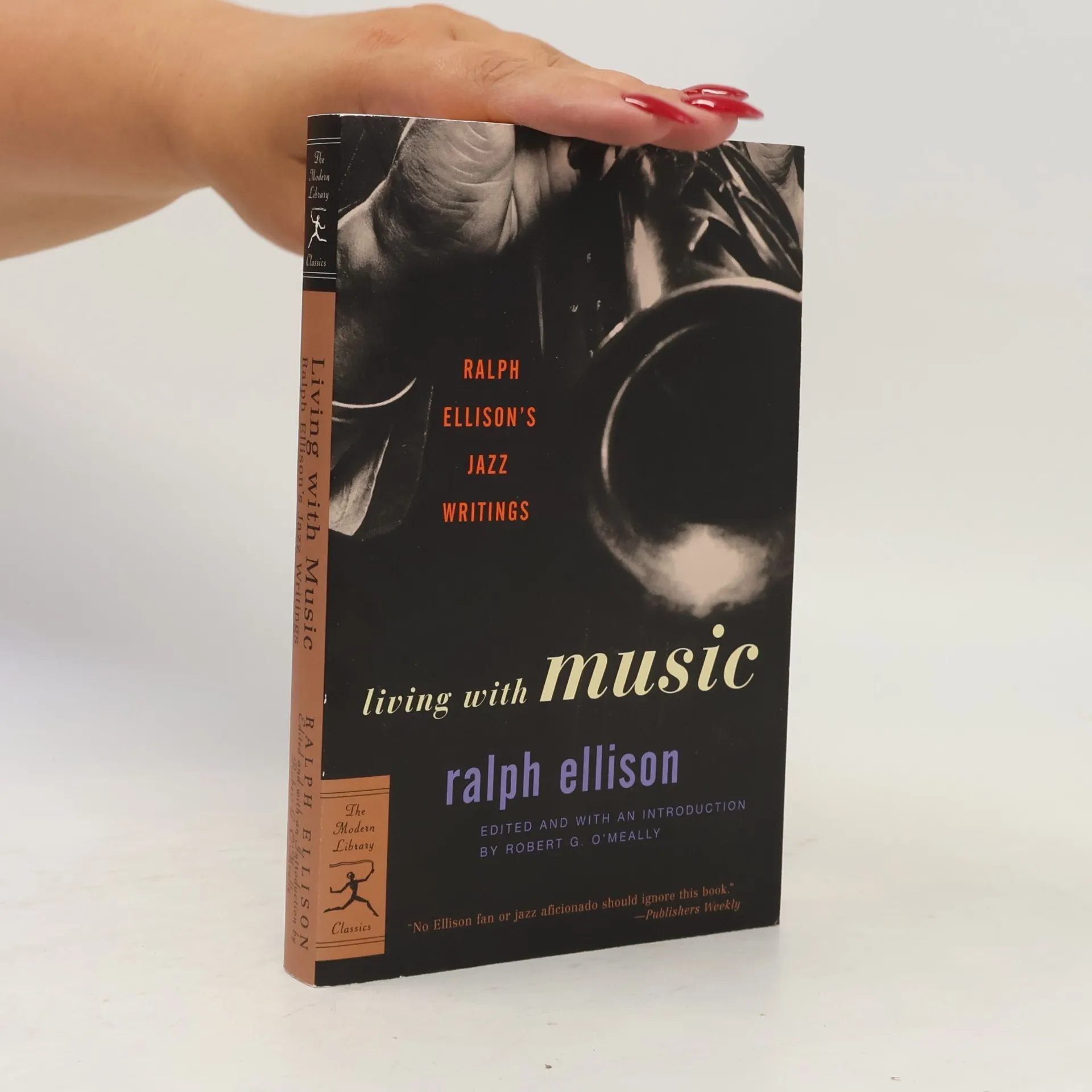
Before Ralph Ellison became one of America’s greatest writers, he was a musician and a student of jazz, writing widely on his favorite music for more than fifty years. Now, jazz authority Robert O’Meally has collected the very best of Ellison’s inspired, exuberant jazz writings in this unique anthology.
Set in Washington DC in the 1950s, an elderly black Baptist minister from Georgia visits a Senator on his deathbed. Their conversation and the memories it sparks take them back through the deeply buried secrets of their shared past, and finally to the tragic event that first brought them together.
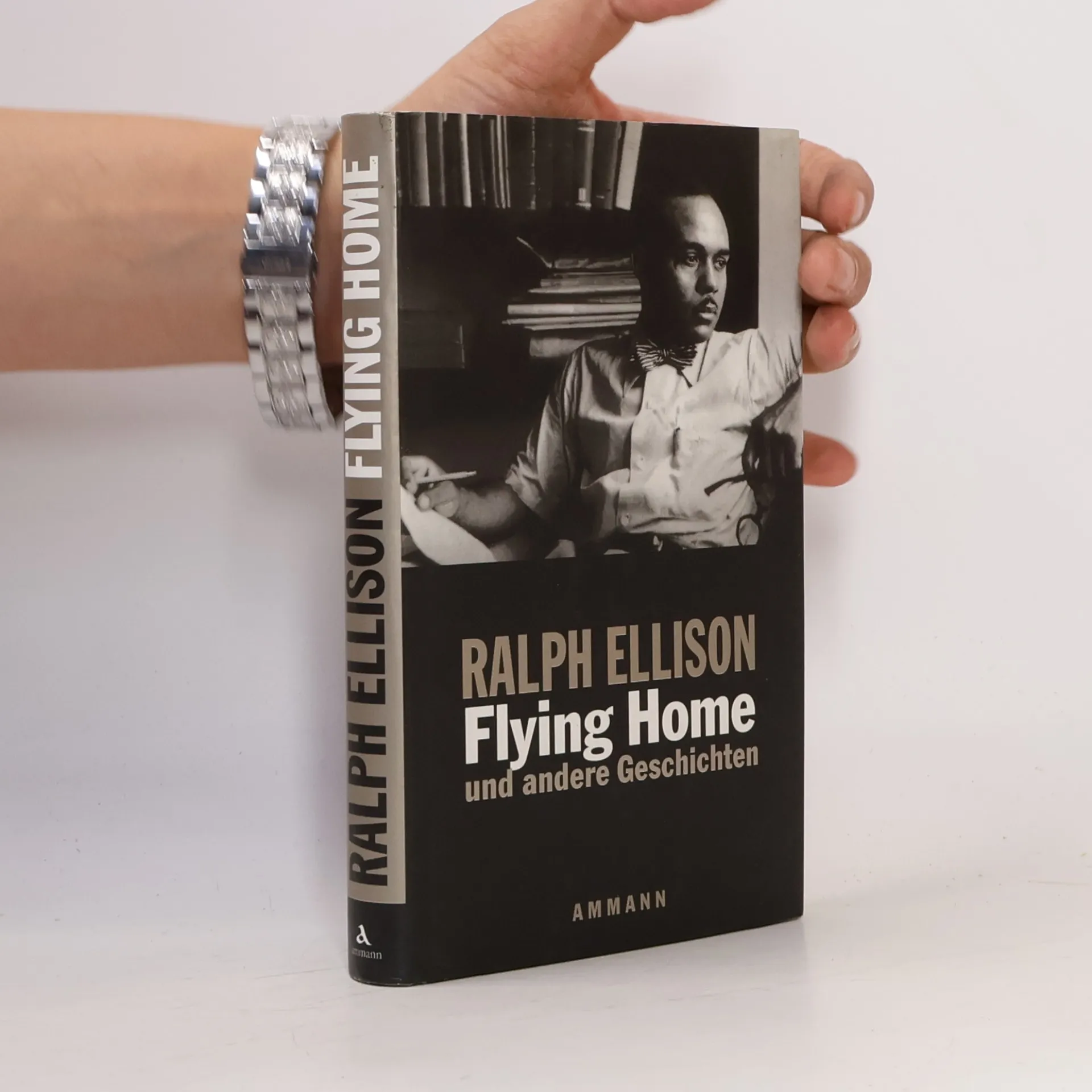
Ralph Ellison wurde 1914 in Oklahoma City als Sohn eines Bauarbeiters geboren. Er kam nach New York, um Musik und Bildhauerei zu studieren. 1952 erschien sein einziger Roman zu Lebzeiten, „Der unsichtbare Mann“, der 1965 zum bedeutendsten Werk der letzten Jahrzehnte gewählt wurde. 1994 verstarb Ellison in New York.
Compiled and edited by Ellison's literary executor, John F. Callahan, this collection includes previously uncollected and newly discovered reviews, criticism, and interviews in addition to the essay collections Shadow and Act and Going to the Territory . The preface is written by Saul Bellow
02 A unique supplement to one of the most important African American novels of this century. As Invisible Man chronicles the major moments of African American life during the first half of the twentieth century, this volume illuminates and contextualizes the novel with a collection of speeches, essays, folktales, historical analyses, photographs, and other cultural and historical documents.
With the same intellectual incisiveness and supple, stylish prose he brought to his classic novel Invisible Man, Ralph Ellison examines his antecedents and in so doing illuminates the literature, music, and culture of both black and white America. His range is virtuosic, encompassing Mark Twain and Richard Wright, Mahalia Jackson and Charlie Parker, The Birth of a Nation and the Dante-esque landscape of Harlem—“the scene and symbol of the Negro’s perpetual alienation in the land of his birth.” Throughout, he gives us what amounts to an episodic autobiography that traces his formation as a writer as well as the genesis of Invisible Man.On every page, Ellison reveals his idiosyncratic and often contrarian brilliance, his insistence on refuting both black and white stereotypes of what an African American writer should say or be. The result is a book that continues to instruct, delight, and occasionally outrage readers.
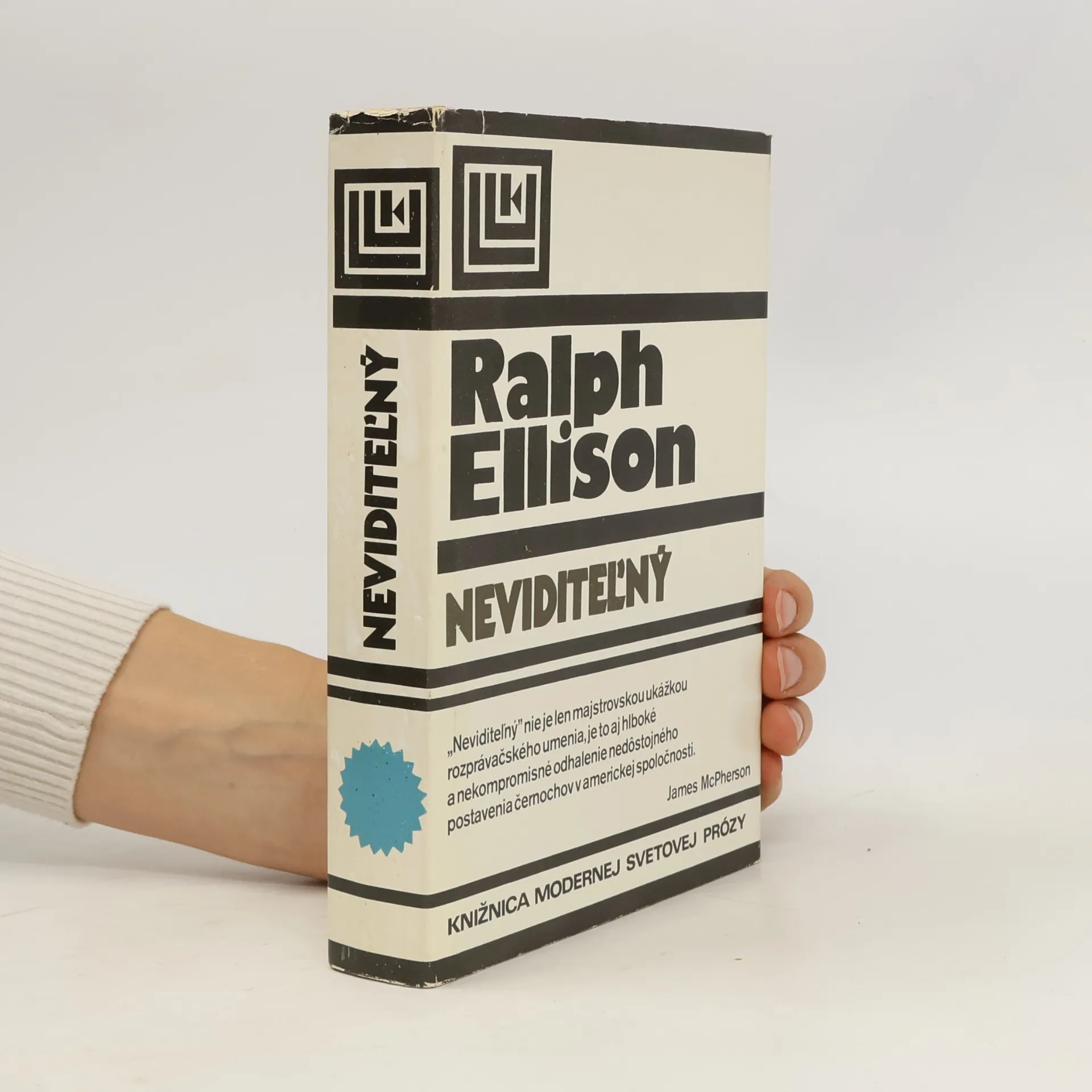
Román poukazuje na mnohé sociálne a intelektuálne problémy, ktorým museli čeliť Afro-američania v prvých desaťročiach dvadsiateho storočia. Samotná téma nie je výnimočná - príbeh človeka, ktorý hľadá sám seba - je však citlivo a zručne spracovaná. V roku 1998 vydavateľská spoločnosťModern Library umiestnila tento román medzi 100 najlepších románov 20. storočia. Podobnej pocty sa kniha dočkala aj od časopisu TIME.
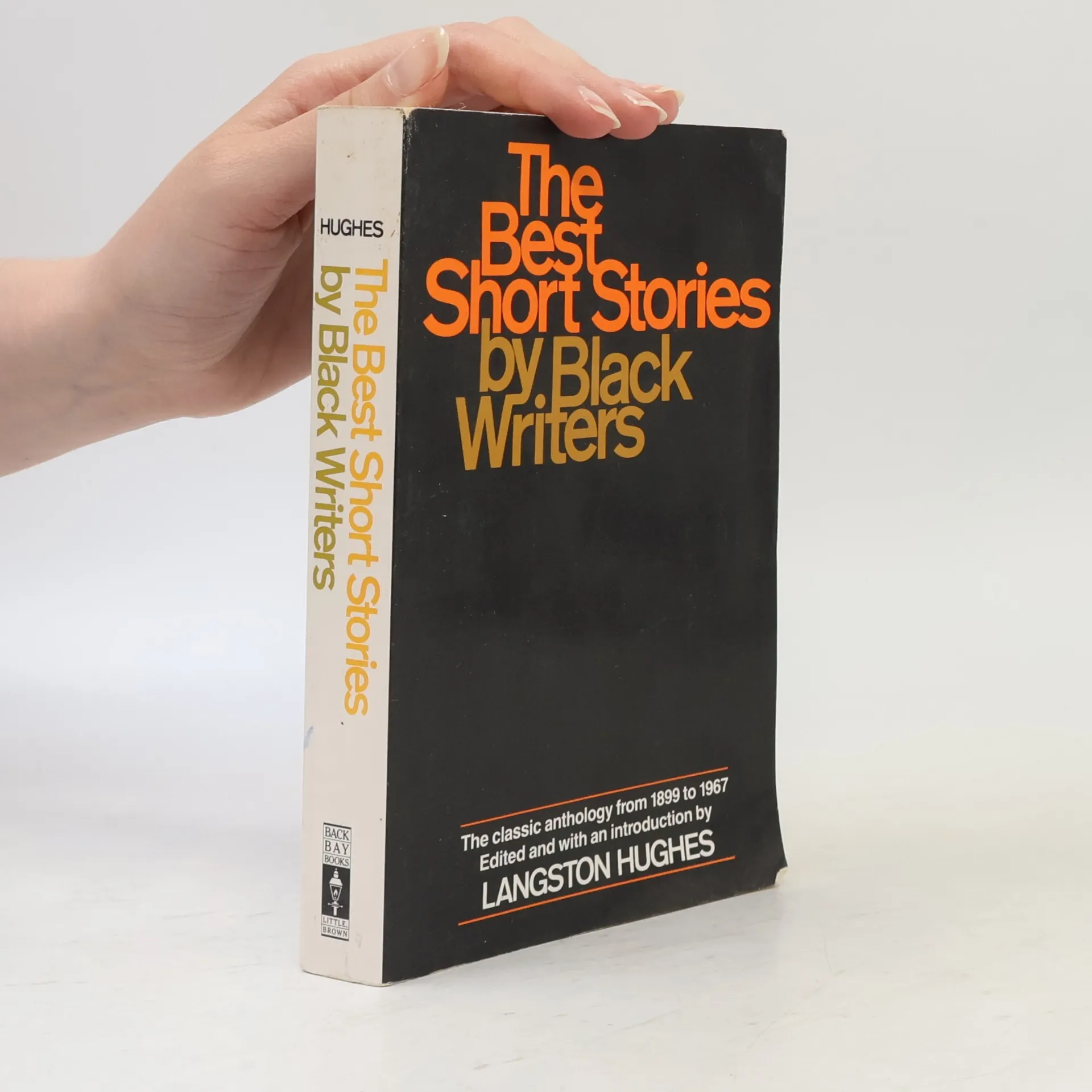
A classic anthology of short stories by Black writers including James Baldwin, Zora Neale Hurston, and Richard Wright -- edited and with an introduction by Langston Hughes. Originally published in 1967, The Best Short Stories by Black Writers offers a timeless and unforgettable portrait of the tragedy, comedy, triumph, and suffering that were part of African American life from 1899 to 1967.
In the course of his wanderings from a Southern Negro college to New York's Harlem, an American black man becomes involved in a series of adventures. Introduction explains circumstances under which the book was written. Ellison won the National Book Award for this searing record of a black man's journey through contemporary America. Unquestionably, Ellison's book is a work of extraordinary intensity -- powerfully imagined and written with a savage, wryly humorous gusto