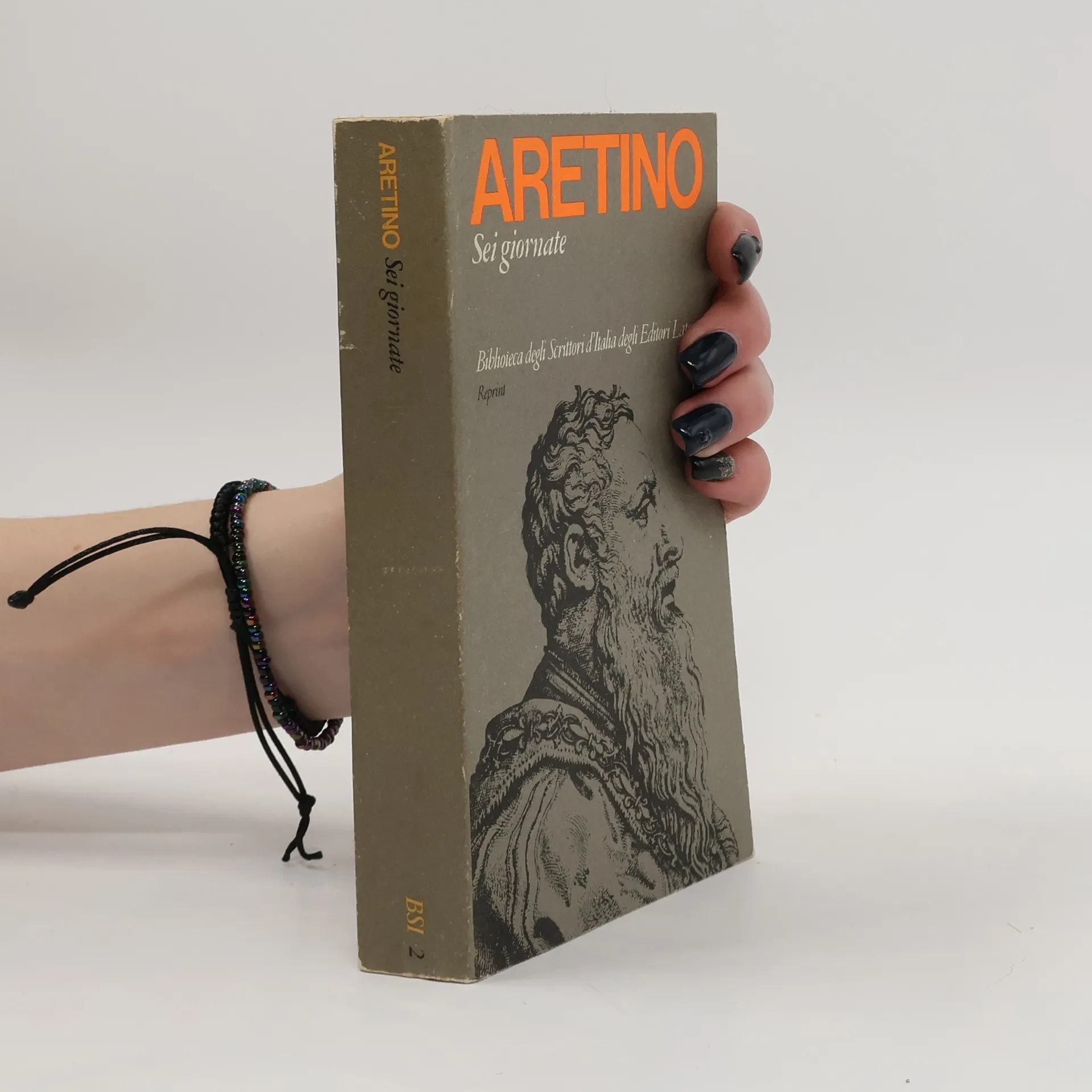
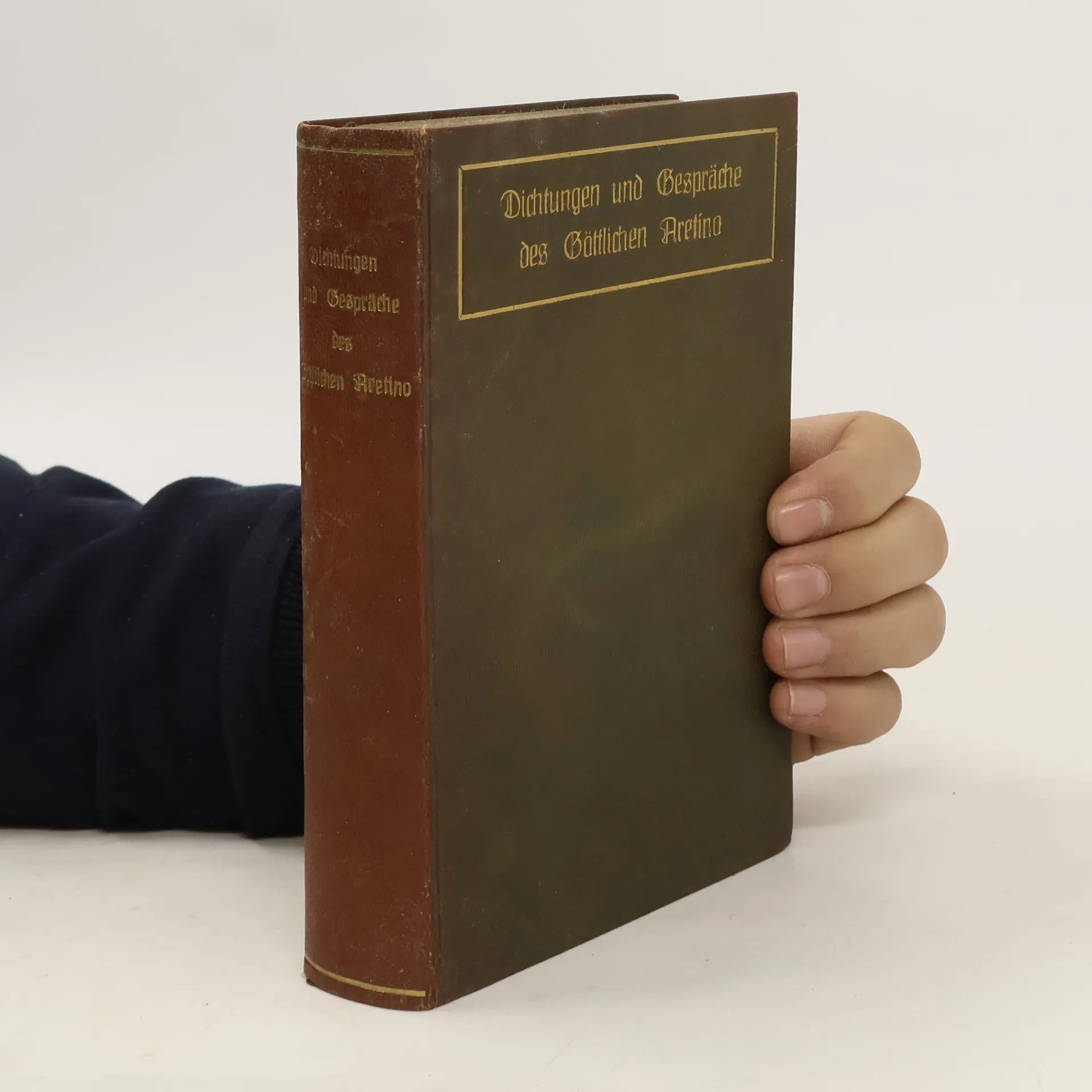
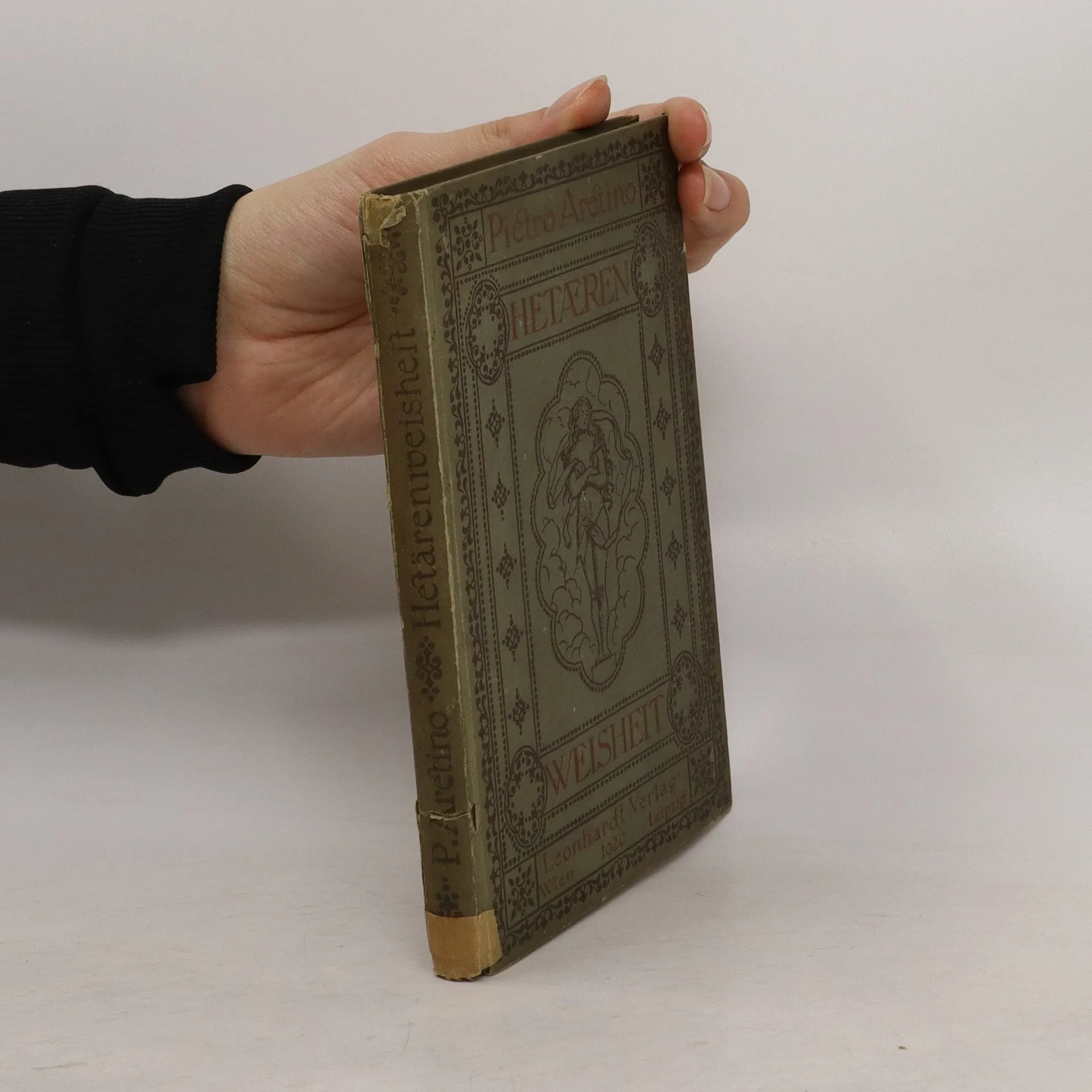
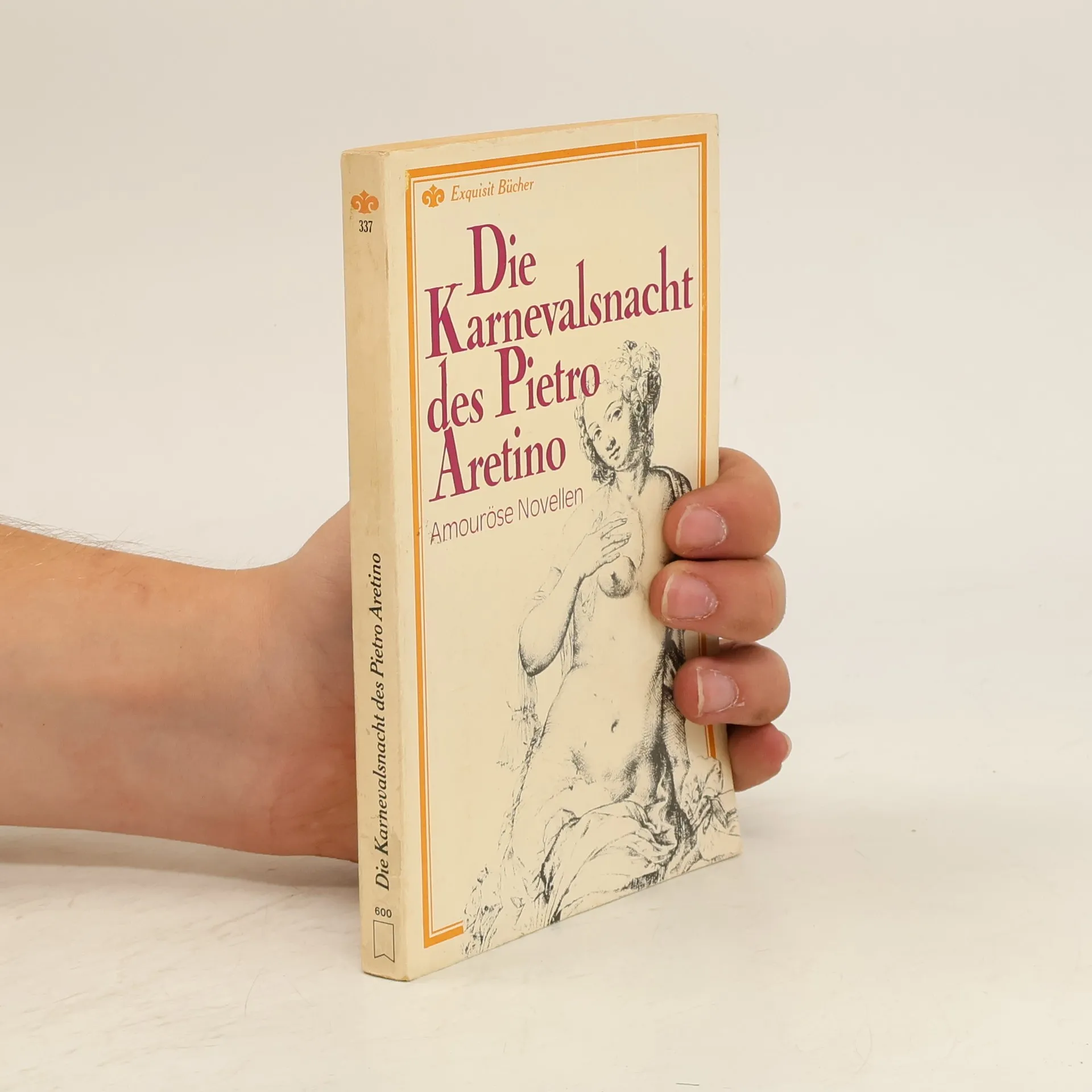
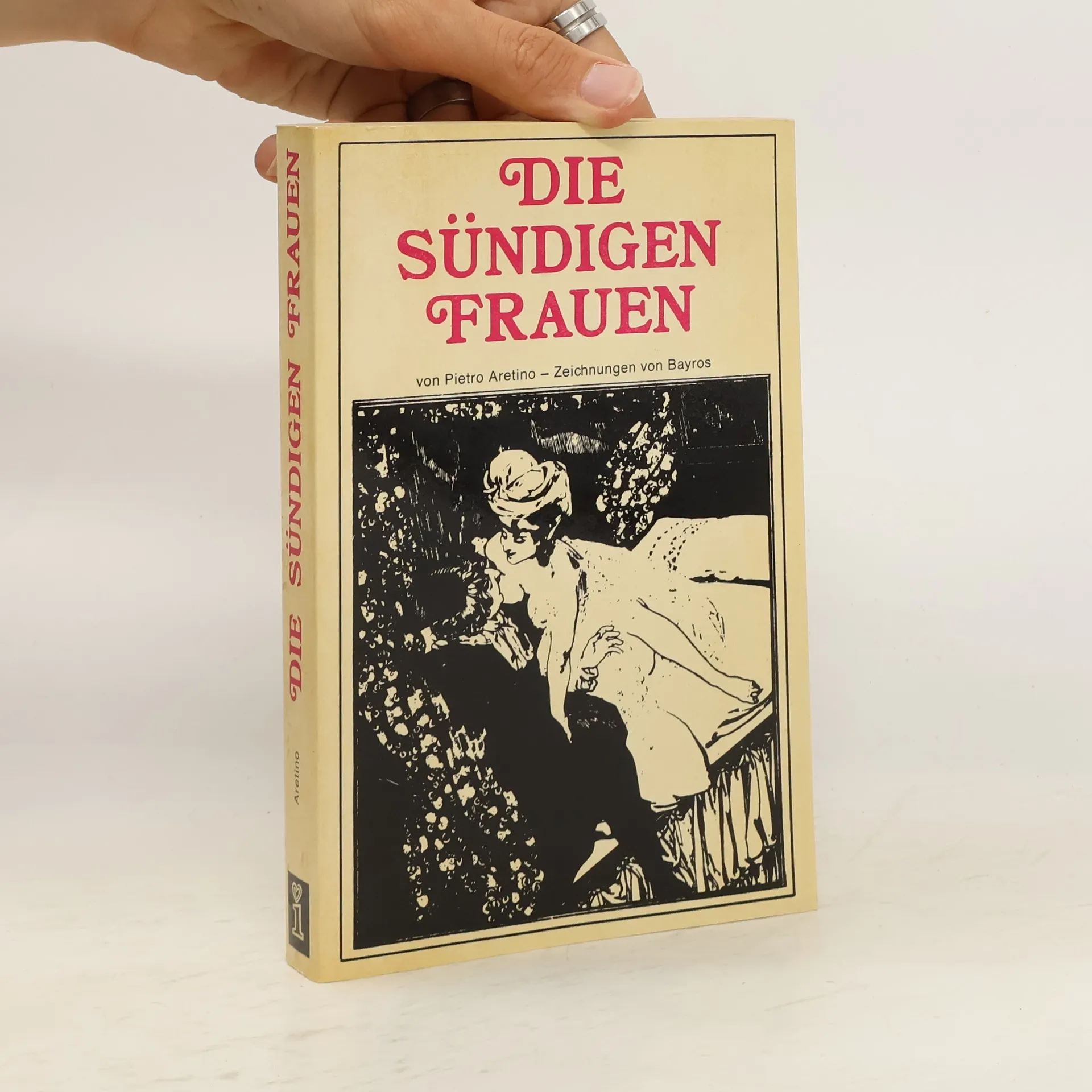
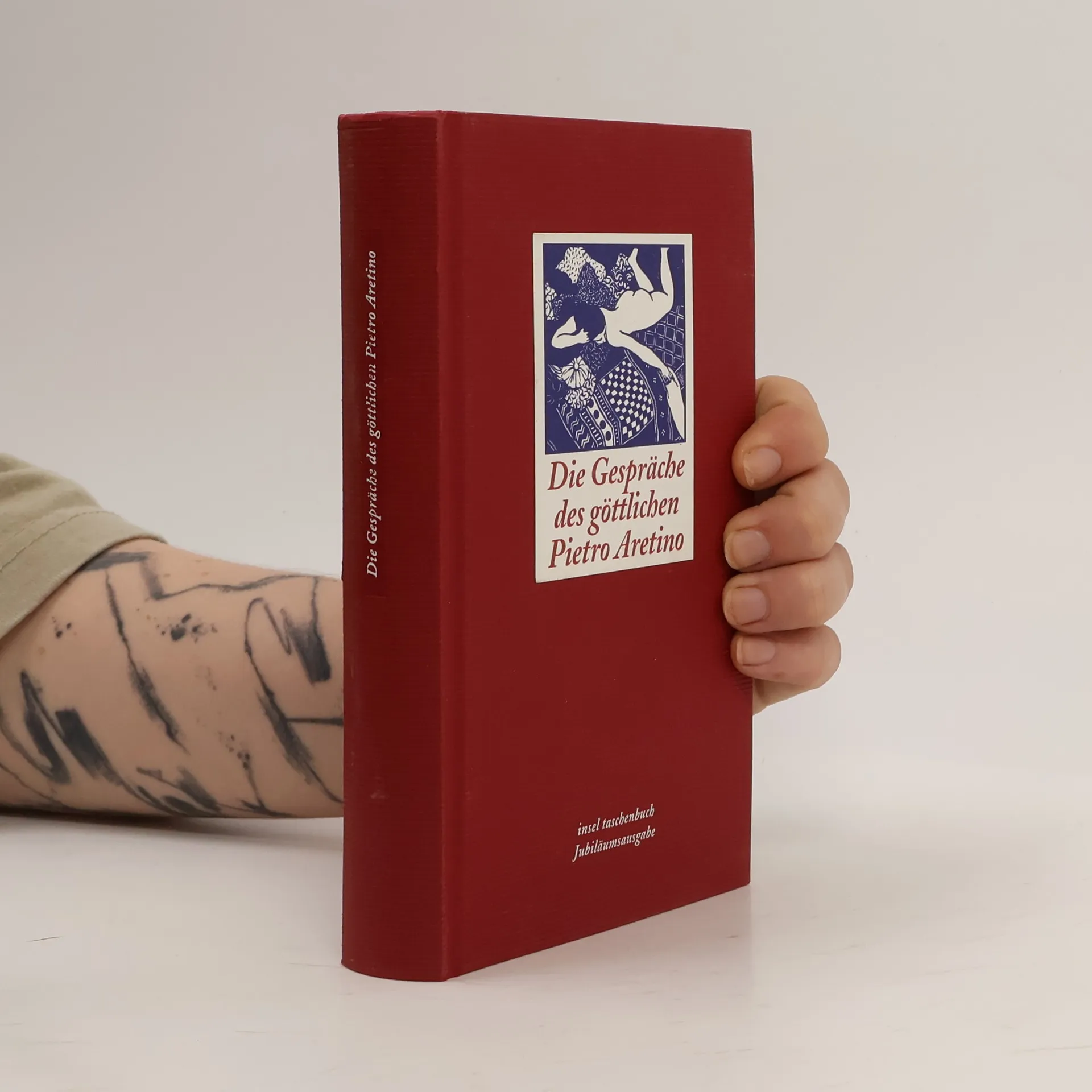
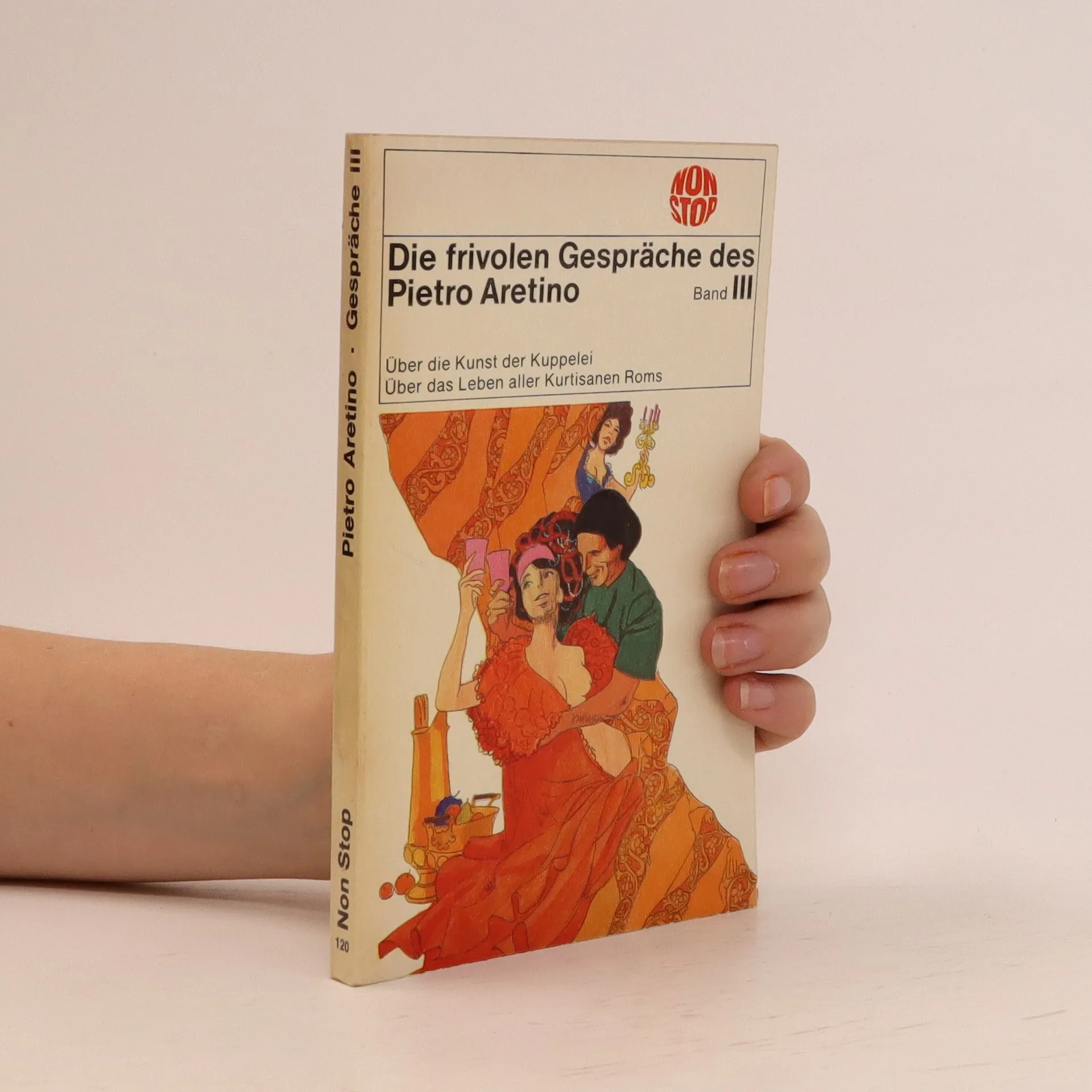
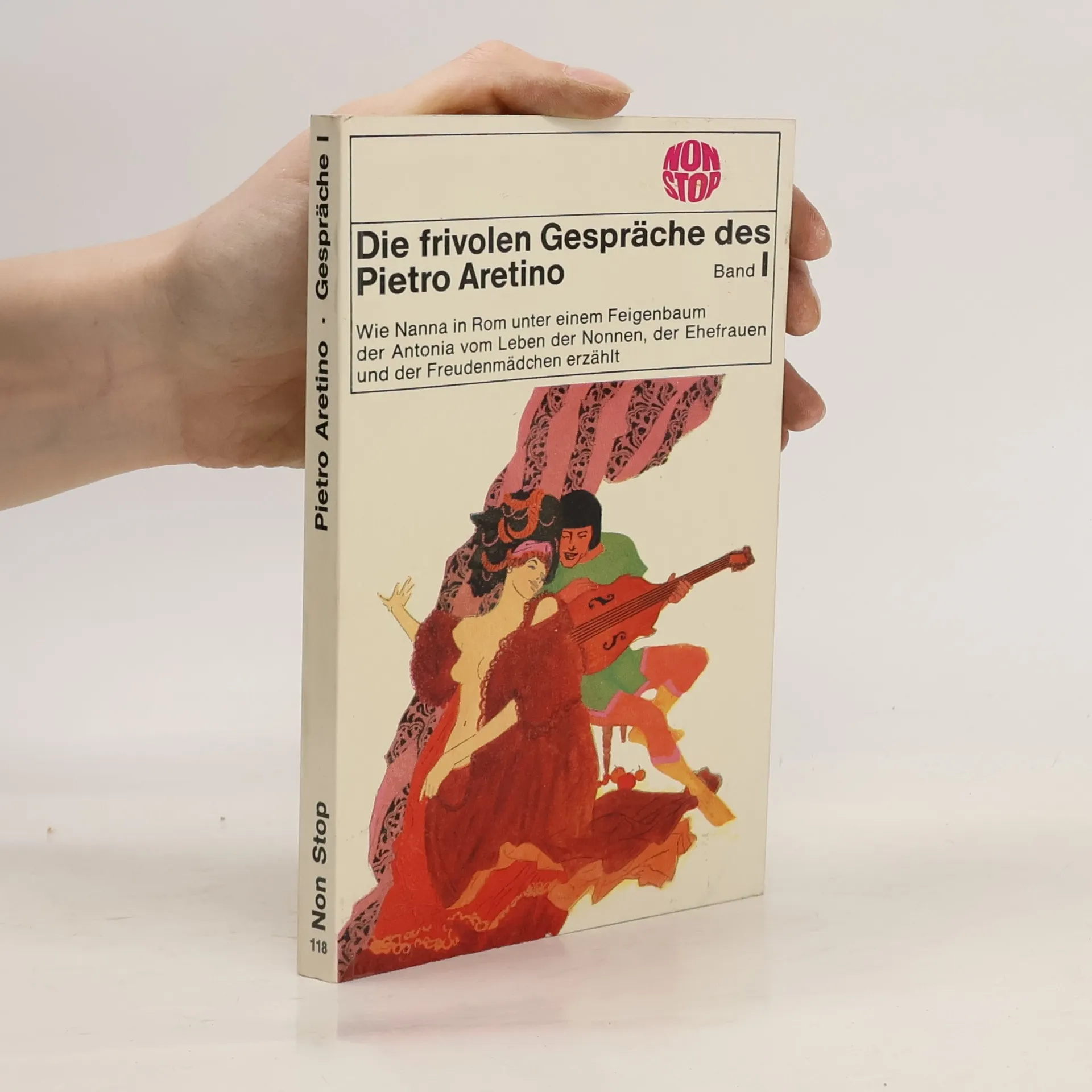
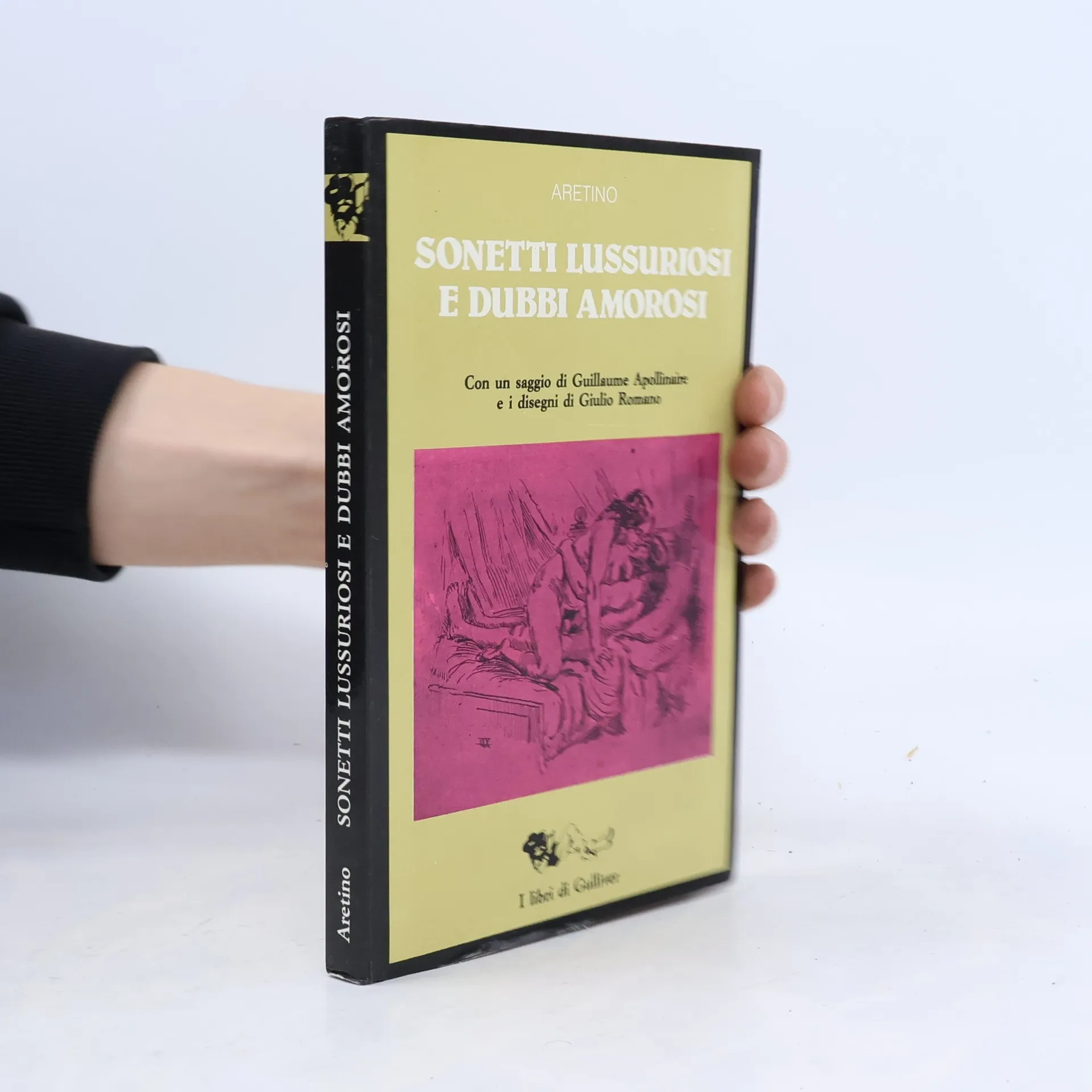
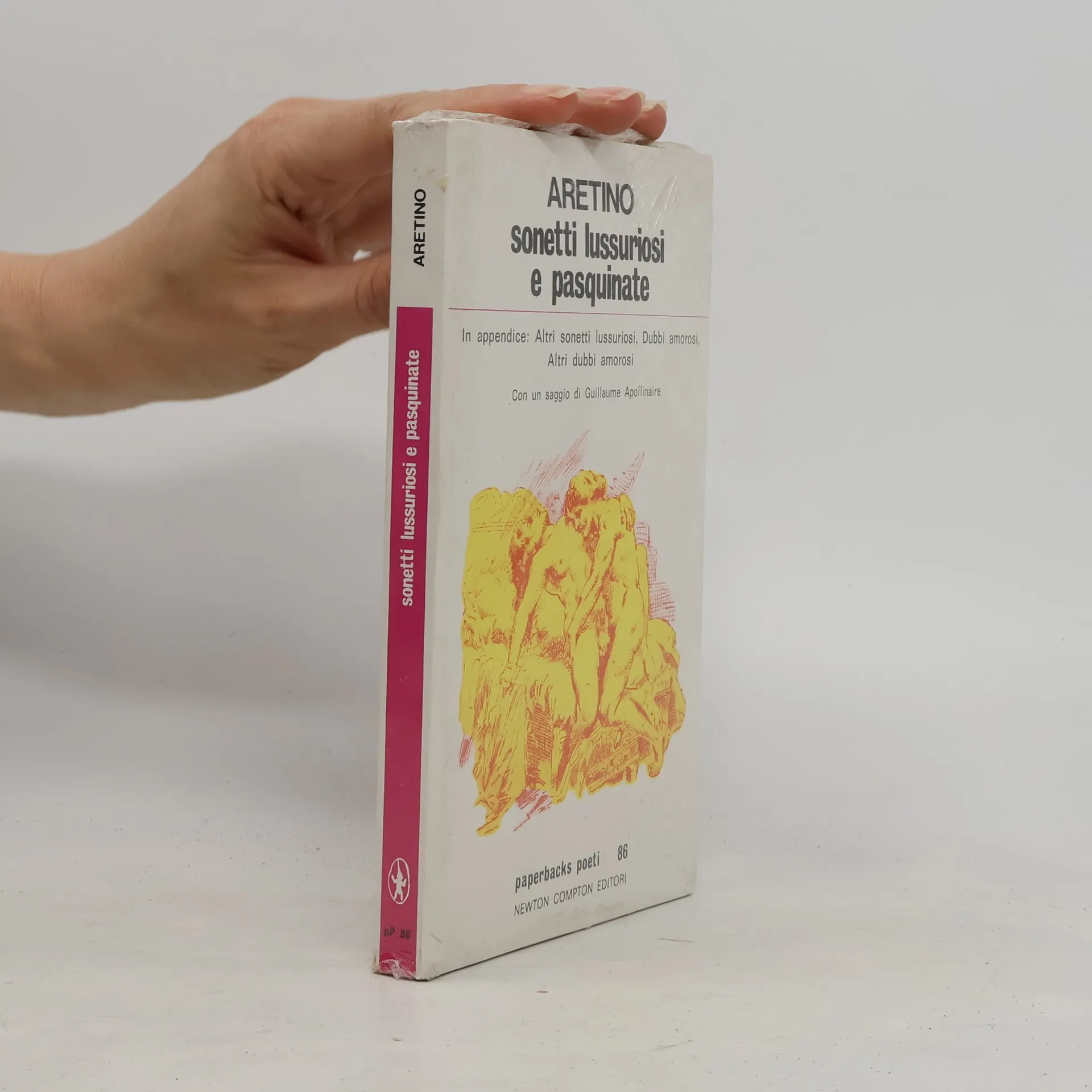
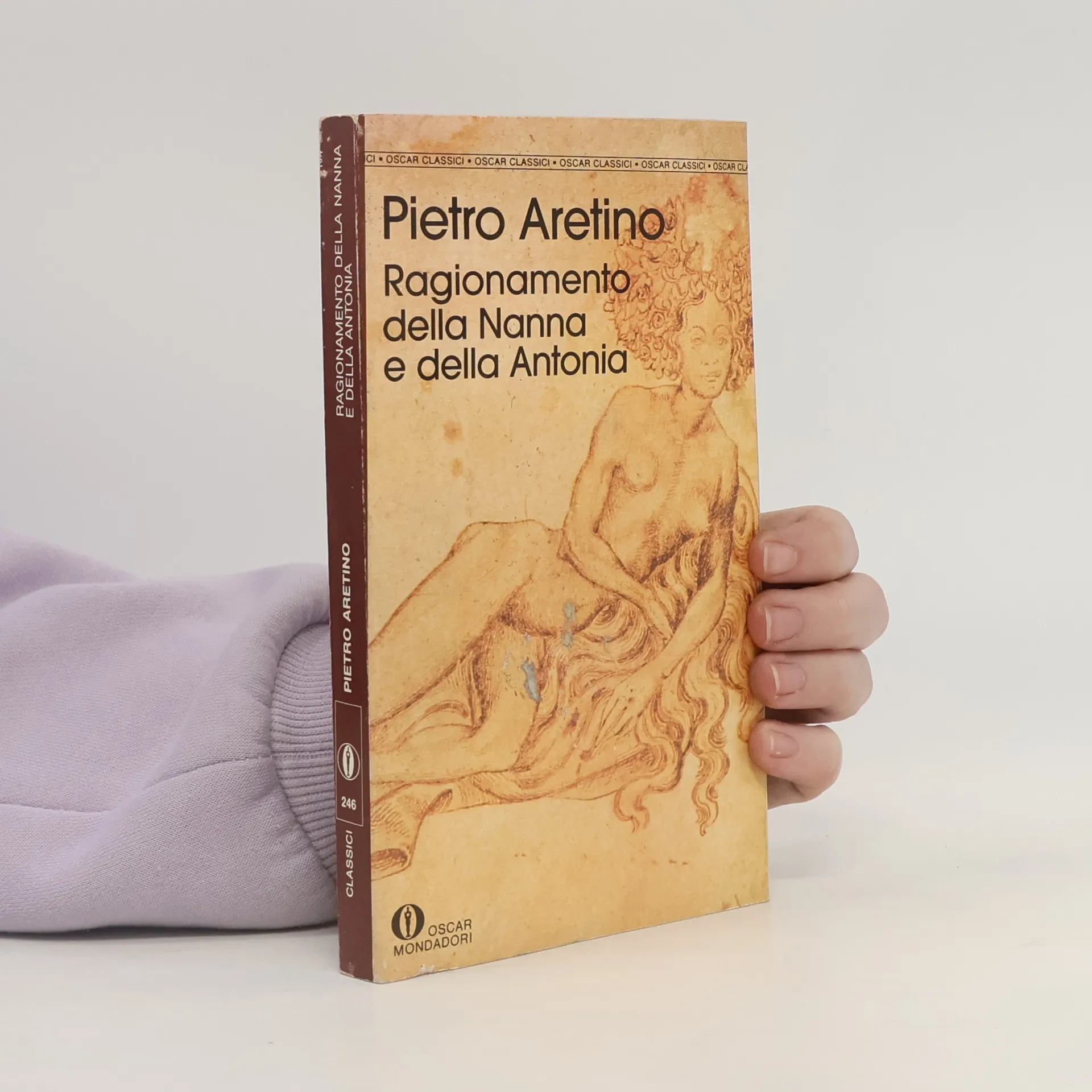
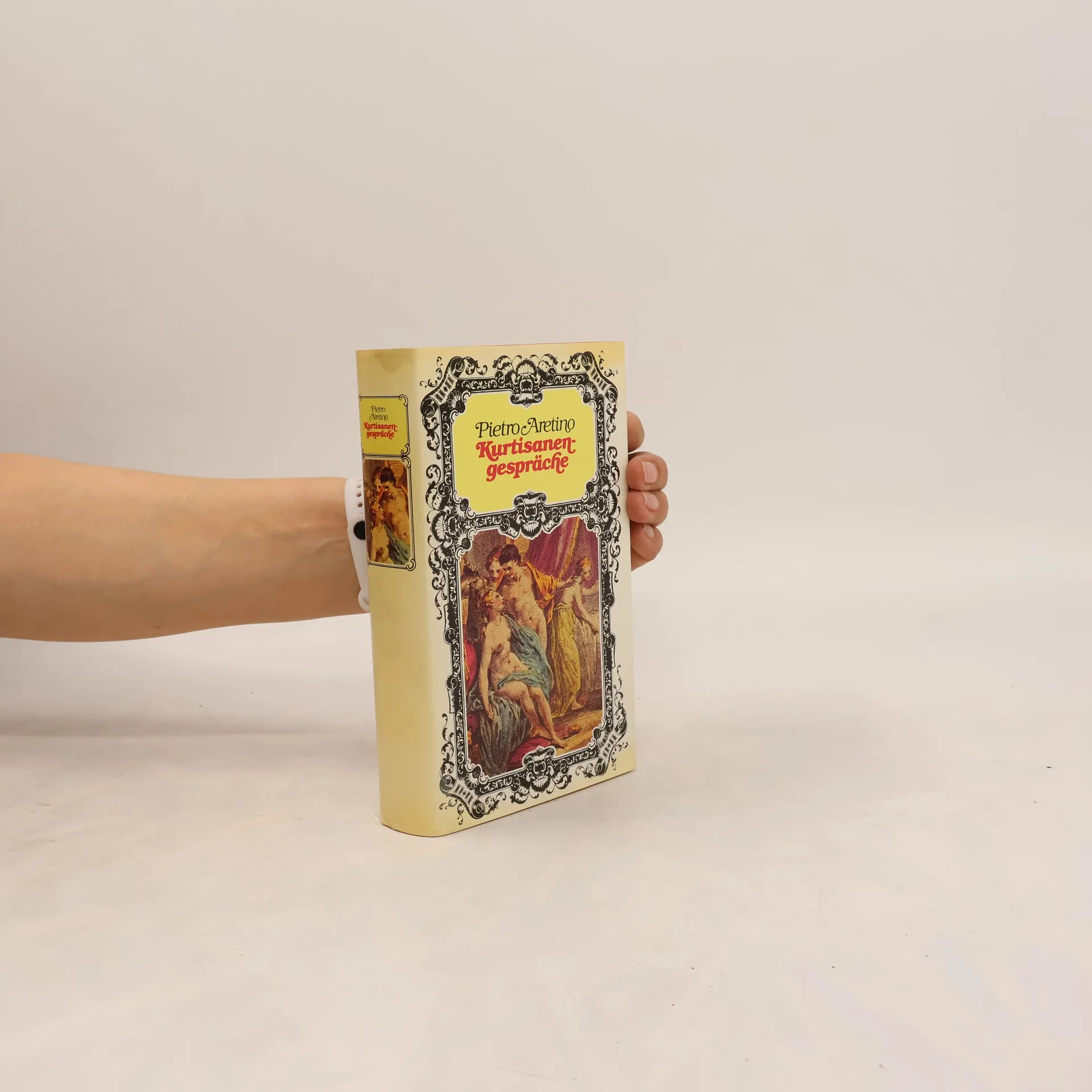
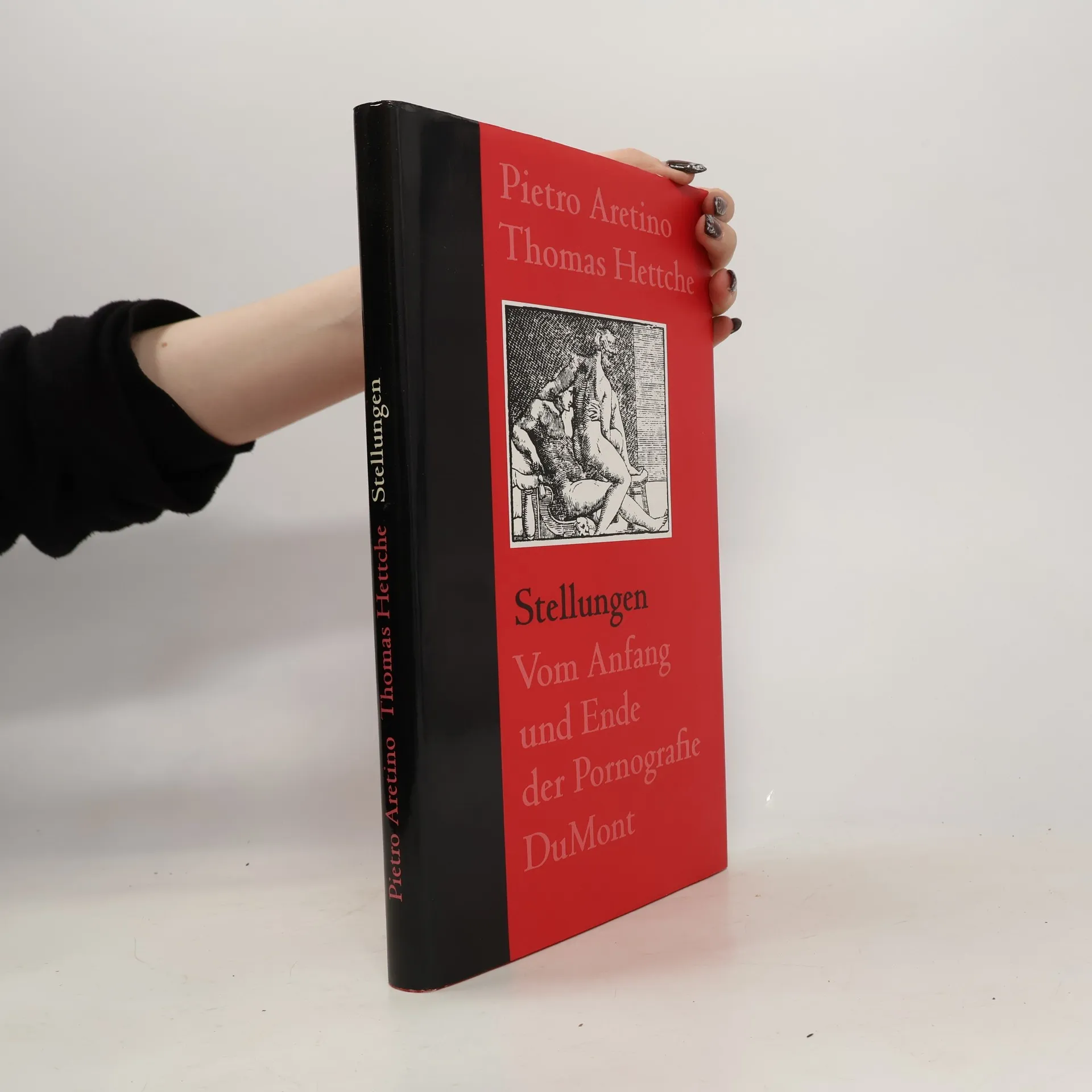
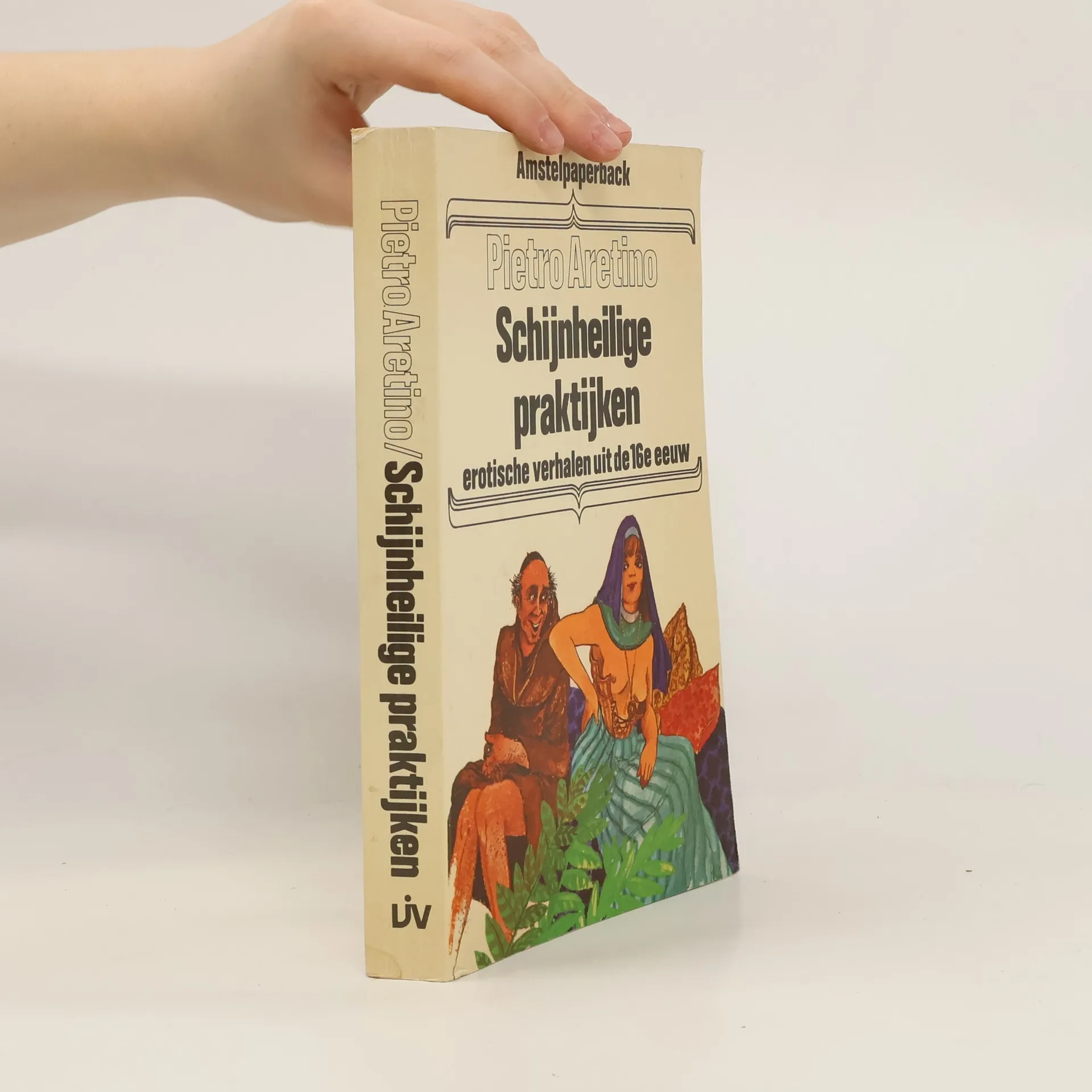
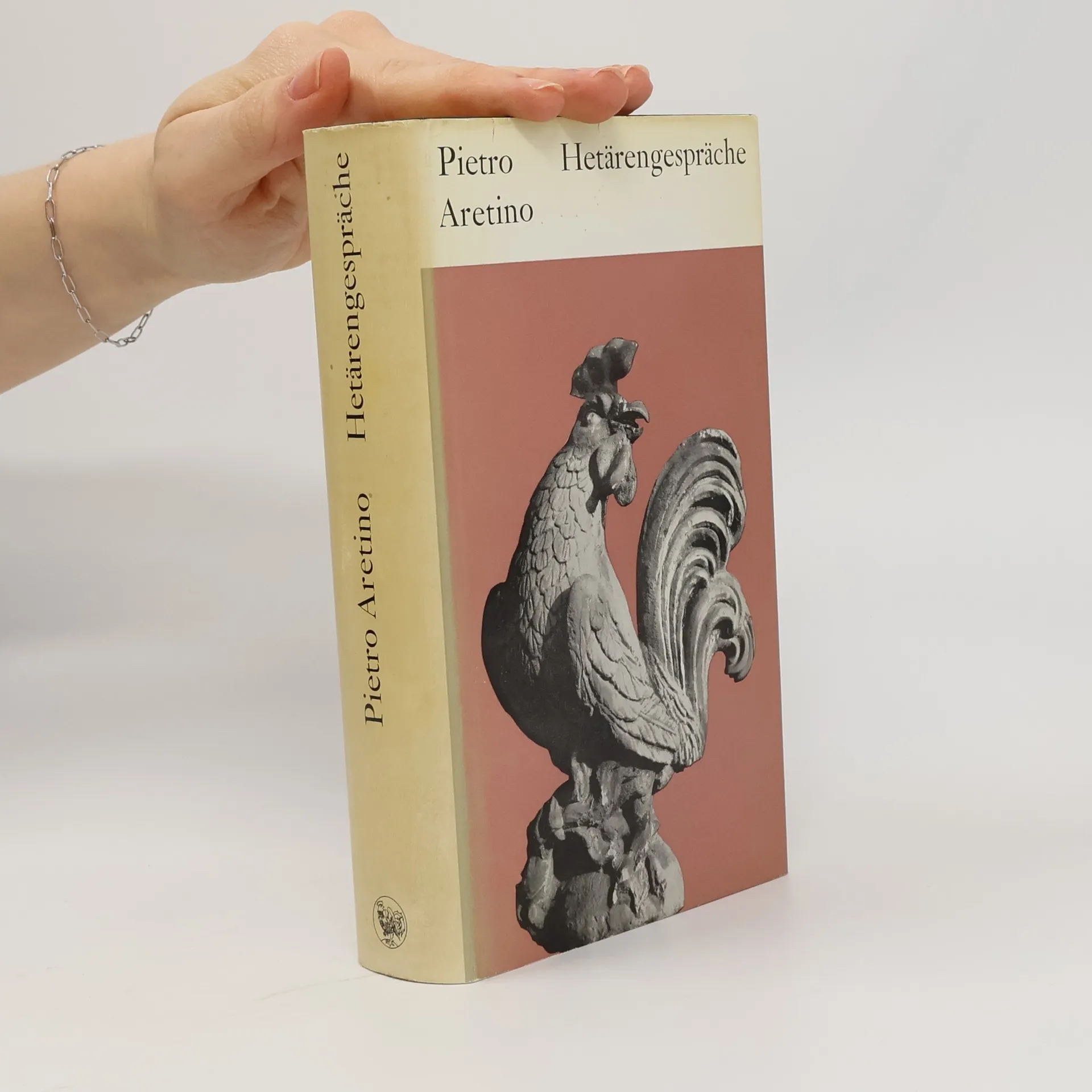
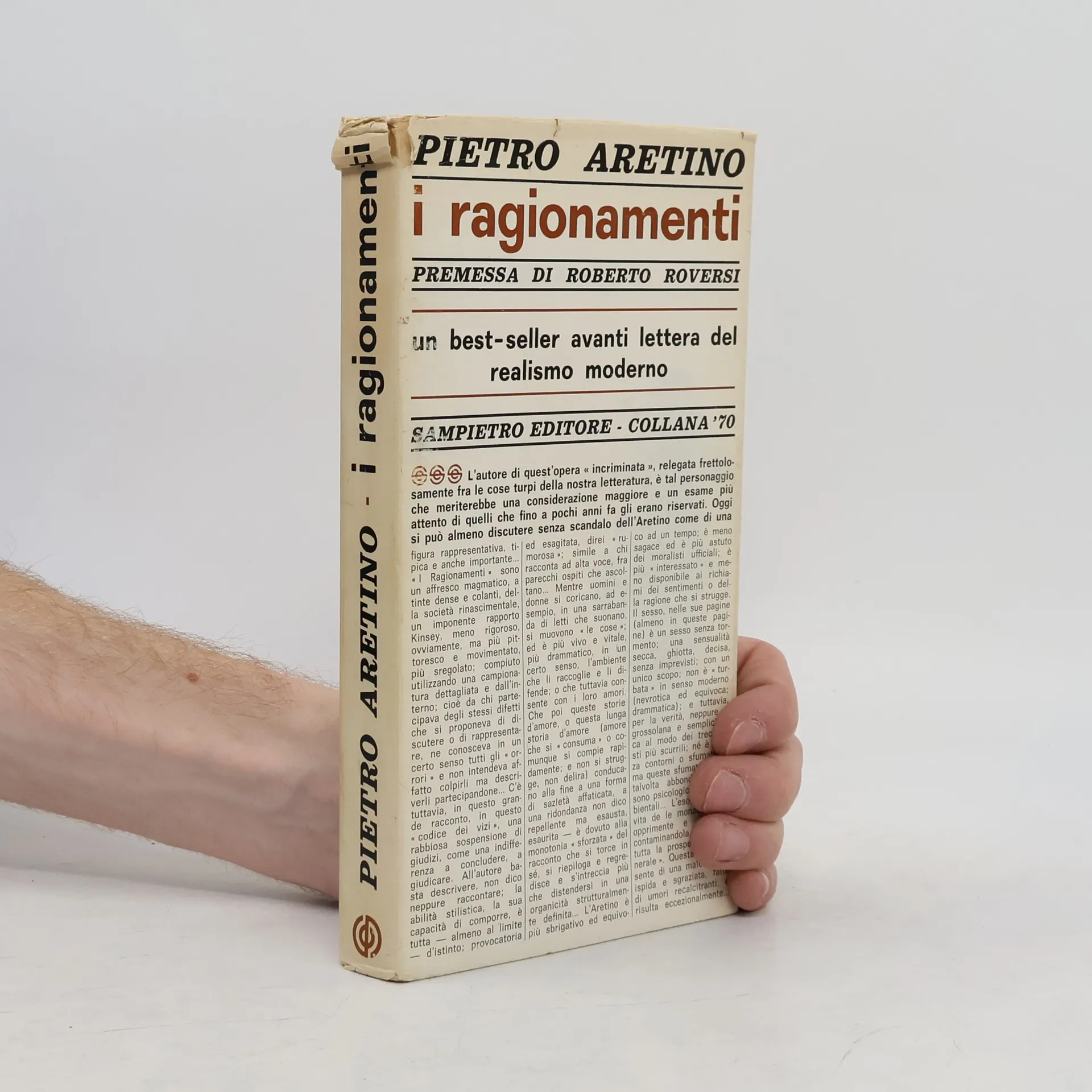
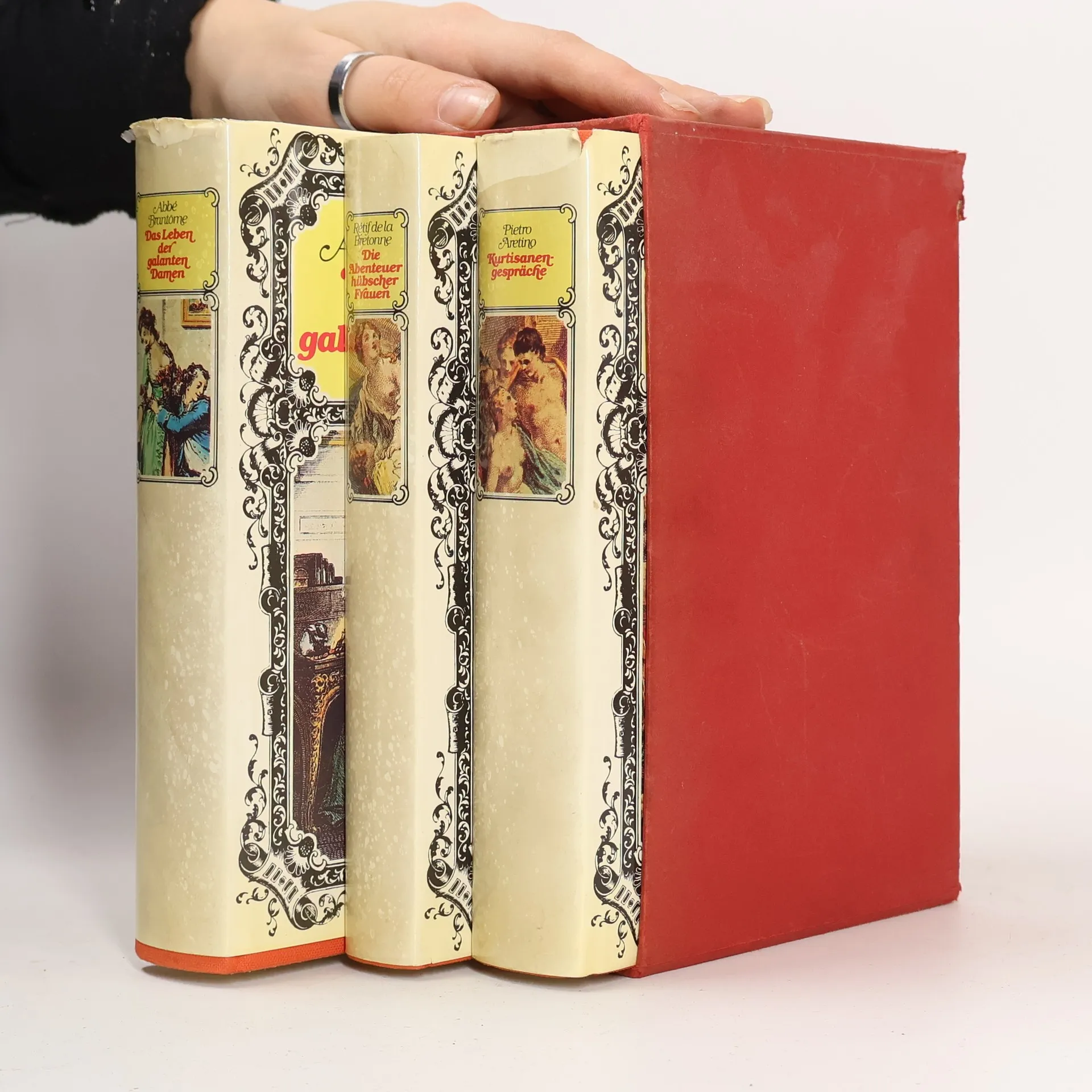
Pietro Aretino fut un auteur, dramaturge, poète et satiriste italien qui exerça une influence immense sur l'art et la politique contemporains. Il inventa la pornographie littéraire moderne, ses œuvres explorant une critique acerbe et un commentaire social de son époque. Son influence s'étendit au-delà de la littérature vers les cercles politiques et artistiques, lui valant une réputation de figure puissante et influente de la Renaissance. Aretino utilisa la langue avec maestria pour provoquer, divertir et révéler la vérité, laissant une marque indélébile dans l'histoire de la littérature comme de l'art.
Titian was recognised very early on as the leading painter of his generation
in Venice. Starting in the studio of the aged Giovanni Bellini, Titian, with
his contemporary Giorgione, almost immediately started to expand the range of
what was possible in painting.
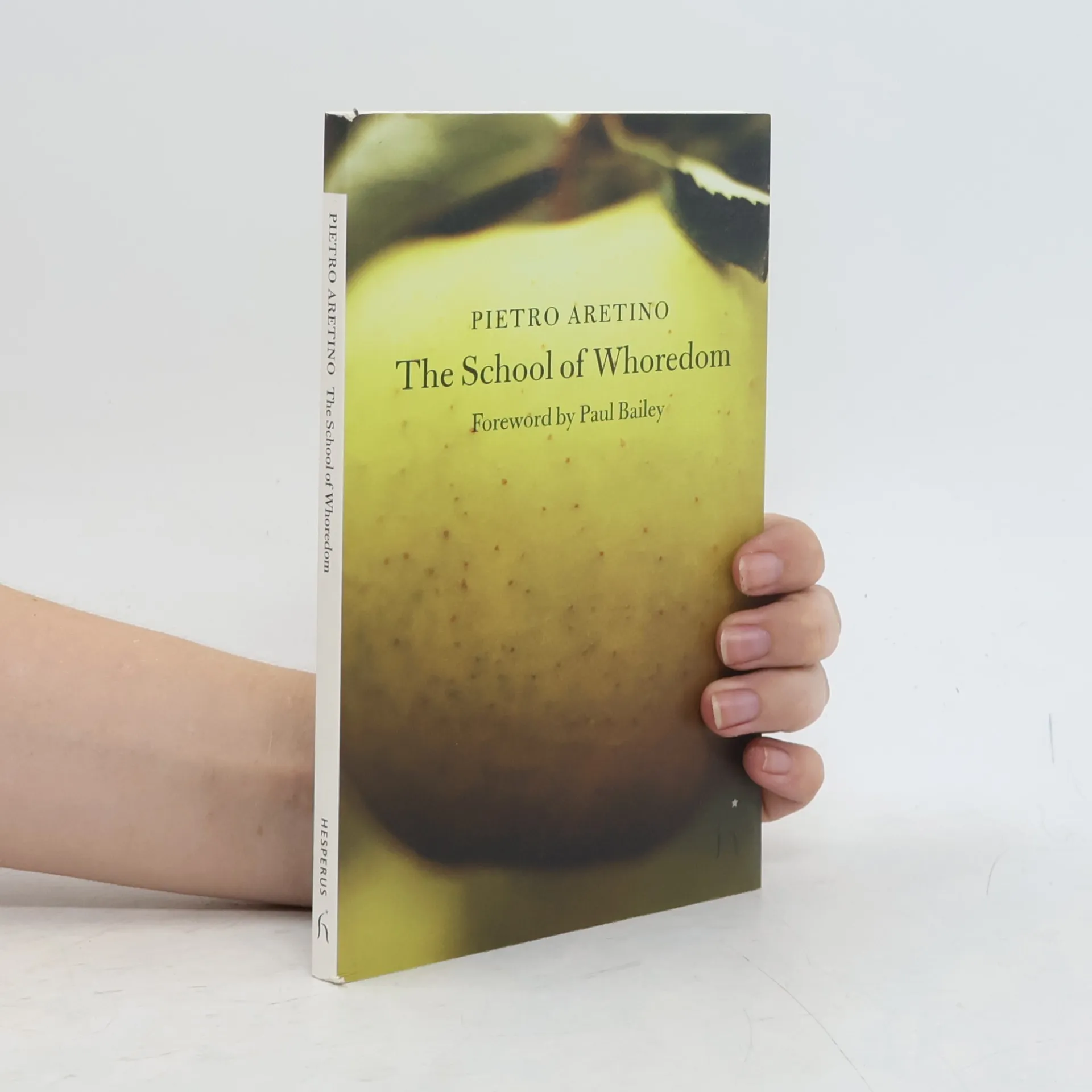
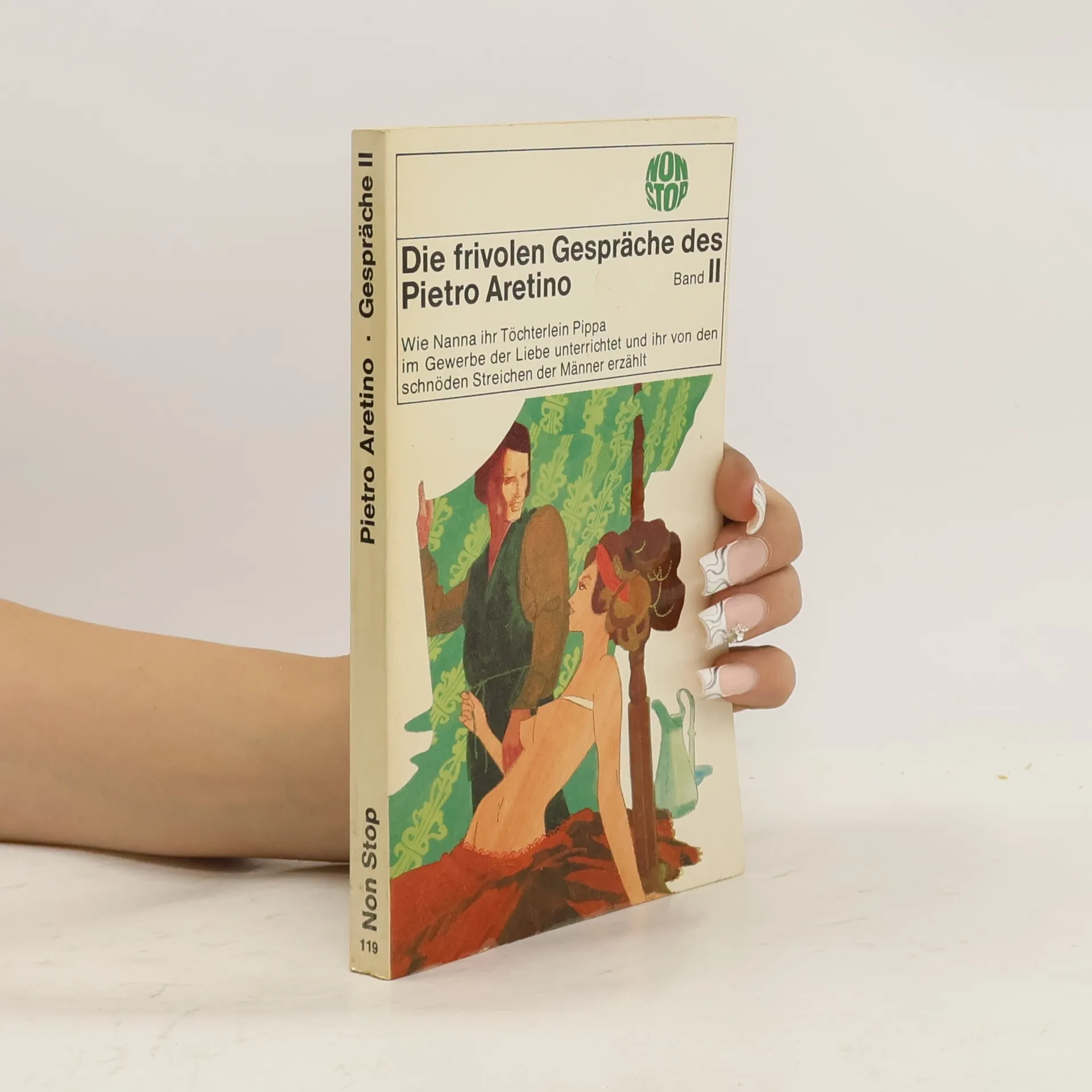
Set in 16th-century Rome, the narrative centers on Nanna's efforts to educate her daughter Pippa about love and men. Through a series of candid dialogues, Nanna shares insights on the lives of women, from whores to housewives, emphasizing the art of seduction with wit and satire. Aretino's work is characterized by its bold frankness and playful language, offering a vivid glimpse into the courtesan's world. Renowned as a pioneer of European pornographic writing, Aretino's multifaceted talent shines through in this provocative masterpiece.
Excerpt from Aretin: A Dialogue on Painting From the Italian of Lodovico Dolce H] E patronage of the Liberal Arts has ever been efieemed worthy the attention of the greatefi Sovereigns. Un der jtheir aufpices they have attained the highefl perfeetion. About the Publisher Forgotten Books publishes hundreds of thousands of rare and classic books. In rare cases, an imperfection in the original, such as a blemish or missing page, may be replicated in our edition. We do, however, repair the vast majority of imperfections successfully; any imperfections that remain are intentionally left to preserve the state of such historical works.
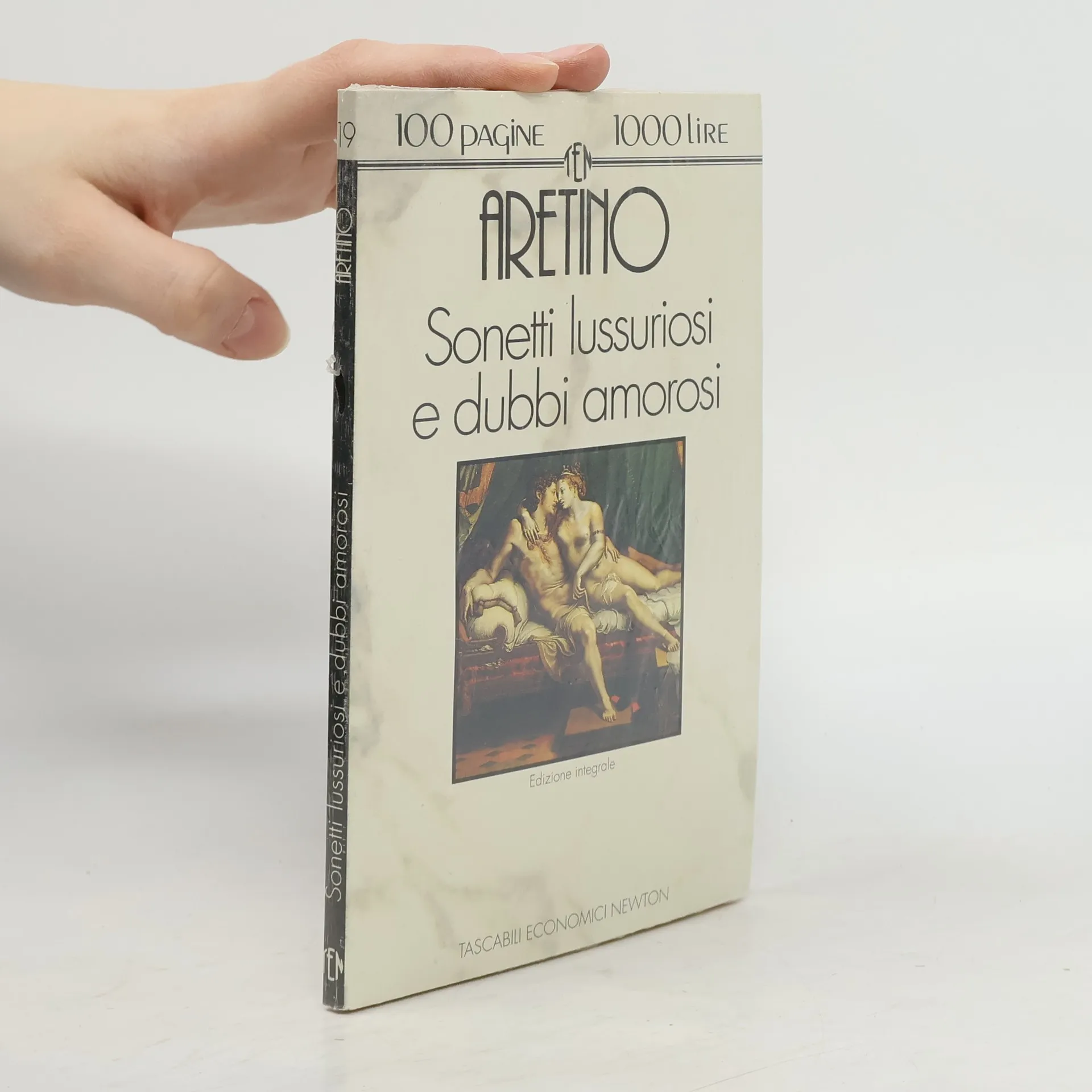
A cinquecento anni di distanza dalla sua nascita, l'Aretino è uscito ormai dall'inferno delle nostre biblioteche divenendo il simbolo dell'uomo del Rinascimento: la rivoluzione del costume sessuale ha rivalutato la carica eversiva e amorale della sua scrittura, consentendone il libero accesso tra i classici della letteratura italiana. In perenne conflitto con le teorie cinquecentesche dell'ordine e della classicità, pronto ad affondare la sua penna pungente e sarcastica nelle pieghe più riposte della realtà umana, oltre le misurate norme dell'etica comune, l'Aretino ha sconcertato biografi e commentatori, ha scandalizzato i lettori di ogni tempo, modificando l'opinione pubblica e divenendo, in virtù delle sue descrizioni licenziose e della sua concezione libera e giocosa del sesso, il maestro dell'amore occidentale.
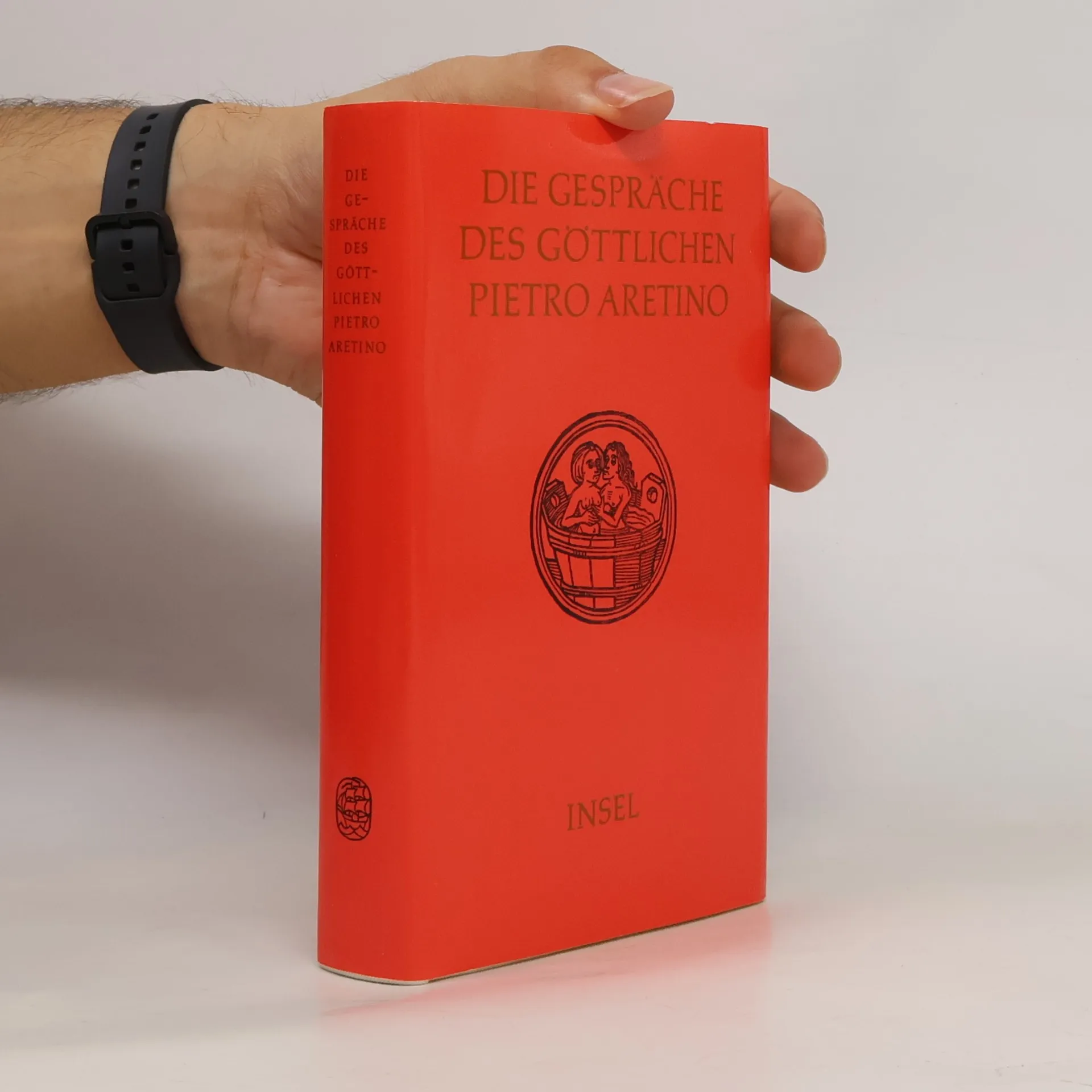
Pietro Aretino: Die Gesprache des gottlichen Pietro Aretino. "Ragionamenti" Edition Holzinger. Taschenbuch Berliner Ausgabe, 2013 Vollstandiger, durchgesehener Neusatz bearbeitet und eingerichtet von Michael Holzinger Erstdruck: Teil 1: Paris 1534; Teil 2: Torino 1536. Erstdruck der deutschen Ubersetzung von Heinrich Conrad: Brixen 1904. Textgrundlage ist die Ausgabe: Die Gesprache des gottlichen Pietro Aretino. Ubertragen von Heinrich Conrad, Leipzig: Insel, 1980. Herausgeber der Reihe: Michael Holzinger Reihengestaltung: Viktor Harvion Umschlaggestaltung unter Verwendung des Bildes: Tizian: Portrat des Pietro Aretino, um1545 Gesetzt aus Minion Pro, 10 pt.
Pietro Aretino es el colofón del Renacimiento. Con él concluye, se puede decir, el Cinquecento, al que representa en todas sus tinieblas y esplendores. Su jurisdicción literaria es de arduo acceso, porque todo en él es desmesurado: nos hallamos en una jungla llena de insidias, una ciénaga plagada de oscuros meandros, de espesas malezas, de traidores abismos. La ironía de la suerte ha querido que los dudosos Casos de Amor –que aquí presentamos en su primera traducción al español– hayan dado vida a una «duda literaria»: ¿es o no es de Aretino esta serie de octavas en las que un notable (lleva el título de ser) Agnello es encausado para responder a estas casi cincuenta preguntas de carácter festivo-sexual «que hoy en el burdel armaron gran revuelo»? Soy un hombre libre por la gracia de Dios, no un esclavo de los pedantes. No me veréis recorrer las huellas de Petrarca ni de Boccaccio. Me basta mi genio independiente. A otros dejo la obsesión por la pureza del estilo o la profundidad del pensamiento; a otros la locura de torturarse, de transformarse para dejar de ser ellos mismos. Sin maestro, sin arte, sin modelo, sin guía, yo avanzo, y el sudor de mi tinta me da felicidad y renombre. ¿Qué más podría desear si con mi pluma y unas cuartillas me burlo del universo?