The revised edition of this classic dictionary for young children will help them excel in reading and writing and features easy-to-understand definitions, a simplified pronunciation guide, color photos and illustrations, and 39 pages of fun stories, games, and puzzles. 1,000+ color photos & illustrations. Young Adult.
This dictionary gives longer citations that fix the environment of an entry word just as they did in the first volume. Hard words are pronounced and usage labels given where special information for the user is needed.
A dictionary designed especially for use with the World Book Encyclopedia, giving information on the meaning, spelling, pronunciation, and origin of the words included.
A dictionary designed especially for use with the World Book Encyclopedia, giving information on the meaning, spelling, pronunciation, and origin of the words included.
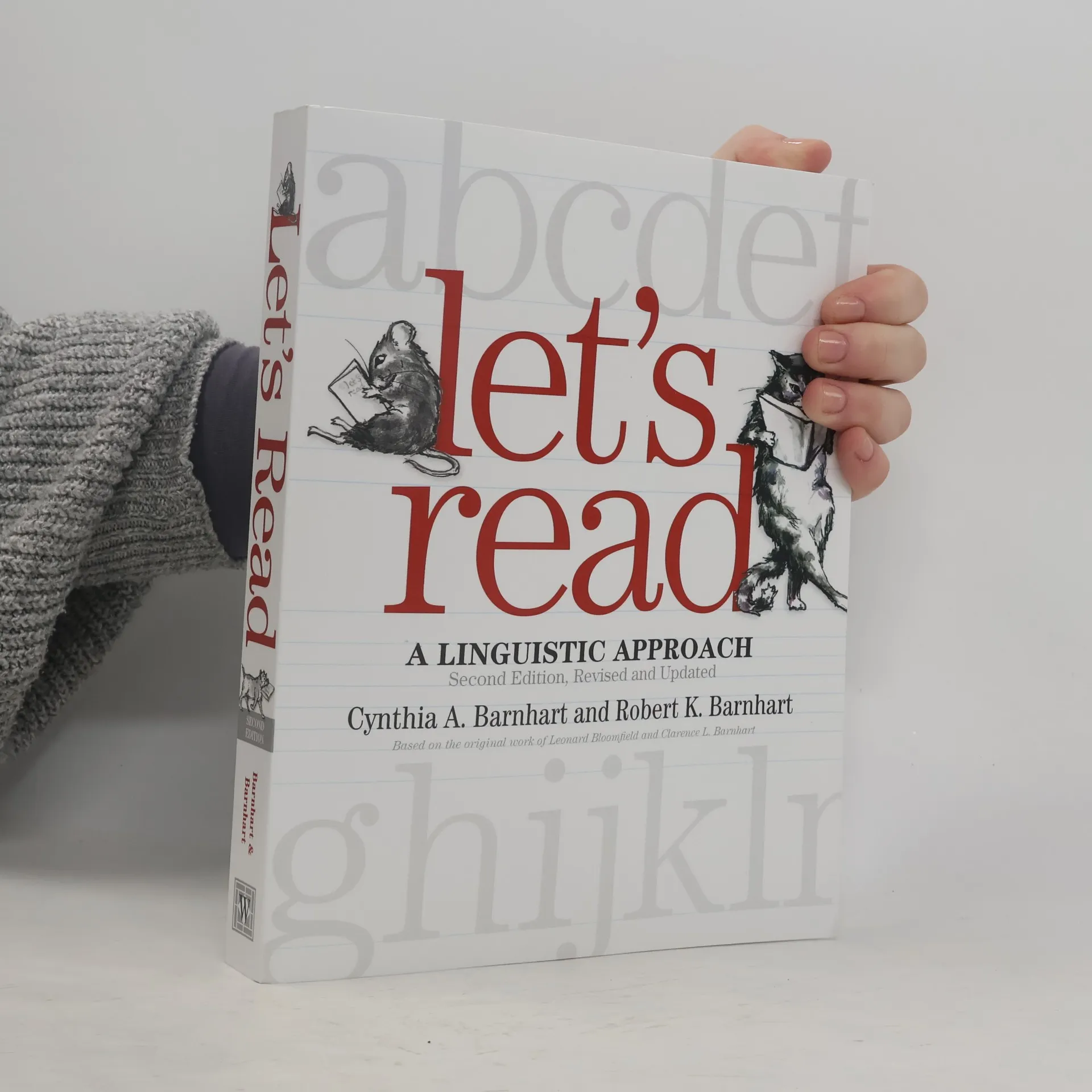
A Linguistic Approach - Second Edition, Revised and Updated
480pages
17 heures de lecture
Originally published in 1961, Let's Read is a simple and systematic way to teach basic reading. Developed by noted linguist Leonard Bloomfield, the book is based on the alphabetic spelling patterns of English. Bloomfield offered an antidote to the idea that English is a difficult language to learn to read by teaching the learner to decode the phonemic sound–letter correlations of the language in a sequential, logical progression of lessons based on its spelling patterns. The learner is first introduced to the most consistent (alphabetic) vocabulary and then to increasingly less alphabetic and less frequent spelling patterns within a vocabulary of about 5,000 words. The second edition of Let's Read brings Bloomfield's innovative program into the twenty-first century without changing the sequence of exercises but with revised text and an attractive new design and layout.Authors Cynthia A. Barnhart and Robert K. Barnhart, who have long been involved with Let's Read, have refined the original edition with new vocabulary and content based on feedback from longtime users. The new edition lightens the first learning load by presenting lengthy patterns in two lessons rather than one, adding more connected reading and new vocabulary, and introducing some sight words earlier in the sequence. The authors have also added a list of multisyllable words at the end of part 1 that fall within the patterns of the first lessons, and they have added some longer stories later in the program. The notes introducing each part of Let's Read have also been revised to be more informative, and new illustrations have been added.Let's Read not only teaches users to read English based on spelling patterns but simultaneously reduces the emphasis on pronunciation to teach letter sounds, making it useful for bilingual and nonnative English speakers as well. Parents, reading teachers, tutors, as well as ESL teachers and adult literacy instructors will be interested in the second edition of Let's Read.