How Parental Presence Shapes Who Our Kids Become and How Their Brains Get Wired
256pages
9 heures de lecture
Focusing on the challenges of parenting, the authors emphasize the importance of presence and engagement in a child's life. They explore how meaningful interactions can significantly influence a child's development throughout different stages of childhood. Drawing from their previous works, they provide insights and strategies to help parents make a lasting impact by simply being there for their children.
Exercises, Activities and Worksheets to Cultivate Courage, Curiosity & Resilience in Your Child
156pages
6 heures de lecture
Focusing on the transformative potential within clients, this book guides practitioners in harnessing and nurturing their clients' natural resilience, compassion, and creativity. It offers practical strategies and insights to help individuals tap into their inner strengths, fostering personal growth and emotional well-being. Through innovative techniques, readers will learn to facilitate deeper connections and empower clients to overcome challenges, ultimately leading to a more fulfilling life.
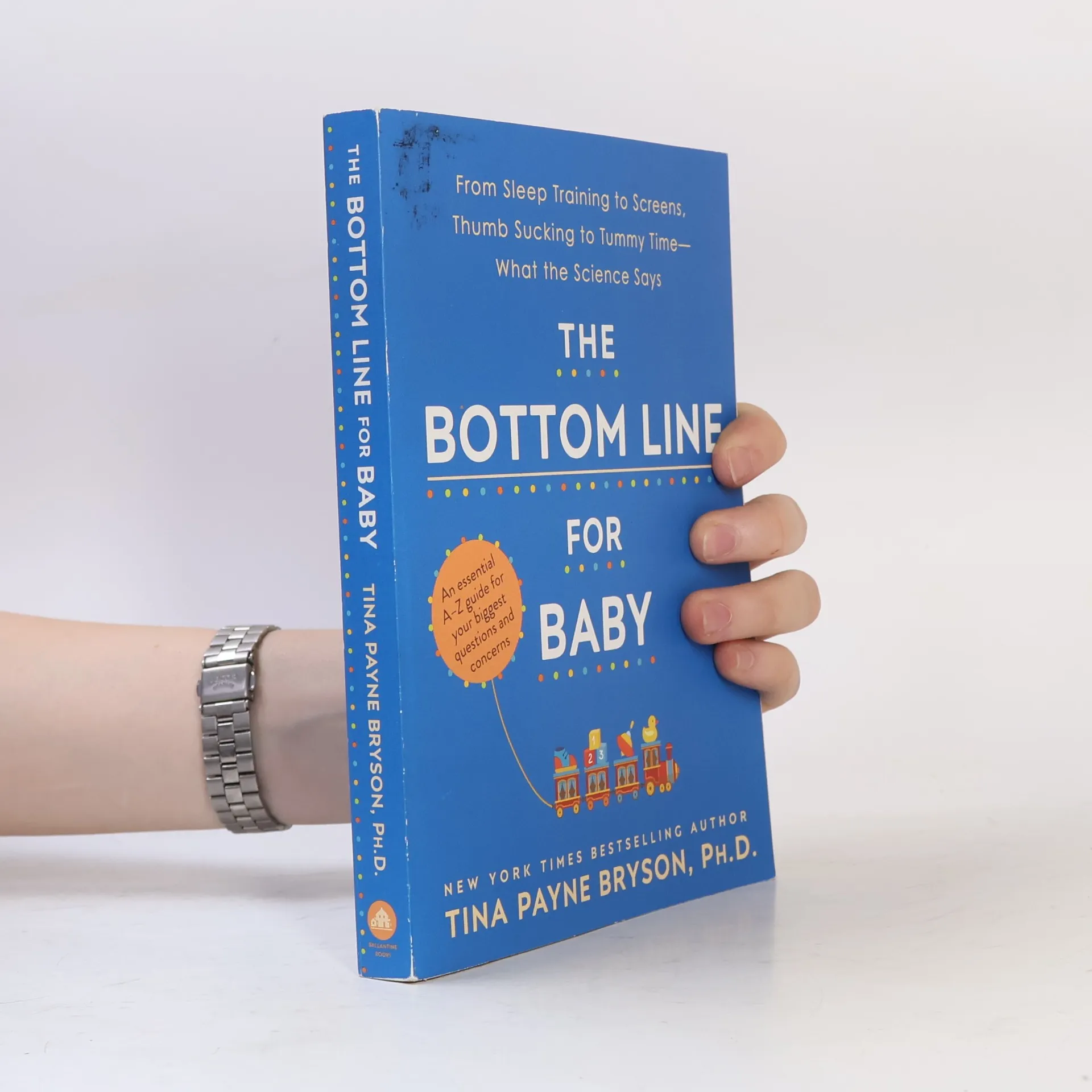
From Sleep Training to Screens, Thumb Sucking to Tummy Time, What the Science Says
336pages
12 heures de lecture
This essential handbook addresses over sixty common childcare questions, providing science-based insights to help parents make informed decisions for their families. It tackles concerns such as breastfeeding, potential allergens, and co-sleeping, guiding parents through the complexities of baby and toddler care. The author, a New York Times bestselling co-author, presents clear and accessible information, allowing parents to balance research with their instincts regarding their child's unique needs.
The book is structured into three sections: an objective summary of various perspectives on each topic, a concise overview of scientific findings with recommendations for further reading, and a Bottom Line conclusion. When the science is inconclusive, the author encourages parents to evaluate and apply information in alignment with their family values.
With warmth, wit, and expert guidance, this resource empowers parents to focus on what truly matters during their child's first year, helping them navigate the challenges of new parenthood with confidence and clarity.
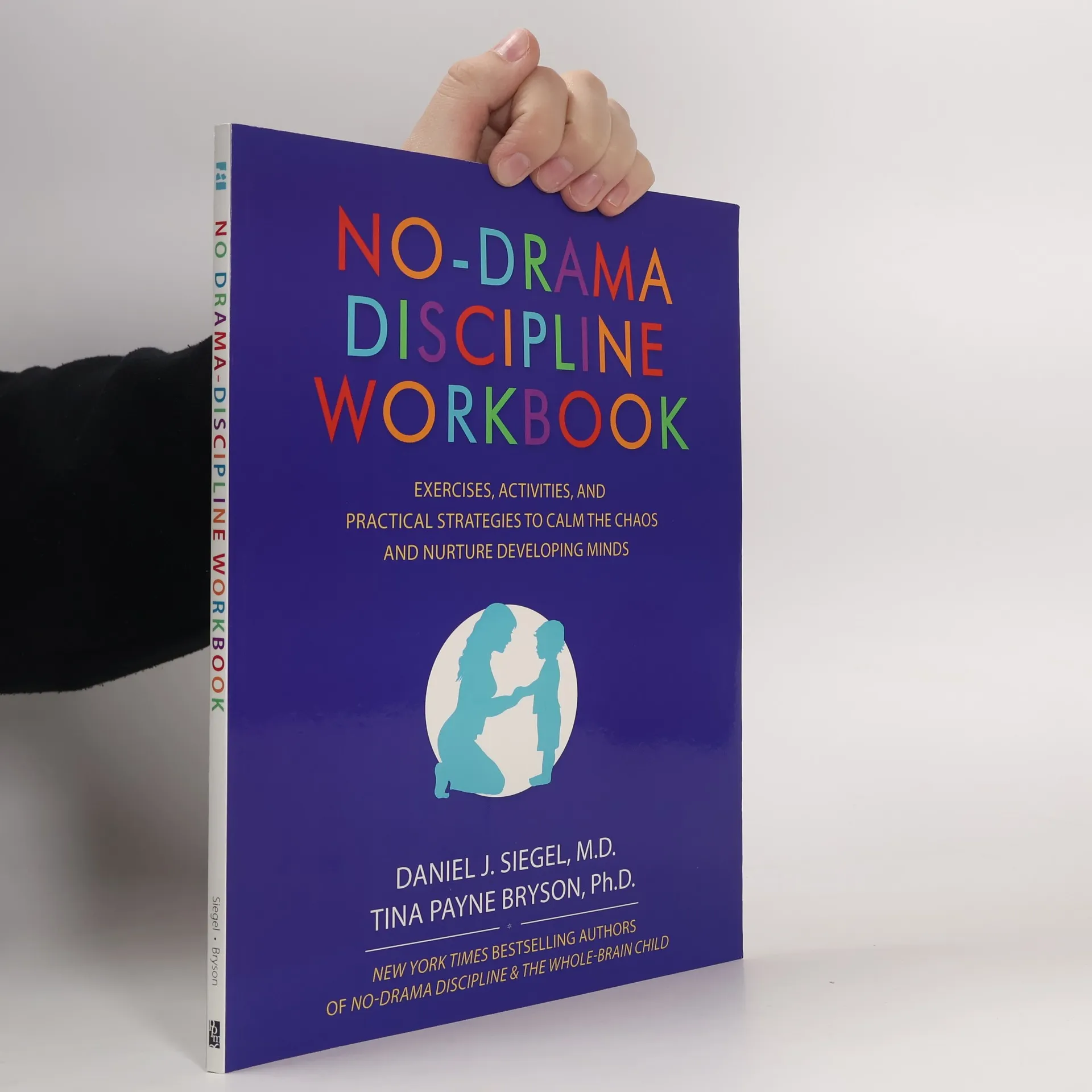
Exercises, Activities, and Practical Strategies to Calm The Chaos and Nurture Developing Minds
144pages
6 heures de lecture
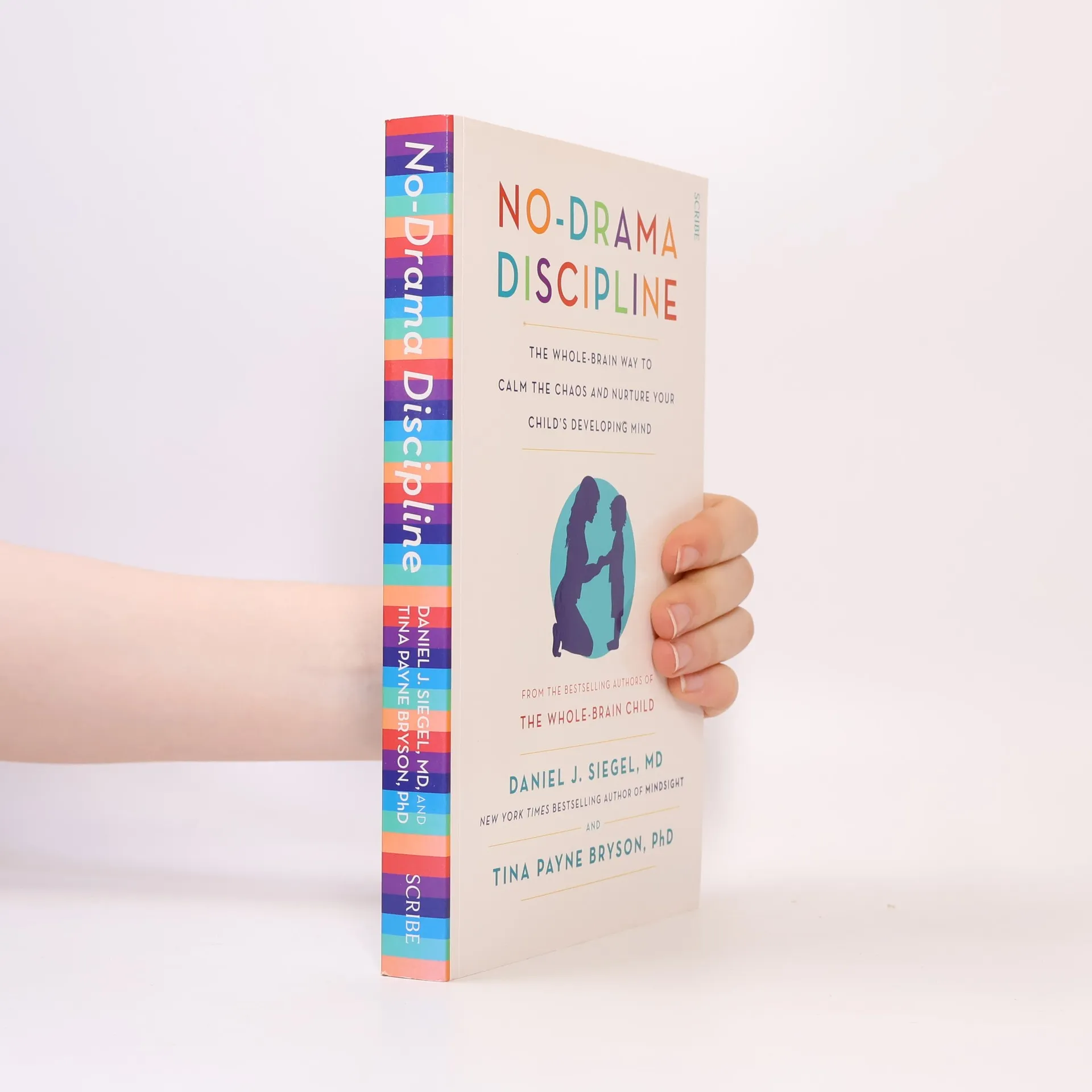
Based on their New York Times bestselling book No-Drama Discipline, internationally acclaimed neuropsychiatrist Daniel J. Siegel, MD, and brain-based parenting expert Tina Payne Bryson, PhD, have created a guide to manage and reduce drama in your interactions with your kids, and even decrease the amount of time you spend having to discipline. The goal is simple: discipline less on autopilot by developing a set of principles andstrategies based on your own family dynamics. These stories, reflections, and exercises will help you think more deeply about the way you communicate with your kids, and provide opportunities for peaceful and nurturing conflict resolution.
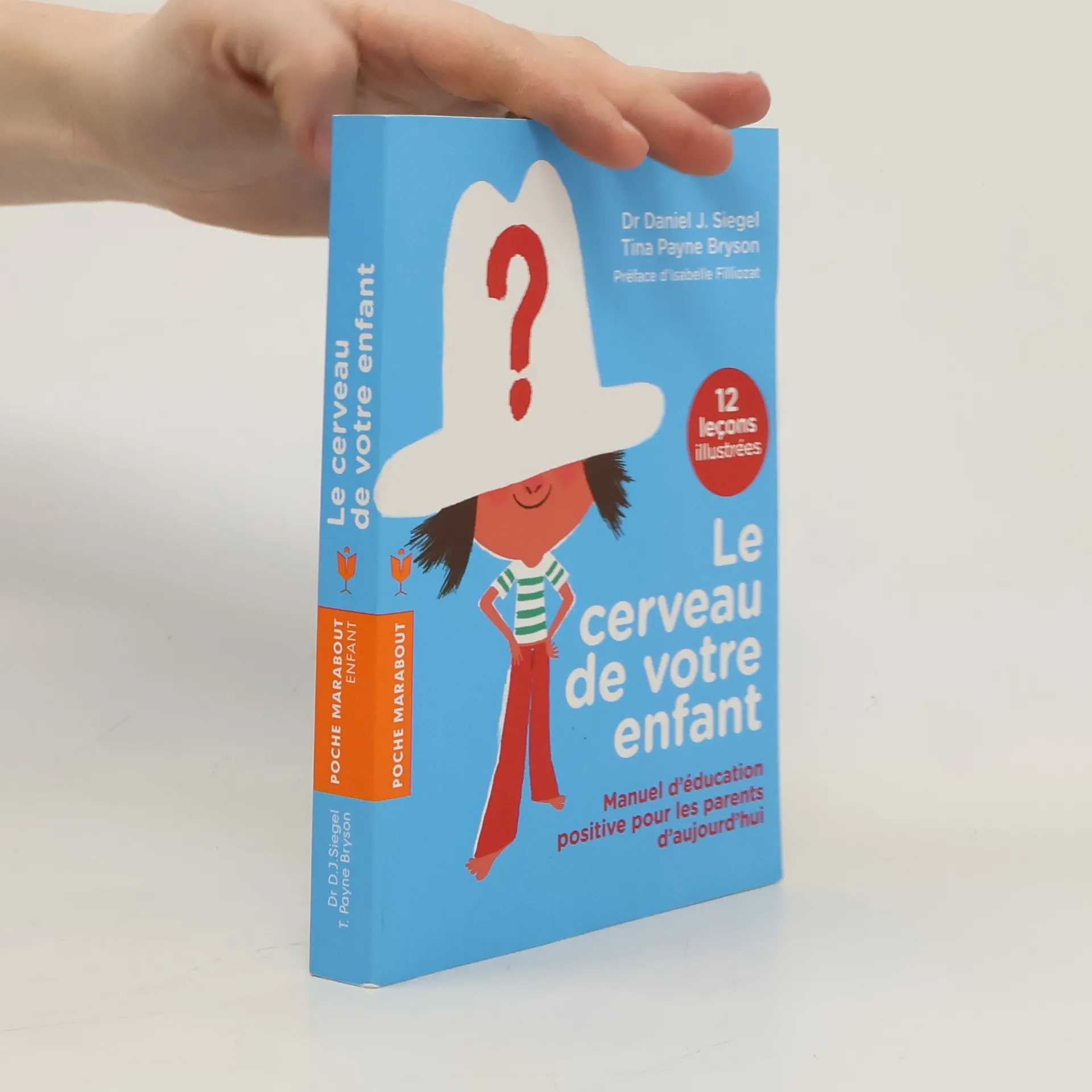
Les parents se posent souvent des questions sur l'éducation de leurs enfants : comment les élever pour qu'ils soient heureux et équilibrés ? Ce livre répond à ces interrogations en s'appuyant sur les découvertes récentes sur le cerveau, offrant aux parents des outils essentiels pour comprendre et agir. Le cerveau, organe complexe, se compose de deux hémisphères et de différentes aires, chacune jouant un rôle dans le comportement moral, la prise de décision et la motivation. L'intégration de ces éléments est cruciale pour éviter les problèmes tels que les colères et l'agressivité. En tant que parents, il est possible d'influencer positivement le fonctionnement cérébral de l'enfant.
Ce guide allie théorie et pratique, chaque chapitre présentant des connaissances sur le cerveau et des techniques applicables au quotidien. Les concepts sont illustrés par des scénettes en bande dessinée, représentant des situations familières comme l'opposition ou les troubles émotionnels, tout en fournissant des conseils aux parents sur la manière d'y répondre. De plus, certaines illustrations aident les enfants à comprendre le fonctionnement de leur propre cerveau. Ce mélange de pédagogie et d'illustration rend l'apprentissage accessible et engageant pour tous.
"The authors of the Los Angeles Times bestselling The Whole-Brain Child team up again to offer parents of children aged 2-13 a practical roadmap to effective, productive, and more peaceful discipline, highlighting the fascinating and important connection between the way a parent reacts to misbehavior and a child's neurological development"--
Záchvaty pláče či vzteku, spory nad domácími úkoly, hádky mezi sourozenci... podobné vypjaté situace obtížně zvládají nejen děti, ale i rodiče. Daniel Siegel a Tina Payneová-Brysonová v této knize poskytují rodičům a vychovatelům cenné rady, jak podobné okamžiky nejen přežít, ale též s nadhledem a výchovným záměrem zvládat. Autoři nabízejí výchovný přístup založený na nejnovějších poznatcích o vývoji mozku a konkrétní návod, jak klidně a laskavě navázat s dítětem kontakt, konstruktivně s ním komunikovat, ale zároveň mu jasně a důsledně vymezovat hranice. Příběhy ze života, vtipné ilustrace a přehledná shrnutí poskytují praktické rady, jak pracovat s vyvíjejícím se mozkem dítěte, klidně řešit konflikty a na základě této výchovné filozofie vést novou generaci ke šťastnému a spokojenému životu.
Bazując na najnowszych odkryciach neurobiologii i własnym zawodowym doświadczeniu, dr Daniel J. Siegel, psychiatra, i dr Tina Payne Bryson, psychoterapeutka, w swojej najnowszej książce zmierzyli się z największym wyzwaniem rodzica, jakim jest dyscyplina. Wychodząc od jej pierwotnej definicji w języku łacińskim (gdzie disciplina oznacza kształcenie), autorzy wyjaśniają, jak przekształcić każdą trudną sytuację w okazję do nauki i rozwoju, w ten spos�b przerywając błędne koło przewinień, wym�wek i kar. W ich książce znajdziecie: przydatne i przystępnie przedstawione informacje o budowie, funkcjonowaniu i rozwoju ludzkiego m�zgu, a także zastosowaniu tej wiedzy w wychowaniu dzieci wskaz�wki, kt�re pomogą wam radzić sobie ze złym zachowaniem pociech w spos�b jednocześnie bardziej skuteczny na kr�tszą i dłuższą metę i bardziej satysfakcjonujący dla wszystkich zainteresowanych praktyczne porady, jak konsekwentnie wytyczać jasne i wyraźne granice, jednocześnie okazując dziecku empatię, miłość i szacunek 8 strategii przekierowania, czyli przestawienia zachowań dziecka na nowe, właściwe tory 20 błęd�w, kt�re popełniają przy dyscyplinowaniu nawet najlepsi rodzice, i jak ich unikać zabawne i pouczające historie z życia, a także pełne humoru ilustracje, w żywy i ciekawy spos�b prezentujące zalecenia autor�