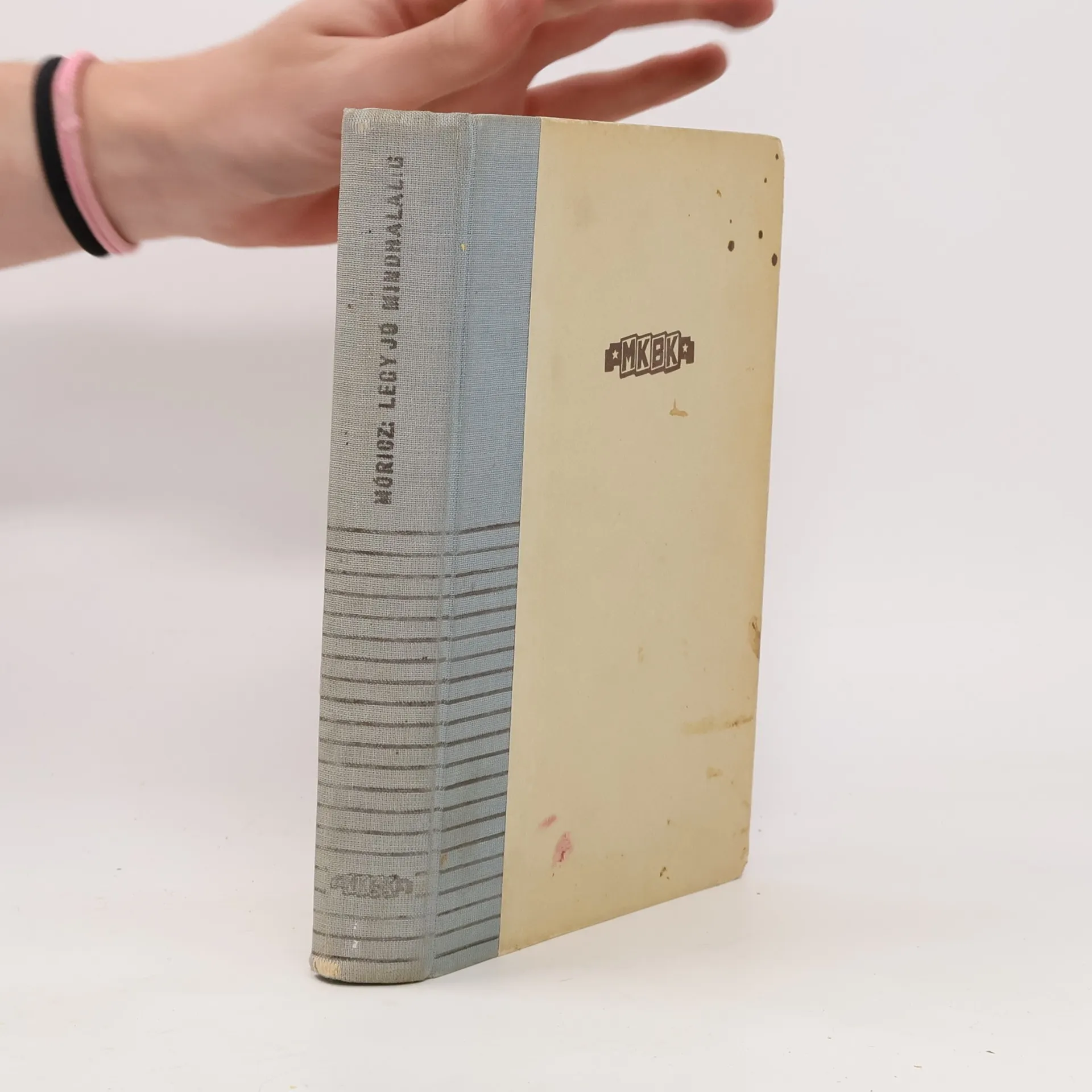
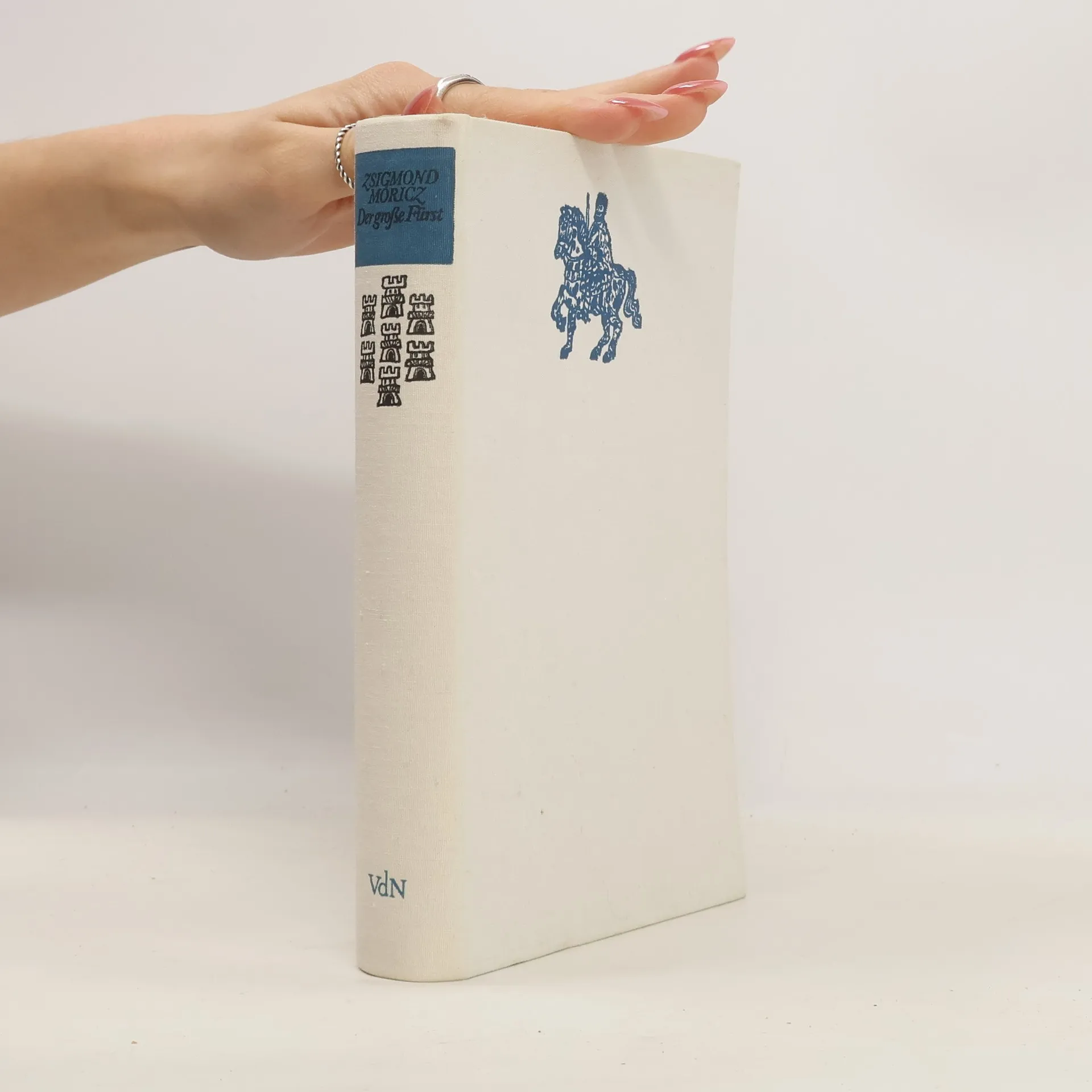
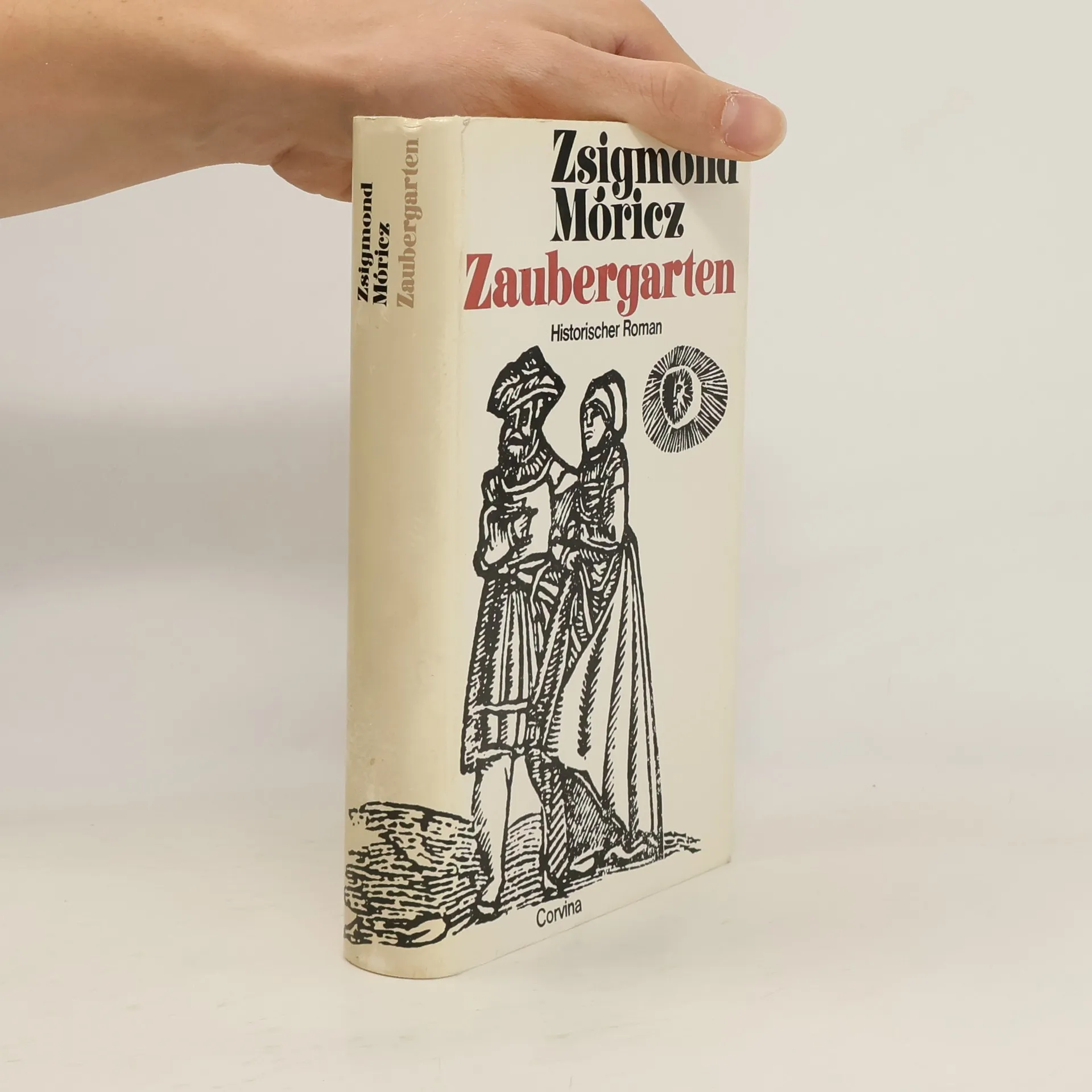
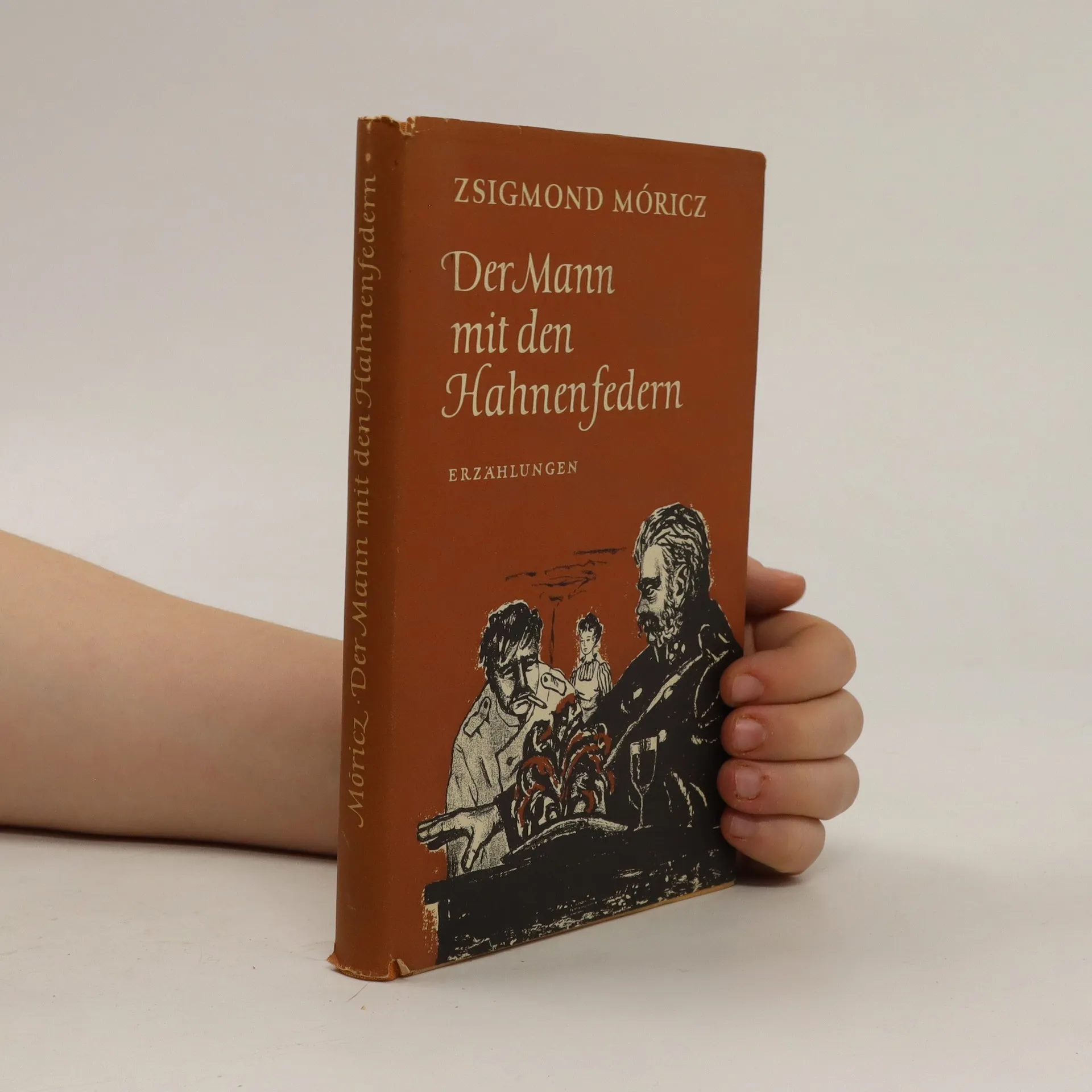
Zsigmond Móricz Livres



Orphalina
- 260pages
- 10 heures de lecture
Set against the backdrop of interwar Hungary, the story follows the life of Orphalina, an orphaned girl inspired by Erzsébet Litkei, whom the author encountered in 1934. The novel delves into the profound suffering experienced by individuals in a society that suppresses their potential for a better life. Through Orphalina's tragic fate, Zsigmond Móricz explores themes of loss, resilience, and the societal forces that hinder personal agency, making this work both poignant and lyrical.
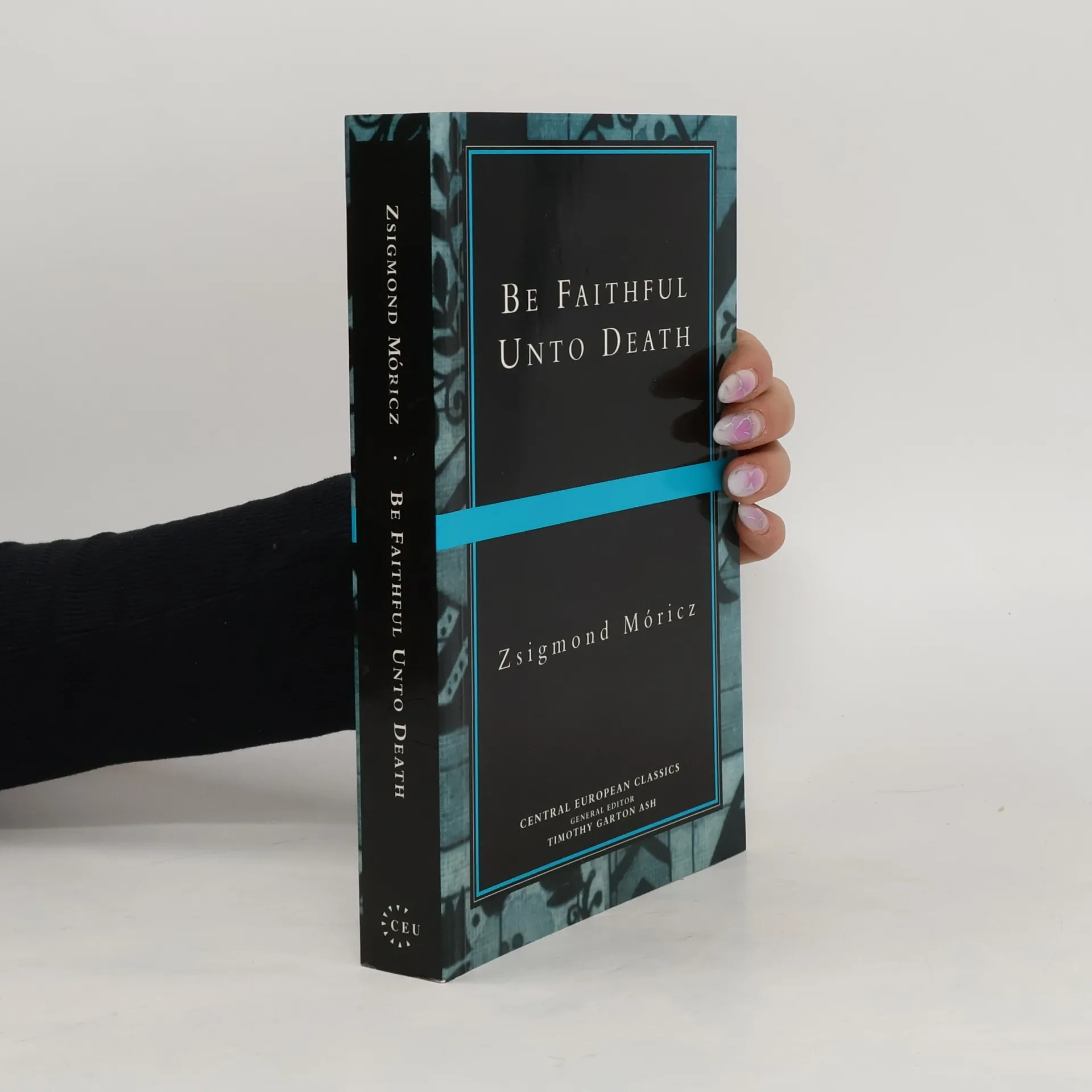
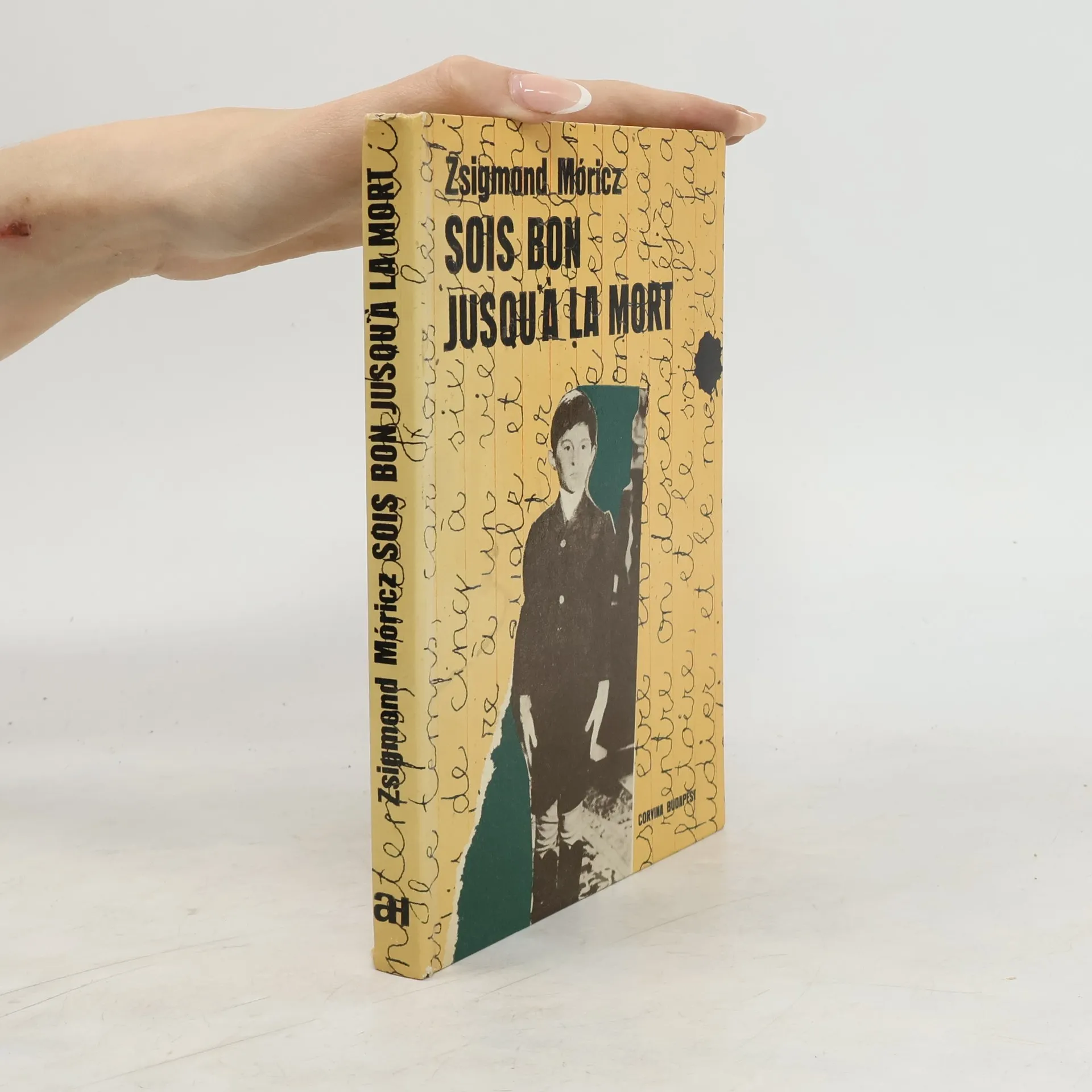
Be Faithful Unto Death
- 332pages
- 12 heures de lecture
Be Faithful unto Death is the moving story of a bright and sensitive schoolboy growing up in an old-established boarding school in the city of Debrecen in eastern Hungary. Misi, a dreamer and would-be writer, is falsely accused of stealing a winning lottery ticket. The torments through which he goes – and grows – are superbly described. The novel is brimming with vivid detail from the provincial life that Móricz knew so well and shot through with a sense of the tragic fate of a newly truncated Hungary.
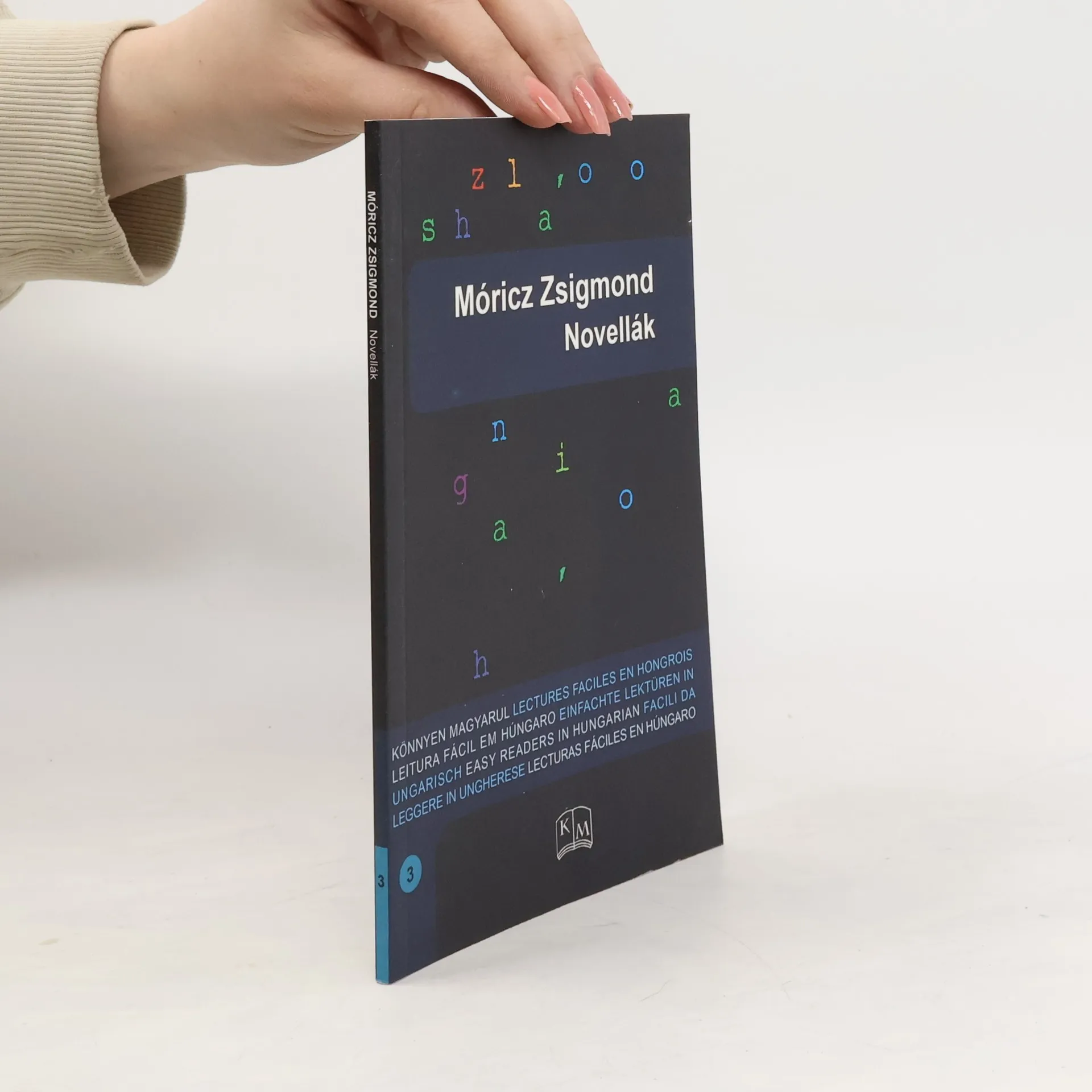
Novellák
- 68pages
- 3 heures de lecture
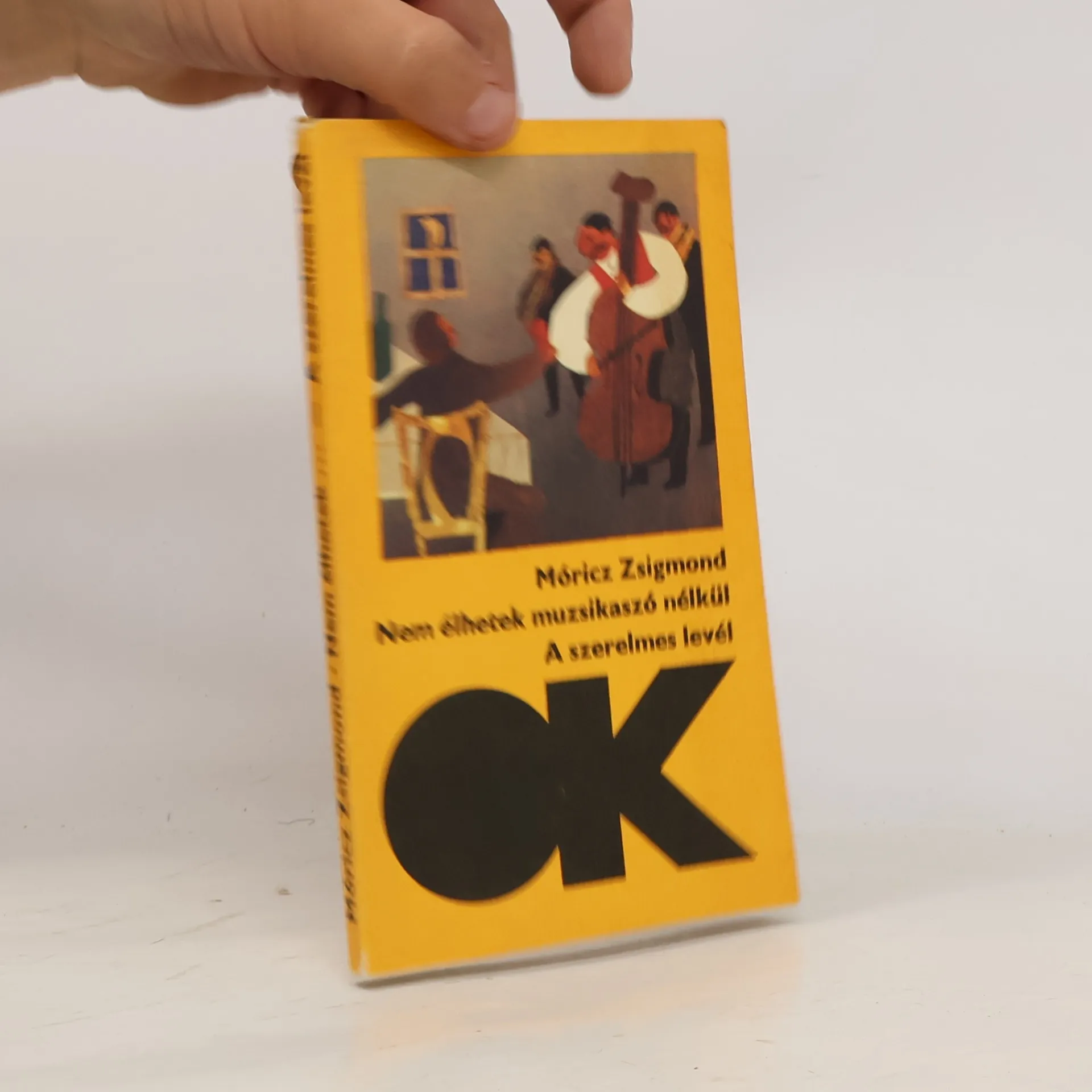
A sorozat célja, hogy híres magyar írók nagy regényeinek újraírt, egyszerűsített kiadásával segítse azokat, akik most tanulják a magyar nyelvet és szeretnék megismerni a magyar irodalmi kultúra darabjait.
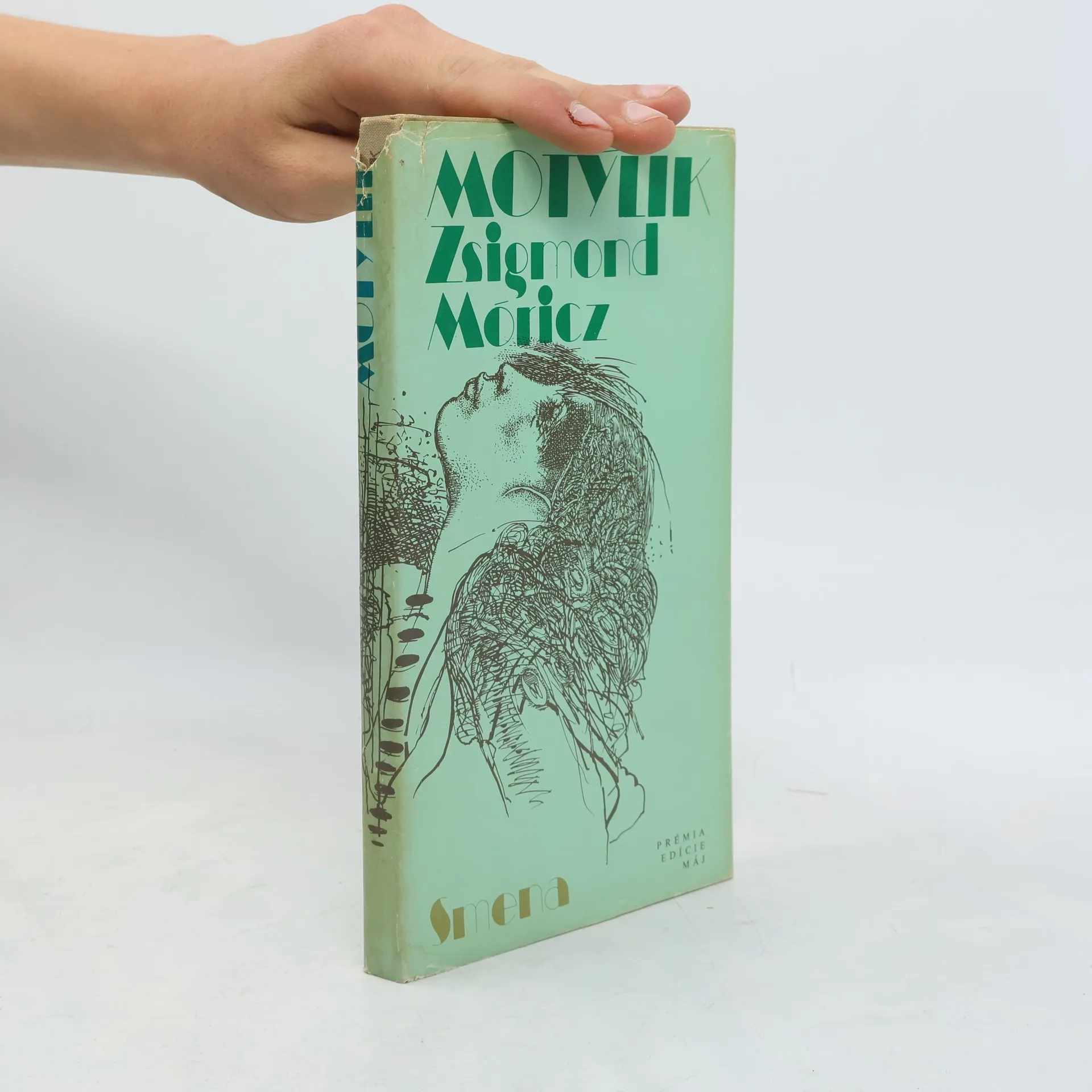
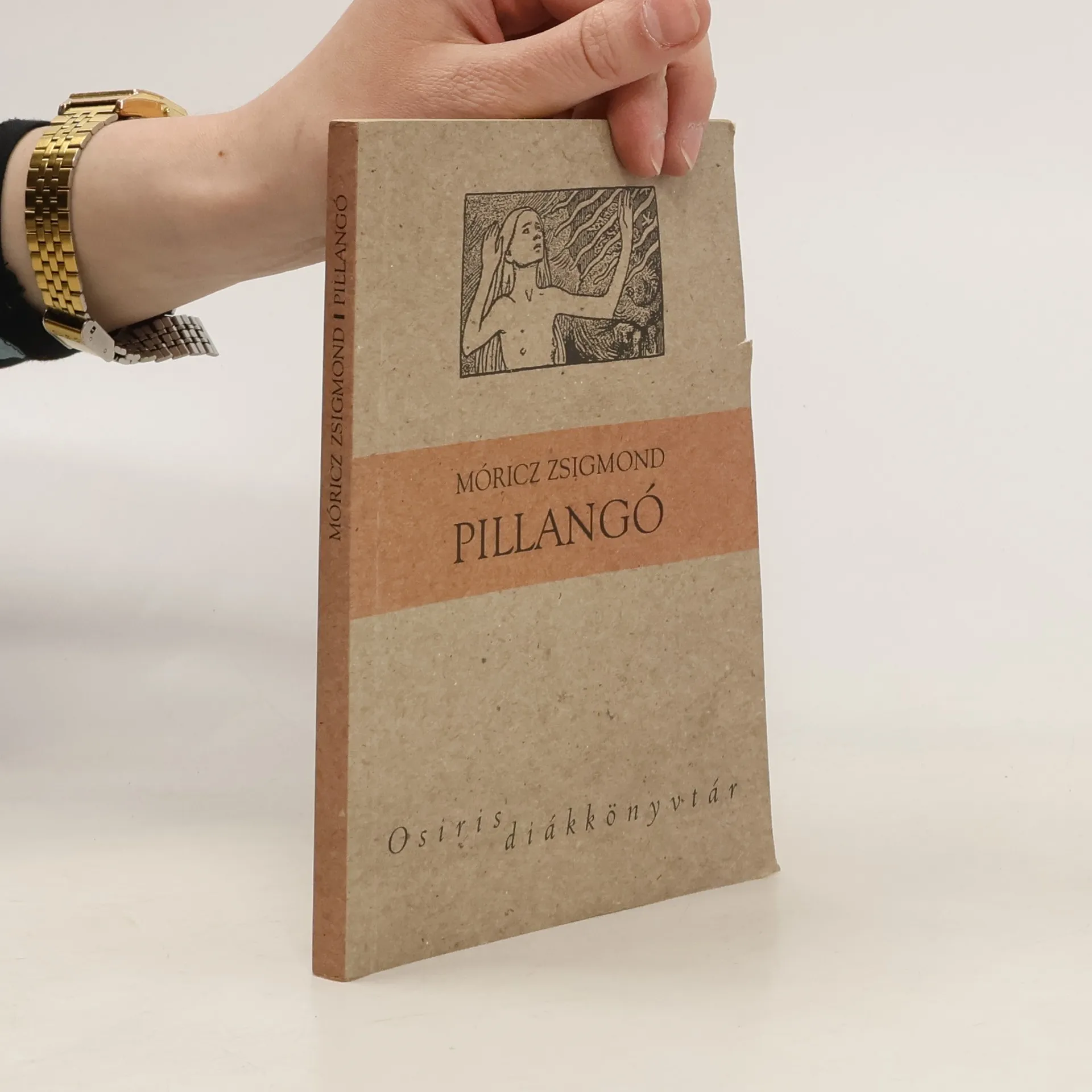
Pillangó. A szép és csapodár szerető jelképe - meg a reménytelen szerelemé# Darabos Jóska és Hitves Zsuzsika elemi erővel fellobbanó, társadalmi konvenciókkal szembeszálló szerelmének története a szerző meghatározása szerint "idill". Móricz könnyű kézzel, napok alatt írta meg a korántsem idilli helyzetet, amelyben két felfogás áll szöges ellentétben egymással: a nagy alföldi mezőváros peremén boldogulni megtanult öregeké, és a fiataloké. Jóska és Zsuzsika szülei a már kialkudott, érvényes szokáshoz kötődnek, ők akarják megszabni a "ki kivel házasodjék" törvényét, melynek alapja az anyagi biztonság. Minden eszközzel próbálják megakadályozni a fiatalok egybekelését. Jóska és Zsuzsika a szív, a szerelem jogán a lehetséges, a vágyott világ fölépítésére törekednek. A boldogságért azonban nemcsak szüleikkel, hanem egymással, egymásért is meg kell küzdeniük.
Druhá hodina je maďarčina. Profesorom maďarčiny je mladý suplent, ktorému v istom peštianskom časopise vyšli zo dve básne, nuž ho pokladajú za úžasne veľkého básnika. Je on vlaste dozorcom v konvikte, inak skončeny bohosloves, ktorý učí niekoľko hodín na -......
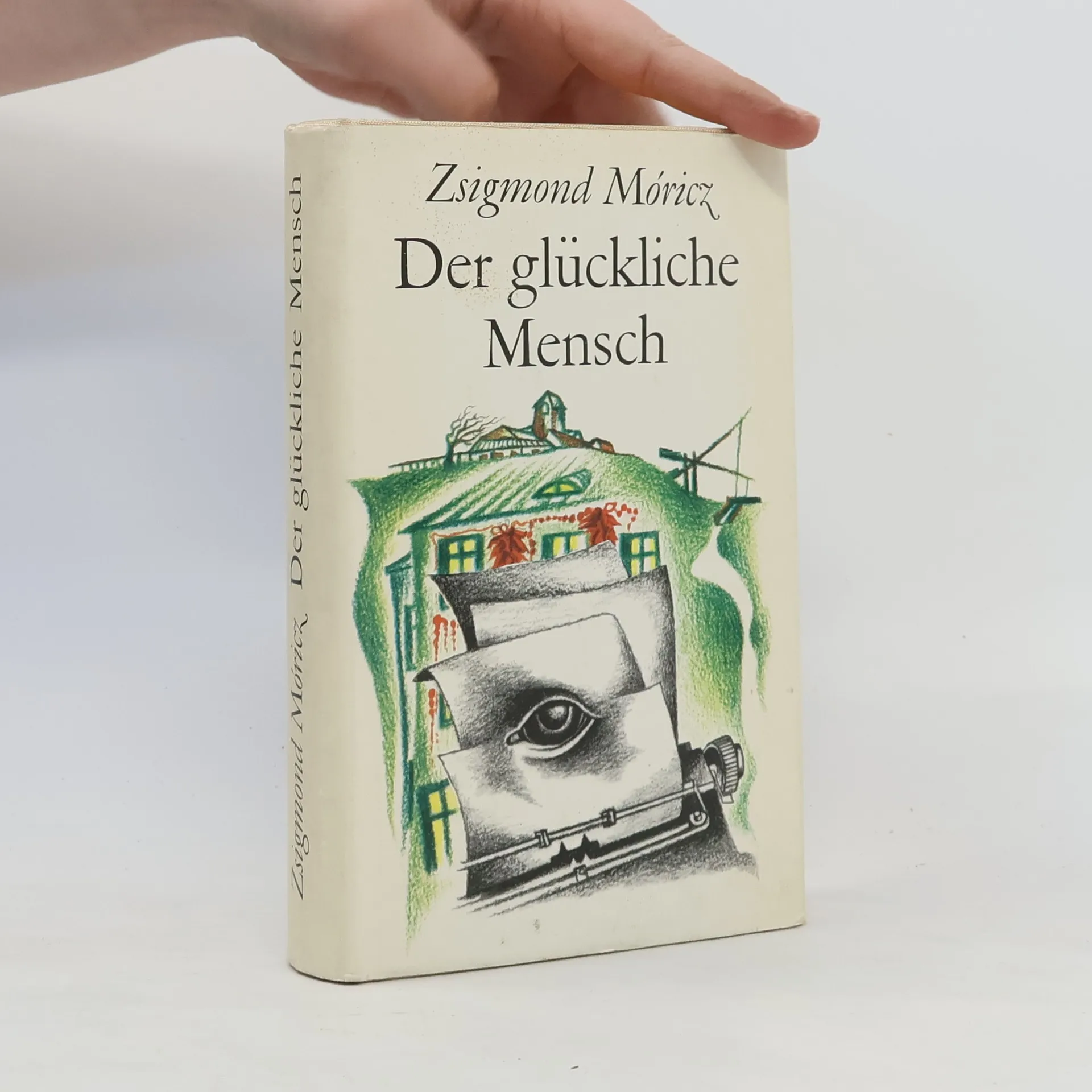
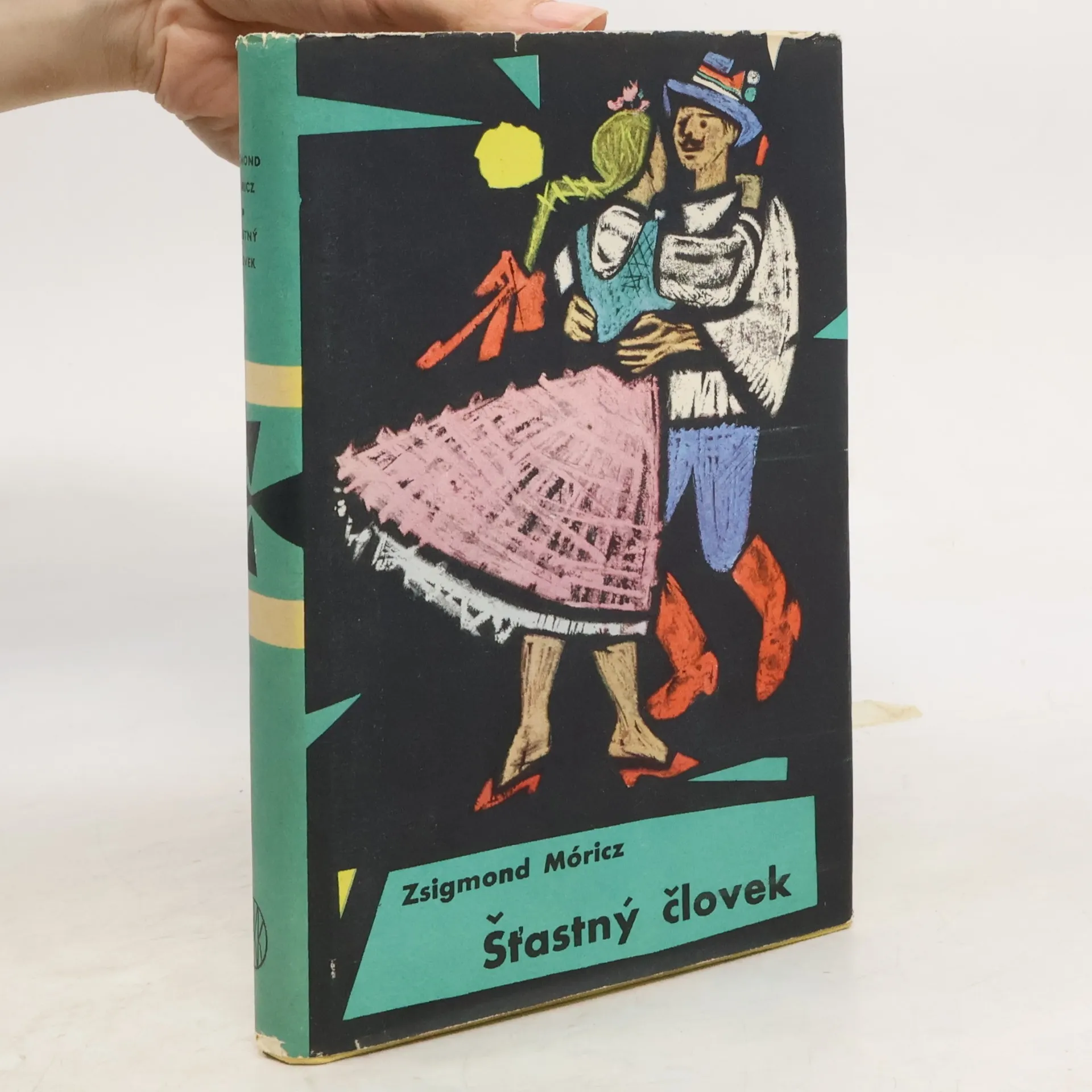
Zsigmond Móricz (1879–1942) widmete sein schriftstellerisches Werk der ungarischen Landbevölkerung. Der Protagonist György Jo. in »Der glückliche Mensch« verkörpert den unverwüstlichen Kätners, der täglich bei größeren Landbesitzern arbeitet, um seinen Lebensunterhalt zu sichern. Er erinnert sich an die Freuden seiner Kindheit, geprägt von Gelegenheitsarbeiten und einfachen Mahlzeiten. Trotz der wachsenden sozialen Ungleichheit im Dorf, wo die Reichen unlautere Mittel nutzen, um den Besitz der Ärmeren zu erlangen, findet György mit unerschöpflichem Humor Glück im Alltag und beim Tanzen mit den Mädchen aus der Nachbarschaft. Die schlichte Schönheit seiner Erzählung fesselt die Leser, die mit ihm fiebern und sich wünschen, dass seine Bemühungen um Wohlstand erfolgreich sind. Timea Tankós kraftvolle Übersetzung bleibt nah am unverfälschten Erzählton Móricz' und verleiht der Geschichte eine lebendige Note voller Erlebnislust und Bauernschläue. Trotz aller Rückschläge bleibt die Hoffnung auf den nächsten Sonnenaufgang und einen weiteren Tag voller Möglichkeiten auf neues Glück stets bestehen.
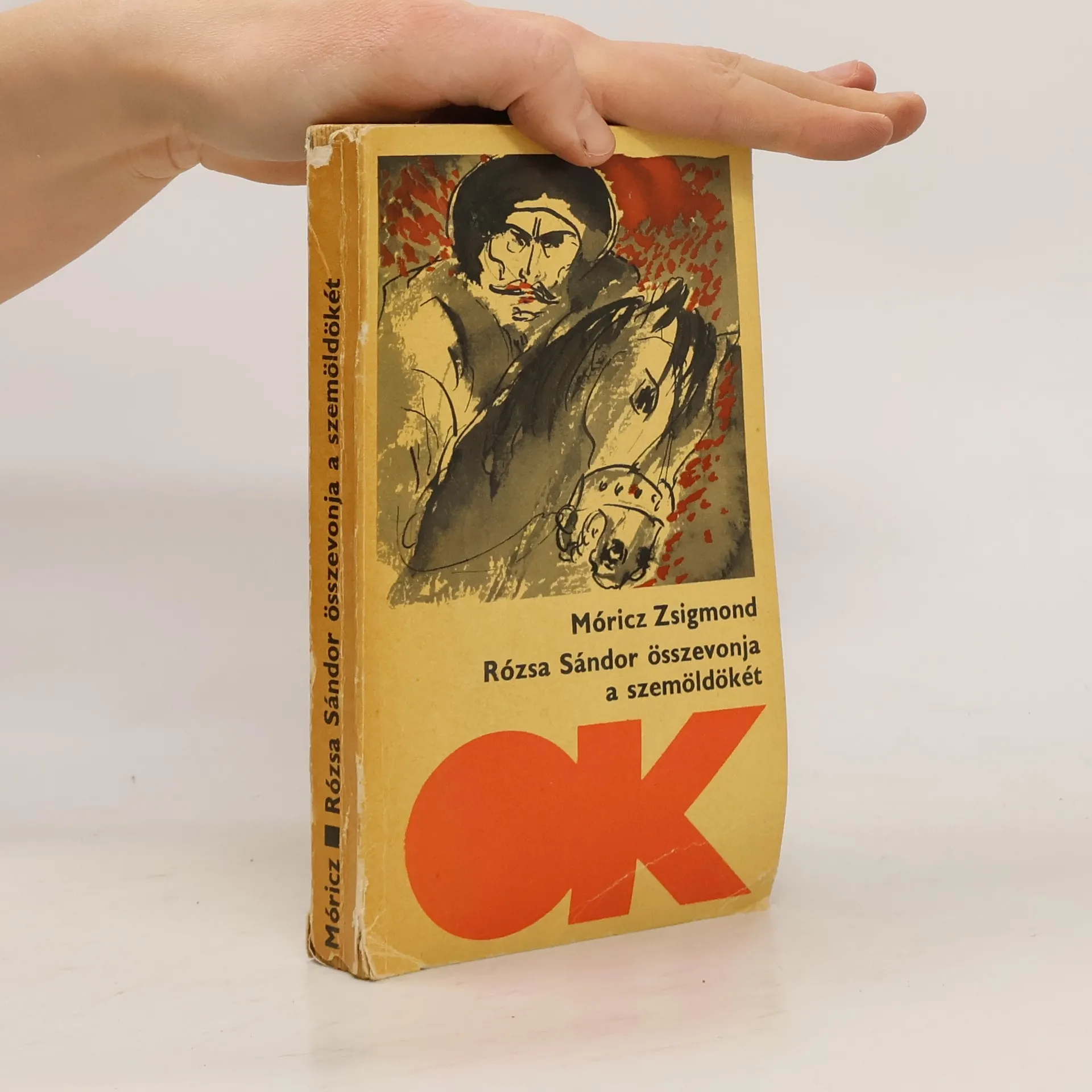
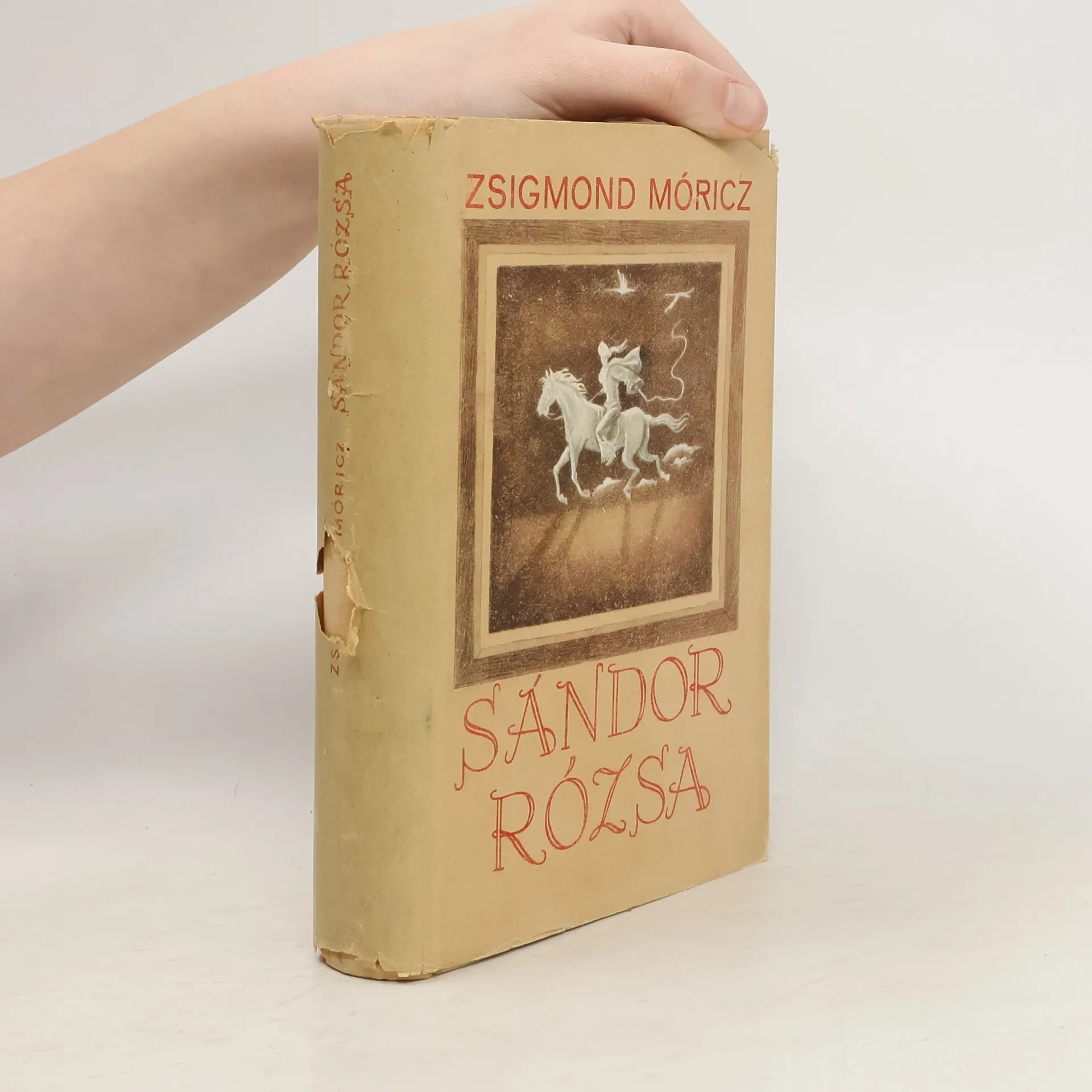
Dvoudílná románová epopej, torzo ze zamýšlené trilogie, je oslavou legendárního maďarského zbojníka, vylíčeného nejen jako mstitele křivd chudiny, nýbrž i zcela realisticky jako rváče a tyrana. Pokouší se několikrát zanechat zbojnictví, ale vždy je donucen znovu sáhnout k násilí. Zúčastní se revoluce r. 1848 a znechucen pošpiněním boje za svobodu krutostmi a loupežemi, odchází do ústraní.
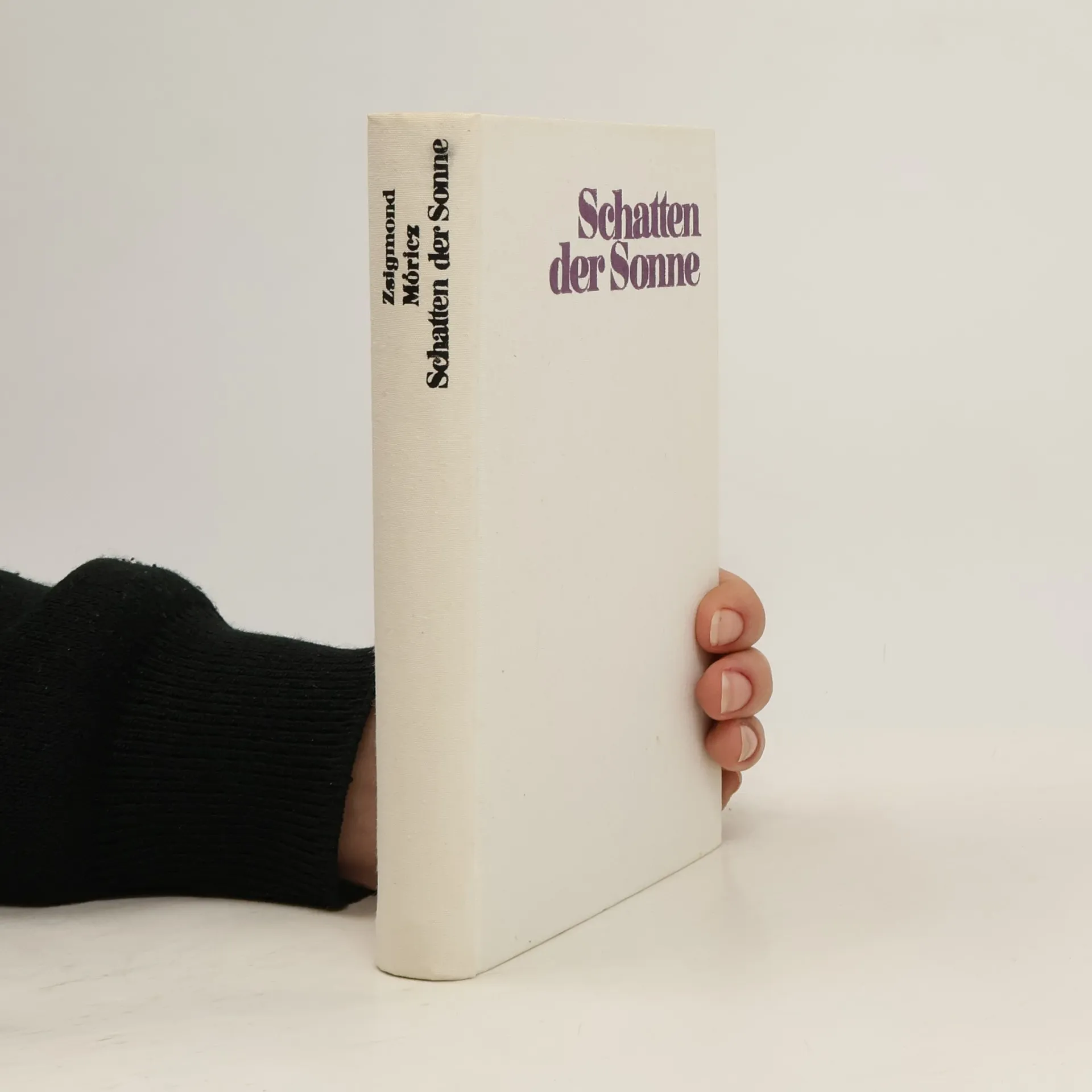
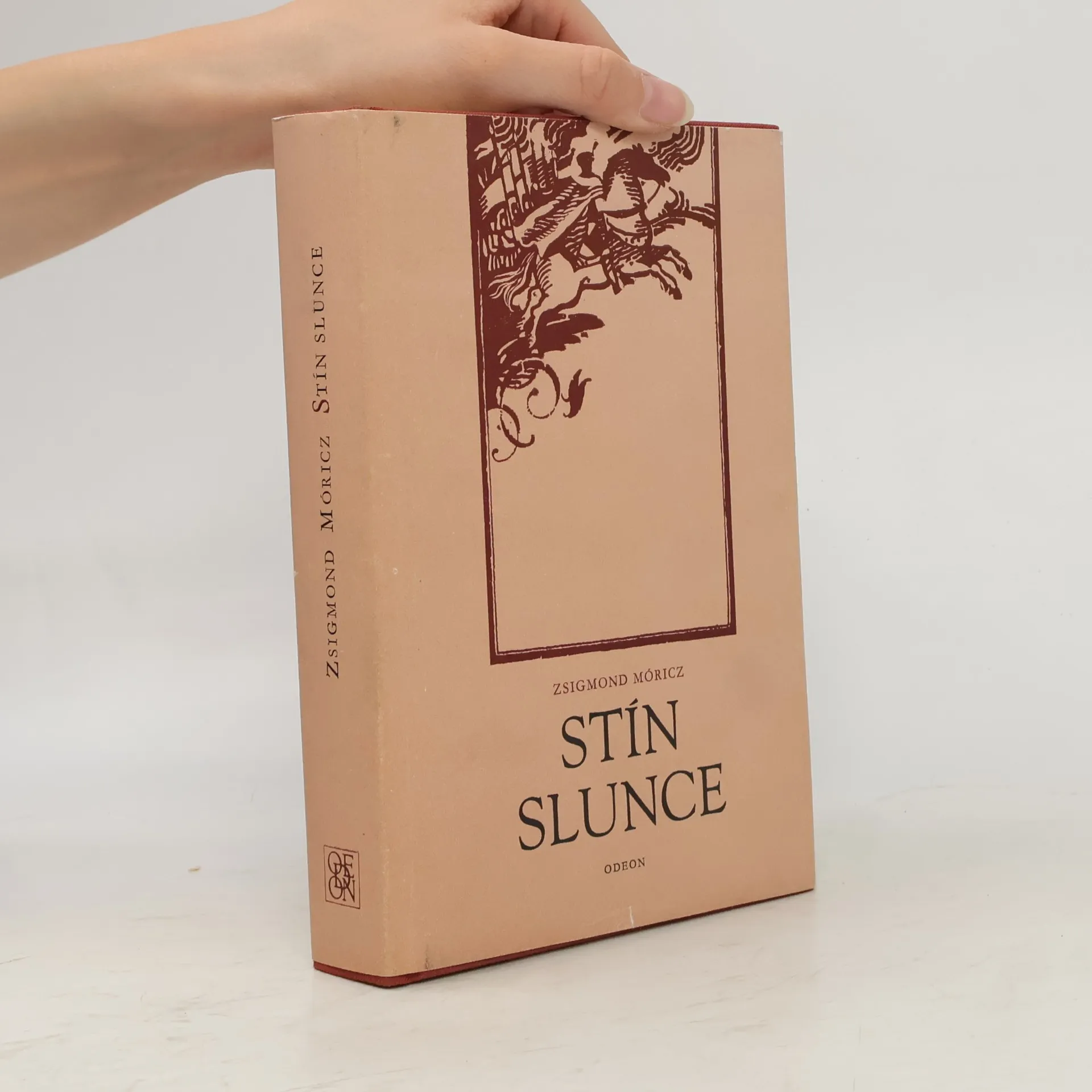
Schatten der Sonne
- 515pages
- 19 heures de lecture
Román maďarského autora, hlavným hrdinom je Gyorgy Joó, ktorý sa možno trochu privčas púšťa do dobrodružstiev lásky, no privčas sa musel začať boriť aj so životom, zarábať i stať sa doslovne mladým gazdom v dome, keď mu otec umrel a on, trinásťročný chlapec, ostal s matkou sám. "Keby nebolo dievčat a keby som s nimi nebol mal pletky, bol by môj život pustý ako prázdny obrok," hovorí Gyorgy Joó už ako zrelý mládenec.....
Strhujúci ľúbostný príbeh Jožka Darabosa a Zuzky Hitvesovej, oslavujúci víťazstvo mravnej čistoty, krásy a ľúbosti, plný poézie a lyričnosti... 73-024-79
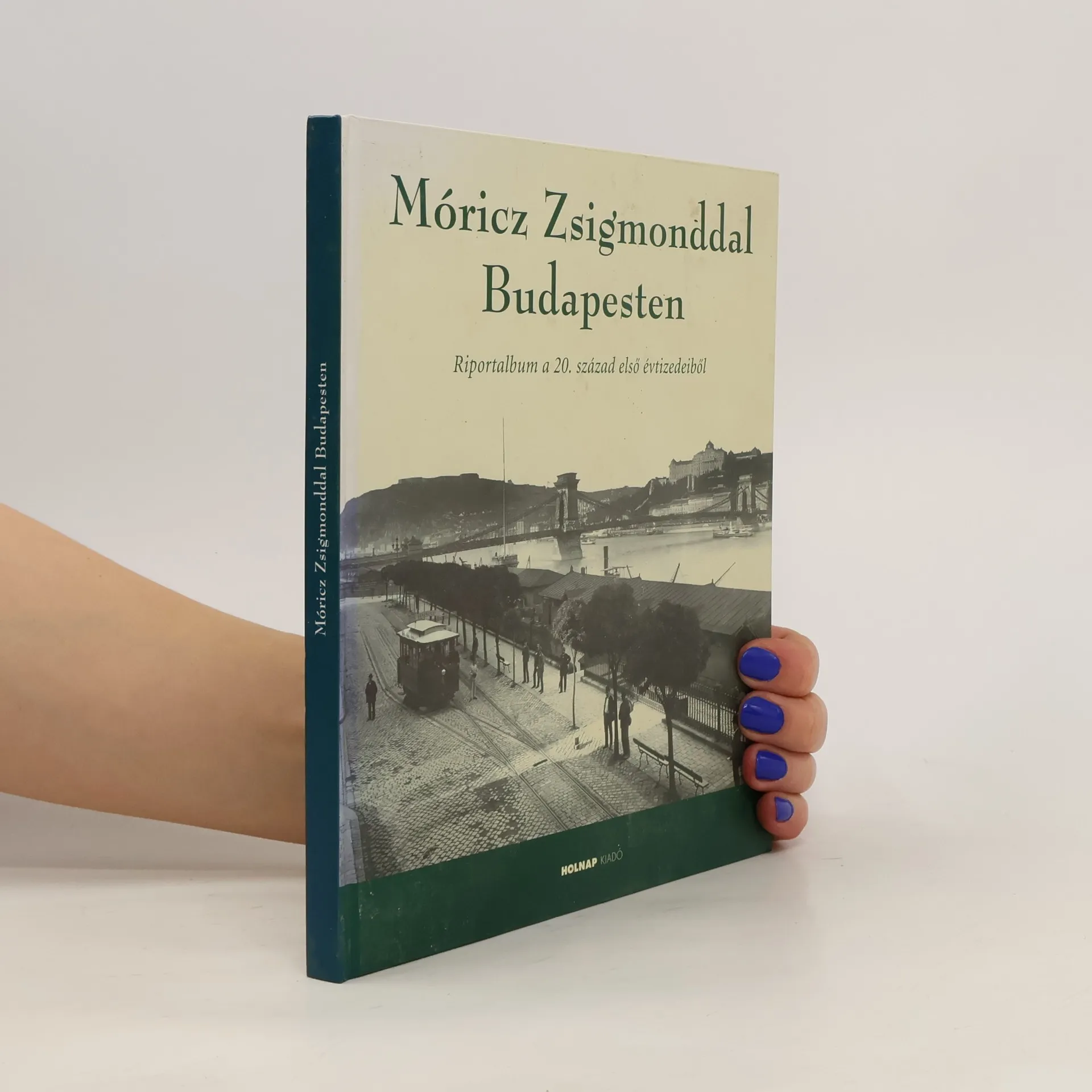
Móricz Zsigmonddal Budapesten / Kolos Réka / Mesél a Város / Holnap Kiadó / 2010
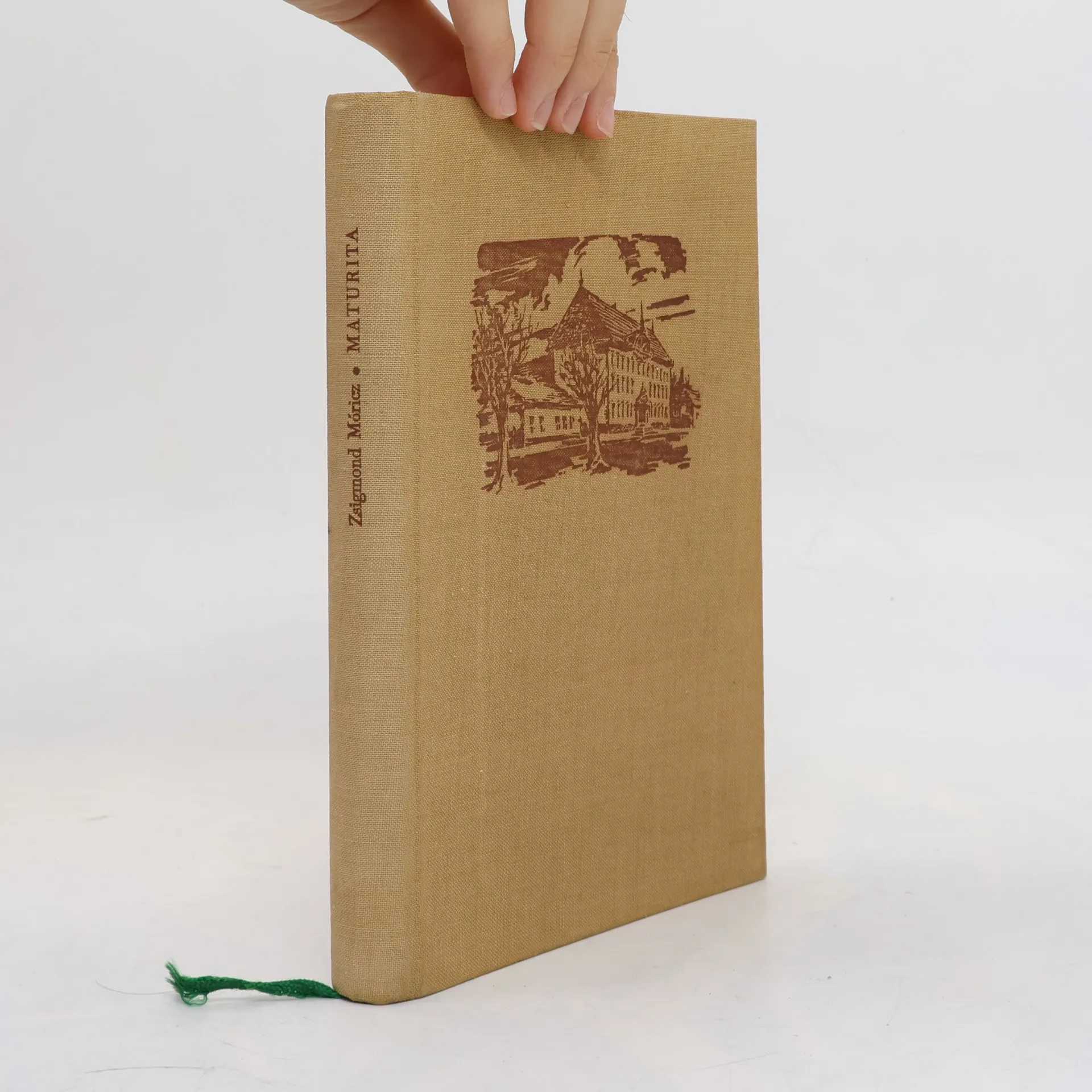
Samostatné pokračovanie románu "Buď dobrý až do smrti". V tomto románe tvrdo odsudzuje neprávosti, ktorých sa vládnuca trieda, kapitalisti, dopúšťajú na každom poli verejného života i na mládeži. Falošný školský systém, drviaci detské duše nechápajúci ich záujmy, chladný, meravý, pseudopedagogický stroj, čo nevidí človeka, iba neživý predmet. Maturita zachytáva osudy študentov gymnázia pred matúrou, ich zmýšľanie, fígle, kreslí súkromný život v biednom predmestskom bydle - študentskej komore. Vystupujú aj výrazné postavy profesorov. Maturita je kronikou rastúceho citového života chlapcov s ich túžbami a nádejami, ideálmi a slabôstkami. Román zrkadlí ducha dozrievajúcej mládeže z počiaku 20. storočia.
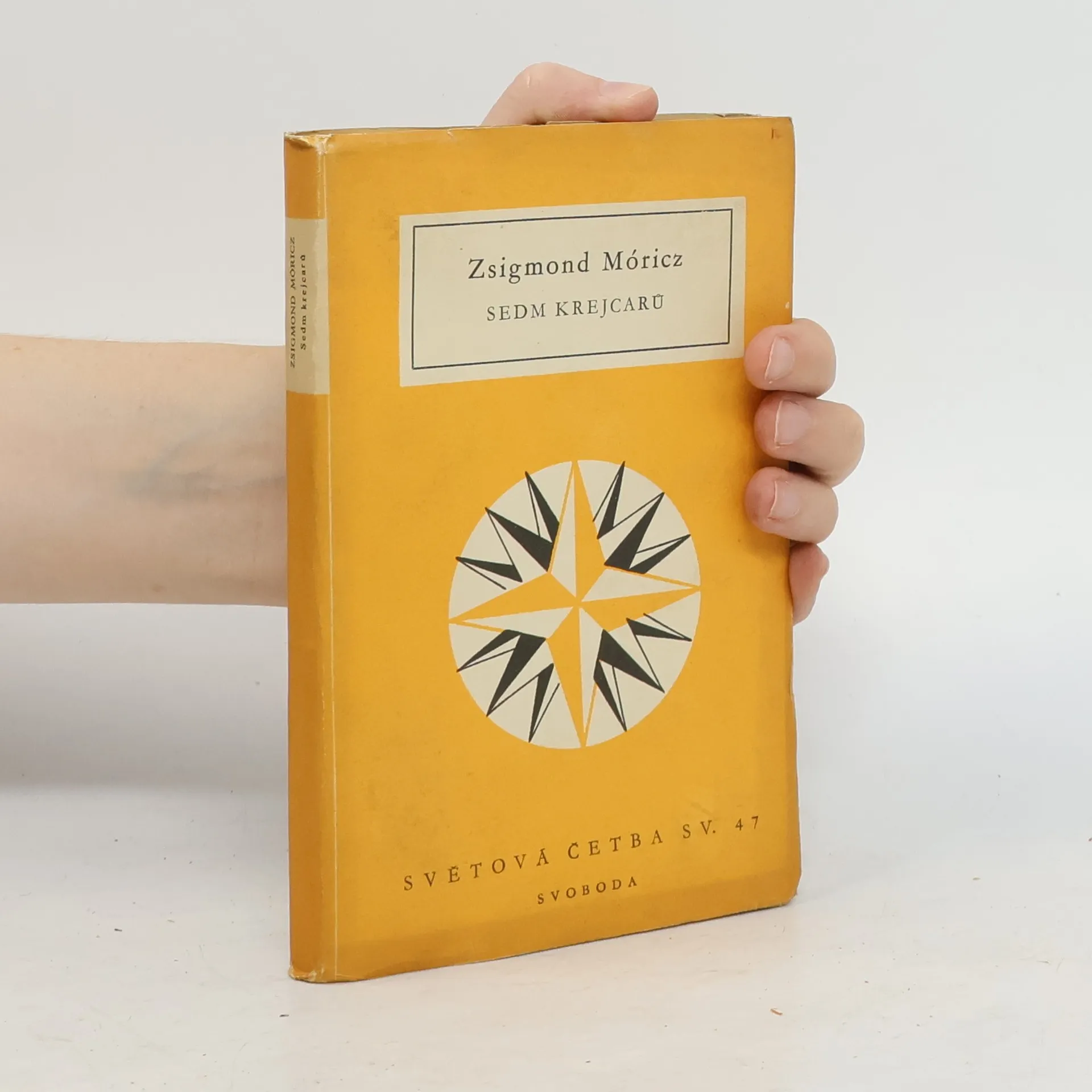
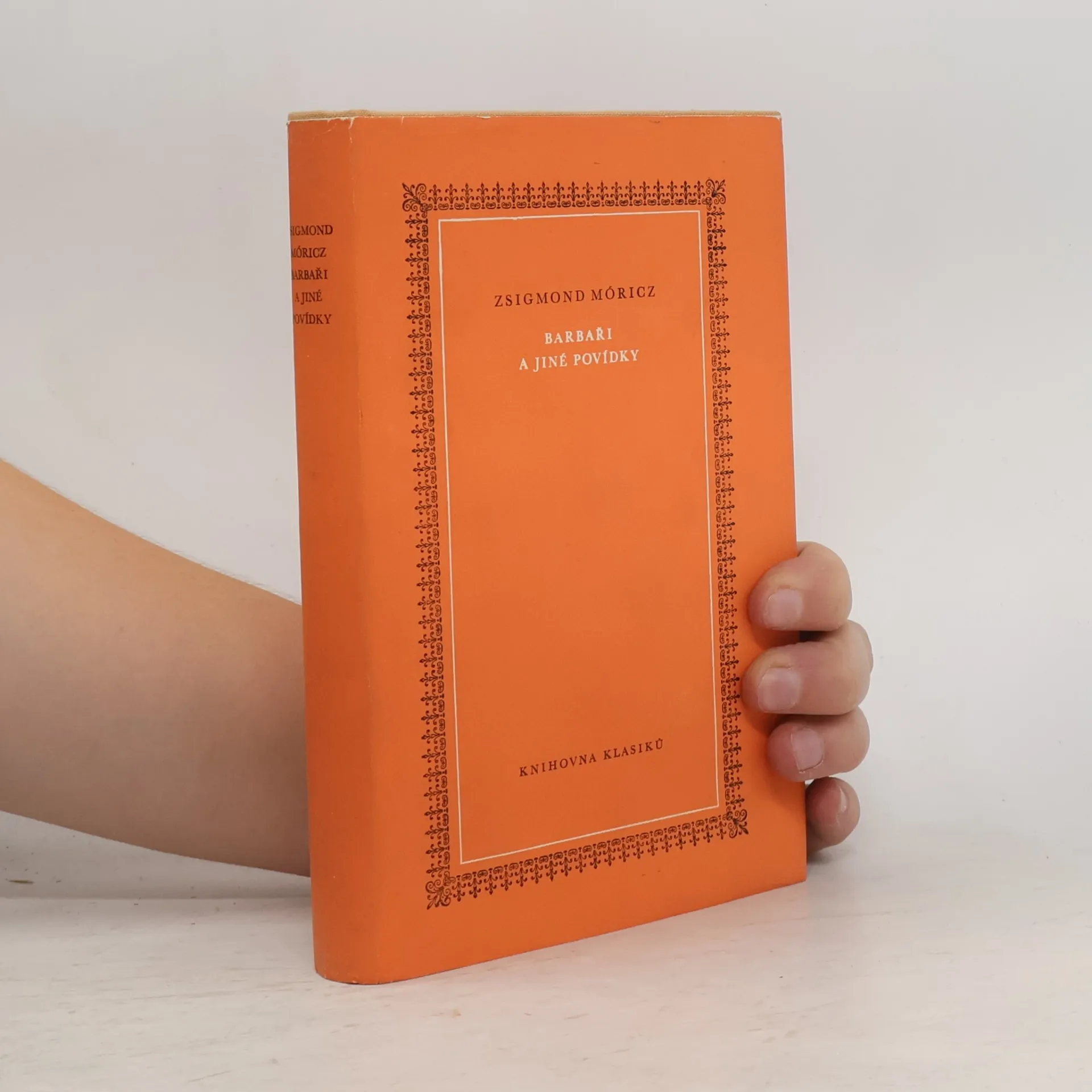
Poslední svazek vybraných spisů velkého maďarského realisty přináší výbor z povídkové tvorby. Kniha zahrnuje tři autorovy tematické okruhy: prózy z venkova, kde je zachycena vesnice s příkrými sociálními rozdíly, s vzájemnými boji mocných a bohatých a s morální čistotou chudých, prózy z města, kde se autor zabývá problémem městského proletariátu, a prózy z války, kde Móricz nejen protestuje proti válečnému zabíjení, ale ve válce objevuje i zdrojmorálního rozvratu. Podkladem pro toto vydání bylo vydání maďarské z let 1953-1955, které je částí souborné edice autorových děl.
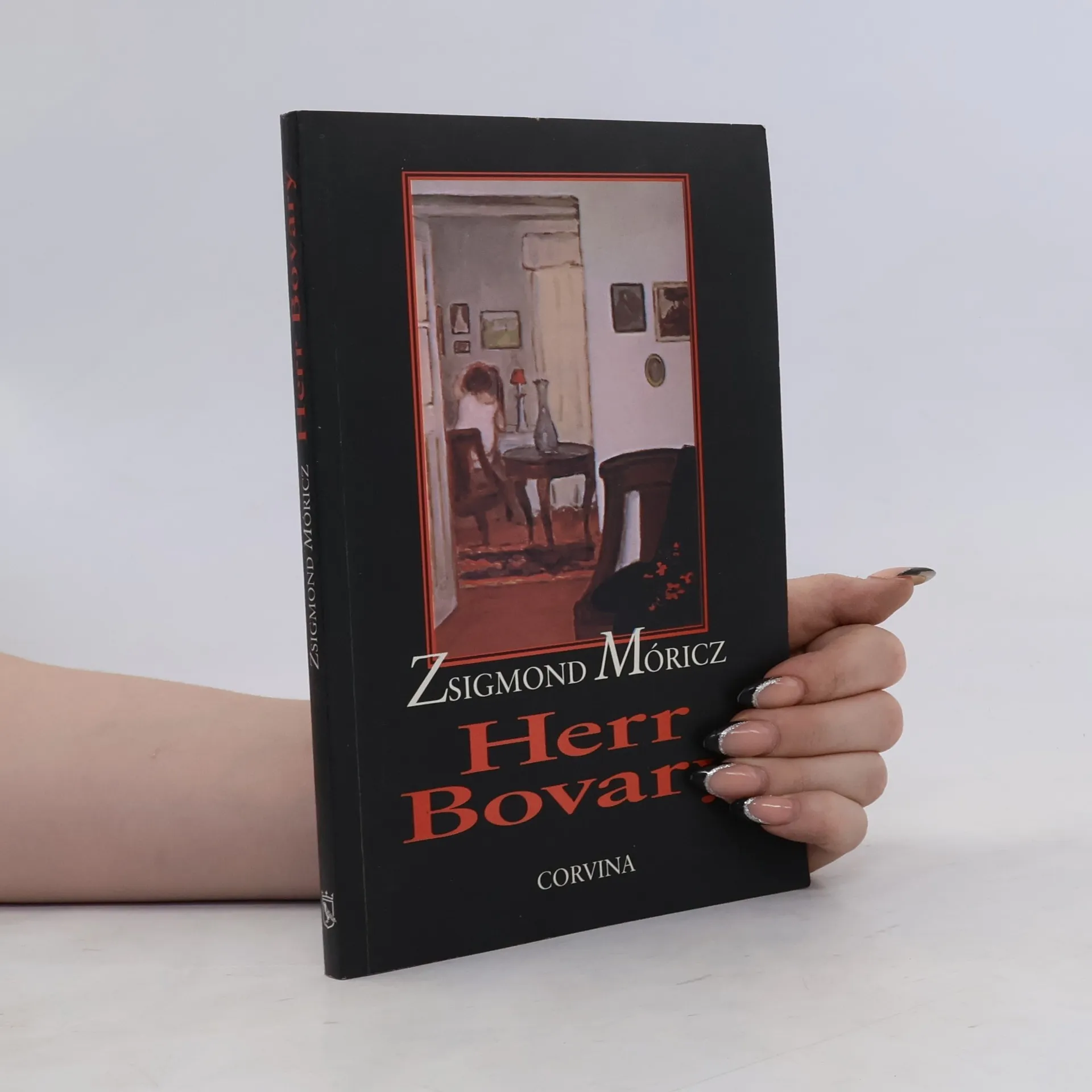
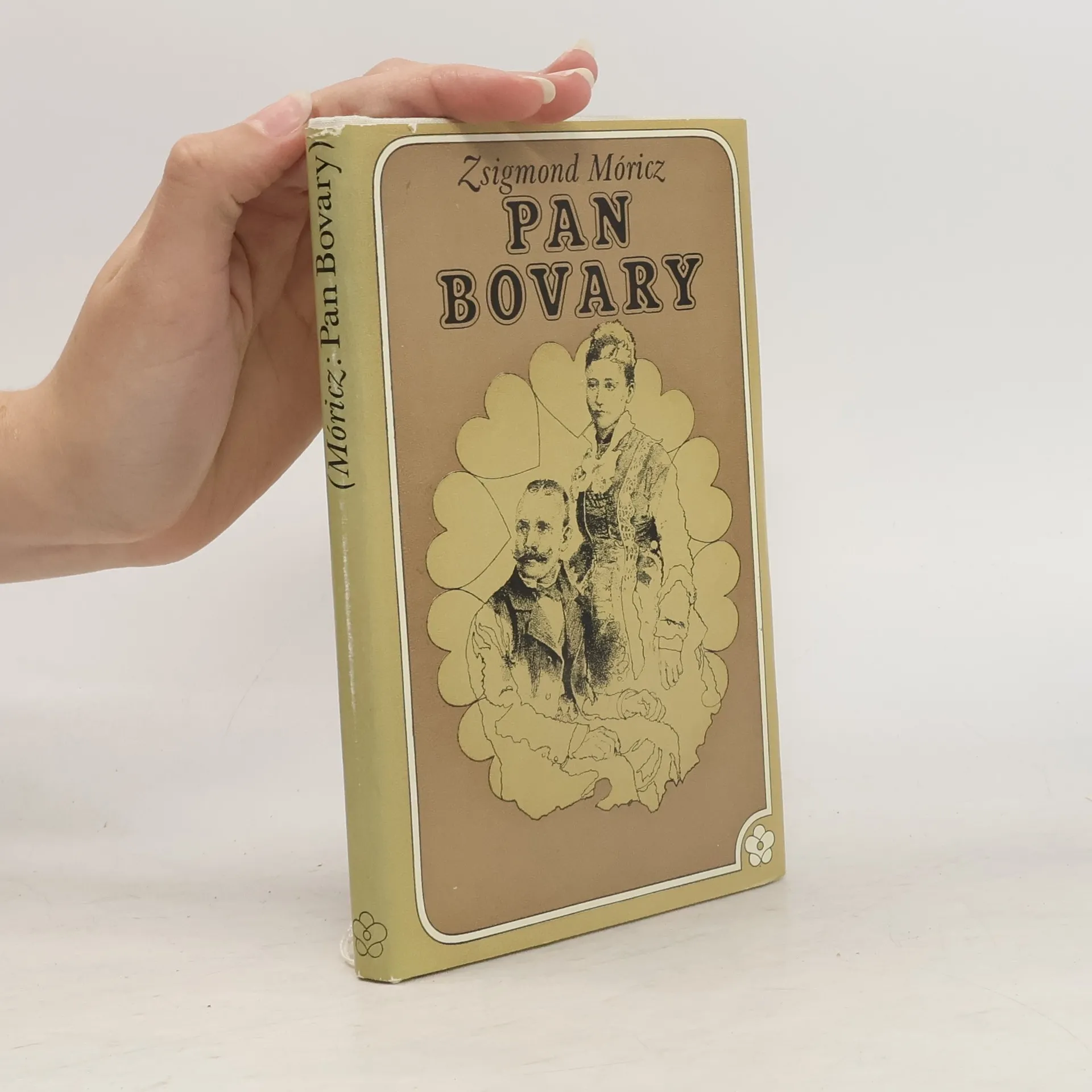
Herr Bovary
- 184pages
- 7 heures de lecture
Významný maďarský realistický romanopisec odhaluje v románu "Příbuzní" úplatkářství a podvody maďarských vládních i samosprávních úředníků. Na ústřední postavě románu, nepatrném magistrátním úředníkovi Štěpánu Kopjássovi, který je zvolen na vyznamné místo městského vrchního právního rady, autor přesvědčivě ukazuje bezmocnost jednotlivce proti zkorumpované mašinerii finančních magnátů a vysokých úředníků. Kopjáss podléhá v tomto boji dvakrát: po prvé, když sám přejímá peněžní morálku těchto kruhů, a po druhé, když je v boji o koryta vyřazen. Jestliže román ze společnosti vysoké buržoasie končil nutně pesimisticky, pak "Motýlek", který čerpá z prostředí proletářského, je naplněn radostnou vírou v lidi. Vítězná láska Jósky Darabose a Zsuzsiky Hitvesové, kteří navzdory všem zahájí společný život, obdařuje román nejen lyrickým kouzlem, ale i rysy společenské revolty.
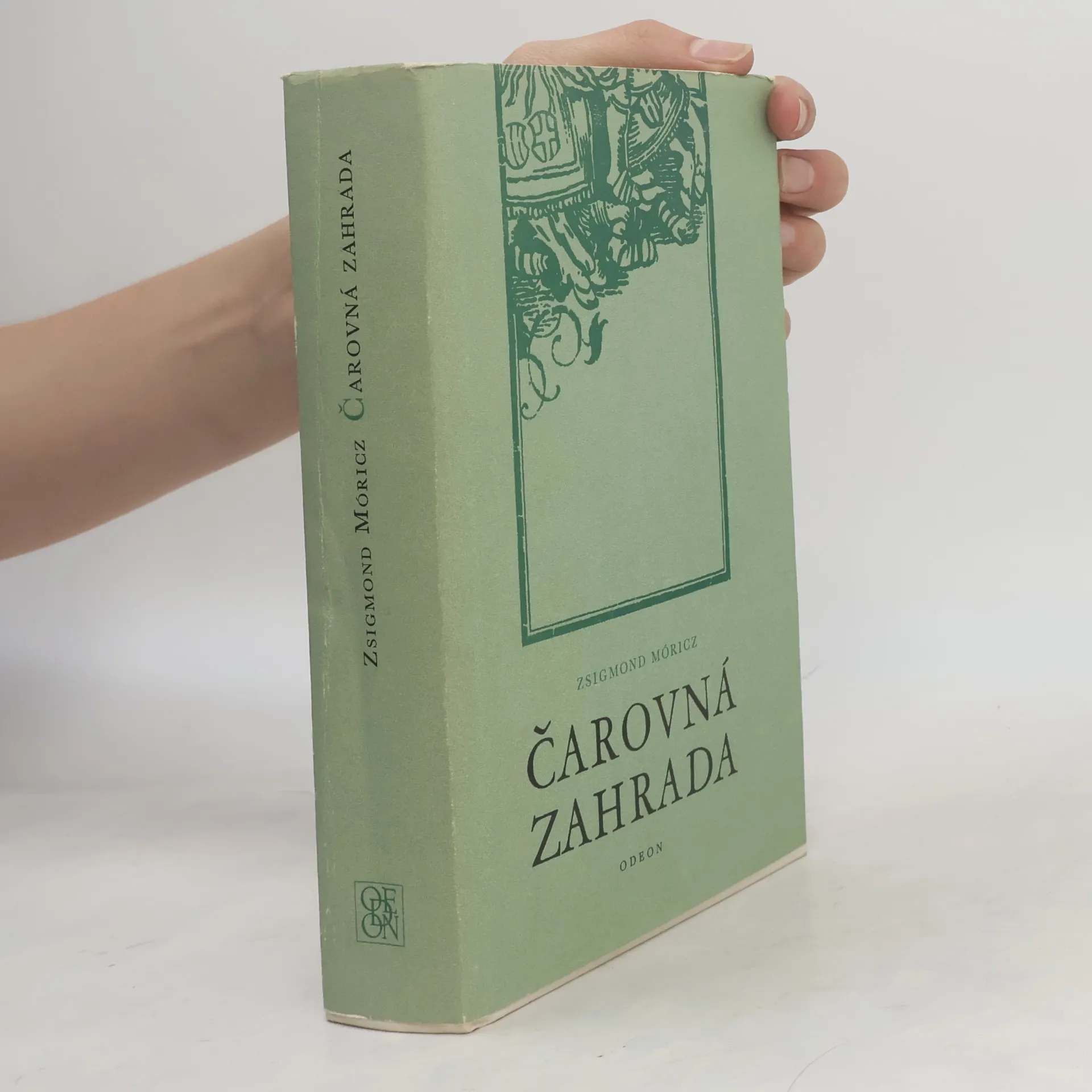
Čarovná zahrada je první román z cyklu Sedmihradska, historického území Uher. Líčí události, které rozkvětu Sedmihradska předcházely: krátkou dobu vlády oslňujícího mladičkého knížete Gábora Báthoryho, jehož fantastické sny o tom, že ze Sedmihradska vytvoří čarovnou zahradu, přivedly tuto malou zemičku, obklopenou mocnými sousedy, až na pokraj zkázy.
V knize se uzavírá osobní román Gábora Bethlena a svůdné Anny Báthoryové a vrcholí Bethlenova dráha státnická...
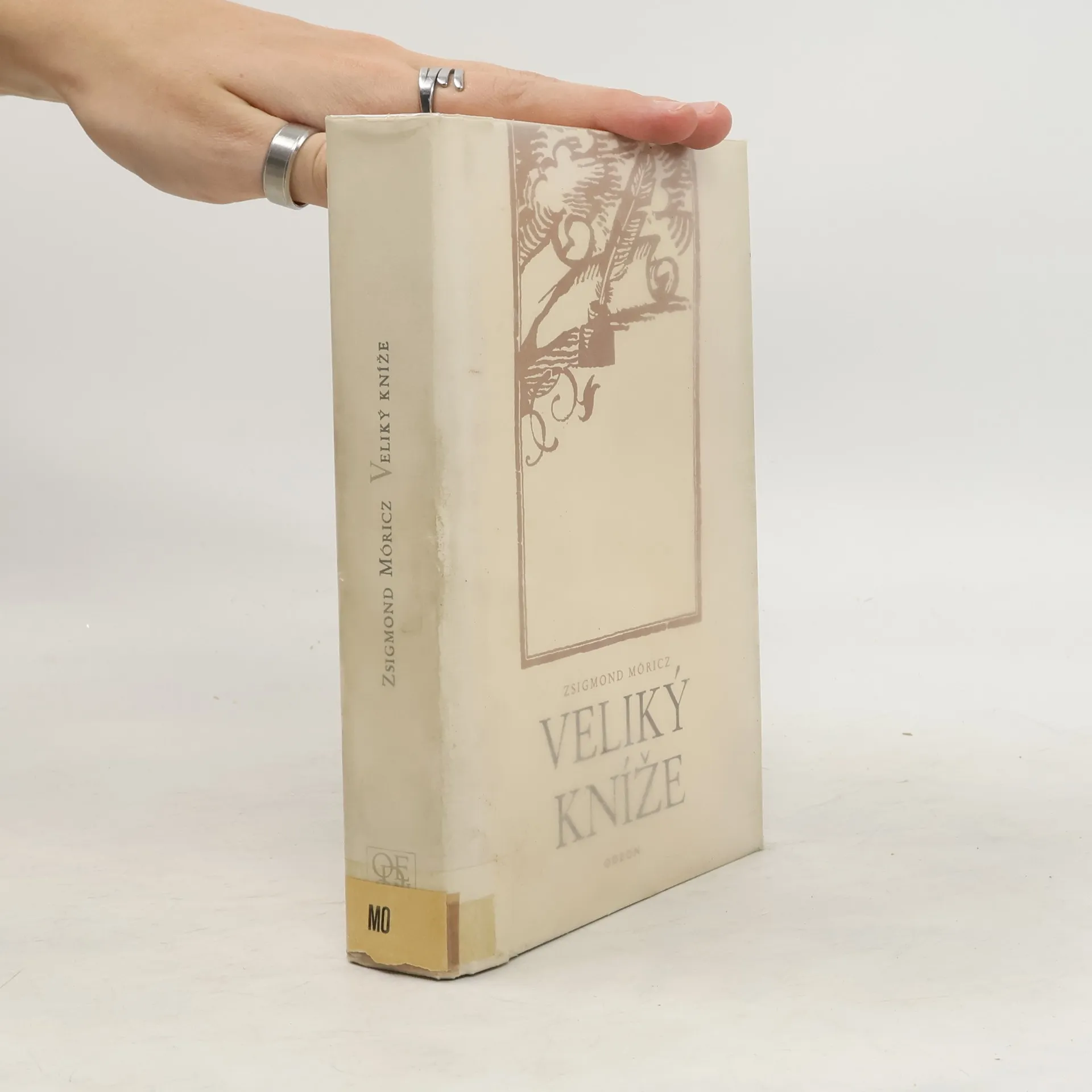
Román o Gáboru Bethelenovi. Autor v knize složil pěv o velikém muži, o muži s posláním, o věčném sváru mužského a ženského elementu, o mužské práci a ženské lásce či snad o mužské lásce a ženském sobectví, anebo ještě o mužské i ženské velkorysosti. Zpěv poněkud drsný, promlouvá nám však z doby zlé, hlasem známým až strach.
Hrdinkou prózy jednoho z největších maďarských spisovatelů je mladá manželka postaršího učitele, která se za něho provdala v naději, že tak získá možnost svobodnějšího společenského i osobního života. Několikaleté manželství jí však přináší jen zklamání a rozčarování. Paníučitelová poznává, že její představy o vlastní obdivuhodnosti jsou jen fikce a pokusí se o sebevraždu.
Na tragickém příběhu šlechtického statkáře zpodobnil maďarský kritický realista zákonitý osud drobné maďarské zemanské šlechty ze sklonku století, třídy, která setrvává na své šlechtické pýše, mravech a zábavách a přitom v souboji s vesnickým velkokapitálem beznadějně chudne a je postupně likvidována.
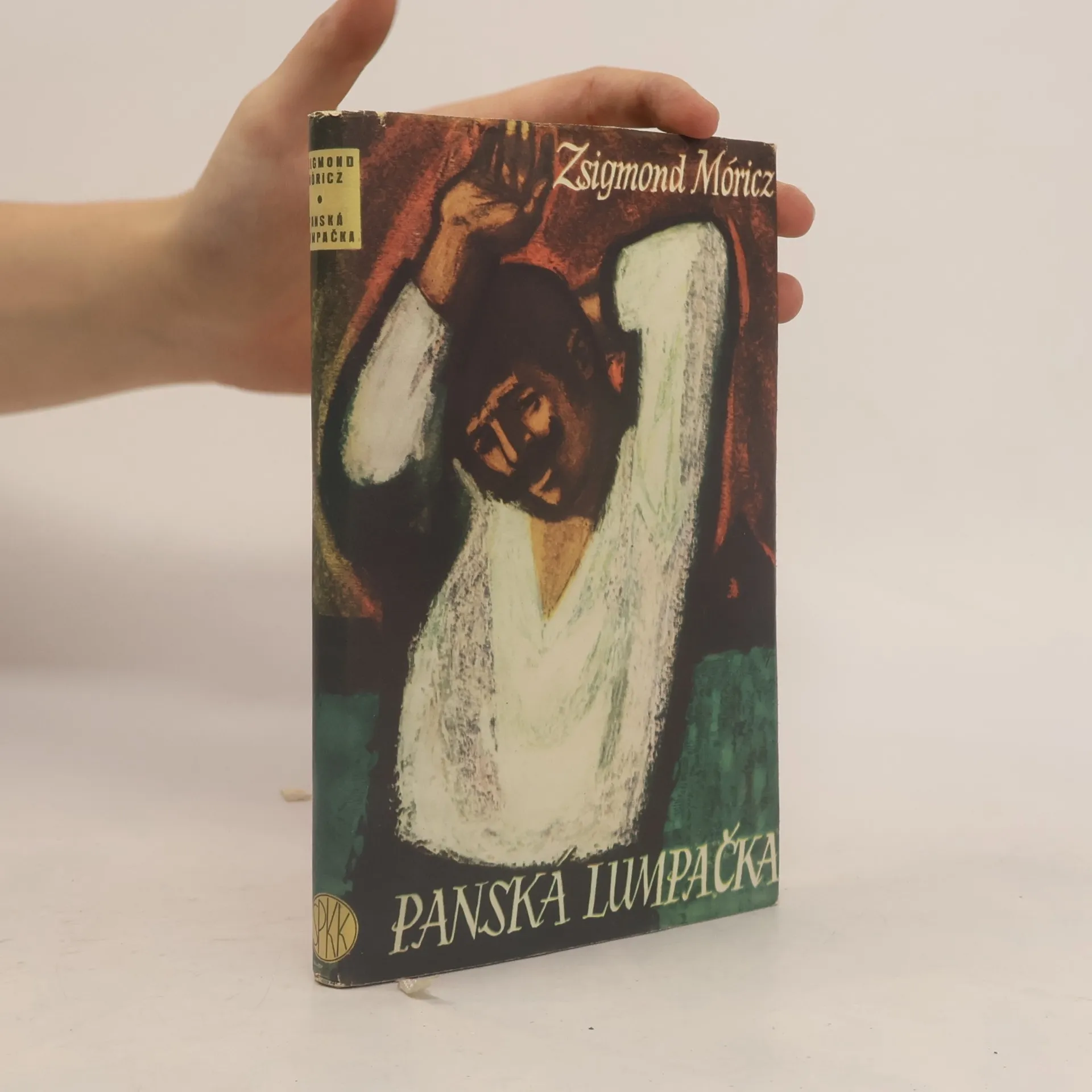
Román jednej z najväčších osobností maďarskej literatúry 20. storočia - Zsigmonda Móricza, zobrazujúci osud "štátneho najdúcha, pritisnutého na samé dno života, vydaného na milosť a nemilosť ... odkrýva pred nami všetky hrôzy a neľudskosti života a spoločnosti vtedajšej doby". Román pritom nie je rozdelený na kapitoly, ale na žalmy.
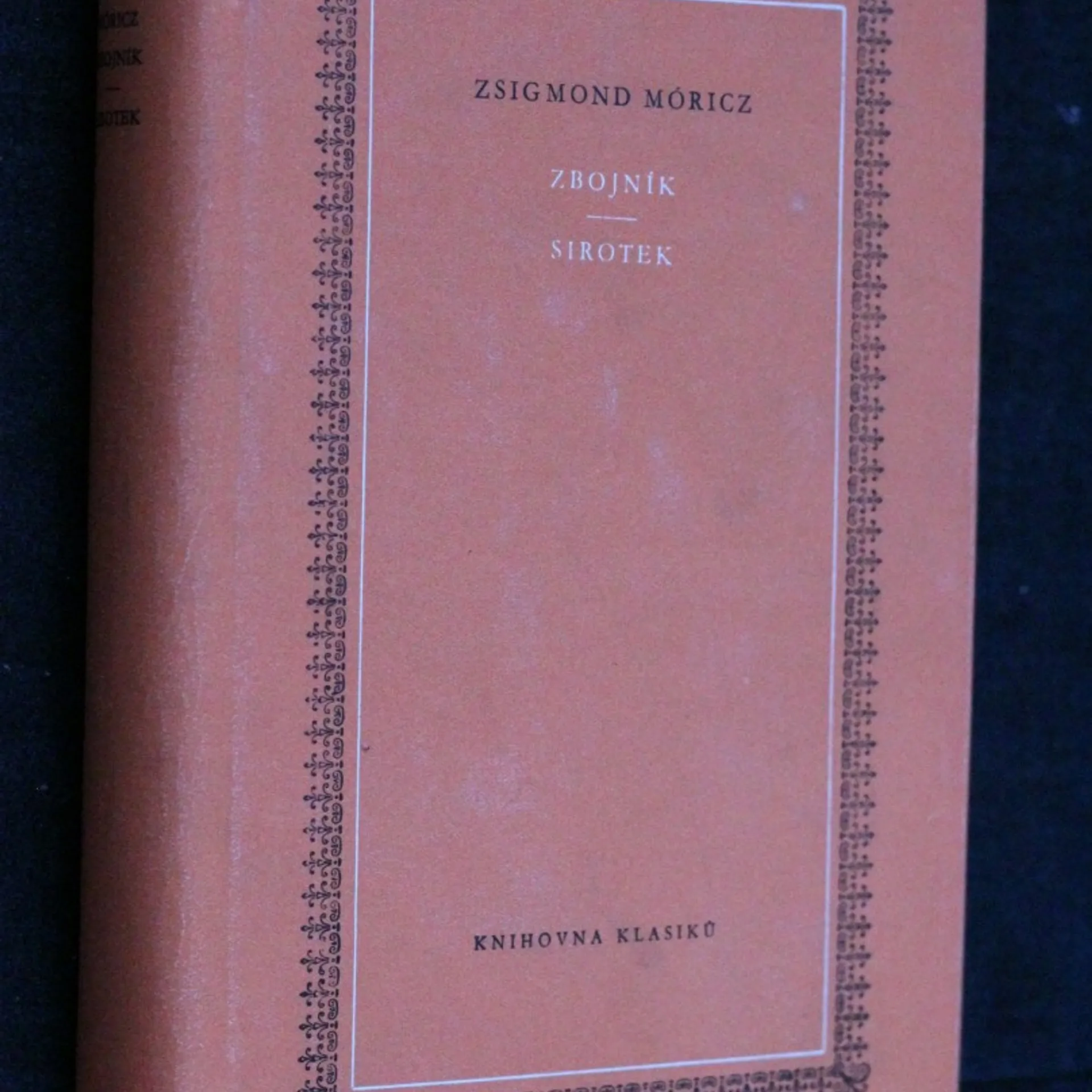
Hrdinou románu Zbojník je chudý rolník Jani Avar, který nesnáší panský útisk trpně, nýbrž ze svého nesnesitelného postavení vidí jediné východisko: stát se zbojníkem. Když vkročí s puškou na rameni do hraběcího zámku, není revolucionářem, je jen rebelem. Sirotek líčí osudy děvčátka z nalezince, které bylo svěřeno sedlákům. Stát připlácí na výchovu a stravu svého sirotka několik pengö měsíčně a malý sirotek také není pro své vychovatele ničím jiným než pramenem snadného výdělku. Chodí nahý a bosý, hladový, okrádán i o ten svůj nepatrný příděl, putuje z místa do místa a není bídy, příkoří a utrpení, kterého by nazakusil.
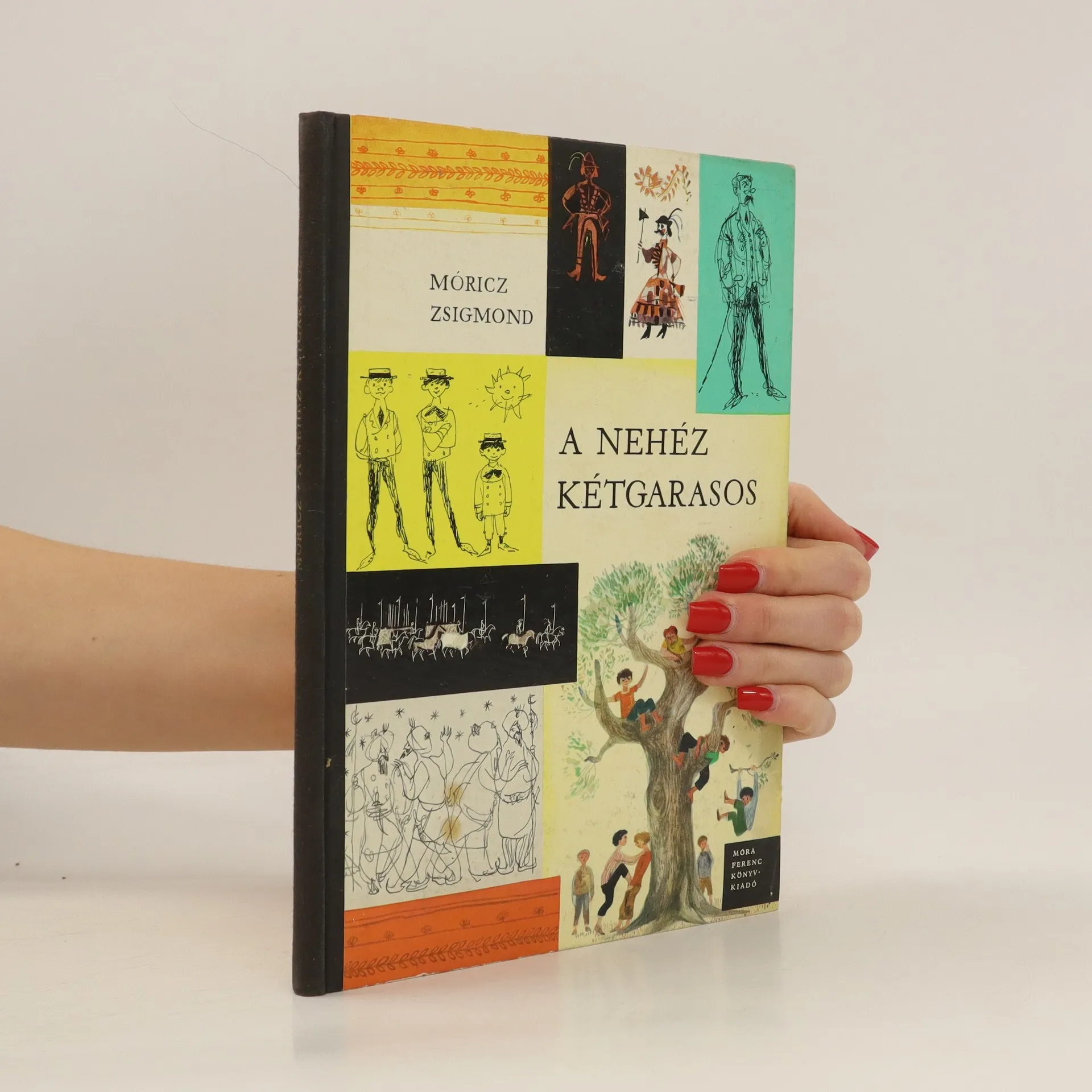
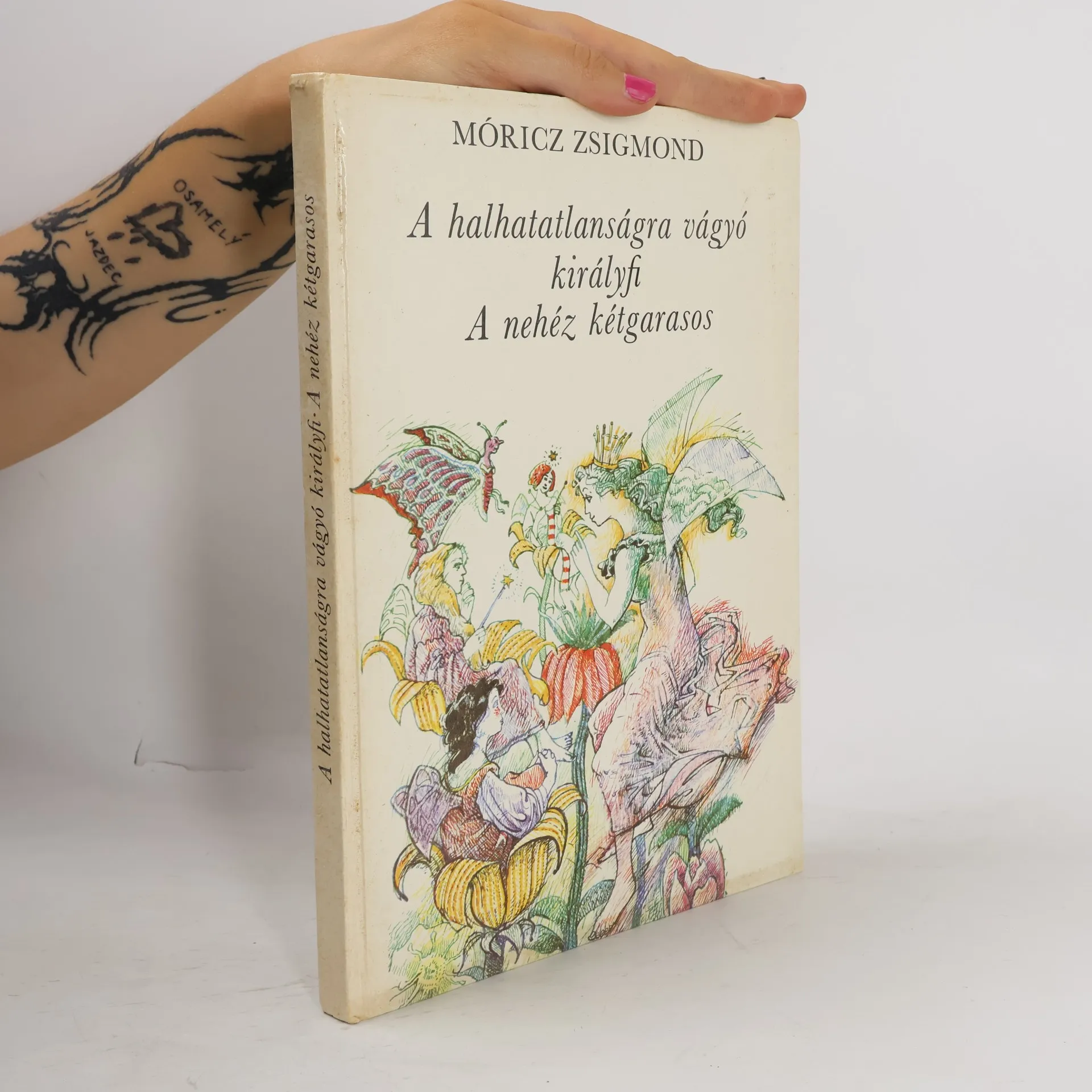
A halhatatlanságra vágyó királyfi. A nehéz kétgarasos
- 176pages
- 7 heures de lecture
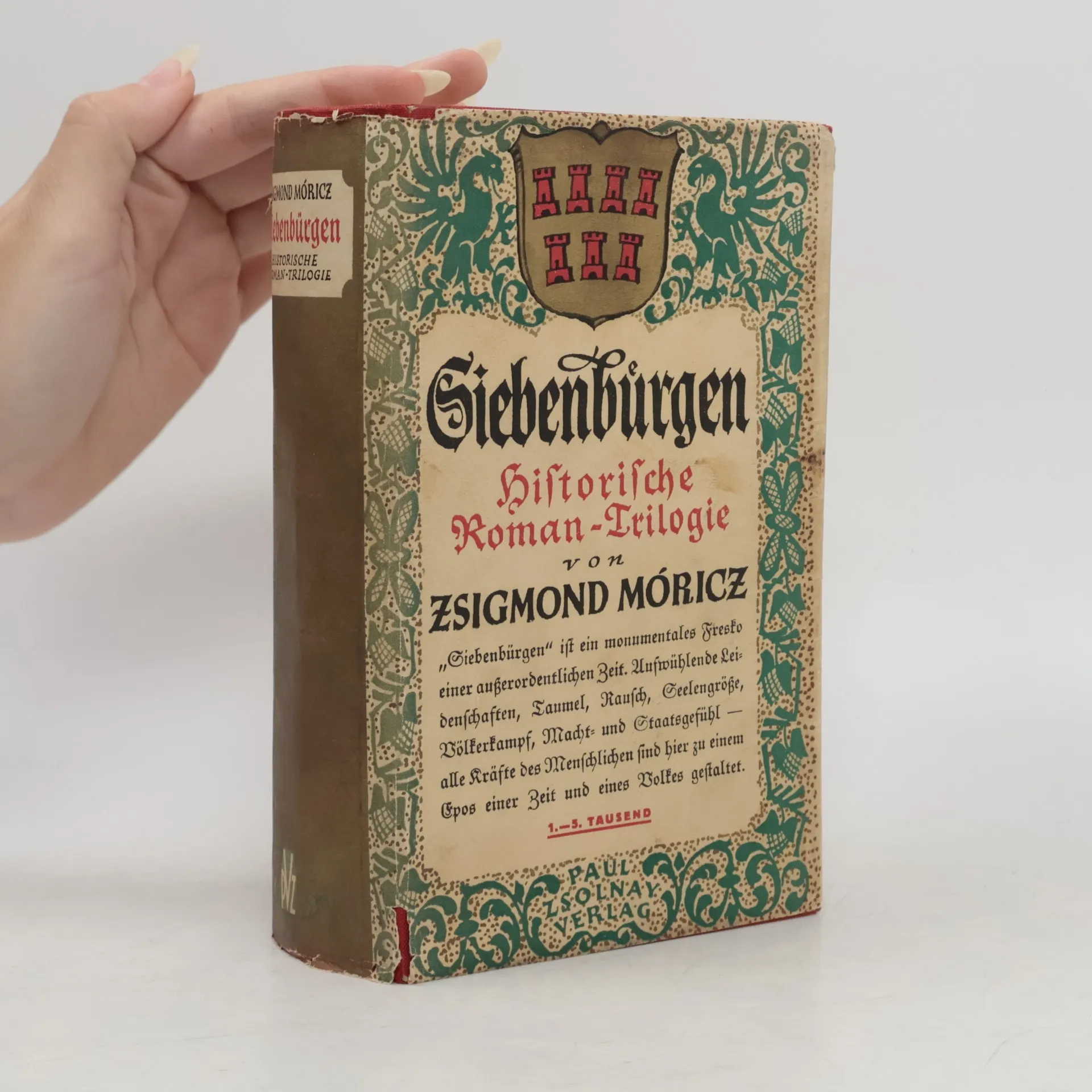
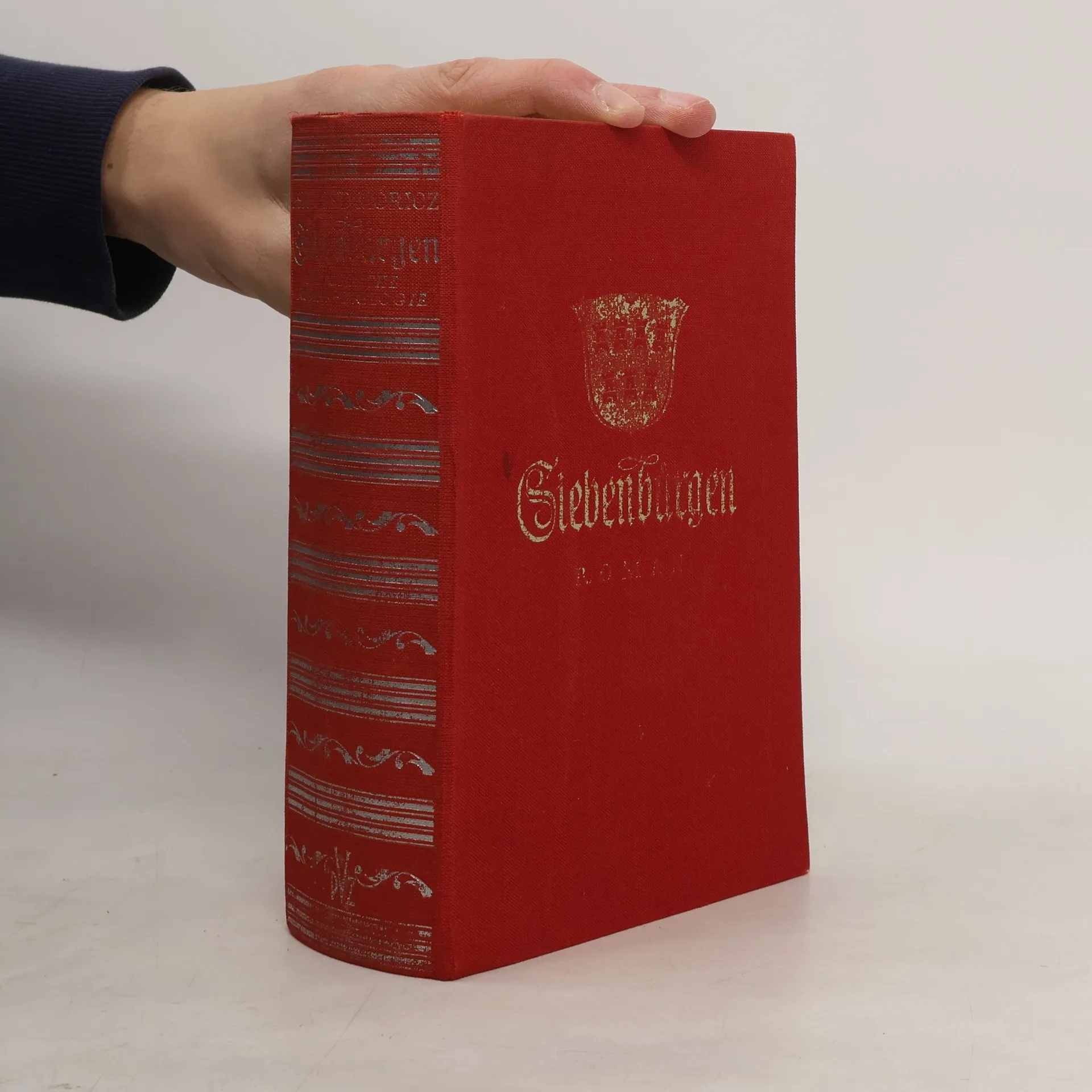
Siebenbürgen
historische Romantrilogie
Dvoudílná románová epopej, torzo ze zamýšlené trilogie, je oslavou legendárního maďarského zbojníka, vylíčeného nejen jako mstitele křivd chudiny, nýbrž i zcela realisticky jako rváče a tyrana. Pokouší se několikrát zanechat zbojnictví, ale vždy je donucen znovu sáhnout k násilí. Zúčastní se revoluce r. 1848 a znechucen pošpiněním boje za svobodu krutostmi a loupežemi, odchází do ústraní.