Egon Schiele : 1890-1918 : umělcova půlnoční duše
- 95pages
- 4 heures de lecture


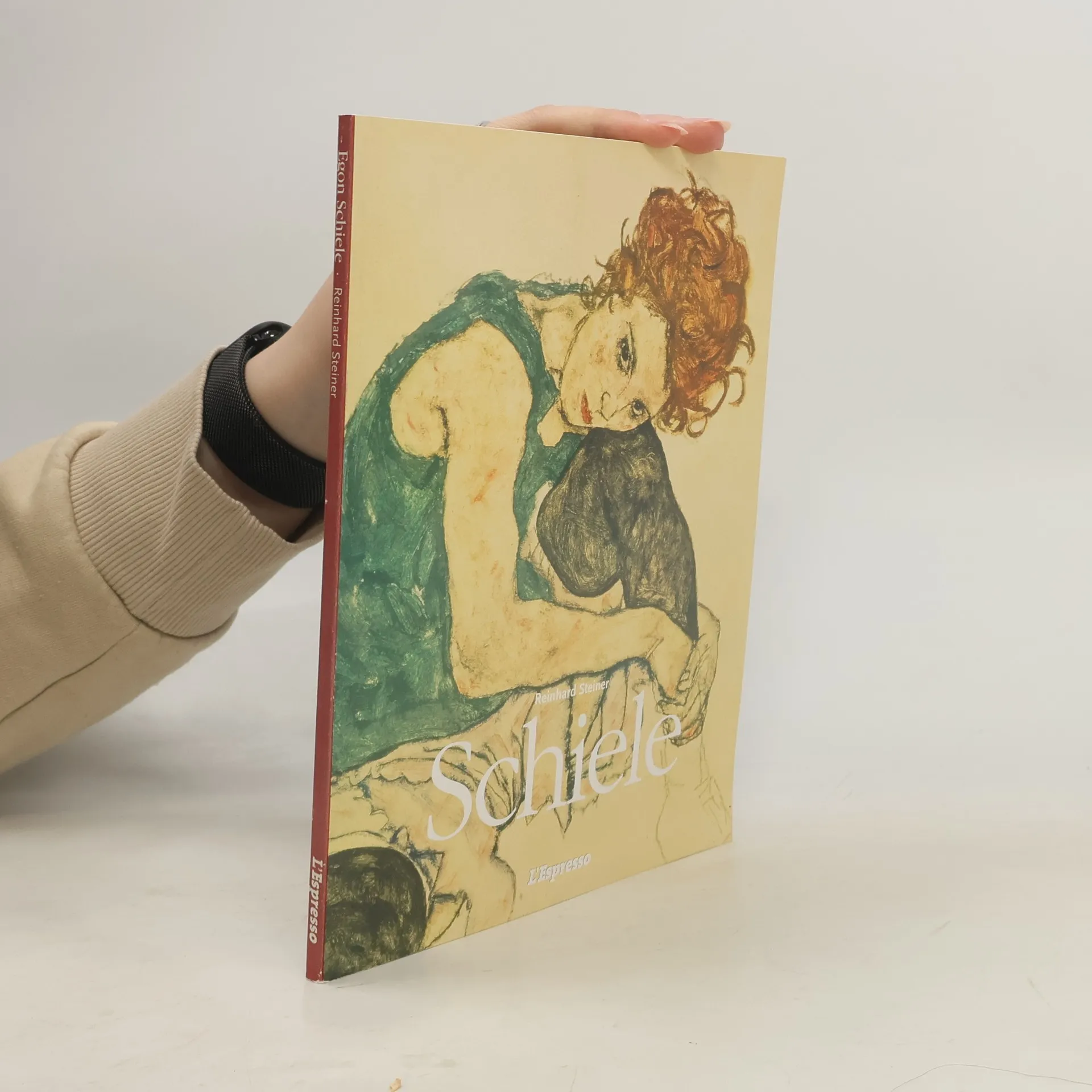
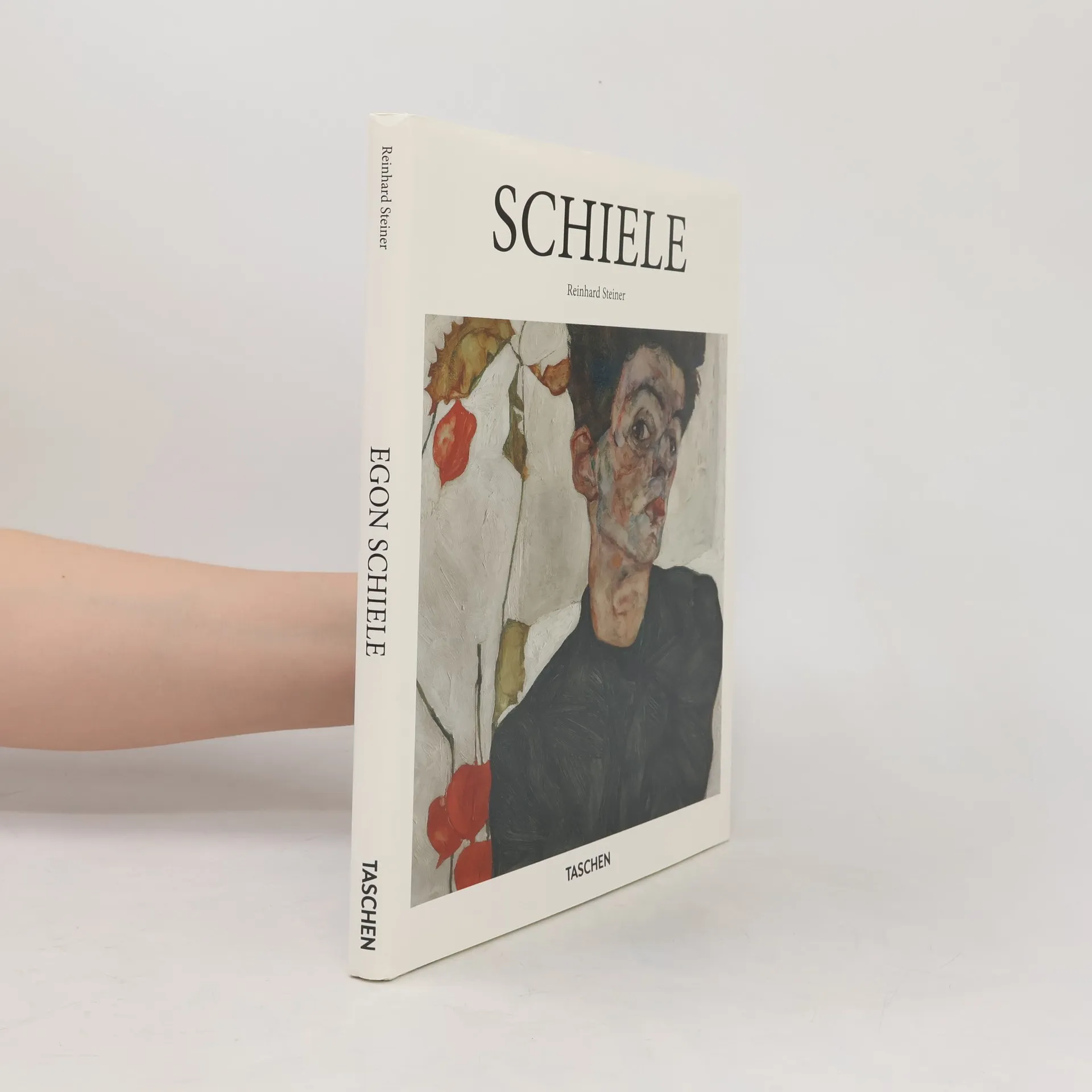
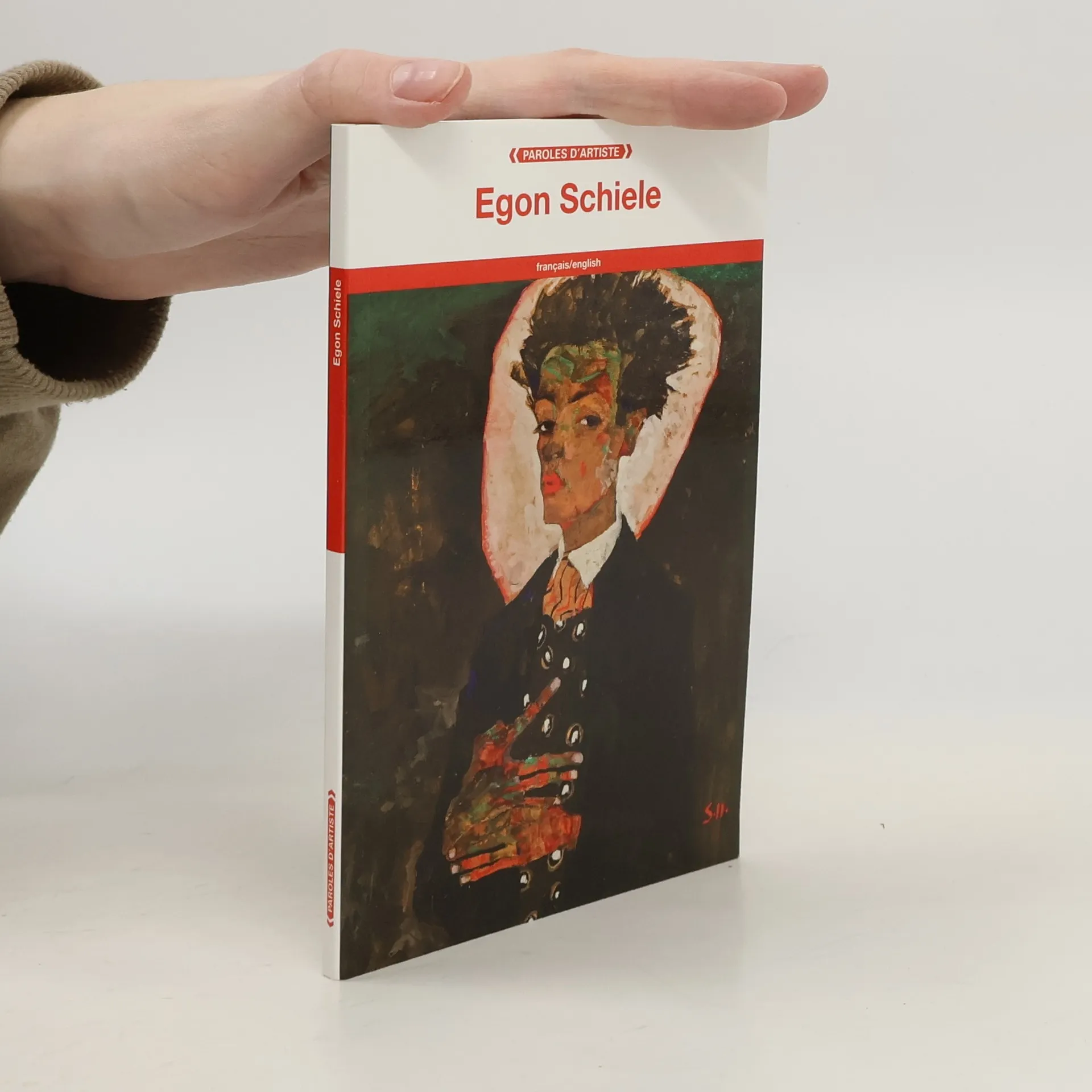
Expressive nudes, strange movements Egon Schiele (1890-1918) is the painter who had the most long-lasting influence on the Vienna art scene after the great era of Klimt came to a close. After a short flirtation with the style of Klimt, his mentor, Schiele soon questioned the aesthetic orientation to the beautiful surface of the Viennese Art Nouveau with his rough and not easily accessible paintings. Many contemporaries found Schiele's expressive nudes and self-portraits, with their strange movements and morbid colours, to be ugly and even morally objectionable—criticism which culminated in criminalizing the painter as 'obscene' and resulted in 1912 in an indictment and short jail sentence. However, not even his harshest critics could dispute the artist's extraordinary drawing talent. This book gives a concise overview of the brief, brilliant career of Egon Schiele.
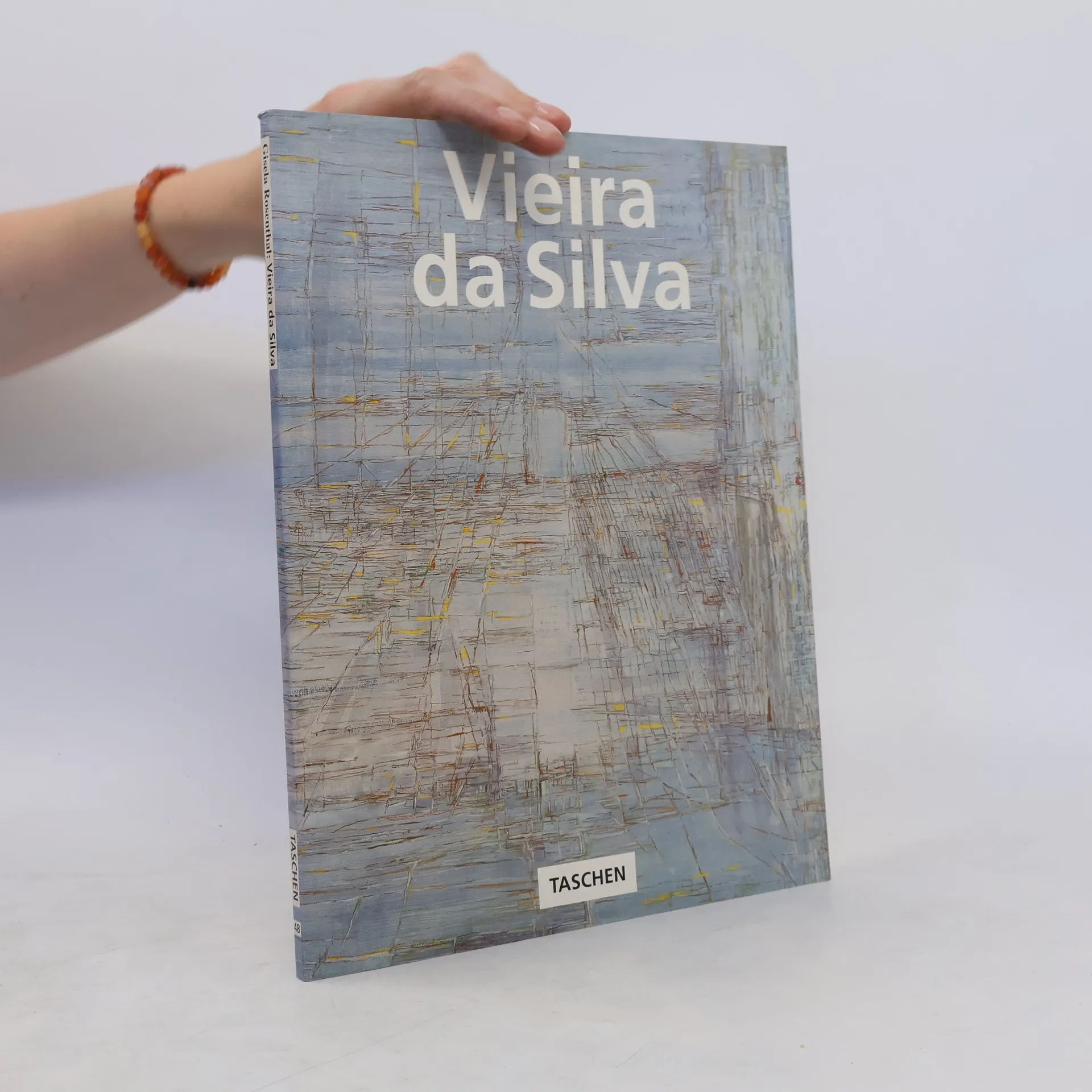
The paintings of Maria-Elena Vieira da Silva are the result of a life-long search for the lost centre of the modern world. This book offers an account of that search, using the artist's paintings as markers of the journey.
With his unique drawing style, distorted figures, and rejection of conventional ideals of beauty, Egon Schiele (1890-1918) was a pioneer of Viennese Expressionism and is considered one of the most impressive portrait painters of the 20th century. Under the influence of his mentor Gustav Klimt, Schiele began with the glittering Art Nouveau but soon developed a rough and provocative aesthetic characterized by harsh lines, bright colors, and emaciated figures. His portraits and self-portraits shocked Viennese society with their erotic poses and an unprecedented psychological and sexual intensity. Often, he or his models, who are sometimes gaunt and sickly, sometimes strong and sensual, crouch on the ground with spread legs and visible genitals, staring at the viewer. Many contemporaries found his works not only ugly but also morally reprehensible, leading to a brief imprisonment for "dissemination of immoral drawings." Today, Schiele is celebrated for his revolutionary representation of humanity and his unmistakable, feverish drawing style. The book introduces Schiele's short but intense career through selected works and highlights his enormous influence on modern art, which is also reflected in the work of contemporary artists like Tracey Emin and Jenny Saville.