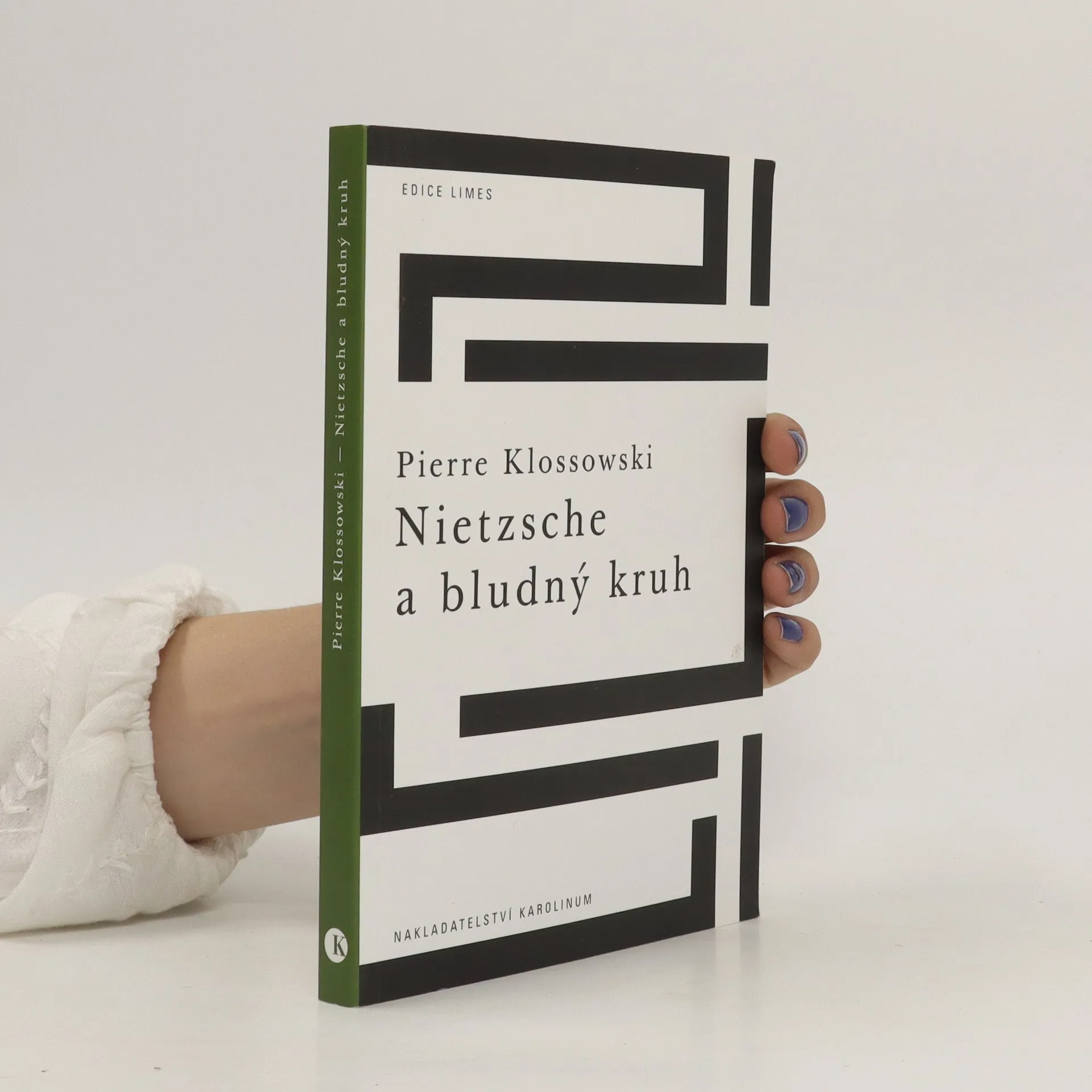
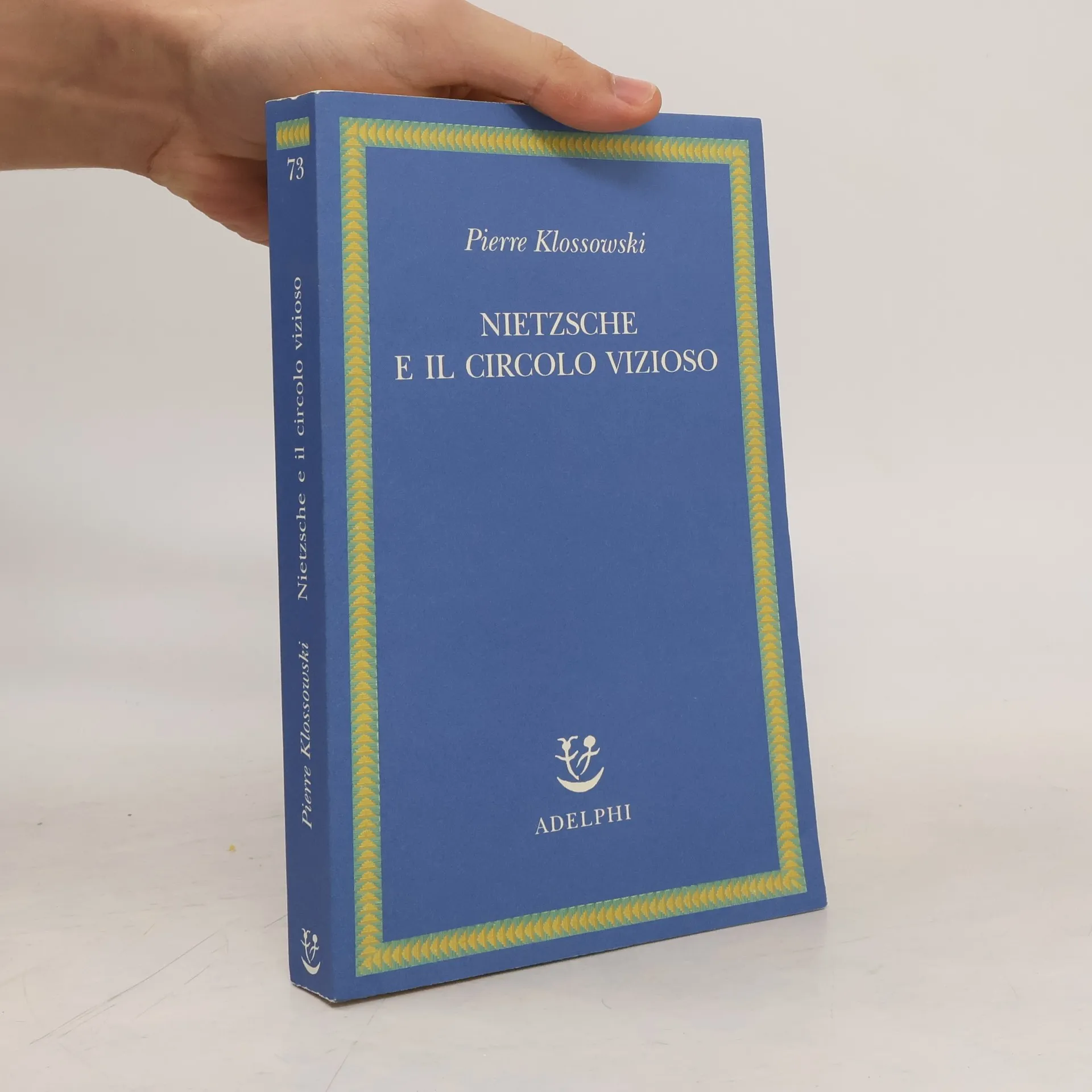
Spolu s Nietzschem Gillesa Deleuze, jemuž je Klossowského kniha věnována, patří Nietzsche a bludný kruh (1969) k nejvýznamnějším dokumentům francouzského nietzscheánství. Michel Foucault o ní řekl, že je to největší filosofická kniha, jakou kdy četl – vedle Nietzscheho samotného. Klossowski coby znalec a překladatel Nietzschovy nevydané pozůstalosti rozvíjí s využitím četných citátů úvahu na pomezí filologie, filosofie a básnictví, v níž Nietzscheho představuje jakožto snad vůbec nejradikálnějšího materialistu, pisatele, který promýšlí i sebe sama – své iluzivní já – coby pole pudů, myšlenek a jejich vzájemných střetů. Podle Klossowského nevycházejí Nietzscheovy myšlenky z osobní patologie, nýbrž jsou patologicky používány, přičemž ukotvení nacházejí ve filosofových proměnlivých tělesných a mentálních stavech. Domnělé nietzscheánské teze typu „věčného návratu“ či „vůle k moci“ jsou u Klossowského znovu vpleteny do tkáně souvislostí a rozporů, z nichž se nikdy nemohou zcela osvobodit: odtud „bludný kruh“ v názvu. Kniha se stala zásadním textem pro obnovený zájem o Nietzschovo dílo v sedmdesátých letech a výrazně ovlivnila řadu klasických textů moderní filosofie.
Pierre Klossowski Ordre des livres (chronologique)
Pierre Klossowski était un écrivain, artiste et traducteur français dont l'œuvre explore souvent les aspects plus sombres de la psychologie humaine et des conventions sociales. Son écriture aborde des thèmes tels que le désir, l'obsession et l'illusion avec une profonde perspicacité philosophique. À travers ses textes provocateurs, Klossowski remet en question les cadres moraux et éthiques traditionnels, invitant les lecteurs à contempler les complexités de la nature humaine. Son style littéraire unique, influencé par son parcours artistique, confère à ses œuvres une atmosphère distinctive et une profondeur intellectuelle.


'I should have written you after my first reading of The Living Currency; it was already breath-taking and I should have responded. After reading it a few more times, I know it is the best book of our times.' Letter to Pierre Klossowski from Michel Foucault, winter 1970. Living Currency is the first English translation of Klossowski's La monnaie vivante. It offers an analysis of economic production as a mechanism of psychic production of desires and is a key work from this often overlooked but wonderfully creative French thinker.
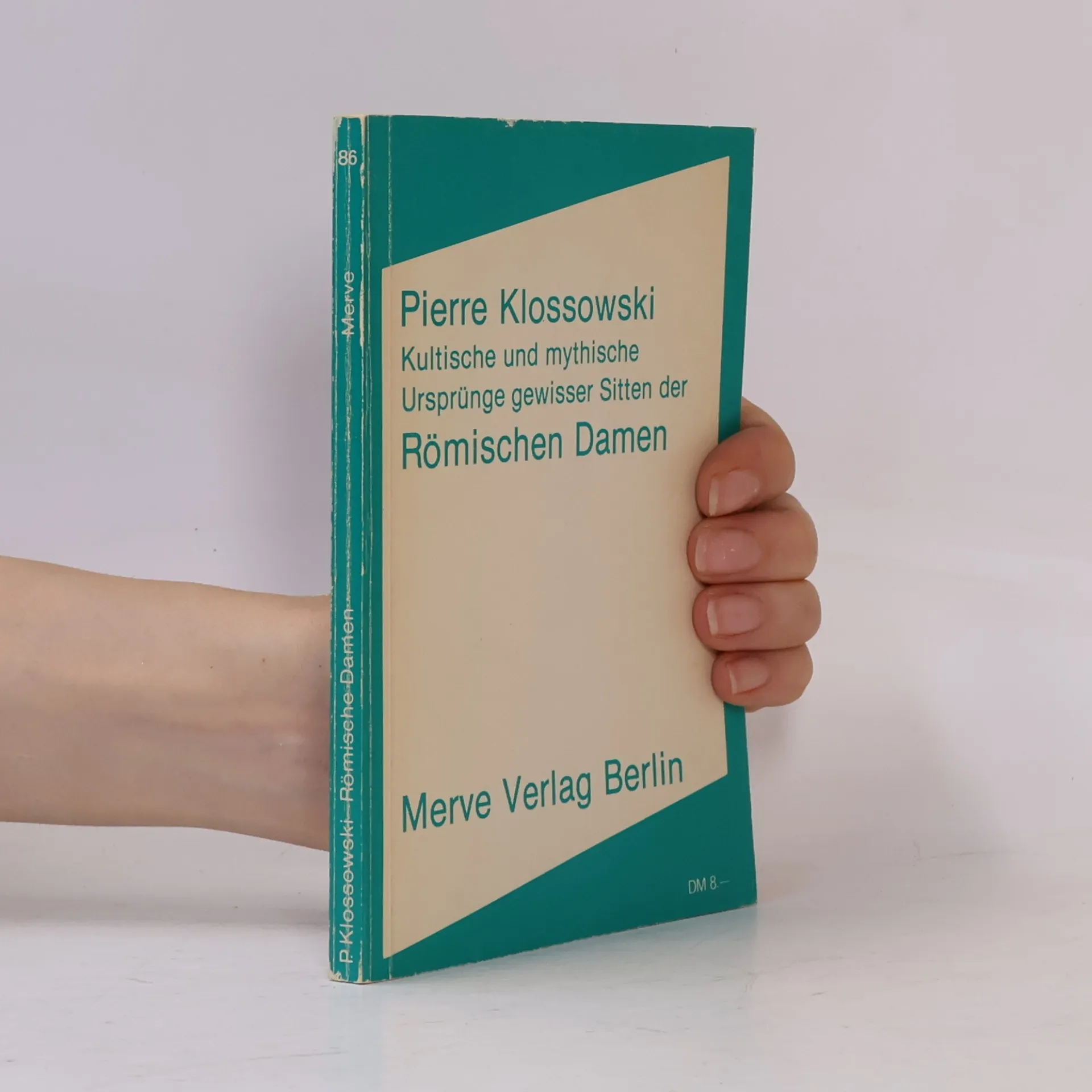
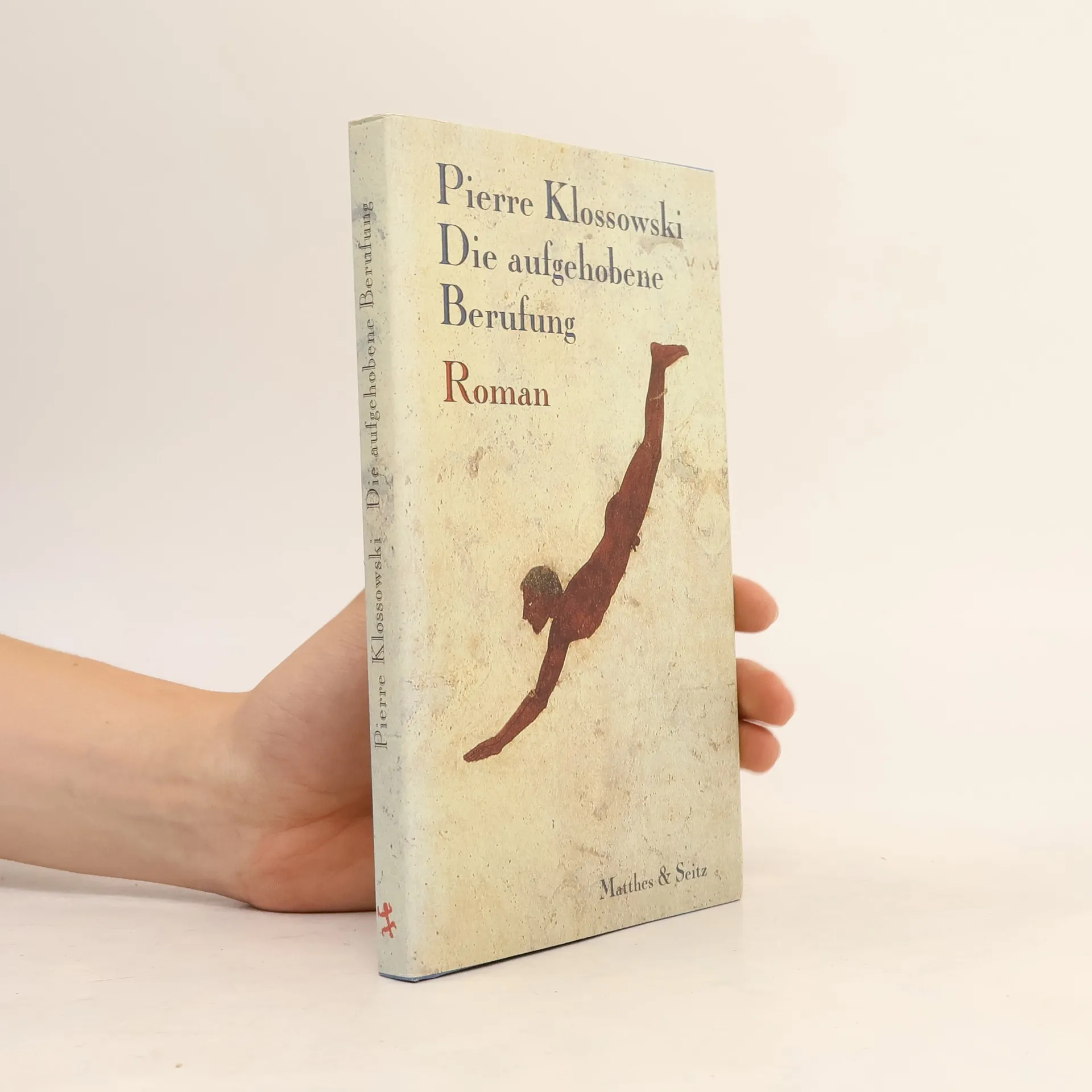
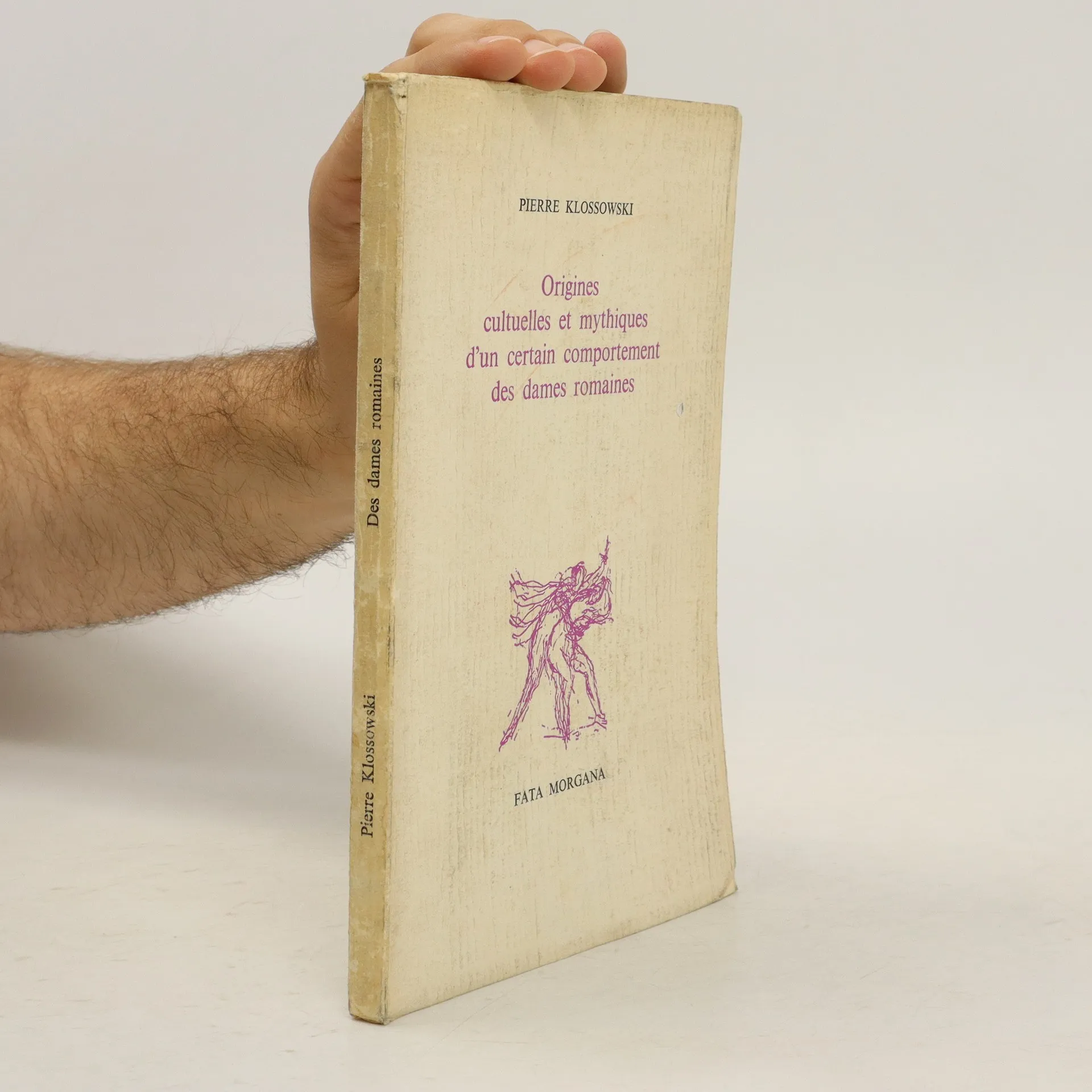
Kultische und mythische Ursprünge gewisser Sitten der römischen Damen
- 88pages
- 4 heures de lecture
Ein Traktat über den römischen Erotismus. Ein Essay über das Verhältnis von Mutterrecht und Prostitution. Ein Exkurs zu den Gesetzen der Gastfreundschaft. Eine Digression zu Bachofens 'Mutterrecht'. Eine Anmerkung zur damenhaften Wende der Frauenbewegung. Die Ausführung einer Fußnote zum Bad der Diana. Eine Fortschreibung antiker Mythologie. Eine Erinnerung an den Geschichtsunterricht in den Gymnasien. Ein Text über die weibliche Kunst verführerischer Darbietung / imitierter Verführung, verschwenderischer Hingabe / vernichtender Verausgabung, Initiation / Mime.
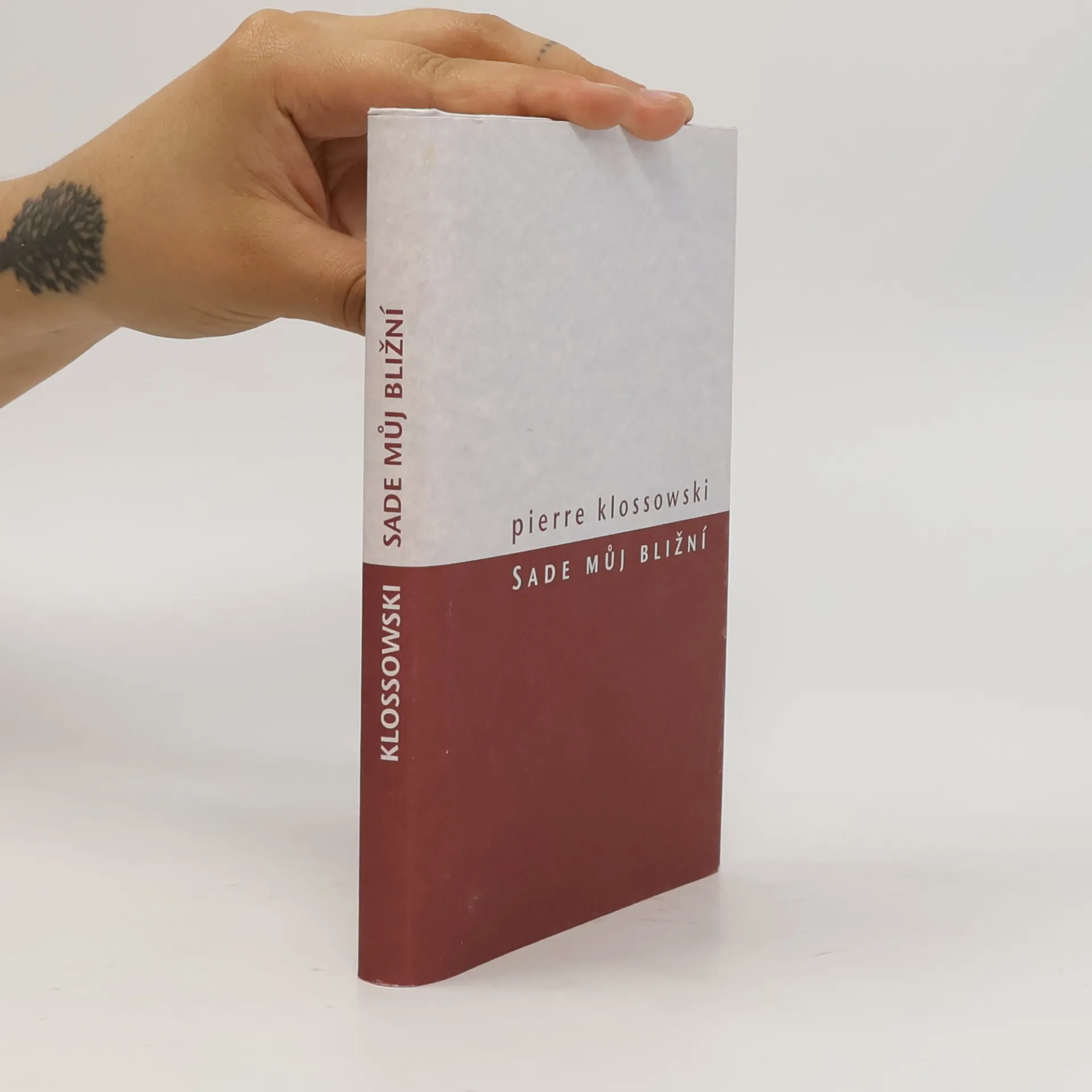
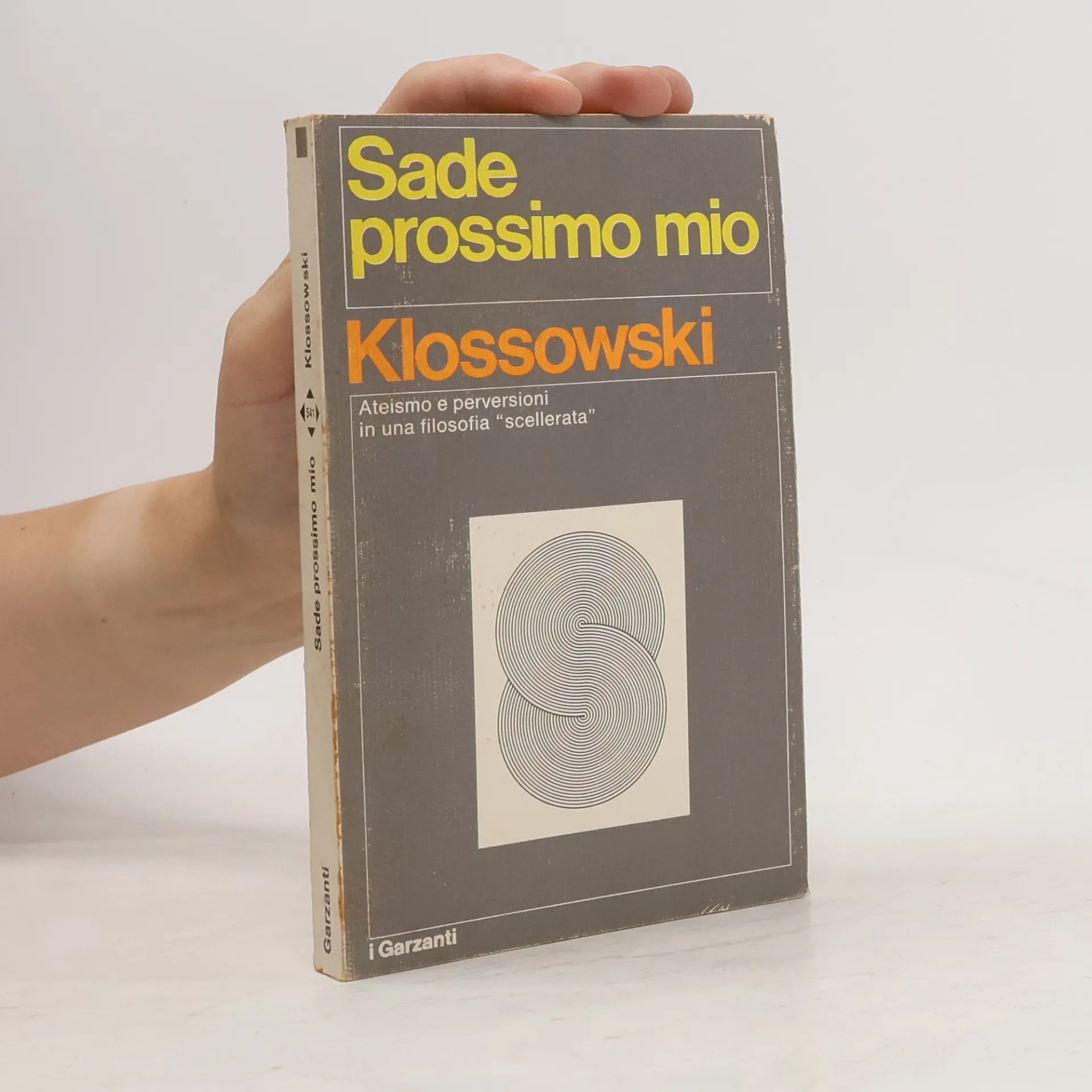
Sade můj bližní
- 167pages
- 6 heures de lecture
Soubor studií vznikající v průběhu třicátých a čtyřicátých let, je bezpochyby jednou z nejvýznamnějších knih, jaké byly Sadovu dílu kdy věnovány. Představuje podrobný rozbor východisek a hlavních motivů Sadova myšlení, které se takto vyjevuje nikoli jako marginální produkt perverze, ale jako svébytný filosofický systém s vlastními zákony a s vlastní logikou. Jestliže v raných textech Klossowski interpretuje Sadův ateismus jako produkt jakéhosi "nešťastného vědomí", v pozdějším textu, nazvaném "Filosof zločinu", vykládá Sadovy texty na základě vztahu mezi perverzním gestem a jeho literárním popisem.
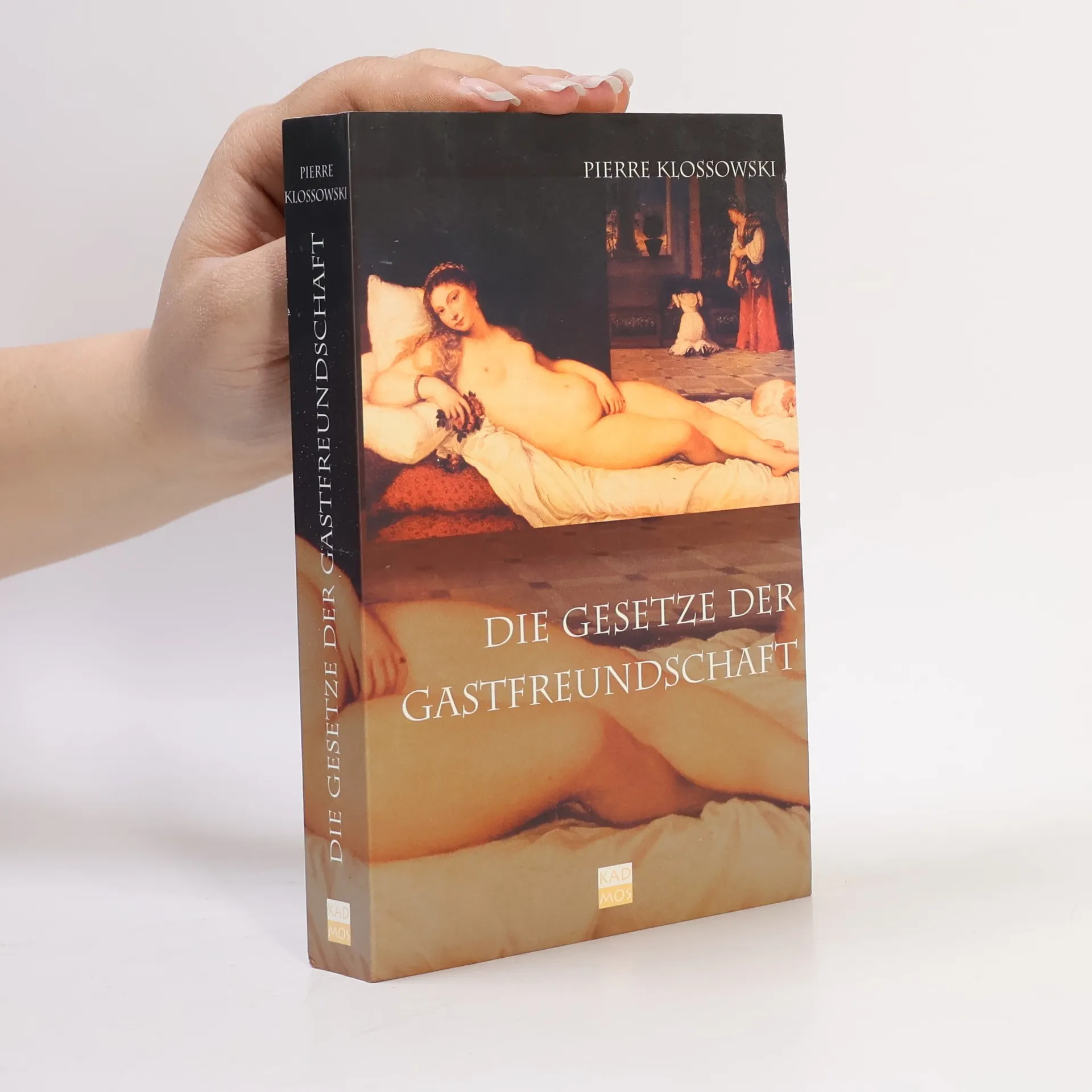
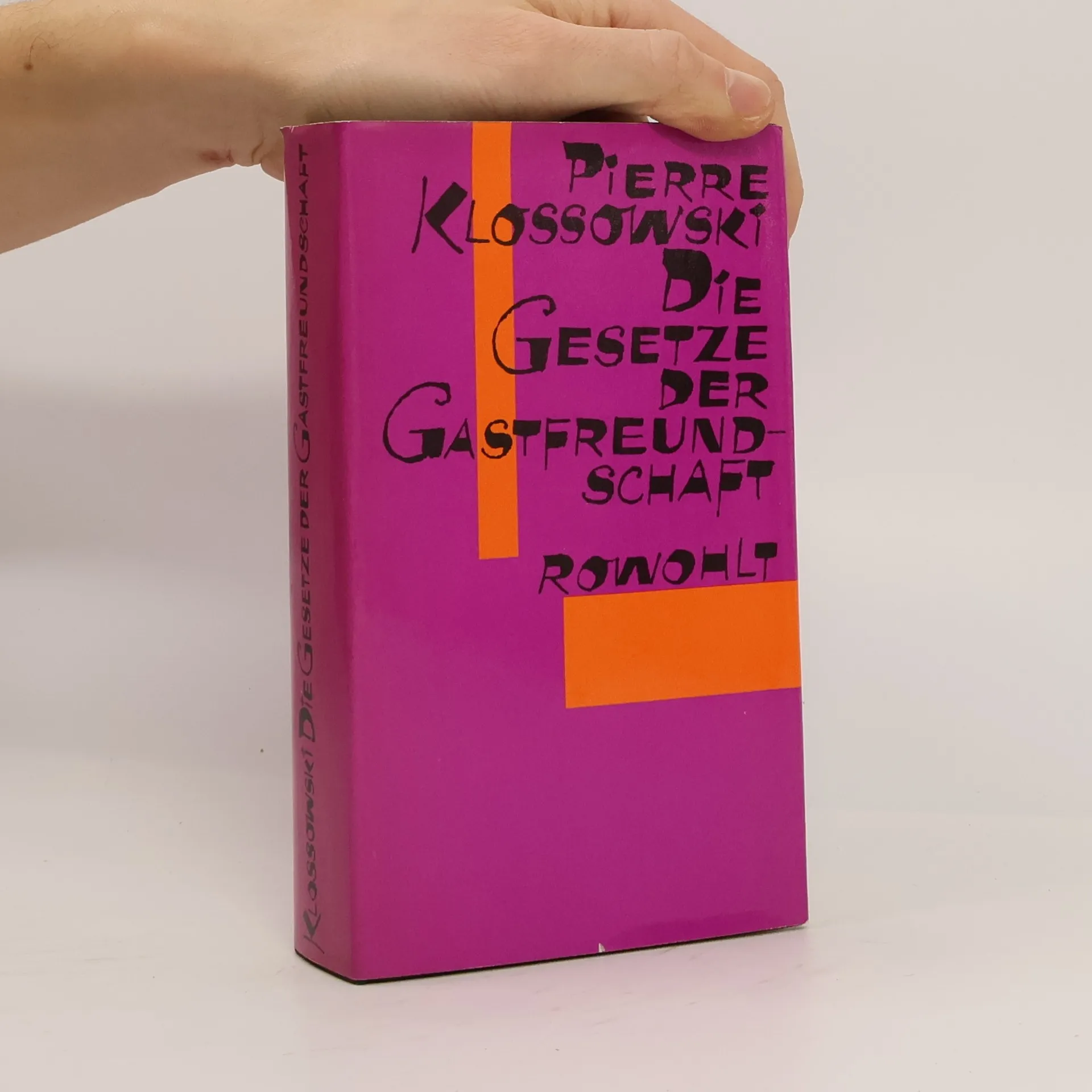
"Die Gesetze der Gastfreundschaft" ist Klossowskis bekanntestes Werk und umfasst die "Roberte"-Trilogie. Der Roman behandelt die von Christentum geprägte Sexualität und reflektiert die Kunst. Mit einer Zweideutigkeit der Handlungselemente lädt Klossowski den Leser ein, an einem Mysterium teilzuhaben.
Jerome wechselt von der Gottesliebe zur körperlichen Liebe zu einer Frau und strebt eine keusche Ehe mit Theo an, wobei seine Gottlosigkeit ebenfalls göttlichen Ursprungs ist.
Sade – mein Nächster
- 174pages
- 7 heures de lecture
Klosswoski liest Sade im Lichte der Französischen Revolution, die in der Hinrichtung des Königs zugleich die symbolische Tötung Gottes vollzieht. Dieser unvorstellbare Mord kann nur eine ebenso unvorstellbare Konsequenz haben: die Heraufkunft des integralen Menschen. In verzweifelten Versuchen, die radikale Zerstörung von Gott, Natur und Umwelt zu legitimieren, streben Sades Protagonisten nach einem Begriff uneingeschränkter Freiheit. Klossowskis Sade-Lektüre ist eine philosophische Auseinandersetzung mit der Abwesenheit Gottes, die sich dem Atheisten in Gestalt undurchdringlicher, vernunftwidriger Kräfte entgegenstellt. Dabei erweist sich Sades vorgeblicher Atheismus als Maske, unter der sich manichäische und gnostische Motive verbergen. Als erster großer Aufklärungskritiker hält Sade der atheistischen Rationalität den Spiegel vor, indem er zeigt, dass in ihr monotheistische Normen weiterleben.
Pierre Klossowski: Wiener Secession
- 159pages
- 6 heures de lecture
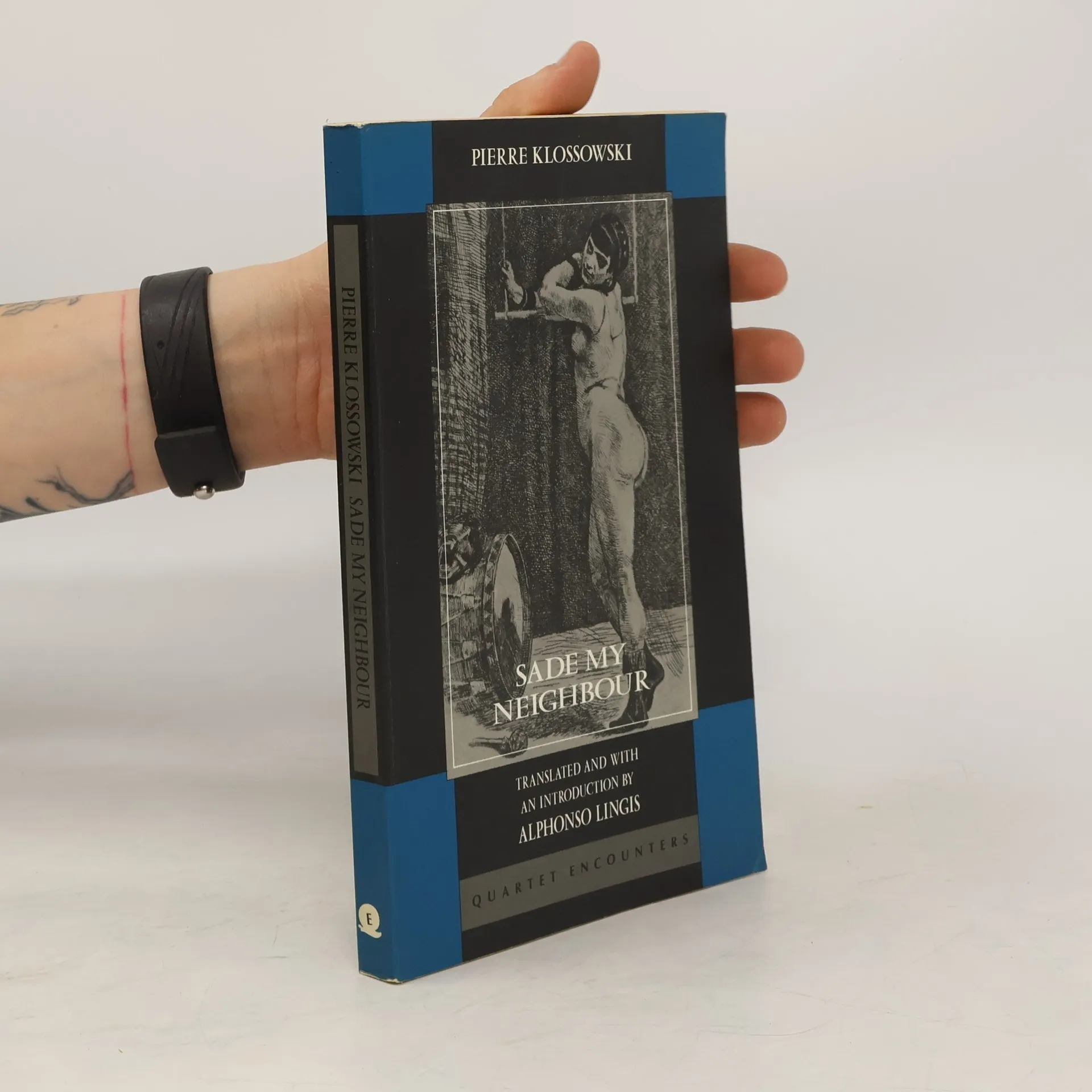
Sade My Neighbour
- 166pages
- 6 heures de lecture
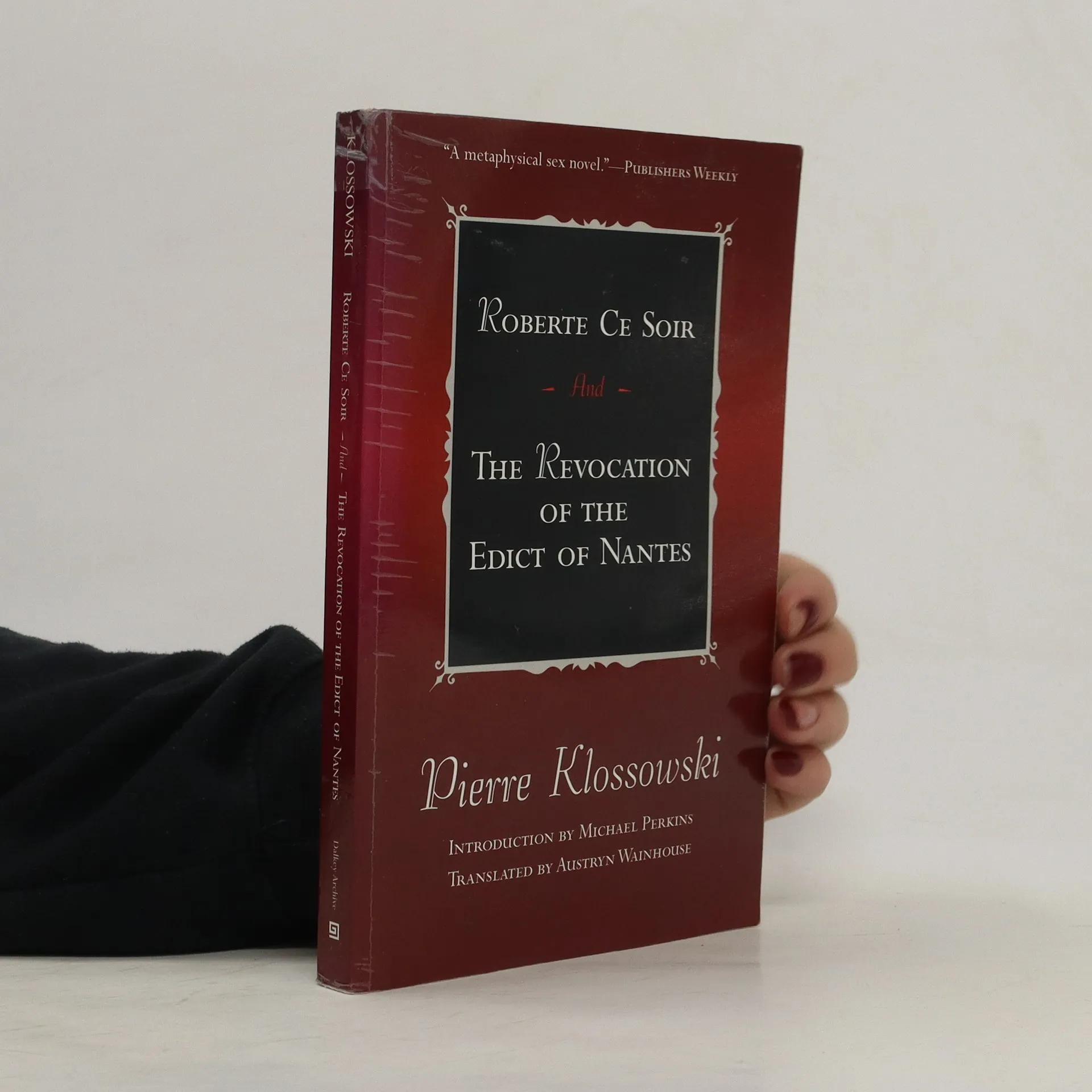
Together these two novels comprise the most fascinating, obsessive, and erotic works of contemporary French fiction. Like the works of Georges Bataille, and those of the Marquis de Sade before him, Klossowski's fiction explores the connections between the mind and the body through a lens of sexuality. Both of these novels feature Octave, an elderly cleric; his striking young wife Roberte; and their nephew, Antoine in a series of sexual situations. But Klossowski's books are about theology as well, and this merging of the sexual with the religious makes this book one of the most painstakingly baroque and intellectual novels of our time.
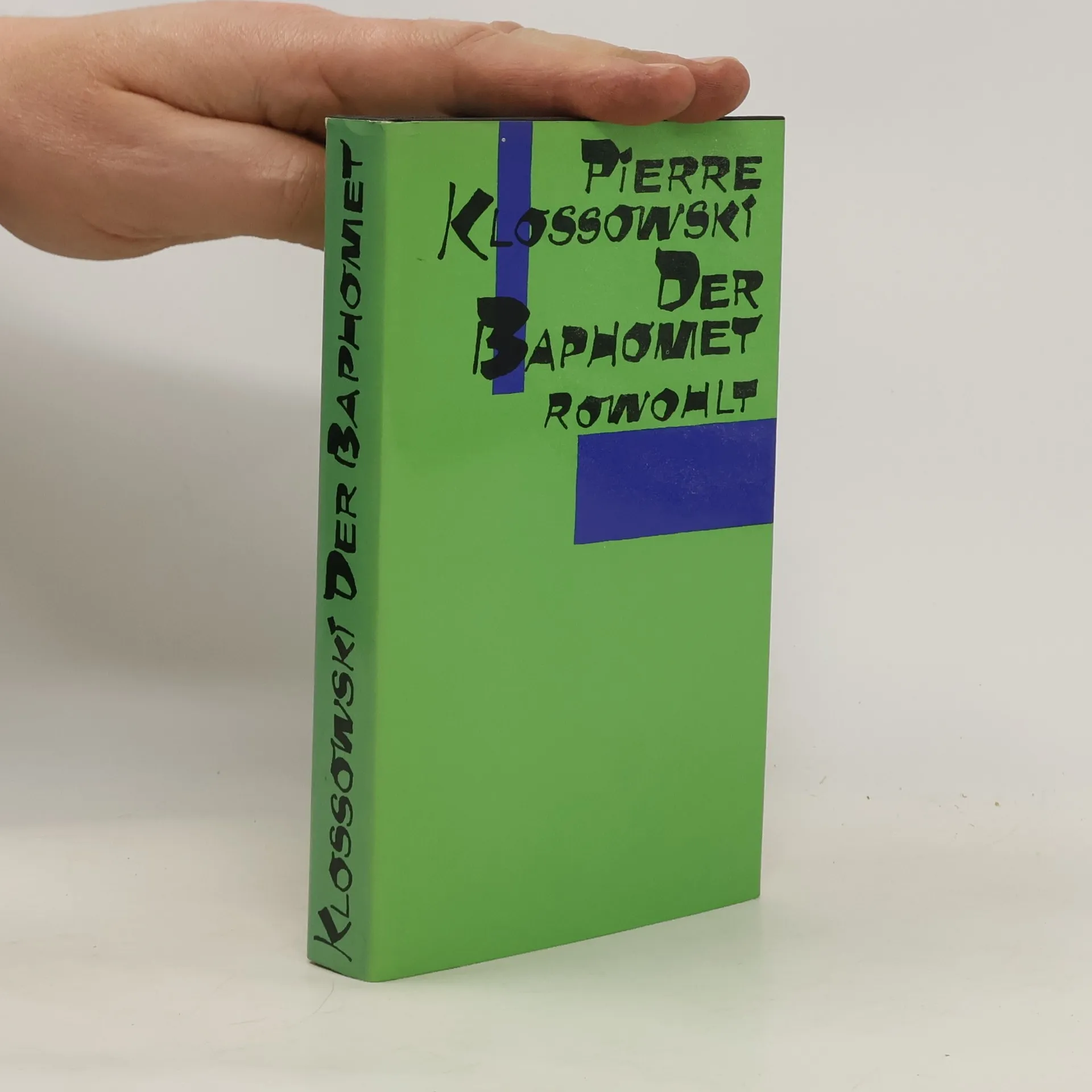
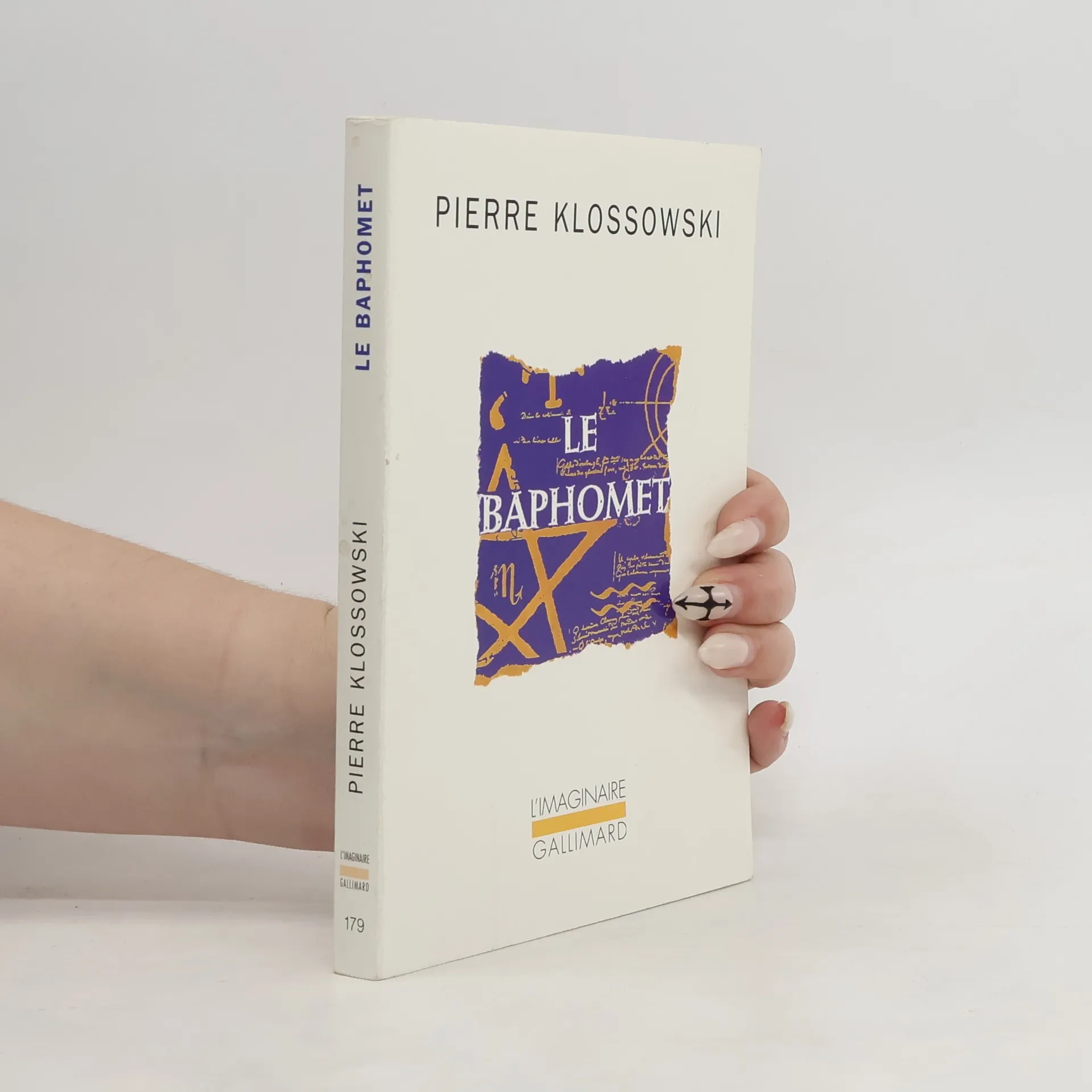
Le Baphomet
- 232pages
- 9 heures de lecture
La 4ème de couv. indique : "Le Baphomet, transformant en mythe la légende des Templiers, traduit, avec une somptuosité baroque, cette expérience de l'éternel retour – assimilée ici aux cycles de la métempsycose et rendue par là plus comique que tragique (à la manière de certains contes orientaux). Tout se passe dans un au-delà tourbillonnaire – royaume des esprits –, où il est naturel que, sous une lumière d'invisibilité, toutes les vérités perdent leur éclat, où Dieu n'est plus qu'une sphère lointaine et fort diminuée, où la mort surtout a perdu sa toute-puissance et jusqu'à son pouvoir de décision : ni immortels ni mortels, livrés au perpétuel changement qui les répète, absents d'eux-mêmes dans le mouvement d'intensité qui est leur seule substance et fait de leur être identique un jeu, une ressemblance sans rien à quoi ressembler, une inimitable imitation, tels sont les "souffles", paroles d'esprit ou paroles d'écrivain, comme sont telles les figures et les œuvres formées par ces paroles."
Saggi. Nuova serie - 73: Nietzsche e il circolo vizioso
- 360pages
- 13 heures de lecture
Questo libro occupa una posizione unica nella vasta serie di scritti su Nietzsche. Con audace fedeltà alla sua idiosincrasia, Klossowski dimostra una straordinaria capacità di percepire i fantasmi ossessivi e di muoversi nell'oscura zona di osmosi tra fisiologia, psicologia e metafisica. Ha creato un libro-labirinto all'interno di un altro labirinto: gli scritti di Nietzsche degli ultimi anni, caratterizzati dall'Eterno Ritorno, dal progetto di un'opera intitolata La volontà di potenza e dai messaggi dell'«euforia di Torino». Le interpretazioni di Nietzsche si dividono su questo punto: si tratta di anni di lucidità crescente o di follia? Klossowski affronta questa questione affermando che il pensiero di Nietzsche «ruota attorno al delirio come attorno al proprio asse». Questo stabilisce una distanza incolmabile tra il suo pensiero e la tradizione filosofica occidentale, segnando un divario iniziale con il Caos. Per mantenere il contatto con la singolarità di Nietzsche, Klossowski sceglie un percorso arduo, lasciandosi trasportare «dal mormorio, dal respiro, dalle esplosioni di collera e di risa» di una prosa unica nella lingua tedesca. Così, più che l'articolazione dei concetti, segue le «fluttuazioni d'intensità» di quella «tonalità dell'anima» che era Nietzsche stesso, intrecciando le parole dell'autore con quelle dell'esegeta in un perpetuo dialogo.
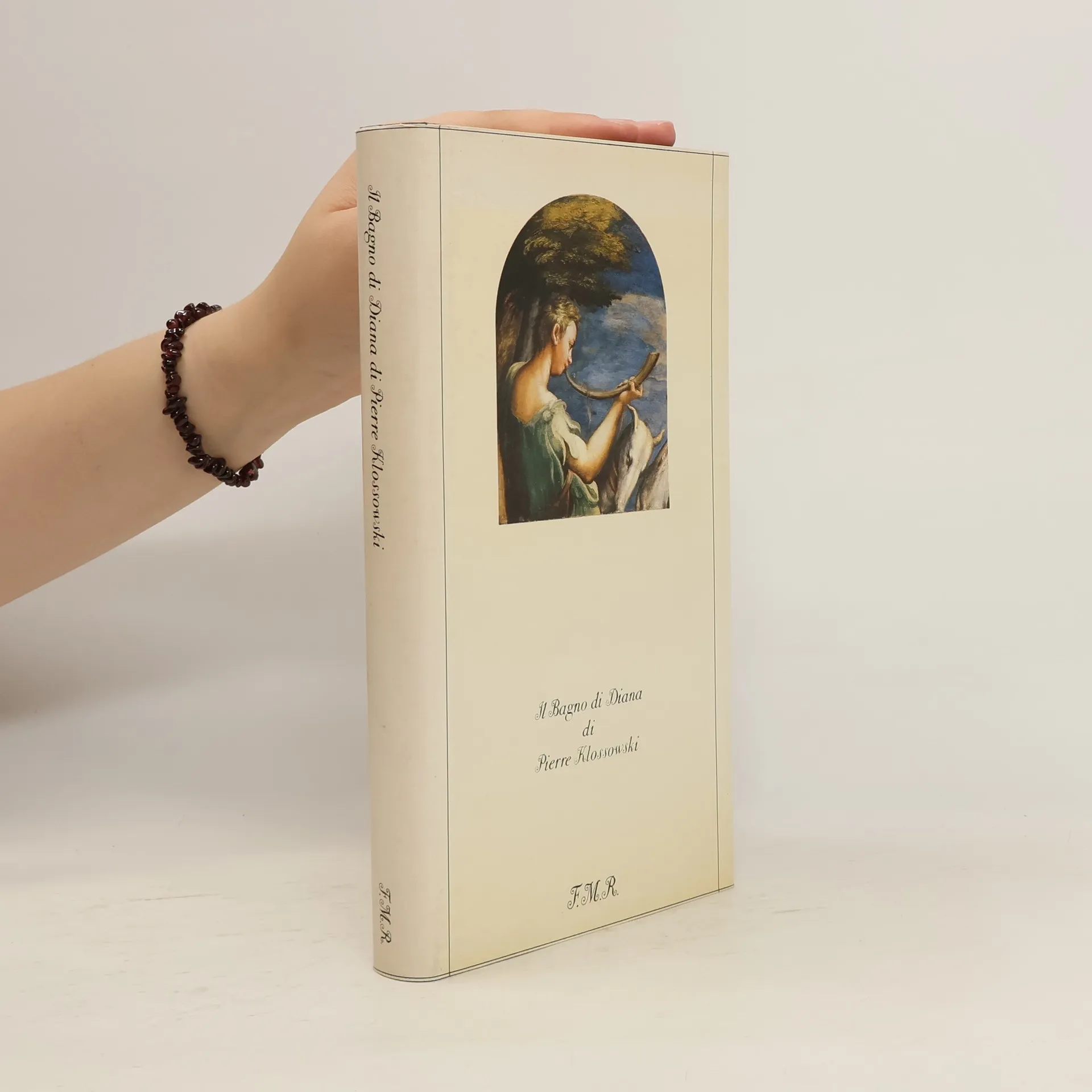
Il bagno di Diana
- 167pages
- 6 heures de lecture
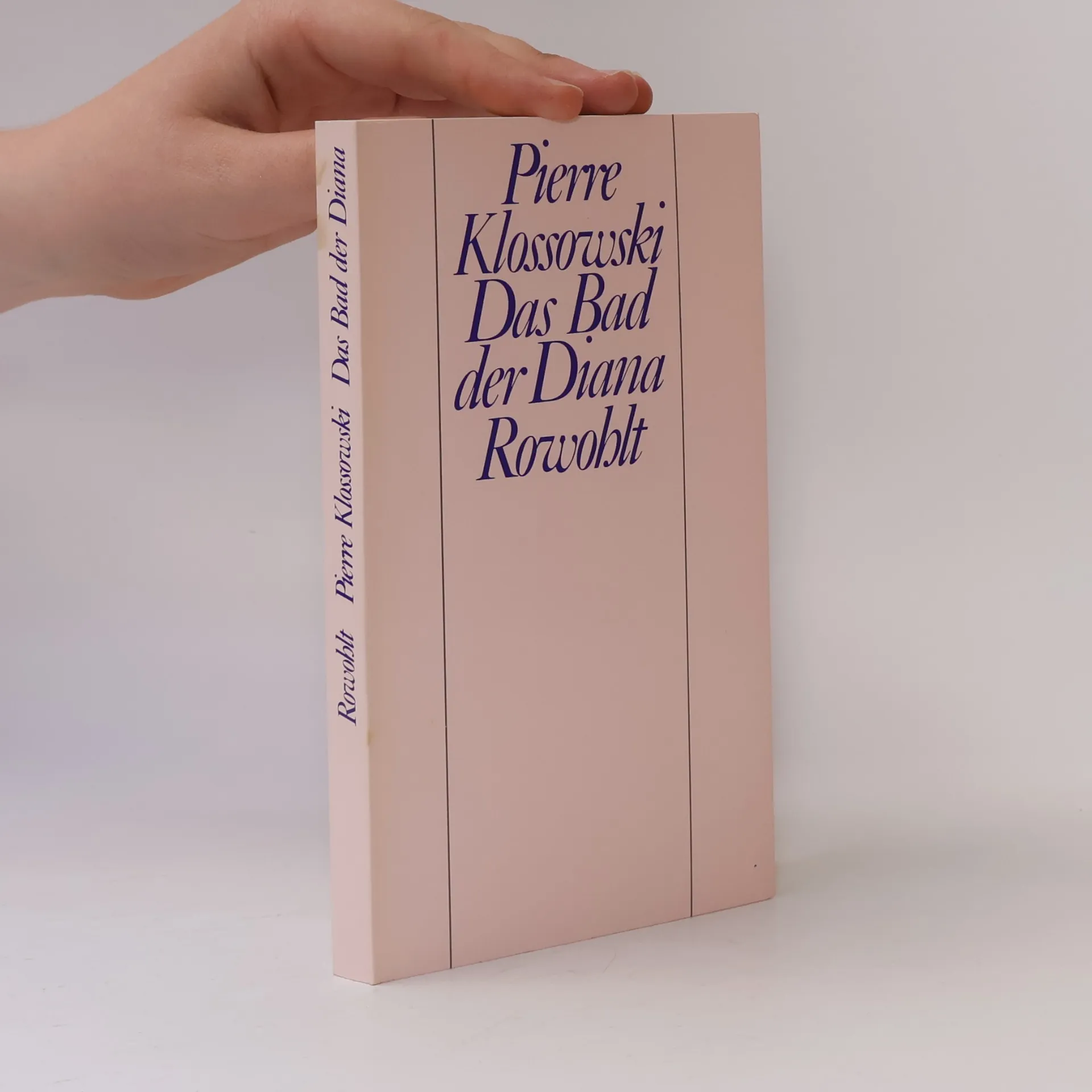
Il mito di Diana e Atteone ha avuto sempre qualcosa di decisivo da dire agli uomini, e nelle sue numerose versioni – così come nelle rappresentazioni pittoriche, da Tiziano a Rembrandt – ha sedotto le più grandi menti del pensiero e della letteratura occidentali. In questo libro, a metà tra il saggio e la favola, tra l'excursus erudito e la «meditazione occasionale», Pierre Klossowski, mitografo eterodosso, racconta e decifra sapientemente ogni dettaglio della storia, scomponendo il quadro in una rete di elementi simbolici. «Diana al bagno» appare così come un'epifania paradossale del divino: una teofania che si realizza attraverso una visione sacrilega eppure necessaria. Ma è anche una caccia tragica, dionisiaca. Diana si materializza tramite lo sguardo di Atteone, che la fa, letteralmente, consistere; e Atteone abbraccia il proprio destino di intermediario sacrificale tra l'umano e il divino accettando ogni prevedibile conseguenza: l'estasi, il delirio, l'autodistruzione, giacché si annulla, attraverso la metamorfosi in cervo, nella divinità che ha sorpreso senza veli.
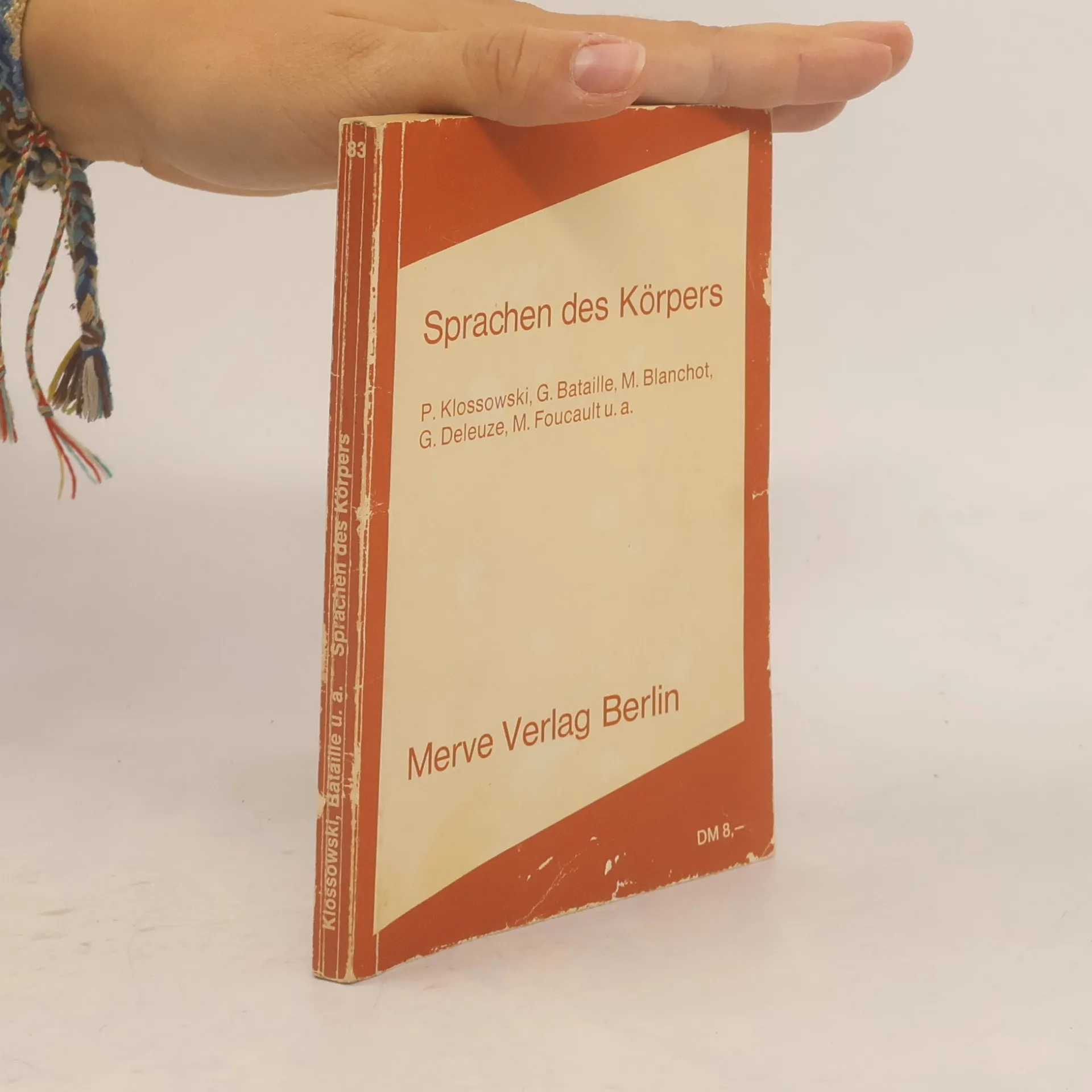
Sprachen des Körpers
- 119pages
- 5 heures de lecture
Klossowski arbeitet gleichzeitig mit verschiedenen Medien: Literatur, Mythologie, Übersetzung, Film, Philosophie, Malerei, um sein fast schon stereotypes Thema auszudrücken: das Simulakrum, „das Spiel der erst behaupteten und dann geleugneten Identität… Trugbild, Ähnlichkeit, Gleichzeitigkeit, Vortäuschung und Verstellung“. (Michel Foucault)
Das Bad der Diana. Ein Essay
- 119pages
- 5 heures de lecture