Bookbot

Gavin Menzies

    14 août 1937 – 12 avril 2020

    Ancien commandant de sous-marin britannique et historien amateur, cet auteur explore des récits historiques non conventionnels, remettant en question les chronologies et les origines établies. Son travail suggère que d'importantes découvertes mondiales et des mouvements culturels ont émané de civilisations situées au-delà de la perspective typiquement occidentale. Il incite les lecteurs à questionner les récits historiques acceptés en explorant d'intrigantes théories alternatives. L'approche distinctive de l'auteur vise à découvrir des aspects négligés de l'histoire et à remodeler notre compréhension des événements passés.

    Gavin Menzies
    1421, amikor Kína felfedezte a világot
    1434. El Año en que una flota china llego a Italia e inicio el Renacimiento
    1421
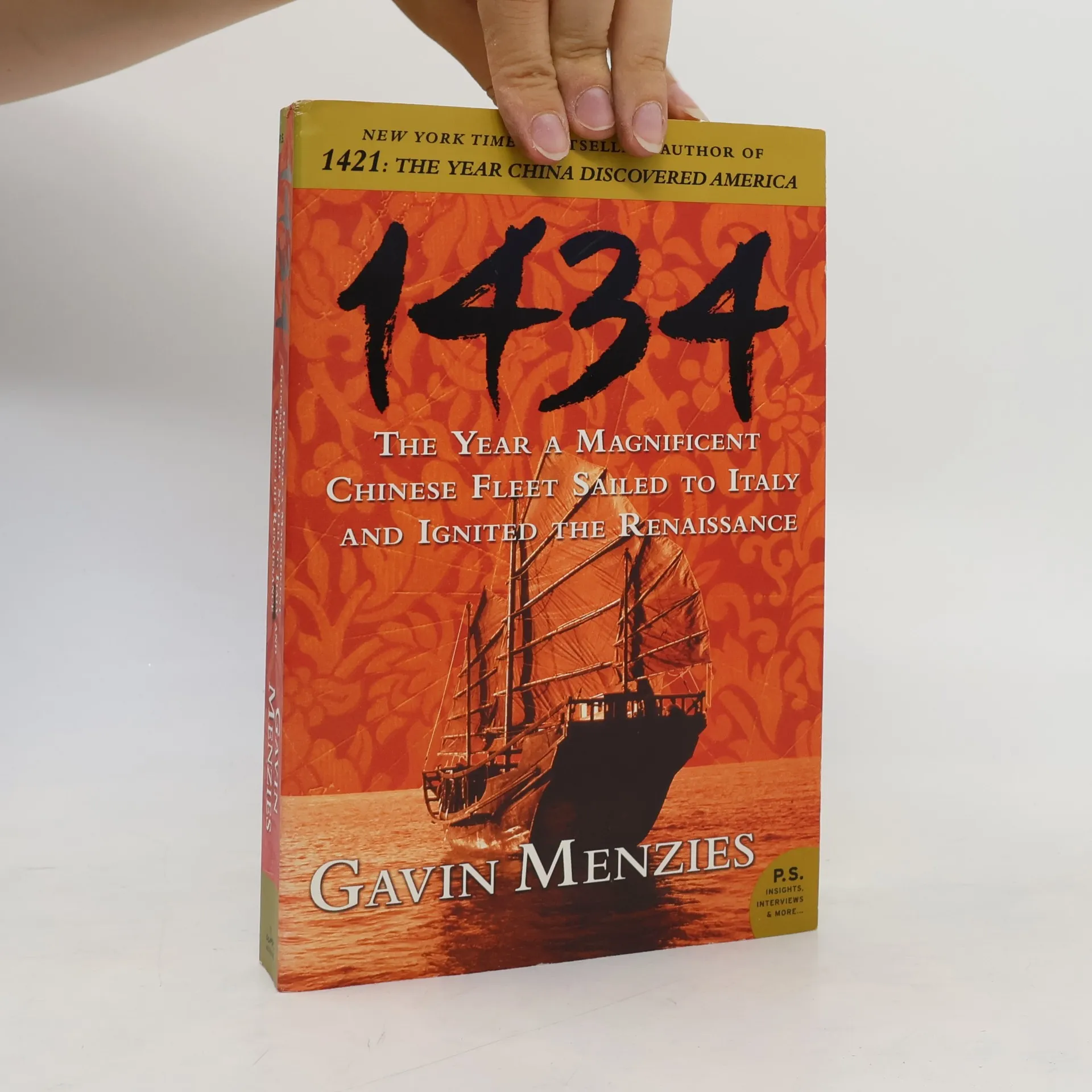
    1434
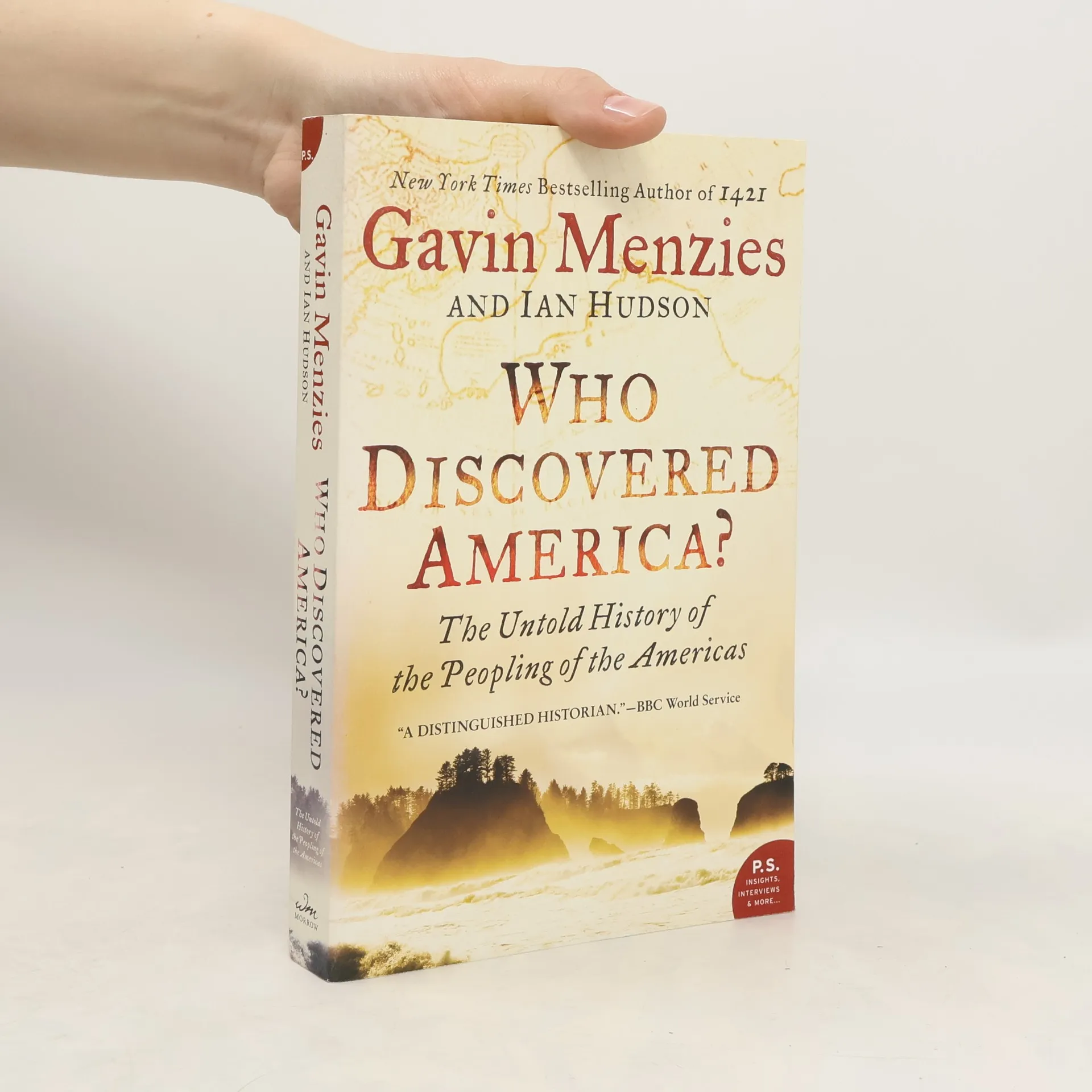
    Who Discovered America?
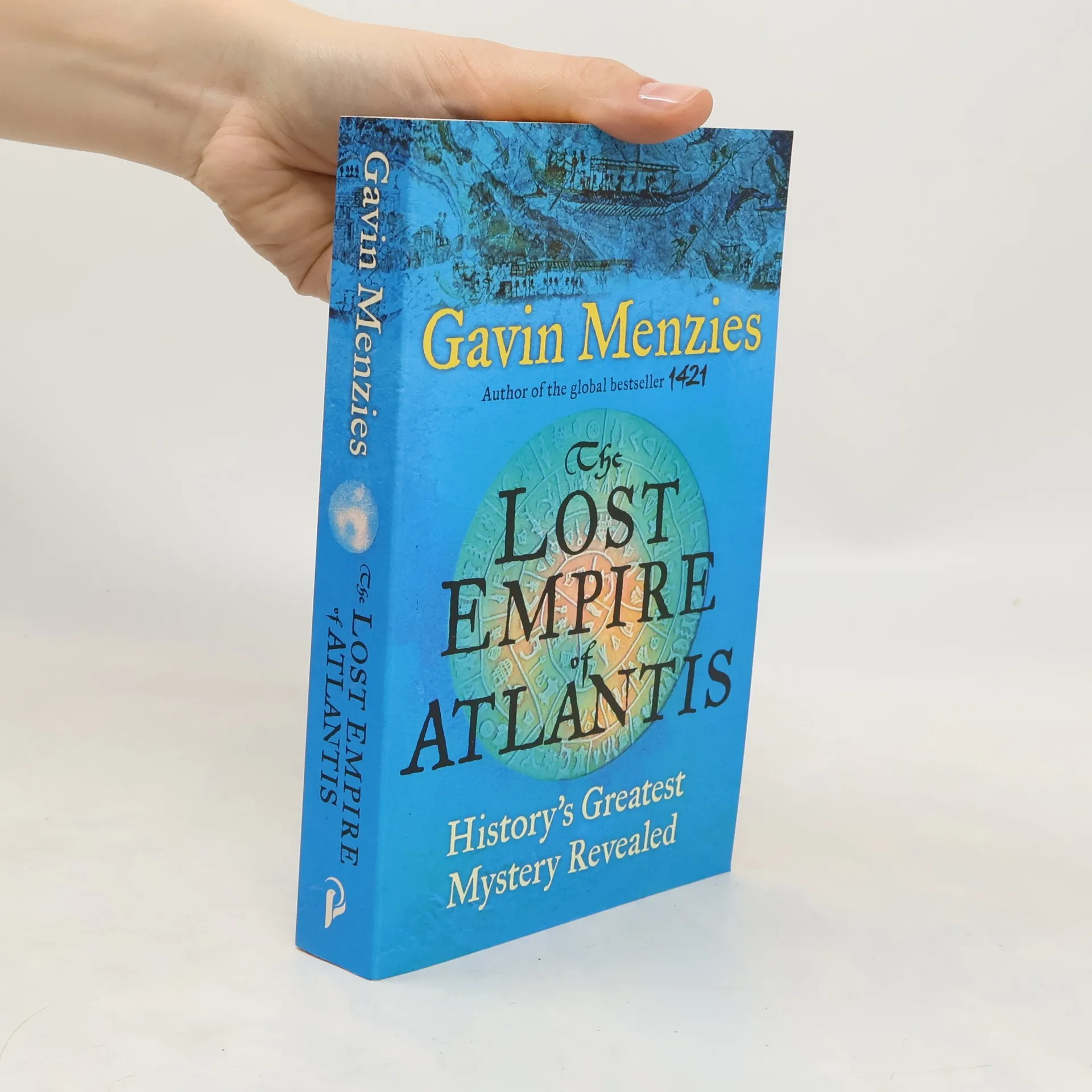
    The Lost Empire of Atlantis
    • The bestselling author of 1421: THE YEAR THE CHINESE DISCOVERED THE WORLD uncovers the truth behind the mystery of Atlantis. Updated with thrilling new discoveries for the paperback.

      The Lost Empire of Atlantis
    • Who Discovered America?

      • 352pages
      • 13 heures de lecture
      3,5(20)Évaluer

      Combining in-depth research with an adventurer's spirit to present a radical rethinking and new revelations relating to the Beringia theory of how humans discovered, explored, and settled the American continent.

      Who Discovered America?
    • Historian Gavin Menzies makes the startling argument that in the year 1434, China--then the world's most technologically advanced civilization--provided the spark that set the European Renaissance ablaze. From that date onward, Europeans embraced Chinese intellectual ideas, discoveries, and inventions, all of which form the basis of western civilization today. Florence and Venice of the early fifteenth century were hubs of world trade, attracting traders from across the globe. Based on years of research, this marvelous history argues that a Chinese fleet--official ambassadors of the emperor--arrived in Tuscany in 1434, where they were received by Pope Eugenius IV in Florence. The delegation presented the influential pope with a wealth of Chinese learning from a diverse range of fields: art, geography (including world maps that were passed on to Christopher Columbus and Ferdinand Magellan), astronomy, mathematics, printing, architecture, steel manufacturing, military weaponry, and more. This vast treasure trove of knowledge spread across Europe, igniting the legendary inventiveness of the Renaissance, including the work of such geniuses as da Vinci, Copernicus, Galileo, and more.

      1434
    • 1421

      The Year China Discovered The World

      • 649pages
      • 23 heures de lecture
      3,6(13588)Évaluer

      In 1421, the largest fleet the world had ever seen set sail from China under the command of Emperor Zhu Di's loyal eunuch admirals. But by the time they returned home, Zhu Di had lost control and China was turning inwards, leaving the records of their discoveries to be forgotten for centuries.

      1421
    • 1421

      Het jaar waarin China de Nieuwe Wereld ontdekte

      • 400pages
      • 14 heures de lecture

      On 3/8/1421, the largest fleet the world had ever seen set sail from China. Its mission was "to proceed all the way to the ends of the earth to collect tribute from the barbarians beyond the seas" & unite the whole world in Confucian harmony. When it returned in 10/1423, the emperor had fallen, leaving China in political & economic chaos. The great ships were left to rot at their moorings. Most records of their journeys were destroyed. Lost in China's long, self-imposed isolation that followed was the knowledge that Chinese ships had reached America 70 years before Columbus & had circumnavigated the globe a century before Magellan. Also concealed was how the Chinese colonized America before the Europeans & transplanted in America & other countries the principal economic crops that have fed & clothed the world. Unveiling incontrovertible evidence of these astonishing voyages, "1421" rewrites our understanding of history. Our knowledge of world exploration as it's been commonly accepted for centuries must now be reconceived due to this landmark work of historical investigation.

      1421