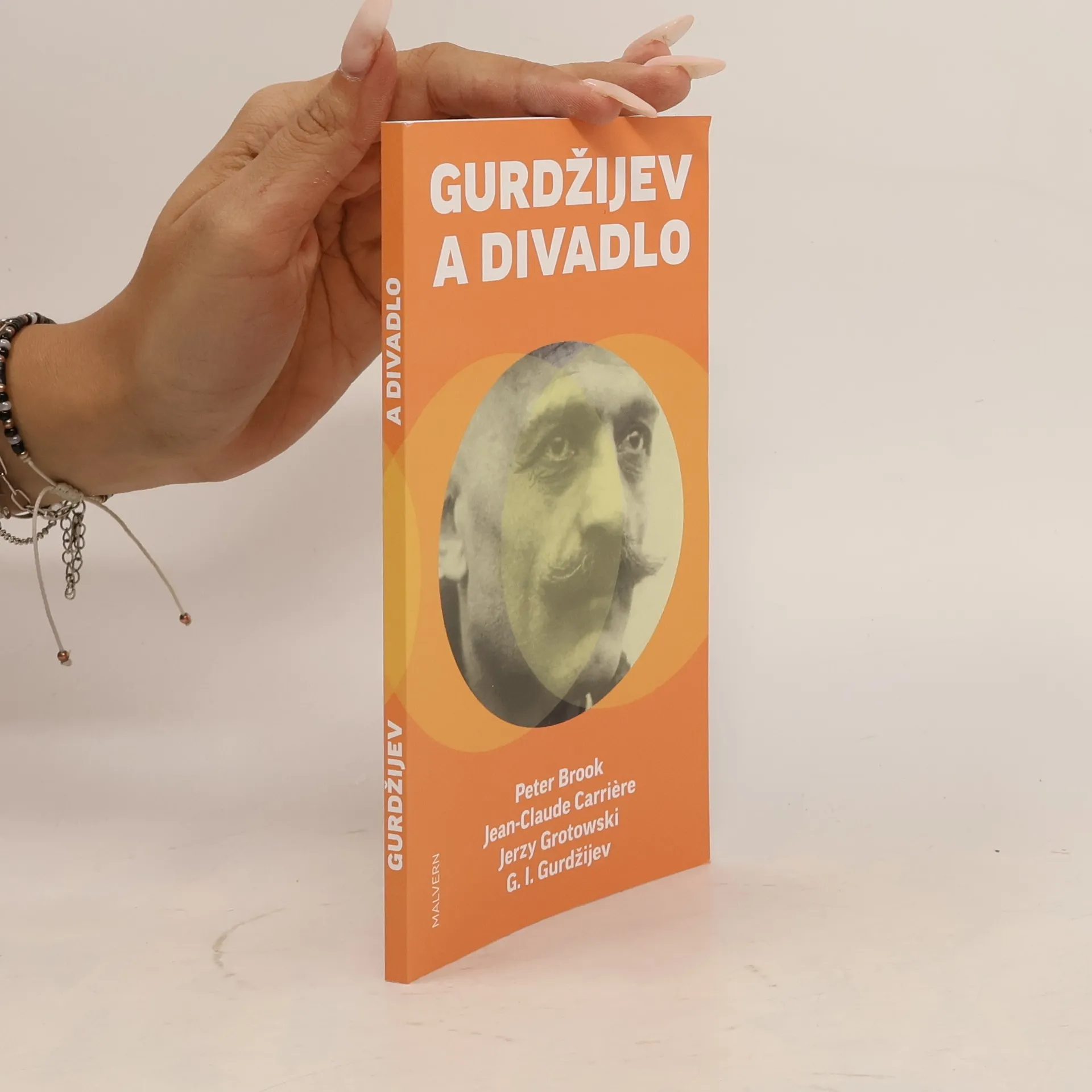
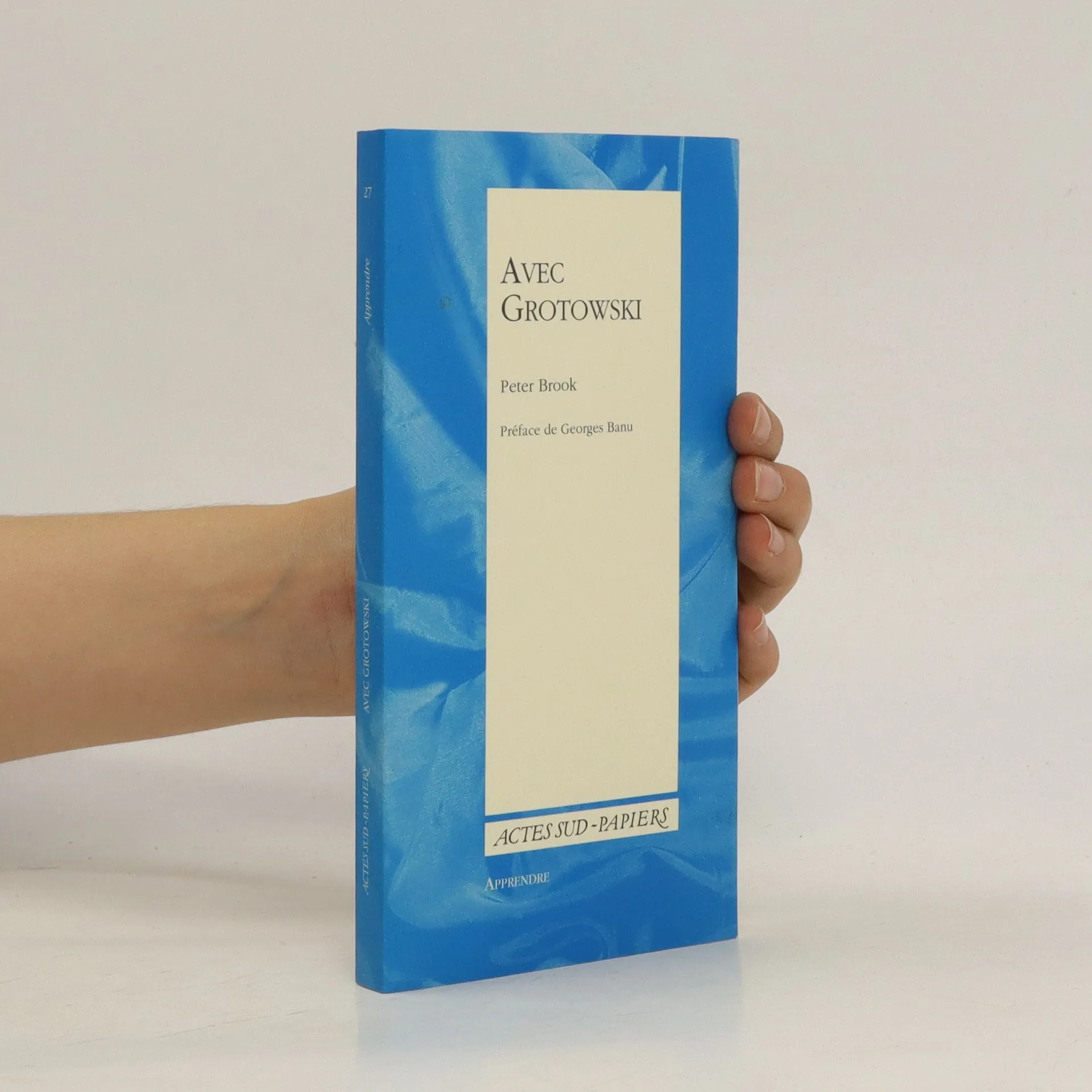
Dès leur première rencontre, dans les années 1960, et jusqu'à la disparition de Jerry Grotowski (1933-1999), Peter Brook a saisi l'importance de cet homme extraordinaire et mis en valeur ses choix radicaux. Grâce h des textes, des prises de parole, des témoignages, nous suivons dans ce livre de l'amitié la trajectoire du metteur en scène polonais, de la quête d'une forme " parfaite " à " l'art comme véhicule ". Mais le metteur en scène anglais pointe aussi sa différence, son besoin du public et de l'impureté élisabéthaine. Il ne commente pas, il dialogue avec Grotowski. Toute une vie.
Peter Brook Livres
21 mars 1925 – 2 juillet 2022
Peter Brook était un metteur en scène de renommée mondiale, connu pour ses mises en scène novatrices d'œuvres de dramaturges célèbres. Son travail explorait en profondeur la psyché humaine et les thèmes universels, en mettant souvent l'accent sur l'action physique et les aspects rituels du théâtre. Brook cherchait à créer un théâtre véritablement universel transcendant les barrières culturelles, s'adressant à un public mondial par des répétitions prolongées et l'improvisation des acteurs. Ses productions étaient souvent visuellement époustouflantes, employant des éléments non conventionnels pour évoquer un sentiment de magie et de célébration.


There are No Secrets
- 128pages
- 5 heures de lecture
Peter Brook is the most consistently innovative director in Western theatre. In these three essays he returns to the concept of his first book The Empty Space and examines what that means for the life of a production.
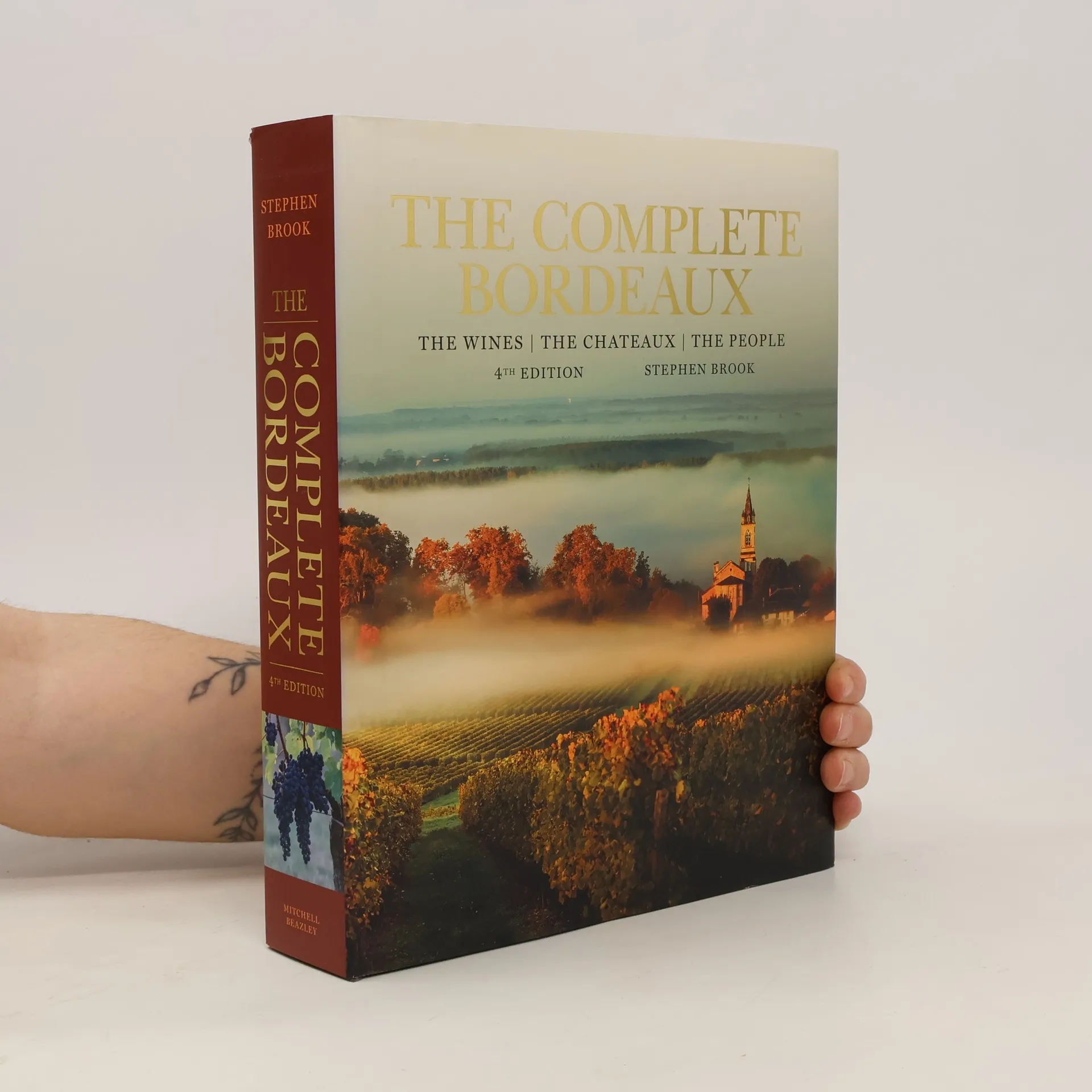
The Complete Bordeaux
- 736pages
- 26 heures de lecture
The Complete Bordeaux offers detailed information on the many communes and appellations of Bordeaux along with descriptions and assessments of all its major properties. As well as incisive portraits of the leading properties and their produce, Stephen Brook provides a detailed look at Bordeaux's lesser-known areas and chateaux. There is also an invaluable vintage guide to the last four decades. Bordeaux encapsulates an incredible 13,000 wineries throughout 54 appellations and this book includes a thorough explanation of Bordeaux's history, terroir and winemaking styles
The profession of directing is barely a century old. On Directing considers the position of the director in theater and performance today. What is a director? How do they begin work on a play or performance? What methods are used in rehearsal? Is the director an enabler, a collaborator or dictator? As we enter the new millennium, is the very concept of directing under increasing threat from changes in thinking and practice? The full diversity of today's approaches to directing are explored through a series of interviews with leading contemporary practitioners. On Directing is a landmark book about the director's craft.
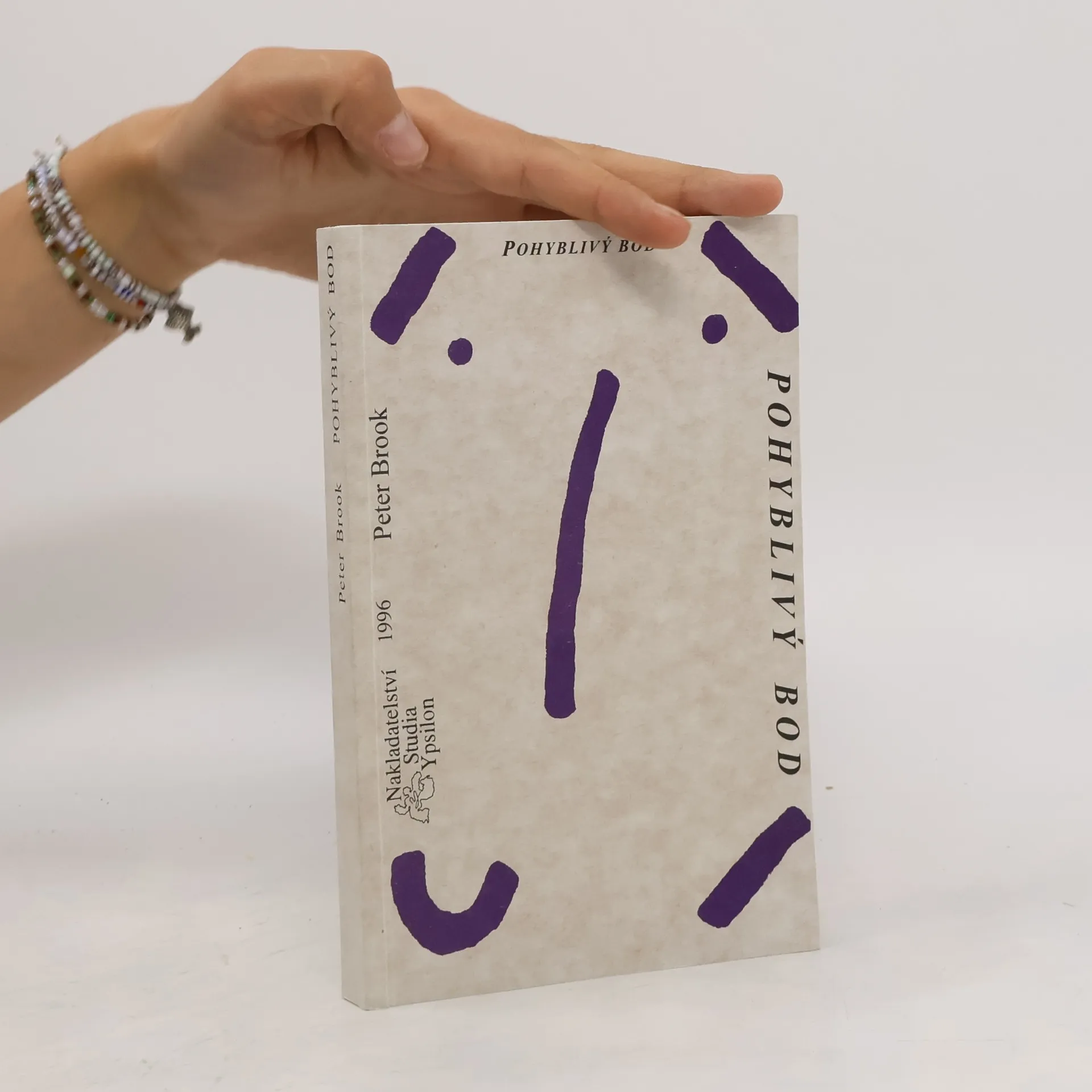
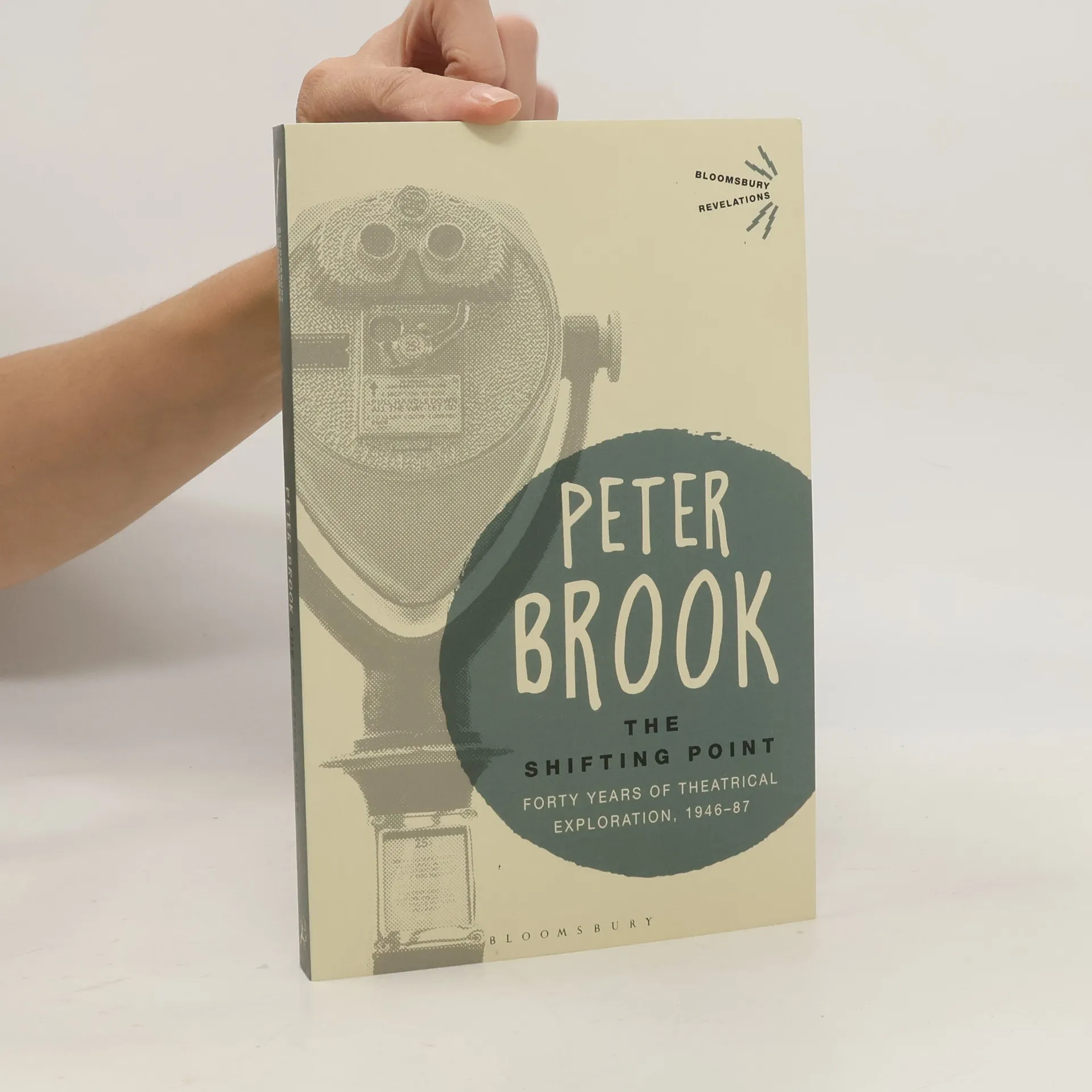
The Shifting Point
- 227pages
- 8 heures de lecture
"First published in Great Britain by Methuen Drama, 1988, and in paperback in 1989."
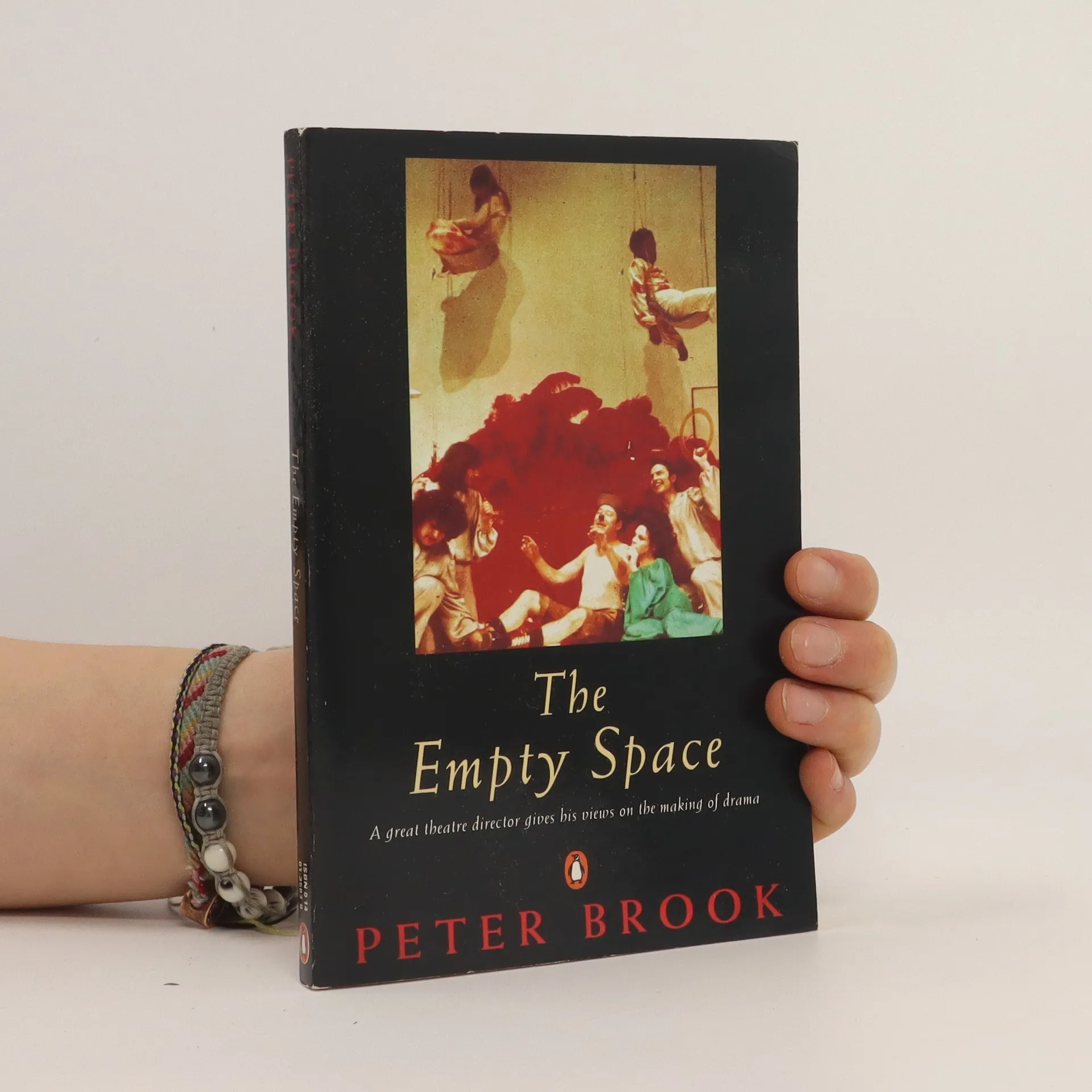
The empty space
- 160pages
- 6 heures de lecture
First published in 1968, "The Empty Space" is a timeless analysis of theatre, from perhaps the most influential director of the twentieth century. In "The Empty Space," groundbreaking director Peter Brook draws on a life in love with the stage to explore the issues facing any theatrical performance. Here he describes important developments in theatre from the last century, as well as smaller scale events, from productions by Stanislavsky to the rise of Method Acting, from Brecht's revolutionary alienation technique to the free form happenings of the 1960s, and from the different styles of such great Shakespearean actors as John Gielgud and Paul Scofield to a joyous impromptu performance in the burnt-out shell of the Hamburg Opera just after the war. Passionate, unconventional, and fascinating, his book shows how theatre defies rules, builds and shatters illusions, and creates lasting memories for its audiences.
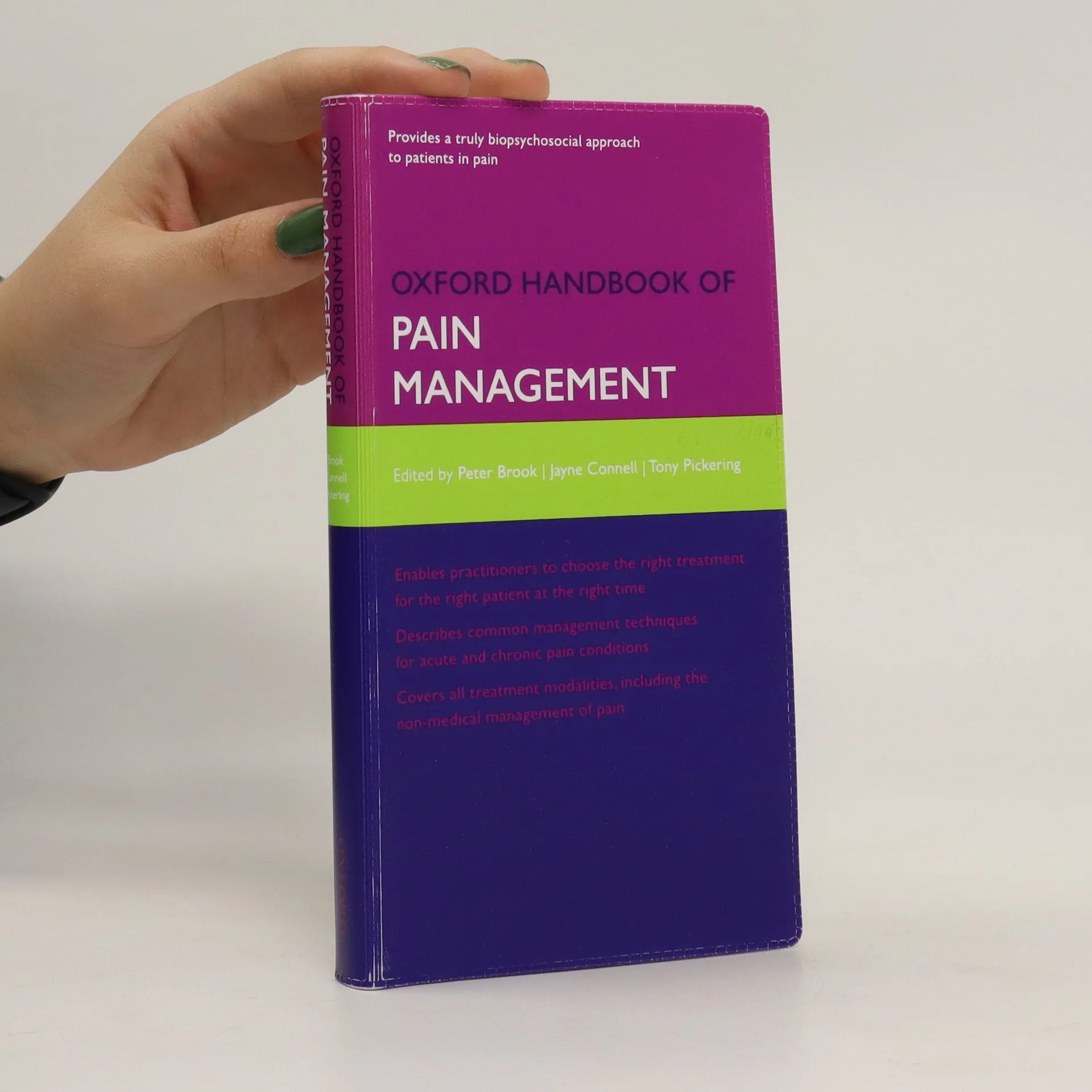
Oxford Handbook of Pain Management
- 366pages
- 13 heures de lecture
The Oxford Handbook of Pain Management is an essential resource for all clinicians involved in the management of pain. It brings together the information necessary to provide a truly biopsychosocial approach to the care of patients in pain, and helps the practitioner define the most appropriate therapy for individual conditions.
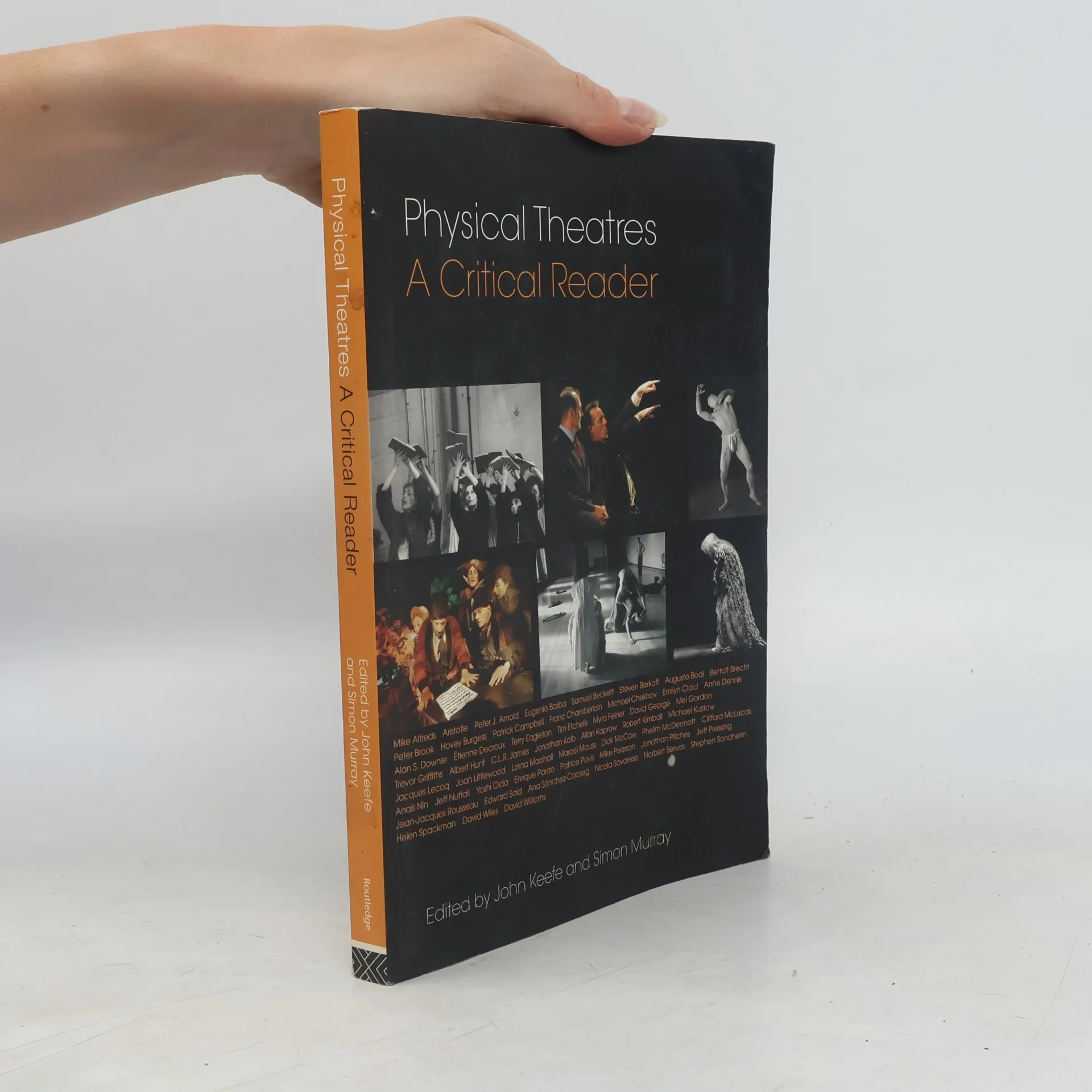
Physical Theatres: A Critical Reader is an invaluable resource for students of physically orientated theatre and performance. This book aims to trace the roots and development of physicality in theatre by combining practical experience of the field with a strong historical and theoretical underpinning.In exploring the histories, cross-overs and intersections of physical theatres, this critical Reader provides:six new, specially commissioned essays, covering each of the book s main themes, from technical traditions to contemporary practises discussion of issues such as the foregrounding of the body, training and performance processes, and the origins of theatre in both play and human cognition a focus on the relationship and tensions between the verbal and the physical in theatre contributions from Augusto Boal, Stephen Berkoff, tienne Decroux, Bertolt Brecht, David George, J-J. Rousseau, Ana Sanchez Colberg, Michael Chekhov, Jeff Nuttall, Jacques Lecoq, Yoshi Oida, Mike Pearson, and Aristotle.
Nitky času : memoáry
- 225pages
- 8 heures de lecture
V knize Nitky času vzpomíná Peter Brook na události, které určovaly jeho uměleckou dráhu - šťastné dětství v rodině ruských emigrantů, dobrodružné divadelní i filmařské začátky ve válečném Londýně, výrazné rané úspěchy na poli operní i shakespearovské režie a divadelní experimenty, k nimž ho v šedesátých a sedmdesátých letech přivedla jeho neumdlévající touha dobrat se nejhlubších kořenů divadla.
Zeitfäden
- 319pages
- 12 heures de lecture
Čo mám na jazyku
- 56pages
- 2 heures de lecture
Úvahy o jazyku a význame Hĺbavá a veľmi osobná kniha divadelného majstra Petra Brooka, ktorého noviny Independent označili za „nášho najväčšieho žijúceho divadelného režiséra“. V Čo mám na jazyku sa Brook podmanivo, hravo a múdro zaoberá témami, ako sú jemné, no významné rozdiely medzi francúzštinou a angličtinou a početné roviny, z ktorých možno vnímať Shakespearovu tvorbu. Brook sa tu vracia aj k svojej zásadnej idei „prázdneho priestoru“ a uvažuje o tom, ako sa zmenilo divadlo – a svet – v priebehu jeho dlhej a význačnej kariéry. Pretkaná intímnymi a výstižnými historkami z Brookovho života, kniha Čo mám na jazyku je neveľkým, zato osviežujúcim darom od jedného z najväčších umelcov našej doby.
Kvalita milosti - Úvahy o Shakespearovi
- 86pages
- 4 heures de lecture
Jeden z najváženejších divadelných režisérov Peter Brook sa v Kvalite milosti zamýšľa nad pozoruhodnou škálou shakespearovských tém. V podobe tejto zbierky esejí dostávame od najväčšieho súčasného shakespearovského režiséra neoceniteľný darček. Jeho inscenácie navždy zmenili náš pohľad na také rôznorodé hry, akými sú Oko za oko, Kráľ Lear, Titus Andronicus či Sen svätojánskej noci. Práve o nich a aj omnohých ďalších sa dočítate vovnútri. V zbierke esejí – všetky okrem jednej sa k čitateľom dostávajú po prvý raz - polemizuje Peter Brook napríklad nad otázkami, kto v skutočnosti stojí za autorstvom Shakesperových hier, prečo Shakespeare ostane vždy nadčasový a ako by mali herci pristupovať k Shakespearovým veršom. Vracia sa zároveň k hrám, ktoré patria medzi jeho výnimočné inscenačné počiny – Kráľ Lear, Titus Andronicus a, samozrejme, aj Sen noci svätojánskej. Táto útla, no veľmi dôvtipne napísaná knika ponúka poučný a provokatívny pohľad na vzťah tohto veľkého režiséra k najvýznamnejšiemu dramatikovi všetkých čias.
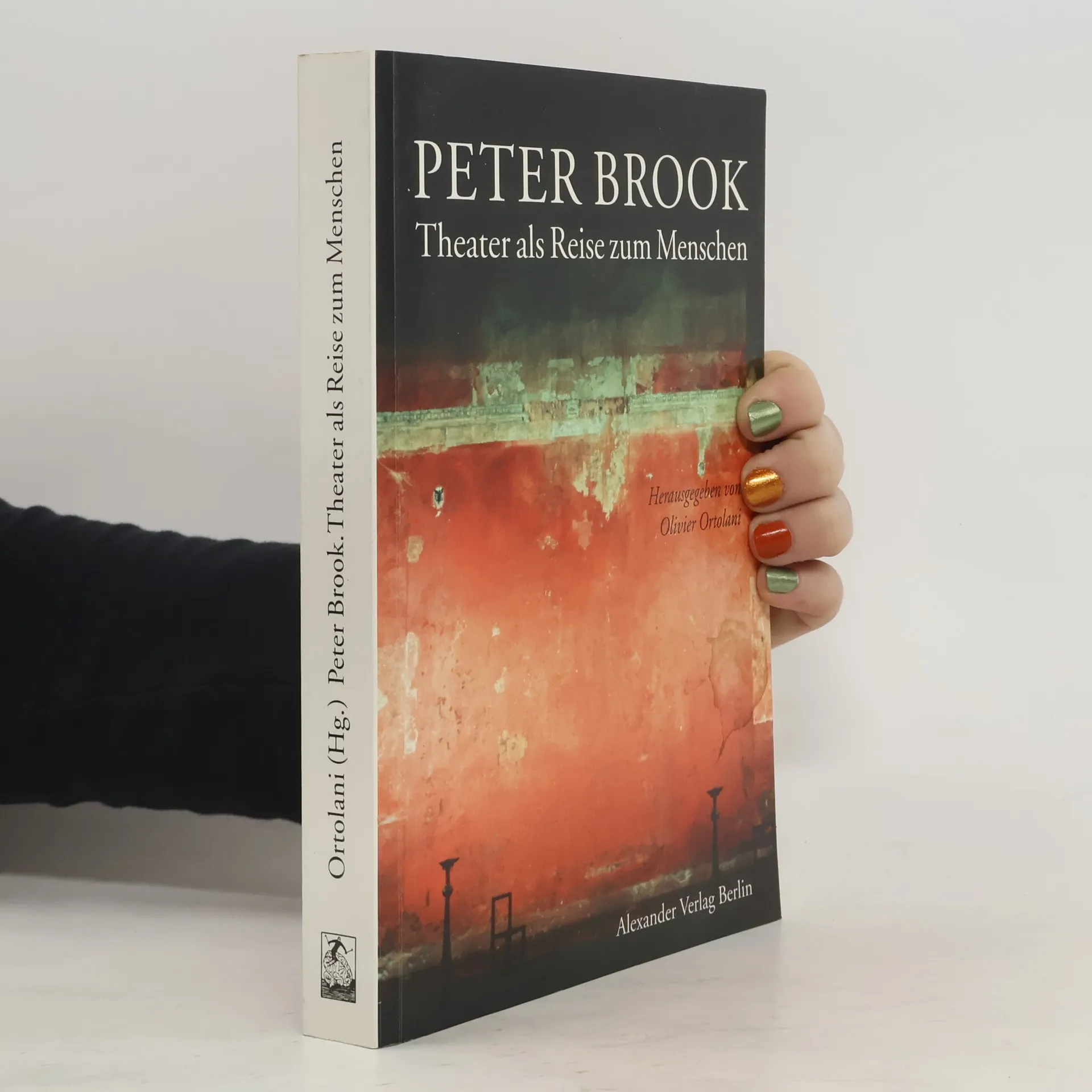
Das Buch beschreibt in Einzelbeiträgen die verschiedenen Aspekte der Theaterarbeit Peter Brooks. Neben Interviews und einem ausführlichen Essay über den Regisseur und sein künstlerisches Werk enthält der Band auch Stellungnahmen von engen Mitarbeitern Peter Brooks sowie eigene neuere Texte, die erstmalig auf deutsch erscheinen. Texte und Gespräche von und mit Peter Brook, Jean-Claude Carrière, Georges Banu, Yoshi Oida, Michel Piccoli, Miriam Goldschmidt, Bruce Myers, Albert Hunt, Simon Trussler, Michel Rostain, Sotigui Kouyaté, François Marthouret, Laurent Feneyrou und Olivier Ortolani
Anglický režisér, jeden z největších reformátorů světového divadla 20. století, své postoje a názory na divadlo zveřejnil v několika (málo) knihách. Prázdný prostor patří vedle Pohyblivého bodu k jeho nejvýznamějším textům.
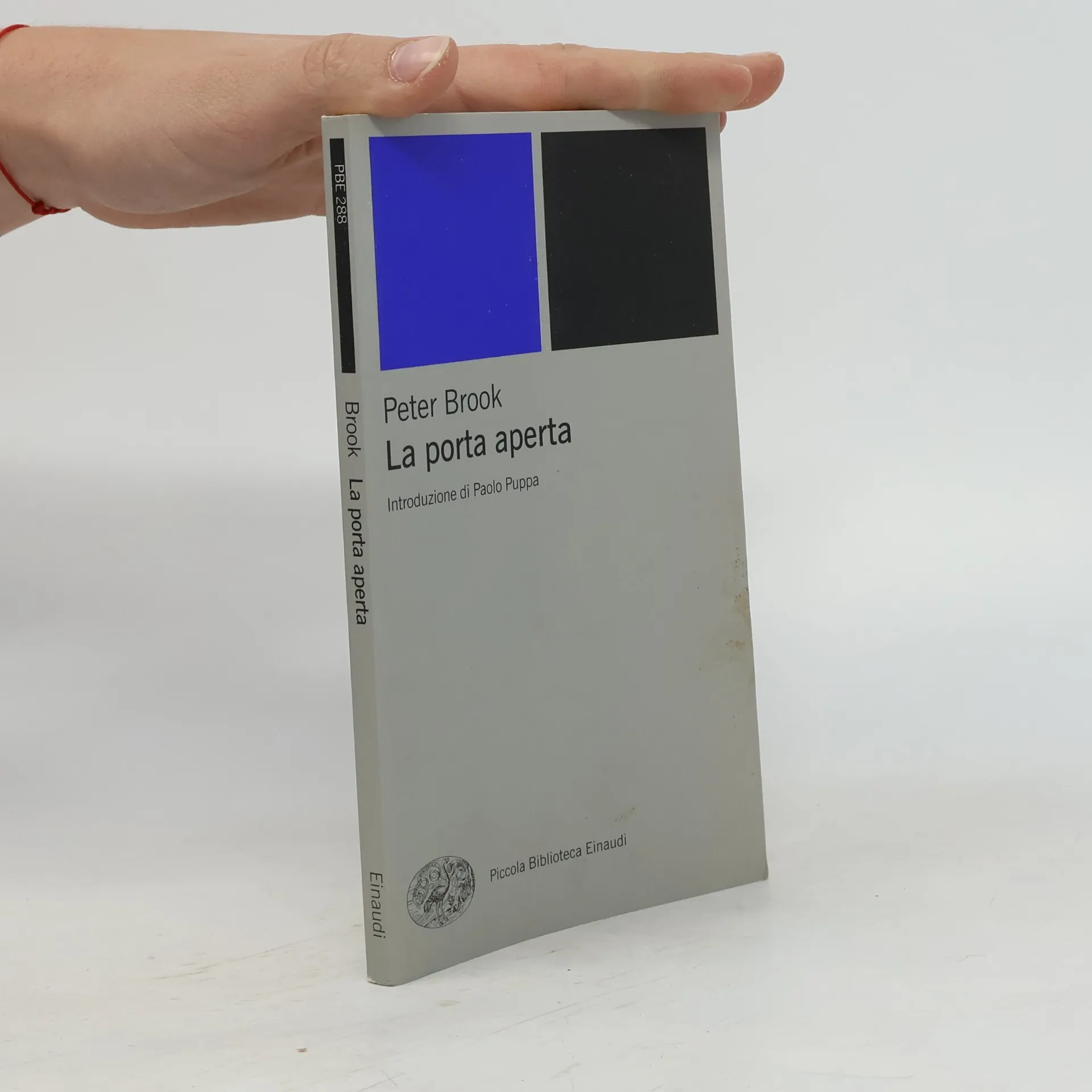
La porta aperta
- 85pages
- 3 heures de lecture