
Texte intégral. Cet ouvrage a fait l'objet d'un véritable travail en vue d'une édition numérique. Un travail typographique le rend facile et agréable à lire. On retrouve ici, à travers les notes recueillies par une de ses élèves, ce que furent ces leçons, véritables entretiens socratiques où l'on reconnaît l'unité profonde de l'auteur dont la vie brève fut intensément consacrée à la recherche de la vérité. En 1933-1934, Simone Weil était professeur à Roanne. Dans un petit pavillon isolé au fond d'un parc, sur l'herbe ou sous la neige, elle enseigna alors la philosophie à quelques élèves. On découvrira ici, à travers les notes recueillies par une de ces jeunes filles, ce que furent ces leçons, véritables entretiens socratiques. Le lecteur y reconnaîtra l'unité profonde de Simone Weil dont la vie brève fut intensément consacrée à la recherche de la vérité [texte de présentation de l'édition Plon de 1989]

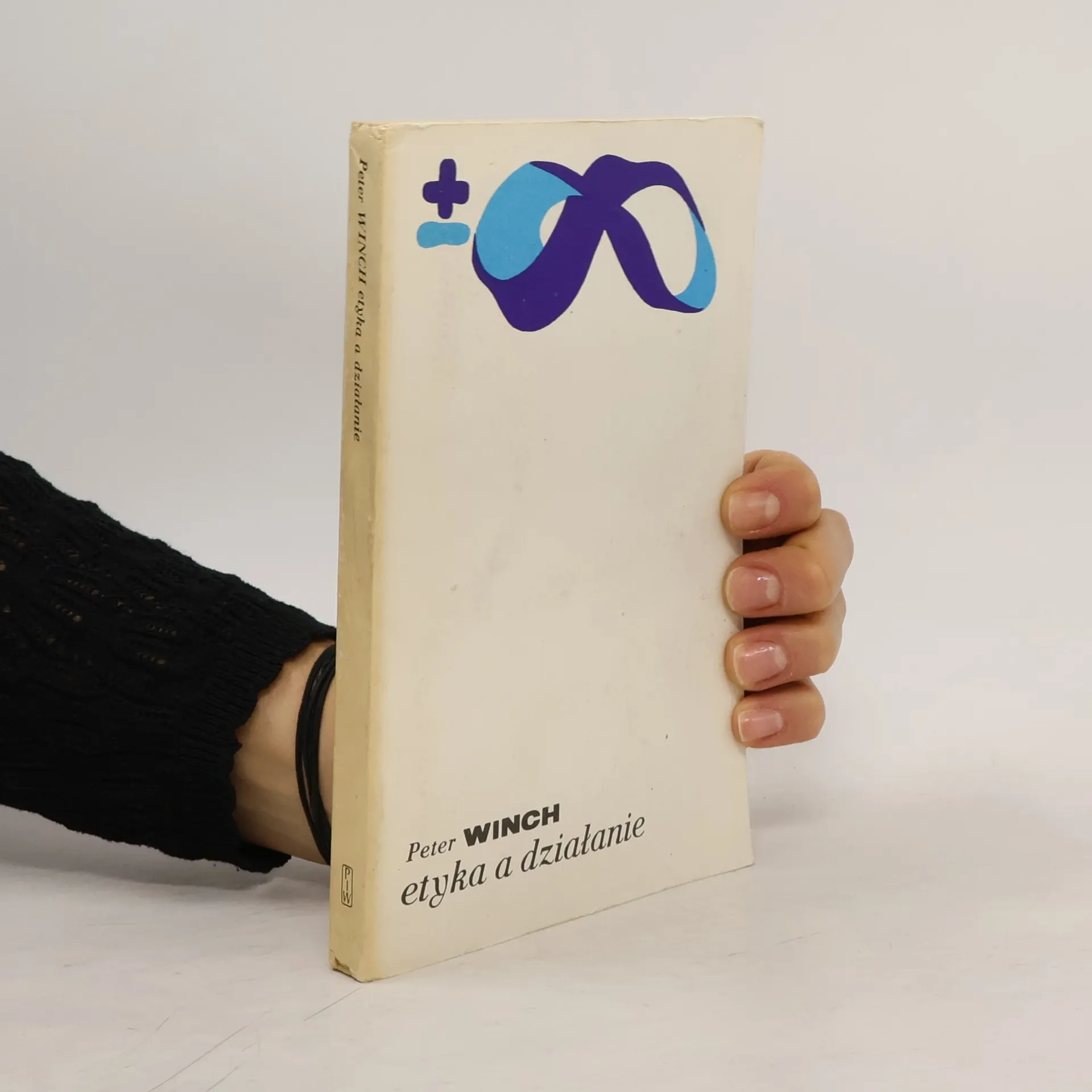
Peter Winch Livres


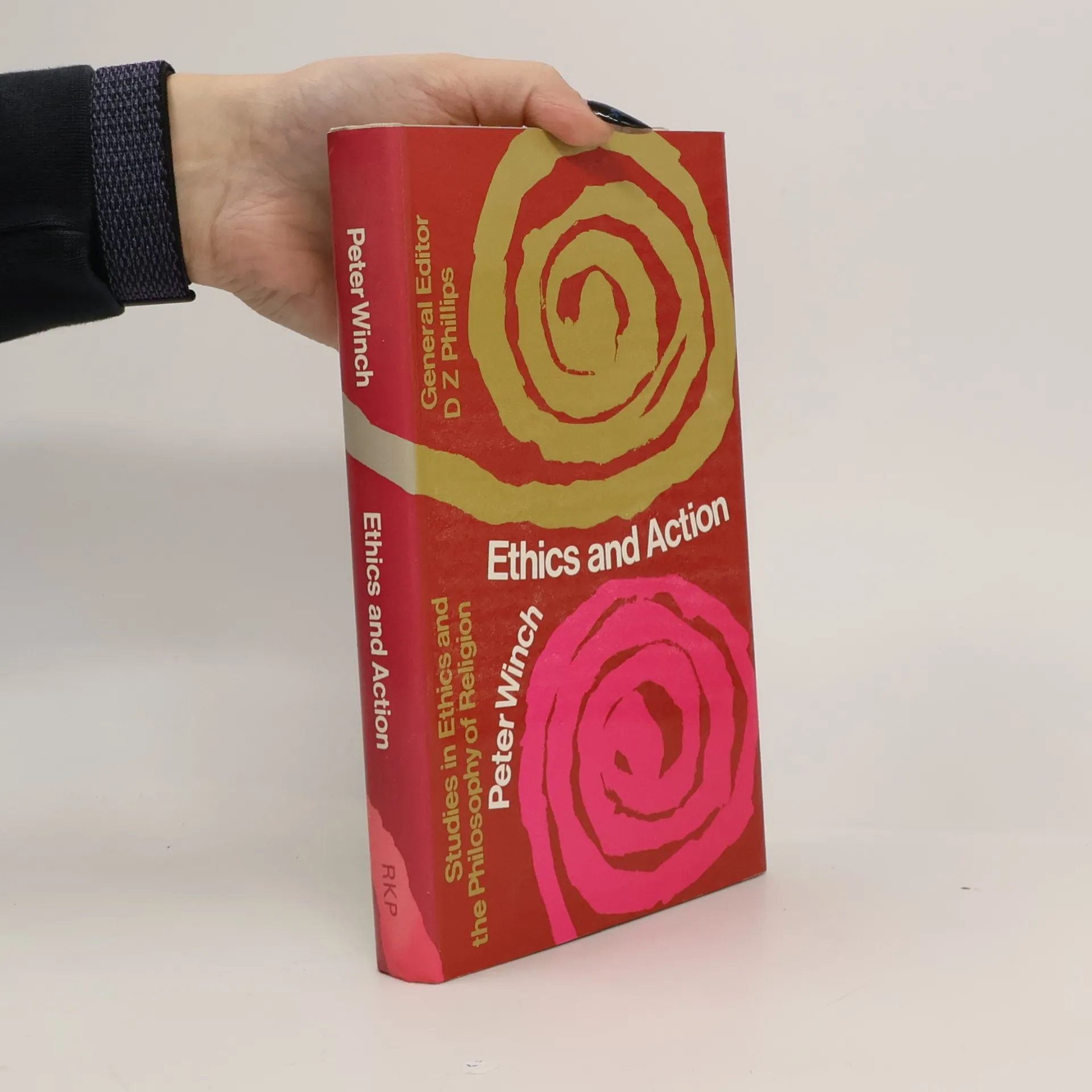
Studies in Ethics and the Philosophy of Religion: Ethics and Action
- 231pages
- 9 heures de lecture
This collection of essays on closely related issues in moral philosophy looks at different aspects of men's understanding of their own and others' actions in ethical dimensions. Peter Winch discusses the ways in which the possibility of any form of understanding, both of man's own nature, and of the nature of the world in which he lives, is a function of his social existence. In the essays which focus on this aspect of moral philosophy he raises questions about the extent to which any form of social existence involves some sort of moral consciousness, and about the extent to which differing forms of social existence involve correspondingly different forms of moral consciousness. The author is also concerned with the ways in which an individual's own acts affect his understanding of himself and of his place in the world. He considers questions, related to this issue, about the character of moral deliberation and decision, the nature of the human will and its connections with action, and the extent, if any, to which an individual's moral reasoning must claim universal applicability. Emphasizing the concepts of reward and punishment, Peter Winch relates his discussion of particular issues to a tradition of moral thinking, going back at least as far as Socrates, according to which the greatest harm that can befall a man is for him to act evilly.
Autor v této knize na základě rozboru Wittgensteinových postřehů a idejí sociálních myslitelů, jako byli J. S. Mill, V. Pareto, M. Weber či E. Durkheim, nejen ilustruje zásadní rozdíly mezi přírodními a sociálními vědami, ale odkrývá také, v čem tato rozdílnost spočívá a jaký má dopad. Tuto brilantní kritiku vědeckého a logického pozitivismu napsal Winch v pouhých třiceti letech. Na základě Wittgensteinových zkoumání pojmů jako "rozumění", "pravidlo" či "životní forma" zastával názor, že společenskovědní vysvětlení jsou v principu odlišná od vysvětlení aplikovaných v přírodních vědách. Jednání, mezilidské vztahy a společenské instituce jsou řízeny pravidly, nikoli přírodními zákony. Proto lze společenským jevům rozumět tak, že objasníme systémy pravidel, nikoli prostřednictvím kauzálních vysvětlení.
Die Idee der Sozialwissenschaft und ihr Verhältnis zur Philosophie
- 175pages
- 7 heures de lecture
Versuchen zu verstehen
- 290pages
- 11 heures de lecture
Wenn ich sehe, wie ein Bürger im Stadtpark Hühner mit Gift füttert und dabei Fragen über die Zukunft stellt, werde ich annehmen, er sei übergeschnappt oder er veranstalte ein Happening. Wenn ich sehe, wie ein Wilder im Busch Hühner mit Gift füttert und dabei Fragen über die Zukunft stellt, werde ich annehmen, er befrage ein Orakel. Worin liegt der Unterschied? Dies sind Fragestellungen, die Winch in seinem Buch behandelt. Und das soll heißen, daß er sie nicht bloß abhandelt, sondern daß er aus verschiedenen Richtungen und unter verschiedenen Blickwinkeln auf sie eingeht und versucht, einen Zusammenhang zu entdecken, in dem diese Fragen plausibel gestellt werden können. Es kommt daher nicht überraschend, daß einige Kapitel von Winchs Buch speziellen Problemen der Philosophie Wittgensteins gewidmet sind, sowohl solchen, die mit dem Verhältnis von Sprache und Welt zusammenhängen, als auch solchen, die unsere Rolle in der Welt und unsere Sicht dieser Rolle betreffen. Neben den bereits angedeuteten Gegenständen behandelt Winch Fragen der religiösen Sprache und der Ästhetik. Er setzt sich mit sprachlogischen Problemen ebenso auseinander wie mit ethischen. Er beschäftigt sich mit dem Kausalitätsbegriff wie mit dem Kontrast zwischen der biblischen Schöpfungsgeschichte und Darwins Evolutionstheorie.