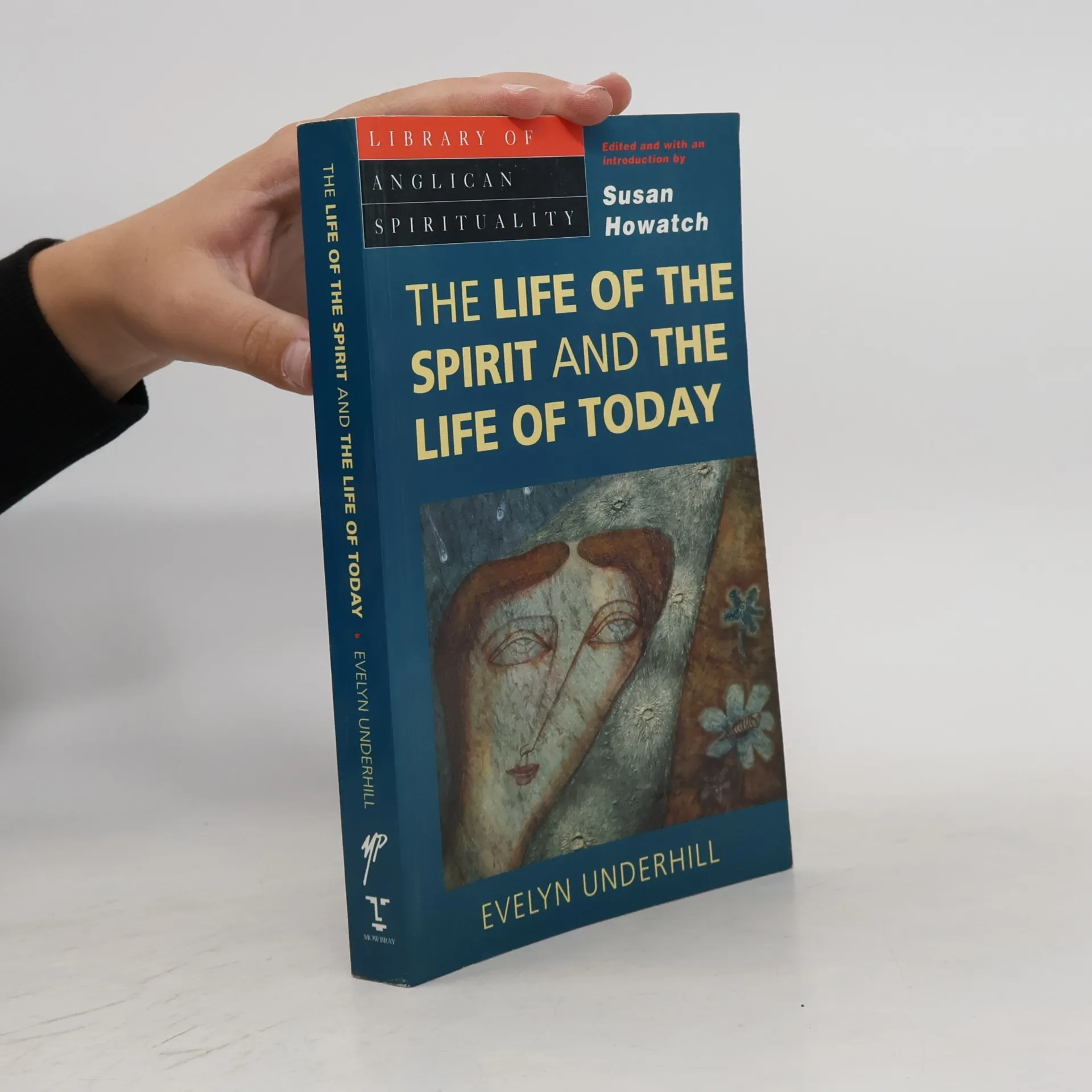
Evelyn Underhill's Prayer Book
- 136pages
- 5 heures de lecture
A gift volume comprising Evelyn Underhill's two personal prayer books, rediscovered 75 years after her death.


Evelyn Underhill était une écrivaine anglaise renommée pour ses nombreux ouvrages sur la religion et la pratique spirituelle, en particulier le mysticisme chrétien. Dans la première moitié du XXe siècle, elle fut l'une des auteures les plus lues sur ces sujets dans le monde anglophone. Ses écrits, marqués par une profonde perspicacité et une prose claire, explorent la nature de la vie spirituelle et l'approche du transcendant. Son ouvrage fondamental de 1911, Mysticism, est devenu un texte marquant qui a défini son genre pendant de nombreuses années.



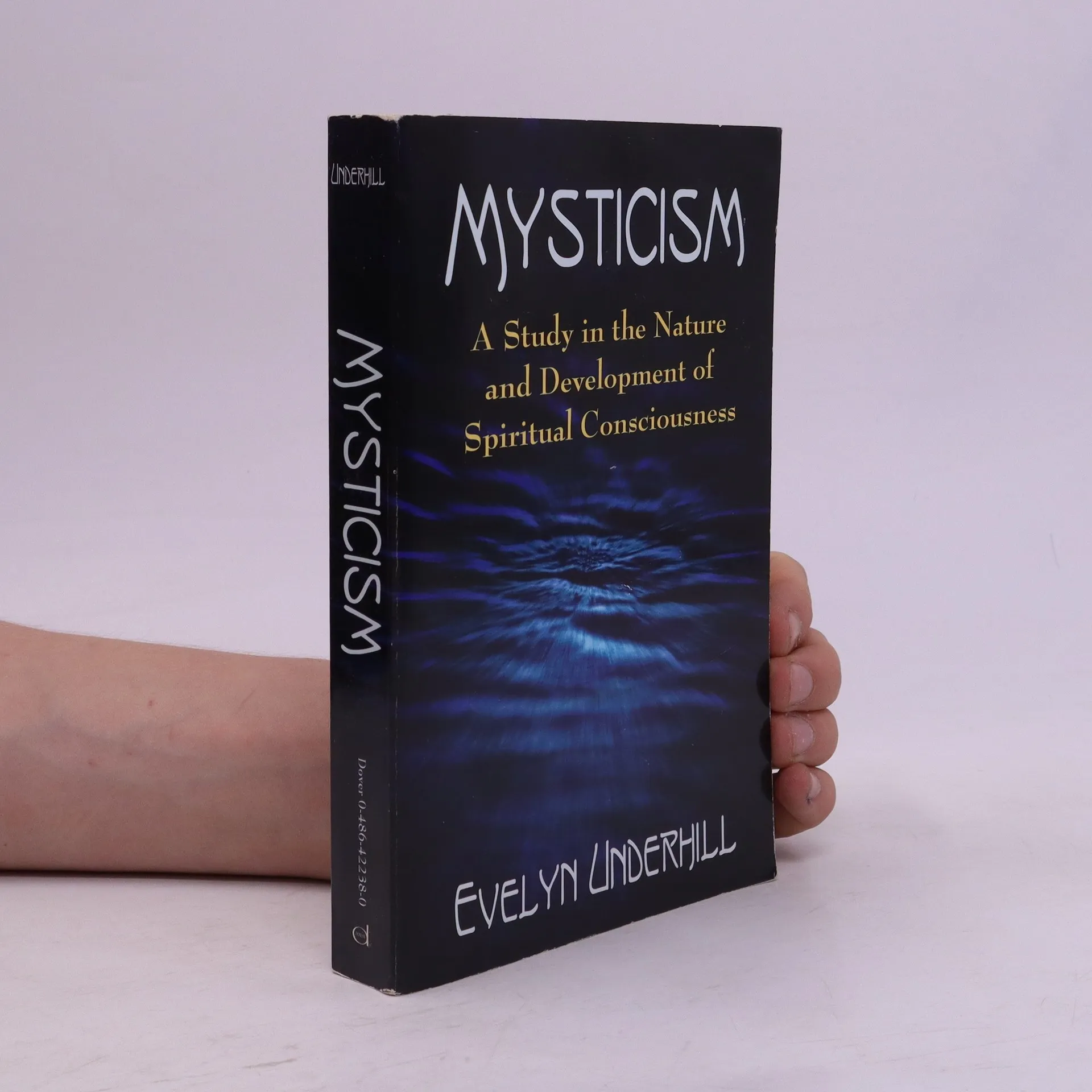
A gift volume comprising Evelyn Underhill's two personal prayer books, rediscovered 75 years after her death.
The work of a noted British authority on mysticism, it is divided into two parts: the first provides an introduction to the general subject of mysticism and its relation to metaphysics, psychology, theology, magic, and symbolism. The second and longer part contains a detailed study of the nature and development of spiritual or mystical consciousness, including such topics as the awakening of the self, the purification of the self, voices and visions, introversion, ecstasy and rapture, the dark night of the soul, and the unitive life. An interesting appendix provides a historical sketch of European mysticism from the beginning of the Christian era to the death of Blake.
This classical work explores the concept of practical mysticism, making it accessible for everyday readers. It emphasizes the importance of mysticism in human history and aims to preserve its teachings for future generations. The modern edition has been carefully reformatted and retyped, ensuring clarity and readability, distinguishing it from traditional scanned copies. This effort highlights the significance of the text while making it relevant and engaging for contemporary audiences.
A New York Review Books Original Transcending divisions of creed, challenging social distinctions of all sorts, and celebrating individual unity with the divine, the poetry of Kabir is one of passion and paradox, of mind-bending riddles and exultant riffs. These new translations by Arvind Krishna Mehrotra, one of India’s finest contemporary poets, bring out the richness, wit, and power of a literary and spiritual master.
The book explores the development of mystical consciousness within Christianity, tracing its origins and unique characteristics. It examines how Christian mystics differ from those in other spiritual traditions, such as Oriental, Neoplatonic, or Islamic mysticism. Notable psychologists like Leuba and Delacroix provide insights, emphasizing the distinct qualities that define the Christian mystic as a unique psychological type. The work aims to clarify the essence of Christian mysticism and its place in the broader context of spiritual development.
A collection of lectures from 1921 that focus on the relevance of the spiritual life in the context of psychological thought at the time. This Anglican mystic attempted to show that psychology clarifies religious experience rather than destroys it.
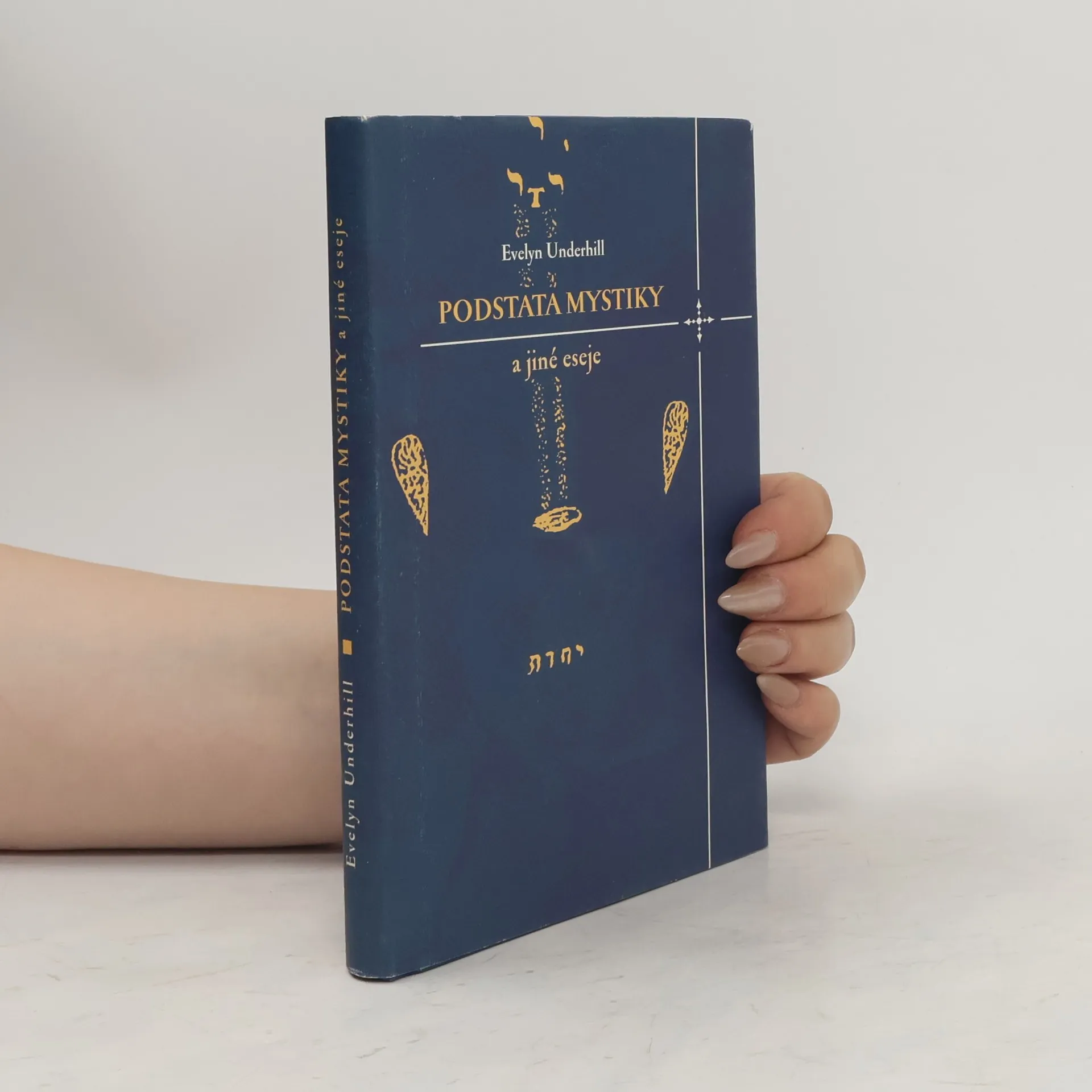
Co je v duchovní zkušenosti tím podstatným prvkem. Který z mnoha stavů a zjevení, jež mystici popisují, jsou její integrální součástí, a co se z těchto stavů a stupňů stane, když je popíšeme současným slovníkem a svlečeme je z mnišských rouch, do nichž jsou obvykle oblečeny? Které prvky jsou plodem toho, co nám sugeruje tradice, vědomé nebo nevědomé symboliky, chybného výkladu citů, tužeb přicházejících z nižších center, nebo přestrojeným vyplněním nevědomého přání? Co je pravá podstata mystiky? Když odstraníme rysy, které někteří mystici přijímají a jiní odmítají – všechno, co pochází jen z tradice, temperamentu nebo nevědomky přijaté symboliky –, co zbude jako nutný a stálý rys každé pravé mystické zkušenosti? Vyplatí se tuto otázku klást. Neboť pozornost byla věnována jednou historické stránce mystiky, jindy (daleko méně) její praxi, ale chybělo jasné pochopení rozdílu mezi jejími podstatnými a náhodnými rysy – mezi tradičními formami či metodami a věčnou zkušeností, kterou zprostředkovávají. V mystické literatuře se často slova míchají s věcmi a symboly se skutečnostmi, takže velká část této literatury jako by mluvila o nějakém uzavřeném a vzdáleném snovém světě, ne o dosažení univerzální pravdy.