Benson Bobrick est un auteur de plusieurs œuvres acclamées par la critique, qui se concentre sur l'histoire et la psychologie du conflit. Son écriture est reconnue pour sa profondeur, ses nuances et sa capacité à explorer les complexités du comportement humain dans des circonstances extrêmes. Bobrick analyse la façon dont les gens agissent sous pression, offrant des perspectives perspicaces sur ce qui nous motive et sur la manière dont nous réagissons aux défis. Ses œuvres sont appréciées pour leur érudition et leur prose captivante.
The very word Siberia evokes a history and reputation as awesome as it is enthralling. In this acclaimed book on Russia's conquest of its eastern realms, Benson Bobrick offers a story that is both rich and subtle, broad and deep. From its conquest by Cossacks and its exploration and settlement in the sixteenth and seventeenth centuries, through its terrifying Gulag history, to its modern place in a world hungry for natural resources, Siberia -covering a sixth of the world's surface - has a history unlike any other land. East of the Sun captures all of Siberia's history with a depth and flavor that will satisfy both well-informed historians and newly-cast Russophiles alike.
An epic narrative documents the fight to create the United States of America, beginning with the deterioration in relations between England and her colonists and chronicling the events of the American Revolution until the last British flag was lowered during the siege of Yorktown. Reprint.
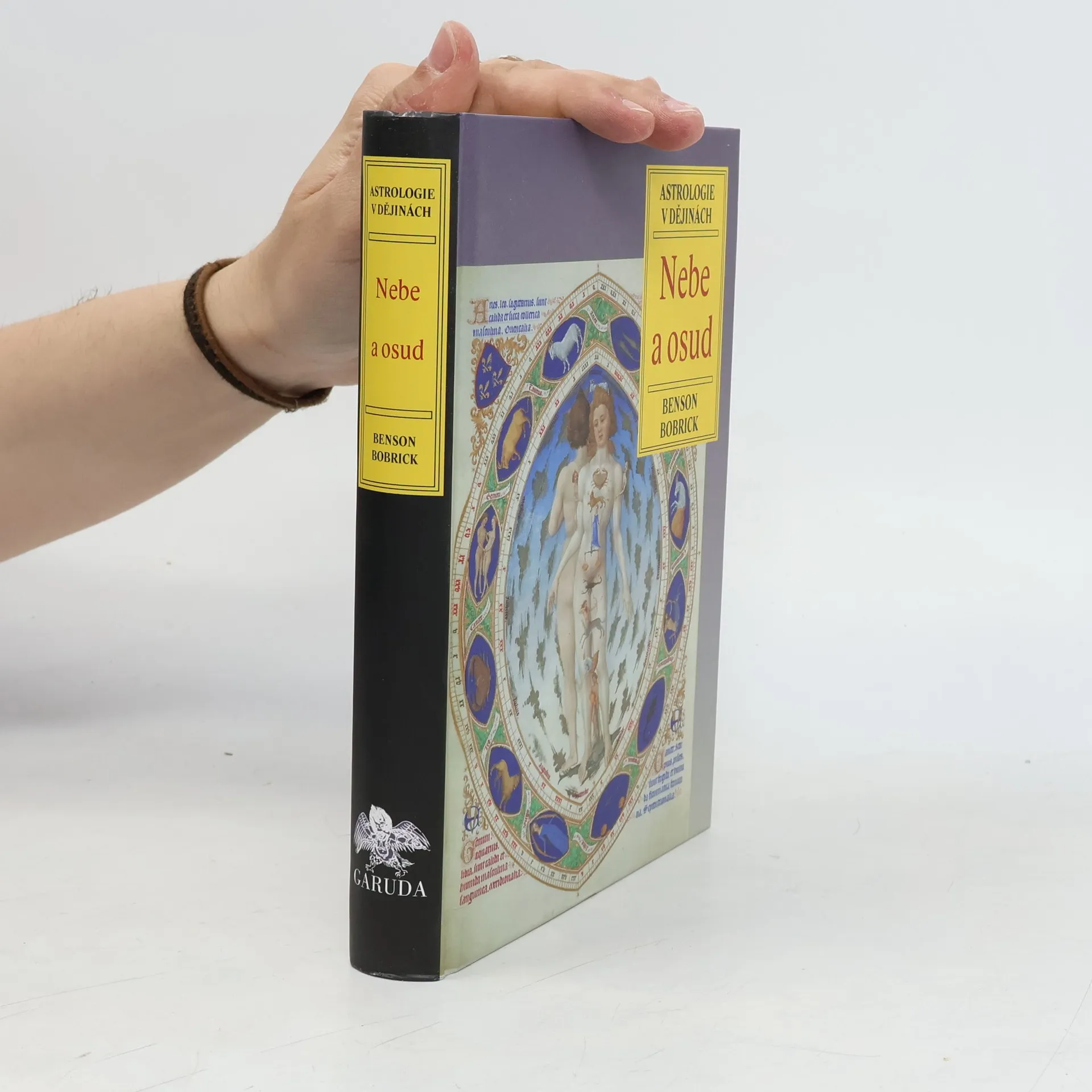
Podrobné kulturní dějiny astrologie - a to zejména v zemích západní Evropy a částečně i v USA.
Autor rozdělil text do tří částí (s průběžným číslováním kapitol). První díl knihy se zabývá podstatou astrologie (podle autora astrologie popisuje vývoj fyzického ustrojení vesmíru). Počátky astrologie klade do starověké Mezopotámie, kde zastávala úlohu měření plynutí času ještě před vynálezem kalendáře. Dále autor sleduje vývoj astrologie v antice (Řím), na Blízkém a Středním východě. Tato část je ukončena narozením Ježíše Krista a vznikem křesťanství. Druhá část knihy se zabývá astrologií ve středověku a novověku. Autor porovnává astrologii s astronomií a zdůrazňuje zájem o astrologii u předních hvězdářů tohoto období i vztah k astrologii u jiných vynikajících osobností sledované epochy. Podrobně se zabývá vývojem astrologie v Anglii, a to zejména v Londýně a Oxfordu; text prokládá životními příběhy astrologů i sympatizantů, ale i prvních odpůrců. Poslední část textu sleduje astrologii od počátku 18. století až do poloviny 20. století a to v souvislosti se světovými událostmi (zejména 1. a 2. světová válka). Zabývá se i módním trendem sestavování osobních horoskopů, astrologickým předvídáním přírodních i společenských katastrof (i využitím astrologie v boji proti terorismu v současnosti). - Na závěr je kniha doplněna vysvětlením základních astrologických pojmů, poznámkami k jednotlivým kapitolám, bibliografií a rejstříkem.