
Publiée en 1788, la Critique de la raison pratique s’inscrit dans le prolongement de la Critique de la raison pure (1781) et des Fondements de la métaphysique des moeurs (1785). Elle est aussi l’expression des conditions subjectives de la moralité et l’explication de la loi morale. Dans son introduction, Ferdinand Alquié rappelle les sources d’inspiration de Kant (Leibniz, Wolf, Rousseau), le processus de construction du sujet moral, le rôle de la liberté à l’articulation de la volonté bonne et de la loi.

Jerzy Gałecki Livres


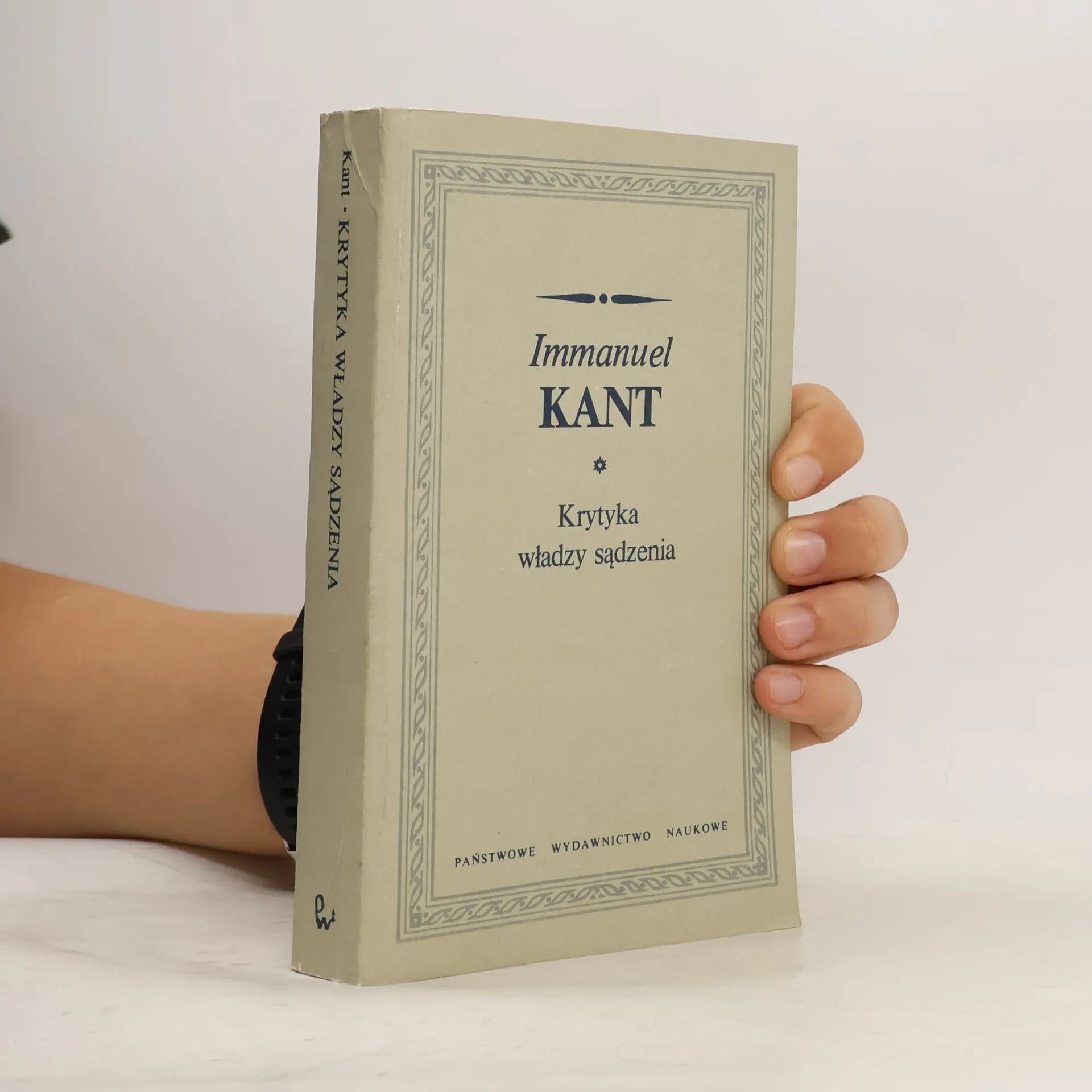
Krytyka władzy sądzenia
- 552pages
- 20 heures de lecture
In THE CRITIQUE OF JUDGMENT (1790), Immanuel Kant (1724-1804) seeks to establish the a priori principles underlying the faculty of judgment, just as he did in his previous critiques of pure and practical reason. The first part deals with the subject of our aesthetic sensibility; we respond to certain natural phenomena as beautiful, says Kant, when we recognize in nature a harmonious order that satisfies the mind's own need for order. The second half of the critique concentrates on the apparent teleology in nature's design of organisms. Kant argues that our minds are inclined to see purpose and order in nature and this is the main principle underlying all of our judgments. Although this might imply a super sensible Designer, Kant insists that we cannot prove a supernatural dimension or the existence of God. Such considerations are beyond reason and are solely the province of faith.