Maurice
- 304pages
- 11 heures de lecture
Written during 1913 and 1914, Maurice deals with the then unmentionable subject of homosexuality. More unusual, it concerns a relationship that ends happily.


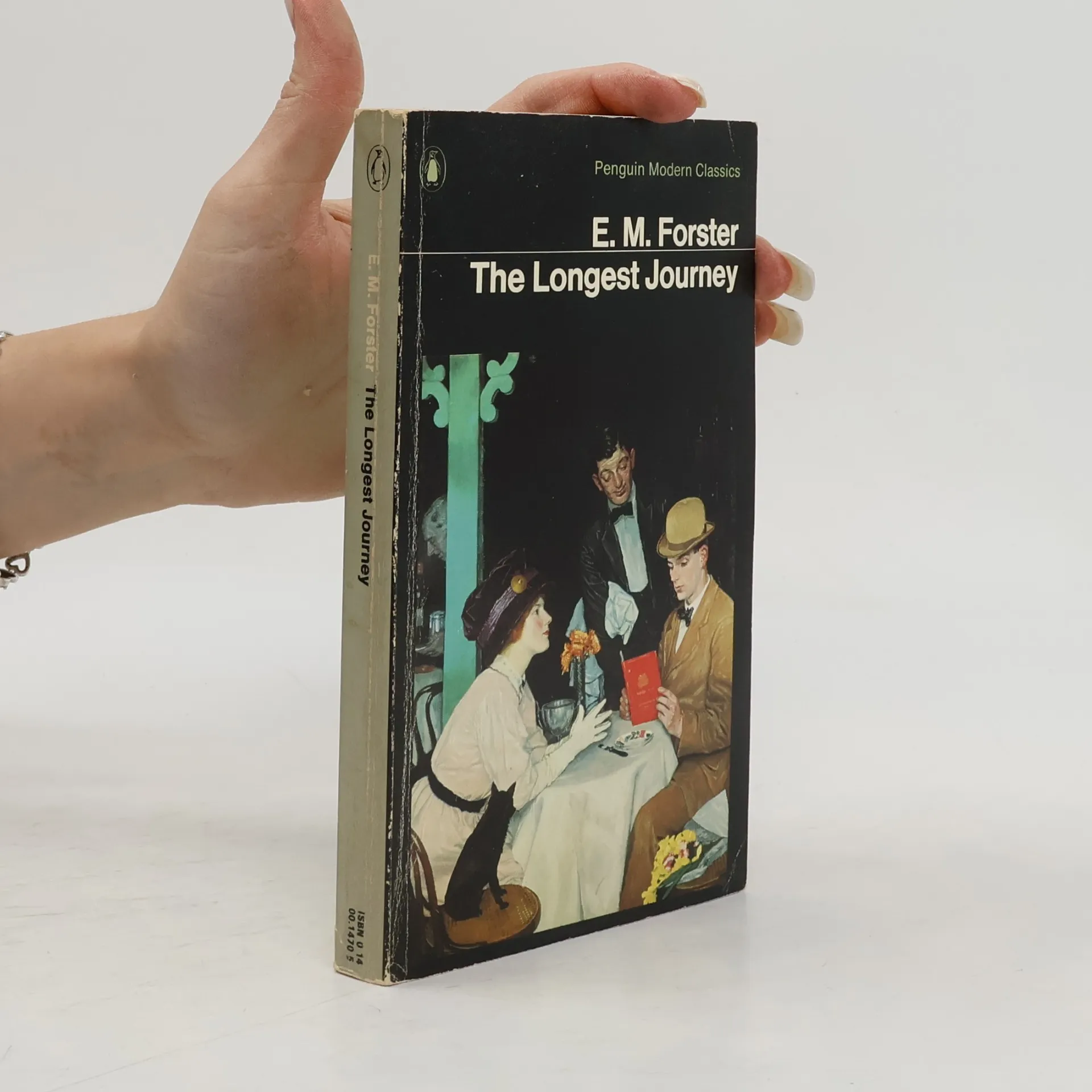
Written during 1913 and 1914, Maurice deals with the then unmentionable subject of homosexuality. More unusual, it concerns a relationship that ends happily.
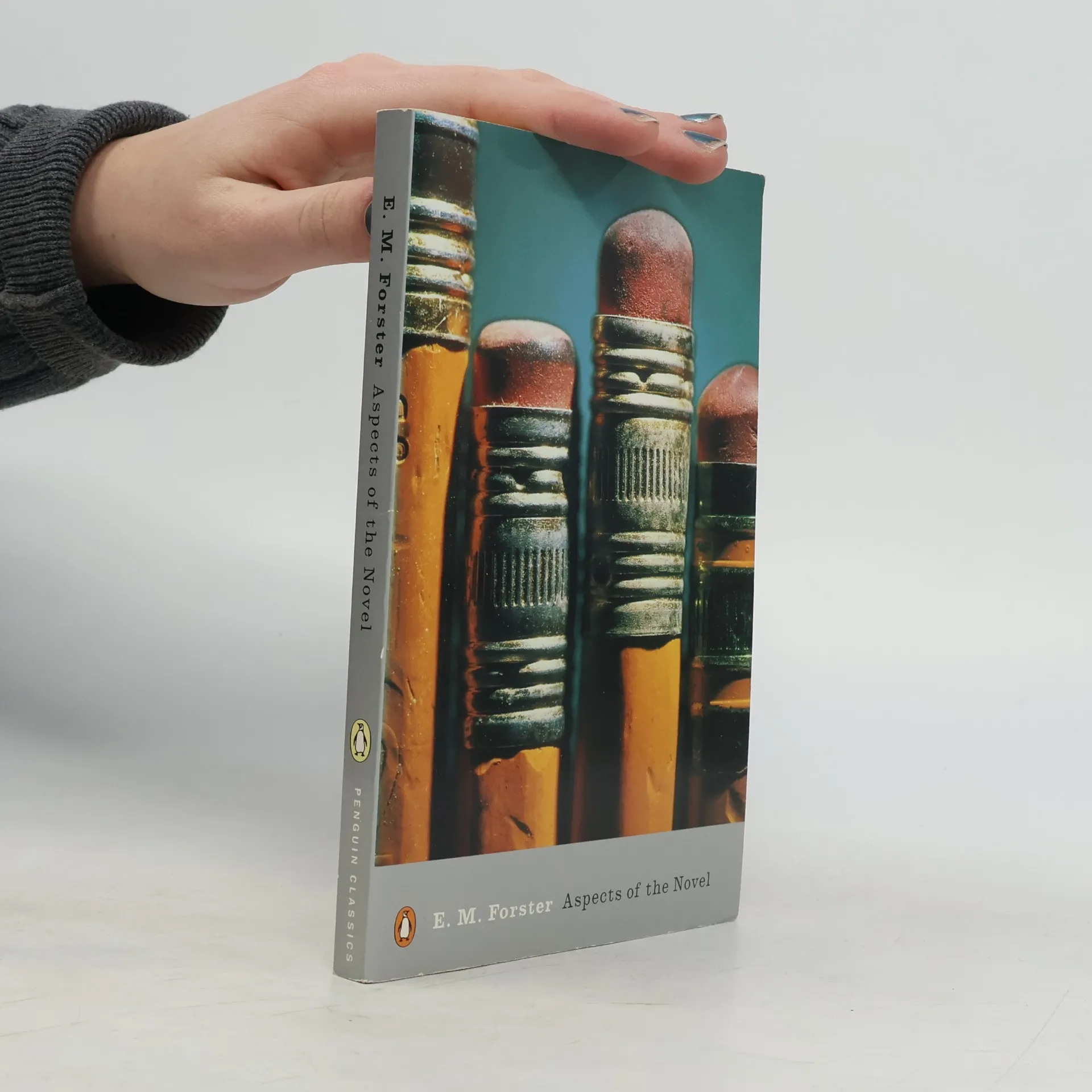
E.M. Forster's Aspects of the Novel is a groundbreaking exploration of the novel as a literary form, first presented as lectures at Cambridge University. This Penguin Classics edition, edited by Oliver Stallybrass, includes a new preface by Frank Kermode. Forster critiques the 'pseudoscholarship' of historical criticism, urging readers to envision great novelists collaborating in a shared space rather than being confined to their respective eras. He delves into elements such as character, plot, fantasy, and rhythm, drawing insightful comparisons among authors like Proust, James, Dickens, Thackeray, Eliot, and Dostoyevsky, highlighting both their commonalities and differences. The work is characterized by Forster's engaging, conversational style, infused with his signature wit and wisdom. Kermode's introduction reflects on how Forster's experiences as a novelist shaped his lectures. This edition also features the original introduction by Stallybrass, a chronology, further reading suggestions, and appendices. Forster (1879-1970), a prominent English author and member of the Bloomsbury group, is known for novels such as Where Angels Fear To Tread, A Room With A View, and Howards End. If you appreciate Aspects of the Novel, you may also enjoy Forster's A Room with a View, available in Penguin Classics.
The Machine Stops, The Celestial Omnibus, and Other Stories is a collection of short stories from E. M. Forster, who is perhaps best known for his novels Howards End and A Room with a View. Included in the collection is The Machine Stops, a science fiction story that predicted the internet, video conferencing, and instant messaging. Forster, who deplored science fiction, wrote the story in response to an optimistic depiction of the future by H. G. Wells. The story is one of the earliest examples of dystopian science fiction. Also included is The Story of a Panic, the first story Forster ever wrote.

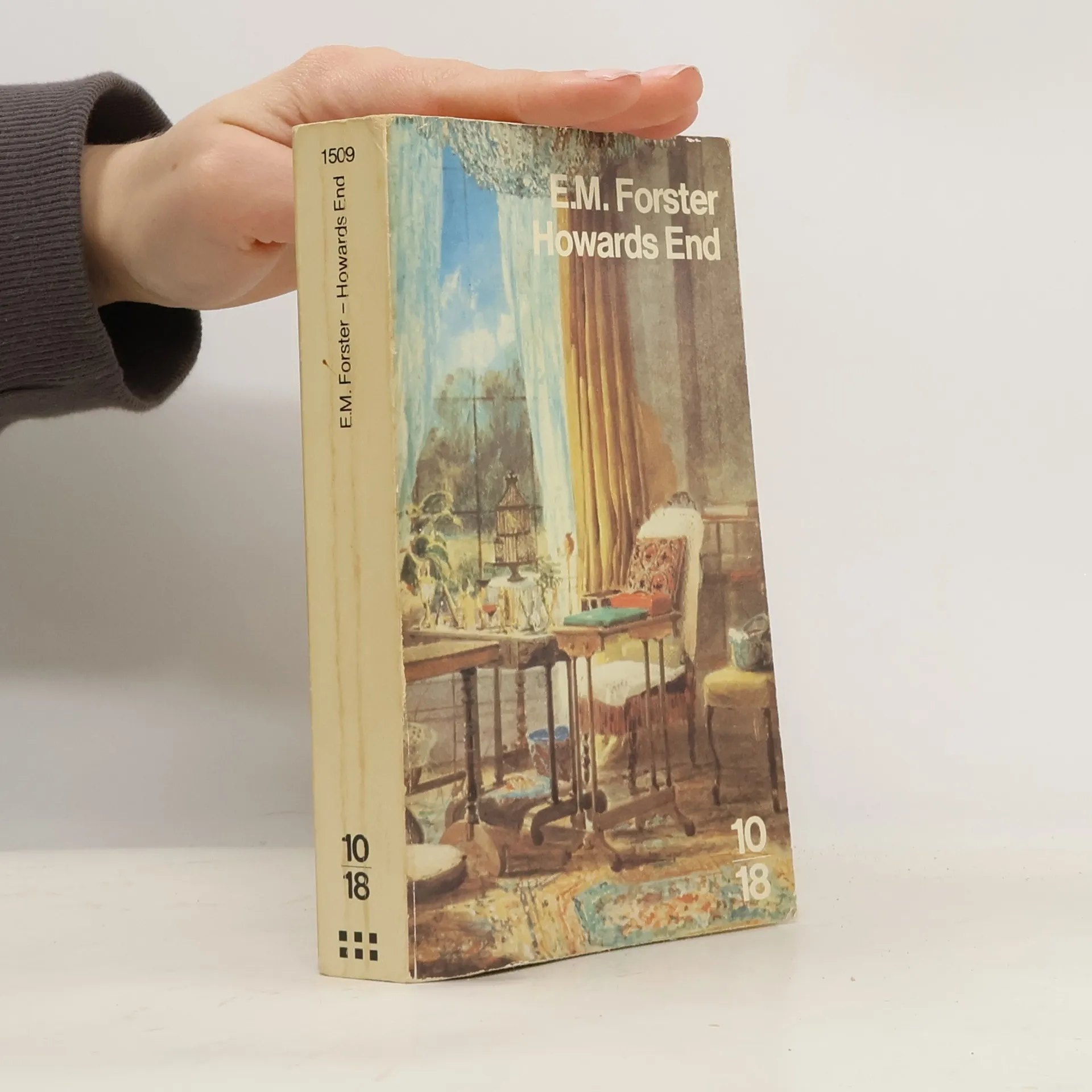
À sa publication en 1910, Howards End a été immédiatement et largement reconnu comme un classique. Ce roman explore les tensions entre les classes sociales en Angleterre à travers les destins entrelacés de plusieurs personnages. Il aborde des thèmes tels que la décadence des valeurs rurales, l'impact de l'urbanisation sur la vie humaine, et la suprématie de l'argent. Les préoccupations exprimées dans Howards End, comme la tyrannie croissante de la voiture et la superficialité des modes de vie modernes, résonnent encore aujourd'hui. La caractérisation subtile de Forster, son mélange d'ironie et de lyrisme, son humour, ainsi que sa richesse en symboles discrets, en font l'un des grands romans anglais. L'œuvre est une déclaration poignante des valeurs humaines et civilisées, toujours pertinente dans le contexte contemporain.
The modern classic of the re-creation of one day in the life of the sweeper and latrine cleaner Bakha, an untouchable. Anand pours a vitality and richness of detail and conveys with precision, urgency and barely disguised fury what it might have been like to be one of India's untouchables. * A Penguin Twentieth Century Classic. * With a foreword by E.M. Forster.

romanzo