

Yuval Noah Harari, acclaimed author of the bestseller *Sapiens*, presents a thought-provoking exploration of humanity's future and our ambition to elevate ourselves to god-like status. Over the last century, humans have remarkably managed to control famine, plague, and war, transforming these once uncontrollable forces into manageable challenges. Harari reveals that today, more individuals die from overeating than from hunger, more from old age than infectious diseases, and more take their own lives than are killed by violence. In fact, the average American is far more likely to die from unhealthy eating than from terrorist attacks. As we move beyond these historical threats, Harari poses critical questions about what will take their place on our agenda. What destinies will we choose as the self-proclaimed gods of Earth, and what ambitions will drive us? This exploration delves into the dreams and potential nightmares that will define the twenty-first century, including the pursuit of immortality and the creation of artificial life. It challenges us to consider our next steps and how we might safeguard our fragile world against our own destructive tendencies. With the same clarity and insight that characterized *Sapiens*, Harari charts a compelling vision for our future.
Marco Piani Livres
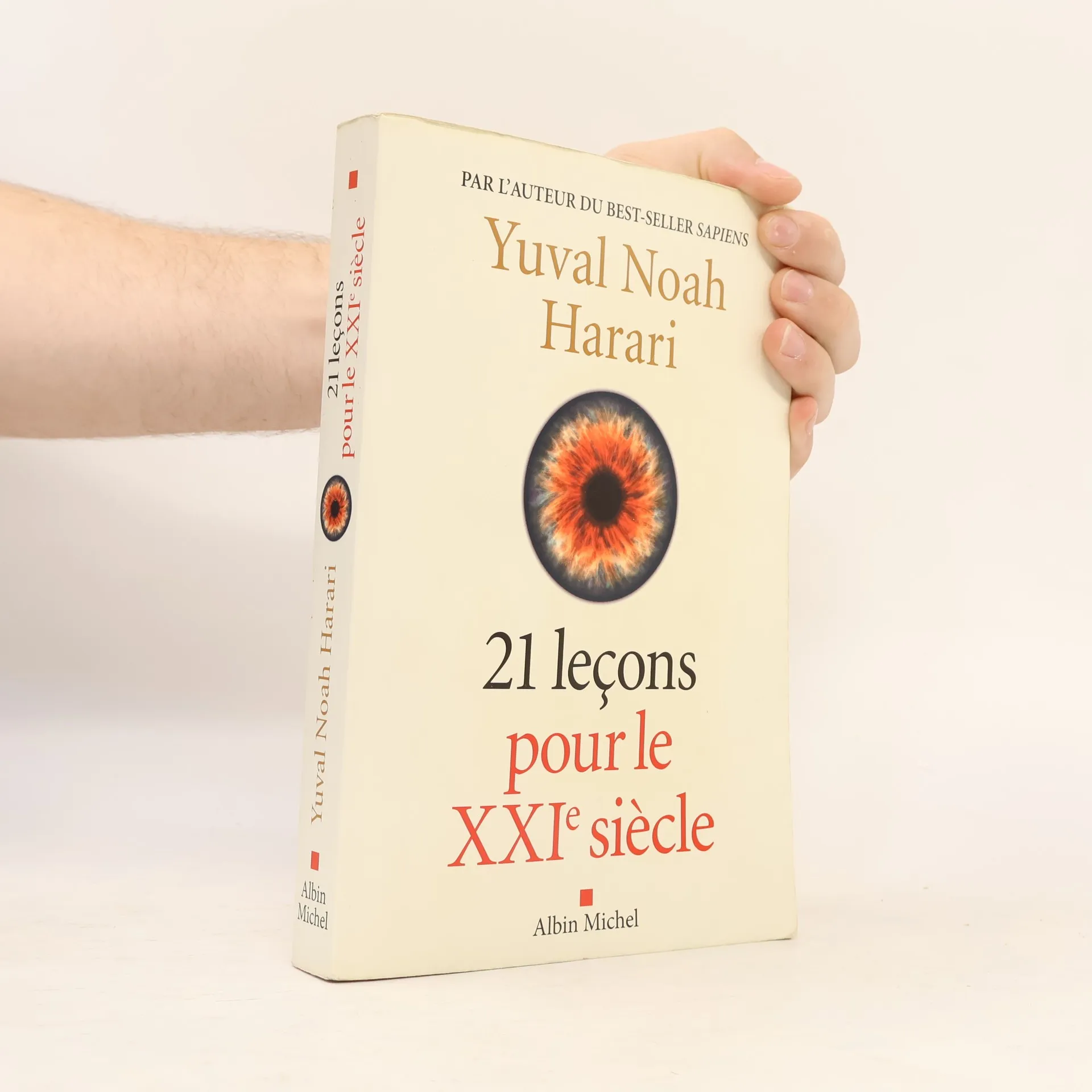

"Après Sapiens qui explorait le passé de notre humanité et Homo Deus la piste d'un avenir gouverné par l'intelligence artificielle, 21 leçons pour le XXIe siècle nous confronte aux grands défis contemporains. Pourquoi la démocratie libérale est-elle en crise ? Sommes-nous à l'aube d'une nouvelle guerre mondiale ? Que faire devant l'épidémie de « fake news » ? Quelle civilisation domine le monde : l'Occident, la Chine ou l'Islam ? Que pouvons-nous faire face au terrorisme ? Que devons-nous enseigner à nos enfants ?Avec l'intelligence, la perspicacité et la clarté qui ont fait le succès planétaire de ses deux précédents livres, Yuval Noah Harari décrypte le XXIe siècle sous tous ses aspects - politique, social, technologique, environnemental, religieux, existentiel... Un siècle de mutations dont nous sommes les acteurs et auquel, si nous le voulons réellement, nous pouvons encore redonner sens par notre engagement. Car si le futur de l'humanité se décide sans nous, nos enfants n'échapperont pas à ses conséquences." -- [4e de couv.]