

La traviata est une œuvre en trois actes de Giuseppe Verdi, basée sur un livret de Francesco Maria Piave, inspiré de la pièce d'Alexandre Dumas (fils) La dame aux camélias. Elle fait partie de la "trilogie populaire" avec Il trovatore et Rigoletto. Composée en partie à la villa des éditeurs Ricordi à Cadenabbia, sur le lac de Côme, elle a fait ses débuts au Teatro La Fenice de Venise le 6 mars 1853, mais a initialement échoué en raison d'interprètes inadaptés et de la délicatesse du thème. Reprise l'année suivante avec une distribution améliorée, elle a enfin obtenu le succès mérité. En raison des critiques à l'égard de la société bourgeoise, l'œuvre a subi des modifications de la censure dans divers théâtres italiens, avec certains passages altérés et un changement de l'implantation du XIXe au XVIIIe siècle.
Daniel S. Brink Livres
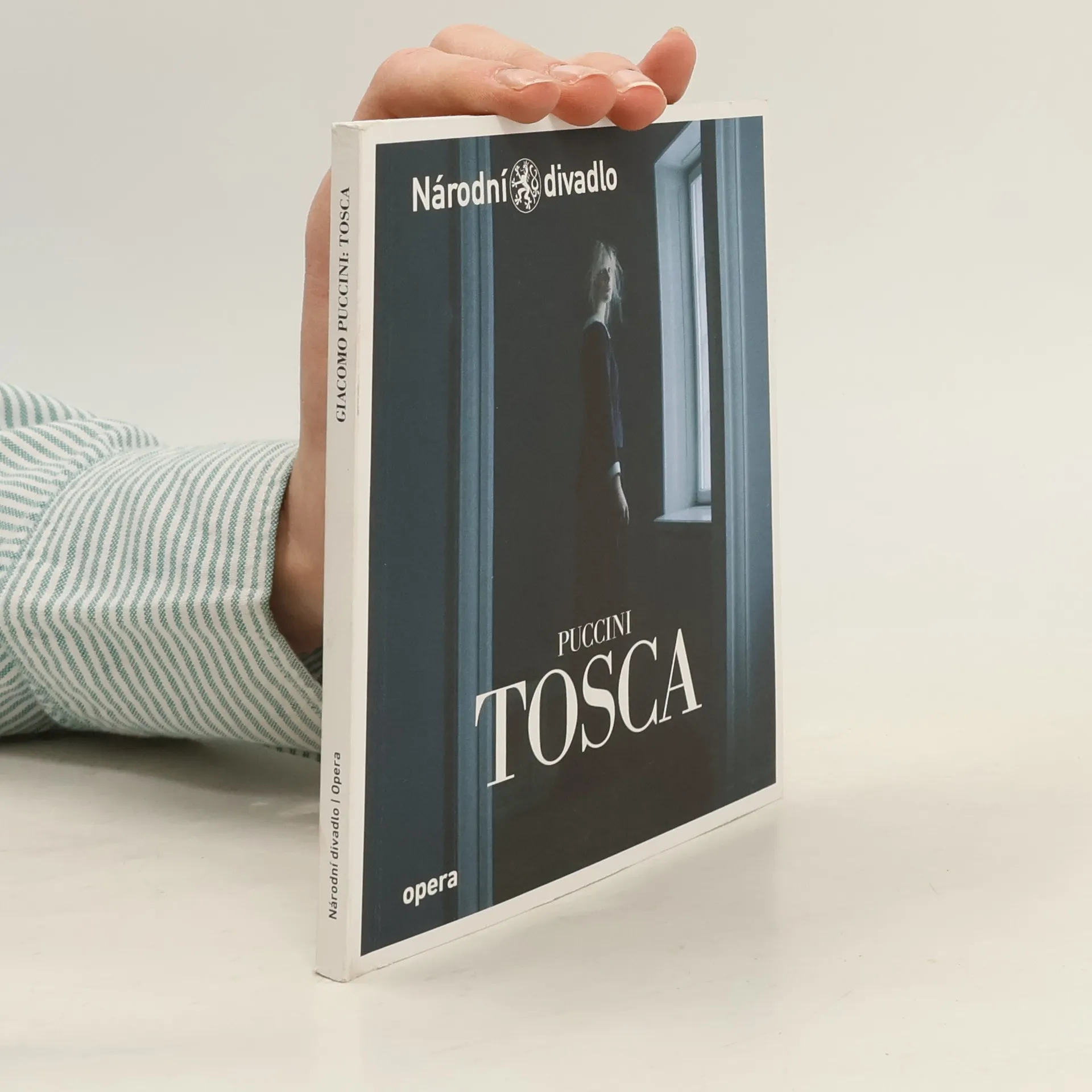
Puccini's opera "Tosca" is based on a play by Victorien Sardou, which the composer saw in Milan with the famous actress Sarah Bernhardt. The story is partly set during the time of Napoleon and revolves around the tragedy of the renowned singer Floria Tosca. After much effort, Puccini secured Sardou's approval for an opera based on this narrative, leading to the premiere of "Tosca" in Rome in 1900, which was a resounding success for the composer. The text juxtaposes the Italian libretto with a widely used German translation, providing insights into the musical and dramatic elements of the opera, including compositional structure and thematic connections. A brief summary of the plot, an overview of its creation, and discussions of the themes and story place the work within the broader context of the composer's oeuvre and biography, offering a comprehensive and richly illustrated introduction.