

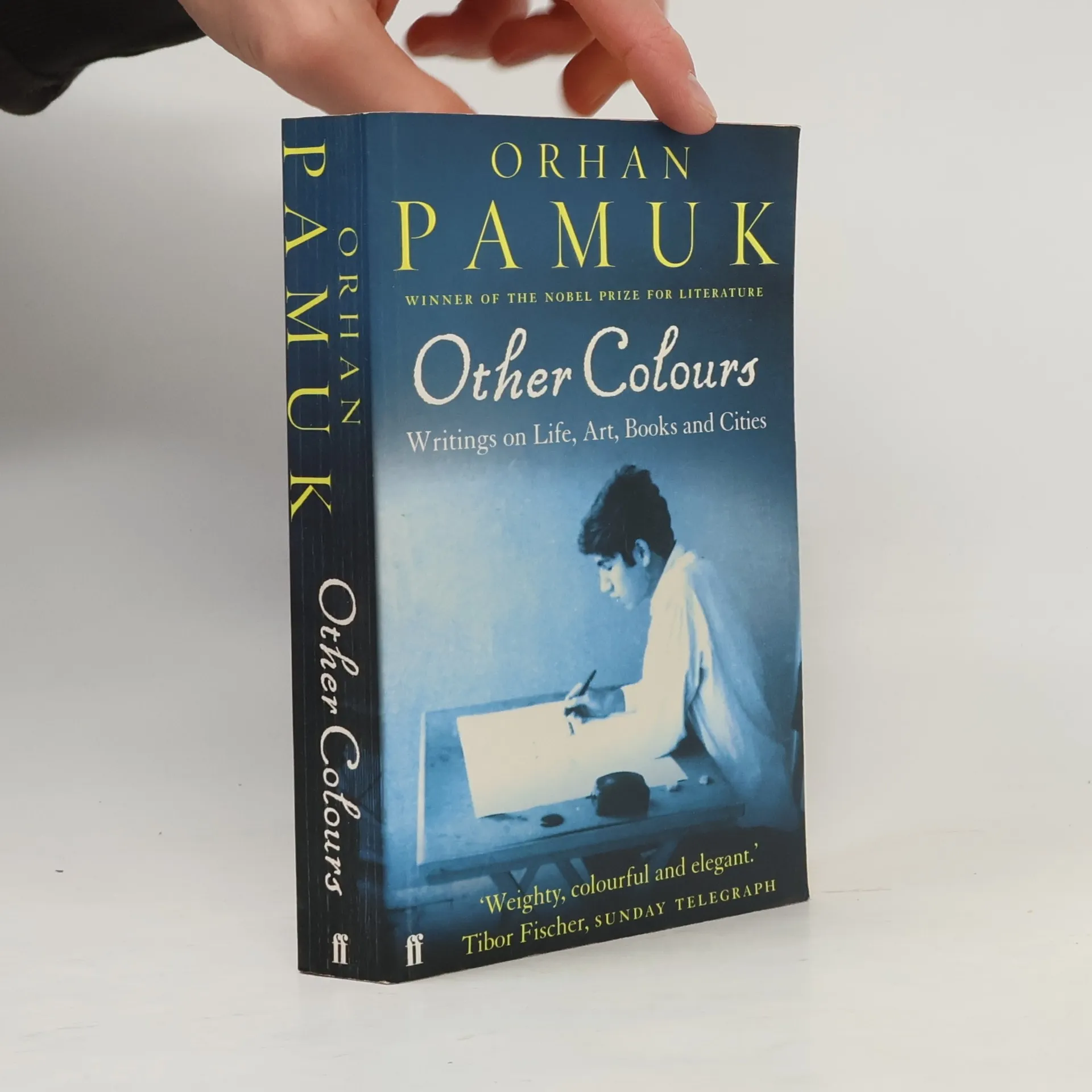
In the three decades that Nobel prize-winning author Orhan Pamuk has devoted himself to writing fiction, he has also produced scores of witty, moving, and provocative essays and articles. He engages the work of Nabokov, Kundera, Rushdie, and Vargas Llosa, among others, and he discusses his own books and writing process. We also learn how he lives, as he recounts his successful struggle to quit smoking, describes his relationship with his daughter, and reflects on the controversy he has attracted in recent years. Here is a thoughtful compilation of a brilliant novelist's best nonfiction, offering different perspectives on his lifelong obsessions with loneliness, contentment, and the books and cities that have shaped his experience.
Şemsa Gezgin Ordre des livres (chronologique)
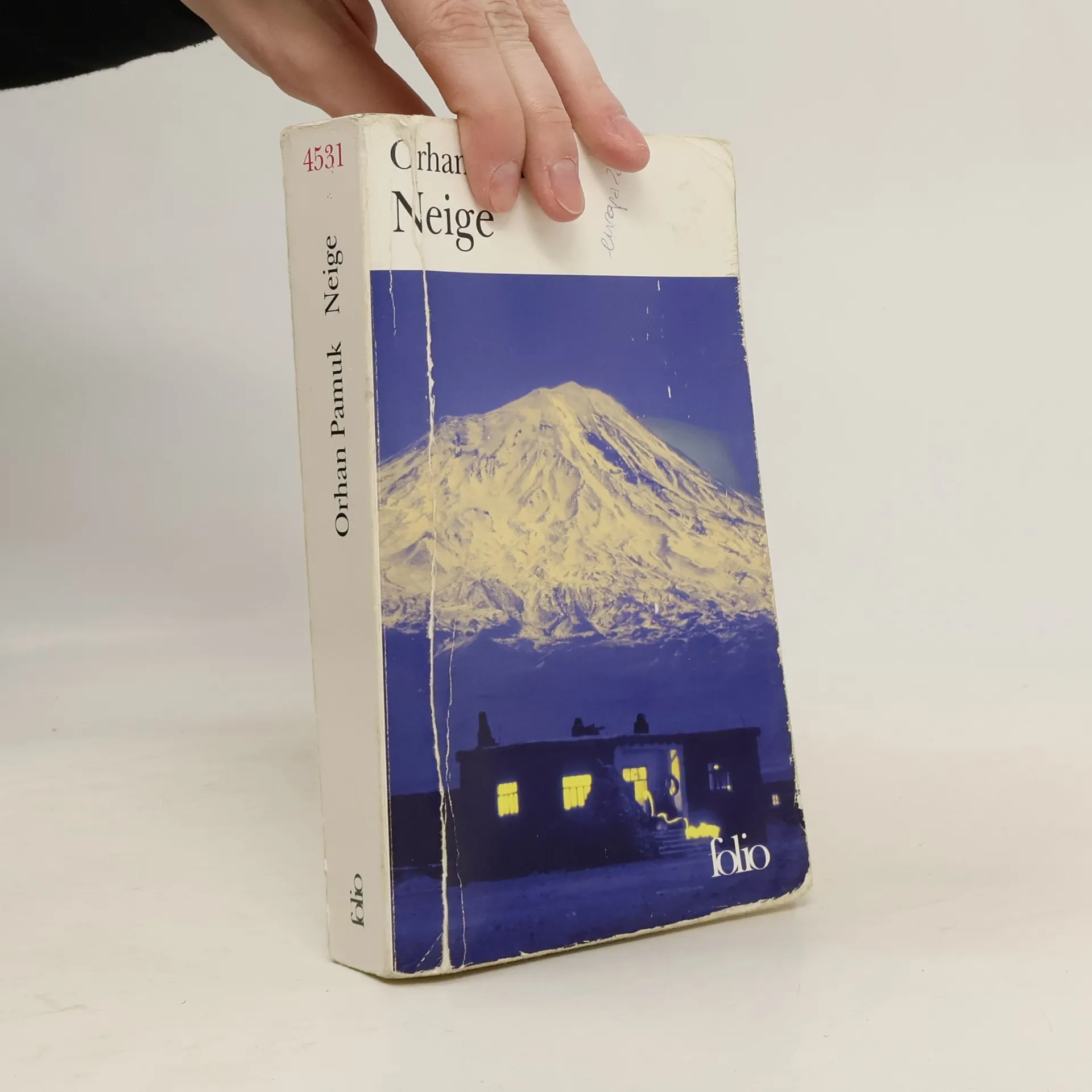
Neige
- 624pages
- 22 heures de lecture
Le jeune poète turc Ka quitte son exil allemand pour se rendre à Kars, une petite ville provinciale endormie d'Anatolie. Pour le compte d'un journal d'Istanbul, il part enquêter sur plusieurs cas de suicide de jeunes femmes portant le foulard. Mais Ka désire aussi retrouver la belle Ipek, ancienne camarade de faculté fraîchement divorcée. A peine arrivé dans la ville de Kars, en pleine effervescence en raison des prochaines élections, il est l'objet de diverses sollicitudes : le chef de la police locale, la soeur d'Ipek, l'islamiste radical Lazuli vivant dans la clandestinité, ou l'acteur républicain Sunay, tous essaient de le rallier à leur cause. Mais ka avance, comme dans un rêve, voyant tout à travers le filtre de son inspiration poétique retrouvée, stimulée par sa passion grandissante pour Ipek, et le voile de neige qui couvre la ville. Jusqu'au soir où une représentation théâtrale se transforme en putsch militaire et tourne au carnage. Un extraordinaire roman à suspense qui, jouant habilement avec des sujets politiques très contemporains, comme l'identité de la société turque et la nature du fanatisme religieux, surprend par ce ton poétique et nostalgique qui, telle la neige, nimbe chaque page.
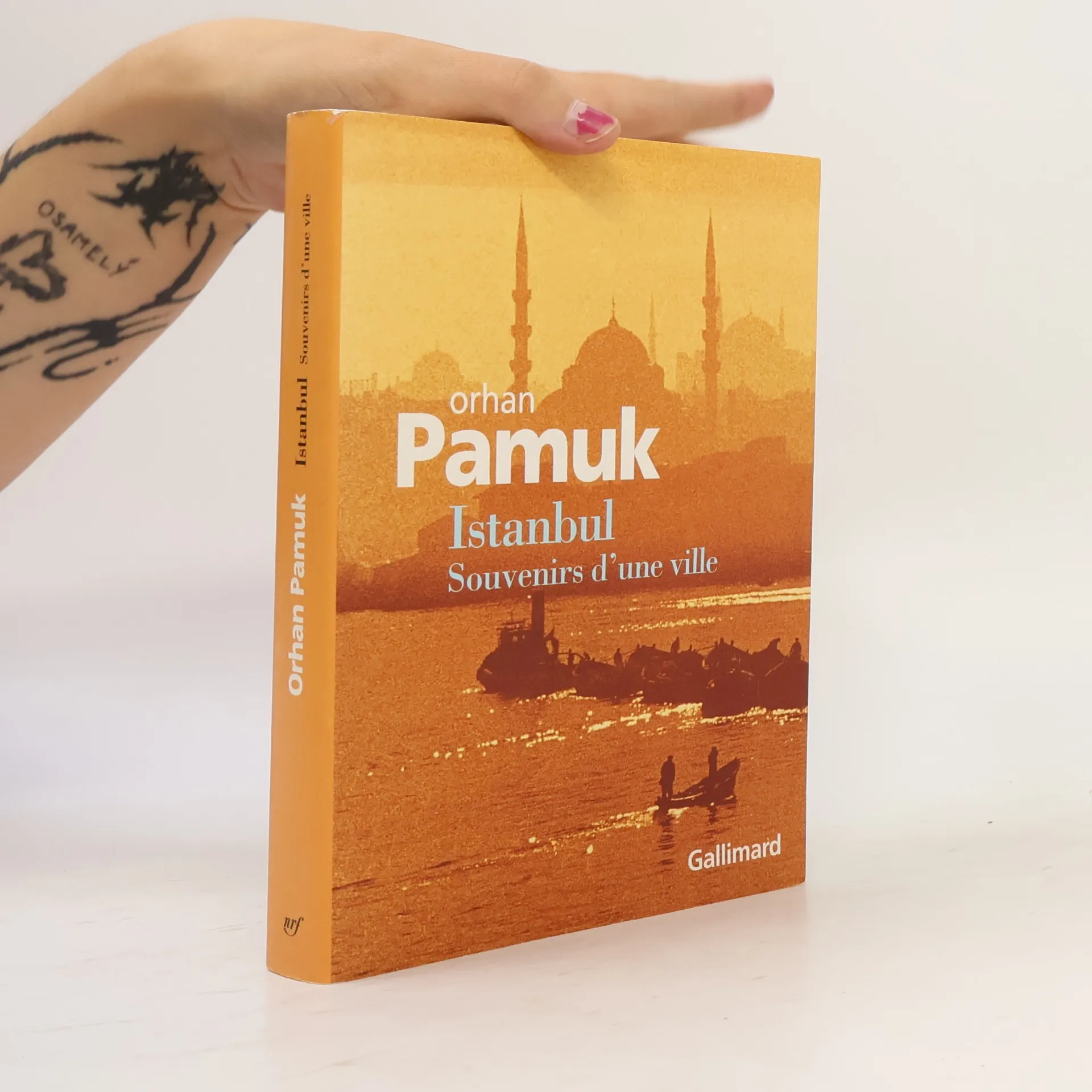
A shimmering evocation, by turns intimate and panoramic, of one of the world’s great cities, by its foremost writer. Orhan Pamuk was born in Istanbul and still lives in the family apartment building where his mother first held him in her arms. His portrait of his city is thus also a self-portrait, refracted by memory and the melancholy–or h ü z ü n– that all Istanbullus share: the sadness that comes of living amid the ruins of a lost empire.With cinematic fluidity, Pamuk moves from his glamorous, unhappy parents to the gorgeous, decrepit mansions overlooking the Bosphorus; from the dawning of his self-consciousness to the writers and painters–both Turkish and foreign–who would shape his consciousness of his city. Like Joyce’s Dublin and Borges’ Buenos Aires, Pamuk’s Istanbul is a triumphant encounter of place and sensibility, beautifully written and immensely moving.
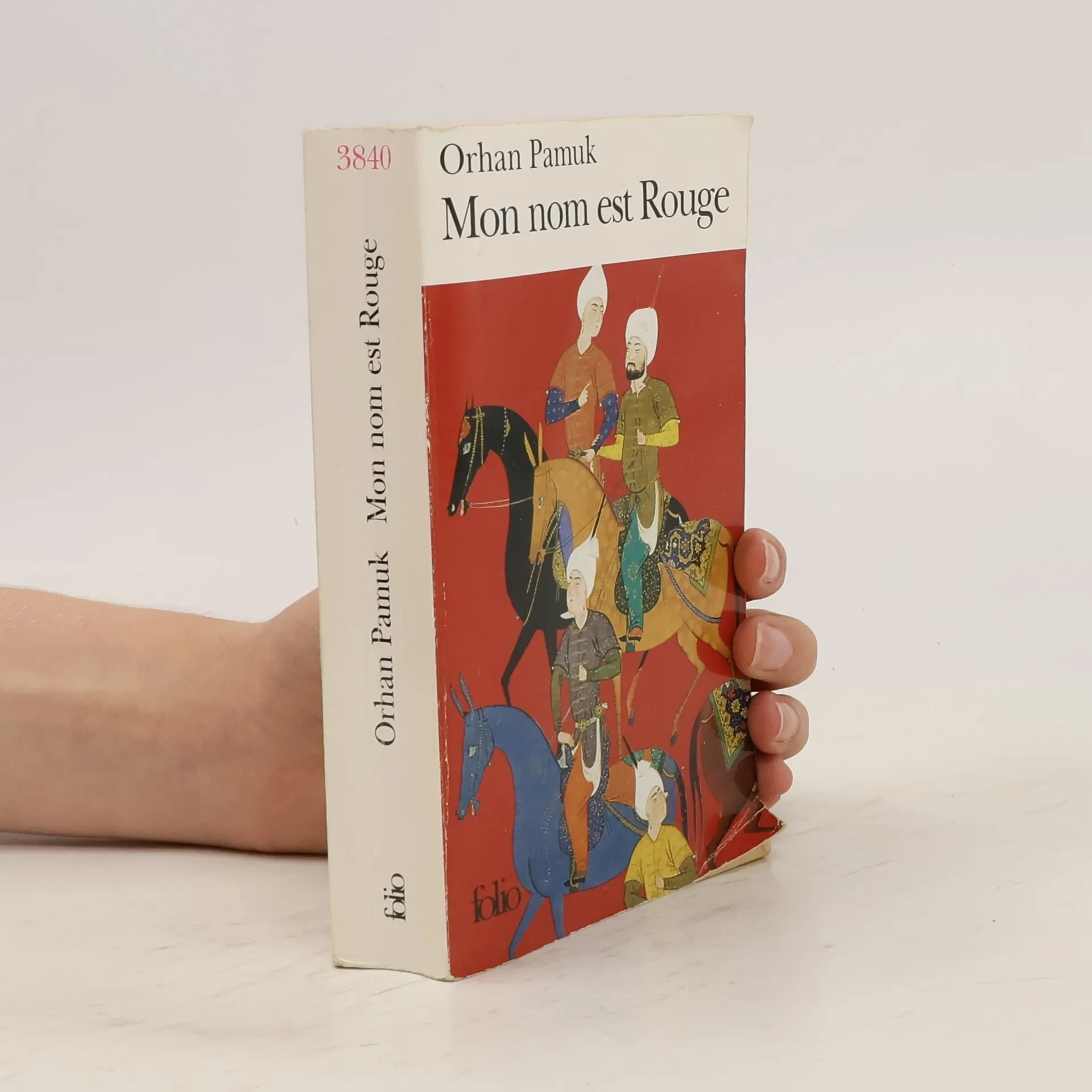
Mon nom est Rouge
- 739pages
- 26 heures de lecture
Istanbul, en cet hiver 1591, est sous la neige. Mais un cadavre, le crâne fracassé, nous parle depuis le puits ou il a été jeté. Il connaît son assassin, de meme que les raisons du meurtre dont il a été victime : un complot contre l'Empire ottoman, sa culture, ses traditions et sa peinture. Car les miniaturistes de l'atelier du Sultan, dont il faisait partie, sont chargés d'illustrer un livre a la maniere italienne... Mon nom est Rouge, roman polyphonique et foisonnant, nous plonge dans l'univers fascinant de l'Empire ottoman de la fin du XVIe siecle, et nous tient en haleine jusqu'a la derniere page par un extraordinaire suspense. Une subtile réflexion sur la confrontation entre Occident et Orient sous-tend cette trame policiere, elle- meme doublée d'une intrigue amoureuse, dans un récit parfaitement maîtrisé. Un roman d'une force et d'une qualité rares. schovat popis