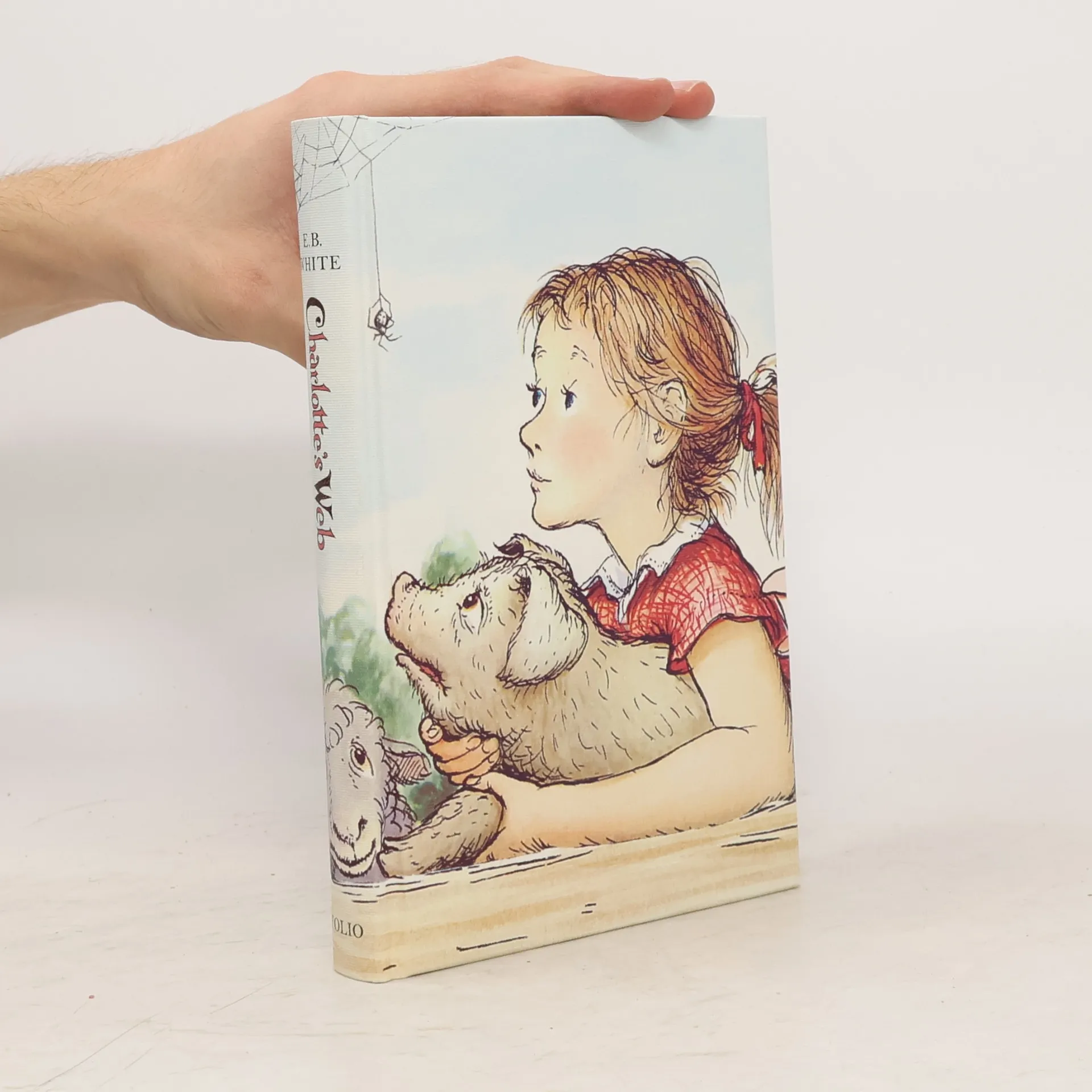
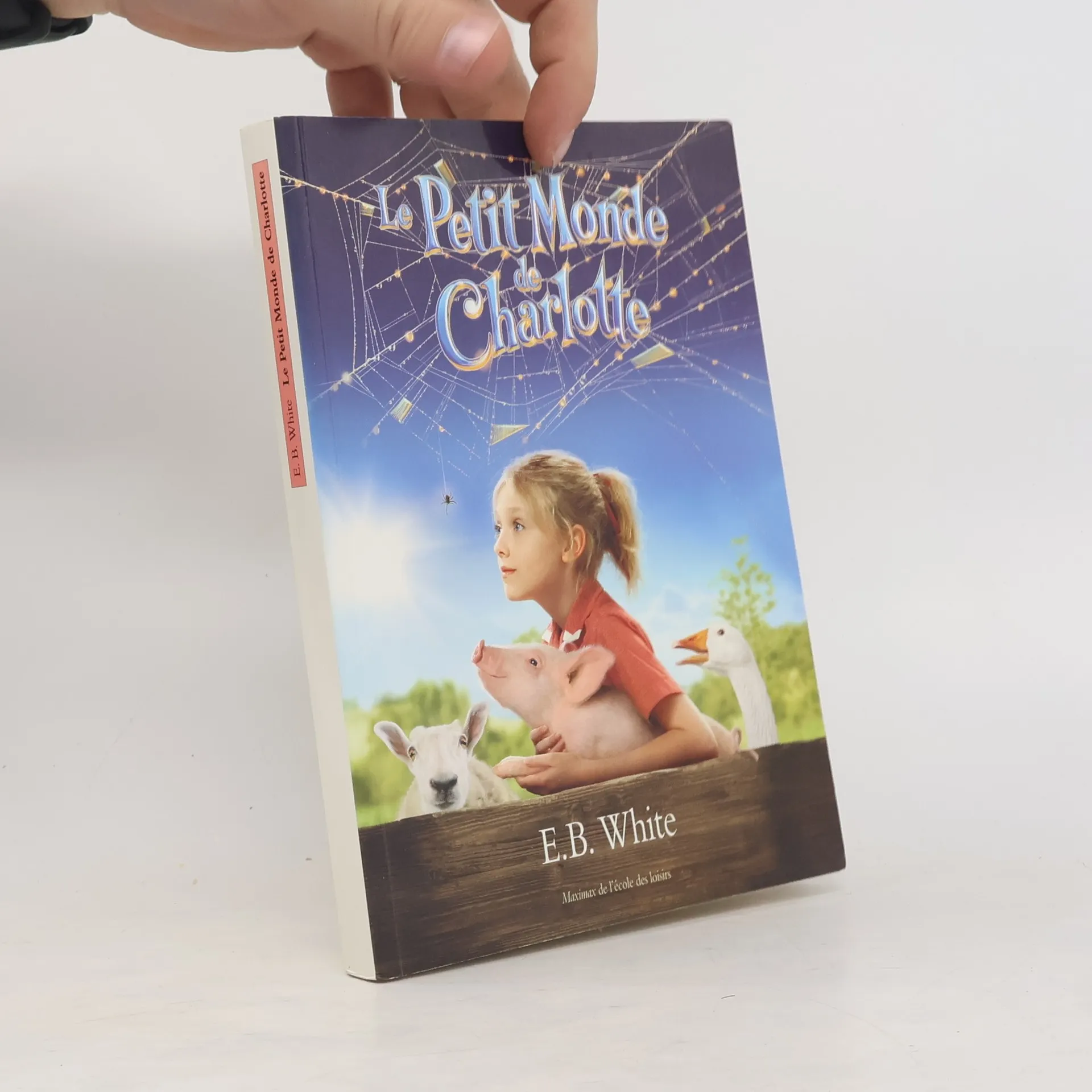
La petite Fern passe l'été chez son oncle Homère. Dans la grange, les animaux parlent librement devant elle. Elle entend la brebis dire à Wilbur le cochon, que les hommes l'engraissent pour le manger. Il en est bouleversé. Charlotte l'araignée le console puis conçoit un plan pour le sauver. Tous les animaux sont mis à contribution, même Templeton le rat, qui ne fait jamais rien sans contrepartie ...
He's one small mouse on one very big adventure Stuart Little is no ordinary mouse. Born to a family of humans, he lives in New York City with his parents, his older brother George, and Snowbell the cat. Though he's shy and thoughtful, he's also a true lover of adventure. Stuart's greatest adventure comes when his best friend, a beautiful little bird named Margalo, disappears from her nest. Determined to track her down, Stuart ventures away from home for the very first time in his life. He finds adventure aplenty. But will he and his friend? (back cover)
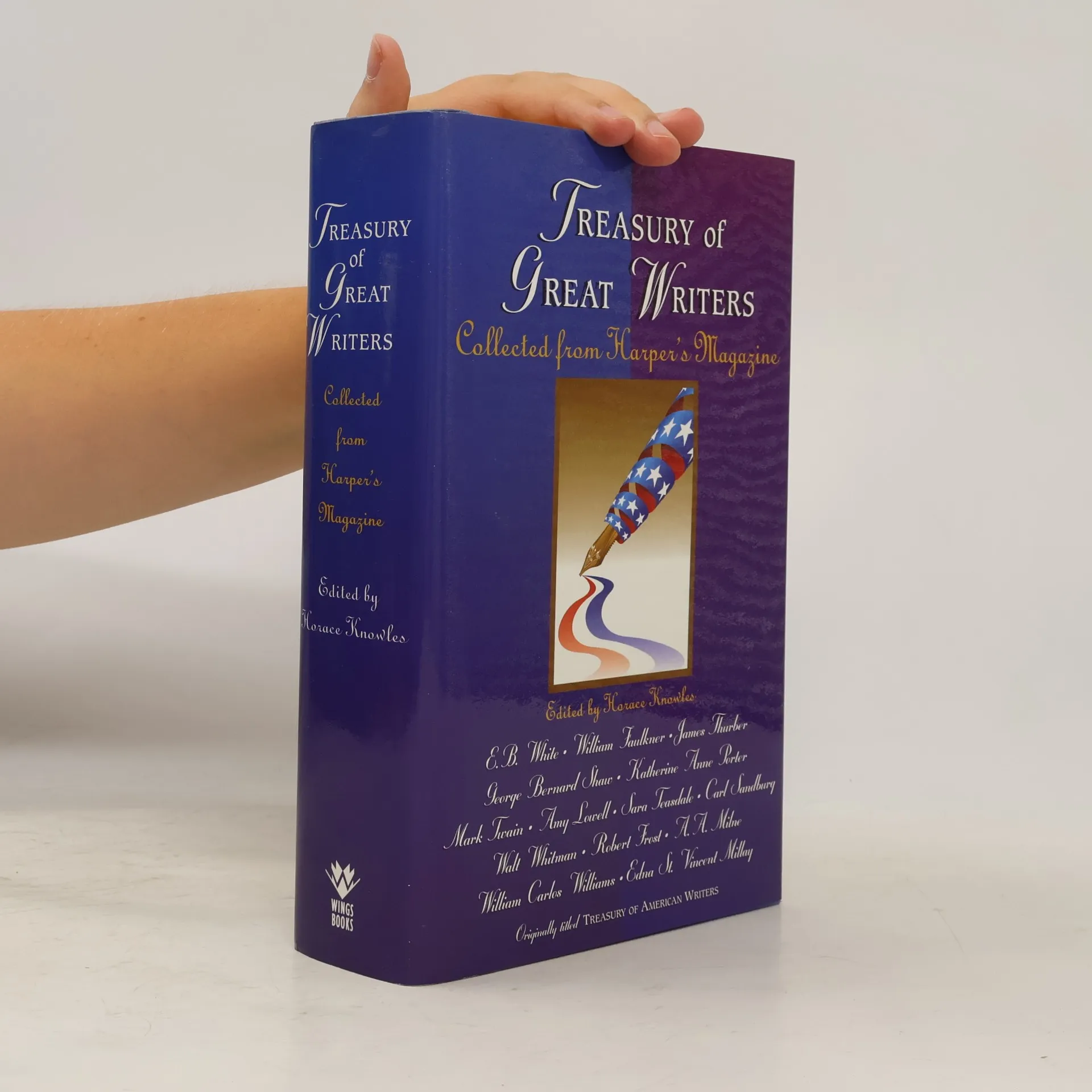
A diverse collection of essays by famous writers is culled from the pages of Harper's Magazine, and includes William Faulkner on integration, John Kenneth Galbraith on the Wall Street crash, and James Thurber on women.
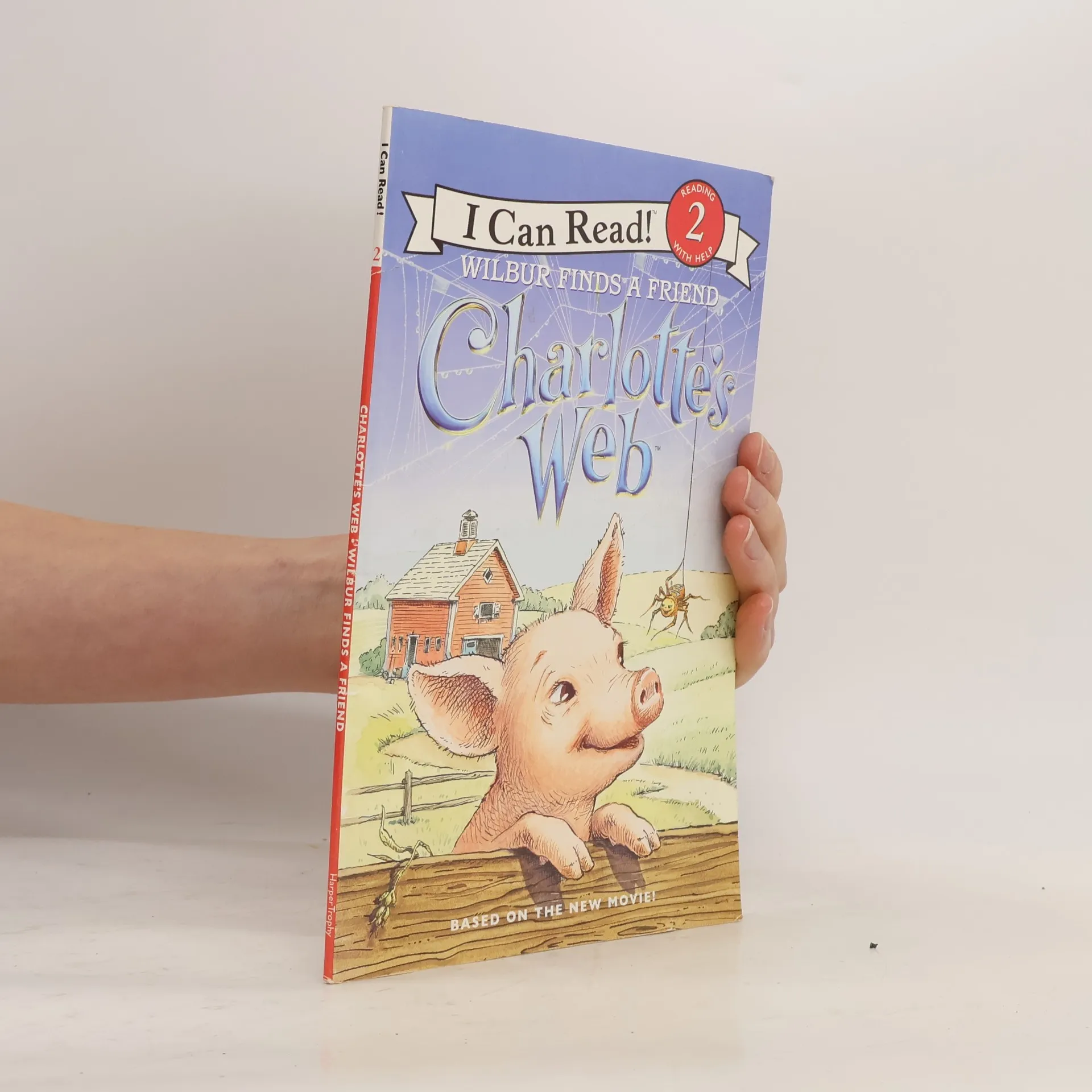
Wilbur is moving to Zuckerman's farm—but he is nervous! The barn is a big, scary place. With a little help from a friendly spider named Charlotte, Wilbur learns that life on Zuckerman's farm is not so bad after all.
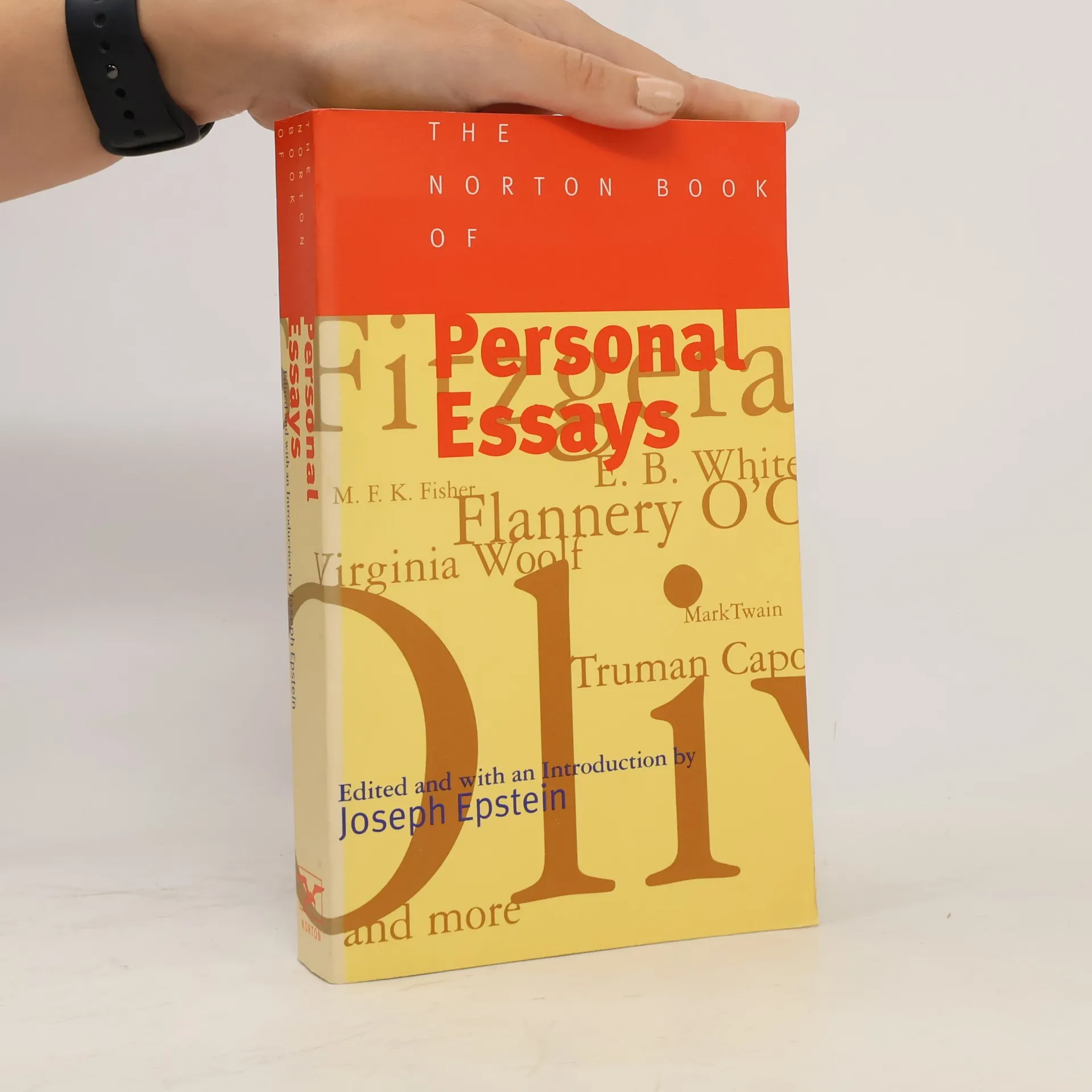
In this anthology of twentieth-century essays, some of our most-admired American and British writers express their lively, candid, entertaining, thoughtful, andabove allvarious opinions. Topics range from Tangier to a lake in Maine, from racial conflict to sky diving, from the expectations we bring to travel to the athletics of the table. The essays are selected and introduced by Joseph Epstein, himself a leading contemporary practitioner of the form. Most prominent in each essay is the distinctive style of the essayist; style, as Epstein points out in his introduction, is not only what keeps literature alive but also a personal way of looking at the world.Blending the profound and the buoyant, the traditional and the new, the expected and the surprising, The Norton Book of Personal Essays offers a basketful of delights sure to find a permanent place on readers' shelves. Mark Twain, Max Beerbohm, Virginia Woolf, Willa Cather, M. F. K. Fisher, F. Scott Fitzgerald, E. B. White, Oliver Sacks, H. L. Mencken, Truman Capote, and Flannery O'Connor are among the contributors to this volume. The chief principle of selection has been the pleasure that essays, operating at their highest power, always give.
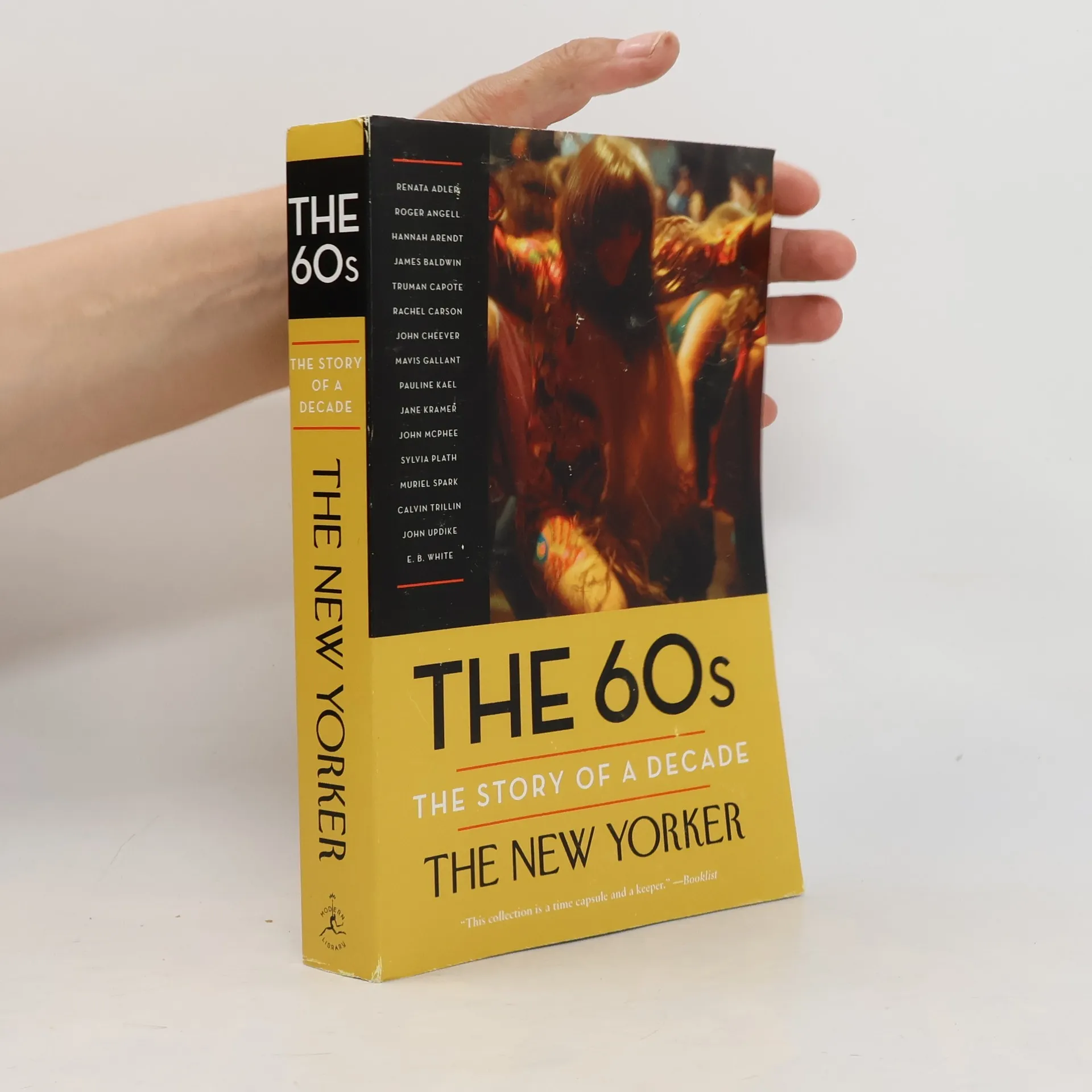
The anthology features significant New Yorker articles from the tumultuous 20th century, showcasing works by renowned authors like James Baldwin, Sylvia Plath, and Pauline Kael. It also includes contemporary evaluations of the 1960s by today's leading writers, providing a rich exploration of the era's cultural and social dynamics. This collection highlights both historical perspectives and modern interpretations, making it a compelling read for those interested in literary history and the evolution of thought during a pivotal decade.