Les Aventuriers du bout du monde
- 453pages
- 16 heures de lecture


L'écriture de Michael Talbot a fréquemment exploré la confluence de la science et de la spiritualité, se plongeant dans des concepts mystiques et le paranormal. Son œuvre la plus acclamée a examiné la théorie selon laquelle l'univers entier est un hologramme, un concept qui continue de susciter la discussion. Malgré la construction d'un culte pour ses explorations fictives dans le genre de l'horreur, sa non-fiction a profondément marqué les lecteurs en faisant le pont entre le tangible et l'extraordinaire. L'héritage de Talbot réside dans sa capacité unique à interroger la nature de la réalité et à présenter des idées profondes avec une clarté convaincante.


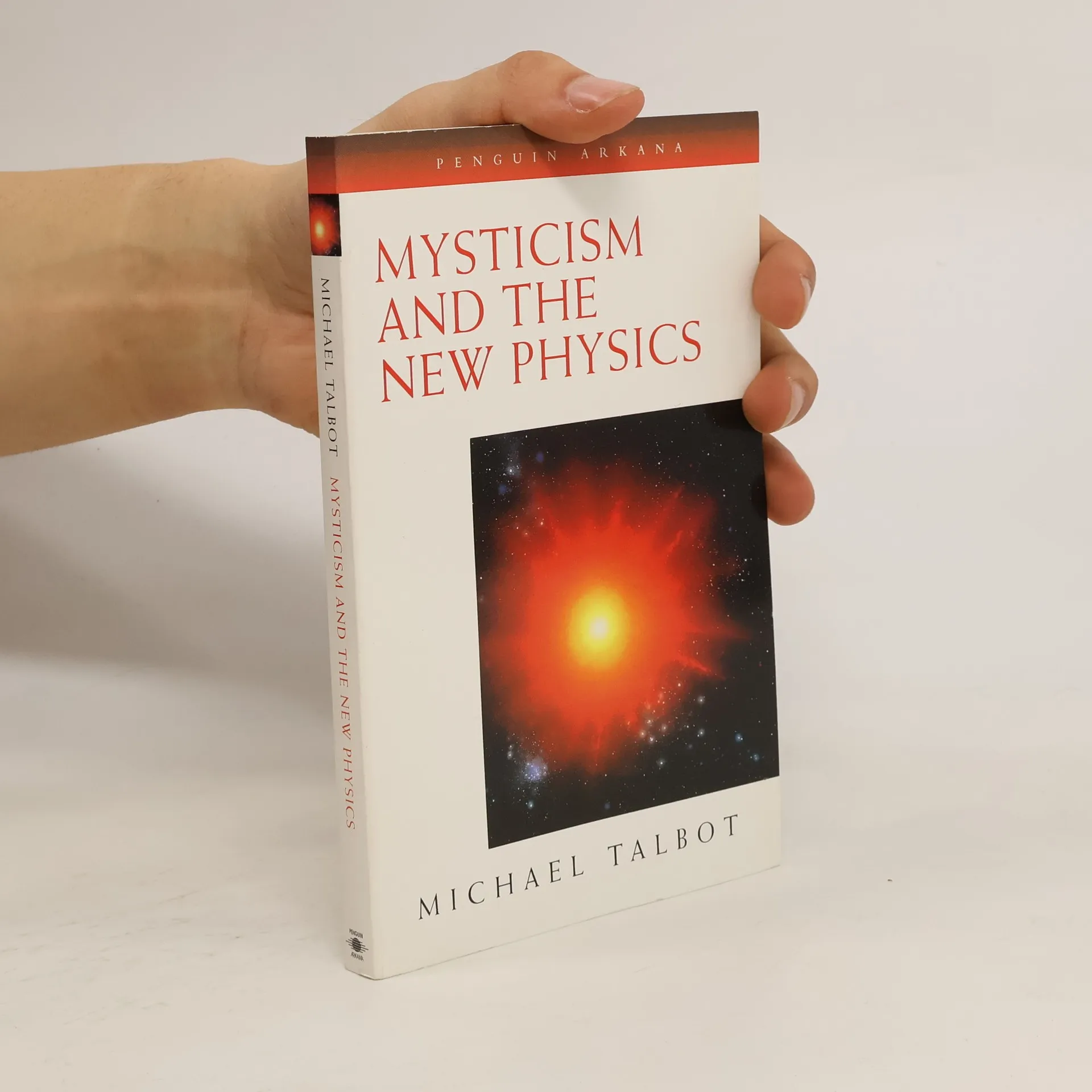
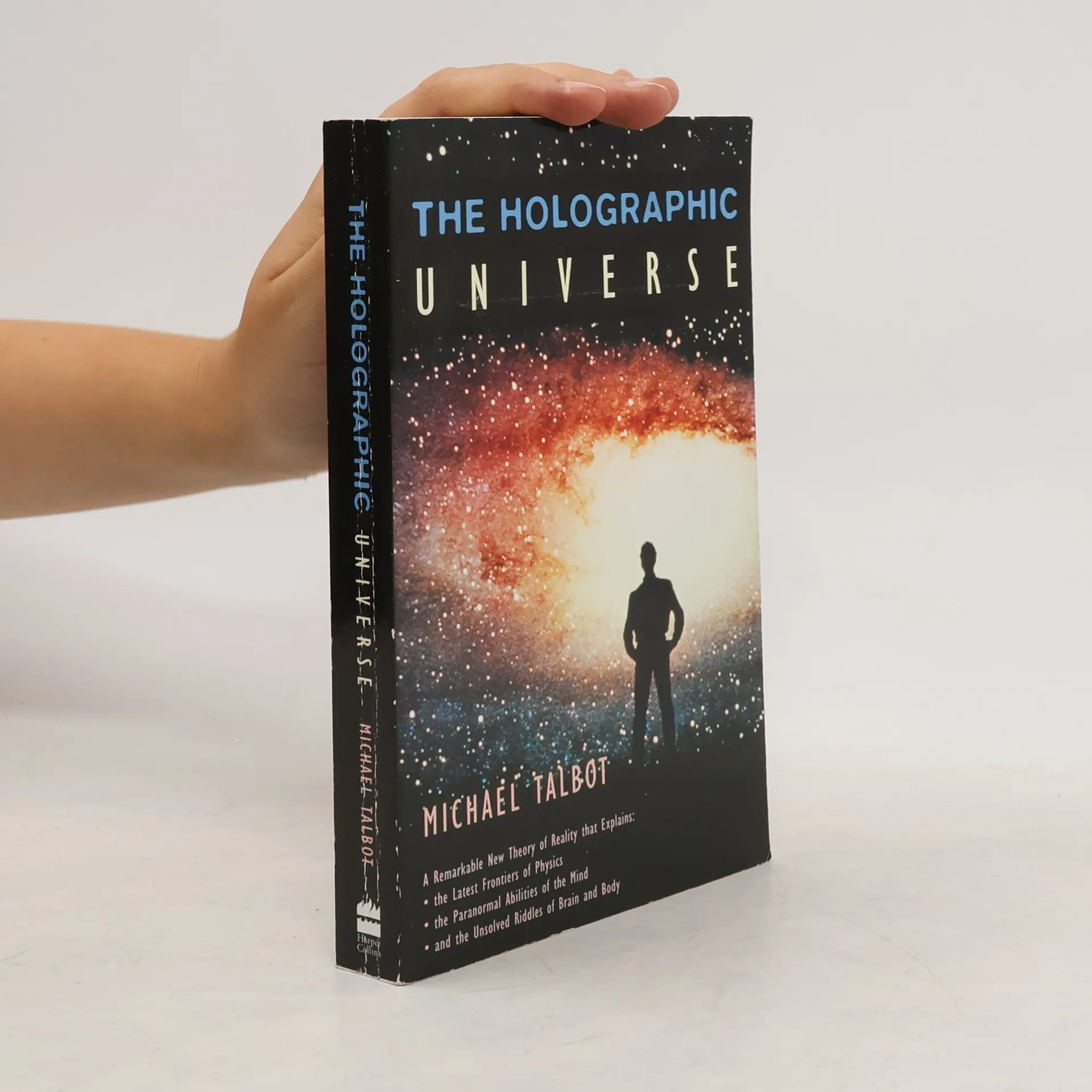
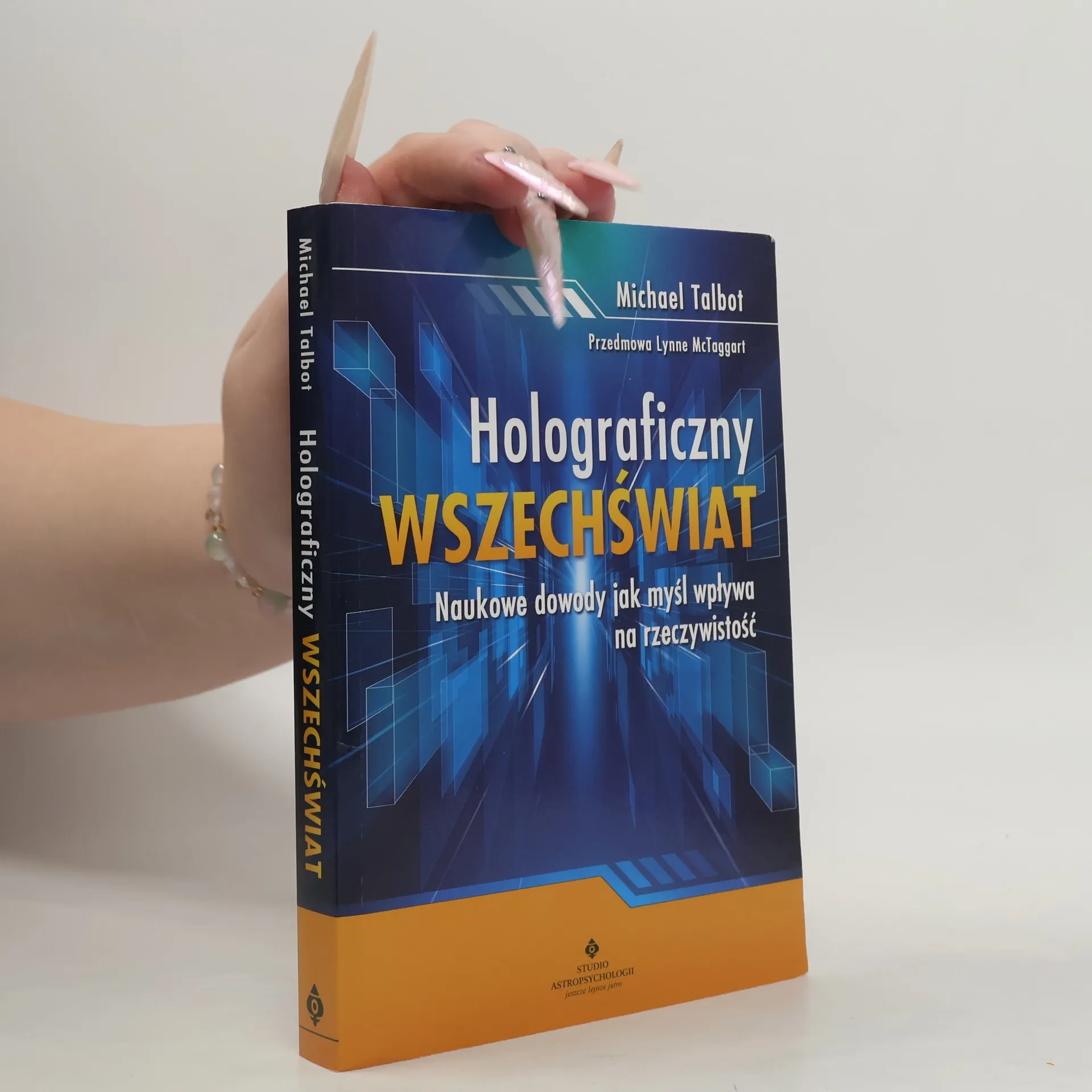
Today nearly everyone is familiar with holograms, three-dimensional images projected into space with the aid of a laser. Now, two of the world's most eminent thinkers - University of London physicists David Bohm, a former protege of Einstein's and one of the world's most respected quantum physicists, and Stanford neurophysiologist Karl Pribram, one of the architects of our modern understanding of the brain - believe that the universe itself may be a giant hologram, quite literally a kind of image or construct created, at least in part, by the human mind. This remarkable new way of looking at the universe explains now only many of the unsolved puzzles of physics, but also such mysterious occurrences as telepathy, out-of-body and near death experiences, "lucid" dreams, and even religious and mystical experiences such as feelings of cosmic unity and miraculous healings.
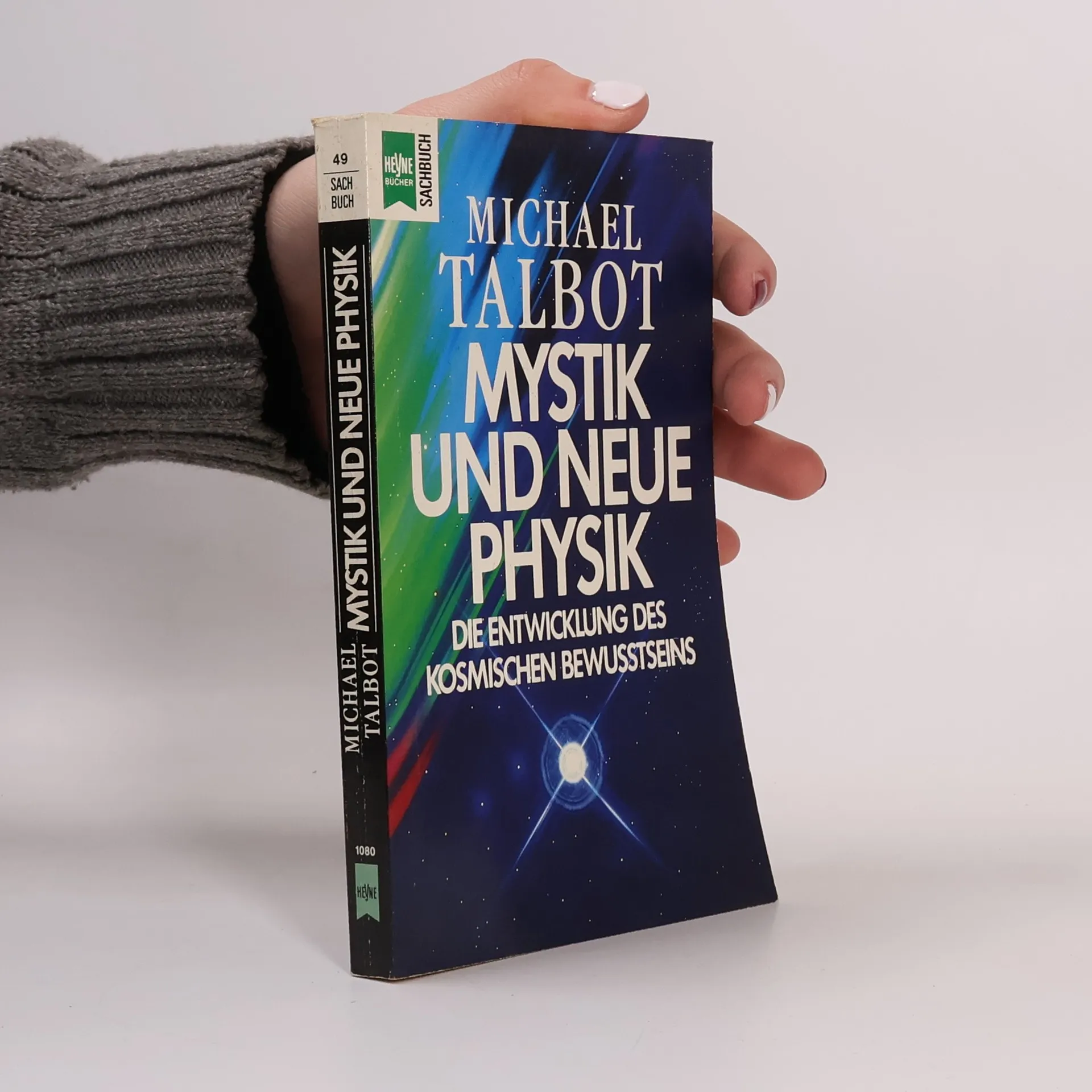
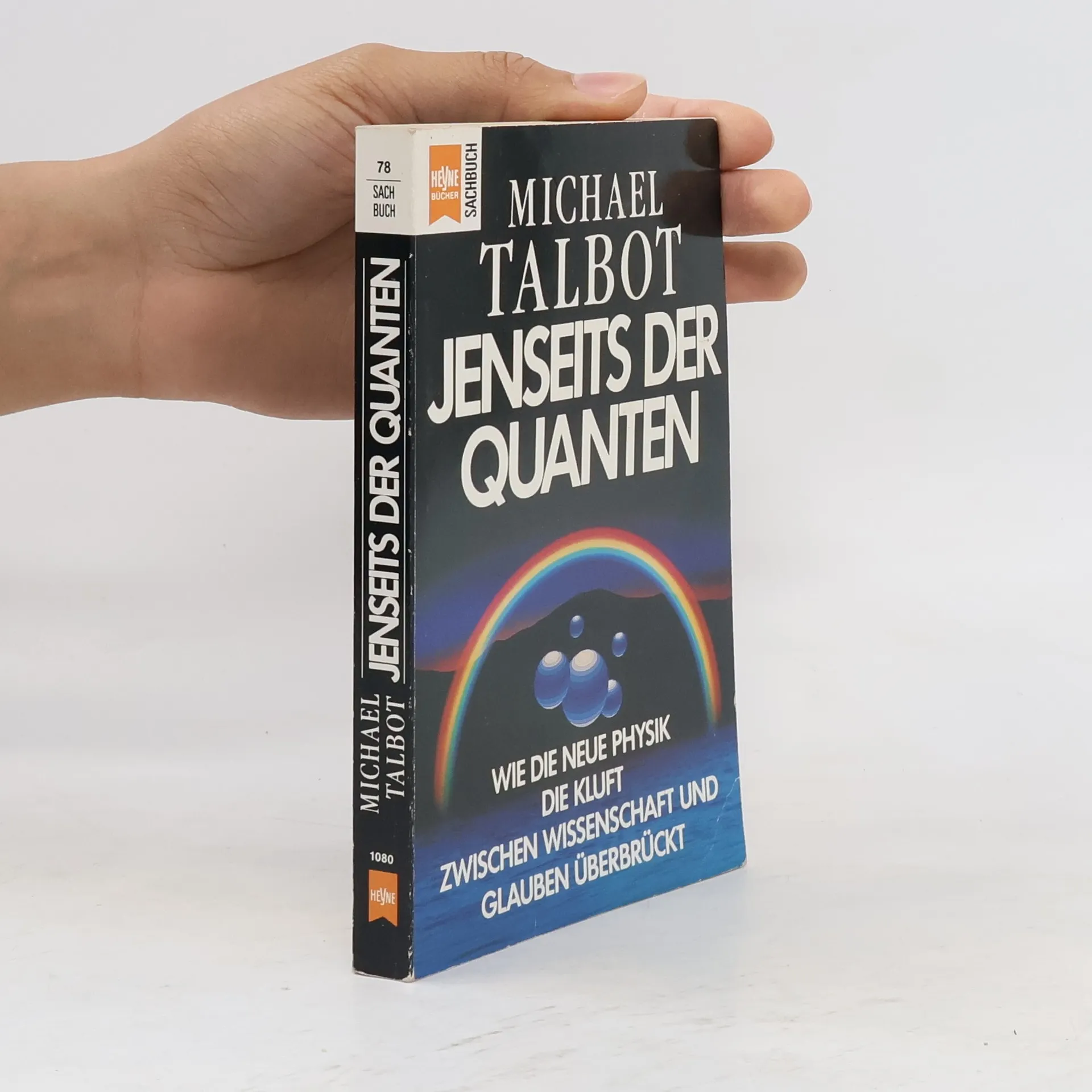
An account of how quantum physics is putting forward ideas that confirm the perceived beliefs of mystics who think the world is an illusion.
Federico Maria Sardelli, a professional baroque flautist and recorder-player, offers insights into the diverse sizes and tunings of the recorder and transverse flute families in relation to Antonio Vivaldi's compositions. Drawing extensively from primary documents, he analyzes the surprisingly progressive instrumental techniques in Vivaldi's music. The text discusses the debated chronology of Vivaldi's works, utilizing both internal and external evidence. Each piece featuring the flute or recorder is thoroughly evaluated from historical, biographical, technical, and aesthetic perspectives. This work appeals not only to Vivaldi scholars and enthusiasts but also to players of these instruments, organology students, and those interested in late baroque music. Vivaldi's oeuvre continues to reveal surprises, with new pieces being discovered and old ones reinterpreted. The new English edition incorporates recent findings and developments since the original Italian publication, providing a richer understanding of the composer and his era. Readers will gain valuable insights from the detailed examination of his music for these wind instruments, which also hold broader relevance for his overall work. Generous music examples and illustrations enhance the book's arguments, bringing Sardelli's analysis to life.
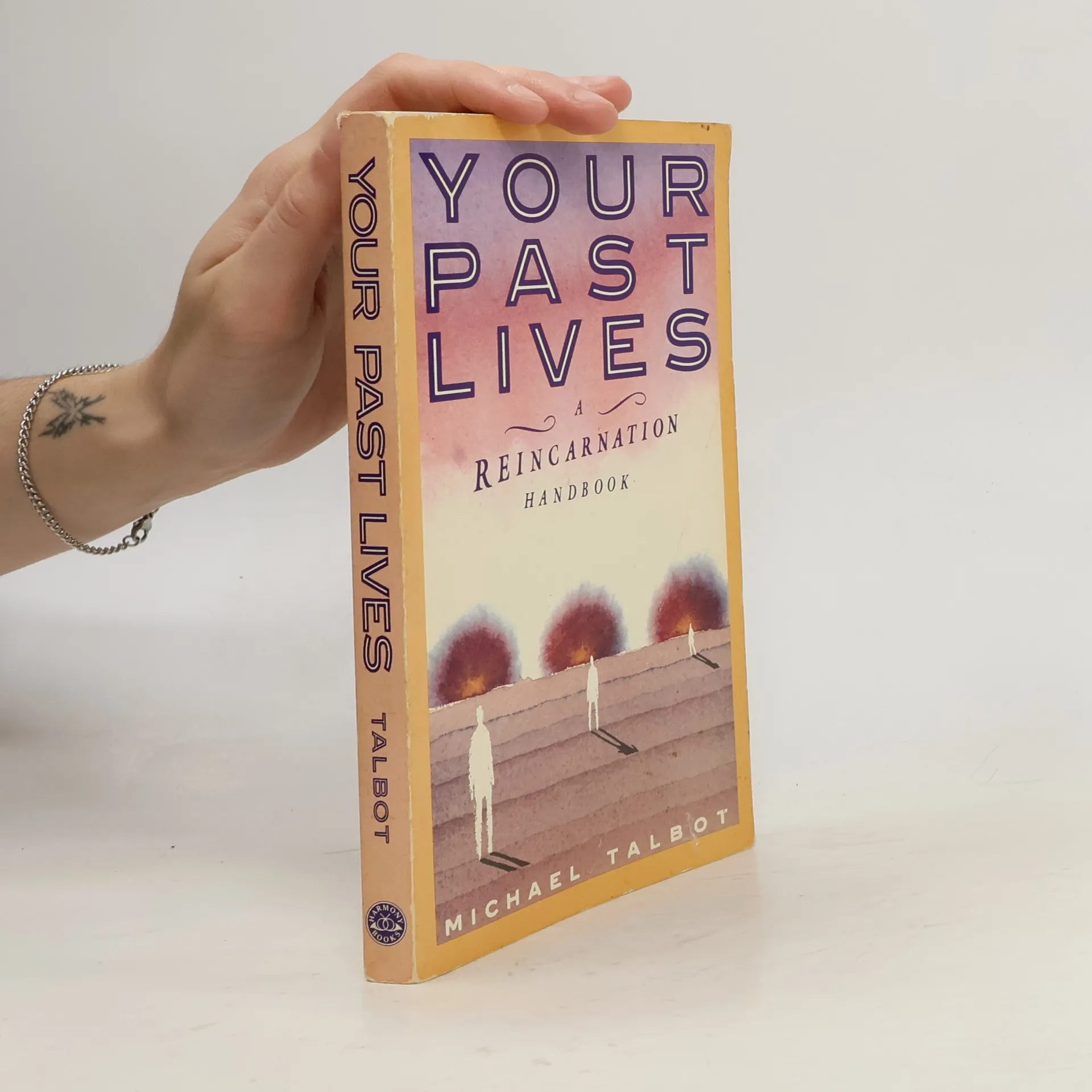
A Reincarnation Handbook
Autor podaje naukowe dowody na to, że rzeczywistość to gigantyczny hologram, trójwymiarowy obraz stworzony przez ludzki mózg. Dowiesz się, że sygnały wzrokowe odczytywane przez mózg są hologramami, a wspomnienia nie mają jednego umiejscowienia. Tworzą one holograficzną siatkę zgodnie z założeniami interferencji i przenikania się fal elektrycznych. Te odkrycia potwierdzają nieograniczone umiejętność mózgu do przejęcia różnych funkcji w momencie uszkodzenia jednego z jego obszarów. Holograficzny model mózgu wyjaśnia również zdolność do fizycznego odczuwania zjawisk poza fizycznymi granicami ciała, na przykład, odczuwanie bólów fantomowych po amputacji kończyn.
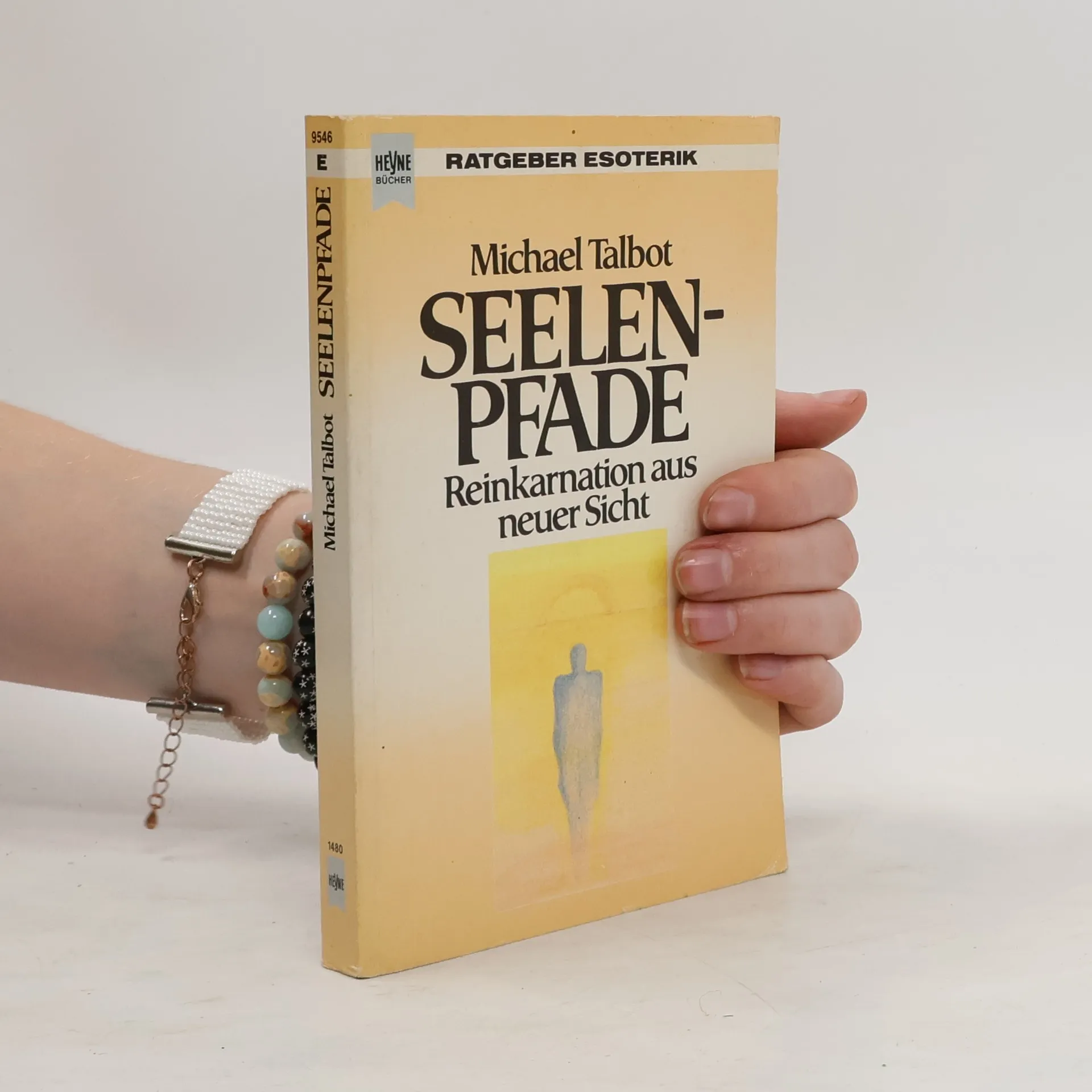
Dieses Buch ist ein praktischer Leitfaden für diejenigen, die ihre vergangenen Leben erinnern und entdecken möchten. Es bietet ein sicheres und wissenschaftliches Programm mit verschiedenen Techniken, von Meditation und Selbsthypnose bis hin zu geführten Träumen und der vom Autor entwickelten 'Resonanzmethode', um Informationen über Ihre vergangenen Leben zu erhalten. Sie können lernen, wie Sie die in Ihren vergangenen Leben entwickelten Fähigkeiten nutzen können. Darüber hinaus können Sie durch die Entdeckung der Ursachen in Ihren vergangenen Leben viele Beschwerden wie Depressionen, Phobien und Gewichtsprobleme lindern.
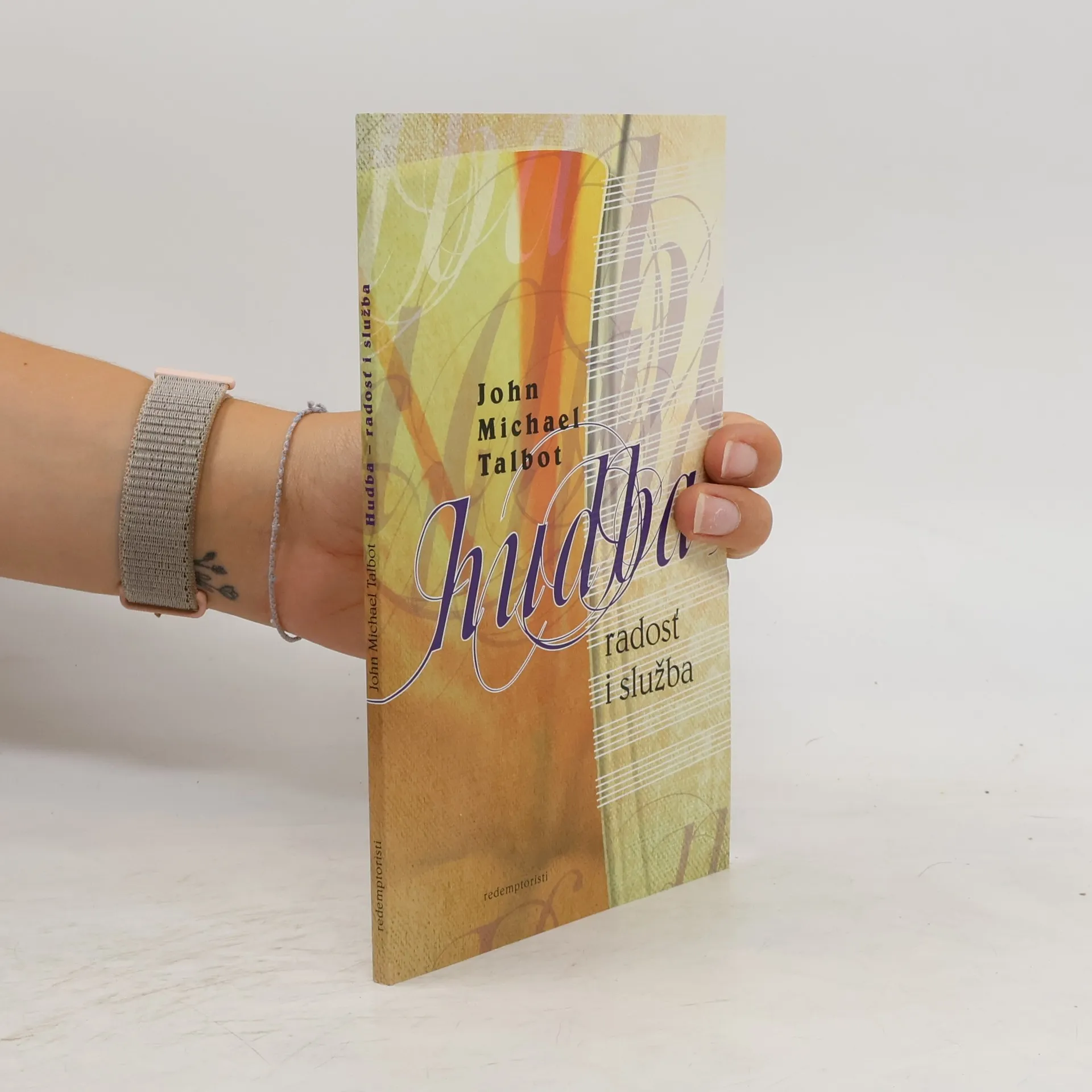
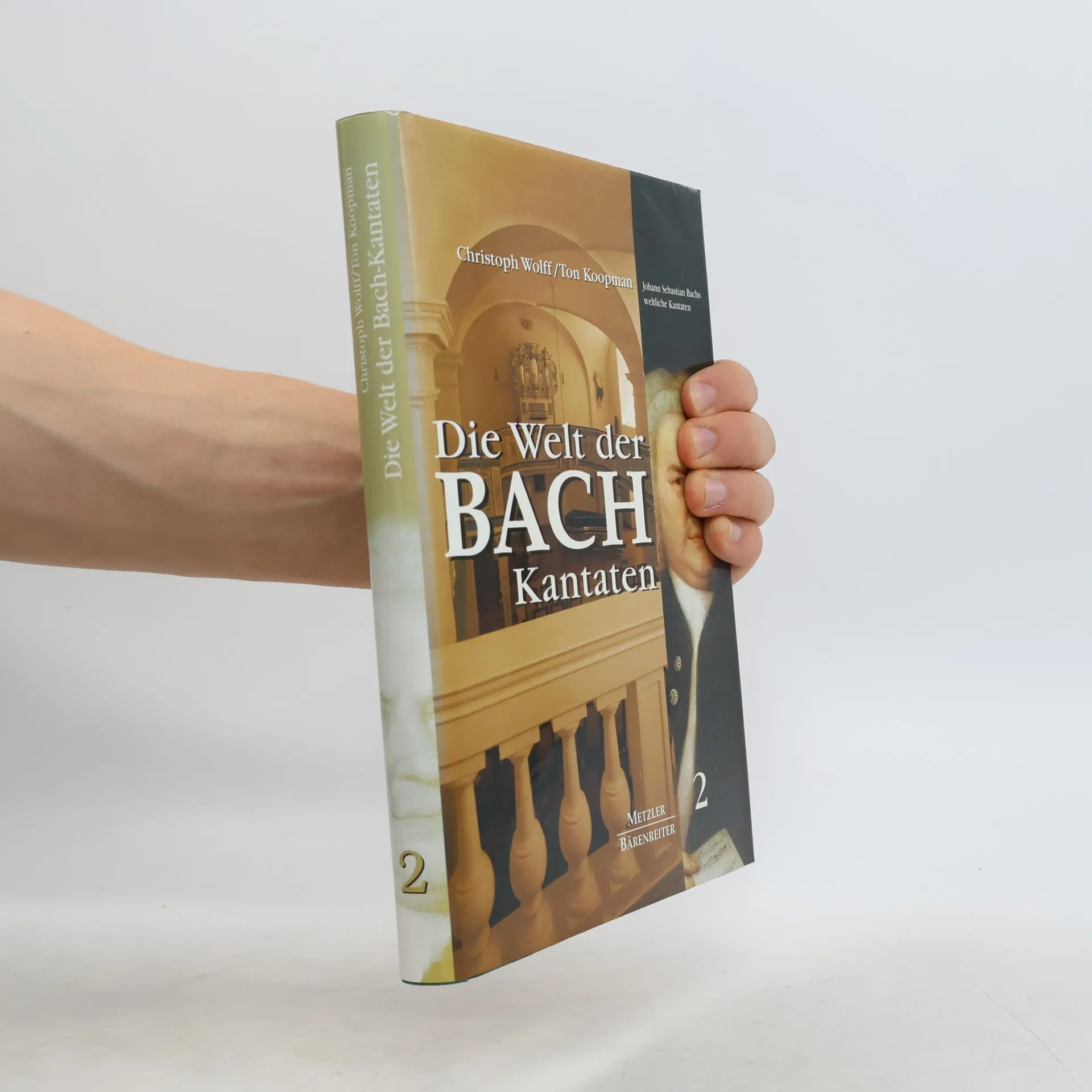
Sú chvíle, keď človek cíti, že sa ho dotýka Boh. Keď prežíva akési pozdvihnutie, keď jednoducho vie, že nie je len telo, ale aj duch a duša. Osobitnú moc vyvolať v nás také pocity má hudba. Jedna nás roztancuje, iná dovedie k slzám, ďalšia očarí, iná poteší... Lebo odhaľuje niečo, čo je viac ako len napísané noty a súzvuk tónov. Naznačuje, že za ňou je čosi, čo sa dotýka našej vnútornej podstaty. "Hovorí sa, že Bach nám dal Božie slovo, Mozart Boží smiech a Beethoven Boží oheň. A Boh nám dal hudbu, aby sme sa mohli modliť bez slov."Kniha Johna M. Talbota hovorí o liturgickej hudbe. O tom, akými ľuďmi majú byť jej skladatelia, interpreti, akú úlohu zohrávajú v liturgii i v Cirkvi moderné hudobné štýly (napr. aj rock, jazz, rap), ako môže dobrá hudba prispieť k tomu, aby liturgická slávnosť povznášala...Orchester už hrá. Sme pozvaní pripojiť sa k nemu a mať účasť na Božej hudbe. Nielen jej počúvaním, ale aj spevom - vlastným životom.
Johann Sebastian Bachs weltliche Kantaten