Milton Friedman Livres
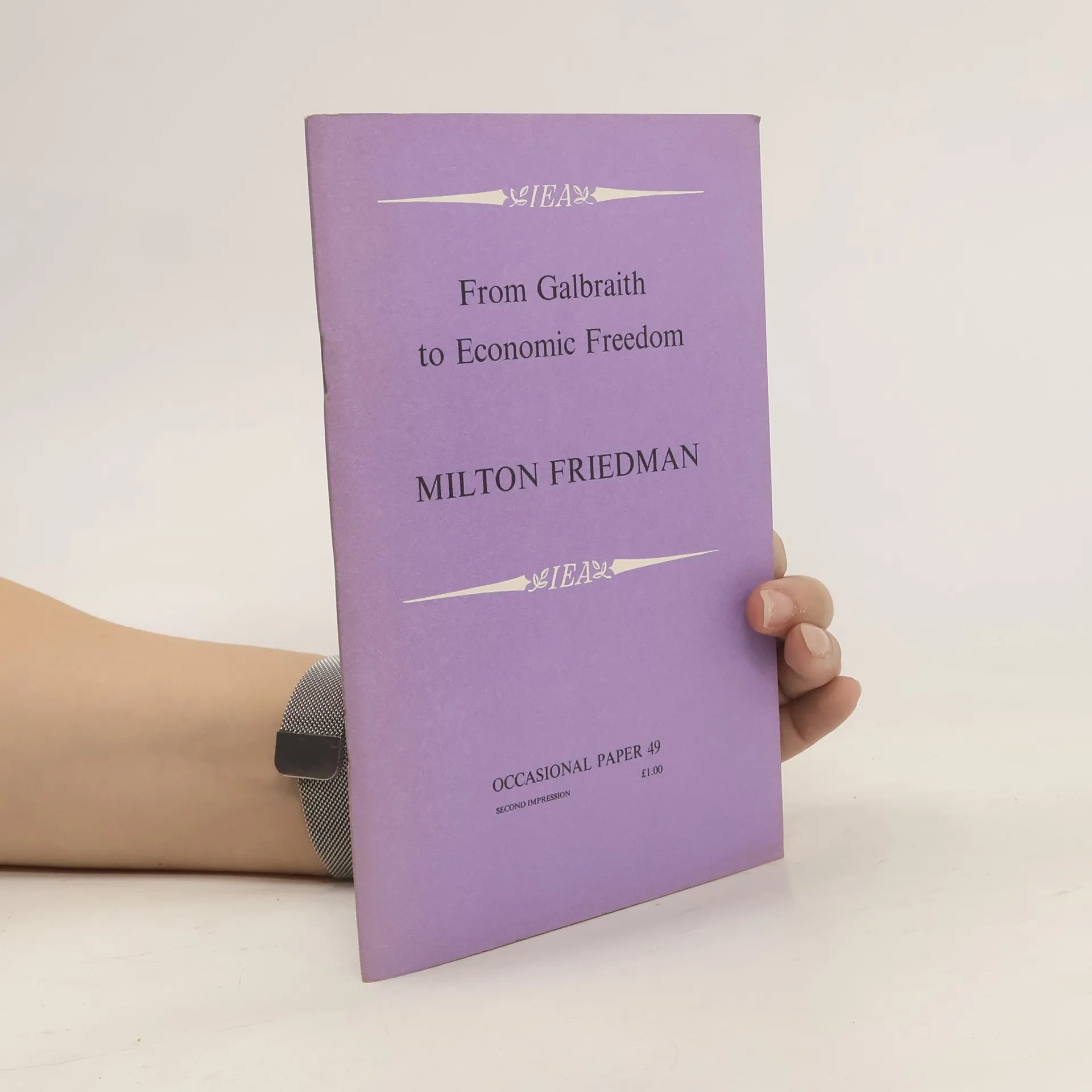
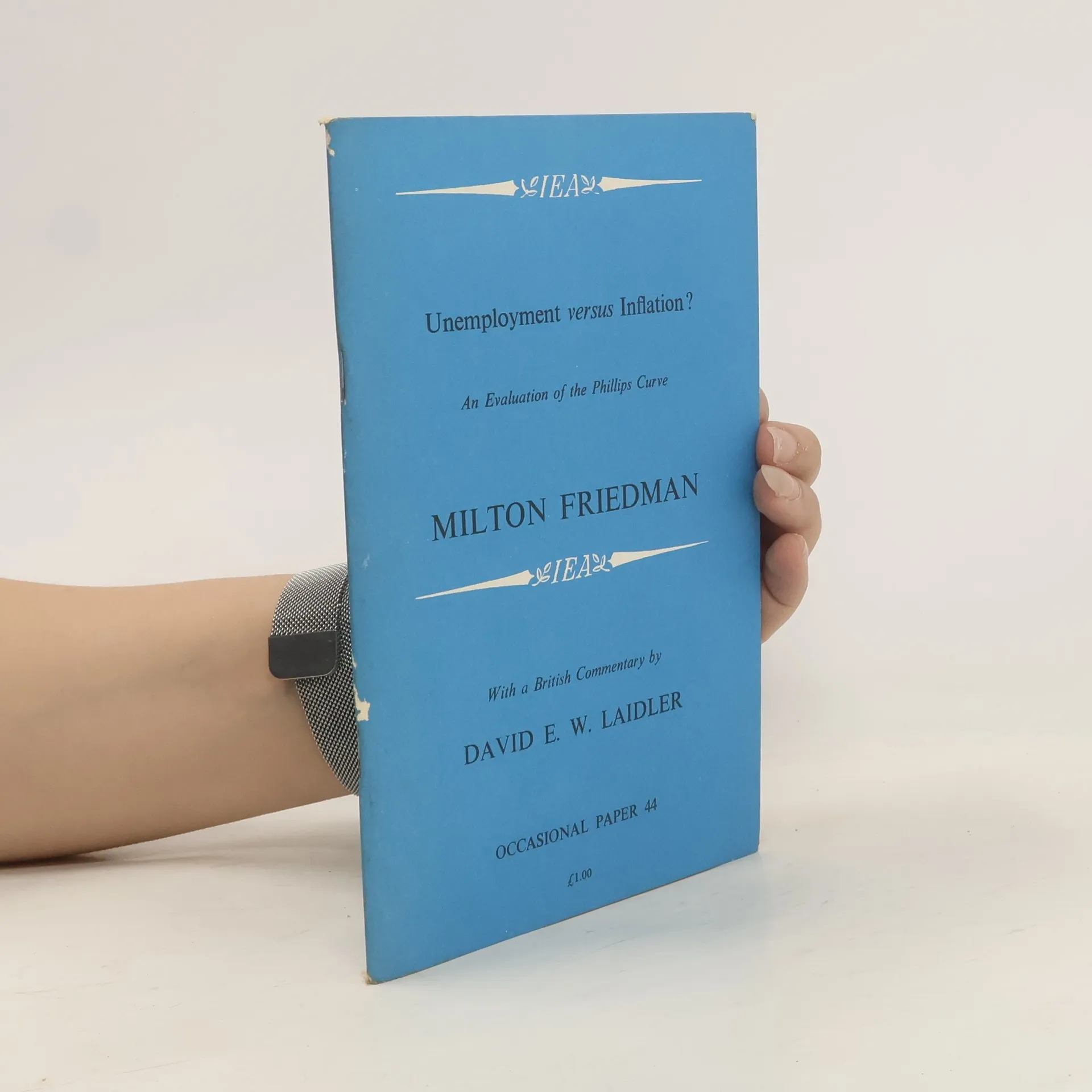
Milton Friedman était un économiste américain, lauréat du prix Nobel et intellectuel public, qui a apporté des contributions majeures aux domaines de l'économie et des statistiques. Son travail a démontré la complexité de la politique de stabilisation et lui a valu le prix Nobel d'économie. Friedman était un fervent défenseur de la liberté économique et est considéré comme l'un des économistes les plus influents du XXe siècle, dont les idées ont profondément façonné la direction de la civilisation.

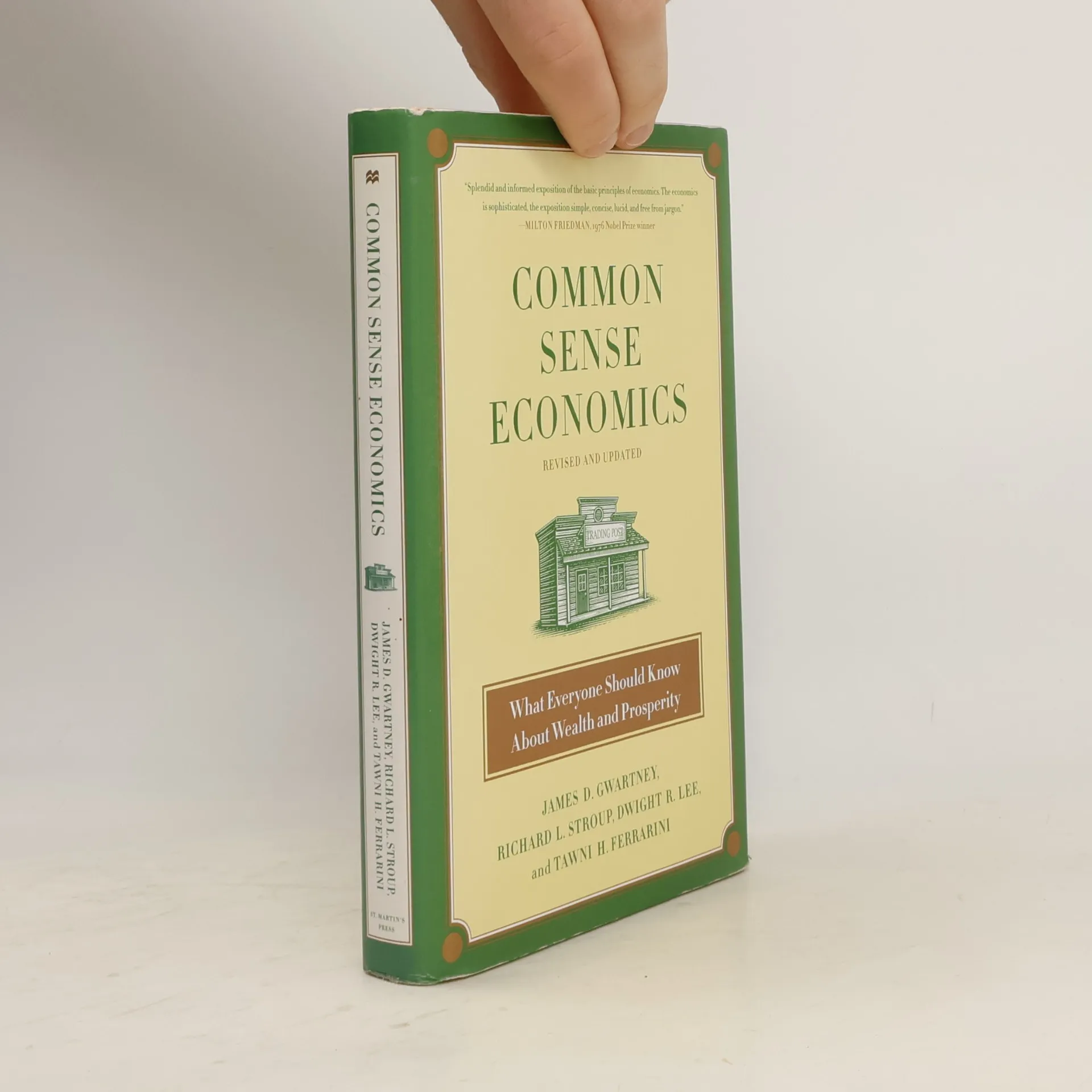
Common Sense Economics
What Everyone Should Know About Wealth and Prosperity - Revised and Updated
- 227pages
- 8 heures de lecture
"The authors tell us what everyone should know about economics in language we can all understand. It's refreshing when four of the best in the profession avoid the all-too-common practice of writing in a code that only other economists can comprehend." ---Robert McTeer, former president of the Federal Reserve Bank of Dallas With the global economy recovering from a steep recession, those who fail to grasp basic economic principles such as gains from trade, the role of profit and loss, and the secondary effects of government spending, taxes, and borrowing risk falling behind in their professional careers--even their personal lives. <i>Common Sense Economics</i> discusses key principles and uses them to show how to make wise personal and policy choices. This new edition of a classic, with reflections on the recent recession and the policy response to it, illuminates our world and what might be done to make it better.
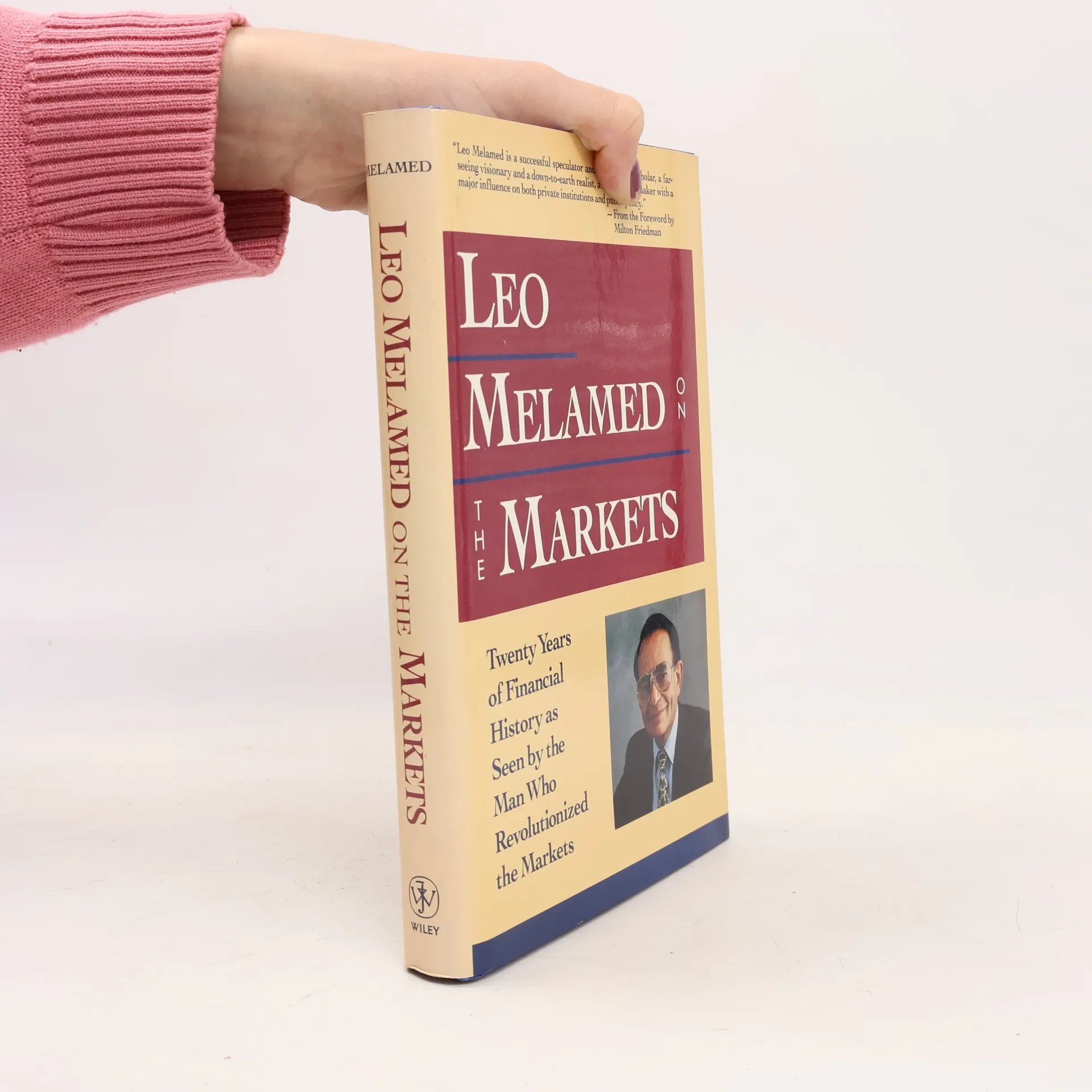
Leo Melamed on the Markets
Twenty Years of Financial History as Seen by the Man Who Revolutionized the Markets
- 304pages
- 11 heures de lecture
A riveting inside look at the turbulent, controversial world of the futures markets through the eyes of the man who made them what they are today. Melamed relates how he helped create the futures markets and the changes they wrought in the financial world of the 1980s, the importance of futures markets to the global economy, the debate over them in the wake of the 1987 crash and the future of electronic global markets.
The major social problems of the United States—deteriorating education, lawlessness and crime, homelessness, the collapse of family values, the crisis in medical care—have been produced by well-intended actions of government. That is easy to document. The difficult task is understanding why government is the problem. The power of special interests arising from the concentrated benefits of most government actions and their dispersed costs is only part of the answer. A more fundamental part is the difference between the self-interest of individuals when they are engaged in the private sector and the self-interest of the same individuals when they are engaged in the government sector. The result is a government system that is no longer controlled by "we, the people." Instead of Lincoln's government "of the people, by the people, and for the people," we now have a government "of the people, by the bureaucrats, for the bureaucrats," including the elected representatives who have become bureaucrats. At the moment, term limits apear to be the reform that promises to be most effective in curbing Leviathan.
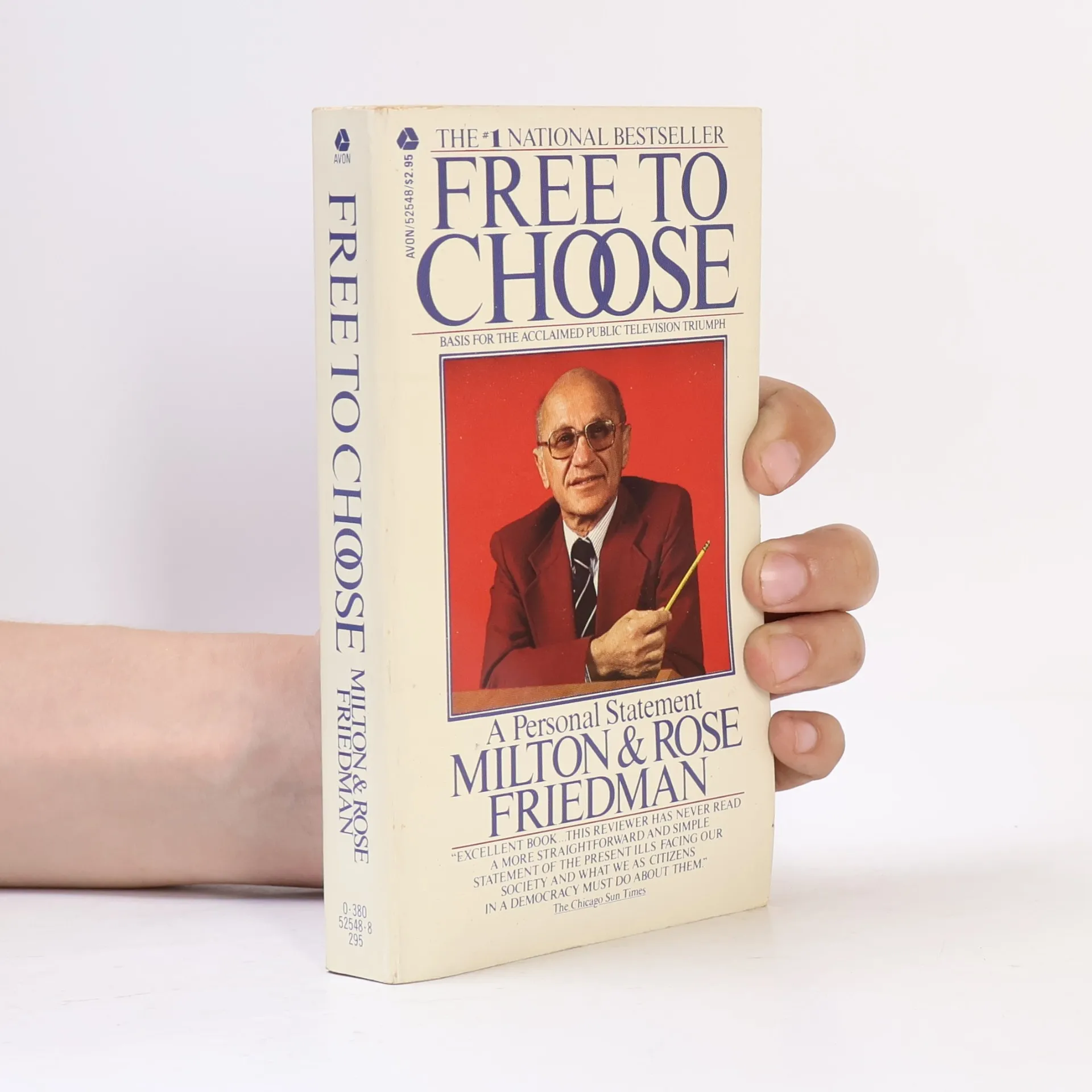
Free to Choose
- 330pages
- 12 heures de lecture
In this classic about economics, freedom, and the relationship between the two, Milton and Rose Friedman explain how our freedom has been eroded and our prosperity undermined through the explosion of laws, regulations, agencies, and spending in Washington, and how good intentions often produce deplorable results when government is the middleman. The Friedmans also provide remedies for these ills--they tell us what to do in order to expand our freedom and promote prosperity.