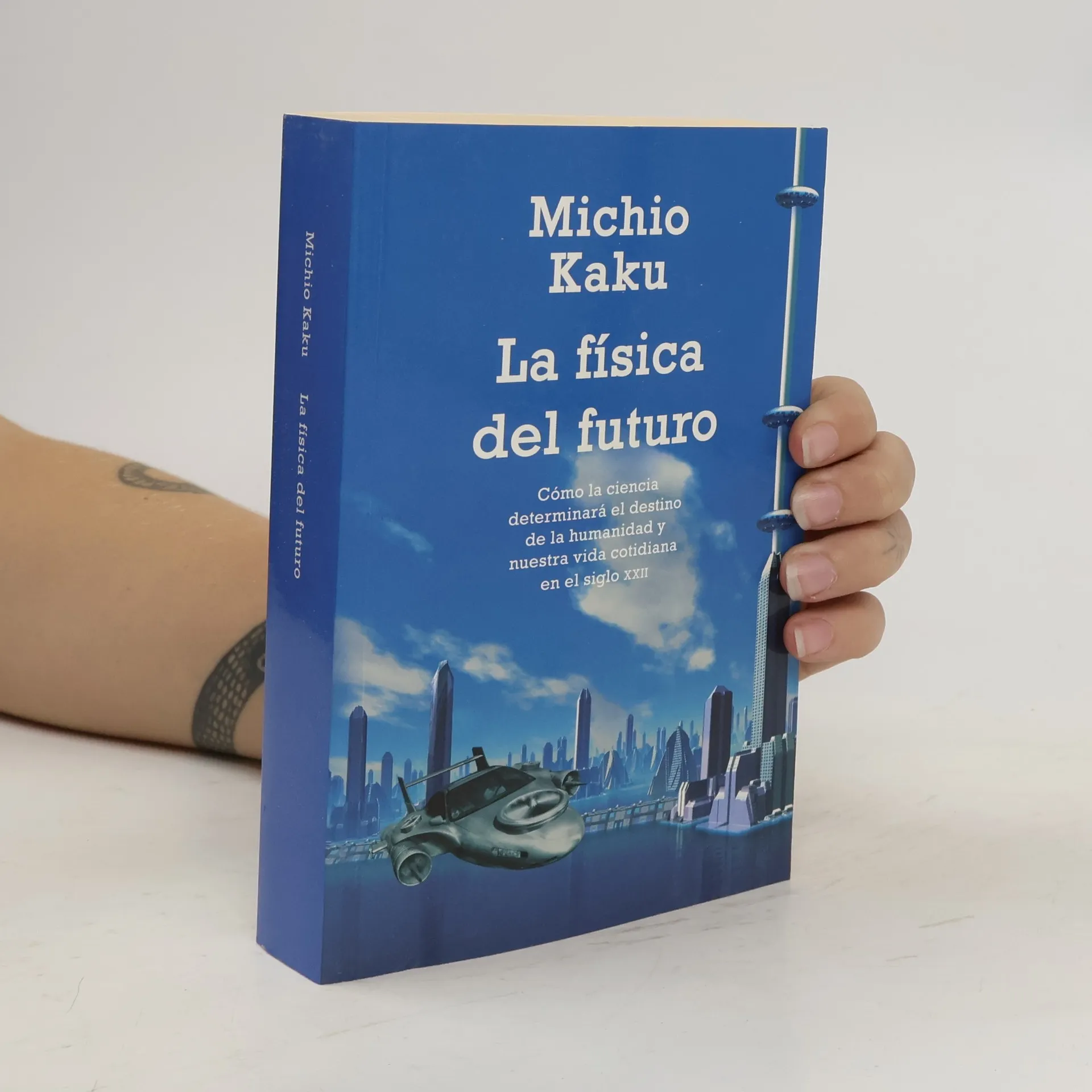
Kaku examina en esta obra cmo afectarn al siglo prximo tres campos del conocimiento tecnocientfico que ya revolucionaron nuestro siglo: la revolucin cuntica, la biogentica y la informtica. Los lectores contemplarn un mundo ciberntico, en el que millones de los actuales microprocesadores, distribuidos por todo el planeta, sern sustituidos finalmente por numerosos ordenadores biolgicos y cunticos; como la descodificacin de la molcula de la herencia, el ADN, permitir vencer enfermedades devastadoras, derrotar cnceres al nivel molecular, sintetizar nuevas medicinas, hacer crecer nuevos rganos, alterar la herencia gentica y combatir el envejecimiento. Y finalmente, cmo la fsica cuntica perfeccionar nuevos mecanismos para dominar la energa csmica del Universo, desde mquinas moleculares hasta superimanes que harn posible una segunda revolucin industrial, o poderosos dispositivos basados en la fusin nuclear, que algn da transportarn a nuestros descendientes hasta otros sistemas planetarios.
Michio Kaku Livres
Michio Kaku est un physicien théoricien et communicateur scientifique américain, qui s'efforce de rendre les concepts scientifiques complexes accessibles au grand public. Son travail explore les frontières de la connaissance, des forces fondamentales qui régissent l'univers aux possibles avancées futures. Kaku s'emploie à démystifier la physique théorique, inspirant ainsi les futures générations de penseurs et de scientifiques. Ses écrits offrent des aperçus captivants sur les découvertes de pointe et les recherches théoriques.



Einstein's Cosmos
- 320pages
- 12 heures de lecture
An insightful new book putting Einstein's work in a contemporary context Few figures loom as large as Albert Einstein in our contemporary culture. It is truly remarkable that a man from such humble beginnings, an unemployed dreamer without a future or a job, who was written off by his professors as a hopeless loser, could to dare to scale the heights he reached. In this enlightening book Michio Kaku reasseses Einstein's work by centering on his three great theories - special relativity, general relativity and the Unified Field Theory. The first yielded the equation E =mc2 which is now such a fixture in our culture that it is practically a ubiquitous slogan. But the subsequent theories led to the Big Bang theory and have changed irrevocably the way we perceive time and space. Michio Kaku gives a new, refreshing look at the pioneering work of Einstein, giving a more accurate portrayal of his enduring legacy than previous biographies. As today's advanced physicists continue their intense search to fulfill Einstein's most cherished dream, a 'theory of everything', he is recognised as a prophet who set the agenda for modern physics.
Exploring the urgent need for humanity to migrate beyond Earth, this book delves into the scientific advancements that could make interstellar colonization a reality. Renowned physicist Michio Kaku discusses how emerging technologies like robotics, nanotechnology, and biotechnology could enable the terraforming of Mars and the construction of habitable cities. He also envisions travel to nearby stars using nanoships and speculates on the potential for immortality through radical new forms of existence. Kaku's engaging narrative invites readers to imagine a future where humanity thrives among the stars.
Is the universe we currently inhabit the only one? or are there an infinite number of others, each a different region of an endless 'multivers'?. And is our human future bound up with this quest for new worlds?
Physics of the Impossible
A Scientific Exploration Into the World of Phasers, Force Fields, Teleportation, and Time Travel
- 329pages
- 12 heures de lecture
Physics of the Impossible takes us on a journey to the frontiers of science and beyond, giving us an exhilarating insight into what we can really hope to achieve in the future. Everyday we see that what was once declared 'impossible' by scientists has become part of our everyday lives: fax machines, glass sky-scrapers, gas-powered automobiles, a worldwide communications network and high-speed elevated trains. Here internationally bestselling author Micho Kaku confidently hurdles today's frontier of science, presenting the first truly authoritative exploration of the real science of tomorrow; a field normally left to writers of science fiction.He reveals the actual possibilities of perpetual motion, force fields, invisibility, ray guns, anti-gravity and anti-matter, teleportation, telepathy, psychokinesis, robots and cyborgs, faster than light travel, time travel, zero-point energy, extraterrestrial life, even clairvoyance. And he shows how few of these ideas actually violate the laws of physics. The real differences between the impossible, the unlikely and the imminent have never been so clear. Where does the realm of science fiction end? What can we really hope to achieve?' Anything that is not impossible, is mandatory!' declares Kaku in this lucid, entertaining and enlightening read.
The Future of the Mind
- 400pages
- 14 heures de lecture
Recording memories, mind reading, videotaping our dreams, mind control, avatars, and telekinesis - no longer are these feats of the mind solely the province of overheated science fiction. The author takes us on a tour of the top laboratories around the world to meet the scientists who are already revolutionising the way we think about the brain.
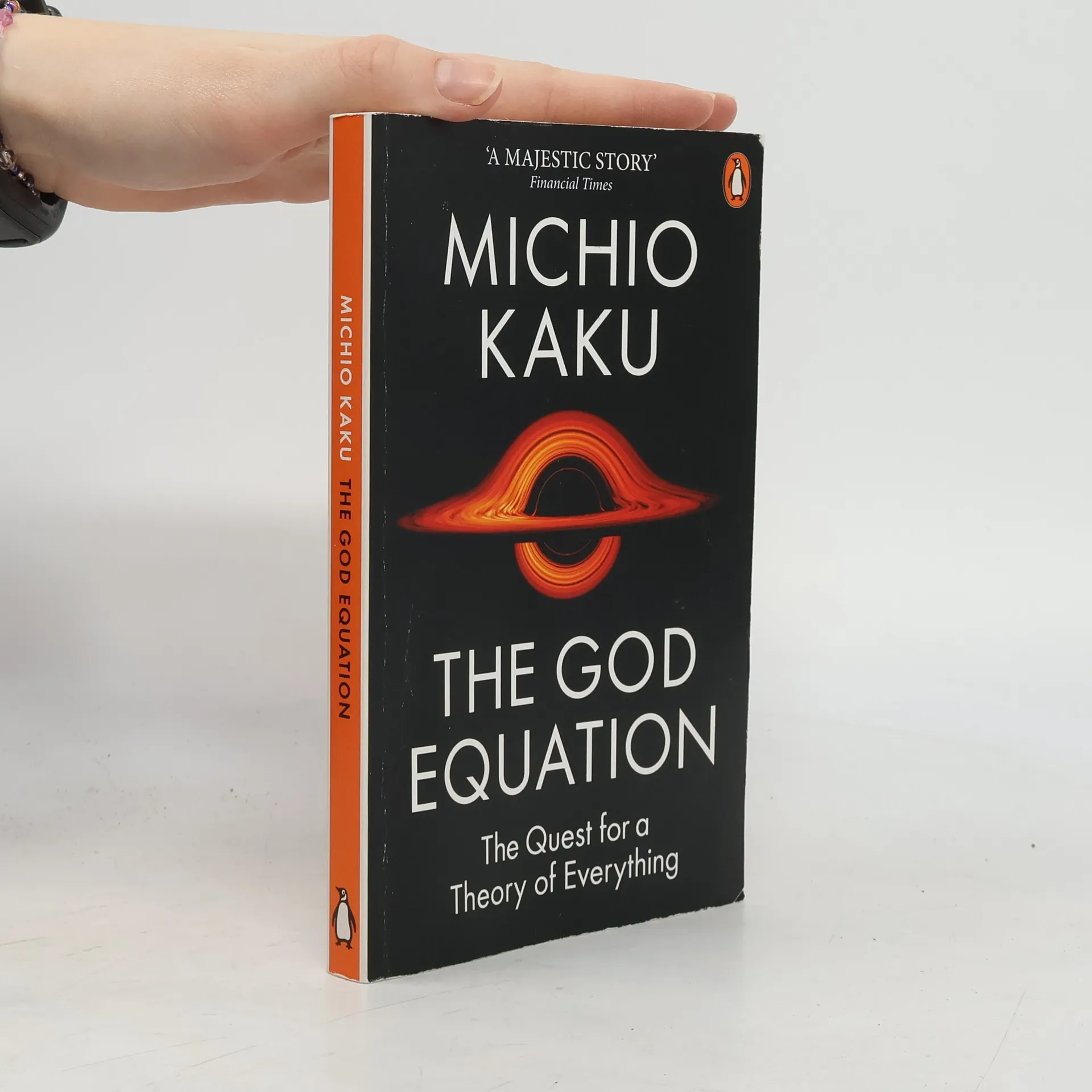
This is the story of a quest- to find a Theory of Everything. Einstein dedicated his life to seeking this elusive Holy Grail, a single, revolutionary 'god equation' which would tie all the forces in the universe together, yet never found it. Some of the greatest minds in physics took up the search, from Stephen Hawking to Brian Greene. None have yet succeeded. In The God Equation, renowned theoretical physicist Michio Kaku takes the reader on a mind-bending tour through this epic journey- a mystery that has fascinated him for most of his life. He guides us through the key debates in modern physics, from Newton's law of gravity to the latest developments in string theory. It is a tale of dazzling breakthroughs and crushing dead ends, illuminated by Kaku's clarity, storytelling flair and infectious enthusiasm. The object of the quest is now within sight- we are closer than ever to achieving the most ambitious undertaking in the history of science. If successful, the Theory of Everything could both unlock the deepest mysteries of space and time, and fulfil that most ancient and basic of human desires - to understand the meaning of our lives.
Physics of the future: How science will shape human destiny and our daily lives by the year 2100
- 389pages
- 14 heures de lecture
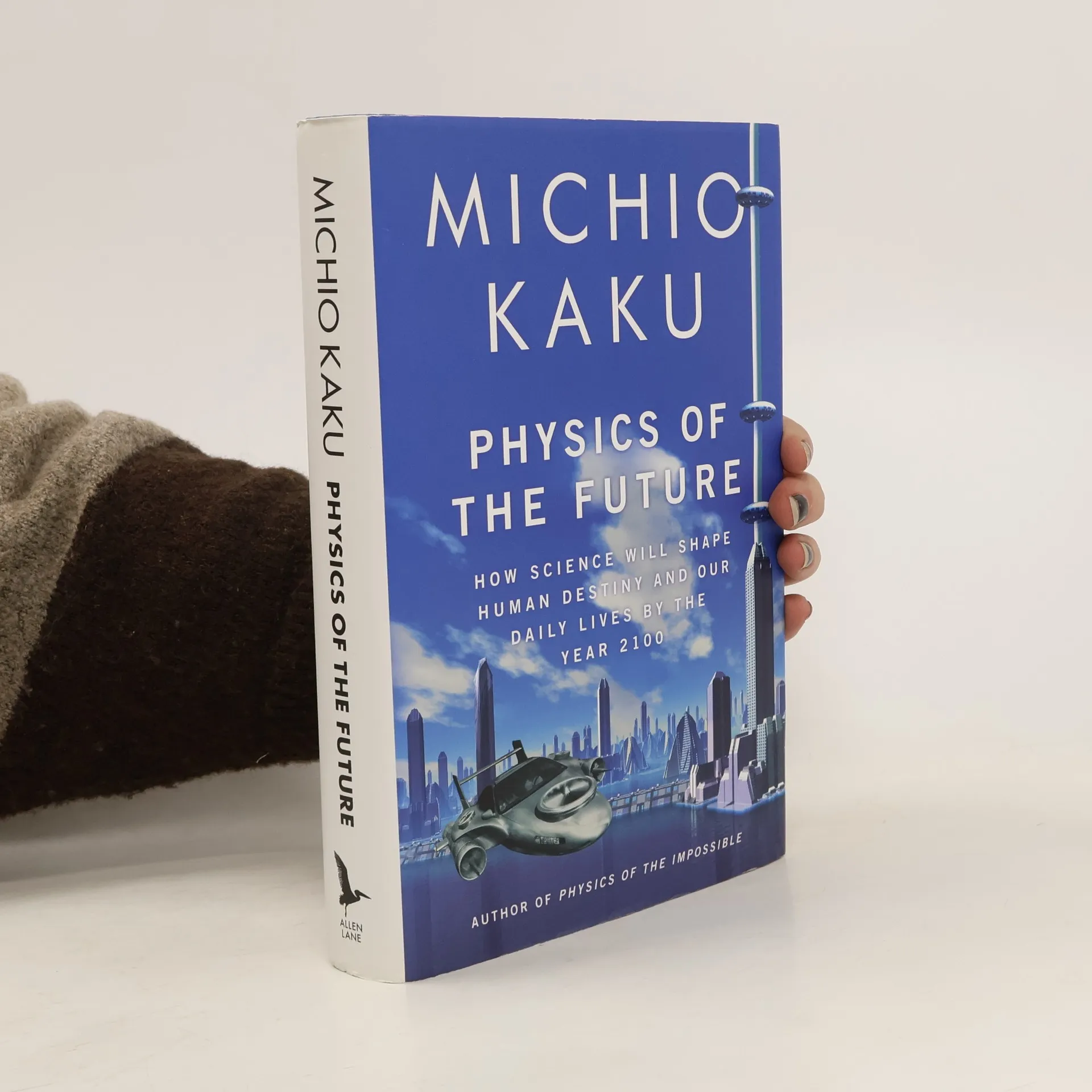
Based on interviews with over three hundred of the world?s top scientists, who are already inventing the future in their labs, Kaku?in a lucid and engaging fashion?presents the revolutionary developments in medi?cine, computers, quantum physics, and space travel that will forever change our way of life and alter the course of civilization itself. His astonishing revelations include: The Internet will be in your contact lens. It will recog?nize people?s faces, display their biographies, and even translate their words into subtitles. You will control computers and appliances via tiny sen?sors that pick up your brain scans. You will be able to rearrange the shape of objects. Sensors in your clothing, bathroom, and appliances will monitor your vitals, and nanobots will scan your DNA and cells for signs of danger, allowing life expectancy to increase dramatically. Radically new spaceships, using laser propulsion, may replace the expensive chemical rockets of today. You may be able to take an elevator hundreds of miles into space by simply pushing the ?up? button. Like Physics of the Impossible and Visions before it, Physics of the Future is an exhilarating, wondrous ride through the next one hundred years of breathtaking scientific revolution.
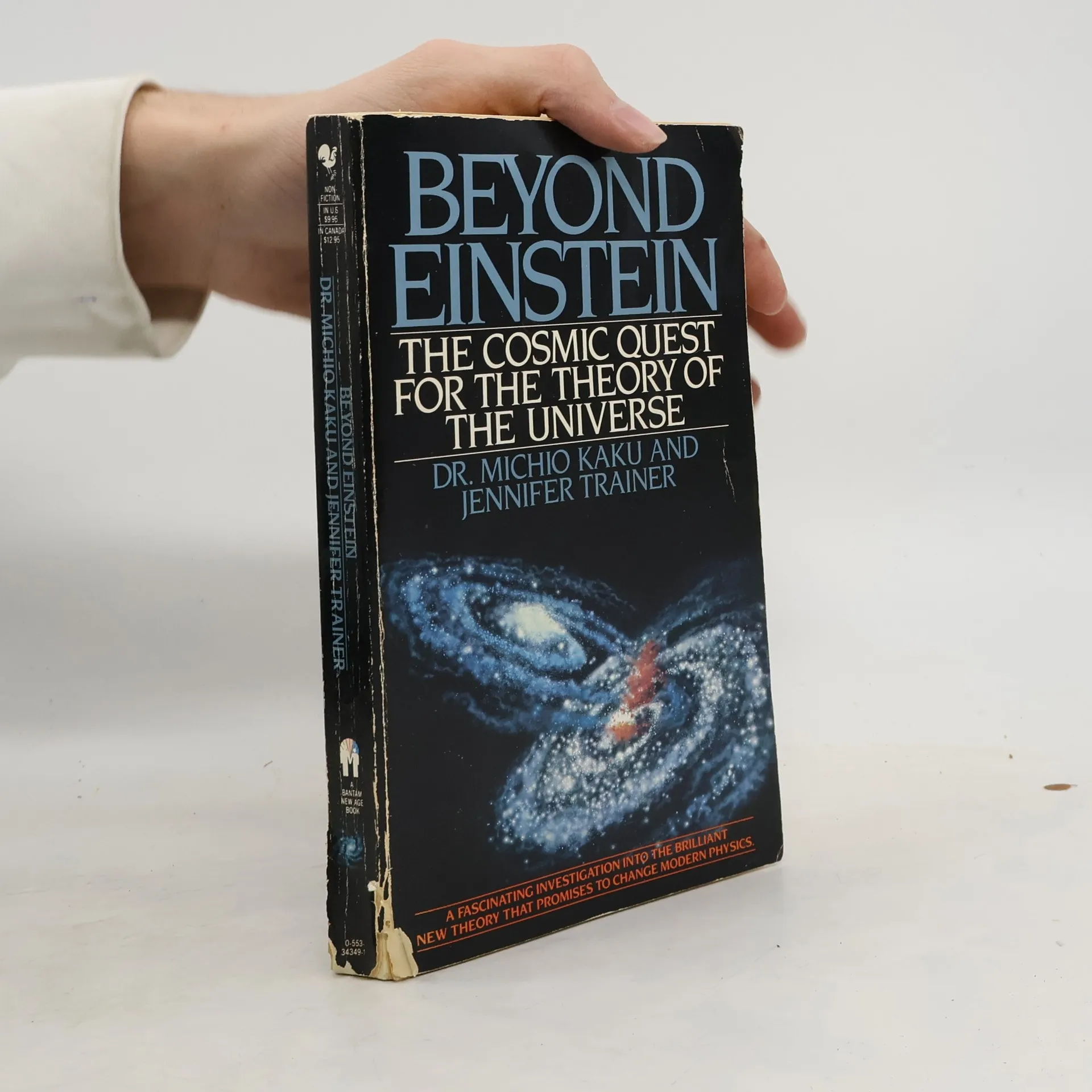
A fascinating, readable account of the new theory of physics that the four fundamental forces governing the universe are actually different manifestations of a single unifying force, a daring theory thought to be the missing link in Einstein's unsolved unified field theory.
Physics of the future : the inventions that will transform our lives
- 398pages
- 14 heures de lecture
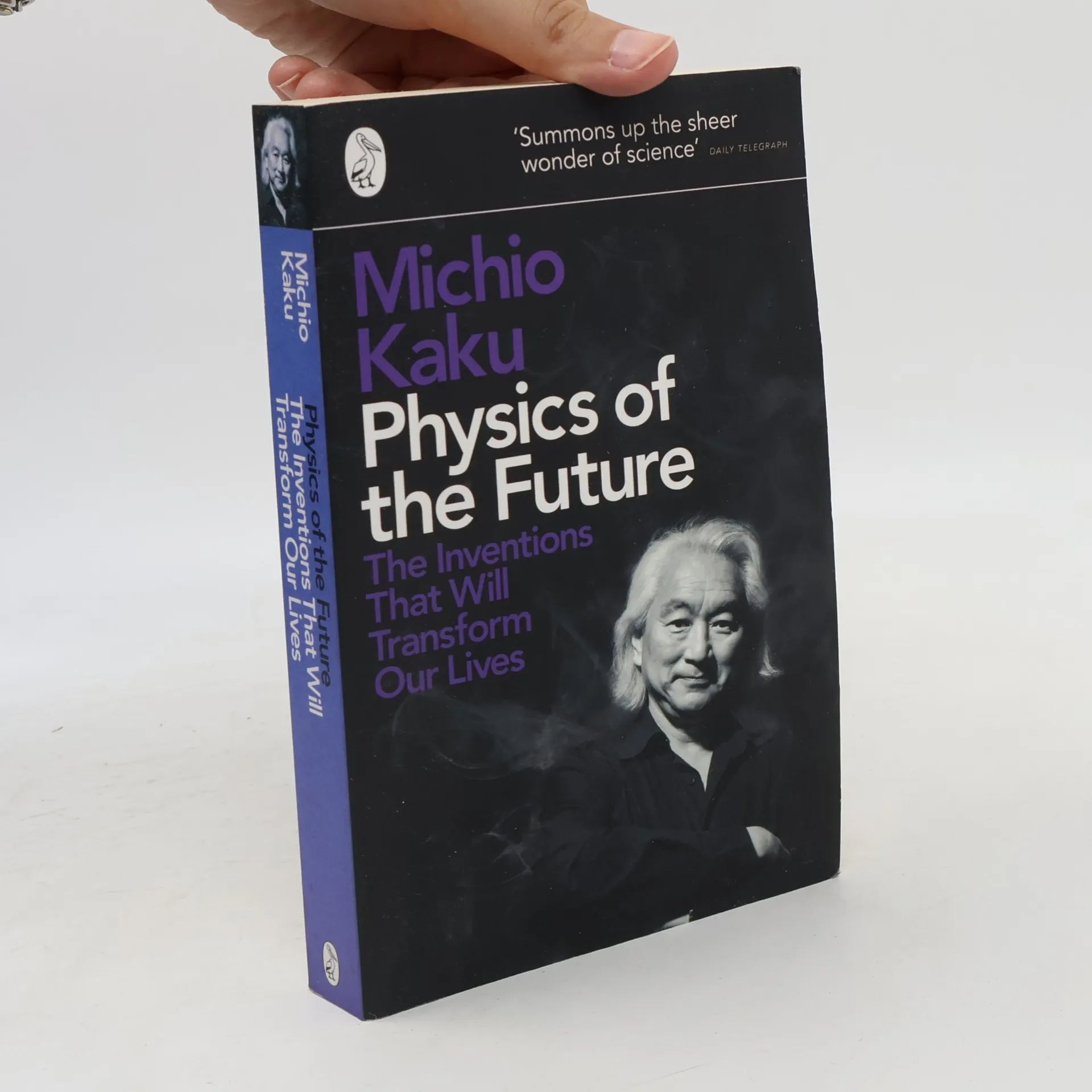
Based on interviews with over 300 of the world's top scientists, who are already inventing the future in their labs, Kaku presents the revolutionary developments in medicine, computers, quantum physics and space travel that will forever change our way of life and alter the course of civilization itself.
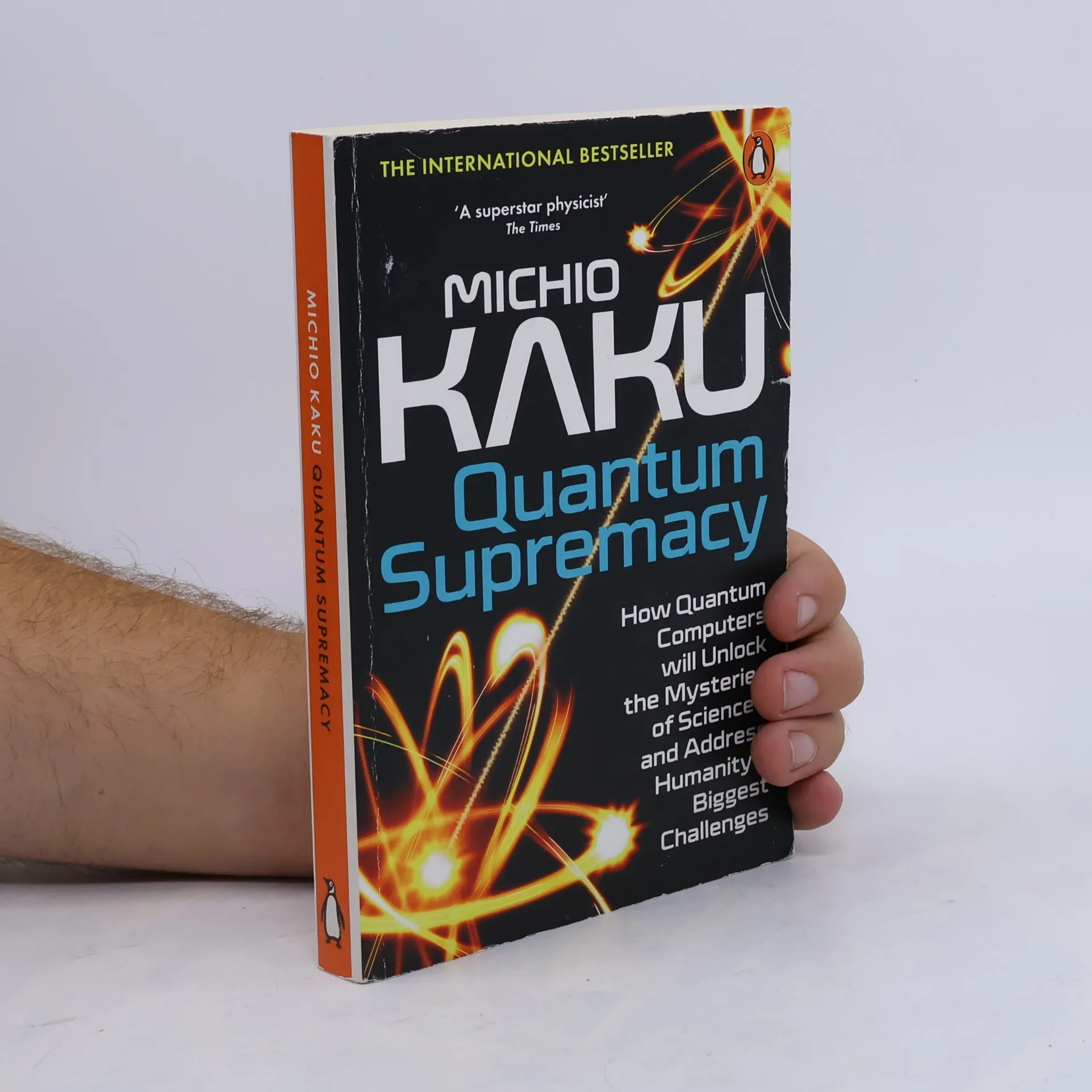
Quantum Supremacy
- 337pages
- 12 heures de lecture
The runaway success of the microchip may be nearing its end as transistors shrink to atomic sizes, leading to a collapse in computational power. This shift signals the emergence of a revolutionary new type of computer that operates on atoms themselves. Quantum computers promise extraordinary gains in computing power, with the potential to transform every aspect of daily life. While much attention has been given to their ability to break existing encryption methods, industries are already racing to harness their capabilities for significant advancements. Automotive manufacturers, medical researchers, and consulting firms are investing in quantum computing to enhance vehicle efficiency, develop life-saving drugs, and optimize business operations. This is just the beginning; quantum computing could revolutionize agricultural processes to produce affordable fertilizers, create super batteries for a sustainable energy future, or design nuclear fusion reactors for clean energy. It may even tackle complex biological challenges like protein folding, which is crucial for understanding diseases such as Alzheimer’s, ALS, and Parkinson’s. Quantum computers are already being utilized to explore fundamental scientific questions, including the origin of the universe. Dr. Michio Kaku, a lifelong quantum theory expert, narrates the captivating journey into this scientific frontier and the race to secure a better future for humanity.
Fyzika budoucnosti
- 348pages
- 13 heures de lecture
Ještě před stoletím si byli vědci jisti, že věci, kterými dnes člověk běžně disponuje, jako třeba laser, televize či atomová bomba, jsou fyzikálně neuskutečnitelné. Kaku ve své knize zkoumá, nakolik už věda pokročila a nakolik jsme se přiblížili realizaci technologií, jež zatím fungují jen v science-fiction. Ukazuje, jak lze optiky a elektromagnetismu využít k simulaci neviditelnosti; jak zdokonalení magnetické rezonance možná pomůže číst lidské myšlenky; jak využití supravodičů, nanotechnologií a elektrického pole třeba člověku umožní vyslat za hranice zemské atmosféry ne raketu, ale výtah, jak o tom psal A. C. Clarke.
Παράλληλοι κόσμοι
- 592pages
- 21 heures de lecture
Eine kosmologische Reise vom Big Bang in die 11. Dimension Der heißeste Kandidat auf der Suche nach der alles erklärenden «Weltformel» der Physik ist seit einigen Jahren die «M-Theorie», eine Weiterentwicklung der Stringtheorien. Sie beschreibt unser Universum als eine Blase, die in einem sich ausbreitenden elfdimensionalen Multiversum treibt. Was bedeutet das für unser Verständnis und unser Bild von der Welt? Michio Kaku, renommierter Quantenphysiker und Bestsellerautor («Im Hyperraum», «Die Physik des Unmöglichen»), nimmt uns mit auf eine faszinierende Reise vom Urknall bis zum möglichen Ende der Welt.
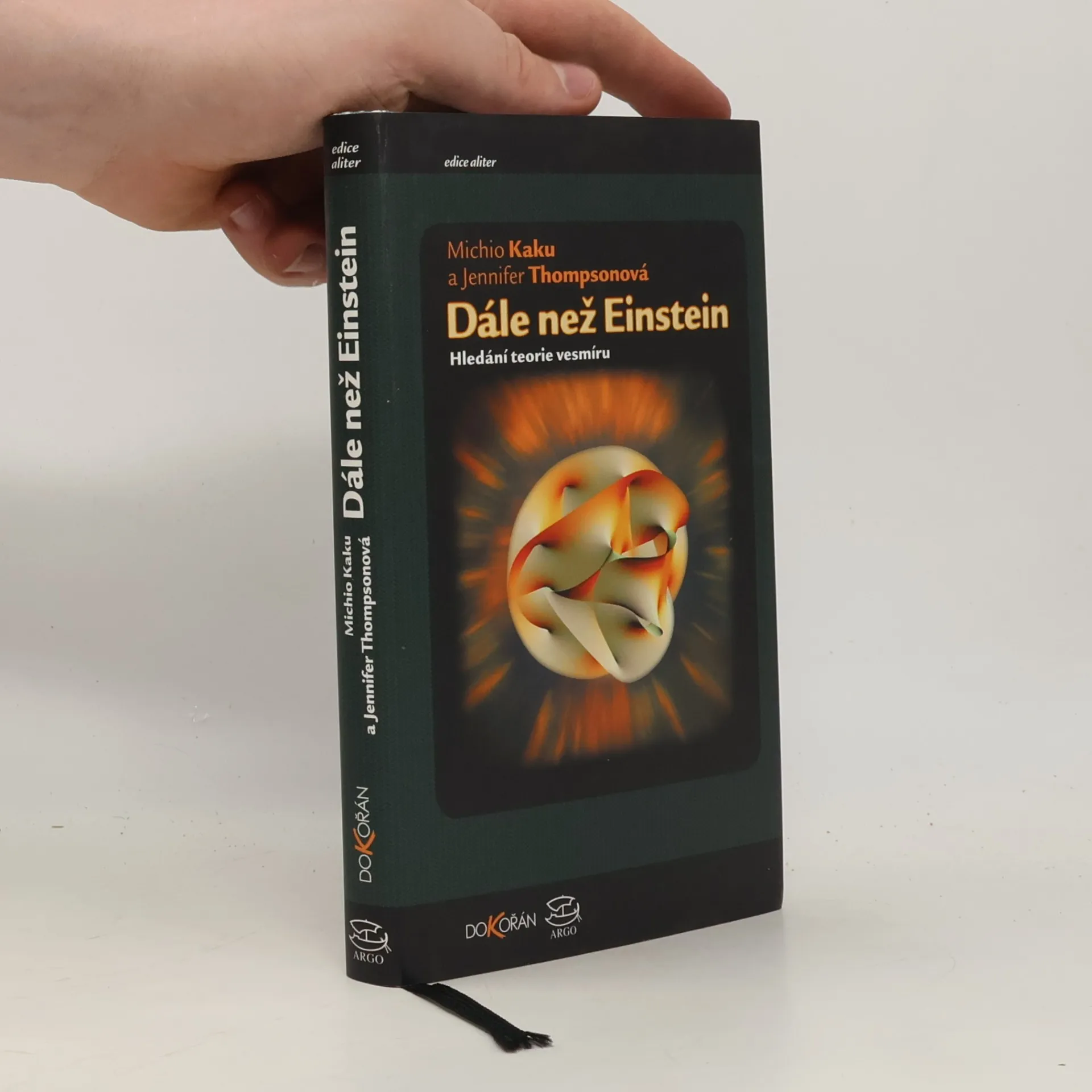
Dále než Einstein. Hledání teorie vesmíru
- 256pages
- 9 heures de lecture
Hledání teorie vesmíru. Příběh fyziky je komplikovaný a dobrodružný. Po staletí se fyzikové noří stále hloub do tajemství přírody, vyvíjejí nové přístroje, které pomáhají některá tajemství rozluštit a jindy zas vedou k objevení nových záhad. Ve dvacátém století se tento příběh nesmírně zrychlil. Vědci pronikli do hlubin vesmíru i k subatomárním stavebním prvkům hmoty. Definovali, jaké síly vládnou mikrokosmu i makrokosmu, a ukázali, jak se jedna odvozuje z druhé. Pak ale narazili na záhadu, která až dosud všem pokusům o objasnění vzdoruje: jak sjednotit gravitační sílu s jadernými interakcemi a elektromagnetismem? Fyzikové už dlouho rozpracovávají tzv. teorii strun, která by snad mohla být cestou k definitivnímu sjednocení. Vznik, vývoj, půvab i úskalí této teorie srozumitelně vysvětluje Michio Kaku, známý fyzik a popularizátor vědy, ve spolupráci s novinářkou Jennifer Thompsonovou.
Fyzika budoucnosti: Jak bude do roku 2100 věda utvářet osud lidstva a náš každodenní život
- 348pages
- 13 heures de lecture
Podtitul: Jak bude do roku 2100 věda utvářet osud lidstva a náš každodenní život. Autor ve své kníize do značné míry na vazuje na svůj starší titul Fyzika nemožného. V ní zkoumal, kam ještě fyzikální výzkum a jeho aplikace ještě mohou dospět, než narazí na hranice lidských možností či na přírodní zákony. Ve Fyzice budoucnosti podrobněji promýšlí ony uskutečnitelné možnosti v různých oblastech: píše o budoucnosi počítačů, umělé inteligence, nanotechnologie, využívání energetických zdrojů, cestování do vesmíru i o budoucnosti civilizace jako takové.
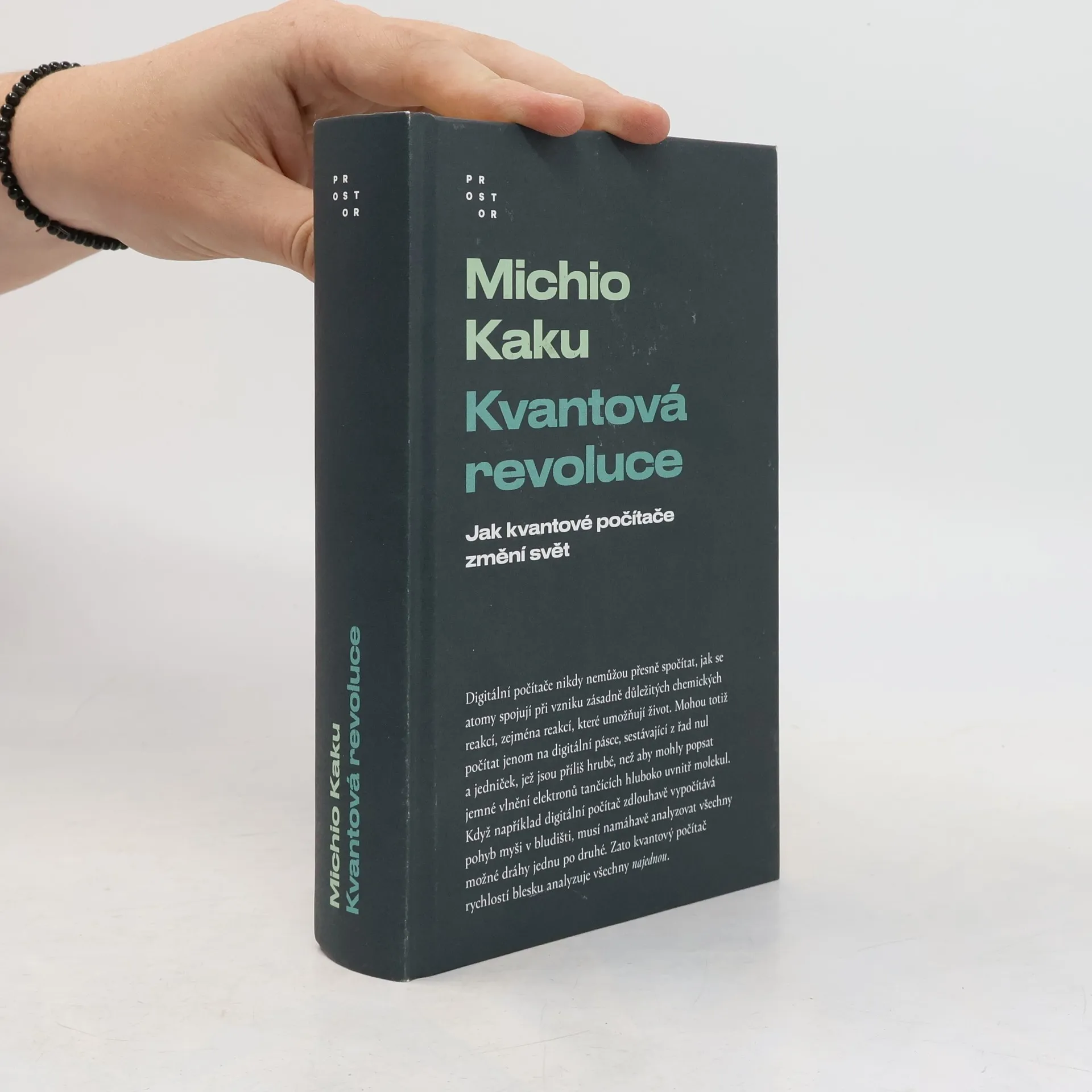
Kvantová revoluce. Jak kvantové počítače změní svět
- 376pages
- 14 heures de lecture
Světoznámý vědec zve čtenáře na vzrušující cestu za kvantovou výpočetní technikou, jež slibuje bezprecedentní nárůst výpočetního výkonu a umožní pokrok ovlivňující všechny aspekty našeho každodenního života. Kvantové výpočty bychom mohli využít k dekódování zásadních chemických procesů, k vytvoření super baterie, která umožní vznik slunečního věku, nebo k návrhu reaktorů jaderné fúze pro výrobu čisté, bezpečné a obnovitelné energie. Díky nim bude možné proniknout do složitého skládání proteinů, které je základem dosud nevyléčitelných nemocí, jako je Alzheimerova nebo Parkinsonova choroba. Kaku předpovídá, jak kvantové počítače posunou hranice lidského poznání a jak budou pracovat s využitím stejných atomových sil, které stvořily vesmír.
Michio Kaku: 3 Bände im Schuber
- 3volumes
- 1584pages
- 56 heures de lecture