Bookbot

Liviu Rebreanu

    27 novembre 1885 – 1 septembre 1944

    Liviu Rebreanu s'impose comme un romancier roumain essentiel, dont les œuvres explorent avec une profonde perspicacité les complexités de la psyché humaine et les luttes sociétales. Son style réaliste et sa caractérisation magistrale éclairent la vie d'individus ordinaires, exposant leurs conflits intérieurs et les pressions extérieures. Rebreanu s'est concentré sur des thèmes tels que la propriété foncière, les dilemmes moraux et les complexités des relations humaines, créant des portraits durables de la société roumaine. Son héritage littéraire se caractérise par une honnêteté brute et une profonde compréhension de la nature humaine, faisant de lui une voix essentielle de la littérature roumaine.

    Liviu Rebreanu
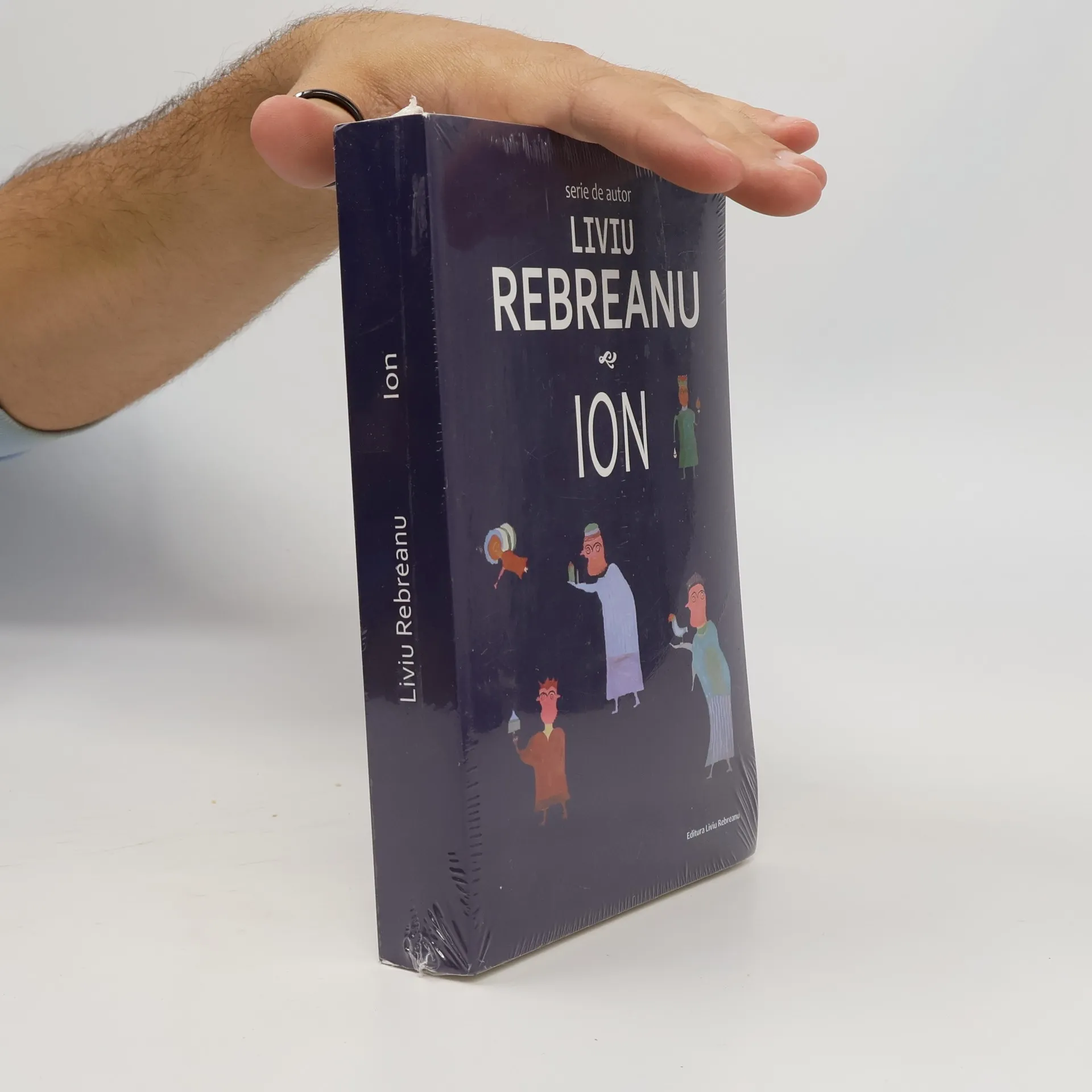
    Ion
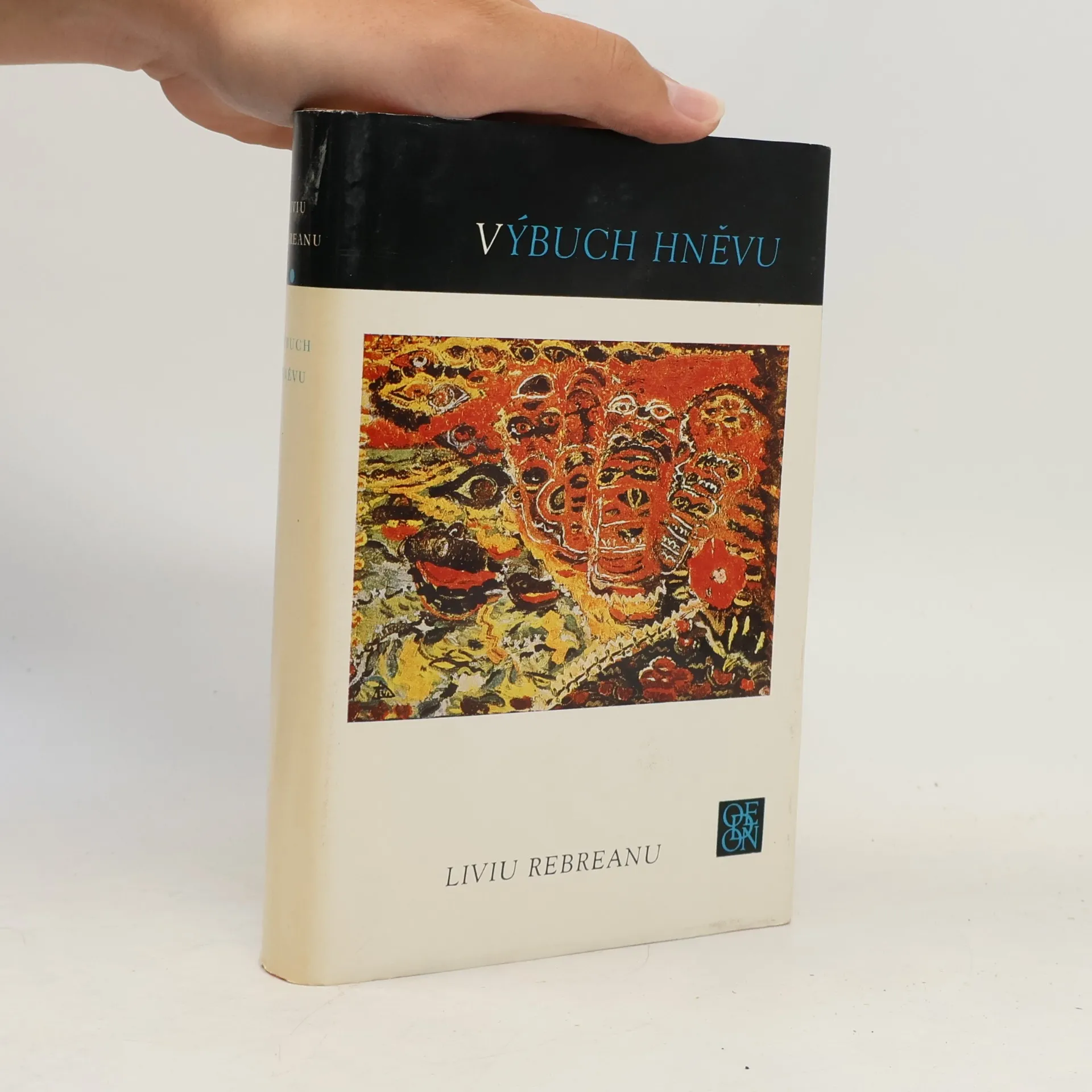
    Výbuch hněvu
    Adam și Eva
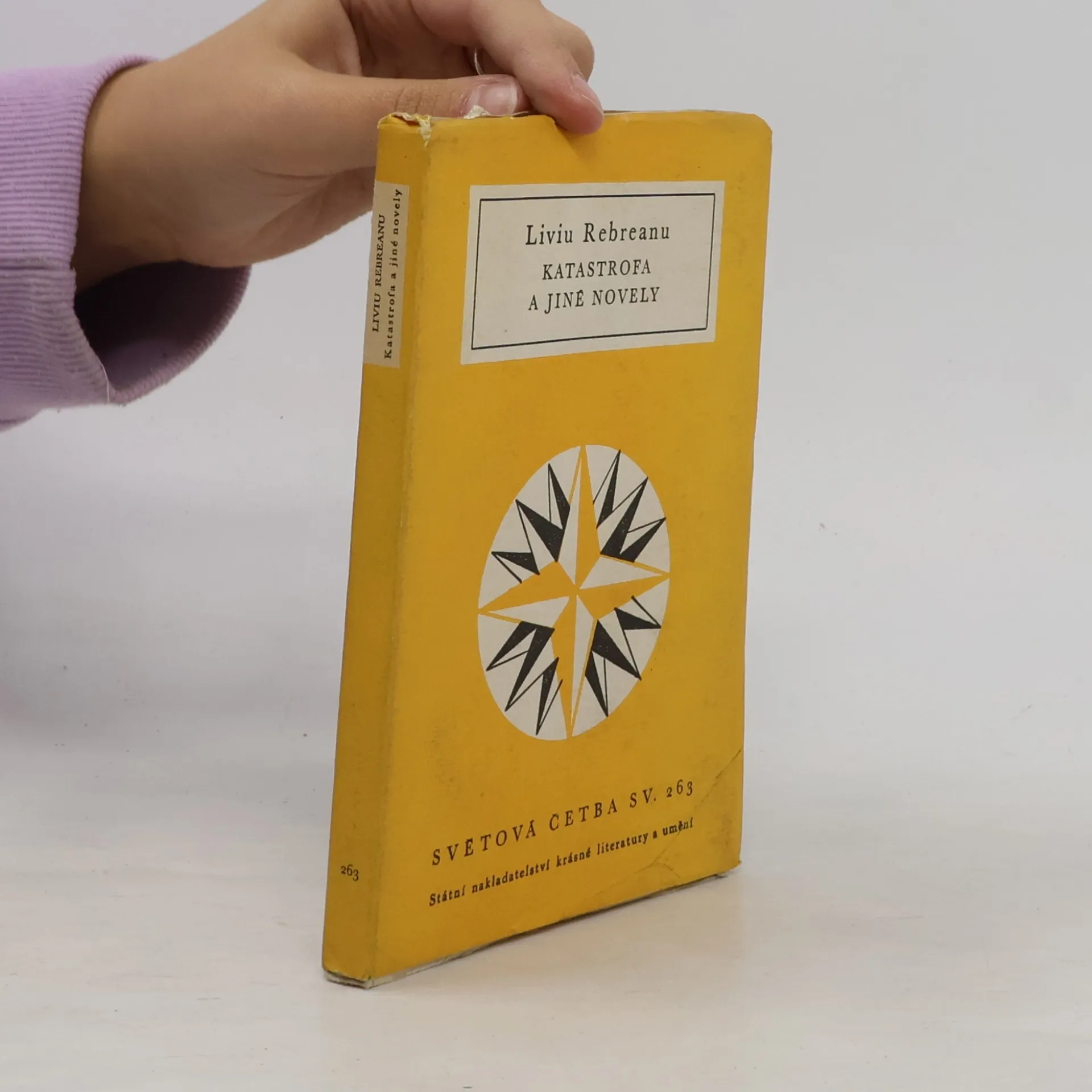
    Katastrofa a jiné novely
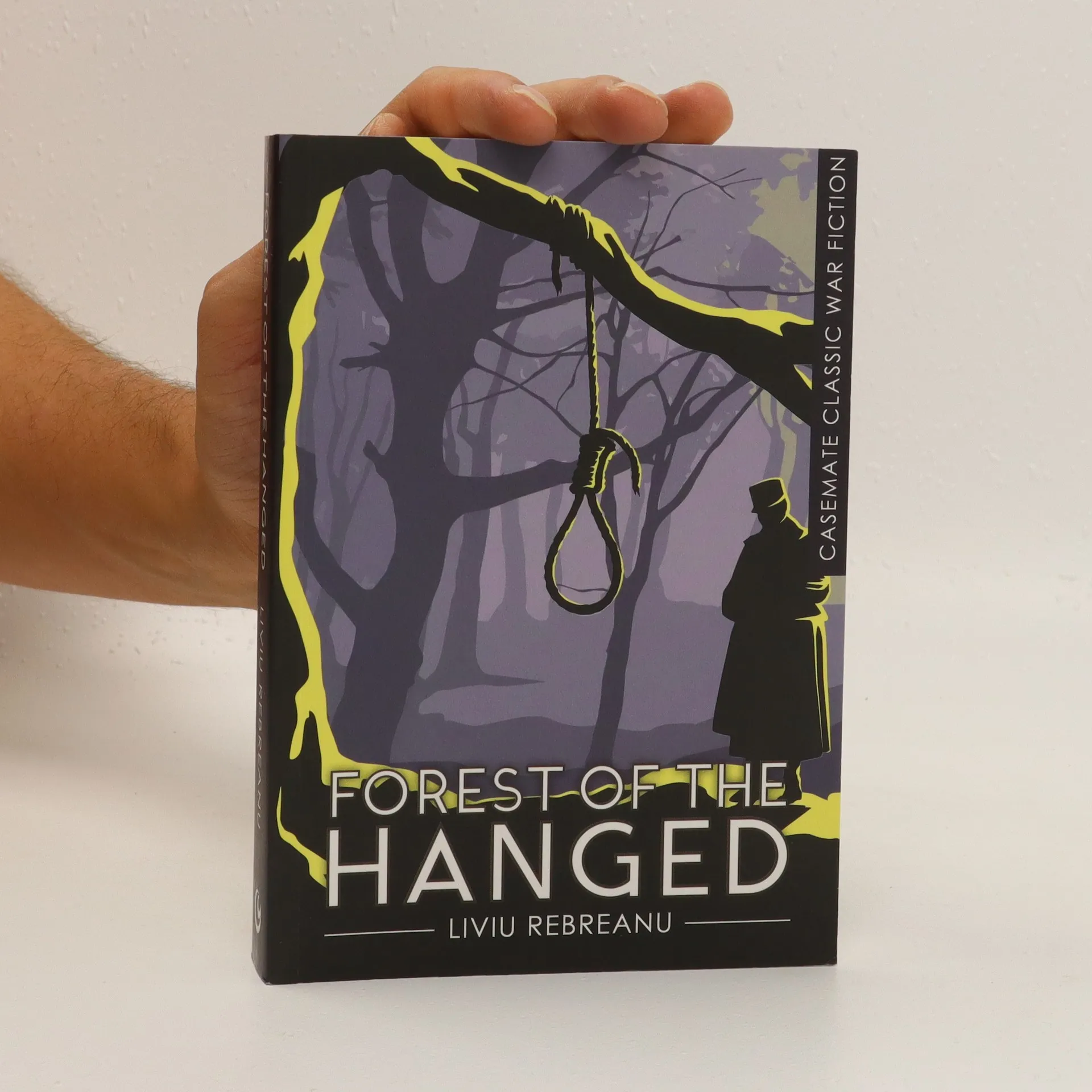
    Forest of the Hanged
    Ciuleandra
    • Ciuleandra

      • 196pages
      • 7 heures de lecture

      Set in the interwar period, this psychological thriller follows Puiu, an aristocrat who commits a shocking crime by murdering his wife after a palace ball. To evade the consequences of his actions, his father orchestrates a plan to have him committed to a mental asylum rather than face a public trial. The narrative delves into themes of guilt, family loyalty, and the complexities of mental health, captivating Romanian readers with its intense psychological exploration.

      Ciuleandra
      5,0
    • Forest of the Hanged

      • 352pages
      • 13 heures de lecture

      During the First World War, just behind the eastern front, there was a forest, where Austrians and Hungarians used to hang deserters. To this place came Apostol Bologa, a young Romanian officer eager to serve his country. Born in a Romanian region of Transylvania which was then under Hungarian rule, he had naturally enough joined the Austro-Hungarian army. But soon Romania itself entered the war, and Bologa found himself fighting his own people. Forest of the Hanged asks a fundamental question about war: namely, why does a man fight? Apostol condemns an officer to death for desertion and attempting to give information to the enemy. He watches the execution of the officer with satisfaction until he witnesses a fellow soldier s grief and pity for the dead man. At this point his world shifts. His growing self-doubt and uncertainty lead him to question beliefs he once held without question. Unprepared for his own reaction when he is once again called to sit on a court martial, he finds that he too must go to the forest. This very rare, richly descriptive novel lays bare the inner conflict engendered by a total war, yet seldom expressed."
      Forest of the Hanged
      3,7
    • Deset novel rumunského spisovatele, znalce lidských duší i poměrů rodné země v období kapitalismu. Zachytil v nich vesměs smutné osudy prostých lidí, kteří tu vlivem společenského řádu a jinde zase svou nedostatečností prožívají drobné i velké tragédie a poznávají jen rub a tíhu života.

      Katastrofa a jiné novely
      4,2
    • Adam și Eva

      • 252pages
      • 9 heures de lecture

      Toma Novac, personaj central al romanului "Adam și Eva", cade victimă geloziei emigrantului rus Stěpan A. Poplinský. Pe patul de moarte, în sanatoriul doctorului Filostrata, el retrăiește toate cele șapte vieți ale sale, în care a fost, pe rând, păstor în India antică, administrator al unei provincii în Egipt, scriitor în Babilon, călăreț roman în timpul împăratului Tiberius, călugăr în Germania medievală, medic în timpul Revoluției Franceze și profesor de filosofie în România anilor douăzeci. În toate reîncarnările, el caută, chiar și cu prețul unor suferințe fizice inumane, dragostea ideală, perechea sa feminină, pentru ca sufletele lor să se poată uni din nou în eternitate. Romanul fantastic al lui Rebreanu, inspirat de moștenirea romanticilor, rămâne, după nouăzeci de ani de la apariție, un omagiu adus iubirii nemuritoare, care învinge moartea și garantează omului tinerețea veșnică.

      Adam și Eva
      4,2
    • Přední rumunský spisovatel první poloviny dvacátého století podává v románě široce koncipovaný obraz rumunské společnosti v r. 1907, kdy došlo k tragickému selskému povstání. Zástupu postav z nejrůznějších vrstev společnosti, jako je např. postava novináře a básníka, velkostatkáře,jeho syna-humanisty, jeho mondénní manželky, dominuje kolektivní hrdina dramatu - dav vykořisťovaných rolníků a bezzemků, vydrážděný bídou k zoufalým činům. Svým pozoruhodným ztvárněním se kniha přiřadila k významným dílům moderní rumunské literatury.

      Výbuch hněvu
      3,4
    • Mistrovský román rumunského kritického realisty kreslí obraz sedmihradské vesnice z doby autorova mládí v tehdejším Rakousku-Uhersku a s ním zachycuje i základní problém rolnické otázky – boj o půdu. V příběhu ctižádostivého bezzemka Iona ztvárňuje tragédii člověka, který v touze pomajetku zrazuje svou lásku i lidské hodnoty.

      Ion
      3,4
    • Die Handlung des Romans „Alle beide“ spielt im zwischen den Weltkriegen liegenden Pitești, wo es zu einem rätselhaften Mord an einem alten Ehepaar kommt, das für seine Geizigkeit und Wucher bekannt war. Der junge, ehrgeizige Ermittlungsrichter, geprägt von der Lektüre von Kriminalromanen, wird mit der Aufklärung des Falls in der Straße Naděje betraut. Er ist nicht ortsansässig und steht daher außerhalb der familiären und gesellschaftlichen Bindungen von Pitești, was ihn dazu bringt, sich dem protektionistischen Diktat der Einheimischen zu widersetzen. Unerschrocken und mit gründlichen Befragungen der Zeugen dringt er in die dunklen Abgründe der „höheren Schichten“ vor. Schritt für Schritt entfaltet sich die komplexe Konstruktion des Verbrechens. Vor dem Hintergrund einer originell gelösten Kriminalgeschichte wird die Vergangenheit des verstorbenen Ehepaars, ihre angespannten Beziehungen zu Verwandten und Nachbarn, allmählich aufgedeckt. In der Kleinstadt, wo sich alle kennen, wo ständig getratscht wird und erbitterte Streitigkeiten um Eigentum stattfinden, offenbaren sich die verworrenen Geheimnisse der Charaktere und die wahre Natur menschlicher Beziehungen. Das überraschende Ende unterstreicht die allgemeine Widersprüchlichkeit gesellschaftlicher Strukturen, die Unklarheit von Schuld, Strafe und menschlicher Beurteilung sowie die Zerbrechlichkeit menschlicher Urteile angesichts eines unerbittlichen Schicksals.

      Alle beide
      3,2
    • Golanii

      • 240pages
      • 9 heures de lecture
      Golanii