

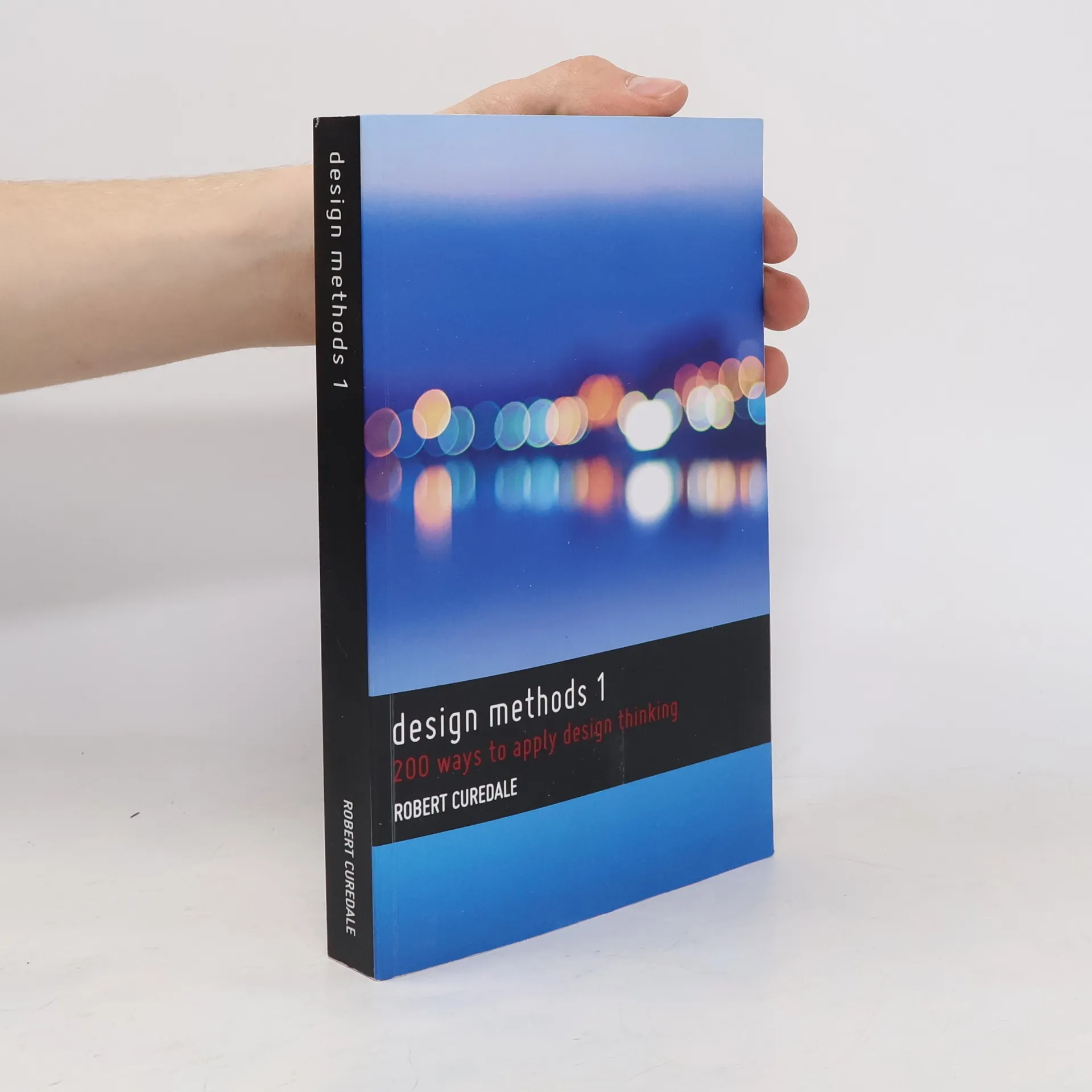
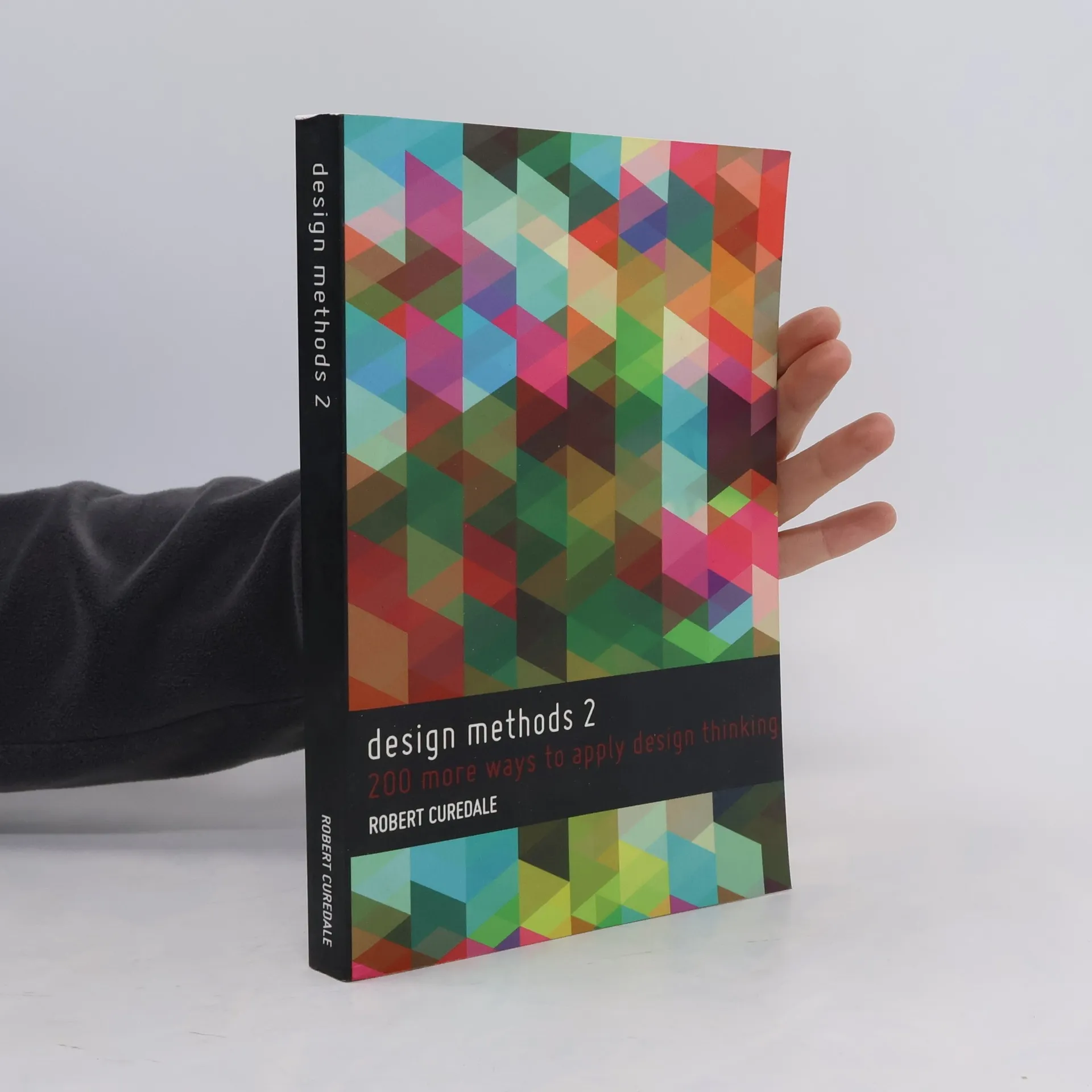
Each of the 200 methods has a condensed one page step-by-step instructions for easy reading. Included are templates, descriptions of each method, instructions on when, where and why to use each method, resources needed and references. The two volumes in this series outline the design methodologies presented in a series of successful international workshops by Rob Curedale based on the methods of the world's most innovative organizations. The author Robert Curedale focuses the experiences of decades of tacit knowledge from managing design for some of the world's leading design brands and design consultancies and teaching at influential design schools and universities in Asia, Australia, Europe, Detroit, Los Angeles and Silicon Valley. This is probably the largest collection of design methods that is available and with the companion volume 2 covering an additional 200 design methods, ISBN-13:978-0988236240, is an indispensable resource for anyone practicing or studying in all fields of design and architecture including product design, interior design, exhibit design, graphic design, user experience design, web design, packaging design, automotive design, branding, design education and design research.
Robert Curedale Livres

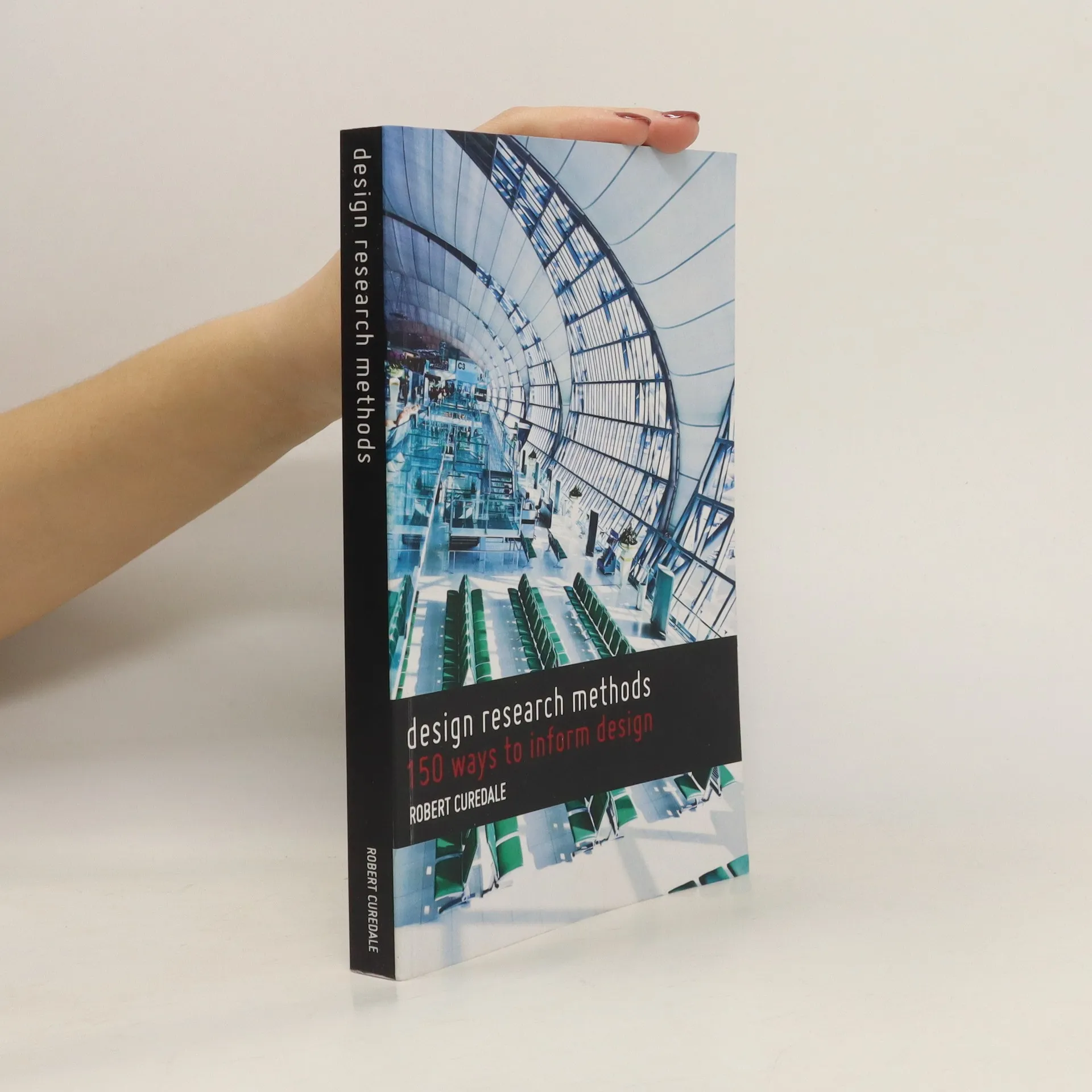
This book provides quick and practical research techniques that you can use to inform design. You will be introduced to essential research techniques such as affinity diagrams so that you can successfully base your design directions on user-centered evidence to get client buy-in. Design Research is one of the fastest growing areas of design as organizations are trying to target design solutions more accurately and successfully. The book is intended for designers in all fields, architects, researchers, and business executives as well as students, seeking a foundational understanding of design research terms and techniques who want to create business value and strategic impact through informed design. Each method has a description of how to use the method, why to use the method and when to use the method. Further references are supplied.
Each of the 200 methods has a condensed one page step-by-step instructions for easy reading. Included are templates, descriptions of each method, instructions on when,where and why to use each method, resources needed and references. The two volumes in this series outline the design methodologies presented in a series of successful international workshops by Rob Curedale based on the methods of the world's most innovative organizations. The author Robert Curedale focuses the experiences of decades of tacit knowledge from managing design for some of the world's leading design brands and design consultancies and teaching at influential design schools and universities in Asia, Australia, Europe, Detroit, Los Angeles and Silicon Valley. This is probably the largest collection of design methods that is available and with the companion volume 2 covering an additional 200 design methods, is an indispensable resource for anyone practicing or studying in all fields of design and architecture including product design, interior design, exhibit design, graphic design, user experience design, web design, packaging design,automotive design, branding, design education and design research.
Design Thinking Process & Methods 4th Edition
- 598pages
- 21 heures de lecture
Design thinking has become the new design doing that is sweeping the globe. Design thinking
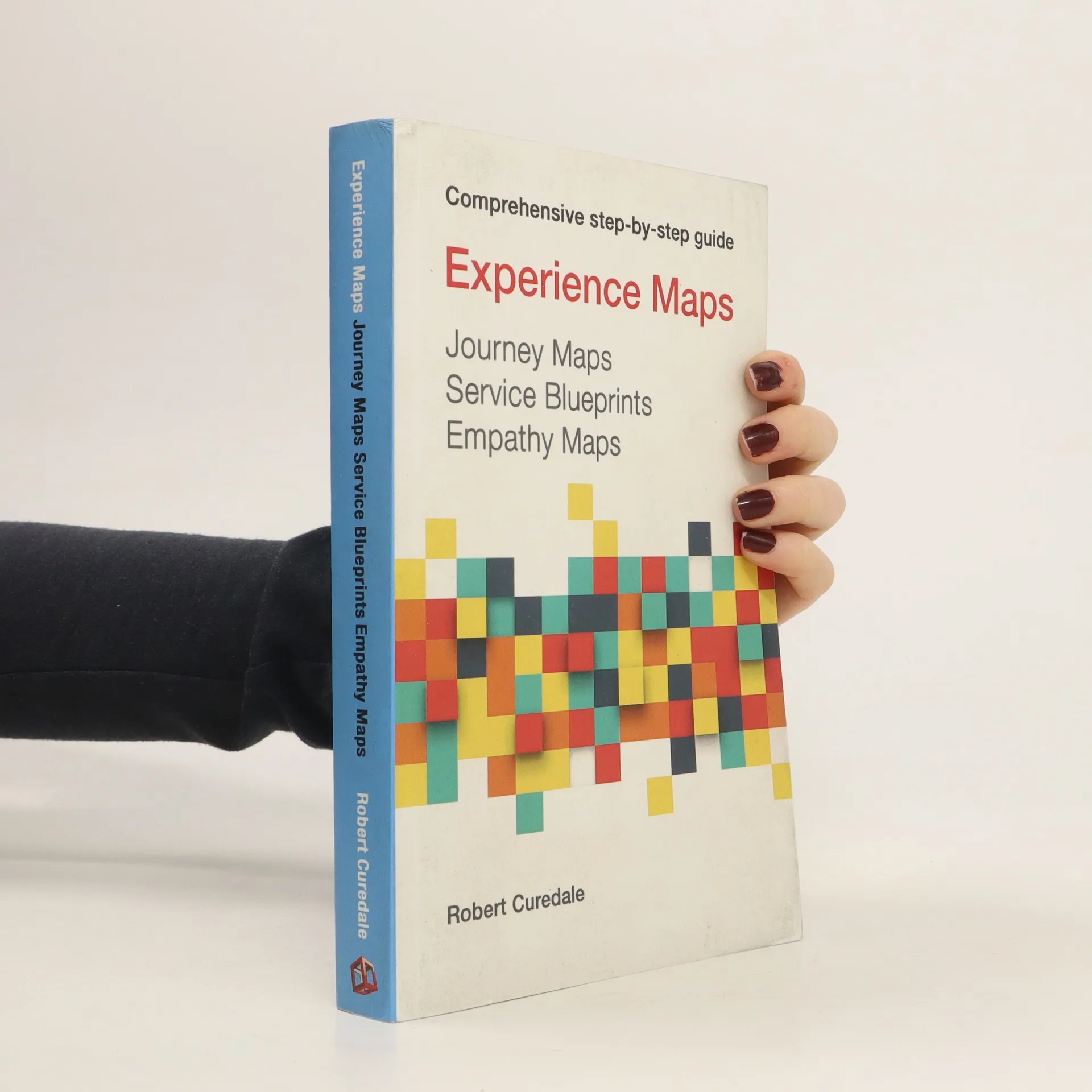
In this book are described the most powerful tools available to craft superior experiences for your customers and end users. These powerful and flexible methods are collectively known as experience maps. These maps are a response to the realization that it is more efficient and successful to make products, services, and experiences that people want and need. They can be used to optimize the design of goods, services, architecture, spaces, and interactions and to plan business strategy. Through applying these methods, organizations can deliver a more compelling and valuable experience. Mapping builds consensus across your organization with stakeholders, to positively impact your entire organization and your bottom line. These methods are core strategic tools and will become required skills for every working designer and manager.