
Bookbot

Ray Sturtivant

    La fascination de Ray Sturtivant pour l'aviation a débuté dans sa jeunesse, alimentée par des visites d'aérodromes en temps de guerre près de chez lui. Son service national a approfondi cet intérêt lors de son passage au sein de la RAF en Inde. Au début de sa carrière dans la fonction publique, il a perfectionné un talent remarquable pour la recherche méticuleuse et la compilation de faits. Cette compétence est devenue le fondement de son travail, lui permettant de se plonger dans l'histoire des avions et des unités de la RAF et de la Fleet Air Arm, créant ainsi des archives définitives pour les passionnés d'aviation.

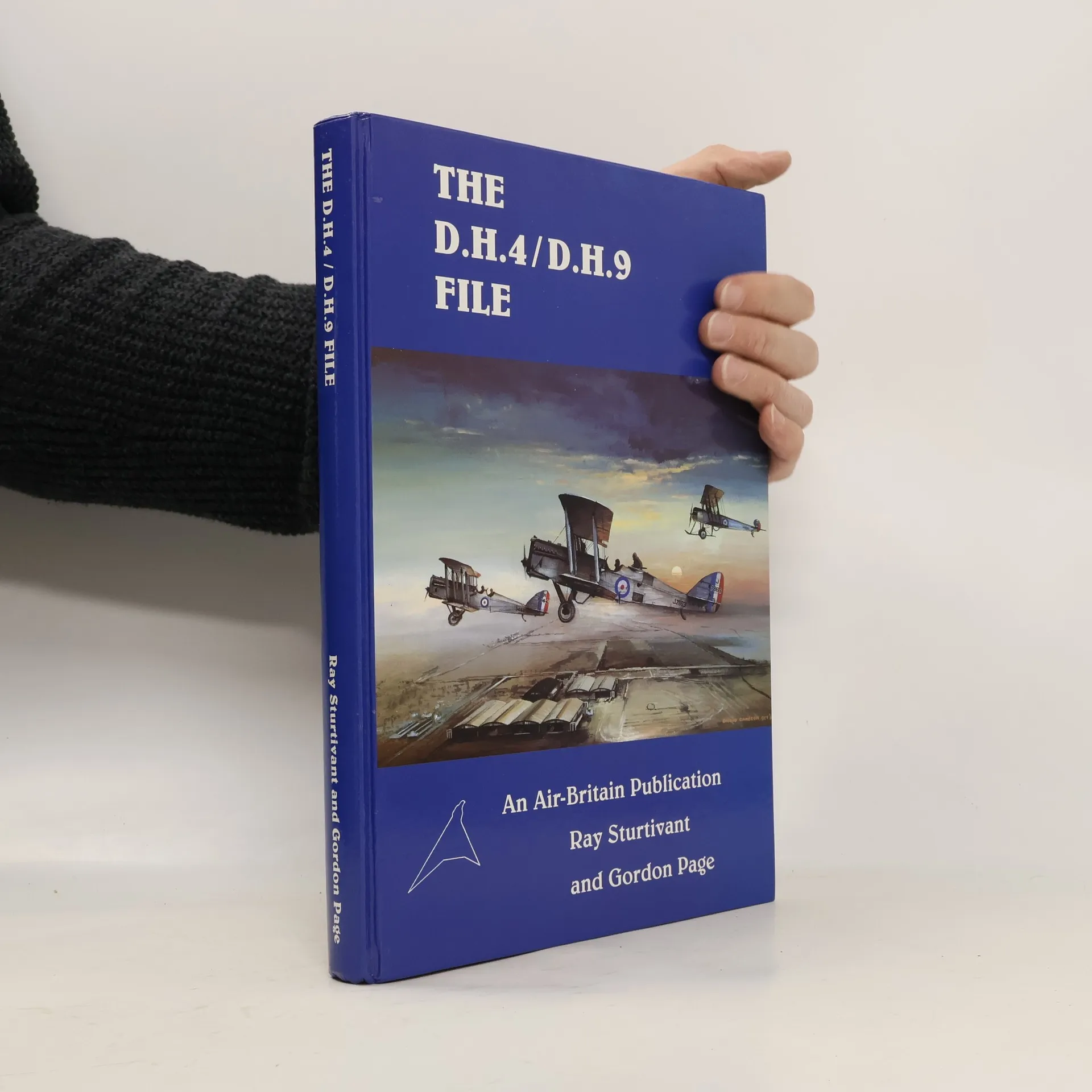
    The D.H.4/D.H.9 File
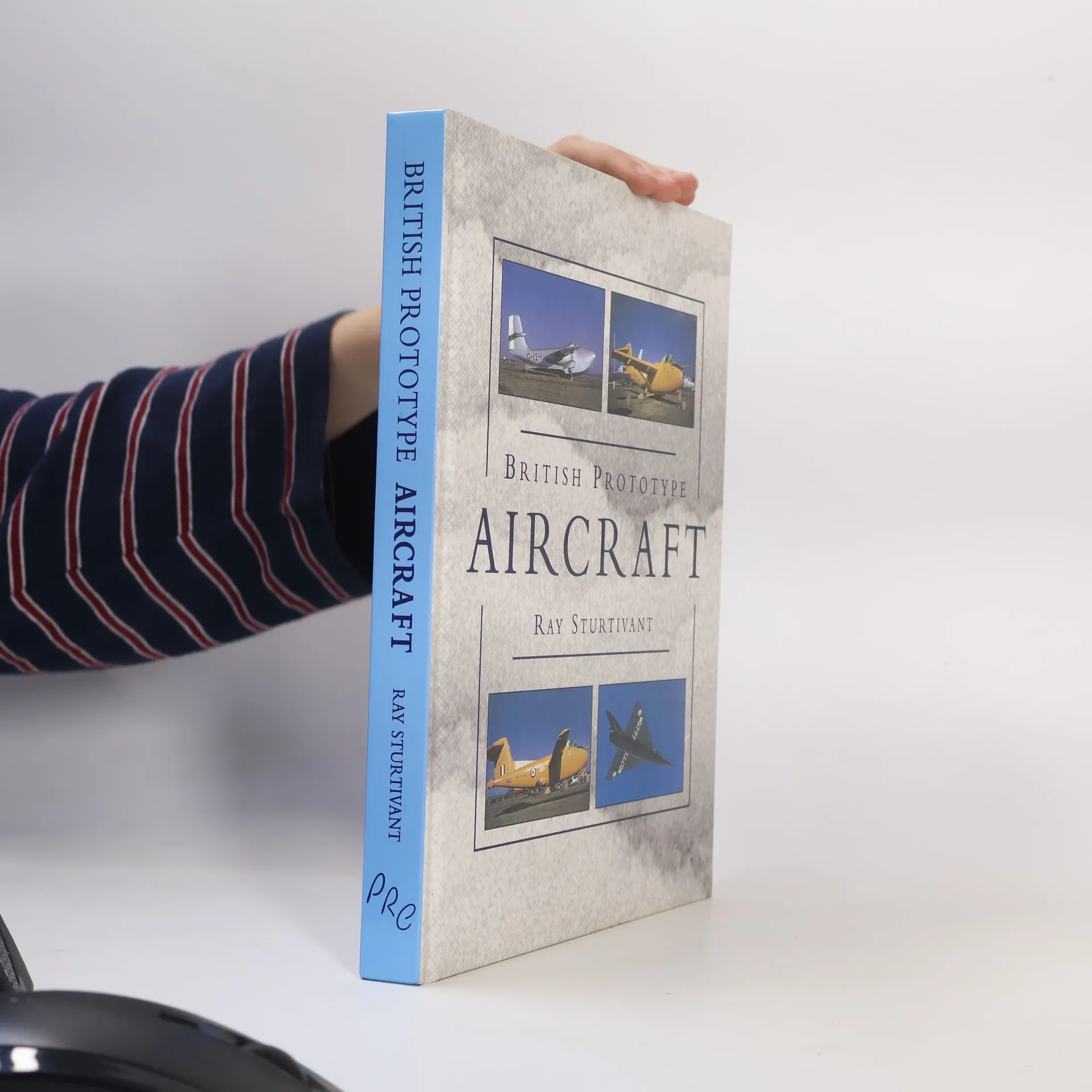
    British Prototype Aircraft
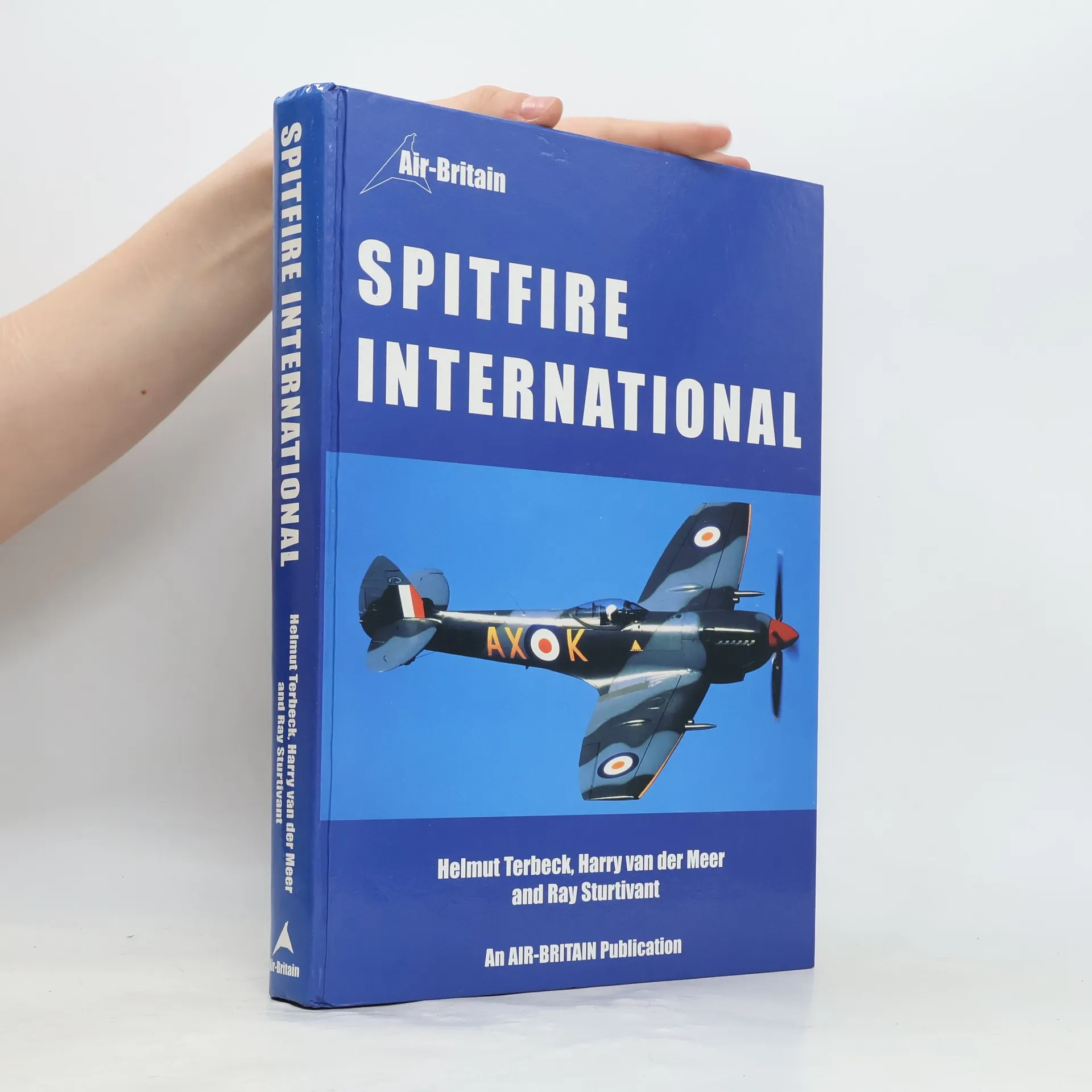
    Spitfire International
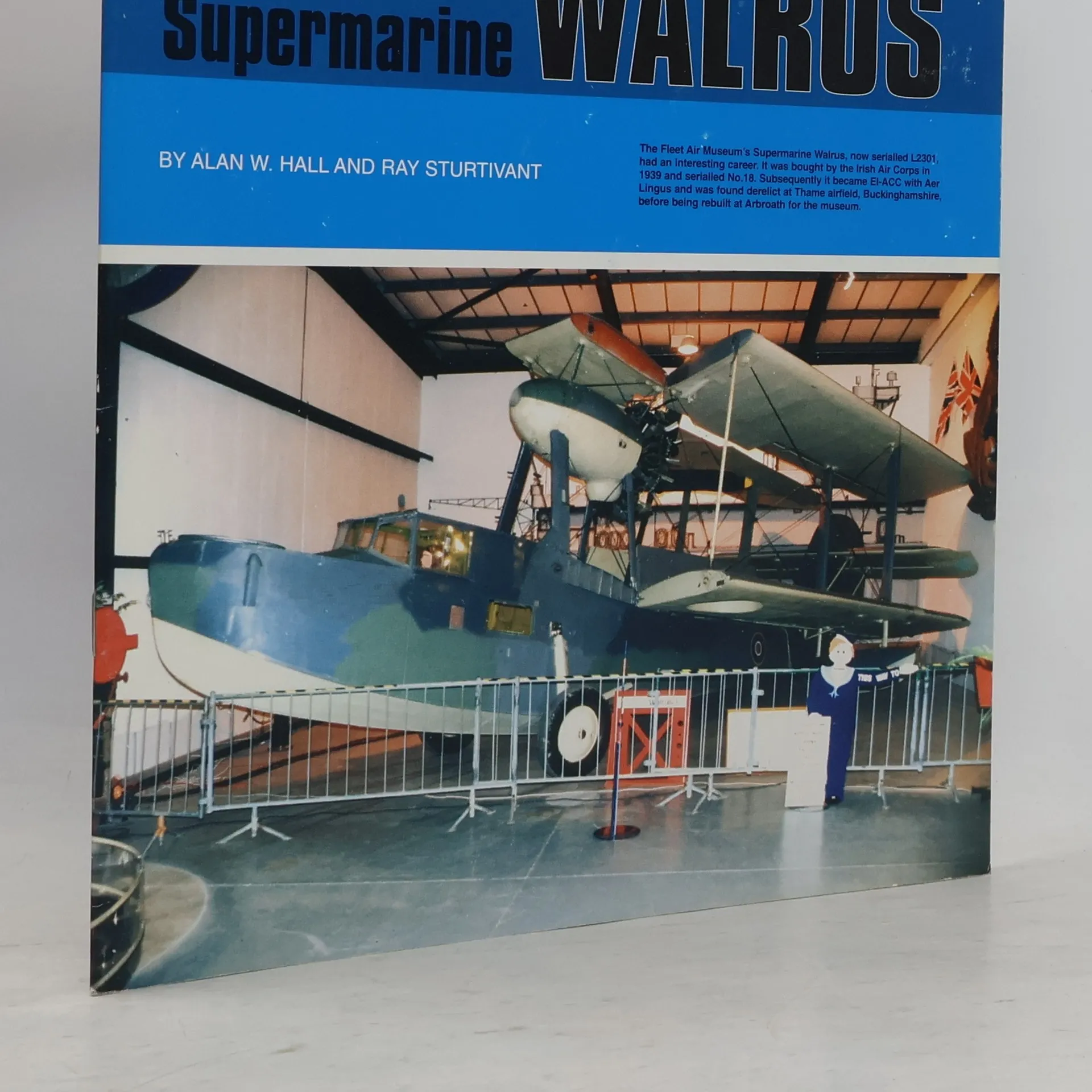
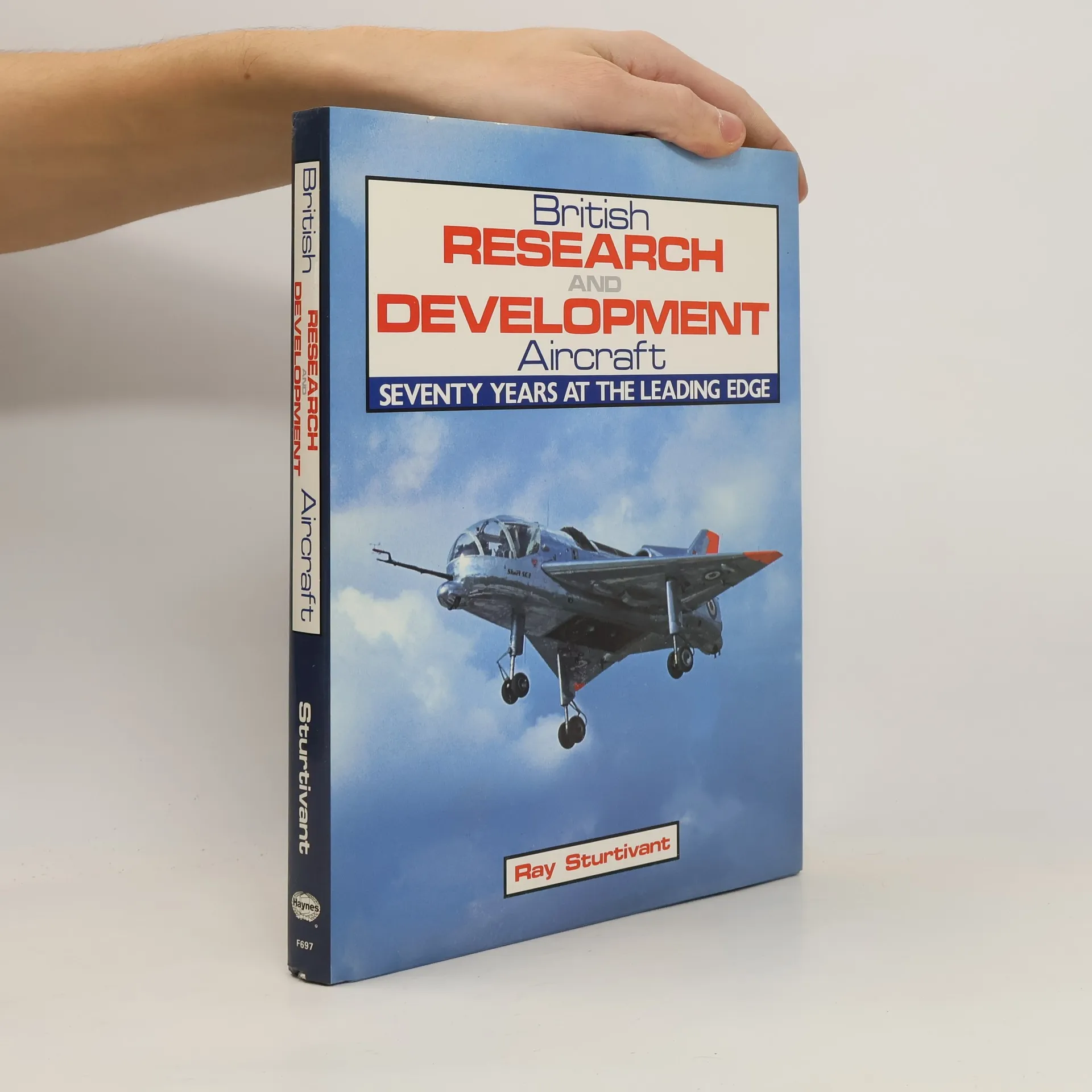
    British Research and Development Aircraft
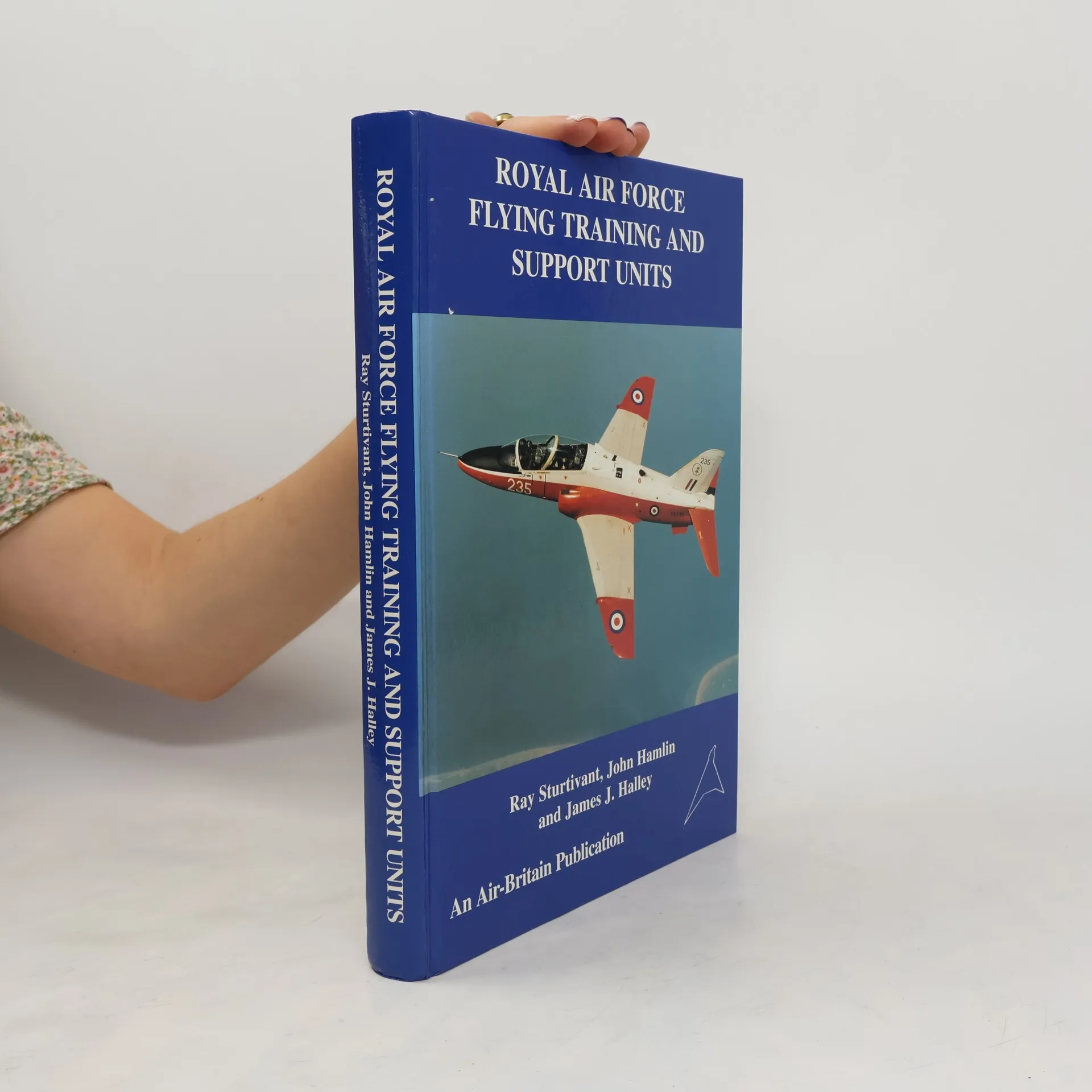
    Royal Air Force Flying Training
    • Royal Air Force Flying Training

      • 368pages
      • 13 heures de lecture

      The first complete listing of the many thousands of flying training and support units of the RAF and its predecessor the Royal Flying Corps from 1912 to the present day. Many years of research have gone into this coverage of such units as Flying Training Schools, Operational Training Units, Conversion Units, Operational Conversion Units, World War I Training Squadrons and numbered flights. Lesser known units include Maintenance Units, Repair & Servicing Units, Air Stores Parks, Staging Posts and numbered landing grounds in the UK, 2nd TAF and the Middle East. Cross-references are given to relevant administrative units such as Commands, Groups, Wings, Bases and Brigades, which are also listed. Aircraft types and examples are given, and in many cases the periodic strength or establishment. Comprehensive index of bases. 368 pages. 200 photographs.

      Royal Air Force Flying Training
      5,0
    • Spitfire International

      • 480pages
      • 17 heures de lecture

      During and after the Second World War, large numbers of Spitfires were flown by air forces around the world other than the RAF. Of the production total of nearly 23,000 Spitfires and Seafires, well over 6,000 went to overseas air forces and concise detailed histories are given of all those that have been identified. Background information is also given of the numerous overseas and Commonwealth air forces concerned, including the uses to which the aircraft were put and the units which operated them. When the war ended there were many thousands in storage and these then became available for sale second-hand at acceptable prices. They were particularly popular with countries seeking to rebuild or re-equip their air forces in the immediate post-war period. As the number available in this way gradually dwindled, the Spitfire became sought by collectors around the world and rebuilt examples began to appear increasingly at air shows, to become one of the star turns. As stock diminished, values rose, and a serviceable example can now command a six or seven-figure price.This 480-page book includes outline details of all Spitfires known to have been flown outside the UK with civil registrations. It is profusely illustrated with around 460 black & white and colour illustrations including side views, insignia and maps.

      Spitfire International