Wie wir die Macht des Wissens entdeckten und wie wir es zu unserem Wohl einsetzen können Kaum etwas hat das Leben der Menschen so stark verändert wie die wissenschaftliche Revolution. Durch sie entdeckten wir unbekannte Territorien, bekämpften Hunger und Krankheiten und erlangten einen nie gekannten Wohlstand. Doch der Fortschritt hat auch negative Seiten: Völker wurden bekämpft, die Umwelt zerstört und die Atombombe bedroht die Menschheit. Mit der künstlichen Intelligenz kommt ein neuer Player ins Spiel, der der Vorherrschaft der Menschen auf der Erde ein Ende bereiten könnte. Wie kann es uns Menschen gelingen, diese Entwicklungen in die richtigen Bahnen zu lenken? Wie können wir dank unseres Wissens unseren Planeten und die Lebewesen darauf retten? Dieser Frage widmet sich Harari lebendig, klug und unterhaltsam.
Yuval Noah Harari Ordre des livres (chronologique)
Cet auteur aborde des questions macro-historiques, explorant la relation entre l'histoire et la biologie. Il explore la nature unique de l'Homo sapiens et se demande si les gens sont devenus plus heureux au fil de l'histoire. Son travail remet souvent en question notre compréhension du progrès, en examinant si l'histoire possède une direction ou une justice inhérente. Les lecteurs apprécient sa capacité à relier de vastes connaissances historiques à de profondes réflexions sur la condition humaine.



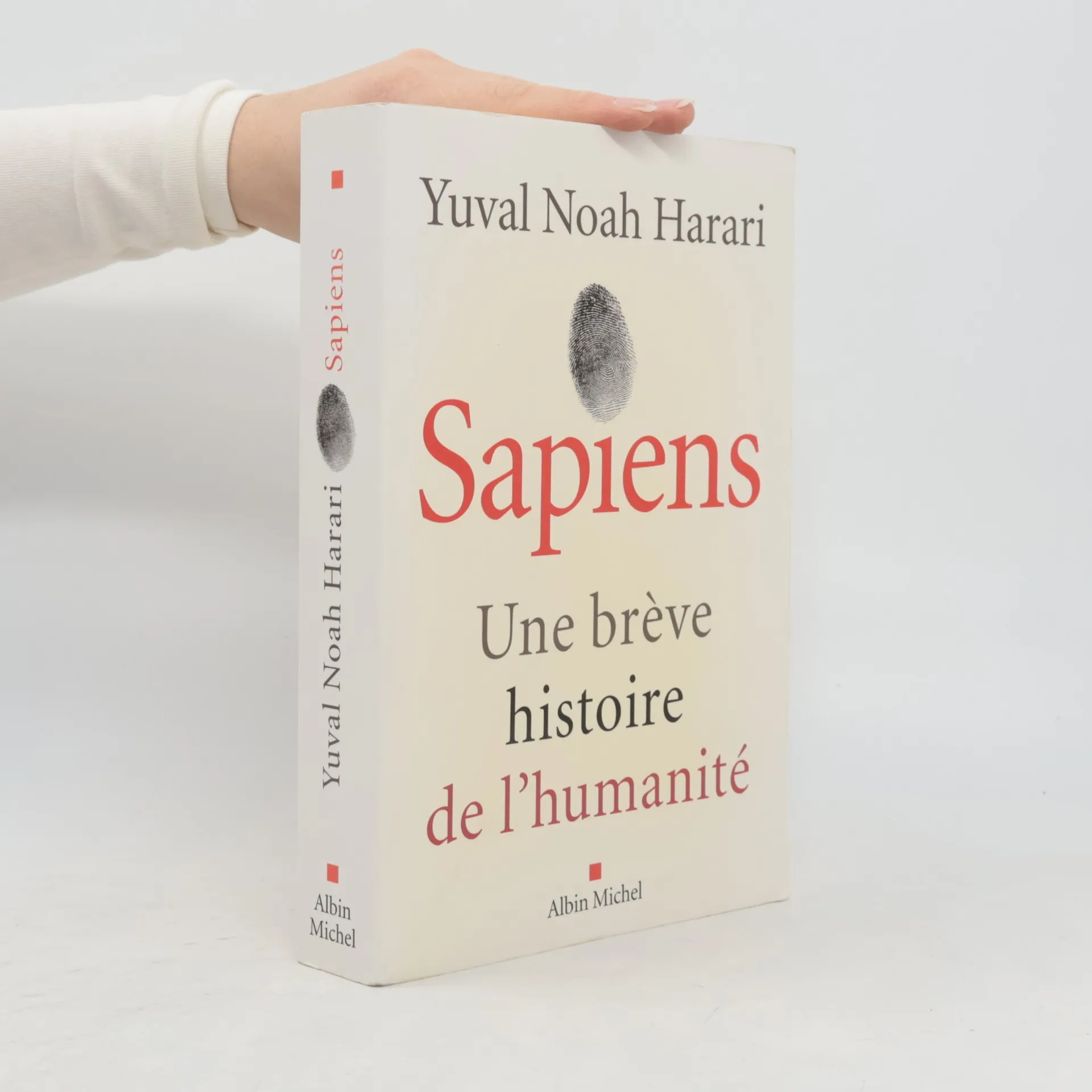
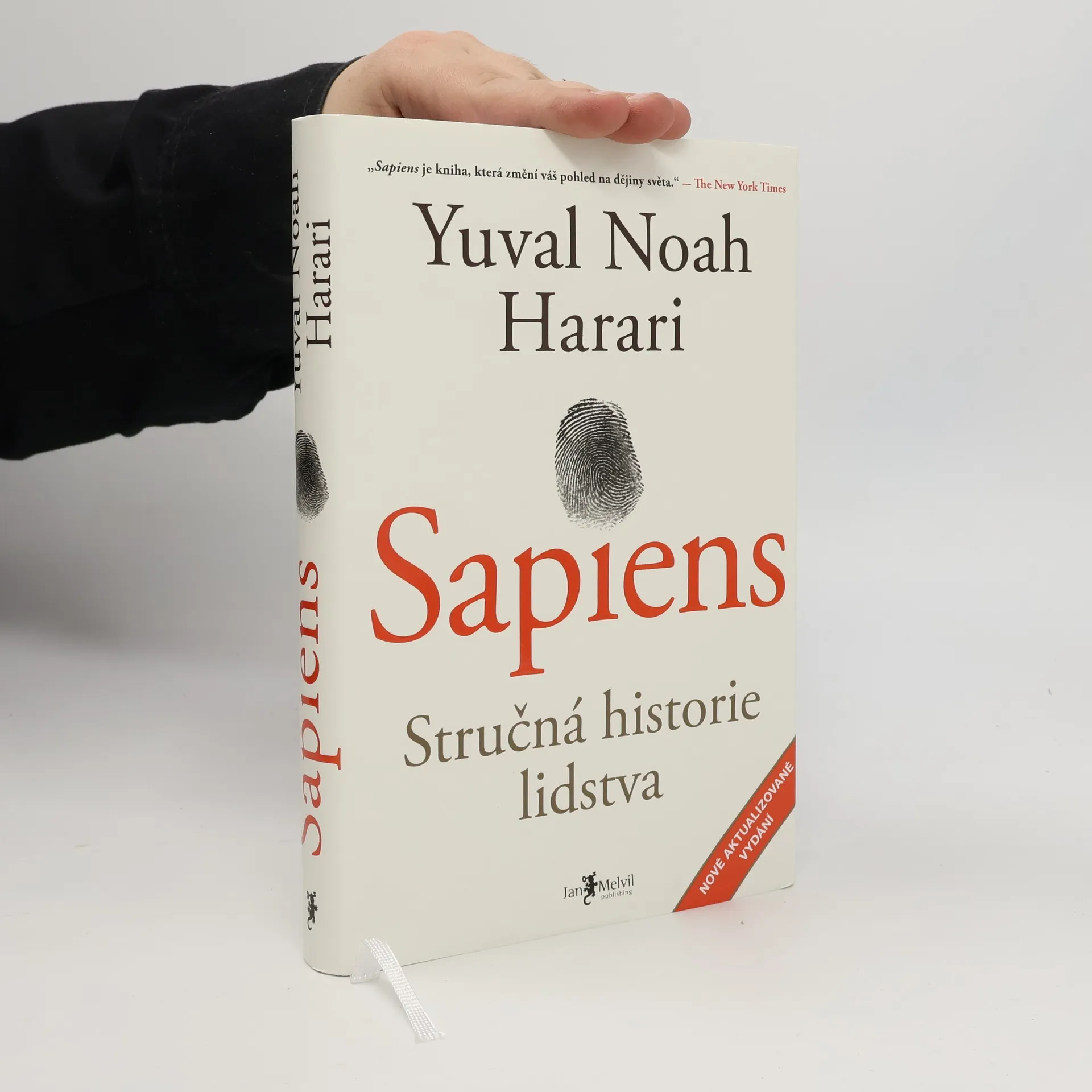
Sapiens
Stručná historie lidstva
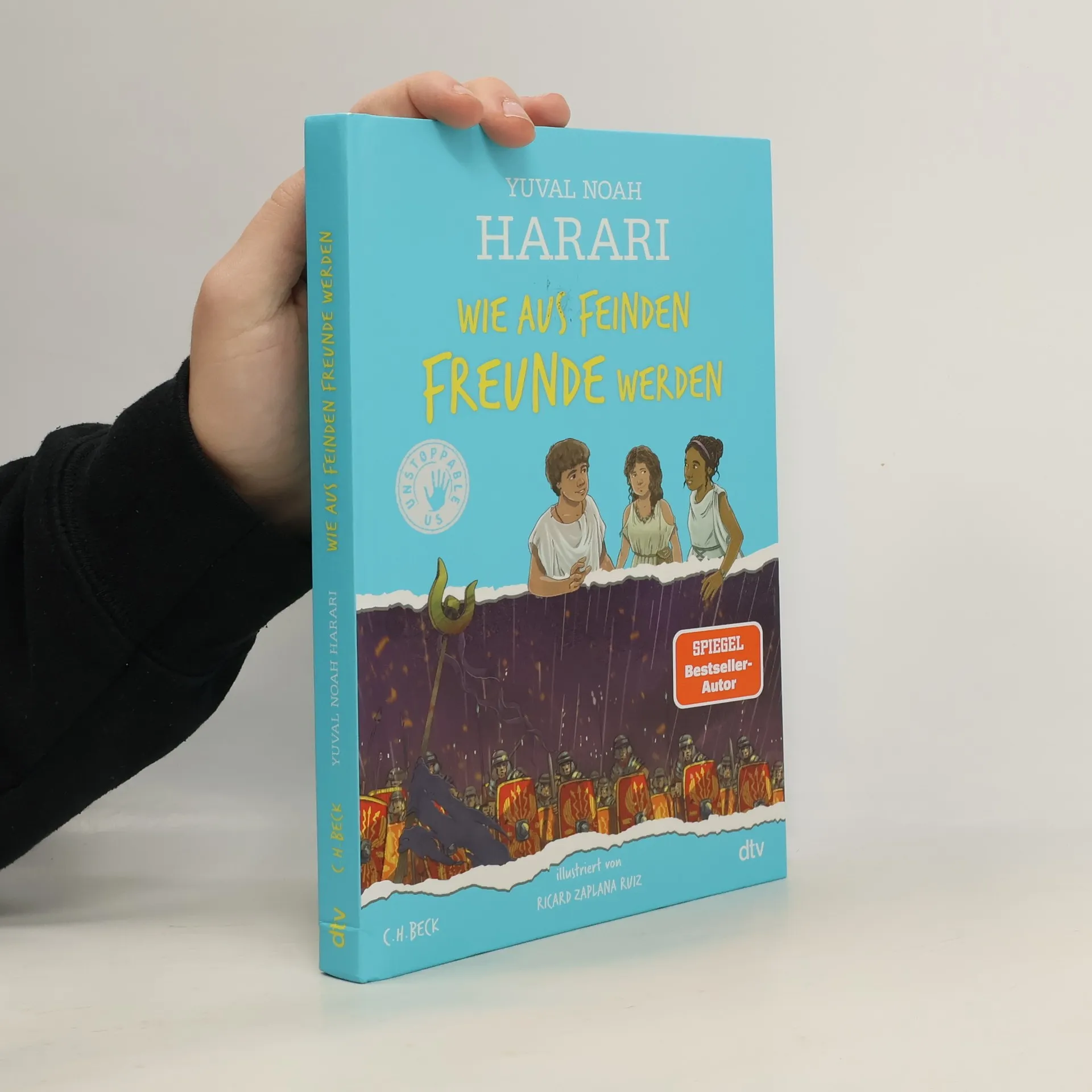
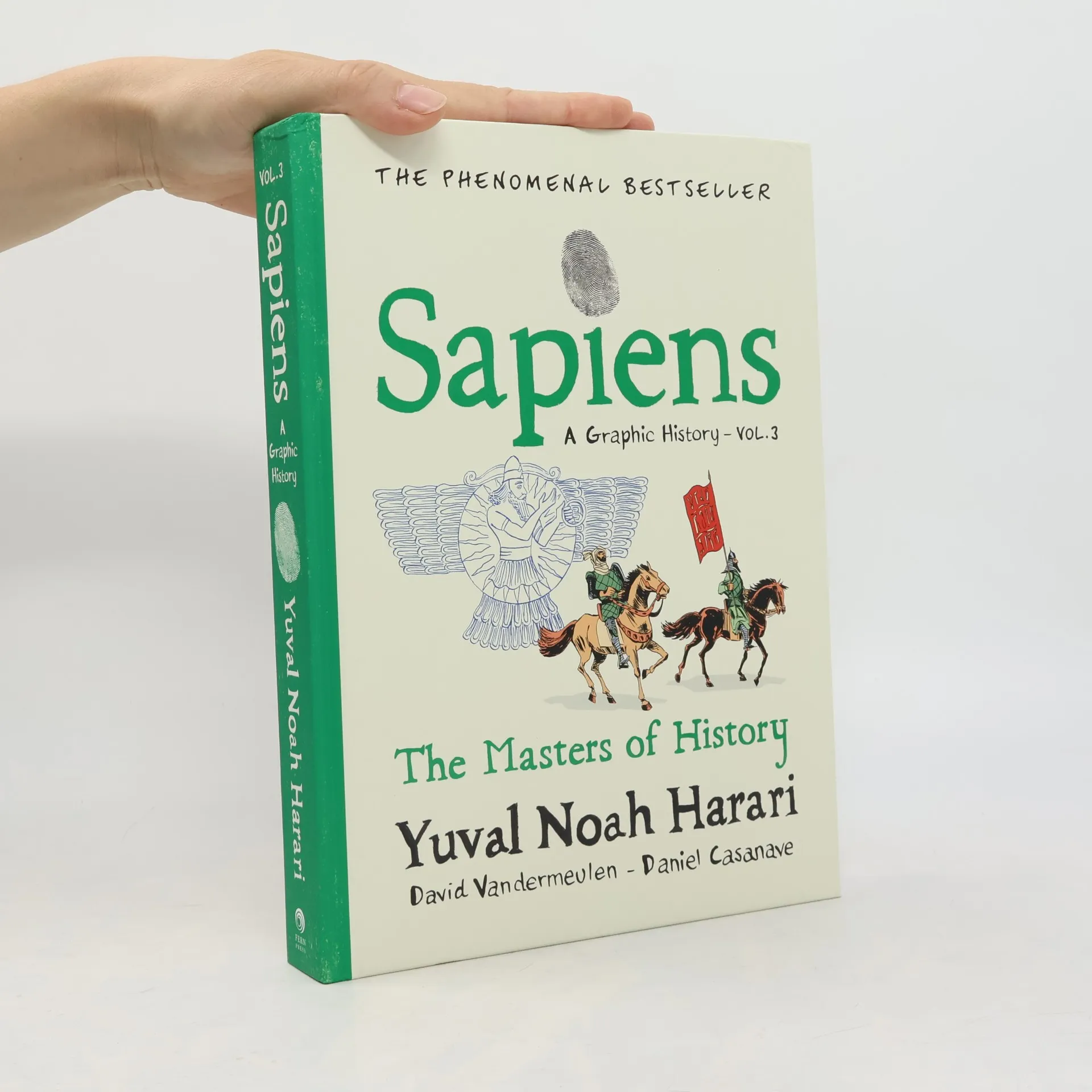
Exploring the dynamics of history, this graphic installment delves into the forces that shape civilizations, including money, religion, and empire. With a humorous guide, Heroda Tush, readers encounter a colorful cast of characters, each representing different historical influences, from luck to conquest. This engaging narrative invites reflection on humanity's turbulent journey and the recurring conflicts that challenge our unity. Ideal for readers of all ages, it can be enjoyed independently or as part of the ongoing series.
Wie aus Feinden Freunde werden
- 192pages
- 7 heures de lecture
In seinem neuen Buch untersucht Yuval Noah Harari, warum die Welt nicht friedlich ist und wie Menschen aus verschiedenen Gesellschaften miteinander umgehen. Er beleuchtet historische Begegnungen, Konflikte und friedliche Koexistenz von der Antike bis zum Mittelalter und thematisiert die Herausforderungen des Zusammenlebens verschiedener Kulturen und Religionen.
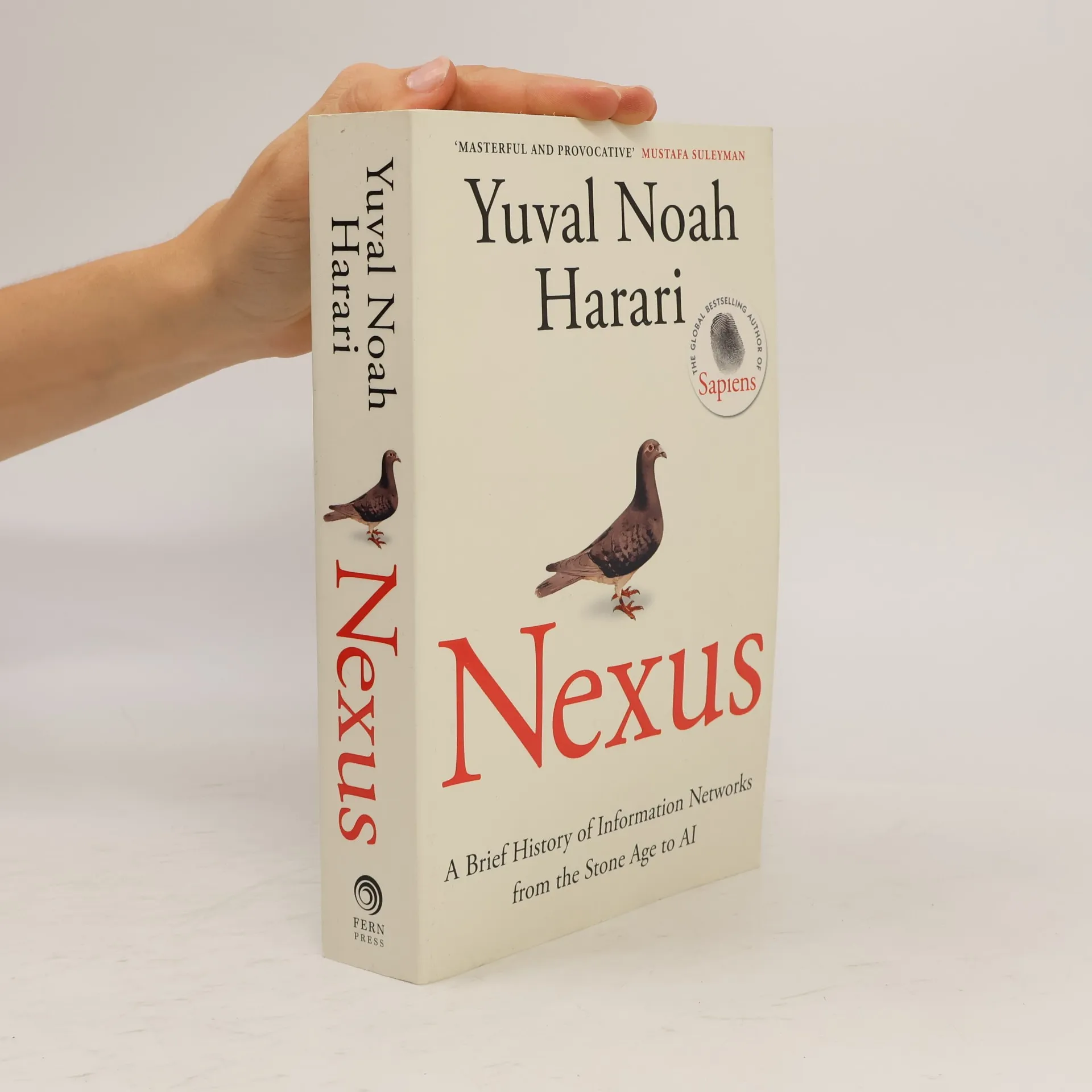
Nexus: A Brief History of Information Networks from the Stone Age to AI
- 512pages
- 18 heures de lecture
The story of how information networks have made, and unmade, our world from the #1 Sunday Times bestselling author of Sapiens. For the last 100,000 years, humans have accumulated enormous power. But despite all our discoveries, inventions and conquests, we now find ourselves in an existential crisis. The world is on the verge of ecological collapse. Misinformation abounds. And we are rushing headlong into the age of AI – a new information network that threatens to annihilate us. If we are so wise, why are we so self-destructive? NEXUS considers how the flow of information has shaped us, and our world. Taking us from the Stone Age through the Bible, early modern witch-hunts, Stalinism, Nazism and the resurgence of populism today, Yuval Noah Harari asks us to consider the complex relationship between information and truth, bureaucracy and mythology, wisdom and power. He explores how different societies and political systems have wielded information to achieve their goals, for good and ill. And he addresses the urgent choices we face as non- human intelligence threatens our very existence. Information is not the raw material of truth; neither is it a mere weapon. NEXUS explores the hopeful middle ground between these extremes, and of rediscovering our shared humanity.
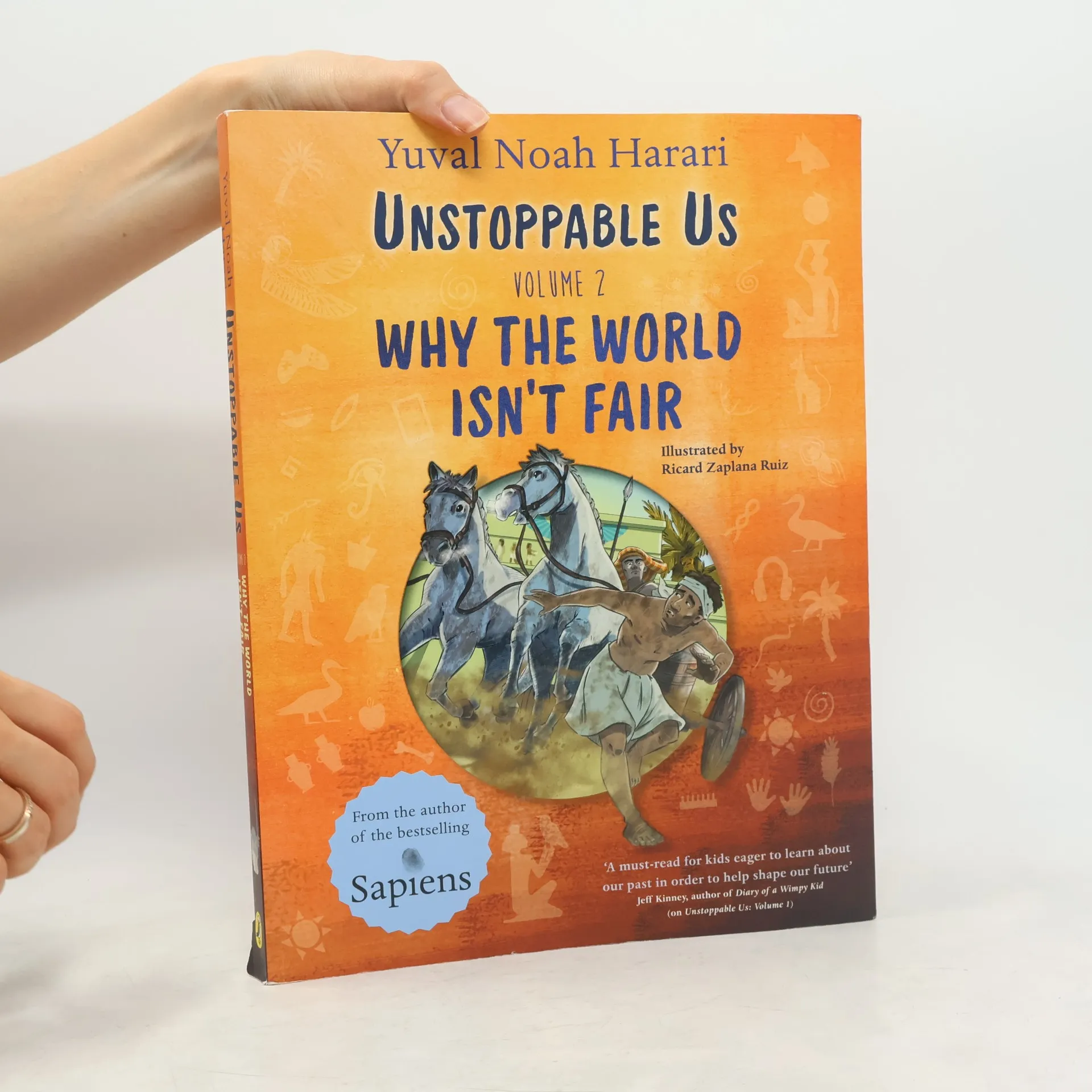
Something really strange happened 10,000 years ago, and it changed everything. Why did millions of people agree to obey a few leaders? Where did kings and kingdoms come from? The answer to that is one of the strangest tales you'll ever hear. And it's a true story. Have you ever wondered how we got here? From gathering berries and hunting mammoths, to shopping at supermarkets and letting people tell us what to do? You might hear a lot of people say 'the world isn't fair'. But why isn't it? And how did it become so? In Unstoppable Us- Volume 1, we learned how humans told stories to become rulers of the world - for good and bad. Now, in this next chapter of the incredible true tale of the Unstoppables, find out how humans learned to control animals like dogs, chicken and cows . . . And how a handful of humans learned to control everyone else. With full-colour illustrations showing the relentless rise and rise of the human race, this is history like you've never experienced it before.
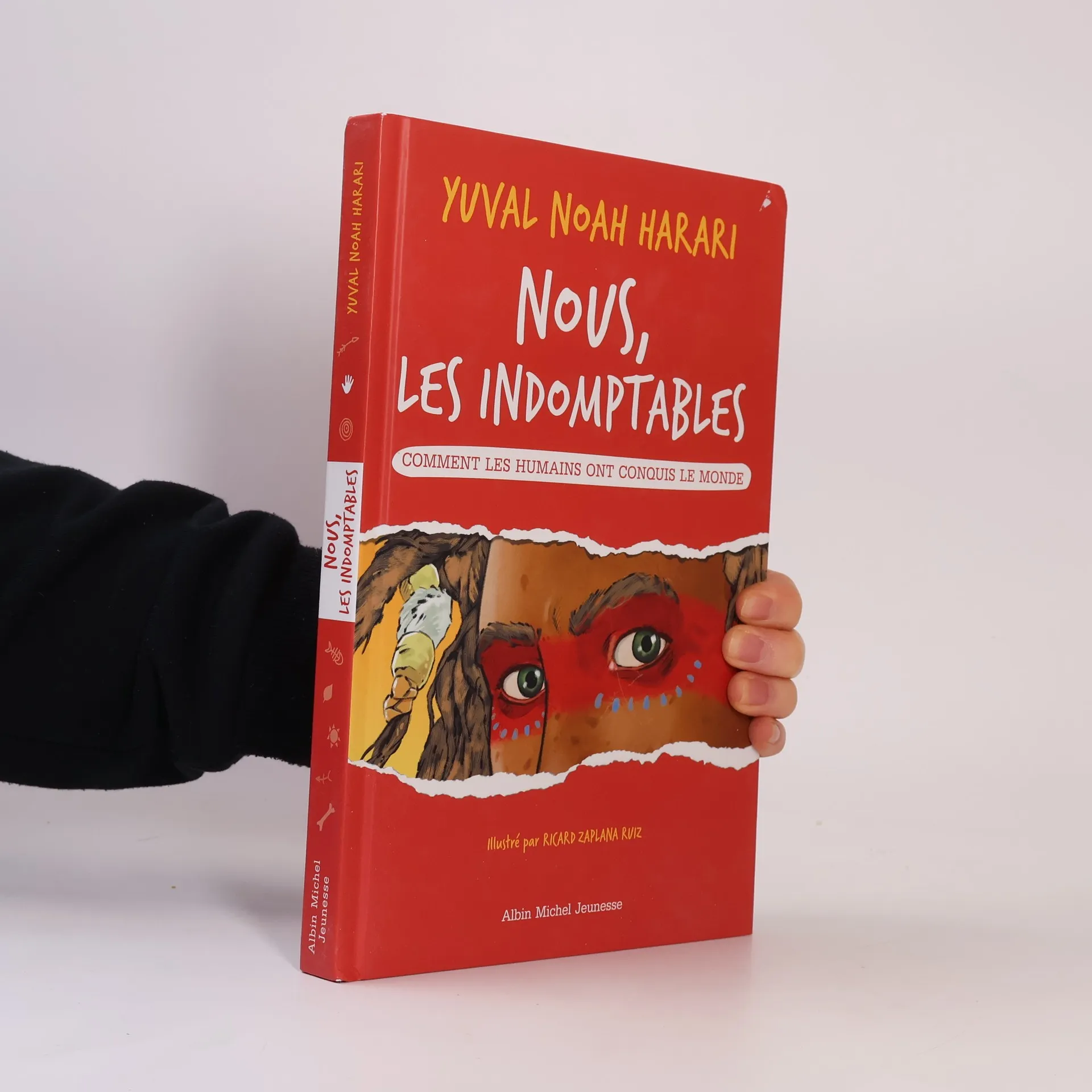
Nous les indomptables 1
- 168pages
- 6 heures de lecture
Sais-tu que tu as un super-pouvoir ?Partout sur Terre, les humains dominent la planète.Comment sont-ils devenus si puissants ? Pour découvrir leur super-pouvoir, plonge dans cet ouvrage fourmillant d'illustrations et remonte le temps: tu emprunteras le même chemin que nos ancêtres et tu croiseras des serpents géants, des nains et le Grand Esprit lion. Tu apprendras aussi que la maîtrise du feu a fait rétrécir nos estomacs, que les règles du foot nous renseignent beaucoup sur notre espèce et que l'argent est une histoire imaginaire à laquelle tout le monde croit.Un livre accessible et indispensable, qui raconte une histoire incroyable mais vraie : celle de l'humanité.
Un chef-d'oeuvre de la littérature d'anticipation écrit en 1931 et dans lequel A. Huxley montre non pas le progrès de la science en tant que tel, mais le progrès de la science en tant qu'il affecte les individus humains.
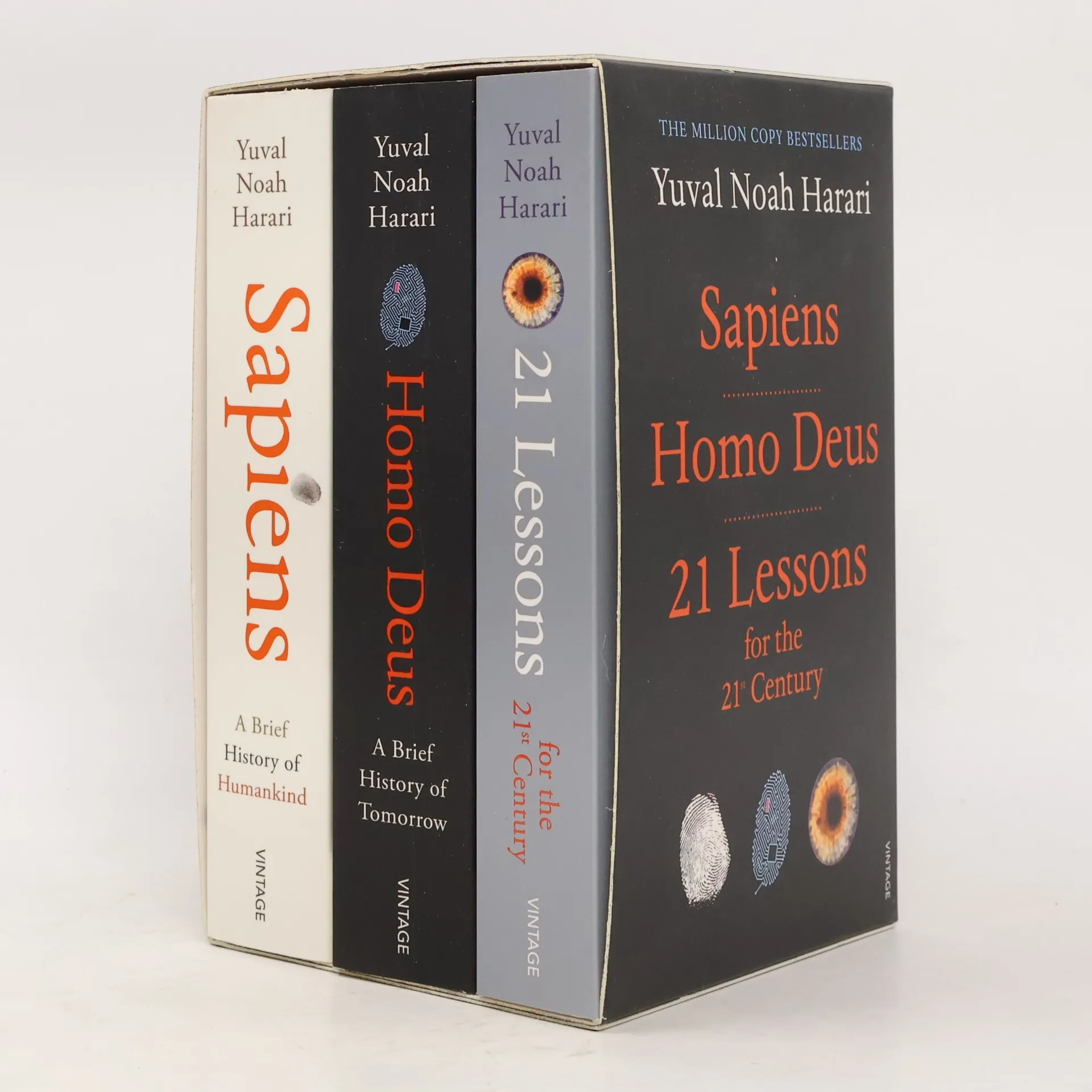
This box set offers the trilogy by Harari, a global phenomenon that has captivated millions of readers. Sapiens is a journey through our past, Homo Deus provides a look at our future, and 21 Lessons for the 21st Century explores our present. The overwhelming success of his trilogy has established Harari as a definitive voice in essayistic literature. This collection condenses his monumental work, projecting the history of humanity from the dawn of man and venturing into our coming days, alongside a lucid analysis of our current reality. An unprecedented approach to the human adventure.
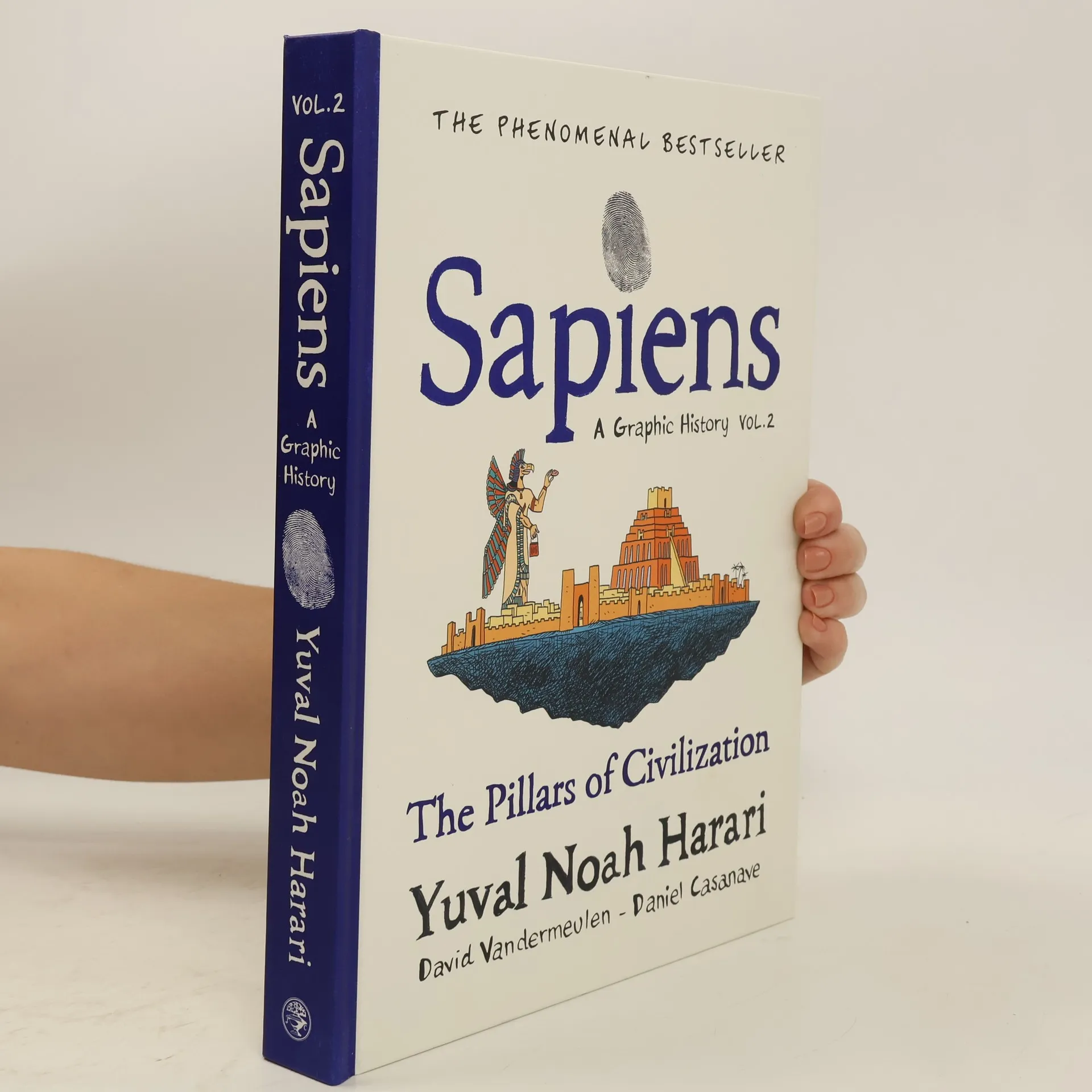
In the second "Sapiens" volume, Yuval Noah Harari tells the story of how we took over the world; how an unlikely marriage between a god and a bureaucrat created the first empires; and how war, famine, disease, and inequality became a part of the human condition. The origins of modern farming are introduced through Elizabethan tragedy, the changing fortunes of domesticated plants and animals are tracked in the columns of the Daily Business News, and the story of urbanization is told as a travel brochure offering discount journeys to ancient Babylon and China.
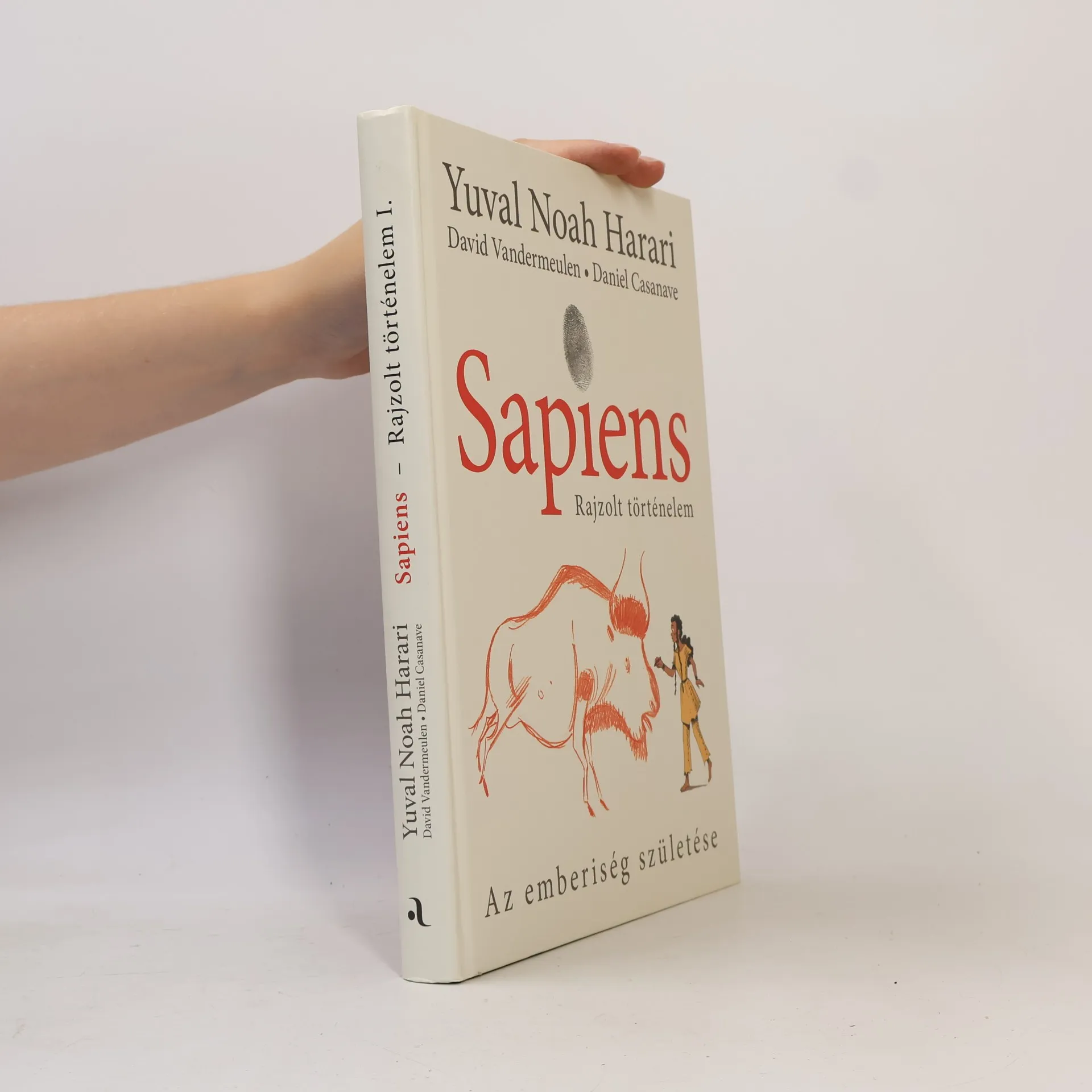
A tisztánlátás hatalom. De hogyan láthatjuk át a világban zajló eseményeket anélkül, hogy elvesznénk az apró részletekben? Például úgy, hogy hátrébb lépünk, és megszemléljük a teljesebb képet: az emberi faj történetét. A Sapiens - Rajzolt történelem című képregénysorozat azt meséli el, hogyan lett egy jelentéktelen majom a Föld nevű bolygó ura, és hogyan jutott el odáig, hogy képes széthasítani az atomot, elrepülni a Holdra, vagy módosítani más fajok genetikai kódját. Yuval Noah Harari, a könyv mesélője és társai - Prehisztorikus Bill, Doktor Fikció, Lopez nyomozó és sokan mások - a történelem meghatározó és sorsfordító eseményeibe avatnak be minket. A képregény viccesen és szórakoztatóan tárja elénk az emberiség történetét a Sapiens - Az emberiség rövid története című nemzetközi sikerkönyv alapján, amelyet 60 nyelvre fordítottak le, és több mint 16 millió példányban kelt el világszerte. Szellemessége, humora és érdekes karakterei azokat is magukkal ragadják, akiket egyébként nemigen köt le a tudomány és a történelem. Az emberiség születése a négyrészes képregénysorozat első kötete.
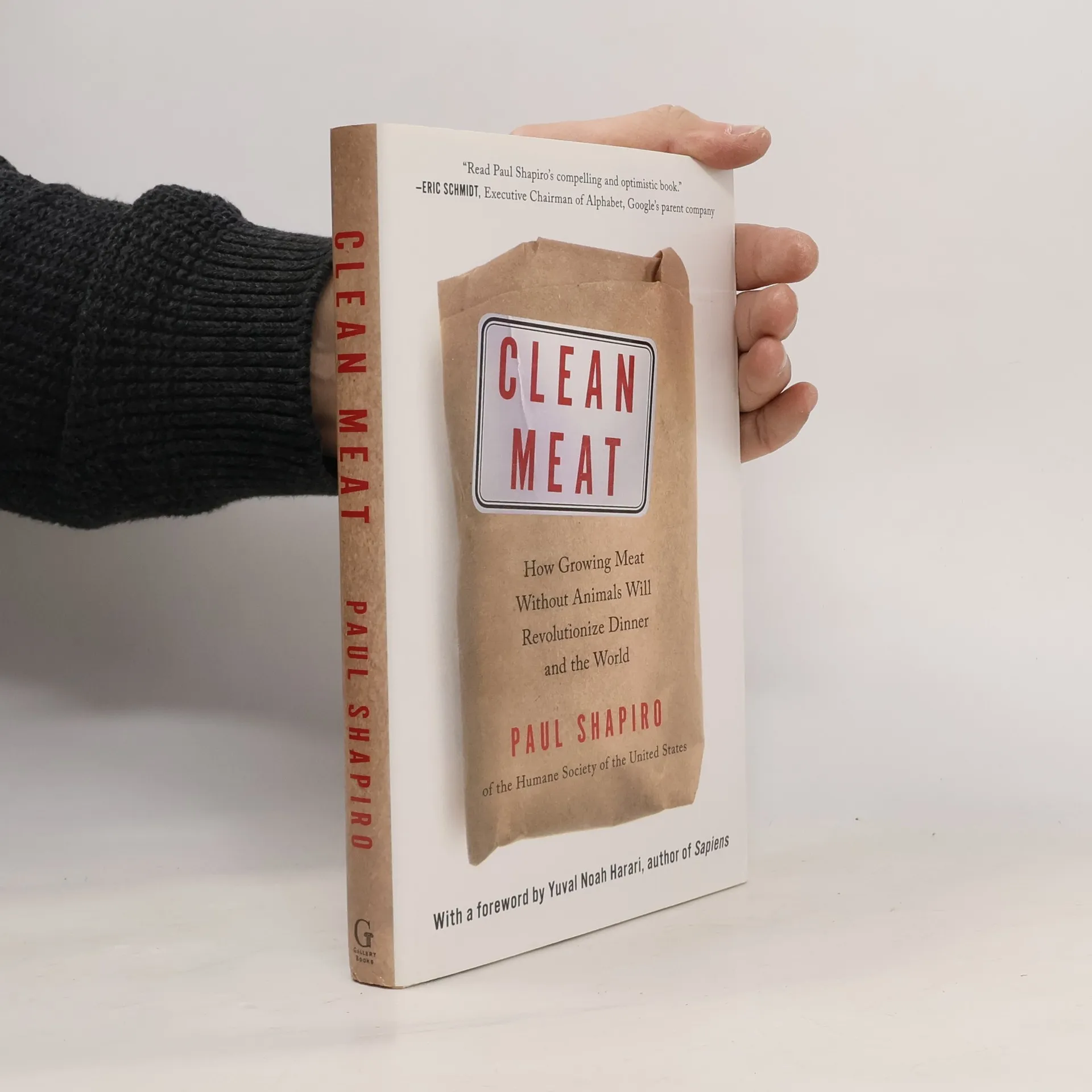
Clean Meat
How Growing Meat Without Animals Will Revolutionize Dinner and the World
- 256pages
- 9 heures de lecture
A Gallery Book. Gallery Books has a great book for every reader.
The book includes two exclusive essays by Yuval Noah Harari that delve into pressing contemporary issues. "The Crisis of Liberalism" explores the challenges facing liberal democracies today, while "The Theater of Terror" examines the impact of fear and spectacle in modern society. Harari's insights provide a thought-provoking analysis of political and social dynamics, encouraging readers to reflect on the future of governance and the influence of terror in shaping public perception and policy.
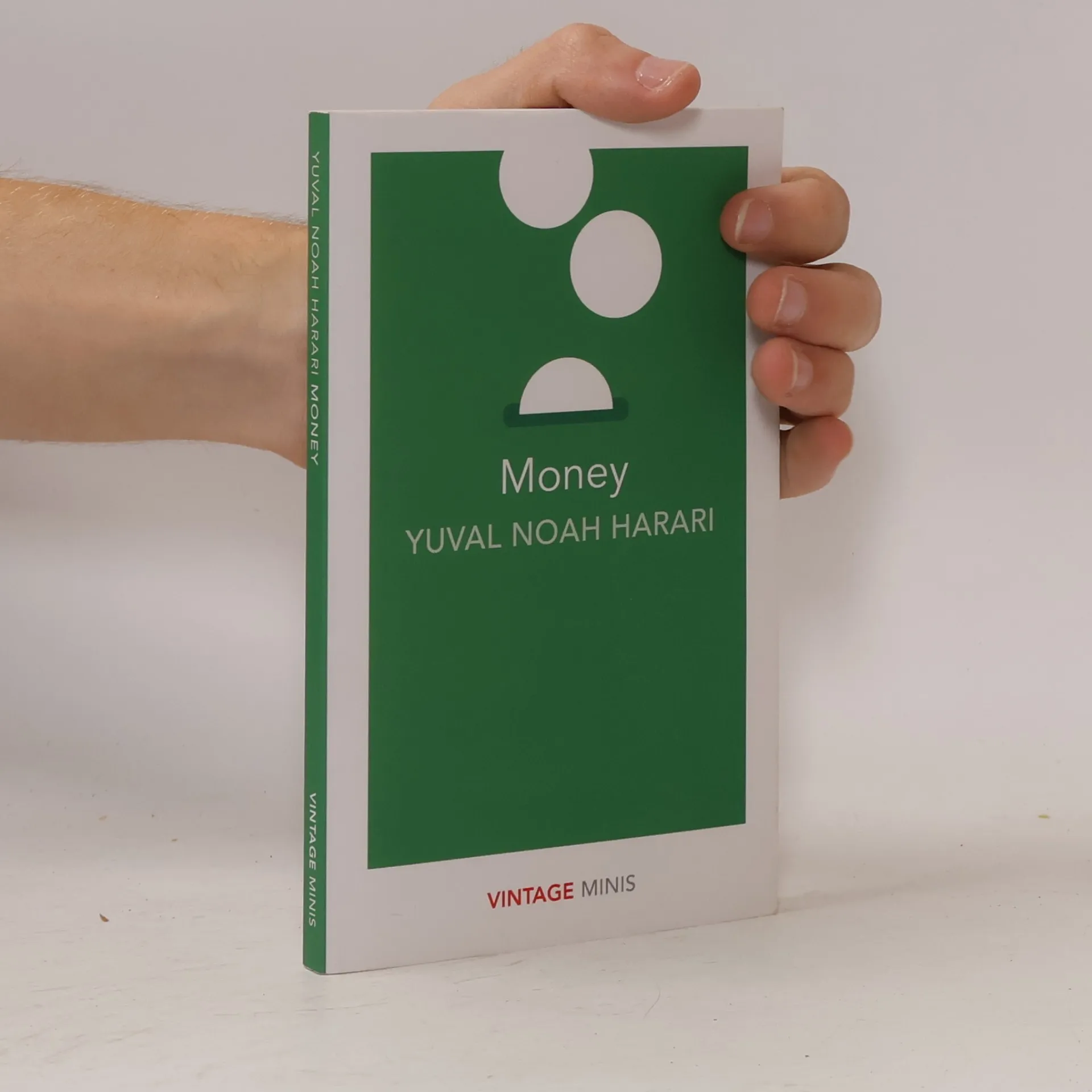
Money
- 144pages
- 6 heures de lecture
Selected from the books Sapiens and Homo Deus by Yuval Noah Harari How did money come to be invented? Why does it now have such significance in our lives? Does it make us happier or unhappier? And what does the future hold for it? With brilliant clarity and insight, Yuval Noah Harari takes the reader on a journey from the very first coins through to 21st century economics and shows us how we are all on the brink of a revolution, whether we like it or not. VINTAGE MINIS- GREAT MINDS. BIG IDEAS. LITTLE BOOKS. A series of short books by the world's greatest writers on the experiences that make us human Also in the Vintage Minis series- Home by Salman Rushdie Babies by Anne Enright Eating by Nigella Lawson Drinking by John Cheever
"Après Sapiens qui explorait le passé de notre humanité et Homo Deus la piste d'un avenir gouverné par l'intelligence artificielle, 21 leçons pour le XXIe siècle nous confronte aux grands défis contemporains. Pourquoi la démocratie libérale est-elle en crise ? Sommes-nous à l'aube d'une nouvelle guerre mondiale ? Que faire devant l'épidémie de « fake news » ? Quelle civilisation domine le monde : l'Occident, la Chine ou l'Islam ? Que pouvons-nous faire face au terrorisme ? Que devons-nous enseigner à nos enfants ?Avec l'intelligence, la perspicacité et la clarté qui ont fait le succès planétaire de ses deux précédents livres, Yuval Noah Harari décrypte le XXIe siècle sous tous ses aspects - politique, social, technologique, environnemental, religieux, existentiel... Un siècle de mutations dont nous sommes les acteurs et auquel, si nous le voulons réellement, nous pouvons encore redonner sens par notre engagement. Car si le futur de l'humanité se décide sans nous, nos enfants n'échapperont pas à ses conséquences." -- [4e de couv.]
Yuval Noah Harari, acclaimed author of the bestseller *Sapiens*, presents a thought-provoking exploration of humanity's future and our ambition to elevate ourselves to god-like status. Over the last century, humans have remarkably managed to control famine, plague, and war, transforming these once uncontrollable forces into manageable challenges. Harari reveals that today, more individuals die from overeating than from hunger, more from old age than infectious diseases, and more take their own lives than are killed by violence. In fact, the average American is far more likely to die from unhealthy eating than from terrorist attacks. As we move beyond these historical threats, Harari poses critical questions about what will take their place on our agenda. What destinies will we choose as the self-proclaimed gods of Earth, and what ambitions will drive us? This exploration delves into the dreams and potential nightmares that will define the twenty-first century, including the pursuit of immortality and the creation of artificial life. It challenges us to consider our next steps and how we might safeguard our fragile world against our own destructive tendencies. With the same clarity and insight that characterized *Sapiens*, Harari charts a compelling vision for our future.
Das Streben nach Langlebigkeit ist das Ziel jeder Existenz: in der Natur, der Politik, bei Unternehmen und uns Menschen. Oft handeln wir jedoch kurzfristig. In einer sich schnell verändernden Welt ist die Fähigkeit, sofort zu reagieren oder Angebote anzupassen, entscheidend. Gleichzeitig müssen langfristige Strategien für die Zukunft entwickelt und Bewahrenswertes geschützt werden. Die Strategien zur Langlebigkeit sind vielfältig und paradox. Das Abstreifen des Alten und die Erneuerung können ebenso wichtig sein wie das Festhalten an Bestehendem, um kleinere Turbulenzen zu überstehen. Die zentrale Frage bleibt: Wann sollten wir bewahren, wann loslassen? Wo sind robuste Strukturen notwendig, um Langlebigkeit zu sichern, und wo ist kurzfristiges Denken gefragt? Diese Suche nach Antworten zur Kunst der Langlebigkeit wird durch Beiträge von Persönlichkeiten wie Yuval Harari, Sven Regener und Steven Chu bereichert. Sie bringen unterschiedliche Perspektiven ein und reflektieren über die Herausforderungen und Möglichkeiten, die mit dem Streben nach Dauerhaftigkeit verbunden sind. Die Diskussion wird durch visuelle Beiträge von Julie Petter und Thomas Walsh ergänzt.
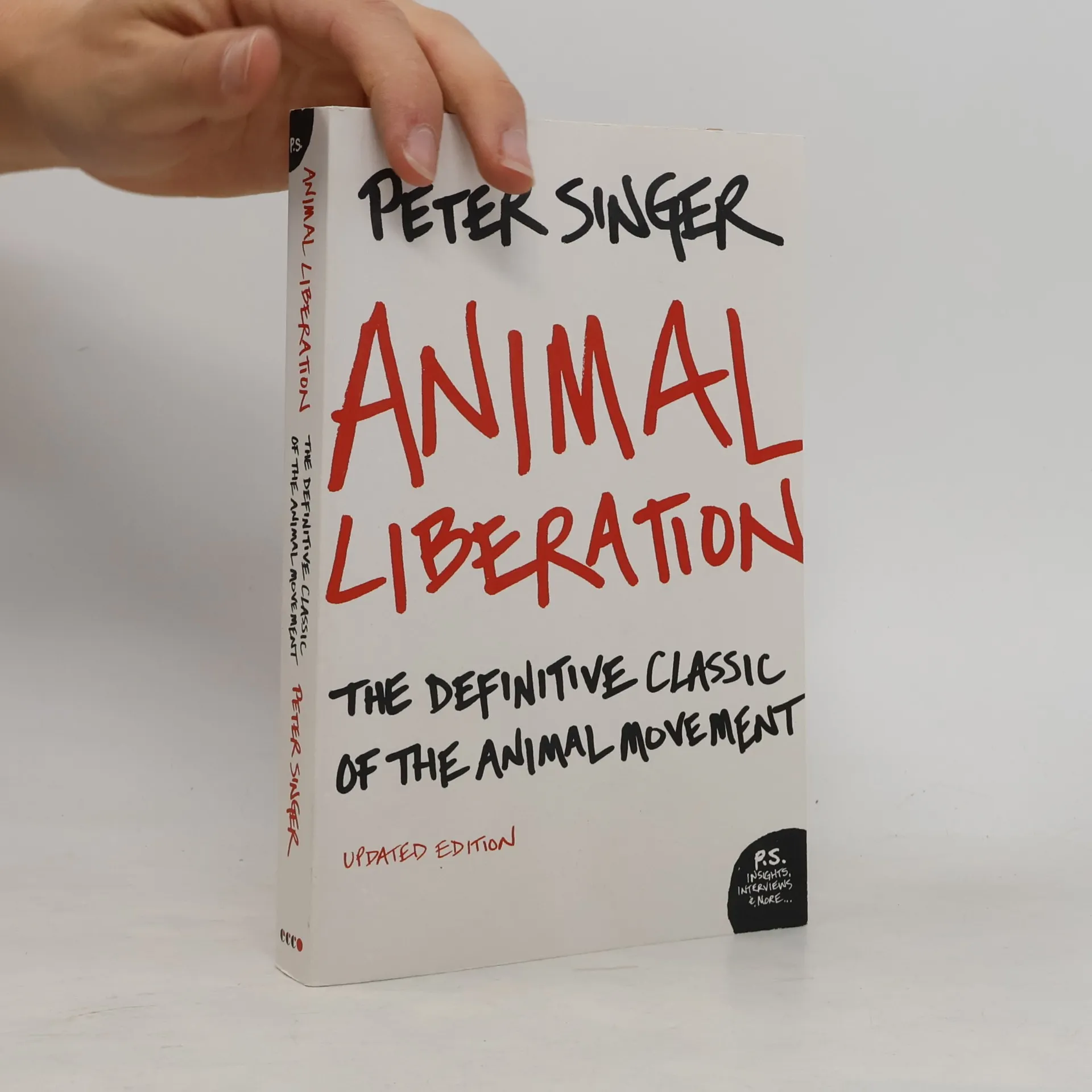
Animal Liberation
- 384pages
- 14 heures de lecture
Since its original publication in 1975, this groundbreaking work has awakened millions of people to the existence of "speciesism"—our systematic disregard of nonhuman animals—inspiring a worldwide movement to transform our attitudes to animals and eliminate the cruelty we inflict on them. In Animal Liberation, author Peter Singer exposes the chilling realities of today's "factory farms" and product-testing procedures—destroying the spurious justifications behind them, and offering alternatives to what has become a profound environmental and social as well as moral issue. An important and persuasive appeal to conscience, fairness, decency, and justice, it is essential reading for the supporter and the skeptic alike.
Sapiens. Une brève histoire de l'humanité
- 512pages
- 18 heures de lecture
Le professeur décrit comment l'espèce Homo sapiens a réussi à survivre et à dominer la planète. Il poursuit son analyse de l'humanité en expliquant la naissance de concepts tels que la religion, la nation, les droits de l'homme. Il s'interroge également sur l'évolution contemporaine à travers le poids de la bureaucratie ou de la consommation de masse, et s'inquiète pour l'avenir de la planète. 2015.
Special Operations in the Age of Chivalry, 1100-1550
- 248pages
- 9 heures de lecture
The author of the international bestseller Sapiens: A Brief History of Humankind looks at covert operations and assassination plots in the medieval period, matching anything to be found in our own era.