

Bookbot

Alison Gopnik

    Alison Gopnik est une figure de proue reconnue internationalement dans l'étude de l'apprentissage et du développement de l'enfant. Son travail éclaire l'esprit des enfants et elle fut la première à soutenir que les esprits des enfants pourraient nous aider à comprendre de profondes questions philosophiques. Elle est l'une des fondatrices de l'étude de la « théorie de l'esprit » et a formulé la « théorie par la théorie », qui décrit comment les enfants apprennent de la même manière que les scientifiques. Ses écrits destinés à un public plus large explorent comment la pensée enfantine peut nous enseigner sur l'amour, la vérité et le sens de la vie.

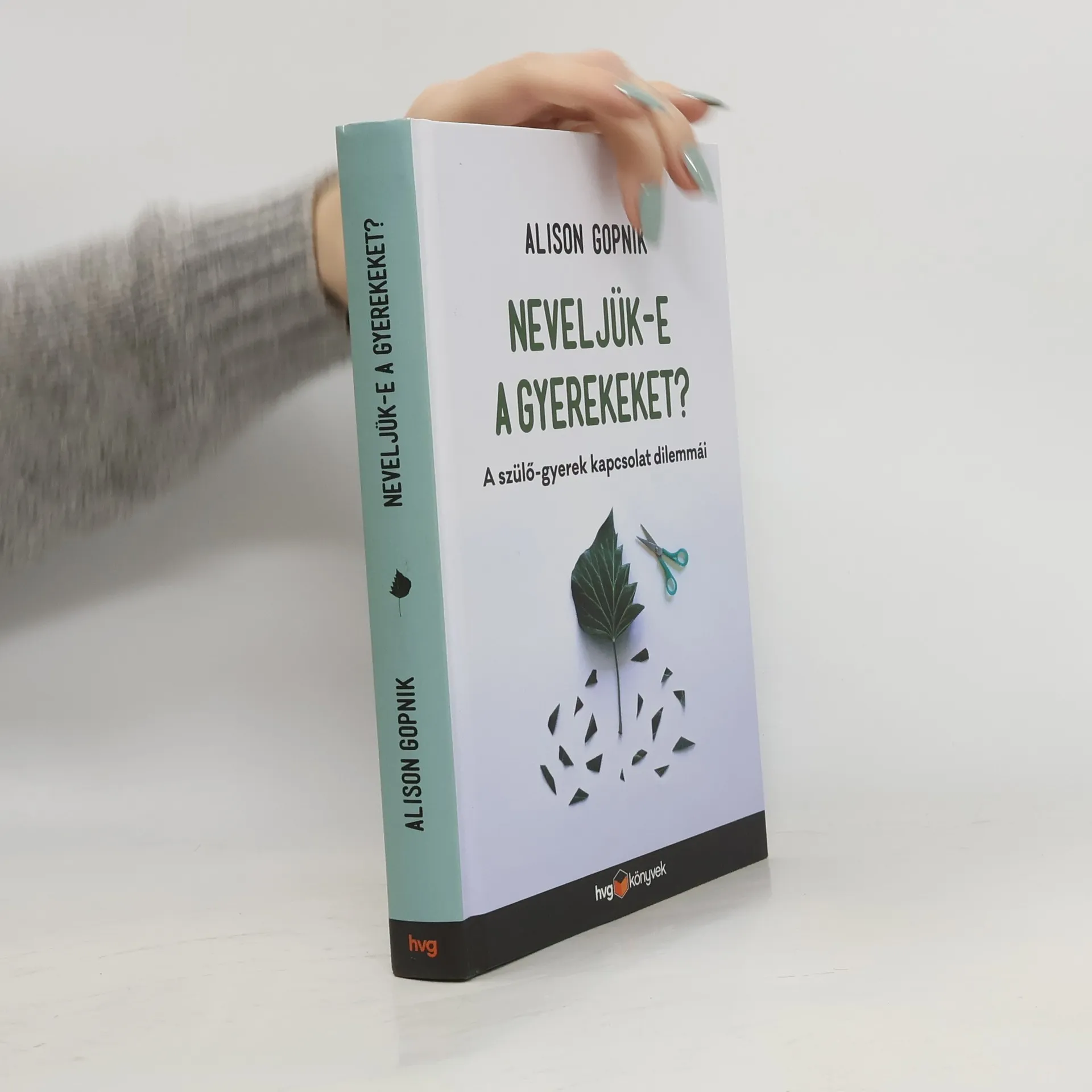
    Neveljük-e a gyerekeket?
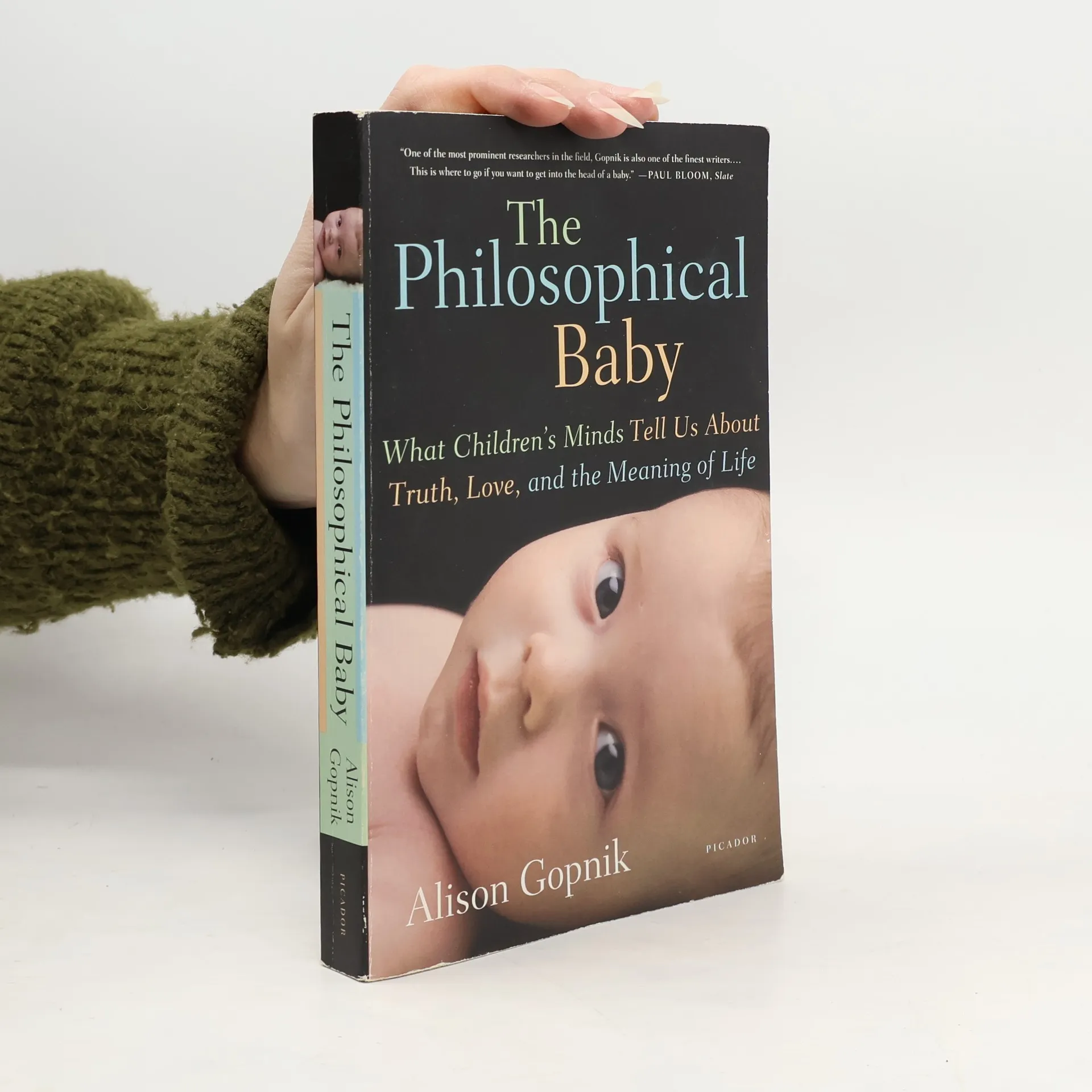
    The Philosophical Baby: What Children's Minds Tell Us about Truth, Love, and the Meaning of Life
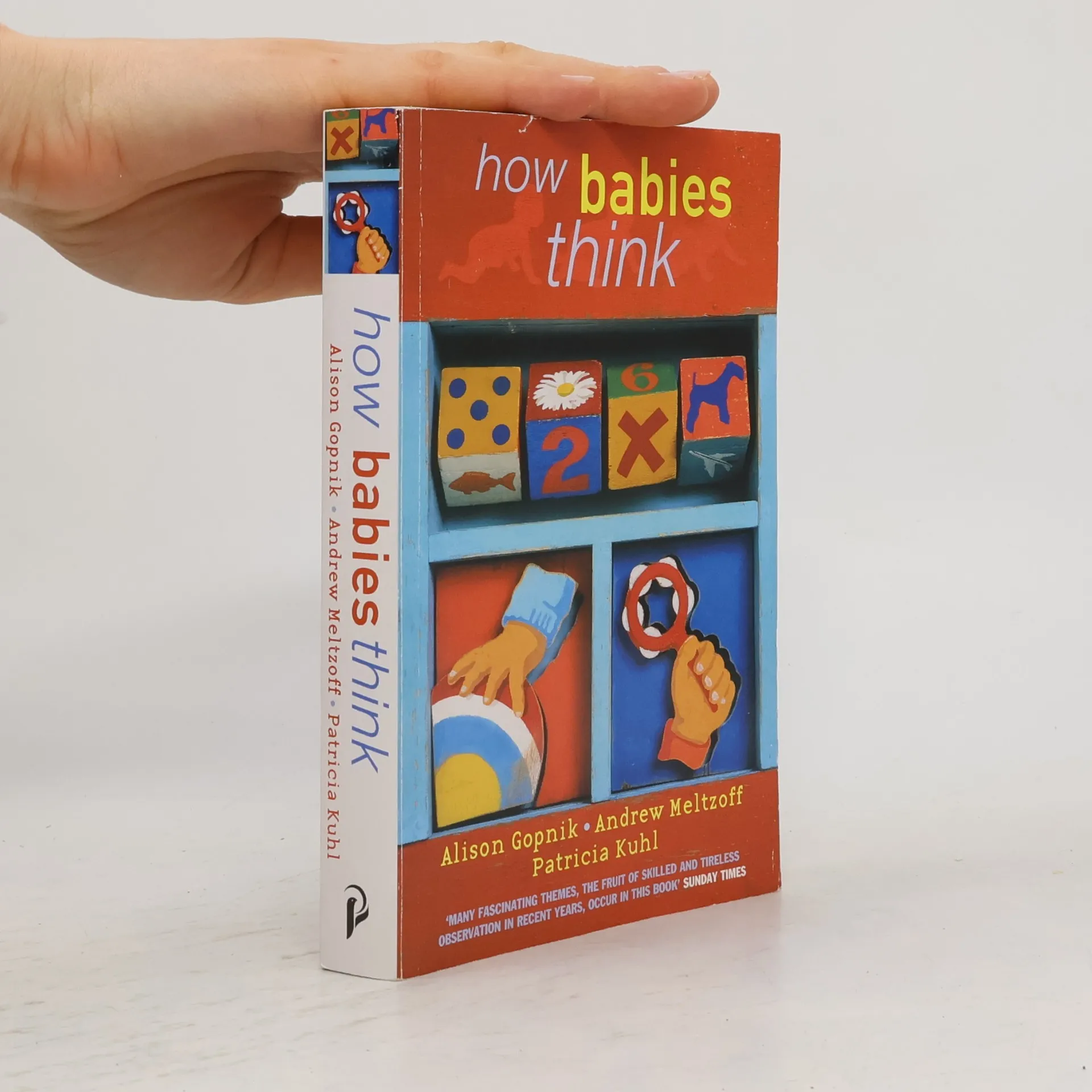
    How babies think. The science of childhood
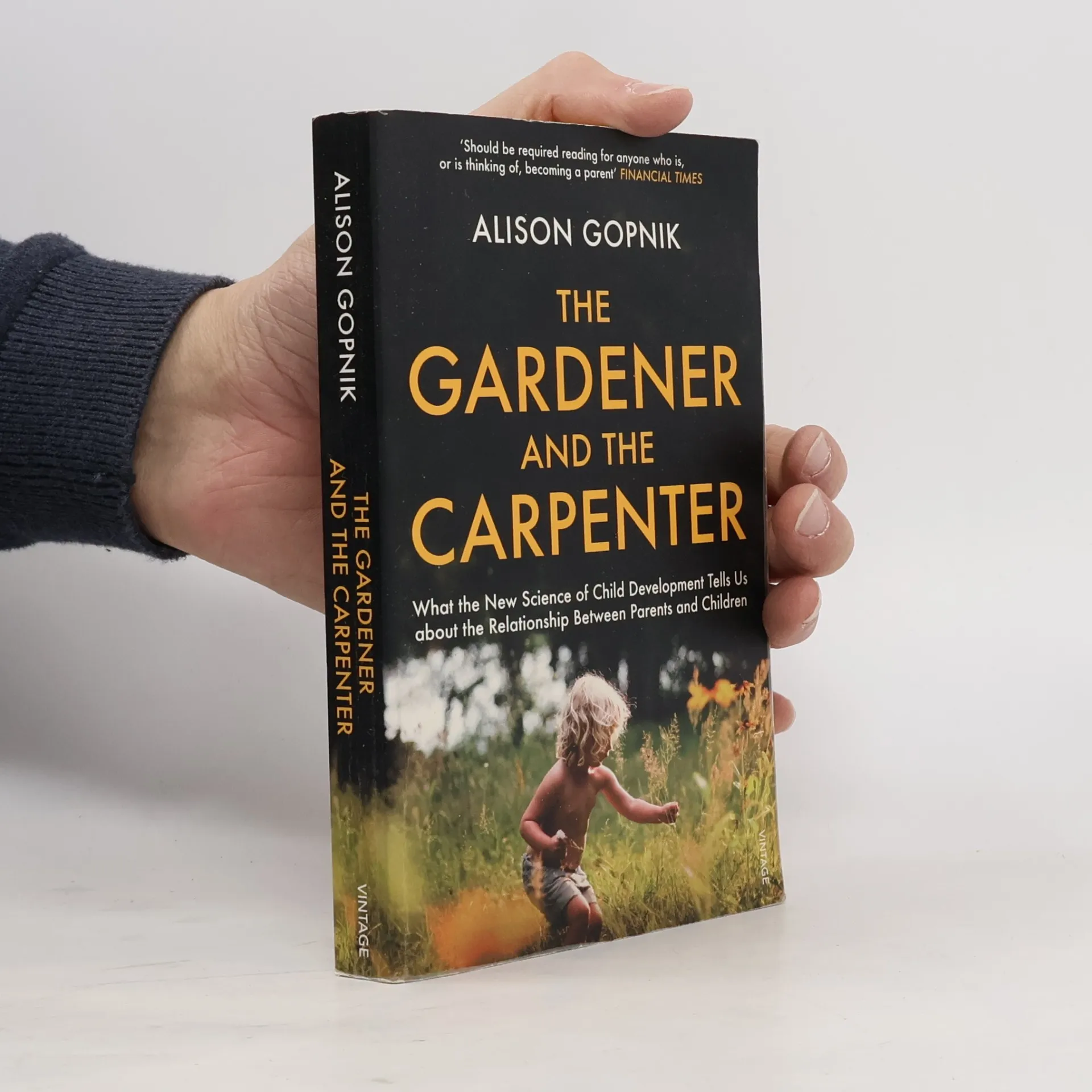
    The gardener and the carpenter
    Words, Thoughts, and Theories
    • Words, Thoughts, and Theories

      • 288pages
      • 11 heures de lecture

      The book presents and defends the "theory theory" of cognitive and semantic development, suggesting that infants and young children learn about their environment by forming and adjusting theories, akin to scientific inquiry. This perspective offers significant insights into the origins of knowledge and meaning, influencing the field of cognitive science and reshaping our understanding of child development.

      Words, Thoughts, and Theories
      4,2
    • The gardener and the carpenter

      • 320pages
      • 12 heures de lecture

      Caring deeply about our children is part of what makes us human. Drawing on the study of human evolution and the authorA's own scientific research into how children learn, the author shows that although caring for children is profoundly important, it is not a matter of shaping them to turn out a particular way.

      The gardener and the carpenter
      4,0
    • How babies think. The science of childhood

      • 304pages
      • 11 heures de lecture

      Learning begins in the first days of life. Scientists are now discovering how young children develop emotionally and intellectually, and are beginning to realize that from birth babies already know a staggering amount about the world around them. In the first book of its kind for a popular audience, three leading US scientists draw on twenty-five years of research in philosophy, psychology, computer science, linguistics and neuroscience to reveal what babies know and how they learn it.

      How babies think. The science of childhood
      3,9
    • In the last decade there has been a revolution in our understanding of the minds of infants and young children. We used to believe that babies were irrational, and that their thinking and experience were limited. Now Alison Gopnik — a leading psychologist and philosopher, as well as a mother — explains the cutting-edge scientific and psychological research that has revealed that babies learn more, create more, care more, and experience more than we could ever have imagined. And there is good reason to believe that babies are actually smarter, more thoughtful, and more conscious than adults. In a lively and accessible tour of the groundbreaking new psychological, neuroscientific, and philosophical developments, Gopnik offers new insight into how babies see the world, and in turn promotes a deeper appreciation for the role of parents in shaping the lives of their children.

      The Philosophical Baby: What Children's Minds Tell Us about Truth, Love, and the Meaning of Life
      3,8