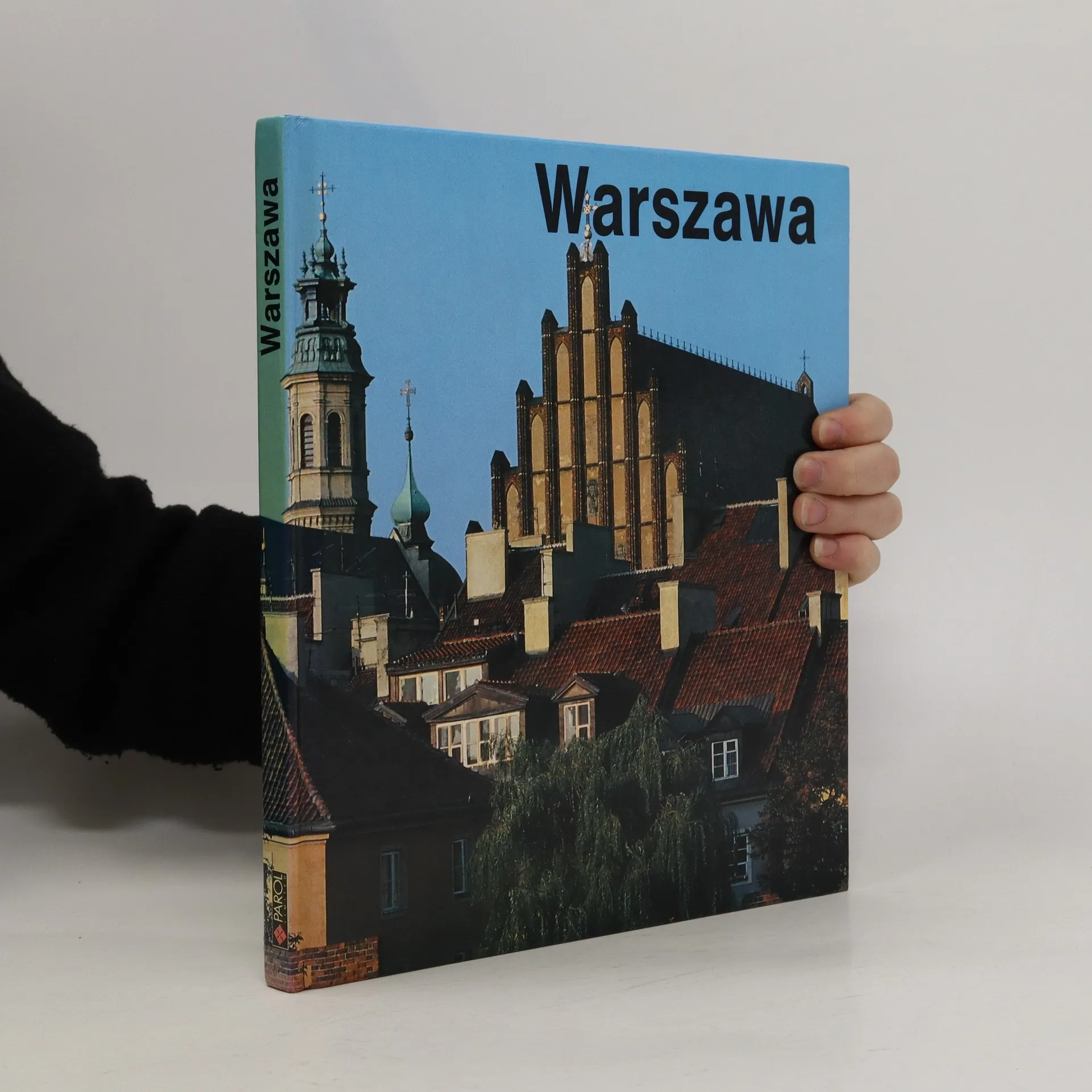
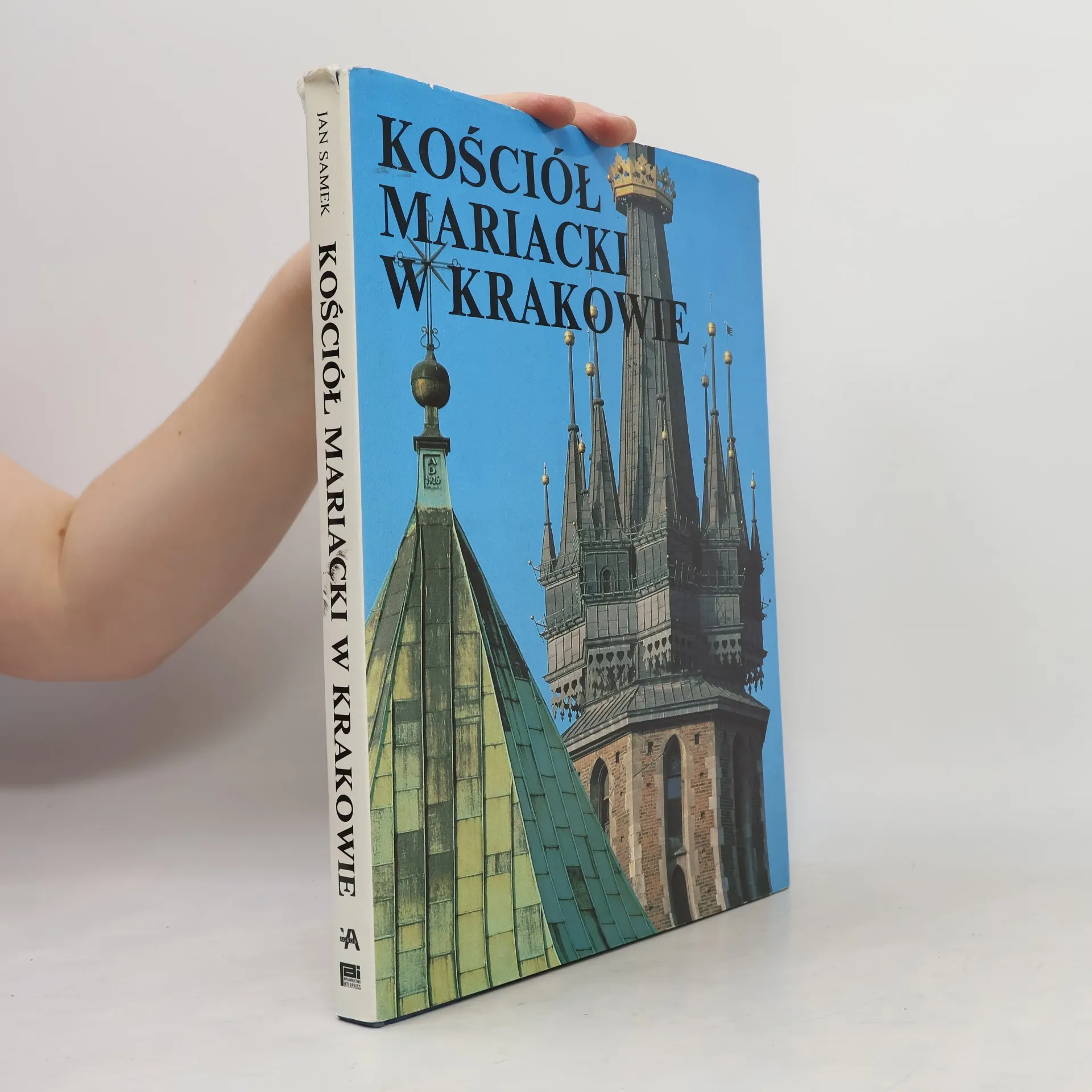
Janusz Rosikoń Livres
Janusz Rosikoń est un photographe polonais de renom dont les œuvres ont orné des publications et galeries internationales de premier plan. Son approche photographique explore souvent la beauté et les dimensions spirituelles, avec un accent particulier sur le patrimoine culturel et l'art sacré. Rosikoń maîtrise la lumière et la composition pour créer des récits visuellement captivants qui résonnent auprès du spectateur. Son style distinctif capture des moments profonds, rendant ses images émotionnellement puissantes et esthétiquement remarquables, l'établissant comme une voix significative dans la photographie contemporaine.

Židovská kuchyňa
- 112pages
- 4 heures de lecture
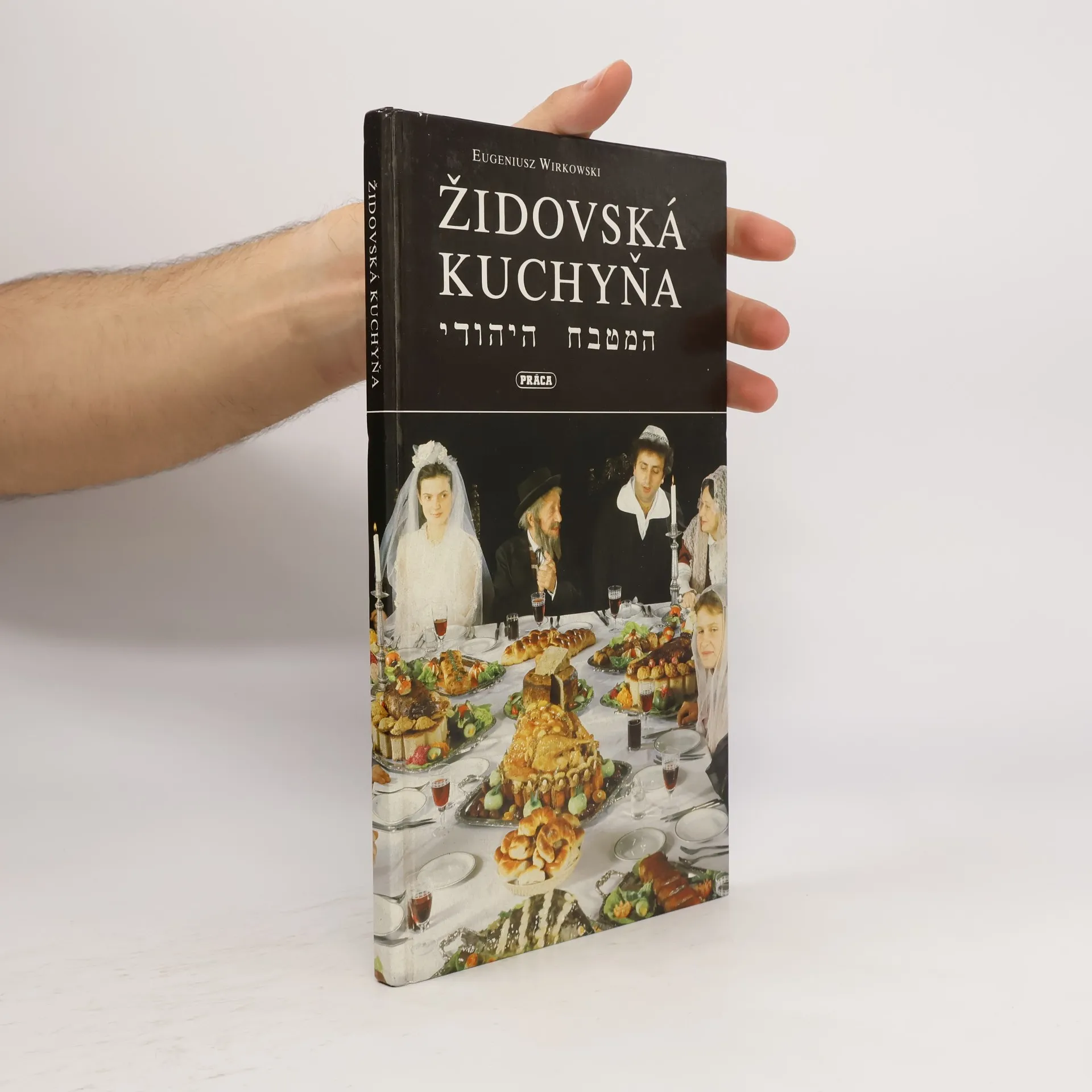
160 košérnych jedál východných Židov. Reprezentatívny výber najchutnejších židovských jedál-predjedlá, polievky, špeciality z rýb a hydiny, bezmäsité i mäsité pokrmy, typické múčniky a dezerty, poodhaľuje zásady judaistického náboženstva a jeho vplyv na stravovanie počas všedných dní i sviatkov, poučí o kóšernom spracovaní mäsa a inej stravy, je doplnená hebrejskou abecedou. Prvé vydanie.
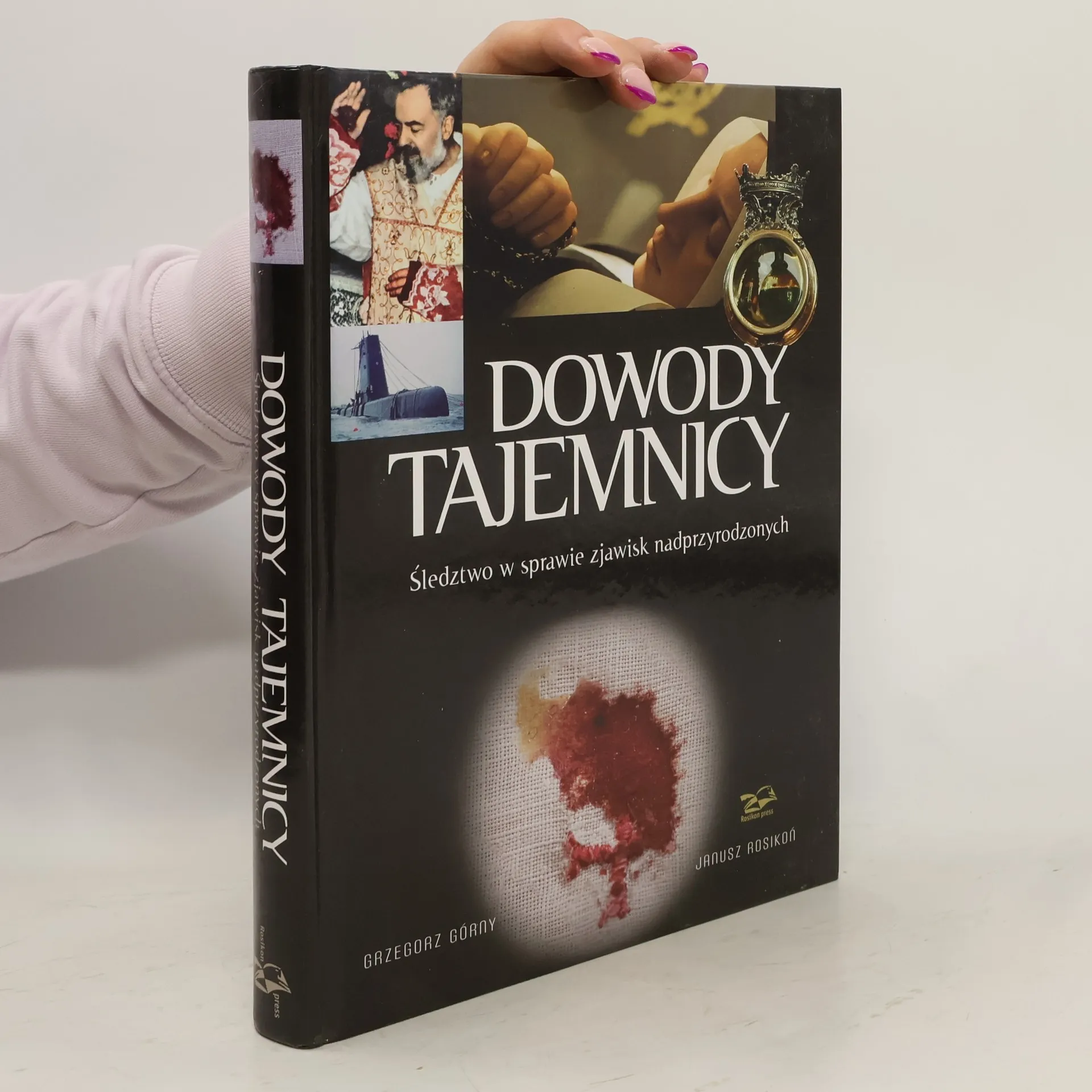
Dowody Tajemnicy
- 368pages
- 13 heures de lecture
Dowody Tajemnicy. Śledztwo w sprawie fenomenów nadprzyrodzonych to kolejna książka reportera Grzegorza Górnego i fotografa Janusza Rosikonia. Tym razem autorzy prowadzą dziennikarskie dochodzenie, które ma na celu naukowe wyjaśnienie nadzwyczajnych zjawisk religijnych. Przedstawiają zjawiska takie jak np. stygmaty, cuda eucharystyczne, inedia czyli życie bez picia i jedzenia lub też niezwykłe uzdrowienia w rodzaju samoistnej reimplantacji odciętej nogi. Ich drogi prowadzą m.in. do Innsbrucku, Guadalupe, Rzymu, Lourdes, Neapolu, Lanciano czy Saragossy. Przewodnikami w tym śledztwie okazują się wybitni naukowcy, profesorowie nauk ścisłych, medycznych lub biologicznych, którzy – często korzystając z najnowszych osiągnięć techniki – zbadali owe fenomeny. Wyniki ich analiz stanowią wyzwanie dla współczesnego rozumu, gdyż pokazują, że są na świecie zjawiska, które pozostają niewytłumaczalne nawet w świetle całej dostępnej ludzkości wiedzy. W ten sposób nauka otwiera się na wymiar Tajemnicy.
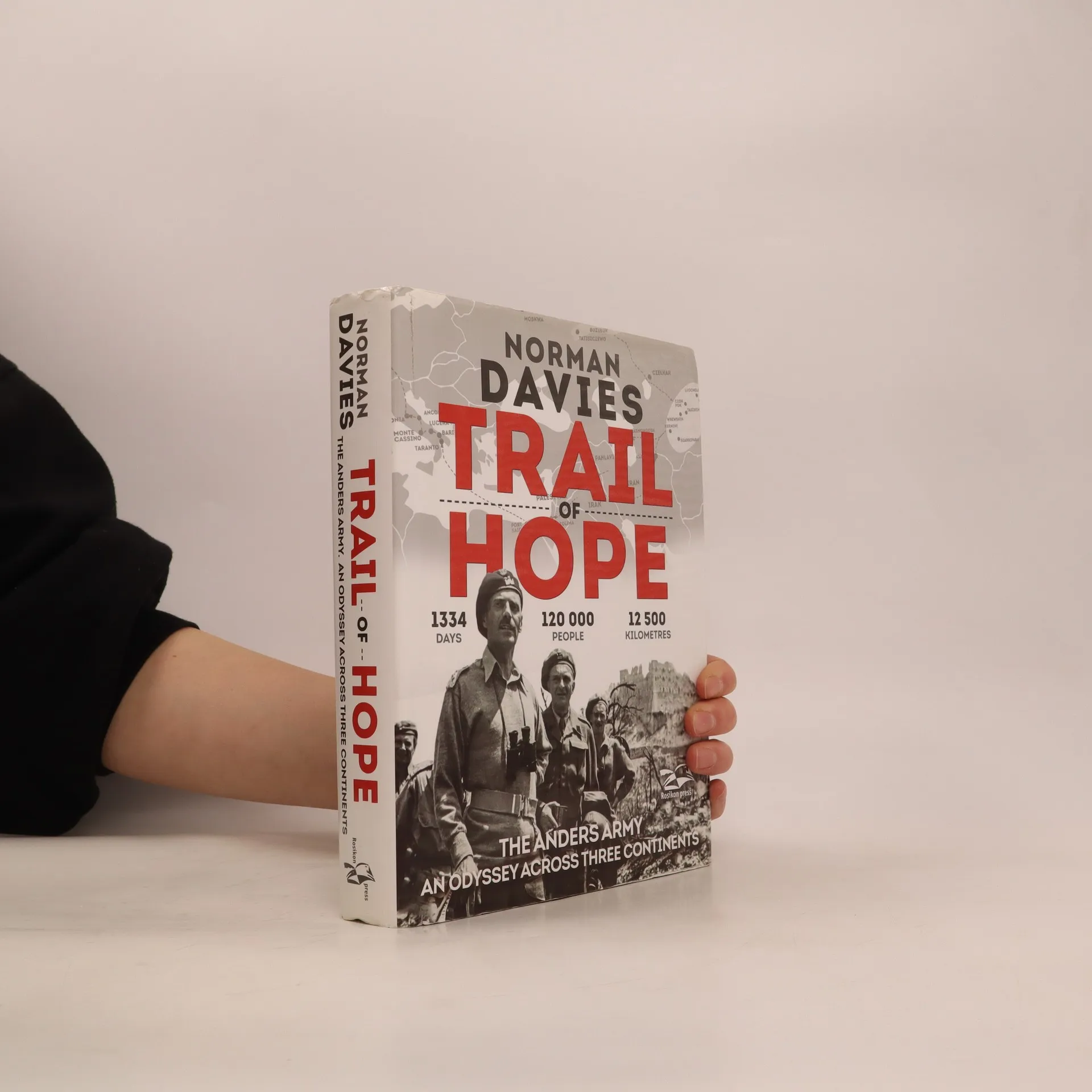
Following the conquest of Poland by Nazi Germany and the Soviet Union in 1939, hundreds of thousands of Polish families were torn from their homes and sent eastwards to the arctic wastes of Siberia. Prisoners of war, refugees, those regarded as 'social criminals' by Stalin's regime, and those rounded up by sheer chance were all sent 'to see the Great White Bear'. However, with Hitler's invasion of the Soviet Union in Operation Barbarossa just two years later, Russia and the Allied powers found themselves on the same side once more. Turning to those that it had previously deemed 'undesirable', Russia sought to raise a Polish army from the men, women and children that it had imprisoned within its labour camps. In this remarkable work, renowned historian Professor Norman Davies draws from years of meticulous research to recount the compelling story of this unit, the Polish II Corps or 'Anders Army', and their exceptional journey from the Gulag of Siberia through Iran, the Middle East and North Africa to the battlefields of Italy to fight shoulder-to-shoulder with Allied forces. Complete with previously unpublished photographs and first-hand accounts from the men and women who lived through it, this is a unique visual and written record of one of the most fascinating episodes of World War II.
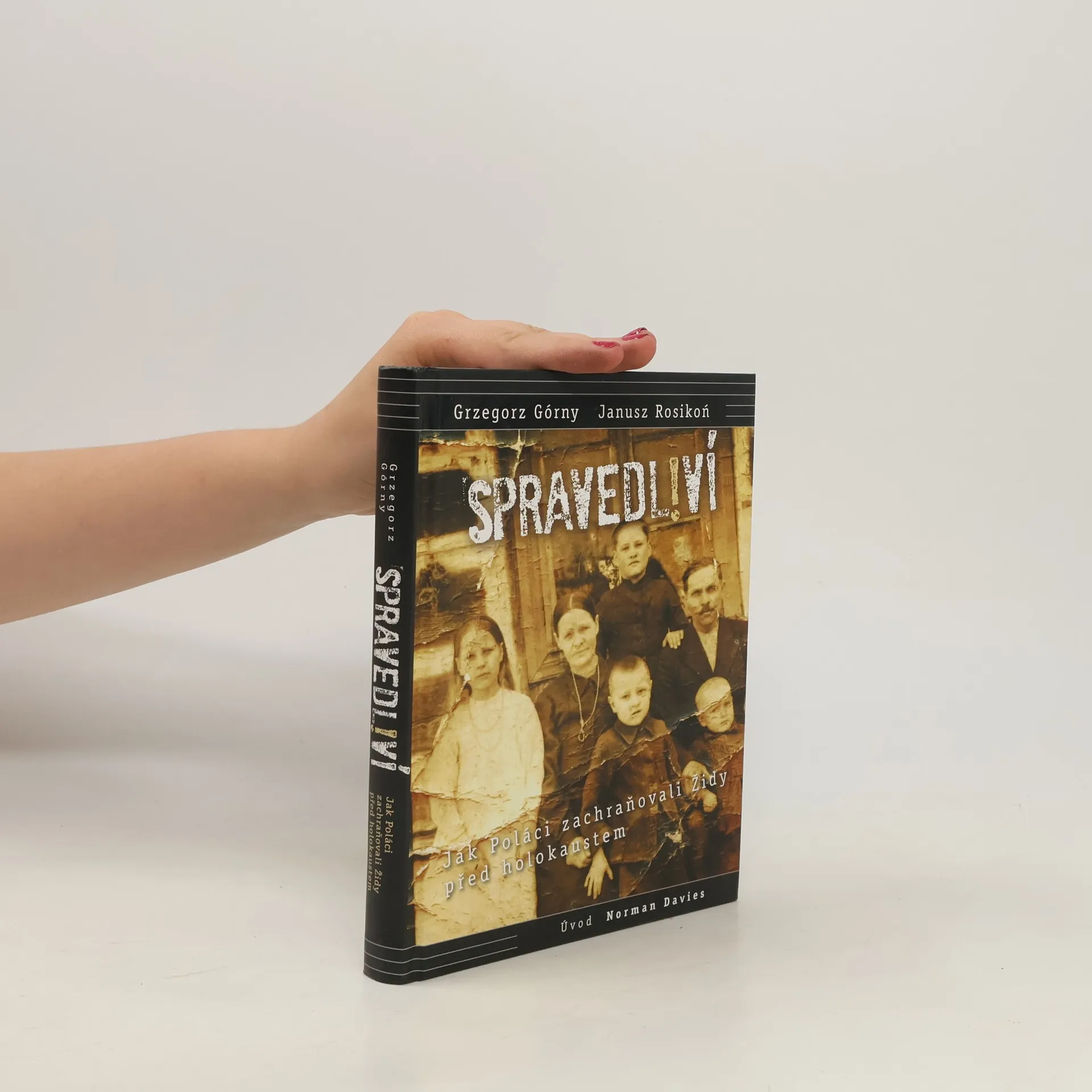
Spravedliví!: Jak Poláci zachraňovali Židy před holokaustem
- 300pages
- 11 heures de lecture
V zemích západní Evropy, okupovaných za druhé světové války nacisty, hrozila za pomoc pronásledovaným Židům konfiskace majetku, uvěznění, v nejhorším případě deportace do koncentračního tábora. Když někdo ukrýval Židy nebo jim pomáhal v okupovaném Polsku, byl za to bez soudu zastřelen i s celou rodinou. Každý sebemenší projev solidarity se Židy uprchlými z ghetta mohl tedy způsobit likvidaci celé rodiny. Přesto se našly tisíce Poláků, kteří Židům pomáhali. Izraelský institut Jad Vašem vyznamenal titulem „Spravedlivý mezi národy“ přes šest tisíc Poláků – to je více než čtvrtina z celkového počtu vyznamenaných; Poláků je víc než příslušníků kteréhokoli jiného národa. Podle odhadu řady historiků jde však jen o špičku ledovce, o ty, jejichž pomoc mohl někdo po letech notářsky ověřit. A právě těmto lidem, jejich osudům, motivaci a činům, je věnována tato kniha.
Kościół Mariacki w Krakowie
- 258pages
- 10 heures de lecture