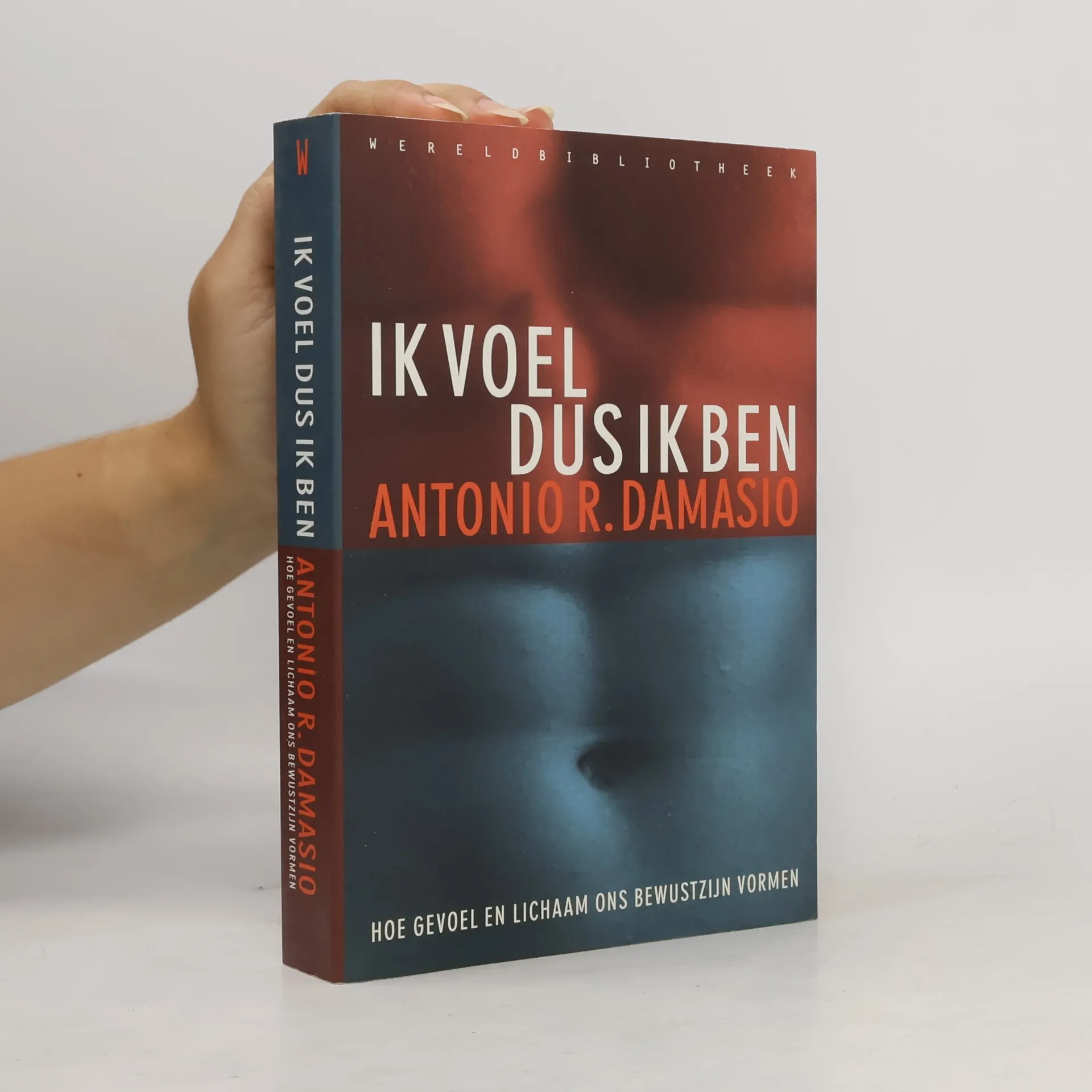

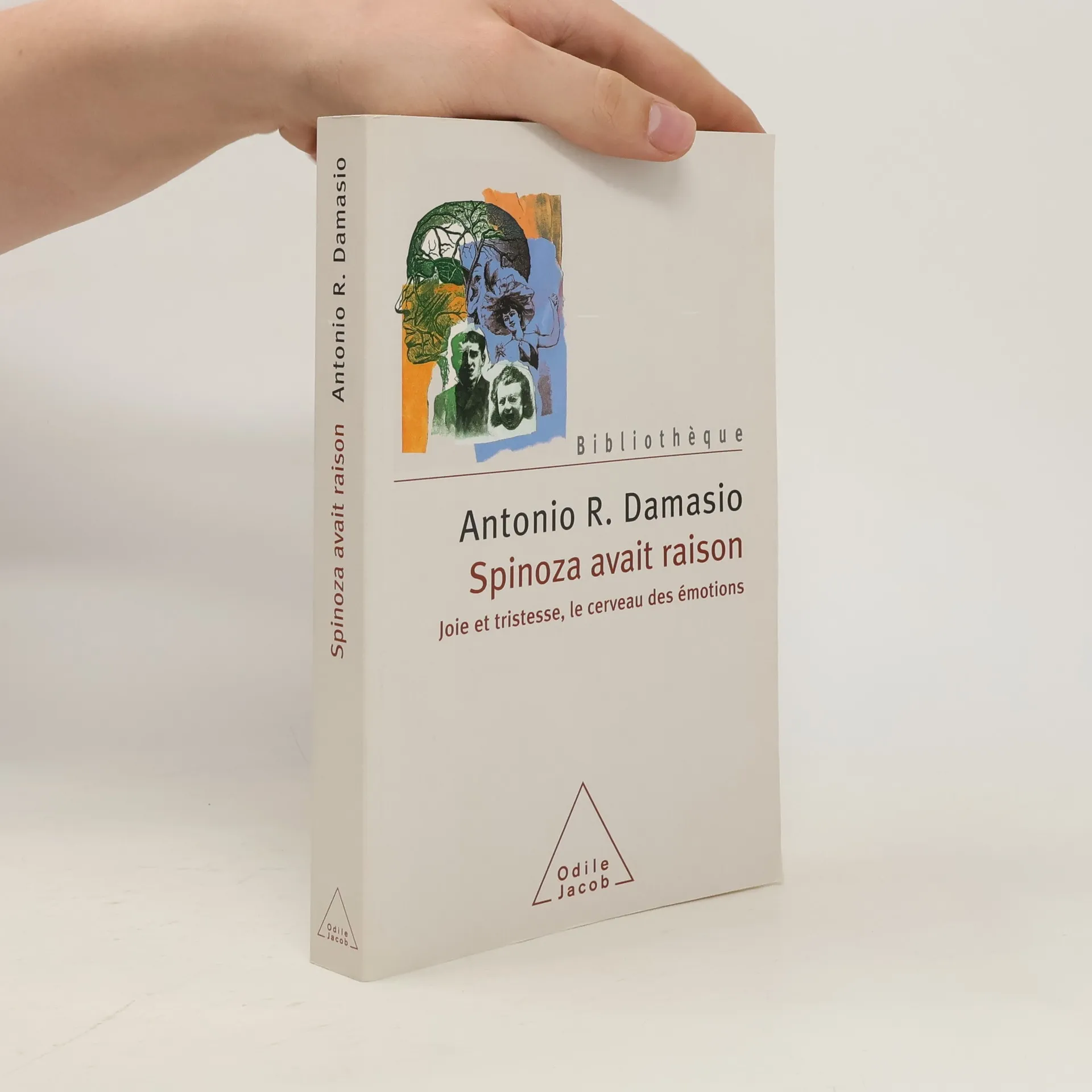
Jak powstaje świadomość? W jaki sposób biologiczne procesy zachodzące w naszym organizmie przekształcają się w treści umysłu i subiektywne odczucia? Czy emocje są przeciwieństwem myślenia? Dlaczego słabością robotów jest brak kruchego ciała? Antonio Damasio, jeden z czołowych badaczy ludzkiego umysłu, wyjaśnia, jak biologia, neuronauka, psychologia i sztuczna inteligencja wyposażyły nas w narzędzia do odkrywania tajemnic świadomości. Wykorzystując swoją wszechstronną wiedzę, łączy w harmonijną całość pozorne sprzeczności: ciało i umysł, serce i rozum. Stanowczo podkreśla przy tym różnicę między świadomością a procesami poznawczymi i emocjonalnymi. W tym celu przygląda się zdolnościom poznawczym innych żyjących organizmów oraz sztucznej inteligencji robotów. Jak na tym tle wypadają ludzie? Czy rzeczywiście jesteśmy jedynymi świadomymi istotami na Ziemi? Damasio prowokuje, zachęca do myślenia i sprawia, że zbliżamy się jak nigdy dotąd do zrozumienia własnej świadomości oraz sposobu, w jaki doświadczamy siebie i otaczającego nas świata.
Antonio R. Damasio Ordre des livres


- 2022
- 2022
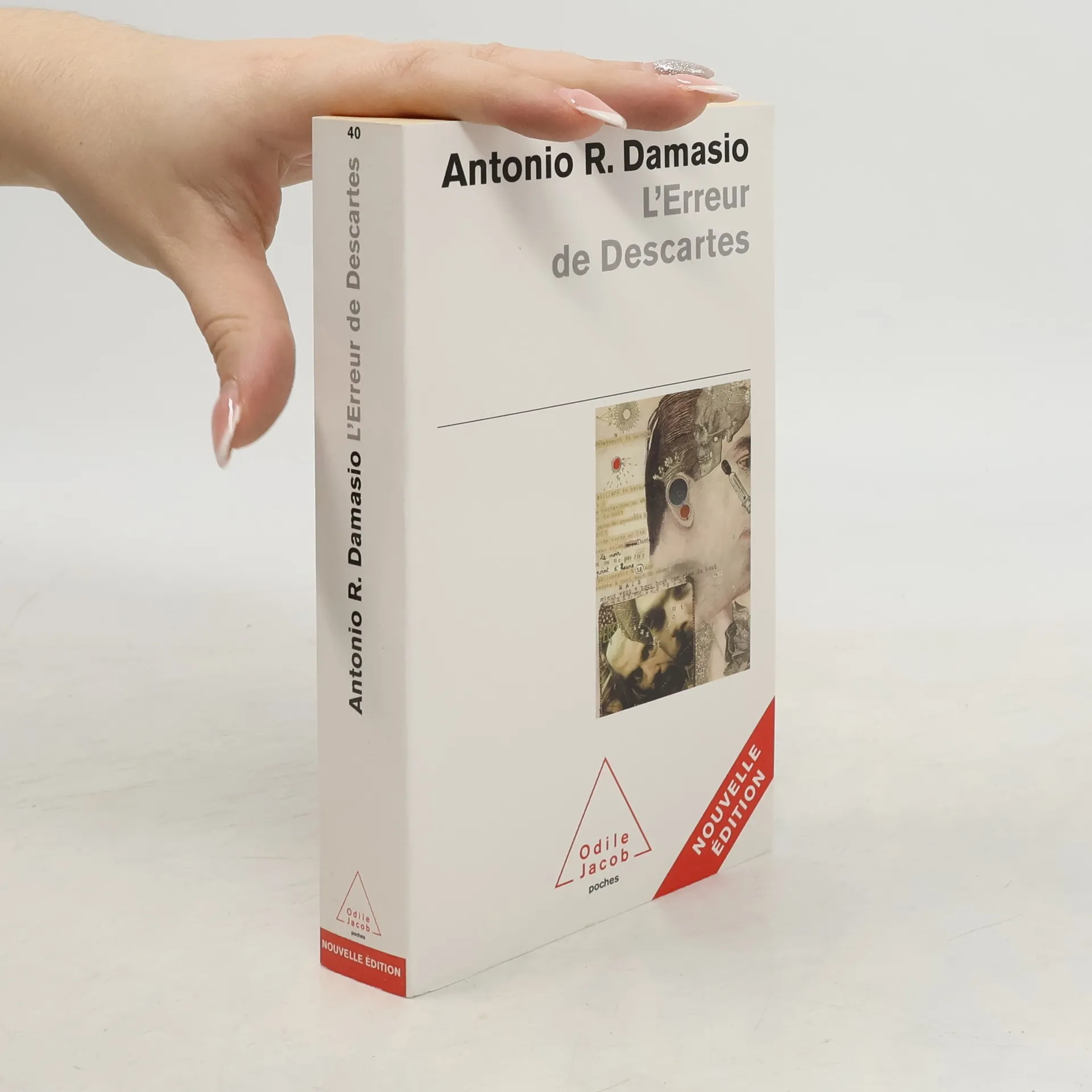
Czy umysł można oderwać od ciała? Czy podejmując decyzje warto polegać na emocjach? Jak współpracują ze sobą „serce” i „rozum”? Łącząc swoje bogate doświadczenie badacza mózgu z przenikliwością filozofa, Antonio Damasio wytyka Kartezjuszowi tytułowy błąd. Polega on na oddzielaniu umysłu od ciała, a w konsekwencji także rozumu od emocji, i tego co w nas typowo ludzkie od tego co zwierzęce. Studiując przypadki pacjentów neurologicznych oraz opierając się na wynikach badań eksperymentalnych, przekonuje on, że racjonalne decyzje to nie te kierowane jedynie „chłodną kalkulacją”, ale oparte na emocjach i uczuciach. Twierdząc, że choć bez mózgu nasze życie wewnętrzne byłoby niemożliwe, Damasio sprzeciwia się poglądowi, że umysł to po prostu kora mózgowa. Wskazuje, że nasza psychika wyłania się w toku cielesnych interakcji ze środowiskiem przetwarzanych przez złożone obwody neuronalne. W Błędzie Kartezjusza Damasio podważa wiele tradycyjnych poglądów na umysł, poznanie i emocje, wskazując na siłę neuronauki w wyjaśnianiu natury ludzkiej. Jednocześnie w przystępny sposób prowokuje on do samodzielnego myślenia o myśleniu.
- 2021
From one of the world's preeminent neuroscientists: a landmark reflection that spans the biological and social sciences, offering a new way of understanding the origins of life, feeling and culture.
- 2021
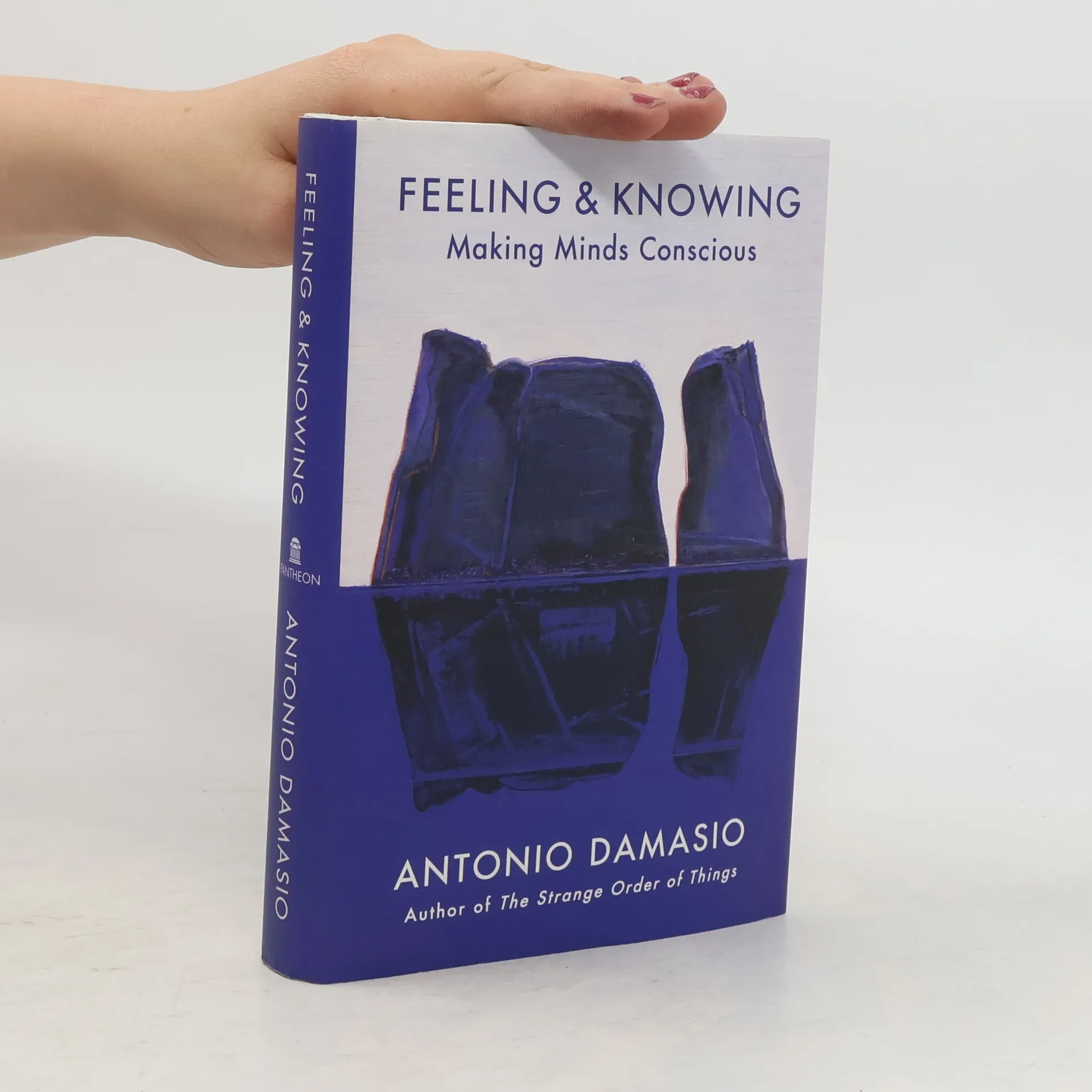
Feeling & Knowing
- 224pages
- 8 heures de lecture
From one of the world’s leading neuroscientists: a succinct, illuminating, wholly engaging investigation of how biology, neuroscience, psychology, and artificial intelligence have given us the tools to unlock the mysteries of human consciousness “One thrilling insight after another ... Damasio has succeeded brilliantly in narrowing the gap between body and mind.” —The New York Times Book Review In recent decades, many philosophers and cognitive scientists have declared the problem of consciousness unsolvable, but Antonio Damasio is convinced that recent findings across multiple scientific disciplines have given us a way to understand consciousness and its significance for human life. In the forty-eight brief chapters of Feeling & Knowing, and in writing that remains faithful to our intuitive sense of what feeling and experiencing are about, Damasio helps us understand why being conscious is not the same as sensing, why nervous systems are essential for the development of feelings, and why feeling opens the way to consciousness writ large. He combines the latest discoveries in various sciences with philosophy and discusses his original research, which has transformed our understanding of the brain and human behavior. Here is an indispensable guide to understanding how we experience the world within and around us and find our place in the universe.
- 2021
Wie wir denken, wie wir fühlen
Die Ursprünge unseres Bewusstseins
Was macht uns zum Menschen? Antonio Damasio schafft die Verbindung von Philosophie und Hirnforschung zu einer erstaunlichen Theorie des Bewusstseins „Wie wir denken, wie wir fühlen“ bringt Antonio Damasios Lebensthemen auf den Punkt: In glänzend geschriebenen kurzen Kapiteln führt er uns vom Beginn des Lebens auf der Erde hin zu einem umfassenden Verständnis dessen, was uns im Innersten ausmacht – Verstand, aber auch: Emotion. Was ist Bewusstsein? Kaum eine Frage rührt so sehr an den Kern des Menschseins. Seit Jahrhunderten wird sie von Philosophen gestellt, seit Neuerem bemühen sich auch die Naturwissenschaften um Antworten. Antonio Damasio, gefeierter Sachbuchautor und einer der renommiertesten Neurowissenschaftler der Welt, verbindet Erkenntnisse aus Philosophie und Hirnforschung, aus Evolutions- und Neurobiologie, aus Psychologie und KI-Forschung zu einer originellen Theorie des Bewusstseins.
- 2019
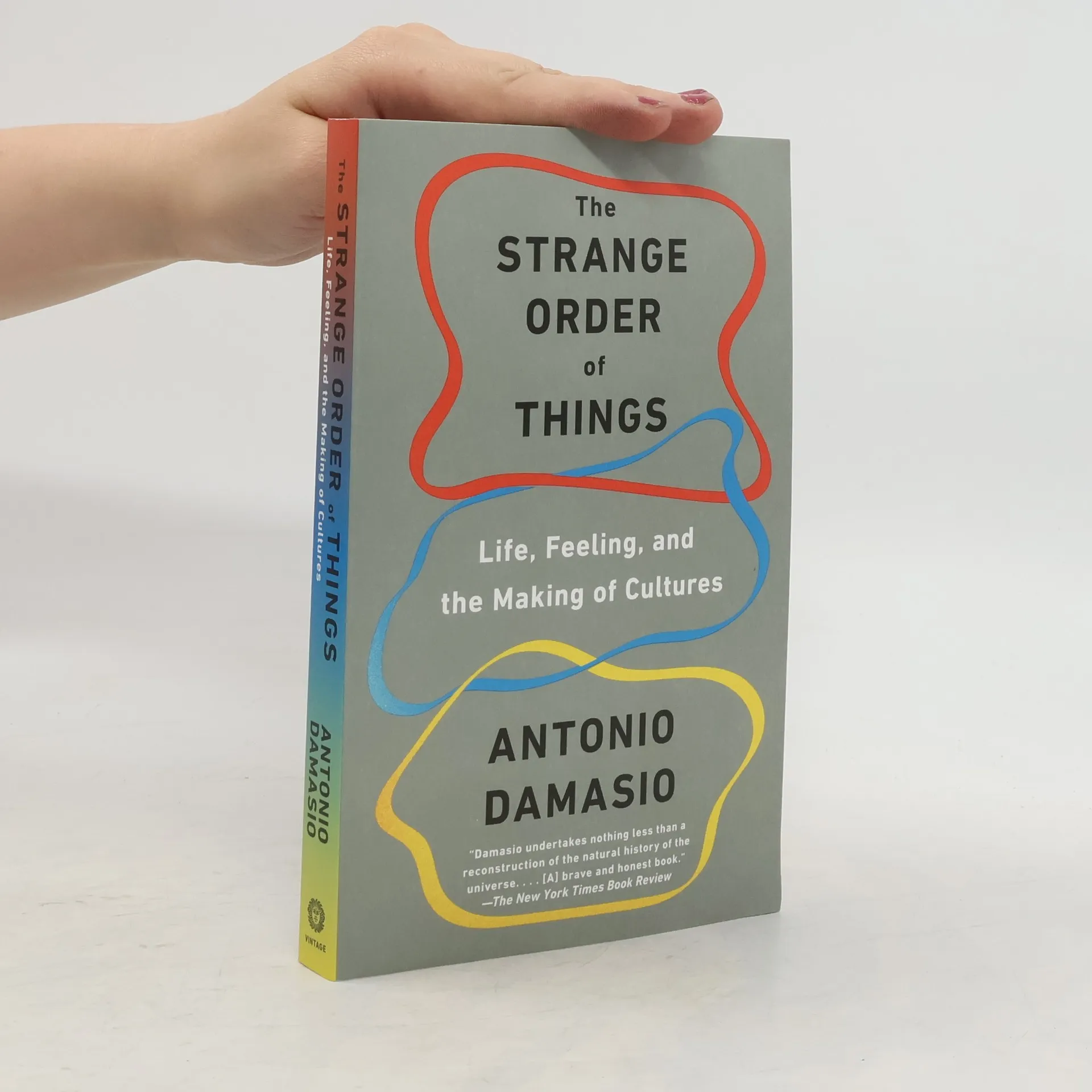
The Strange Order of Things
- 336pages
- 12 heures de lecture
“Damasio undertakes nothing less than a reconstruction of the natural history of the universe. . . . [A] brave and honest book.” —The New York Times Book Review The Strange Order of Things is a pathbreaking investigation into homeostasis, the condition that regulates human physiology within the range that makes possible not only survival but also the flourishing of life. Antonio Damasio makes clear that we descend biologically, psychologically, and even socially from a long lineage that begins with single living cells; that our minds and cultures are linked by an invisible thread to the ways and means of ancient unicellular existence and other primitive life-forms; and that inherent in our very chemistry is a powerful force, a striving toward life maintenance that governs life in all its guises, including the development of genes that help regulate and transmit life. The Strange Order of Things is a landmark reflection that spans the biological and social sciences, offering a new way of understanding the origins of life, feeling, and culture. www.antoniodamasio.com
- 2018
Psychologie de la connerie
- 377pages
- 14 heures de lecture
Dan Ariely, Boris Cyrulnik, Antonio Damasio, Howard Gardner, Daniel Kahneman, Edgar Morin, Tobie Nathan et bien d'autres encore parlent de la connerie humaine. Un monde sans connards est possible ! En fait, non. Désolés. Mais ça n'empêche pas d'y réfléchir. La connerie, chacun la connaît : nous la supportons tous au quotidien. C'est un fardeau. Et pourtant les psychologues, spécialistes du comportement humain, n'ont jamais essayé de la définir. Mieux la comprendre pour mieux la combattre, tel est l'objectif de ce livre, même si nous sommes vaincus d'avance. Des psys de tous les pays, mais aussi des philosophes, sociologues et écrivains, nous livrent ici leur vision de la connerie humaine. C'est une première mondiale. Et peut-être une dernière, profitez-en !
- 2018
The strange order of things : life, feeling, and the making of the cultures
- 310pages
- 11 heures de lecture
From one of our preeminent neuroscientists: a landmark reflection that spans the biological and social sciences, offering a new way of understanding the origins of life, feeling, and culture. The Strange Order of Things is a pathbreaking investigation into homeostasis, the condition of that regulates human physiology within the range that makes possible not only the survival but also the flourishing of life. Antonio Damasio makes clear that we descend biologically, psychologically, and even socially from a long lineage that begins with single living cells; that our minds and cultures are linked by an invisible thread to the ways and means of ancient unicellular life and other primitive life-forms; and that inherent in our very chemistry is a powerful force, a striving toward life maintenance that governs life in all its guises, including the development of genes that help regulate and transmit life. In The Strange Order of Things, Damasio gives us a new way of comprehending the world and our place in it. www.antoniodamasio.com
- 2017
Im Anfang war das Gefühl
- 319pages
- 12 heures de lecture
Das neue Buch von Bestsellerautor Antonio Damasio: Wie die Gefühle unsere Kultur prägen Wie ist der Mensch zum Menschen geworden – und wie ist all das entstanden, was wir Kultur nennen? Der weltbekannte Neurowissenschaftler Antonio Damasio hat eine verblüffende Erklärung: Nicht Verstand und Intellekt, sondern die Gefühle haben dabei die entscheidende Rolle gespielt. Ein neuer, aufregender Blick auf die Fundamente menschlicher Zivilisation. Ausstattung: mit Abb.
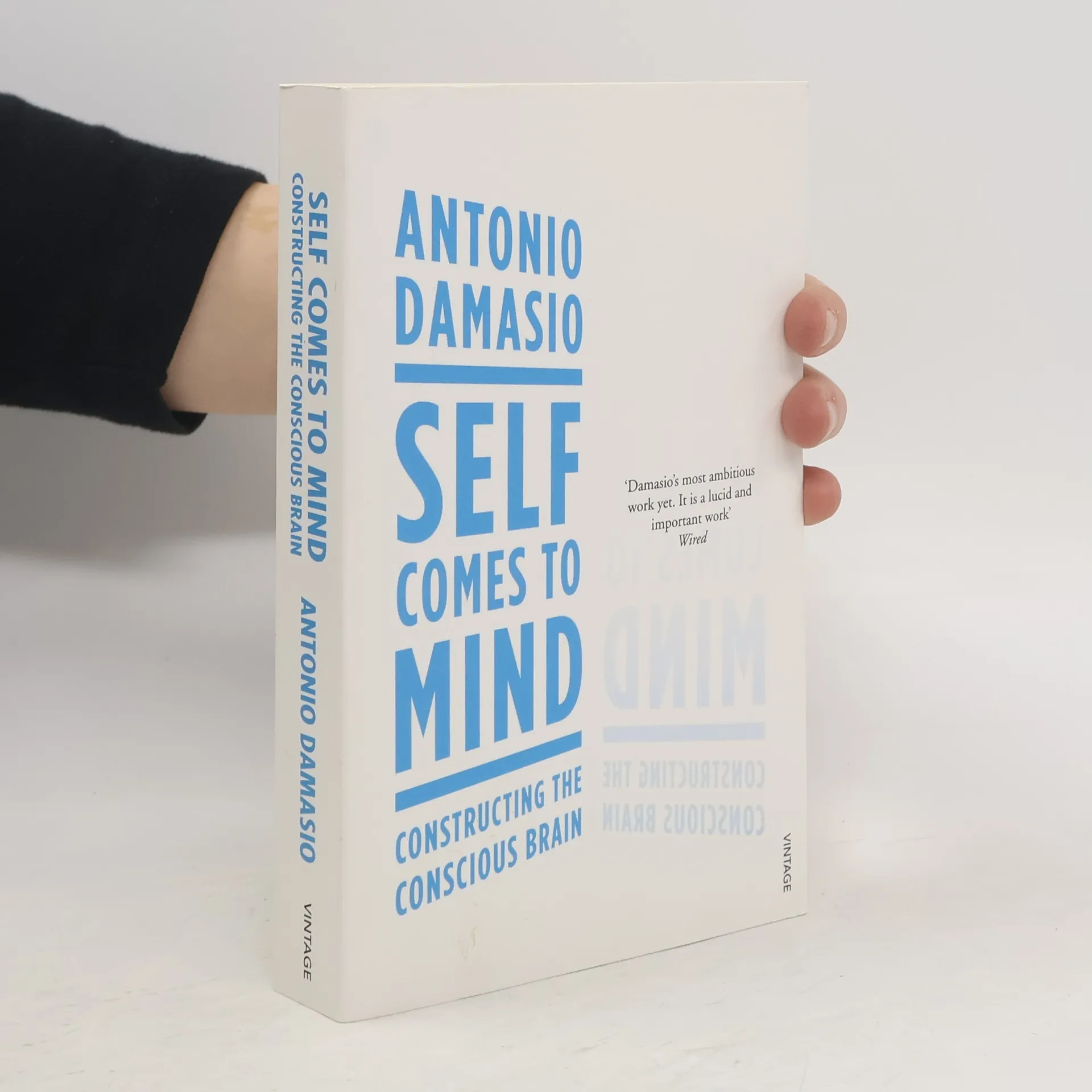
- 2012
Delving into the intricate relationship between the brain and consciousness, this work by a leading neuroscientist combines authoritative insights with imaginative exploration. It reveals how the brain constructs the mind and the processes that lead to self-awareness, offering a profound understanding of the neural mechanisms behind thought and consciousness.