



Bookbot

Stephen M. Walt

    Stephen M. Walt
    Izraelská lobby a americká zahraniční politika
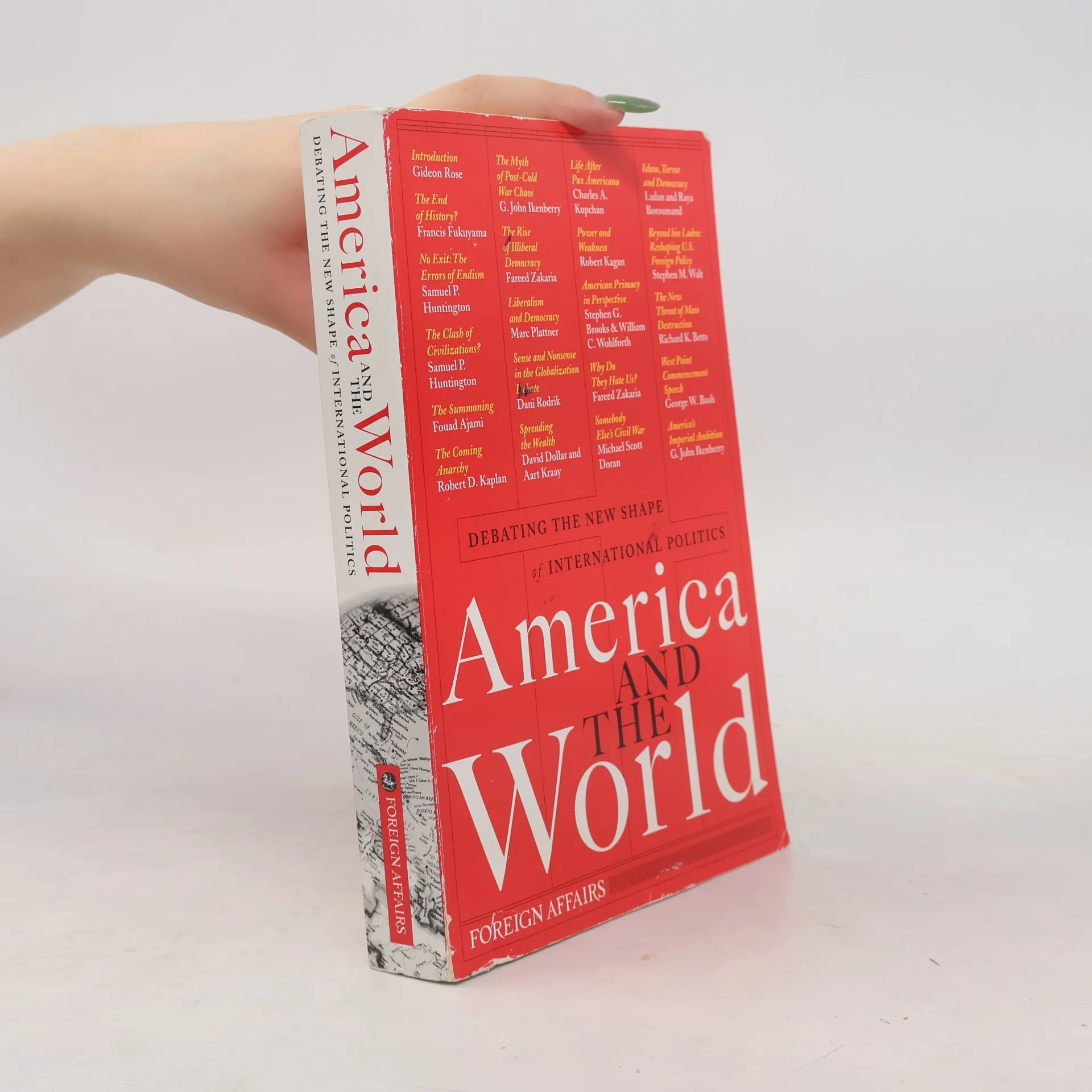
    America and the World
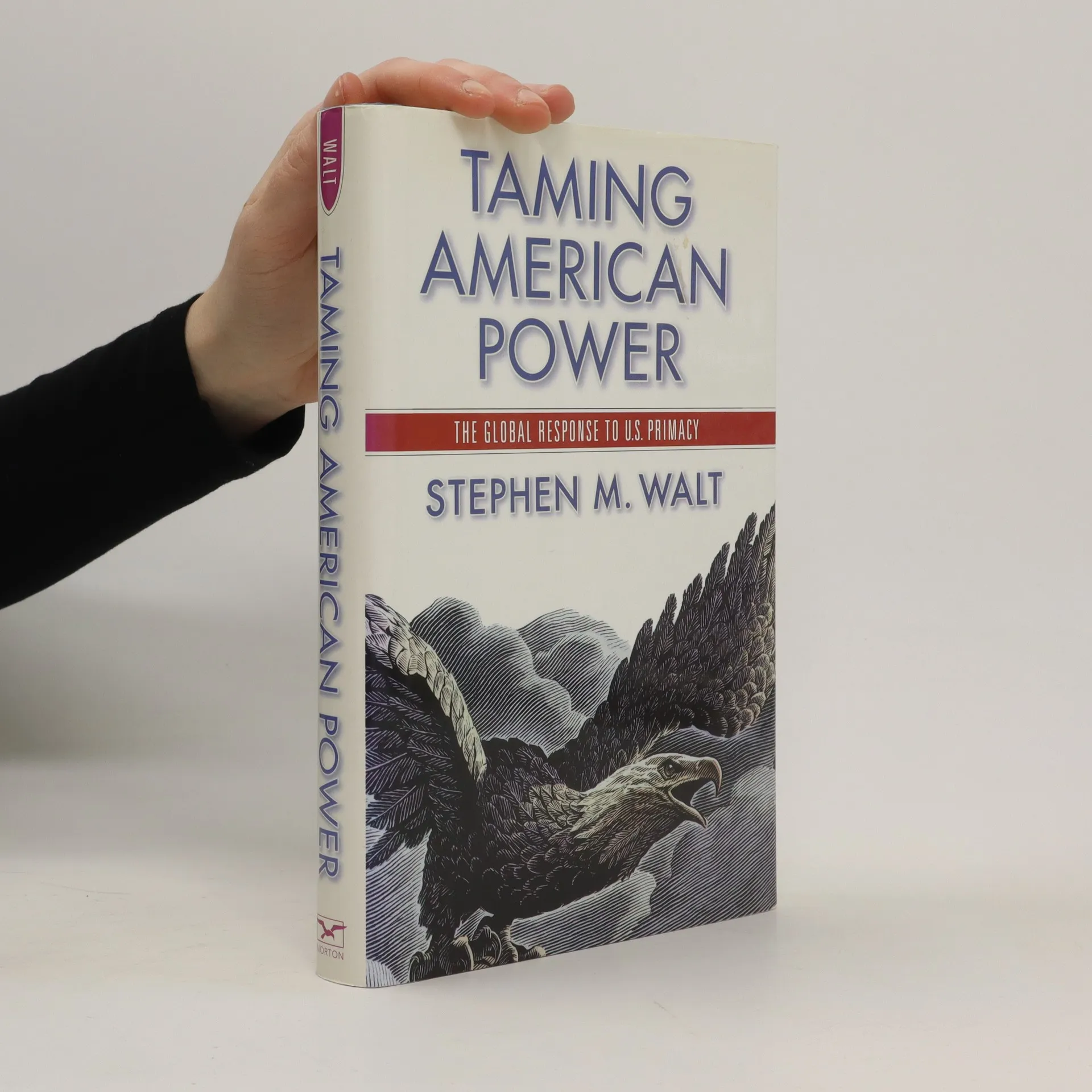
    Taming American power: The global response to U.S. primacy
    The Hell of Good Intentions: America's Foreign Policy Elite and the Decline of U.S. Primacy
    Poche - 295: Le lobby pro-israélien et la politique étrangère américaine
    • Depuis plusieurs décennies, la pièce maîtresse de la politique moyen-orientale des Etats-Unis a été le soutien à Israël : ils prennent son parti dans les négociations de paix et, chaque année, Israël continue de recevoir trois milliards de dollars d'aide américaine. Pourquoi ce soutien aussi considérable et aussi constant ? Telle est la question à laquelle entendent répondre John J. Mearsheimer et Stephen M. Walt, deux universitaires américains réputés. Dans ce livre extrêmement documenté, ils démontrent que ce soutien ne peut s'expliquer par des intérêts stratégiques communs ni par des impératifs moraux. Et qu'il est surtout dû à l'influence d'un lobby qui travaille activement à l'orientation de la politique étrangère américaine dans un sens pro-israélien, qui exerce des pressions efficaces sur le Congrès, les présidents et leur administration et qui jouit d'une influence considérable sur l'université et les médias. Ce lobby a ainsi joué un rôle clé dans la politique américaine au Moyen-Orient sous l'administration Bush au nom de la " lutte contre le terrorisme ". John J. Mearsheimer et Stephen M. Walt montrent que cette politique n'était ni dans l'intérêt national des Etats-Unis ni dans celui d'Israël sur le long terme. Ils ouvrent un débat nécessaire pour l'avenir de la paix dans cette région du monde.

      Poche - 295: Le lobby pro-israélien et la politique étrangère américaine
      4,2
    • "The road to hell is paved with good intentions." - Hayek Is America's foreign policy leading to disappointment and disillusionment? This book explores the complexities of U.S. foreign policy, particularly in light of its hegemonic status and the lessons seemingly ignored by past leaders. Renowned Harvard professor Stephen M. Walt critiques U.S. foreign policy since the twentieth century, highlighting its shortcomings and the lack of improvement during Trump's administration. He argues for a reevaluation of the current strategy, which has been shaped by America's geographical advantages and post-Cold War dominance but has also led to unrealistic goals pursued by leaders like Clinton, Bush, and Obama. These leaders believed the U.S. was uniquely qualified to promote liberal principles globally, often overstepping its role and failing to acknowledge the rise of other powers. This dynamic has contributed to the populist sentiments that propelled Trump into office with his "America First" agenda, although signs suggest his foreign policy reforms may not lead to meaningful change. The author assesses the foreign policy of three post-Cold War presidents, examining America's global standing and the flawed strategy of liberal hegemony that underpins its failures. Despite its evident shortcomings, this approach persists due to the lack of accountability among foreign policy authorities. The entrenched "foreign policy community" has

      The Hell of Good Intentions: America's Foreign Policy Elite and the Decline of U.S. Primacy
      4,0
    • Analyzes specific reactions abroad to American hegemony, and discusses the need for the United States to develop a foreign policy that minimizes resentment and hostile responses from other countries.

      Taming American power: The global response to U.S. primacy
      3,7
    • America and the World

      Debating the New Shape of International Politics

      • 360pages
      • 13 heures de lecture

      This comprehensive survey explores the key debates shaping U.S. foreign policy in the post-Cold War era. Following the Soviet Union's collapse, scholars have sought to understand the new international landscape. This collection showcases the insights of prominent thinkers, including Francis Fukuyama, Samuel P. Huntington, and Fareed Zakaria, who analyze the driving forces behind global events and America's response. Central questions addressed include the significance of ideology, culture, and power, as well as the future of global order versus chaos. The contributors examine the strength and vulnerabilities of the United States and discuss the appropriate use of its power for protection. Engaging with each other's arguments, these authors provide a rich dialogue that educates readers on contemporary international relations. Originally published in leading journals, these articles form an essential reading list for those interested in understanding current global dynamics. Notable contributors include Fouad Ajami, Richard K. Betts, Stephen G. Brooks, Robert D. Kaplan, and Stephen M. Walt, among others.

      America and the World
    • Mluvit o vlivu lobby na americkou zahraniční politiku je obtížné, aniž by člověk čelil obviněním z antisemitismu nebo byl označen za sebeobviňujícího Žida. Kritika izraelských politik nebo otázek ohledně podpory Izraele je v slušné společnosti problematická. Americká bezpodmínečná podpora Izraele je zřídka zmiňována, protože lobby se snaží zajistit, aby veřejná debata odrážela jejich strategické a morální argumenty. Reakce na knihu bývalého prezidenta Jimmyho Cartera ilustruje tento jev. Carterova kniha je osobní výzvou k obnovení americké účasti v mírovém procesu, založená na jeho dlouholetých zkušenostech. I když lze zpochybnit jeho důkazy nebo nesouhlasit s jeho závěry, jeho cílem je mír mezi oběma národy, přičemž hájí právo Izraele na bezpečný život. Přesto, když naznačuje, že izraelské politiky na okupovaných územích připomínají apartheid a upozorňuje, že pro-izraelské skupiny komplikují mírové snahy, čelí silné kritice. Carter byl obviněn z antisemitismu a dokonce i z podpory nacismu, což ukazuje na obtížnost otevřené diskuse o těchto tématech.

      Izraelská lobby a americká zahraniční politika
      5,0