The Anthrobscene
- 60pages
- 3 heures de lecture
Critiques the environmental destruction caused by media technologies in the anthropocene era





Critiques the environmental destruction caused by media technologies in the anthropocene era
Uncovering the insect logic that informs contemporary media technologies and the network society.
Finský teoretik médií Jussi Parrika v této publikaci představuje vznikající oblast archeologie médií. Je to způsob uvažování o kulturách nových médií prostřednictvím poznatků o médiích, jež byla nová v minulosti, a to často s důrazem na zapomenuté či bizarní aparáty, postupy a vynálezy. Archeologie médií však není jednou metodologií nebo teorií. Autor ji proto uvádí do kontextu dalších klíčových odvětví mediálních studií, jako jsou filmová či softwarová studia, genealogie imaginárních médií, německá teorie médií či teorie materiality médií.
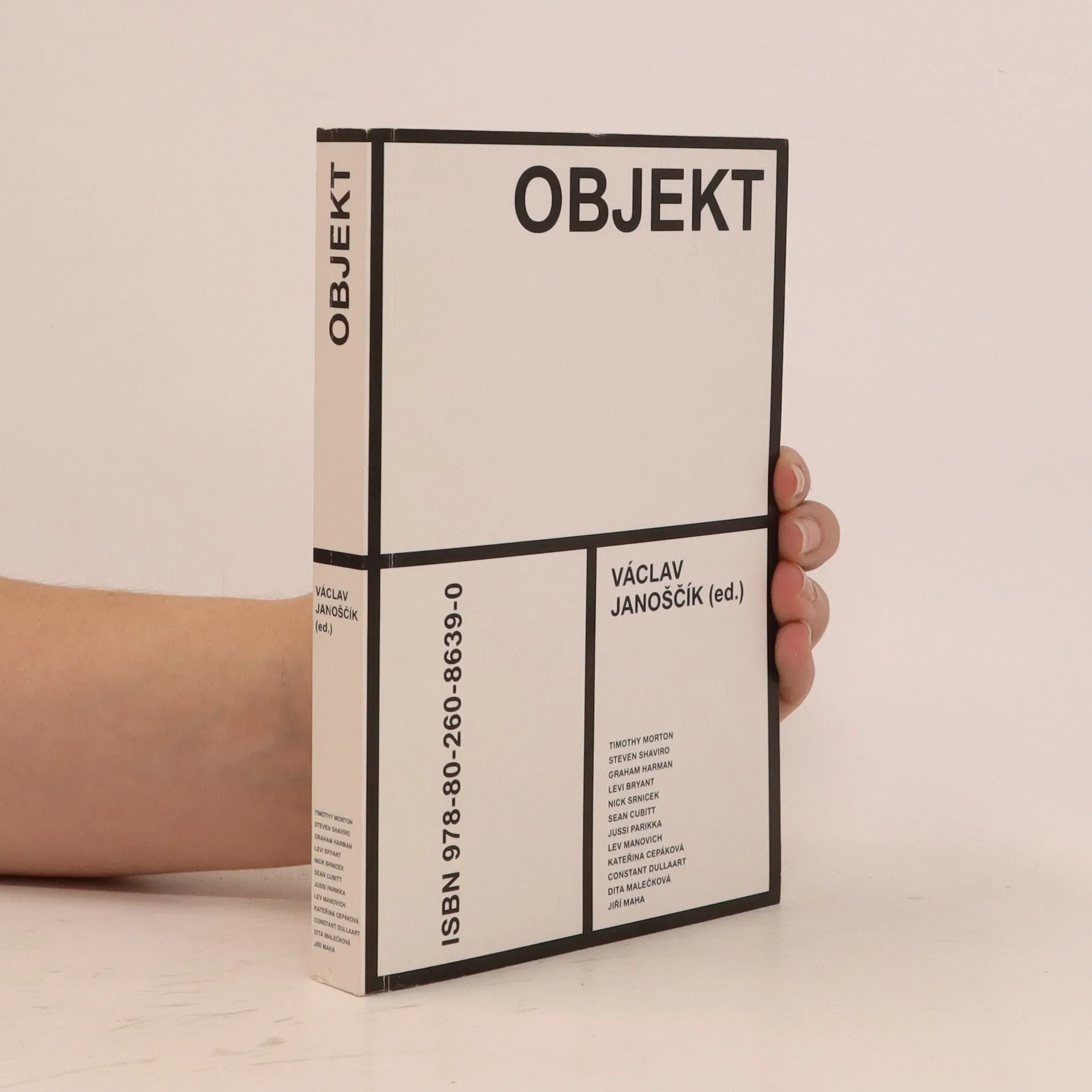
Jedná se o první a zásadní publikaci, která se zabývá aktuálním tématem post - internetového umění. Náš svět je světem objektů a možná si to uvědomujeme více než kdy dřív. Právě v éře globálního oteplování, umělé inteligence, masově vyráběných a neustále inovovaných či individualizovaných výrobků jsme konfrontováni s tím, že nejen lidé existují, jednají a mají práva. Také objekty, naše planeta, živočišné druhy, počítačové aplikace i nám blízké každodenní předměty se hlásí o své slovo. Kniha s charakteristickým názvem Objekt se snaží z pozic filosofie a teorie médií shrnout různé pohledy na tuto explozi objektů. Snaží se objektům propůjčit hlas. Kniha tak představuje první soubor textů z proudu spekulativního realismu, objektově orientované ontologie, akceleracionismu a nového materialismu dostupný v českém překladu.
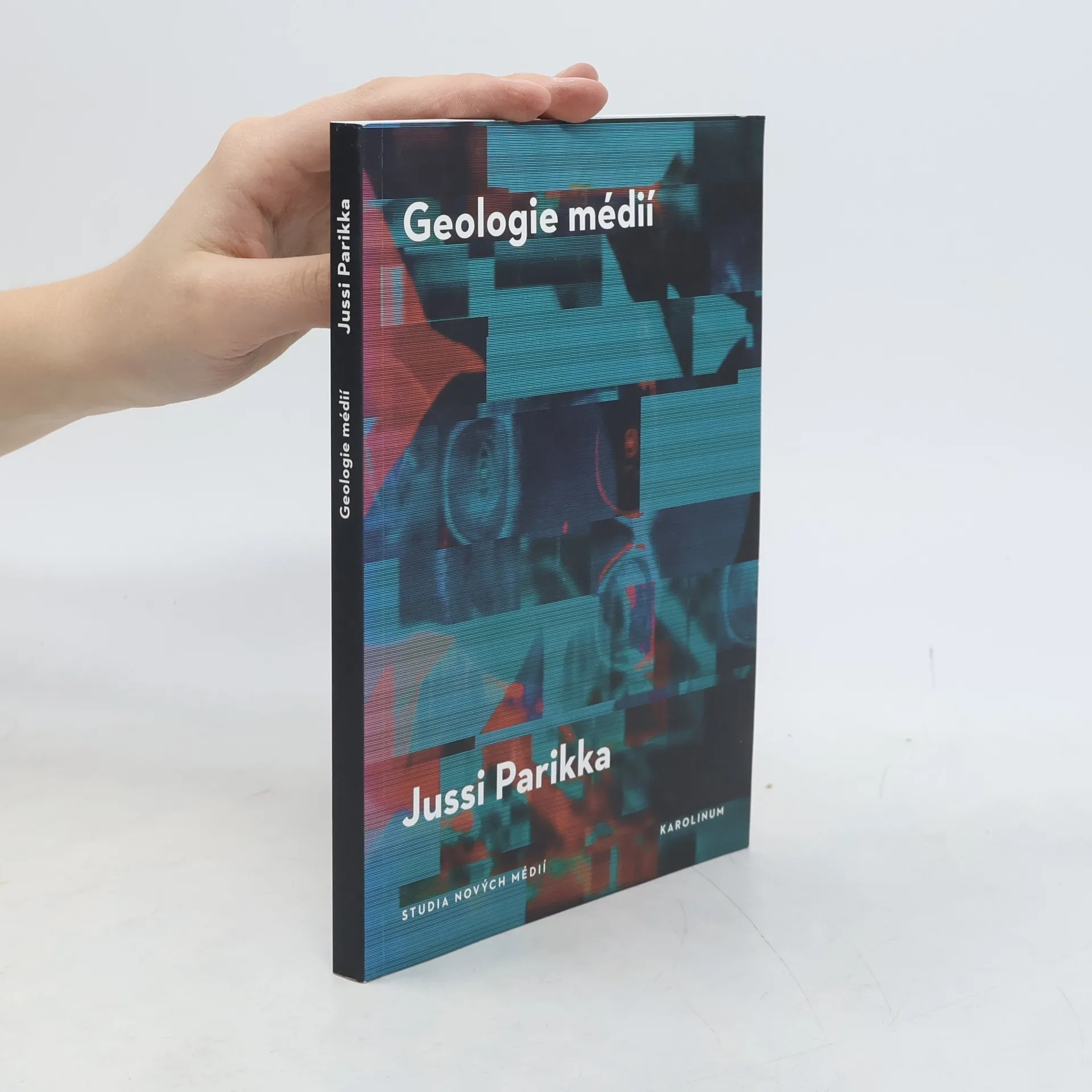
Geologie médií vychází z perspektivy materialistického a post-antropocentrického myšlení, které klade důraz na vztah kultury k materiálním skutečnostem, jež ji podmiňují. Jussi Parikka svět médií zkoumá jako hmotnou součást geologické sféry: zabývá se například procesy těžby, které umožňují jejich vznik, nebo jejich posmrtným životem v podobě elektroodpadu a budoucích fosilií. Popisuje environmentální, sociální a ekonomický kontext novomediální kultury a rozbíjí iluze o její „čistotě“ a „imaterialitě“. Jeho kniha není jen důležitým příspěvkem k debatám o mediálních technologiích, novém materialismu a antropocénu, ale také průvodcem po současné umělecké praxi, která na tyto fenomény reaguje.