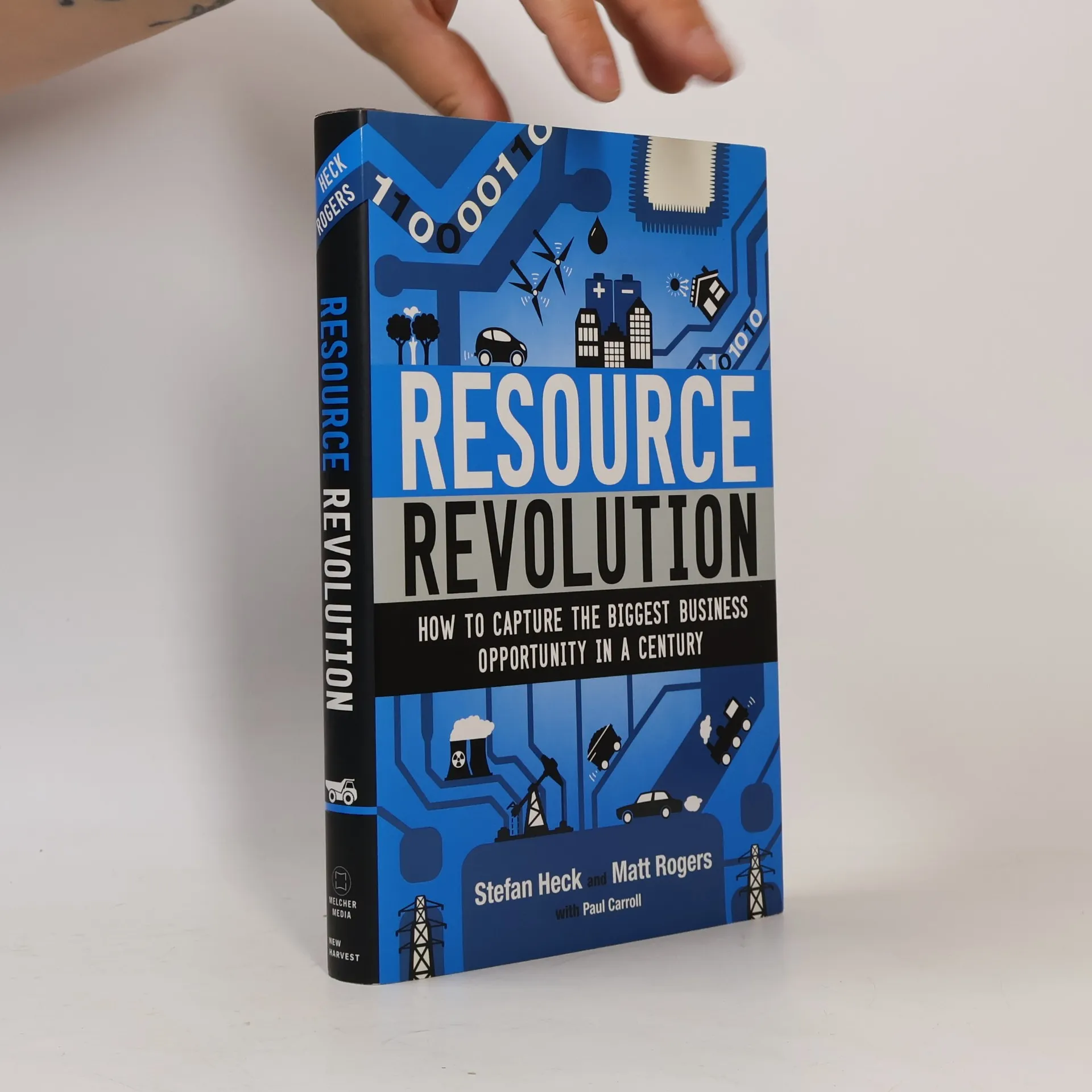
Paul Carroll est un historien dont le travail explore principalement l'histoire canadienne, avec un accent particulier sur le patrimoine maritime des Grands Lacs. Son approche se caractérise par une recherche méticuleuse et un engagement à créer des récits historiques complets. Carroll collabore souvent avec d'autres écrivains, apportant son expertise en tant qu'éditeur et chercheur pour enrichir les publications finales. Son style distinctif offre aux lecteurs une exploration détaillée et captivante de sujets historiques souvent négligés.
This counter-cultural collection of American verse fits in Robert Lowell's famous definition of the raw in American poetry. Contributors include: Olson; Duncan; Creeley; Guest; Ashbery; Ginsberg; Kerouac; Levertov; O'Hara; Snyder; and Schuyler.
This is the inside story of why one of the most successful enterprises in business history no longer performs to expectations.Savage cuts have been made in its workforce worldwide.
”This book is your chance to learn from others’ mistakes.”-- Entrepreneur In the 1960s, IBM CEO Tom Watson called an executive into his office after his venture lost $10 million. The man assumed he was being fired. Watson told him, “Fired? Hell, I spent $10 million educating you. I just want to be sure you learned the right lessons.” There are thousands of books about successful companies but virtually none about the lessons to be learned from those that crash and burn. Now Paul Carroll and Chunka Mui draw on research into more than 750 flameouts to reveal the seven biggest reasons for business failure.
This insightful guide serves as an anthem for large companies aiming to innovate and compete with agile startups. It offers a well-rounded perspective that will resonate with investors, educators, students, journalists, and historians interested in the tech industry's future. The authors challenge the belief that startups inherently outpace established businesses in innovation, arguing instead that large companies can also thrive. Through sharp analysis and engaging case studies, they illustrate that while small and nimble may beat big and slow, big and agile can outperform all.
The book presents a roadmap for large corporations to Think Big, Start Small, and Learn Fast, enabling them to leverage their inherent strengths and overcome obstacles. With over $36 trillion of stock-market value at stake due to technological advancements, companies must either adapt and seize future markets or risk obsolescence.
The structured approach includes phases that guide organizations on how to innovate effectively. From embracing a doomsday scenario to fostering collaboration and building a portfolio of options, the authors provide actionable insights. Advanced praise highlights its significance for corporate boards and management, emphasizing the importance of adapting to technological change and leveraging existing assets to remain competitive.
Provides the inside story of the rise and fall of IBM, offering a devastating study of corporate bureaucracy, lack of foresight, and decline. Reprint. 75,000 first printing. Tour.