

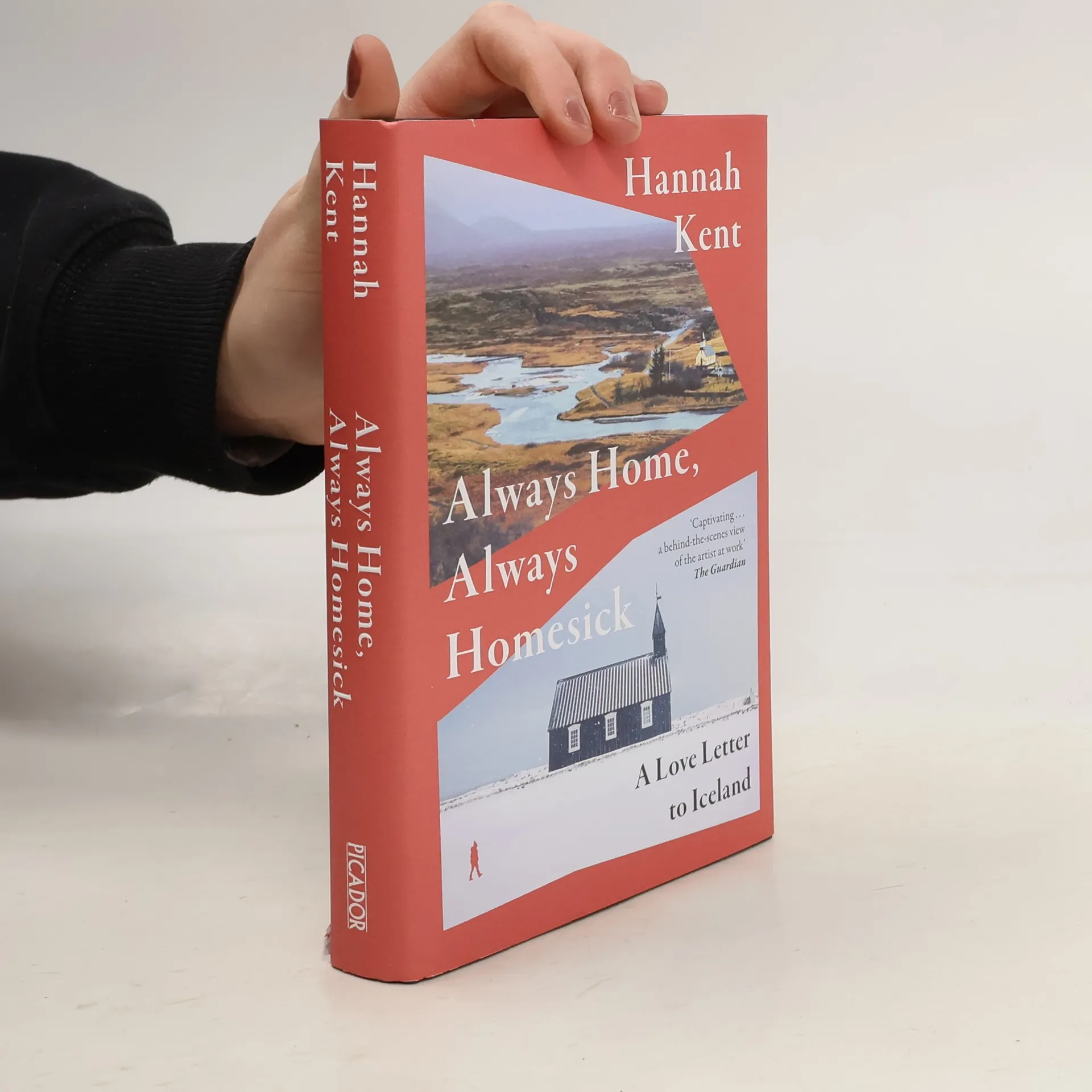
'In my brief breath of life, might I find a way to fit light to paper?'In a land of ethereal beauty, within a culture soaked in myth, a young woman discovers the story that will change her life.In 2003, seventeen-year-old Australian exchange student Hannah Kent arrives at Keflavík Airport in the middle of the Icelandic winter.That night she sleeps off her jet lag and bewilderment in the National Archives of Iceland, unaware that, years later, she will return to the same building to write Burial Rites, the haunting story of Agnes Magnúsdóttir, the last woman executed in Iceland. The novel will go on to launch the author's stellar literary career and capture the hearts of readers across the globe.Always Home, Always Homesick is Hannah Kent's exquisite love letter to a land that has forged a nation of storytellers, her ode to the transcendent power of creativity, and her invitation to us all to join her in the realms of mystery, spirit and wonder.
Hannah Kent Ordre des livres (chronologique)
L'œuvre d'Hannah Kent plonge dans les coins sombres de la psyché humaine et de l'histoire, offrant des récits caractérisés par une honnêteté brute et une prose captivante. Elle crée magistralement des contes atmosphériques qui plongent le lecteur dans de profondes explorations de la culpabilité, du châtiment et de la quête de rédemption, souvent dans des décors austères et isolés. Sa voix distinctive et son approche narrative créent des personnages et des situations qui résonnent profondément longtemps après la dernière page tournée. L'importance littéraire de Kent réside dans sa capacité à déterrer des vérités complexes à travers des récits méticuleusement recherchés et chargés d'émotion.






Devotion
- 432pages
- 16 heures de lecture
The powerful, moving and truly unique novel from the international bestselling author of Burial Rites and The Good People.
A mesmerising literary novel about a lost man in search of connection that is also a meditation on love, art and commitment, set against the backdrop of one of the greatest art events in modern history.
The Good People
- 400pages
- 14 heures de lecture
In 1825, in a remote valley of south-west Ireland, three women find their lives intertwined by unsettling events. Nóra Leahy, grieving the loss of her daughter and husband within the same year, is now responsible for her four-year-old grandson, Michaél, who suffers from a mysterious condition that leaves him unable to walk or speak. Overwhelmed by her circumstances, Nóra hires a servant girl named Mary. As Mary becomes part of the household, she hears whispers about the "blasted creature" that has brought sorrow to Nóra's home. Isolated and surrounded by suspicion, Mary and Nóra seek the help of Nance Roche, a figure shrouded in local lore. Despite the community's wariness of her, Nance is rumored to possess the knowledge to confront the supernatural forces affecting Michaél. The narrative unfolds with a blend of lyrical prose and tension, exploring themes of grief, isolation, and the haunting presence of the past. As the women navigate their fears and the mysteries of their world, their journey becomes a poignant reflection on the lengths one will go to protect their loved ones amidst a backdrop of societal superstition and tragedy.
À la grâce des hommes
- 473pages
- 17 heures de lecture
« On dit que je devrais mourir. On dit que j'ai volé le souffle des hommes et maintenant ils doivent me voler le mien. » Islande, 1828. Agnes, une femme sûre d'elle et réservée, est considérée comme une servante respectée, mais elle garde ses pensées et ses sentiments pour elle. Lorsqu'elle est accusée du meurtre de deux hommes, elle se retrouve seule. Jusqu'à son exécution, elle doit vivre dans la maison d'un fonctionnaire, ce qui bouleverse la famille. Ils sont horrifiés à l'idée d'héberger une meurtrière, mais Agnes commence à raconter peu à peu son histoire. L'acte était brutal : deux hommes ont été frappés, poignardés et brûlés. Agnes et un jeune couple sont condamnés à mort, et le préfet veut faire d'Agnes un exemple. Malgré le jugement et le rejet de la famille, Agnes semble accepter son sort avec calme. Au travail, elle trouve parfois du réconfort et peut oublier son destin un moment. Le paysage rude et l'abri misérable lui sont familiers, jusqu'à ce qu'elle rencontre un homme et admet, après longtemps, son désir d'amour. La douleur causée par sa mort, pour laquelle elle est tenue responsable, recouvre tout, y compris la peur de sa propre fin. Finalement, elle s'ouvre à un jeune vicaire, qui doit la guider sur le chemin du repentir. Au cours de leurs conversations, la maîtresse de maison, Margrét, commence à soupçonner que la vérité officielle sur Agnes pourrait être erronée.