Le Livre de Poche: Inland
- 576pages
- 21 heures de lecture


Téa Obreht élabore des récits qui explorent des dynamiques familiales complexes et les mystères persistants du passé, souvent situés dans le contexte de sociétés post-conflit. Sa prose se caractérise par une qualité lyrique et un langage évocateur qui plongent profondément le lecteur dans ses histoires. À travers son écriture, elle aborde les thèmes de la mémoire, de l'identité et du lien indélébile entre les générations. Obreht maîtrise l'art de créer des atmosphères et des personnages qui résonnent longtemps après la dernière page.




There's the world you can see, and then there's the one you can't. After being expelled from their ancestral home, Silvia and her mother arrive in Island City, where they live and work at The Morningside, a dilapidated luxury tower managed by Silvia's aunt, Ena. Feeling adrift, Silvia struggles with her mother's secrecy about their family's past, knowing little about her origins or the reasons for their departure. Ena offers a glimpse into their heritage through folktales of a beautiful, communal homeland, contrasting sharply with Silvia's lonely existence. Captivated by these stories, Silvia begins to see the world through a lens of magic and becomes fixated on the enigmatic Bezi Duras, a reclusive resident of the penthouse who only ventures out at night with her three massive hounds. As Silvia embarks on a quest to uncover the truth about Bezi and her own haunted history, she risks everything in the process. This novel explores the narratives we share and those we keep hidden, as characters seek to understand their origins and envision their futures. Startling, inventive, and profoundly moving, it delves into the complexities of storytelling and identity.
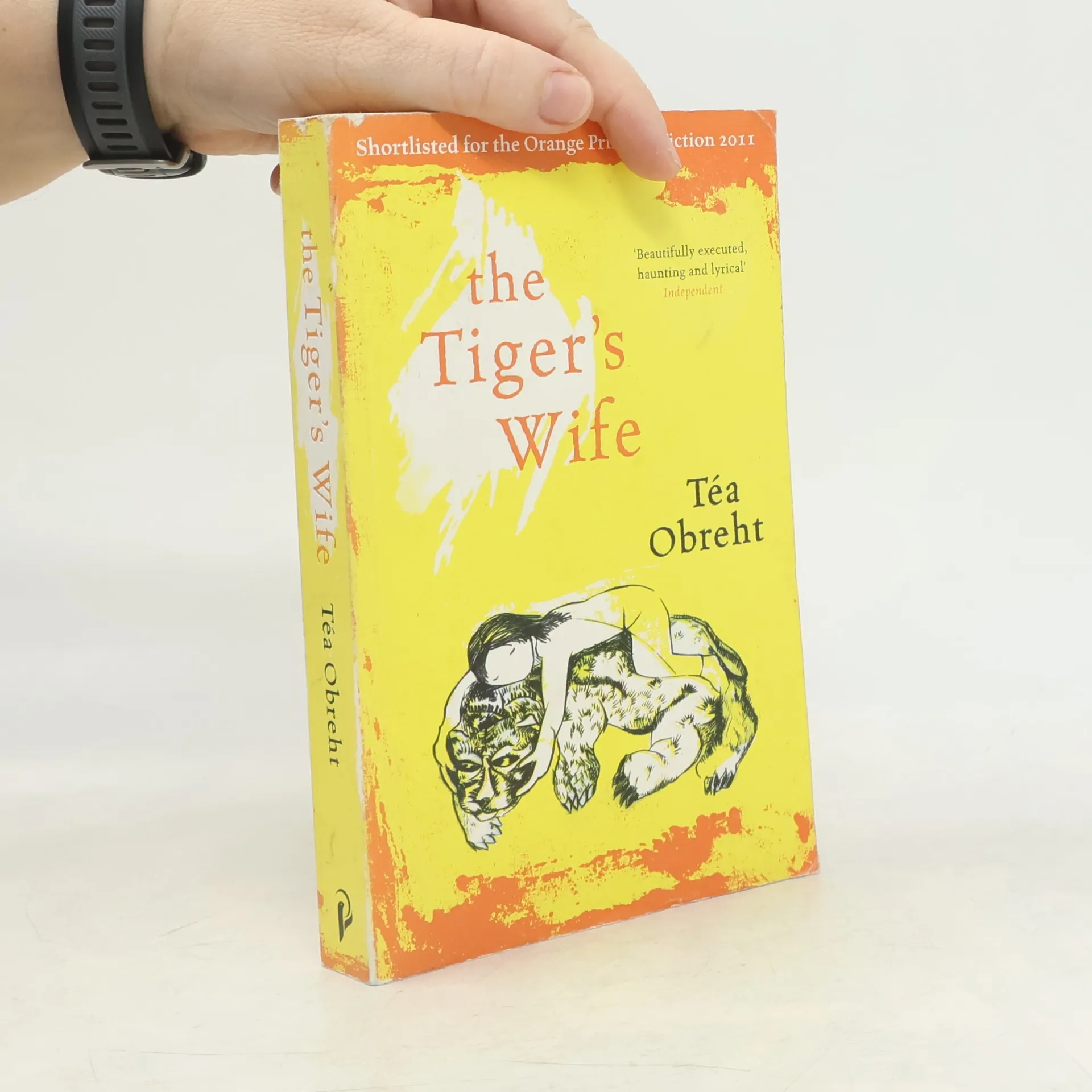
'Having sifted through everything I have heard about the tiger and his wife, I can tell you that this much is fact: in April of 1941, without declaration or warning, the German bombs started falling over the city and did not stop for three days. The tiger did not know that they were bombs...' A tiger escapes from the local zoo, padding through the ruined streets and onwards, to a ridge above the Balkan village of Galina. His nocturnal visits hold the villagers in a terrified thrall. But for one boy, the tiger is a thing of magic - Shere Khan awoken from the pages of The Jungle Book. Natalia is the granddaughter of that boy. Now a doctor, she is visiting orphanages after another war has devastated the Balkans. On this journey, she receives word of her beloved grandfather's death, far from their home, in circumstances shrouded in mystery. From fragments of stories her grandfather told her as a child, Natalia realises he may have died searching for 'the deathless man', a vagabond who was said to be immortal. Struggling to understand why a man of science would undertake such a quest, she stumbles upon a clue that will lead her to a tattered copy of The Jungle Book, and then to the extraordinary story of the tiger's wife.