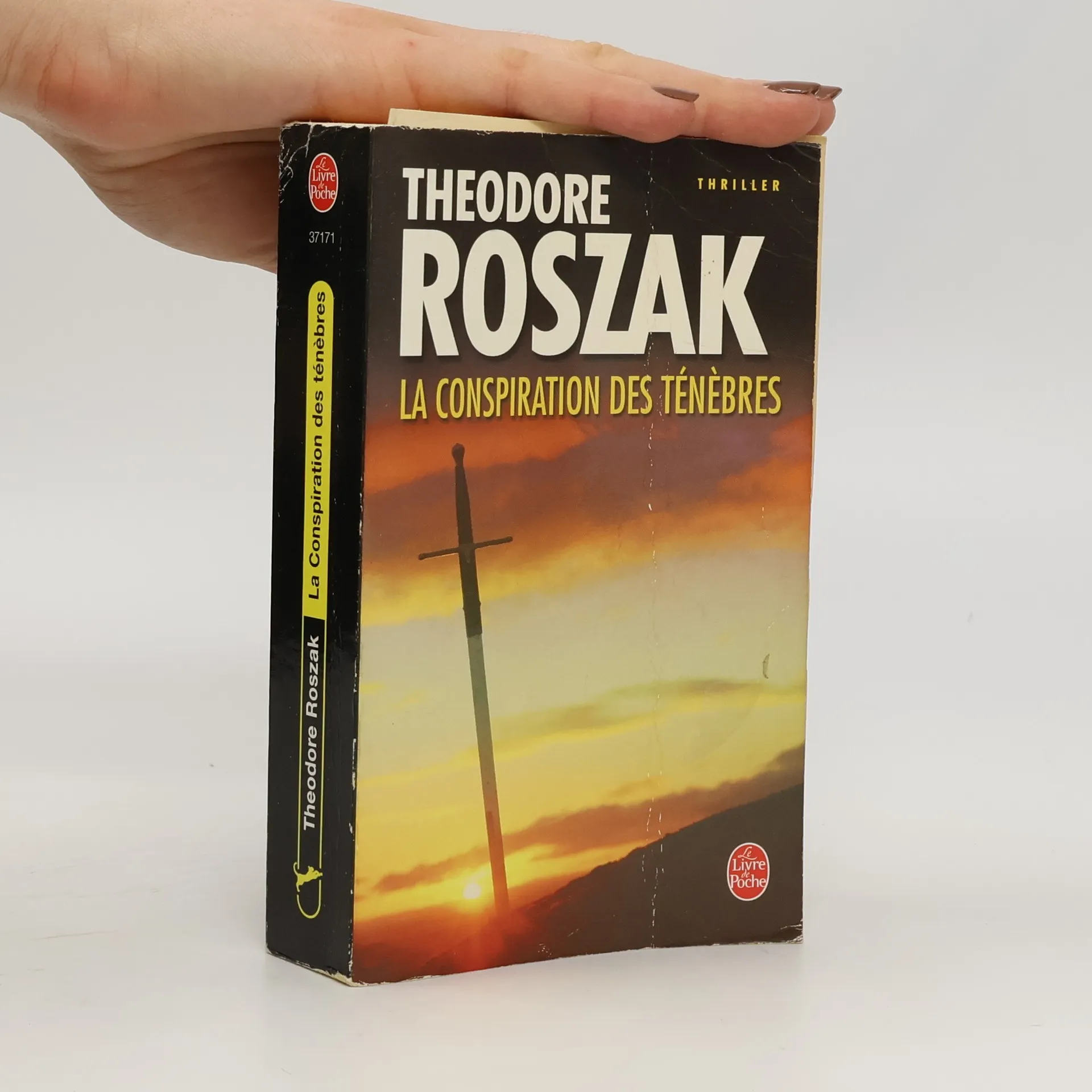
NÉO: Le Diable et Daniel Silverman
- 432pages
- 16 heures de lecture
Roman policier (suspense). Roman de société.
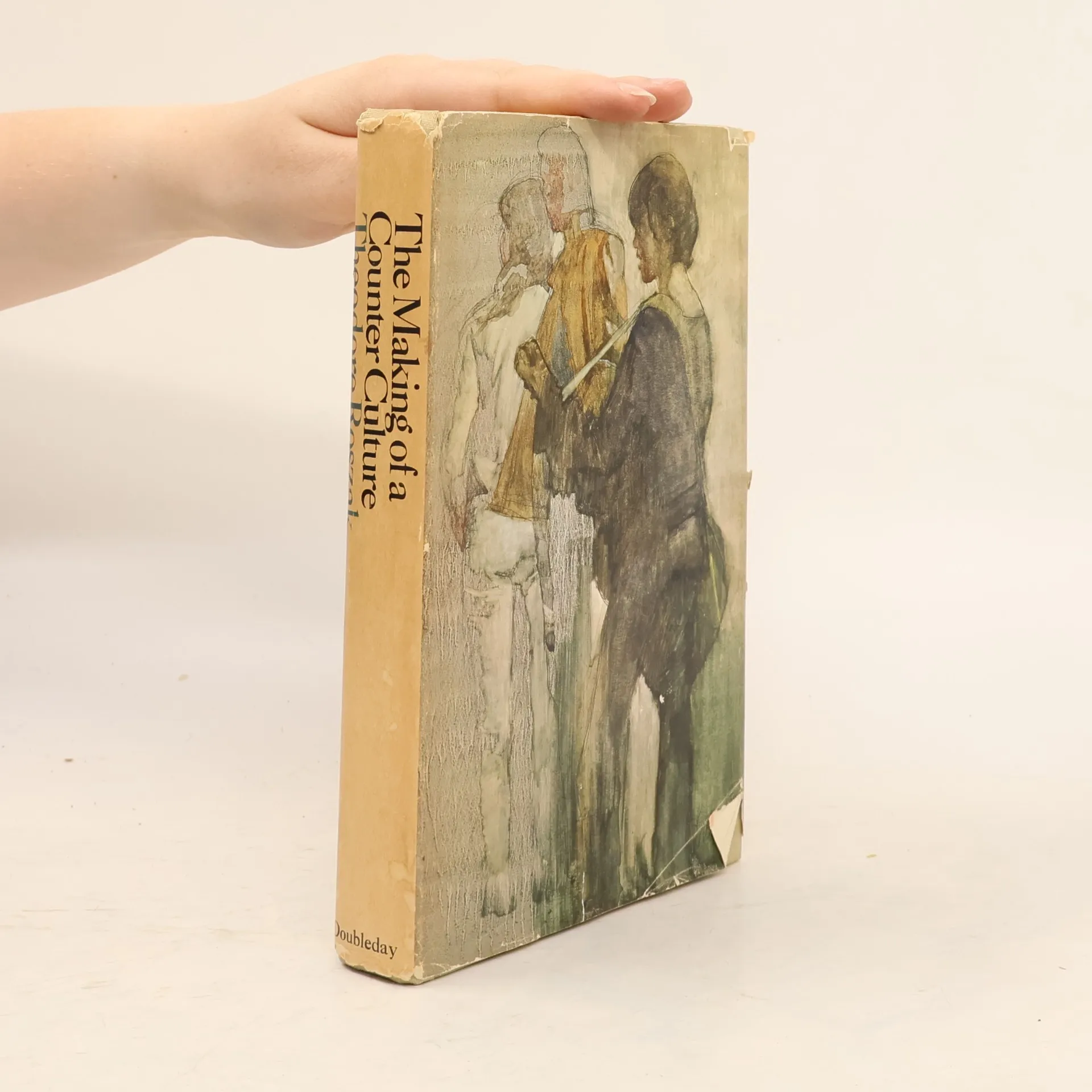
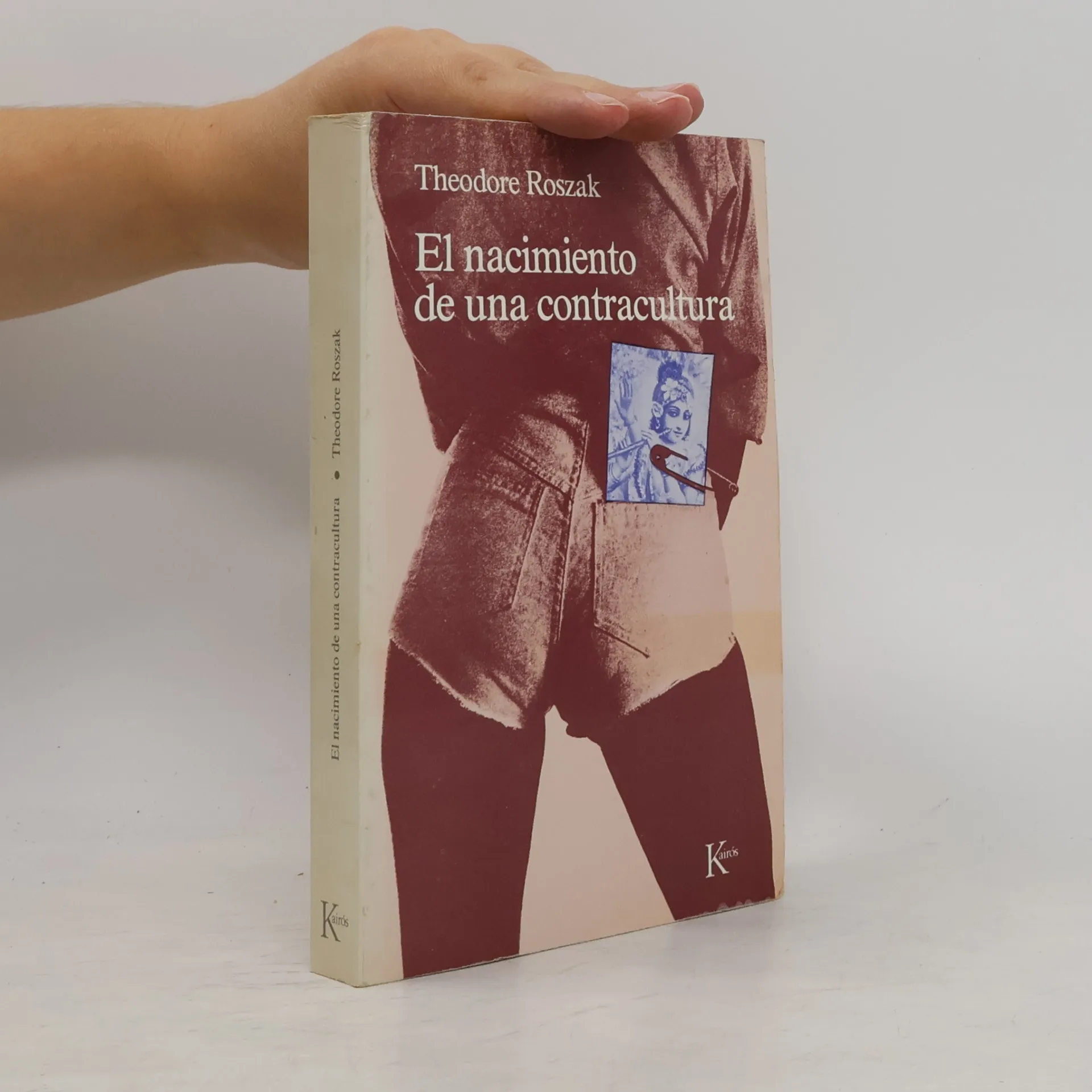
Theodore Roszak était professeur émérite d'histoire, surtout connu pour son œuvre fondamentale qui a relaté et expliqué la contre-culture européenne et nord-américaine des années 1960. Il est largement crédité d'avoir inventé le terme « contre-culture ». Ses écrits explorent les phénomènes sociaux et culturels avec une perspicacité profonde.


Roman policier (suspense). Roman de société.
Book by Roszak, Theodore
From the golden age of art movies and underground cinema to X-rated porn, splatter films, and midnight movies, this breathtaking thriller is a tour de force of cinematic fact and fantasy, full of metaphysical mysteries that will haunt the dreams of every moviegoer. Jonathan Gates could not have anticipated that his student studies would lead him to uncover the secret history of the movies—a tale of intrigue, deception, and death that stretches back to the 14th century. But he succumbs to what will be a lifelong obsession with the mysterious Max Castle, a nearly forgotten genius of the silent screen who later became the greatest director of horror films, only to vanish in the 1940s, at the height of his talent. Now, 20 years later, as Jonathan seeks the truth behind Castle's disappearance, the innocent entertainments of his youth—the sexy sirens, the screwball comedies, the high romance—take on a sinister appearance. His tortured quest takes him from Hollywood's Poverty Row into the shadowy lore of ancient religious heresies. He encounters a cast of exotic characters, including Orson Welles and John Huston, who teach him that there's more to film than meets the eye, and journeys through the dark side of nostalgia, where the Three Stooges and Shirley Temple join company with an alien god whose purposes are anything but entertainment.
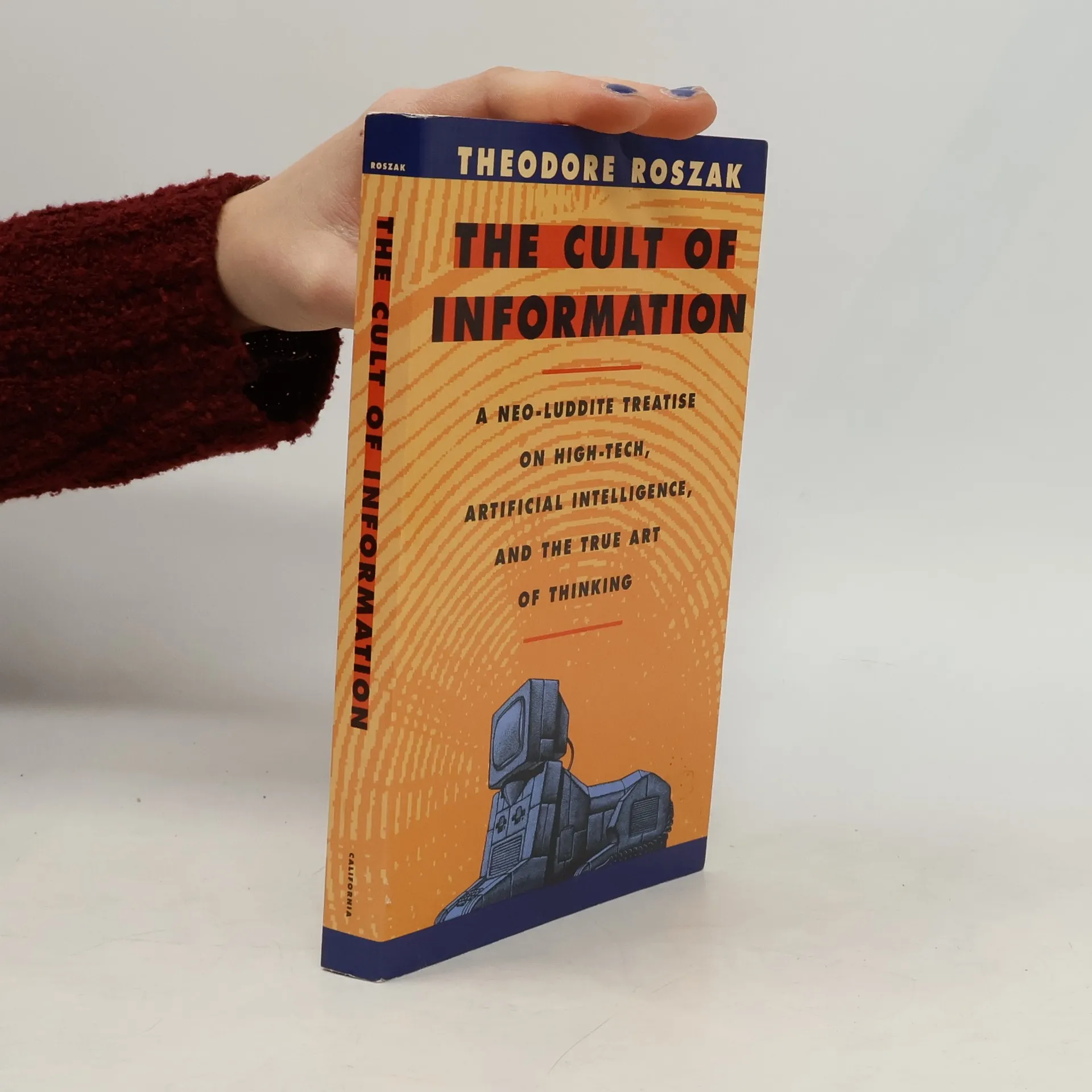
A Neo-Luddite Treatise on High-Tech, Artificial Intelligence, and the True Art of Thinking
As we devote ever-increasing resources to providing, or prohibiting, access to information via computer, Theodore Roszak reminds us that voluminous information does not necessarily lead to sound thinking. "Data glut" obscures basic questions of justice and purpose and may even hinder rather than enhance our productivity.In this revised and updated edition of The Cult of Information , Roszak reviews the disruptive role the computer has come to play in international finance and the way in which "edutainment" software and computer games degrade the literacy of children. At the same time, he finds hopeful new ways in which the library and free citizens' access to the Internet and the national data-highway can turn computer technology into a democratic and liberating force. Roszak's examination of the place of computer technology in our culture is essential reading for all those who use computers, who are intimidated by computers, or who are concerned with the appropriate role of computers in the education of our children.
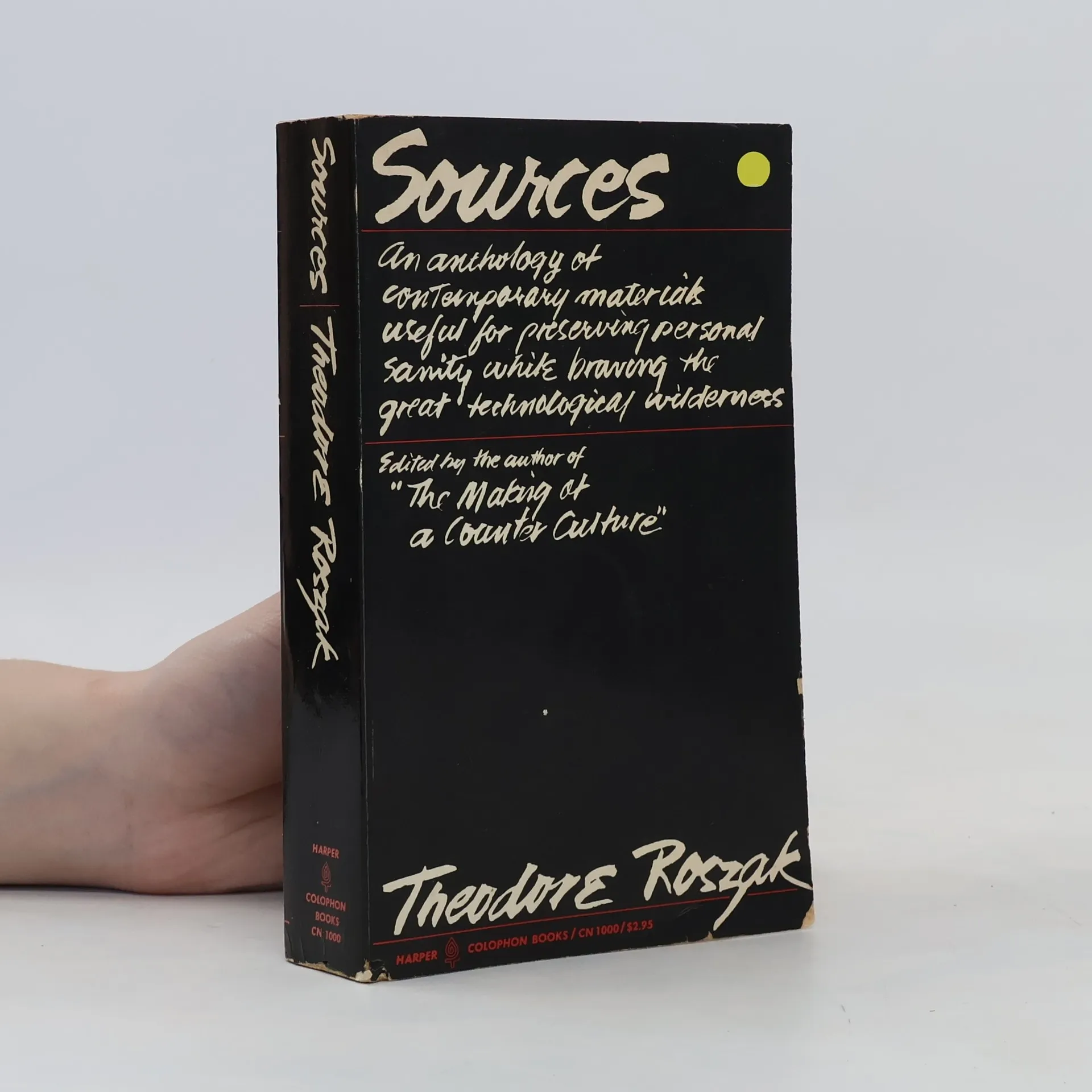
An Anthology of Contemporary Materials Useful for Preserving Personal Sanity While Braving the Technological Wilderness
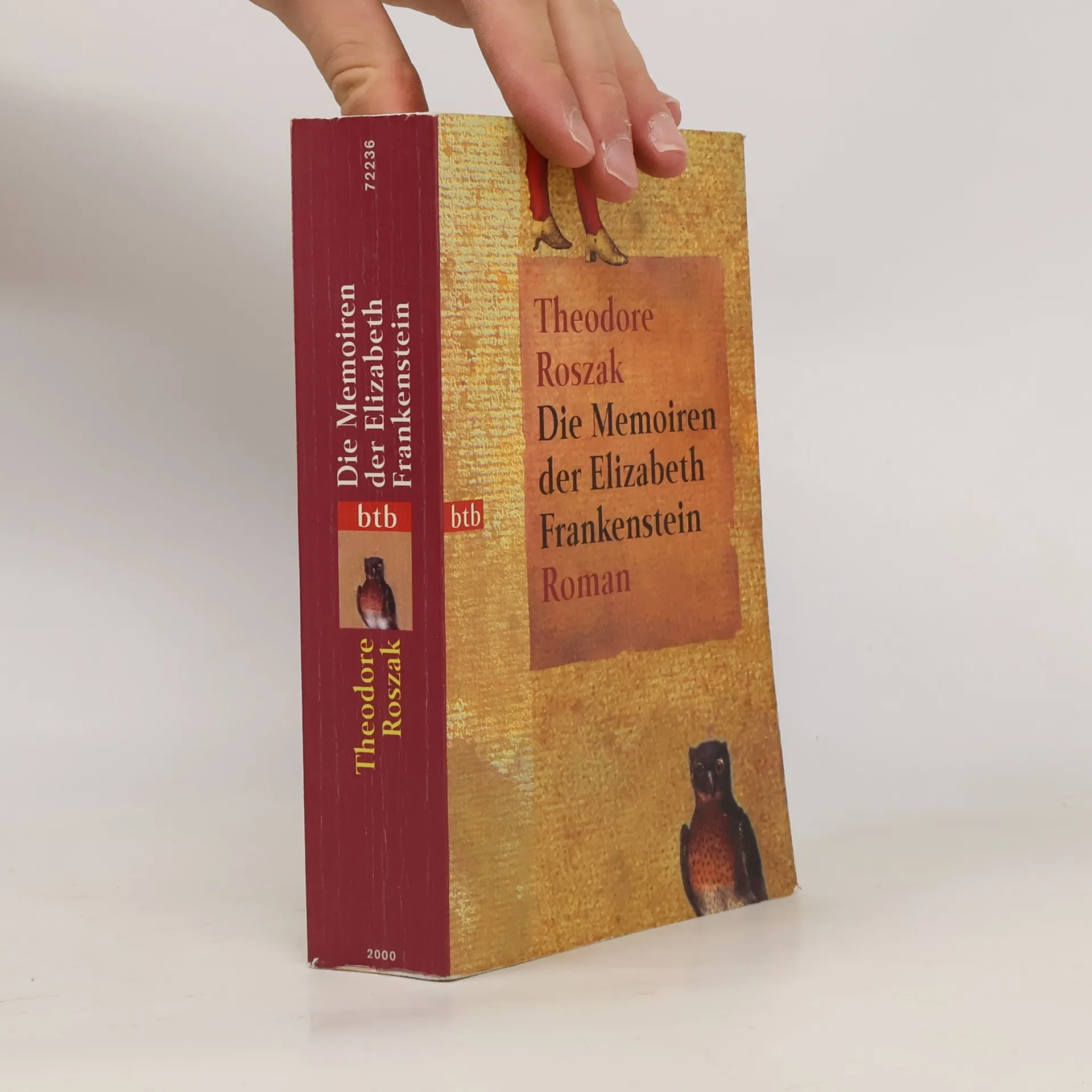
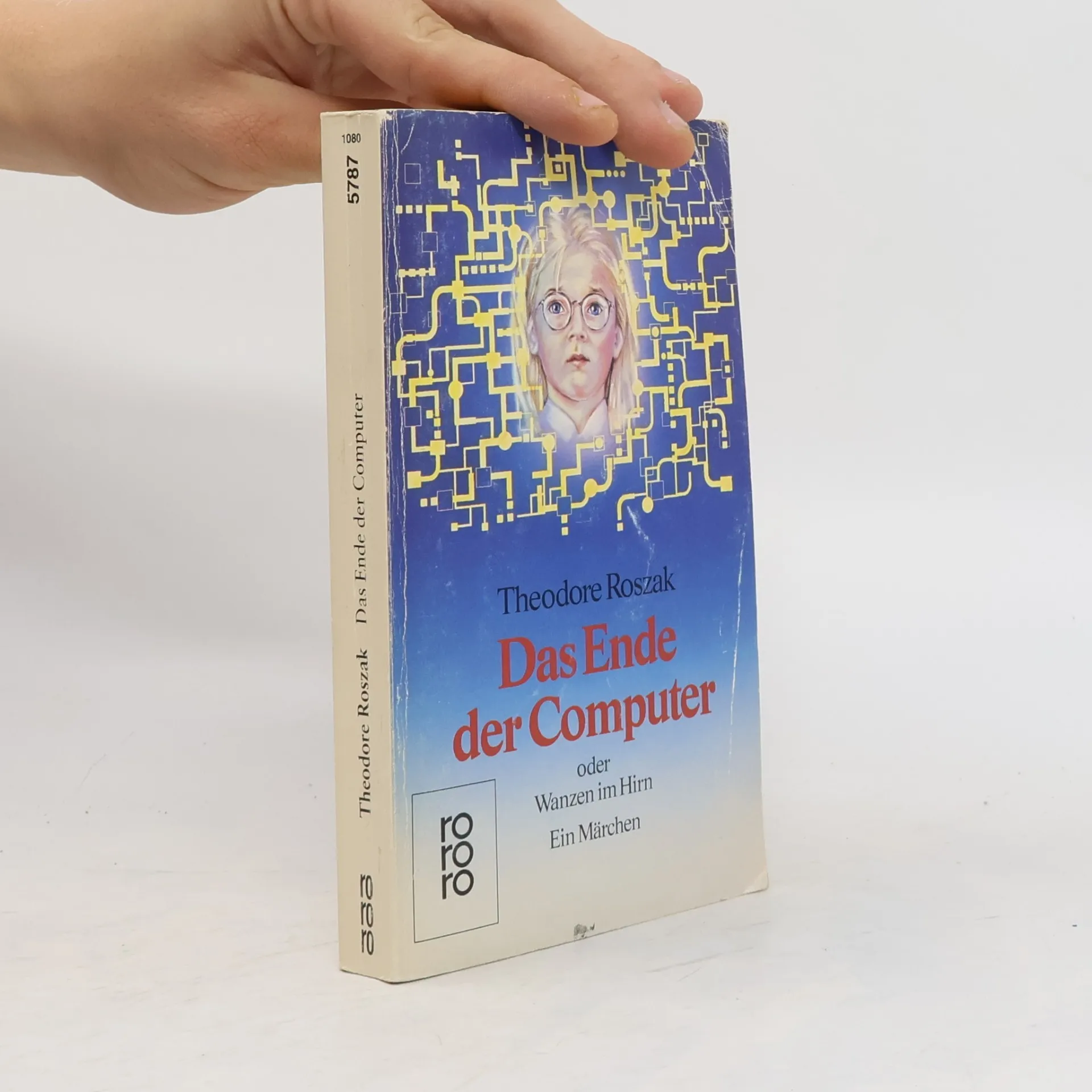
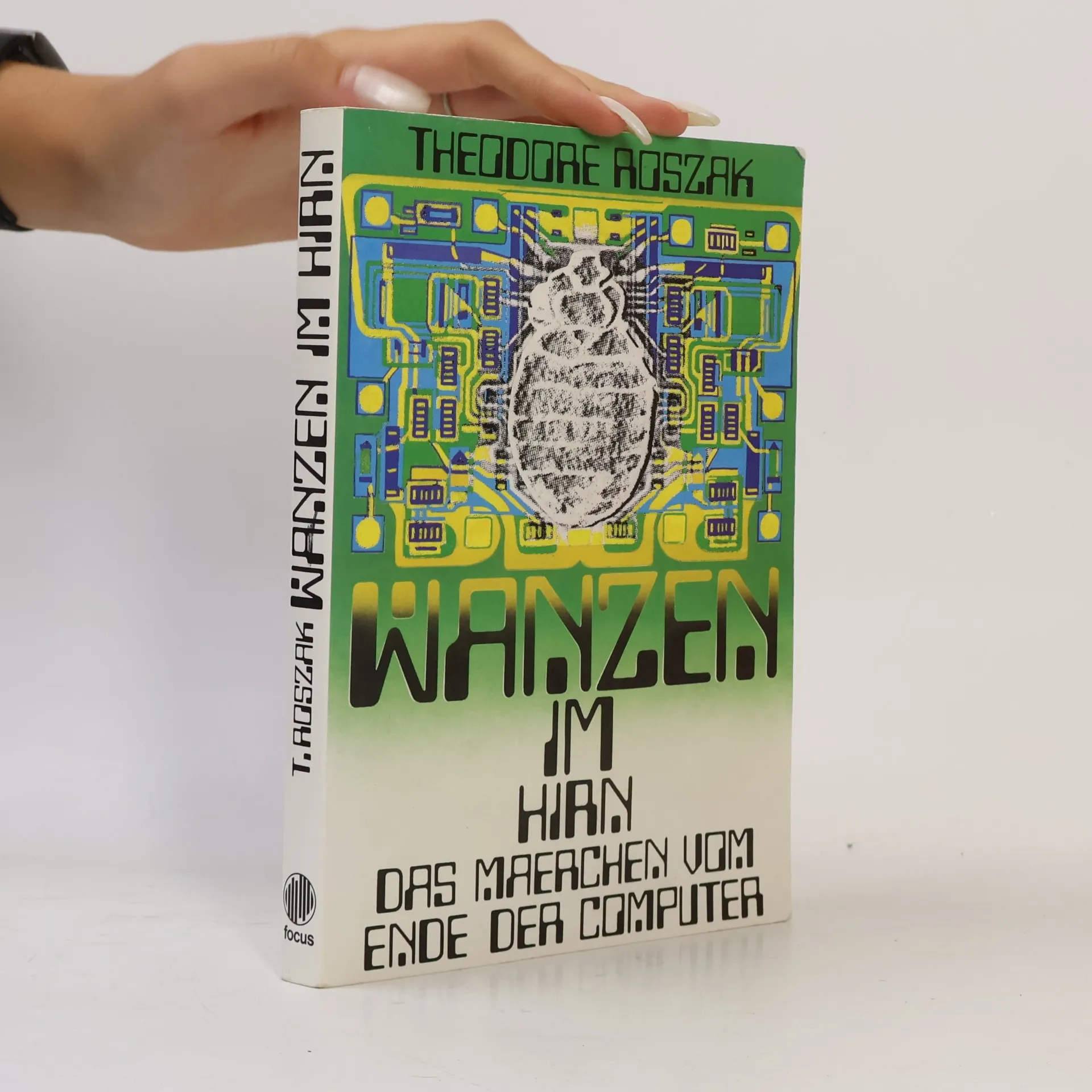
Elizabeth Frankensteins geheime Aufzeichnungen enthüllen eine andere Geschichte: War sie wirklich das unschuldige Opfer von Victors Experimenten? Dieses Buch bietet ein emotional und erotisch aufgeladenes Gegenstück zu Mary Shelleys "Frankenstein".
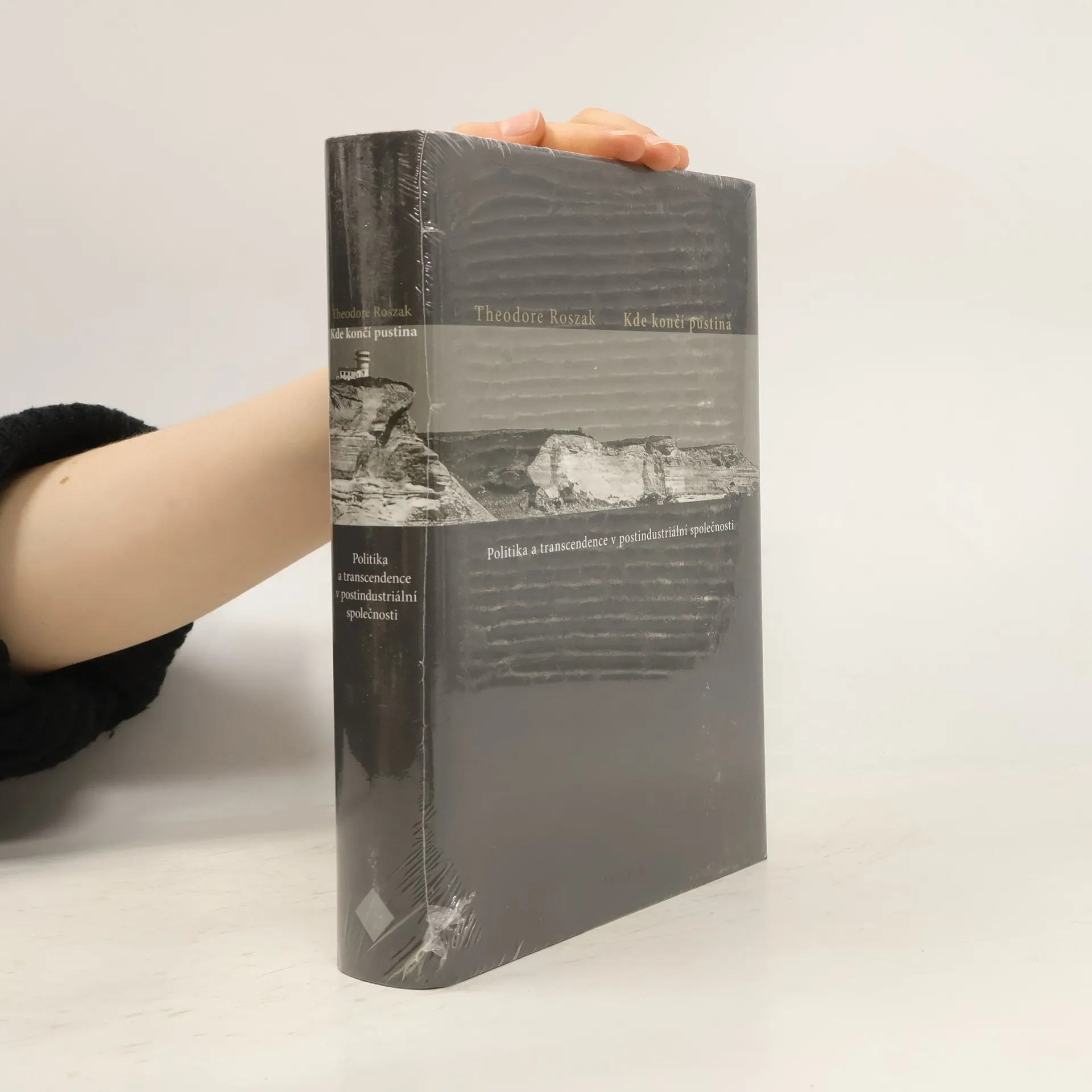
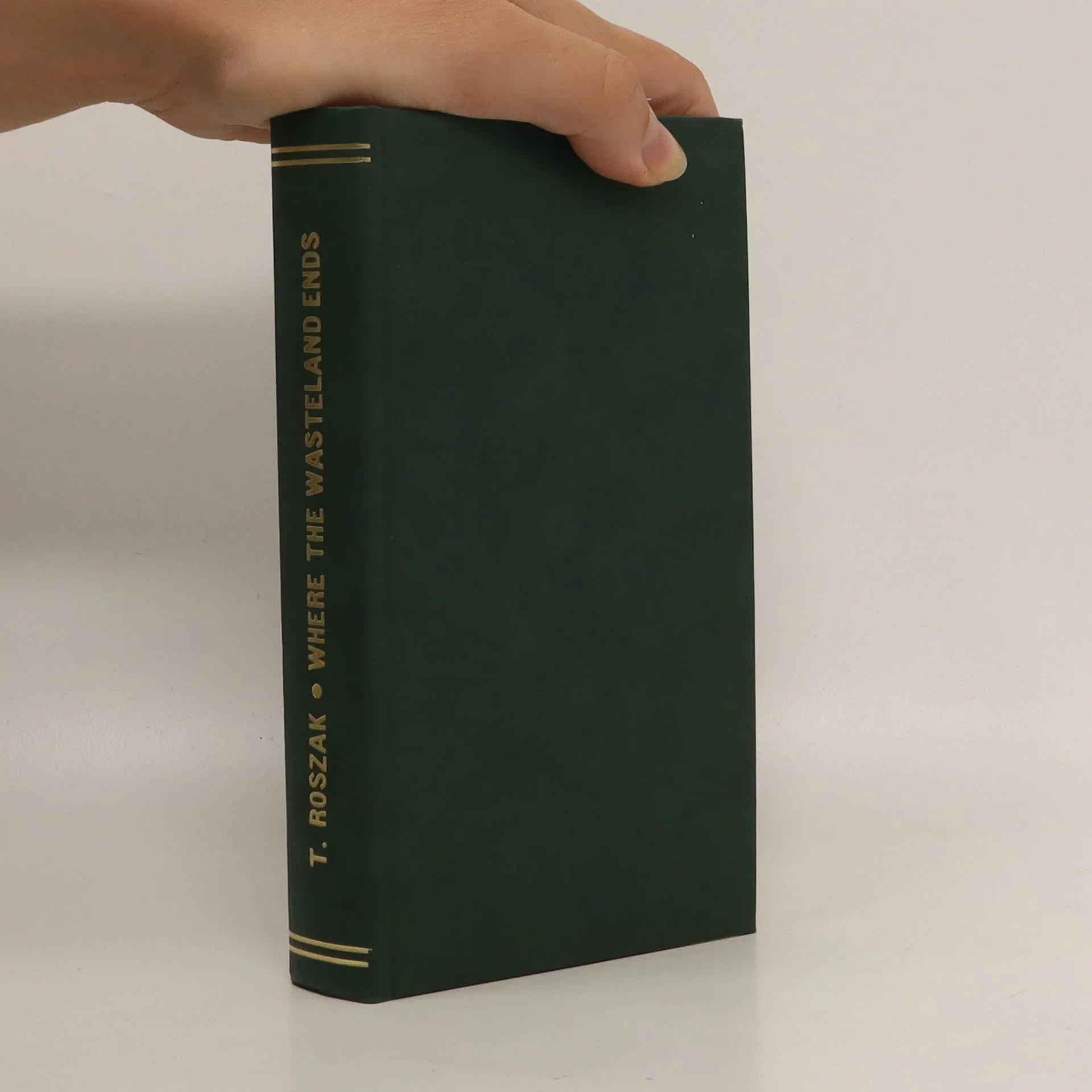
Theodore Roszak, významný americký historik a sociolog 20. století, se proslavil v roce 1970 svým „sociologickým bestsellerem“, v němž analyzuje transformaci industriální kultury na kulturu postindustriální a vznik alternativních postojů mezi mládeží. V knize Kde končí pustina? se zabývá potlačením transcendentního rozměru lidské osobnosti v západní kultuře a jeho vlivem na rozvoj umělého životního prostředí a technokratické politiky v městsko-průmyslové společnosti. Roszak tvrdí, že smrt Boha se stala politickou realitou a represe náboženské vnímavosti se stala společenskou a ekonomickou nutností. Upozorňuje, že pro rozvoj městsko-průmyslové kultury byla stejně důležitá jako akumulace kapitálu. V díle zkoumá, jak byla náboženská cítění v průmyslové společnosti bezohledně potlačována. Roszak provází čtenáře dějinami západní kultury a ukazuje, jak „pradávnou gnózi“ nahradila dominantní materialistická koncepce. Usiluje o znovunalezení duchovního rozměru života a vyváženého vztahu k přírodě, předjímá ekologickou vnímavost a vyzývá vědeckou obec k podpoře duchovní regenerace. Jeho závěrečná slova o budoucí politice naznačují, že duchovní a ekologická obnova mohou radikalizovat společnost. Roszakova studie si zachovává naléhavost i na počátku třetího tisíciletí, neboť mnohé jeho úvahy se ukázaly jako pravdivé.
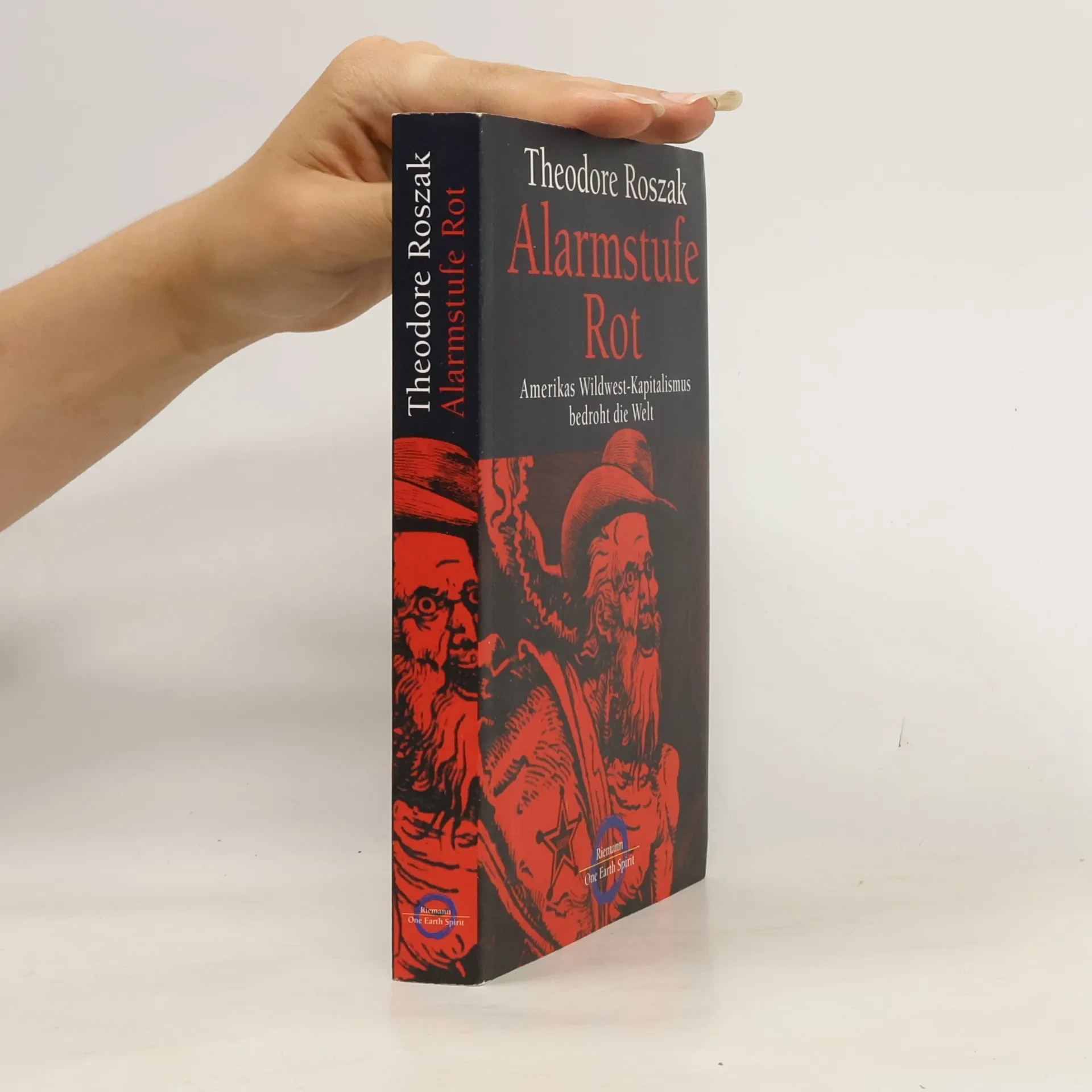
Die neue herrschende Klasse in Amerika ist erzkonservativ, christlich-fundamentalistisch und besteht aus Marktradikalen, die den Pluralismus der offenen Gesellschaft bekämpfen. Sie steuern Amerika auf einen Kurs, der von religiösem Sendungsbewusstsein und Wirtschaftsimperialismus geprägt ist. Der international anerkannte Kulturkritiker Theodore Roszak analysiert, wie Amerika zu neuer Legitimität gelangen kann und welche Rolle Europa dabei spielt. In seiner tiefgehenden Untersuchung der letzten 30 Jahre amerikanischer Geschichte zeigt er auf, dass Amerika zur Bühne einer erstarkenden Rechten geworden ist. Diese Macht wird durch drei Säulen verkörpert: Die Corporados, eine Gruppe von Wirtschaftsmagnaten, deren Gier keine Grenzen kennt, symbolisiert durch den Enron-Skandal und die „Killer-CEOs“, die sich über Gesetze hinwegsetzen. Die Triumphalisten, eine politische Klasse, setzen auf militärische Aufrüstung, um wirtschaftliche Herausforderer zu ersticken. Schließlich die Fundamentalisten, religiöse Fanatiker, die eine christliche Weltordnung notfalls gewaltsam durchsetzen wollen. Roszak fordert Europa auf, diese Allianz von Wirtschaft, Militär und Religion zu erkennen, um die USA an ihre demokratischen Standards zu erinnern und sie in internationale Organisationen zurückzuführen.