

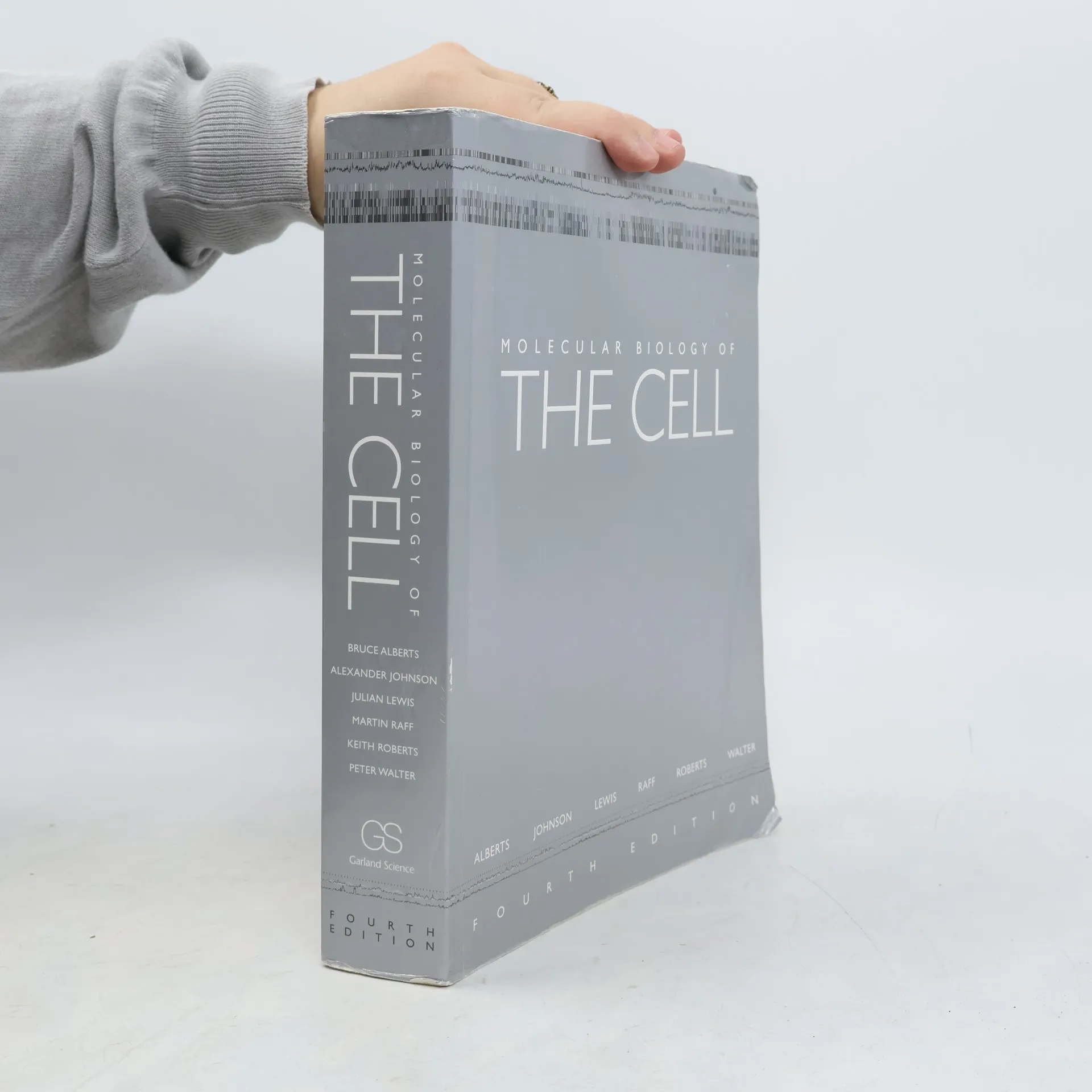
Publication Date: 21 Mar 2002 | ISBN-10: 0849371619 | ISBN-13: 978-0815340720 | Edition: 4 This comprehensive text reference in cell biology distills fundamental concepts from an expansive field, crafting a coherent framework for non-expert readers. Written in clear, engaging language and enhanced by beautiful illustrations, it conveys the excitement of modern biology. The Fourth Edition reflects the latest understanding of cell biology as of Autumn 2001, while also addressing the vast unknowns that remain. Retaining hallmark features from previous editions, the book boasts a clean, single-column layout and a consistent art program with over 1,600 photographs, electron micrographs, and original drawings. Each chapter begins with clear concept headings and includes extensive references, all subjected to a rigorous revision process that ensures a unified authorial voice. Key features include contextualization of current hot topics such as genomics, protein structure, and stem cell research, along with a focus on new genomic data. Two chapters dedicated to methods discuss the latest tools and techniques, while new content on "Pathogens, Infection, and Innate Immunity" is introduced. Additionally, a Cell Biology Interactive CD-ROM accompanies every copy.
Dennis Bray Livres
Cet auteur explore les complexités de l'expérience humaine à travers des techniques narratives. Ses œuvres abordent souvent de profondes questions éthiques, examinant la psyché humaine avec une profondeur saisissante. Grâce à un style et une approche d'écriture uniques, il invite les lecteurs à contempler la nature même de l'existence. Sa contribution à la littérature réside dans sa capacité à créer des mondes immersifs et stimulants.
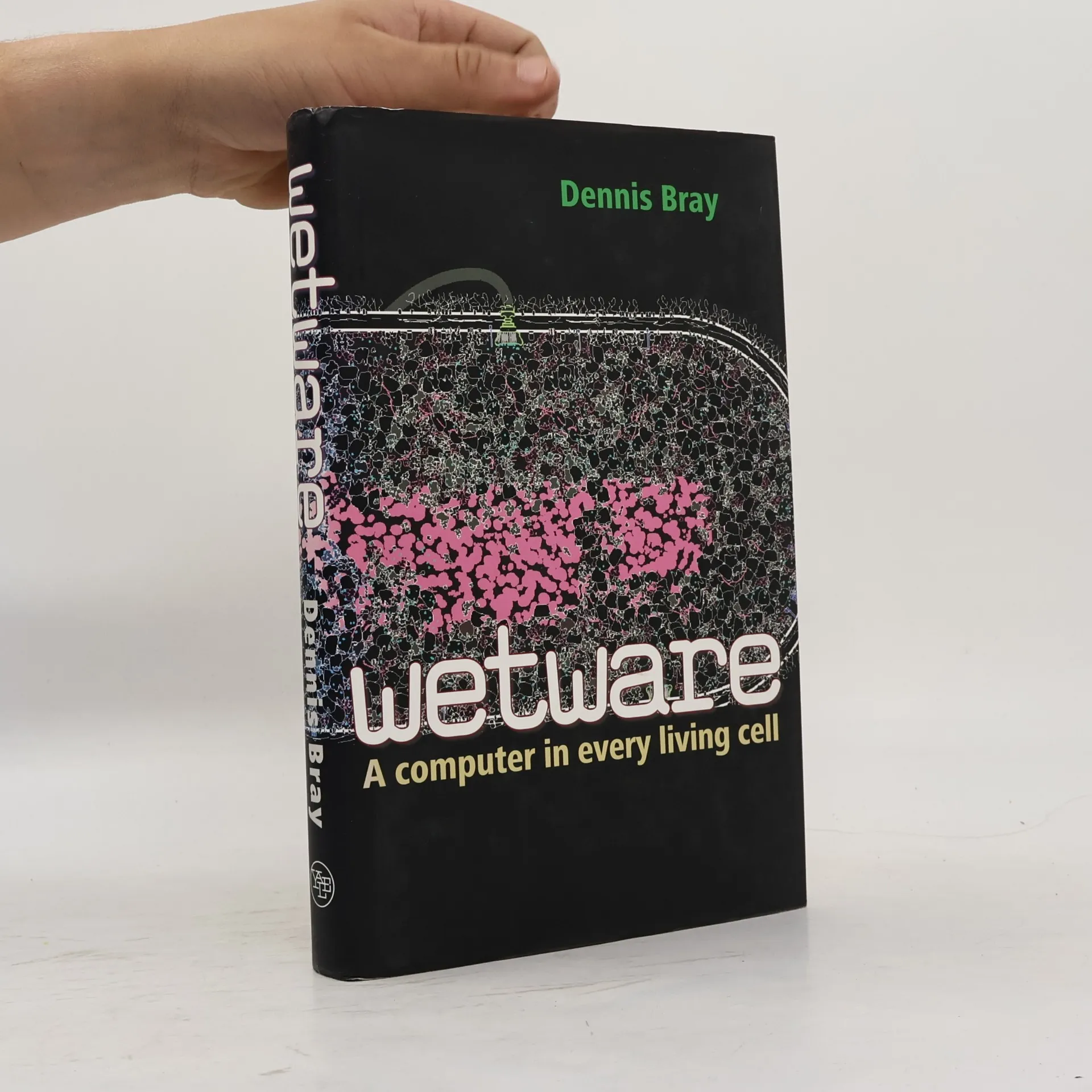
How does a single-cell creature, such as an amoeba, lead such a sophisticated life? How does it hunt living prey, respond to lights, sounds, and smells, and display complex sequences of movements without the benefit of a nervous system? This book offers a startling and original answer. In clear, jargon-free language, Dennis Bray taps the findings of the new discipline of systems biology to show that the internal chemistry of living cells is a form of computation. Cells are built out of molecular circuits that perform logical operations, as electronic devices do, but with unique properties. Bray argues that the computational juice of cells provides the basis of all the distinctive properties of living it allows organisms to embody in their internal structure an image of the world, and this accounts for their adaptability, responsiveness, and intelligence. In Wetware , Bray offers imaginative, wide-ranging and perceptive critiques of robotics and complexity theory, as well as many entertaining and telling anecdotes. For the general reader, the practicing scientist, and all others with an interest in the nature of life, the book is an exciting portal to some of biology’s latest discoveries and ideas.
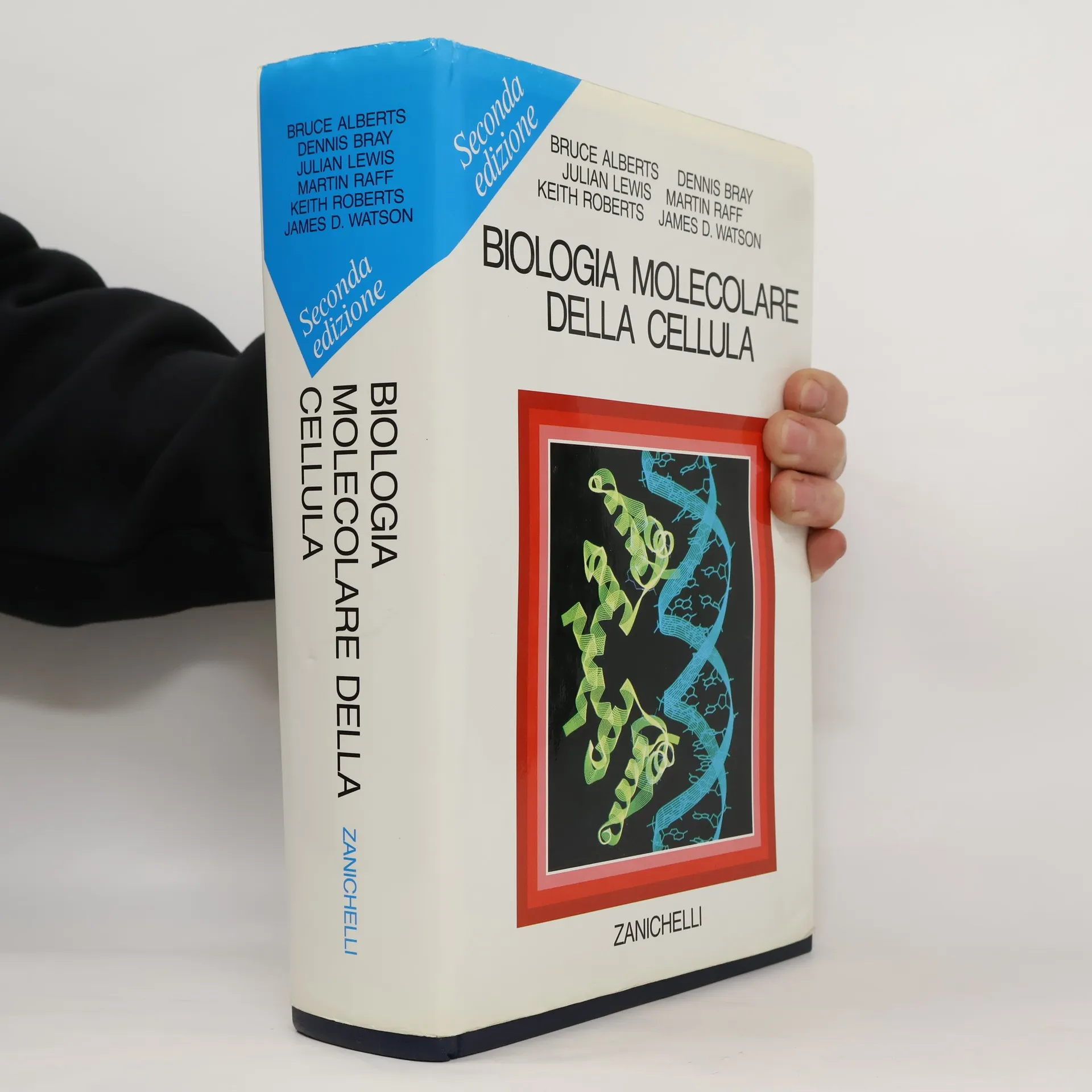
Biologia medicina scienze nat. Testi: Biologia molecolare della cellula
Seconda edizione
- 1596pages
- 56 heures de lecture