

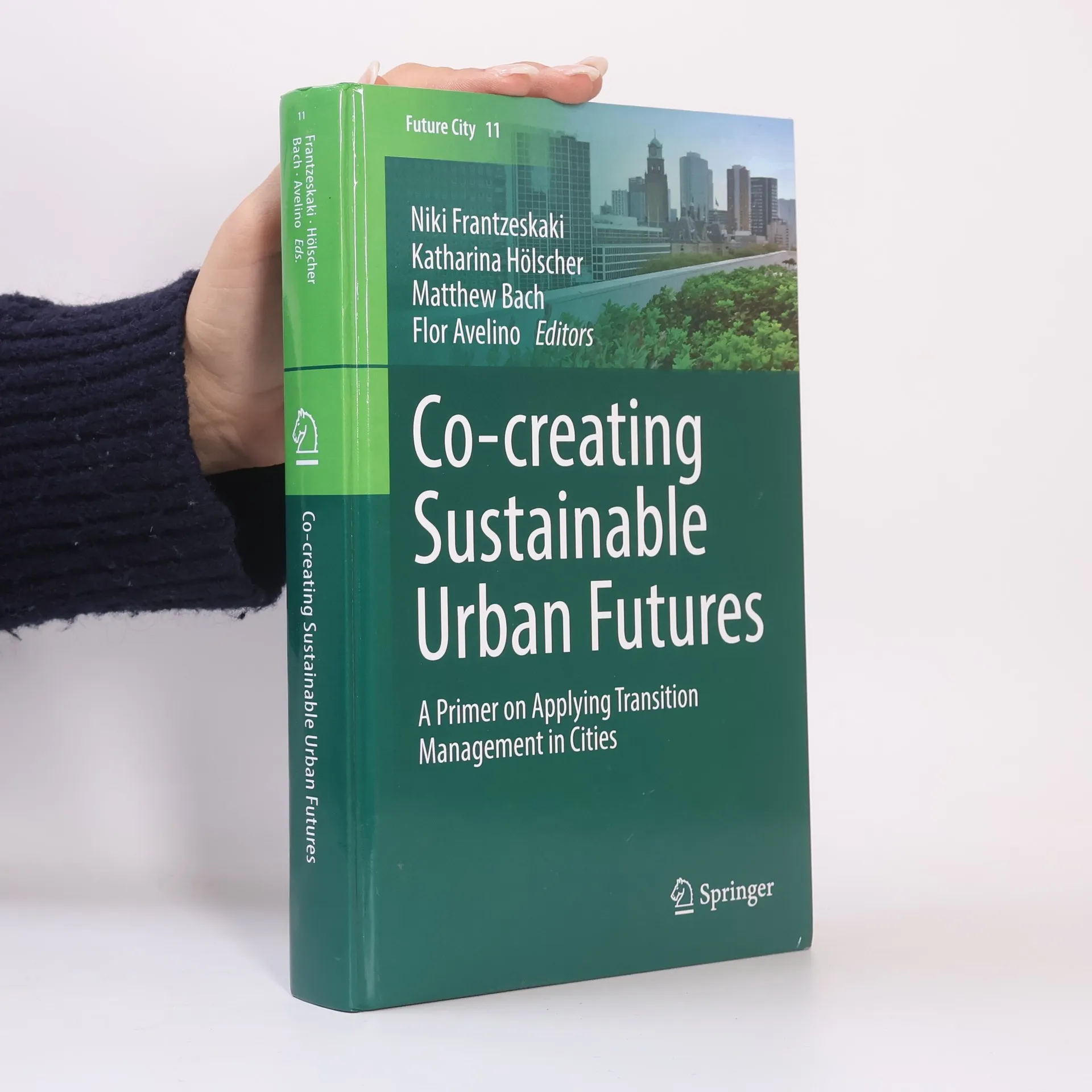
Future City - 11: Co-Creating Sustainable Urban Futures
A Primer on Applying Transition Management in Cities
- 425pages
- 15 heures de lecture
This unique book provides valuable insights into understanding and contributing to urban sustainability transitions. It merges theoretical frameworks and practical experiences in transition management, supporting urban planning and governance toward sustainability. Readers will learn to navigate the complexities of urban sustainability and identify persistent problems in cities. Urban planners and professionals will develop skills for designing transition management processes and engaging with multidisciplinary knowledge in solution-seeking efforts. The book features diverse local case studies from around the world, including Rotterdam, La Botija, Sydney, and Cleveland, offering inspiration and practical insights for young planners on fostering sustainable urban futures in collaboration with stakeholders. These case studies, along with critical reflections on transition management applications, encourage thoughtful discussion and welcome critique. They introduce new perspectives on the co-creation dynamics of power, (dis-)empowerment, legitimacy, and evolving actor roles. Ultimately, this resource equips readers with a comprehensive understanding of the dynamics, opportunities, and challenges inherent in urban contexts and sustainability transitions.