

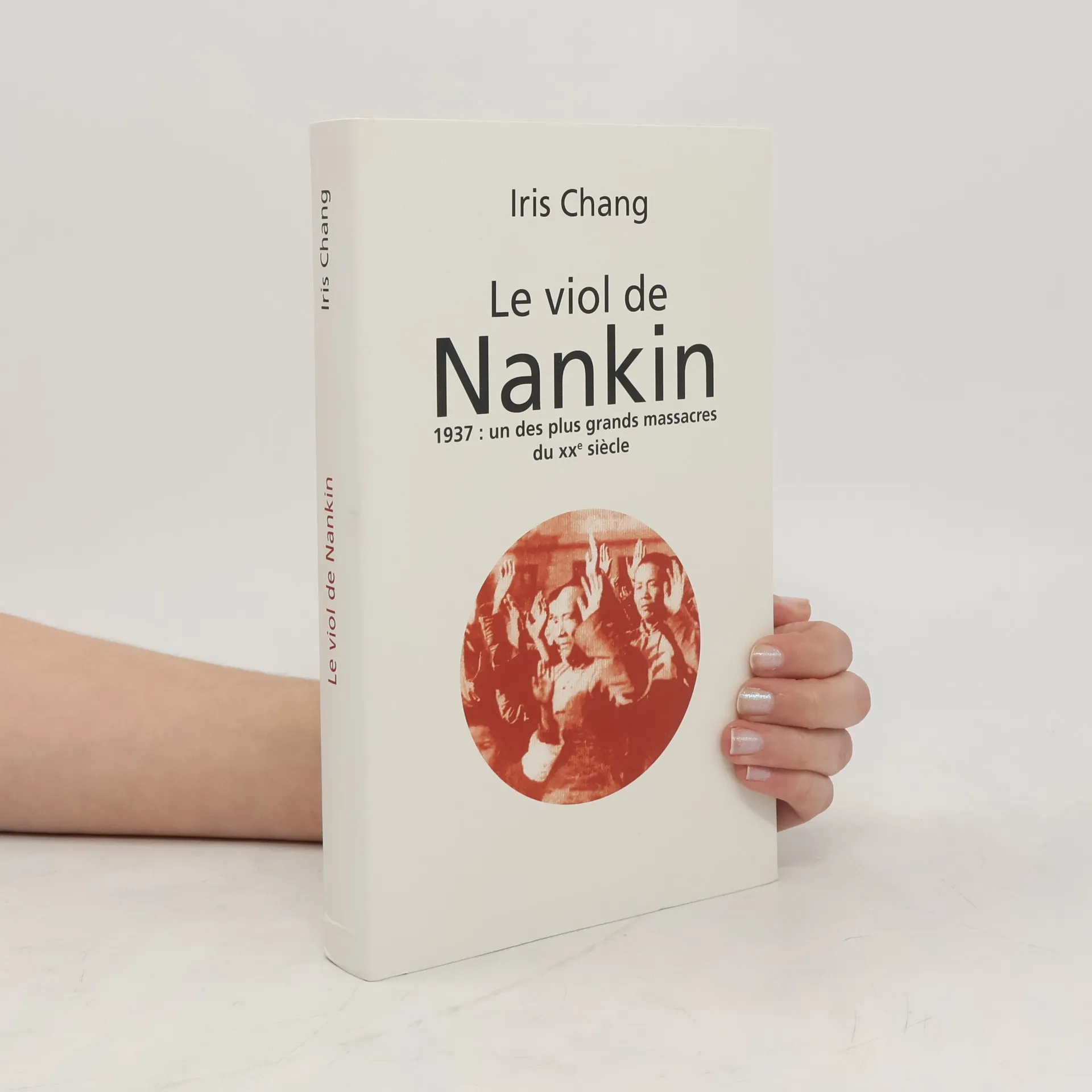
L'un des plus grands massacres du XXe siècle s'est déroulé en Chine à la fin de 1937. Le 13 décembre, quelques mois après le début du conflit qu'ils imposent aux Chinois, les Japonais s'emparent de Nankin, alors capitale de la Chine. Durant des semaines, ils vont se livrer à une orgie de violence : tortures, viols, meurtres en masse. Dans cet ouvrage pionnier, Iris Chang raconte avec force et précision ce qui s'est passé selon le triple point de vue des bourreaux, des victimes et des Occidentaux. Elle décrit aussi comment une poignée d'Américains et d'Européens, dont un homme d'affaires nazi, John Rabe, qu'elle surnomme l'" Oskar Schindler de la Chine", ont aménagé une zone de sécurité qui leur a permis de sauver des dizaines de milliers de vies. Enfin, elle analyse le lourd traumatisme qui a suivi le drame jusqu'à nos jours, montrant combien la mémoire chinoise s'est cristallisée sur ce qu'il faut appeler le viol d'une nation. Iris Chang avait 29 ans lorsqu'elle publia ce livre incendiaire qui devint aussitôt un best-seller aux Etats-Unis et fut traduit en de nombreuses langues. Quelques années plus tard, le 9 novembre 2004, à 36 ans, elle mettait fin à ses jours sur une route désertique de Californie.
Iris Chang Livres
Iris Chang était une auteure sino-américaine dont le travail s'est concentré sur la chronique d'événements historiques négligés. Ses écrits ont exploré les expériences traumatisantes et les injustices auxquelles ont été confrontées les communautés chinoises aux XIXe et XXe siècles. Grâce à des recherches méticuleuses et à une narration brute, Chang a mis en lumière des histoires de souffrance et de résilience, attirant l'attention des lecteurs sur des événements essentiels mais souvent oubliés. Son héritage réside dans sa quête persistante de la vérité historique et dans son engagement à garantir que les torts passés ne soient pas effacés de la mémoire.

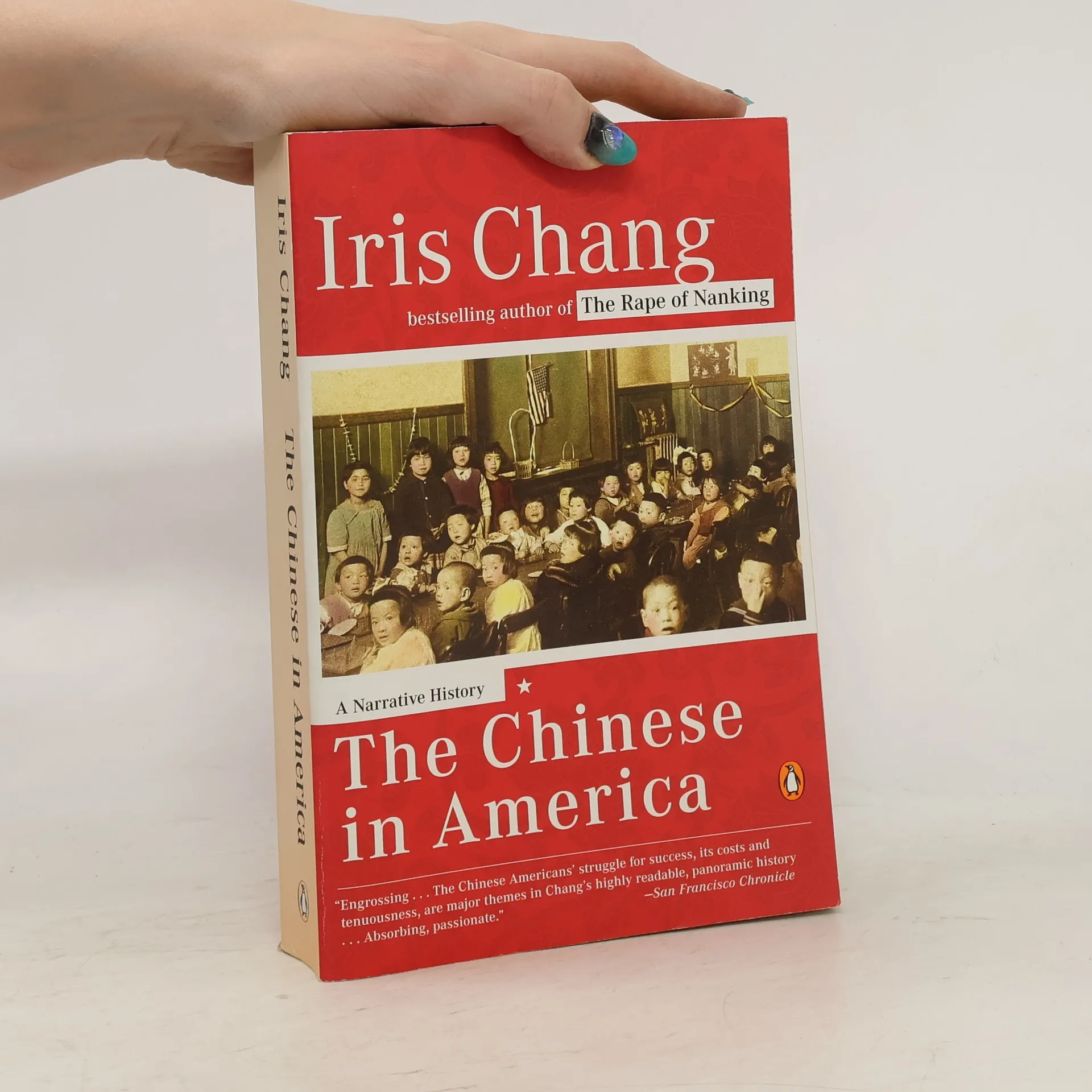
The Chinese in America
- 496pages
- 18 heures de lecture
A quintessiantially American story chronicling Chinese American achievement in the face of institutionalized racism by the New York Times bestselling author of The Rape of NankingIn an epic story that spans 150 years and continues to the present day, Iris Chang tells of a people’s search for a better life—the determination of the Chinese to forge an identity and a destiny in a strange land and, often against great obstacles, to find success. She chronicles the many accomplishments in America of Chinese immigrants and their building the infrastructure of their adopted country, fighting racist and exclusionary laws and anti-Asian violence, contributing to major scientific and technological advances, expanding the literary canon, and influencing the way we think about racial and ethnic groups. Interweaving political, social, economic, and cultural history, as well as the stories of individuals, Chang offers a bracing view not only of what it means to be Chinese American, but also of what it is to be American.
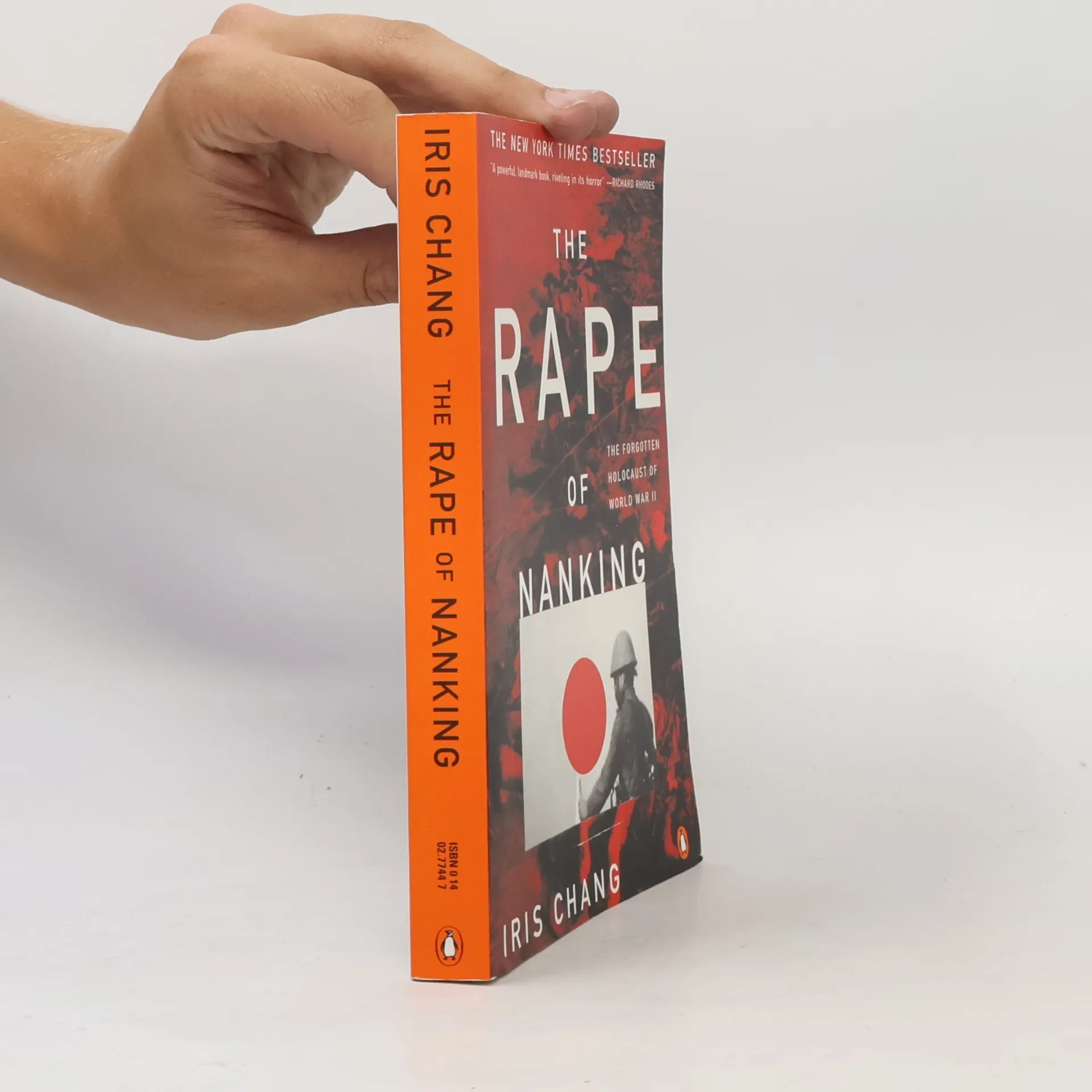
The Rape of Nanking : The Forgotten Holocaust of World War II
- 304pages
- 11 heures de lecture
Attempts to analyze the degree to which the Japanese imperial government and its militaristic culture fostered in the Japanese soldier a total disregard for human life.
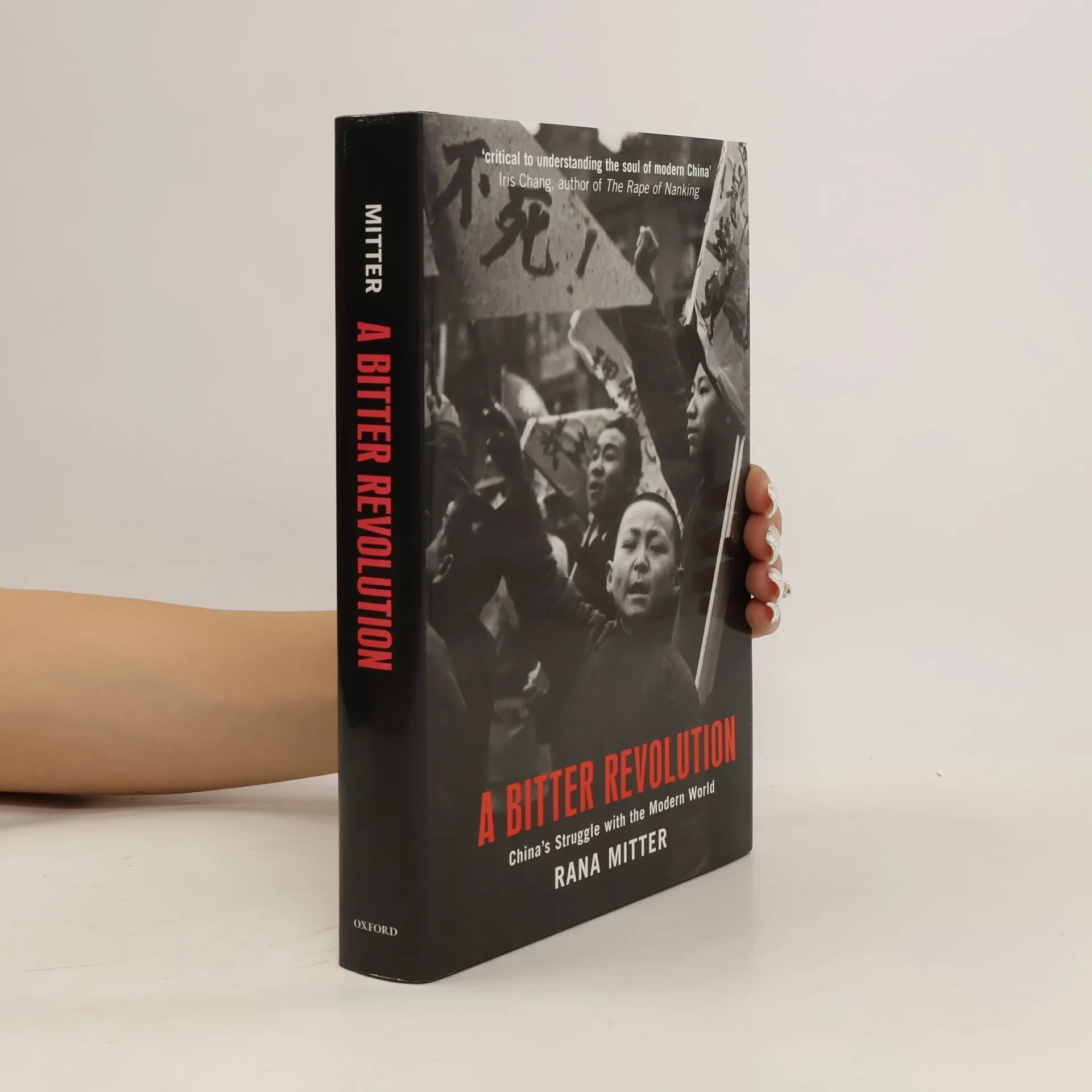
China today is poised for a significant role on the world stage, but the early twentieth century presented a starkly different scenario. In this compelling examination of modern China, Rana Mitter revisits a pivotal moment in its history to reveal the roots of its challenging transition from pre-modernity to modernity. He highlights May 4, 1919, as a crucial turning point, when outrage over the Paris peace conference sparked a massive student protest, leading to the May Fourth Movement. Just seven years prior, the 2,000-year-old imperial system had fallen, paving the way for a new wave of urban intellectuals who began to reject Confucianism and traditional culture as barriers to progress against imperialism, warlordism, and social injustices. This "New Culture movement" embraced modernity and individualism, influencing critical decades to come: the 1940s, marked by the war against Japan and the civil conflict between Nationalists and Communists; the chaotic 1960s under Mao Zedong's Cultural Revolution; and the 1980s, characterized by a semi-market economy amidst single-party rule and rising inequality. The themes of May 4 have persisted through these eras, reflecting China’s ongoing quest for a new narrative about its identity and future.
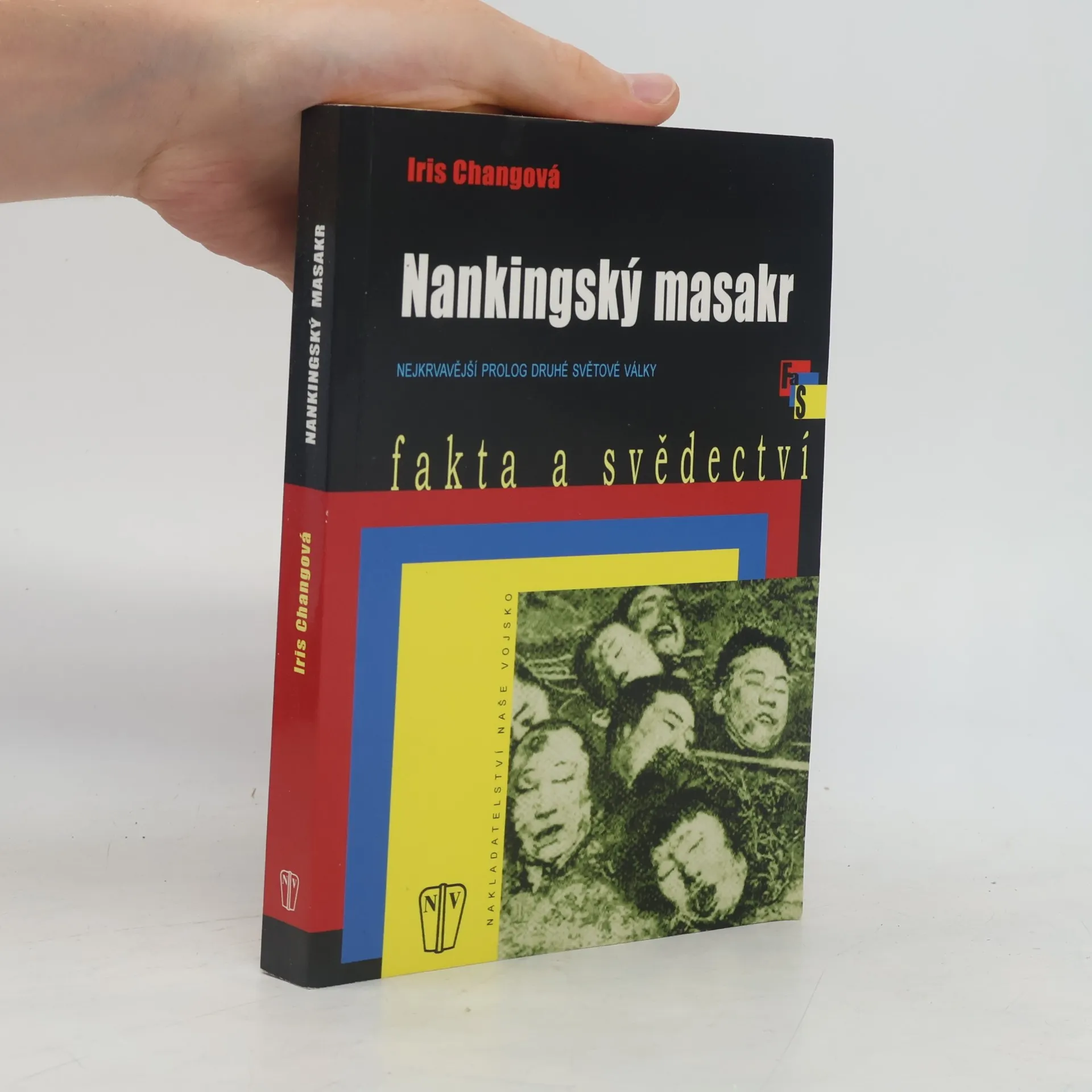
Nankingský masakr. Nejkrvavější prolog druhé světové války
- 251pages
- 9 heures de lecture
V prosinci roku 1937 bylo tehdejší hlavní město Číny vystaveno jednomu z nejhrůznějších masakrů v dějinách válek. Japonští vojáci vtrhli do starobylého Nankingu a během několika měsíců systematicky znásilňovali, mučili a zavraždili víc než 300 000 bezbranných mužů, žen a dětí. Iris Changová, americká spisovatelka čínského původu, jejíž prarodiče jen o vlásek masakru unikli, pro svou knihu využila rozhovorů s těmi, kteří běsnění Japonců přežili, i nově objevené dokumenty.
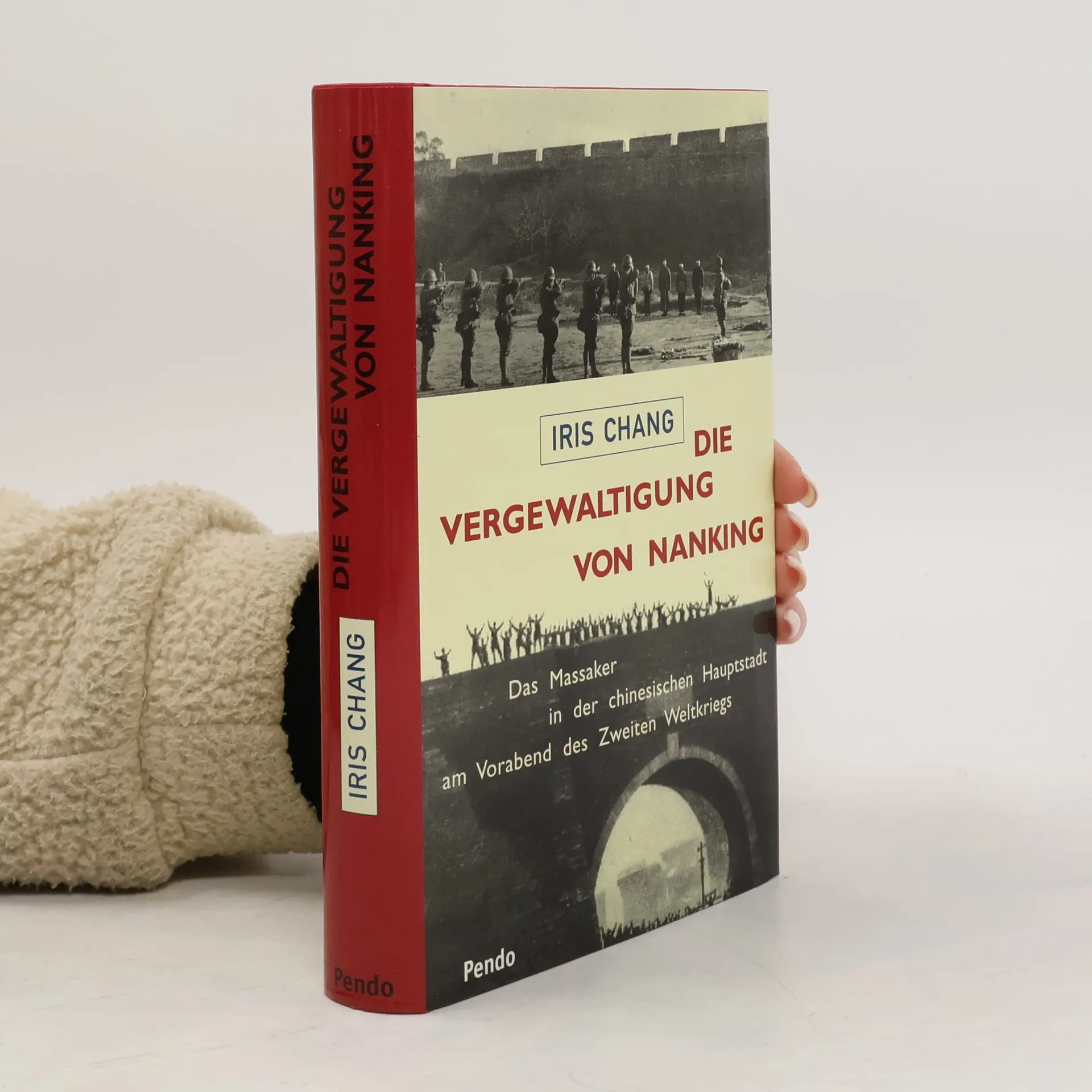
Die Vergewaltigung von Nanking
- 283pages
- 10 heures de lecture
Im Dezember 1937 eroberten japanische Truppen Nanking, die damalige Hauptstadt Chinas. In den folgenden Wochen war Nanking der Schauplatz eines der entsetzlichsten Massaker der modernen Kriegsgeschichte. In einer unbeschreiblichen Gewaltorgie vergewaltigte, verstümmelte und ermordete das für seine Disziplin berühmte japanische Militär etwa 300 000 Männer, Frauen und Kinder. Iris Chang schildert das Geschehen aus drei Perspektiven, der der japanischen Soldaten, der chinesischen Opfer und schließlich der Europäer und Amerikaner, die damals in Nanking lebten.