

Bookbot

Aaron L Friedberg

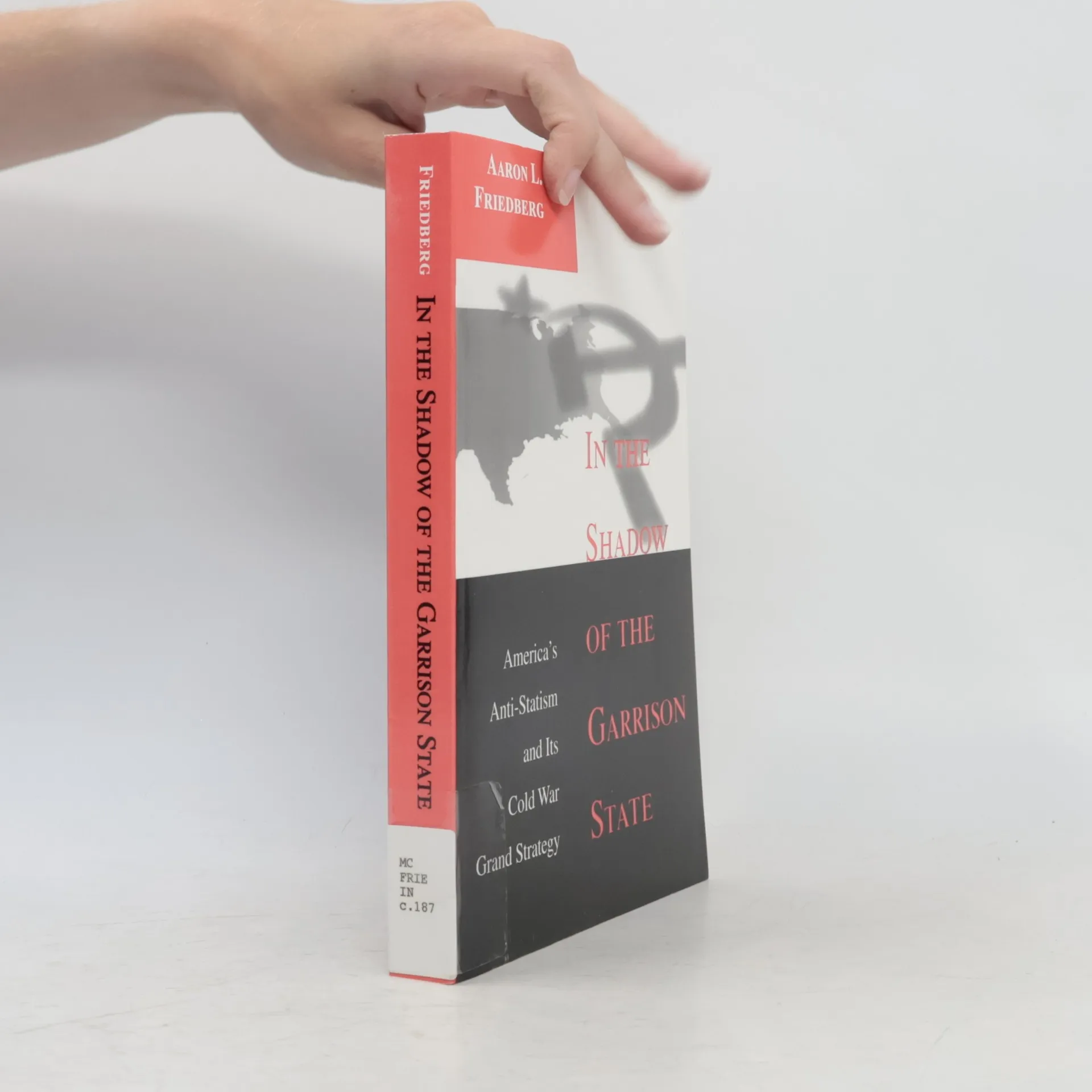
    Princeton Studies in International History and Politics: In the Shadow of the Garrison State
    Getting China Wrong
    • Getting China Wrong

      • 224pages
      • 8 heures de lecture

      The West's strategy of engagement with China has failed. More than three decades of trade and investment with the advanced democracies have left that country far richer and stronger than it would otherwise have been. But growth and development have not caused China's rulers to relax their grip on political power, abandon their mercantilist economic policies, or accept the rules and norms of the existing international system. To the China today is more repressive at home, more aggressive abroad, and more obviously intent on establishing itself as the world’s preponderant power than at any time since the death of Chairman Mao. What went wrong? Put simply, the democracies underestimated the resilience, resourcefulness, and ruthlessness of the Chinese Communist Party. For far too long, the United States and its allies failed to take seriously the Party's unwavering determination to crush opposition, build national power, and fulfill its ideological and geopolitical ambitions. In this timely and powerfully argued study, Aaron Friedberg identifies the assumptions underpinning engagement, describes the counterstrategy that China's Communist Party rulers devised in order to exploit the West's openness while defeating its plans, and explains what the democracies must do now if they wish to preserve their prosperity, protect their security, and defend their common values.

      Getting China Wrong
      4,6
    • Princeton Studies in International History and Politics: In the Shadow of the Garrison State

      America's Anti-Statism and Its Cold War Grand Strategy

      • 380pages
      • 14 heures de lecture

      War typically strengthens states through increased taxation, conscription, and control over production, but the United States was founded on a deep suspicion of state power. This skepticism shaped its institutions and influenced political sentiments throughout the twentieth century. In a comprehensive rethinking of postwar political history, Aaron Friedberg argues that these anti-statist inclinations prevented Cold War fears from transforming the U.S. into a garrison state. Utilizing a range of primary and secondary sources, including newly accessible archival materials, Friedberg posits that the perceived "weakness" of the American state was actually a source of national strength, enabling the U.S. to outperform its centralized rival, the Soviet Union. His analysis reveals that while the American state did expand during the early Cold War, domestic constraints—rooted in self-interest and a belief in limiting federal power—helped maintain economic vitality, technological superiority, and public support for Cold War initiatives. By the early 1960s, this strategic synthesis was both functional and stable, allowing the U.S. to deter and ultimately outlast the Soviet Union without excessively curtailing the freedoms of its citizens. This thoroughly researched volume will be valuable to political scientists, historians, and general readers interested in Cold War history, offering insights that contribute to understanding how libera

      Princeton Studies in International History and Politics: In the Shadow of the Garrison State