Mastering the BACB(c) Ethical Requirements for Registered Behavior Technicians(TM)
240pages
9 heures de lecture
Designed for aspiring Registered Behavior Technicians, this practical textbook provides a comprehensive understanding of the RBT® Ethics Code established by the Behavior Analyst Certification Board. It equips students with the necessary knowledge and tools to adhere to ethical standards in their practice, ensuring they are well-prepared for their roles in the field of behavior analysis.
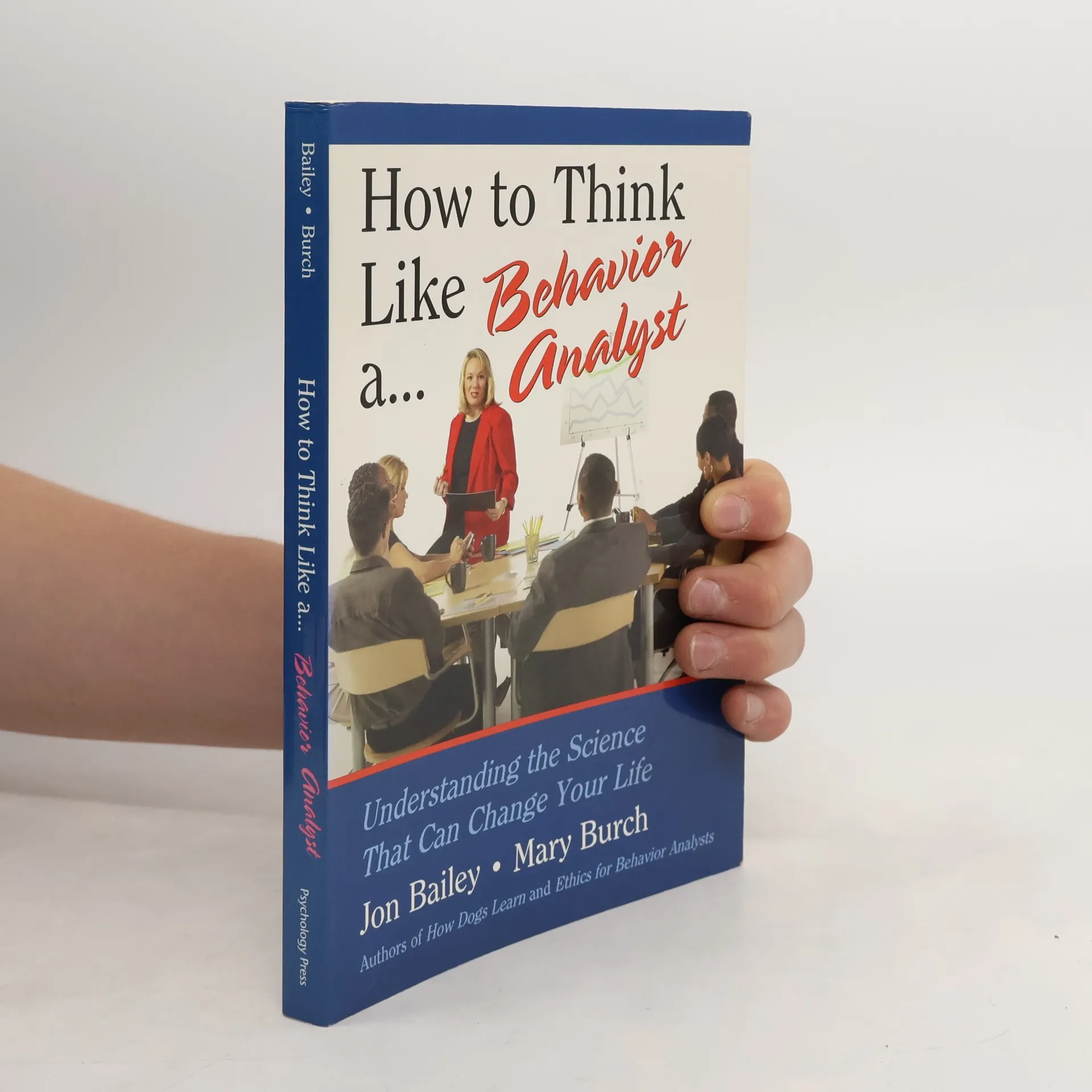
Understanding the Science That Can Change Your Life
201pages
8 heures de lecture
This resource offers a revolutionary perspective on understanding complex human behavior and enhancing quality of life. Behavior analysts present a unique worldview, emphasizing that human behavior is largely learned and can change with the right interventions. This empowering approach enables individuals to analyze the actions of those around them and understand the motivations behind such behavior.
The book addresses fundamental questions, such as the distinctions between behavior analysis and psychotherapy, the nature of analysis, and the significance of evidence-based treatment. A dedicated chapter on Applications provides practical tips for employing behavioral procedures to improve lives and navigate interpersonal relationships, illustrating their use in community settings.
In a question-and-answer format, it thoroughly explores 50 frequently asked questions about behavior analysis, making the content both educational and engaging. Developed from inquiries raised by students over 35 years and consumers of behavior analysis services, it serves a diverse audience, including psychology and behavior analysis students, parents, teachers, employers, and employees. The text can complement primary materials in introductory psychology courses, with exercises following each question designed to foster discussion and active learning through role-play and other interactive methods.