Damon Runyon Ordre des livres (chronologique)
4 octobre 1880 – 10 décembre 1946
Damon Runyon est célèbre pour ses récits vivants qui capturent le monde vibrant de Broadway à New York durant l'ère de la Prohibition. Son style distinctif « runyonesque » est un mélange unique de langage formel et d'argot coloré, souvent raconté au présent et évitant délibérément les contractions. Runyon a tissé des contes humoristiques peuplés de joueurs, d'escrocs, d'acteurs et de gangsters, dont beaucoup adoptèrent des surnoms colorés au lieu de leurs noms. Ses personnages et leurs dialogues uniques ont créé une tapisserie inoubliable de la culture underground américaine.




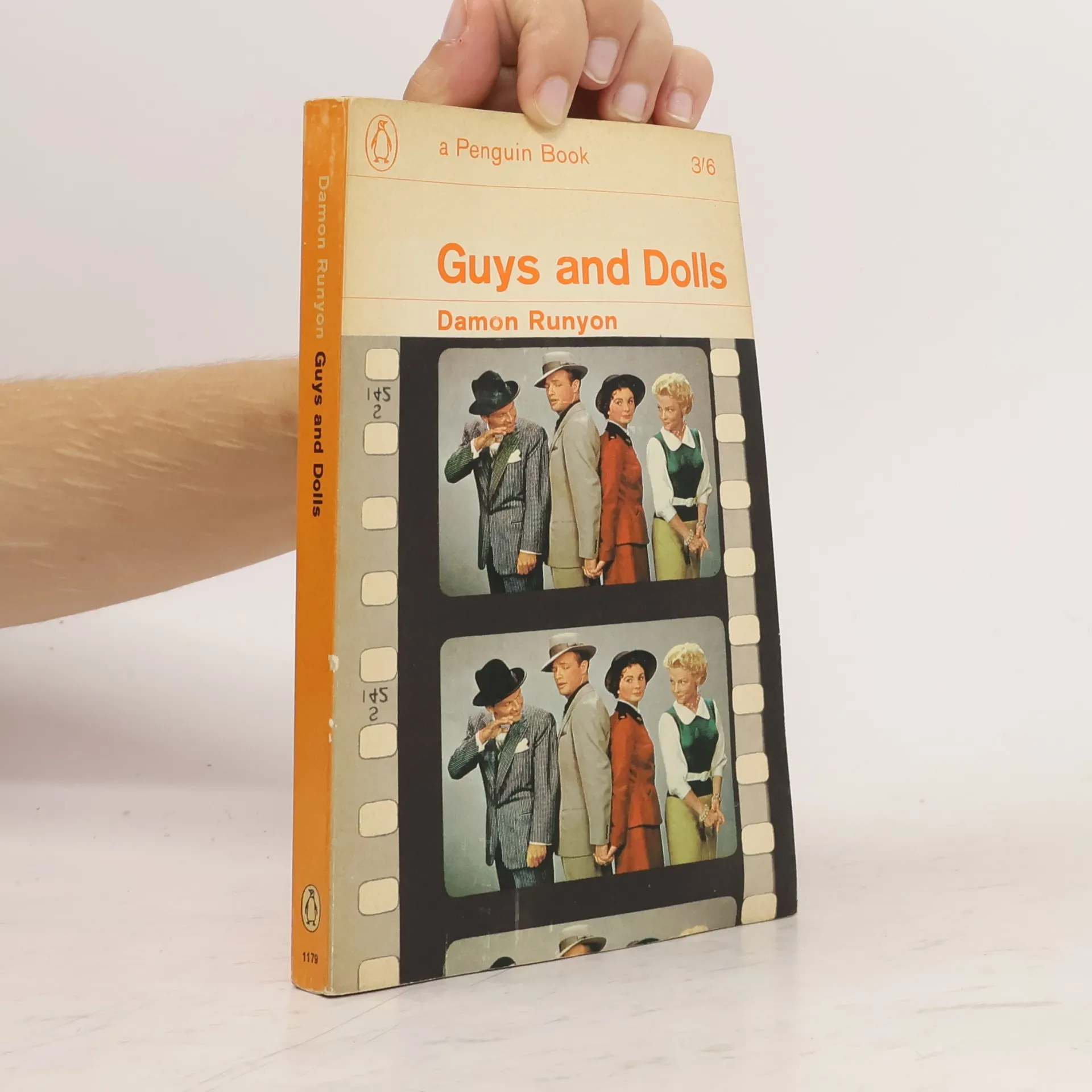
Guys and Dolls and Other Stories
- 288pages
- 11 heures de lecture
You can count on Guys and Dolls being revived at least once every ten years, likely as long as there is an America. The stories of Damon Runyon, which inspired what many consider the greatest musical ever, are as quintessentially American as apple pie. This collection features thirty-two tales that showcase Runyon's unique characters. Start with "Broadway Complex," introducing Miss Florentine Fayette and a cast of colorful figures such as Bib Nig the crap shooter and Nathan Detroit, who runs the tables. In "The Idyll of Miss Sarah Brown," the inspiration for Guys and Dolls, you'll encounter Obadiah Sky Masterson, a renowned crap shooter, and Miss Sarah Brown, a stunning mission worker. Delight in classics like "Little Miss Marker," which became Shirley Temple's first film; "A Piece of Pie," featuring the legendary eater Nicely-Nicely Jones; "Blood Pressure," with characters like Rusty Charley and Sleepout Sam Levinsky; and "Situation Wanted," starring Asleep, who is infatuated with Miss Anna Lark, a dancer at the Starlight restaurant. Runyon's imaginative tales will make you smile and yearn for the vibrant Broadway of the past.
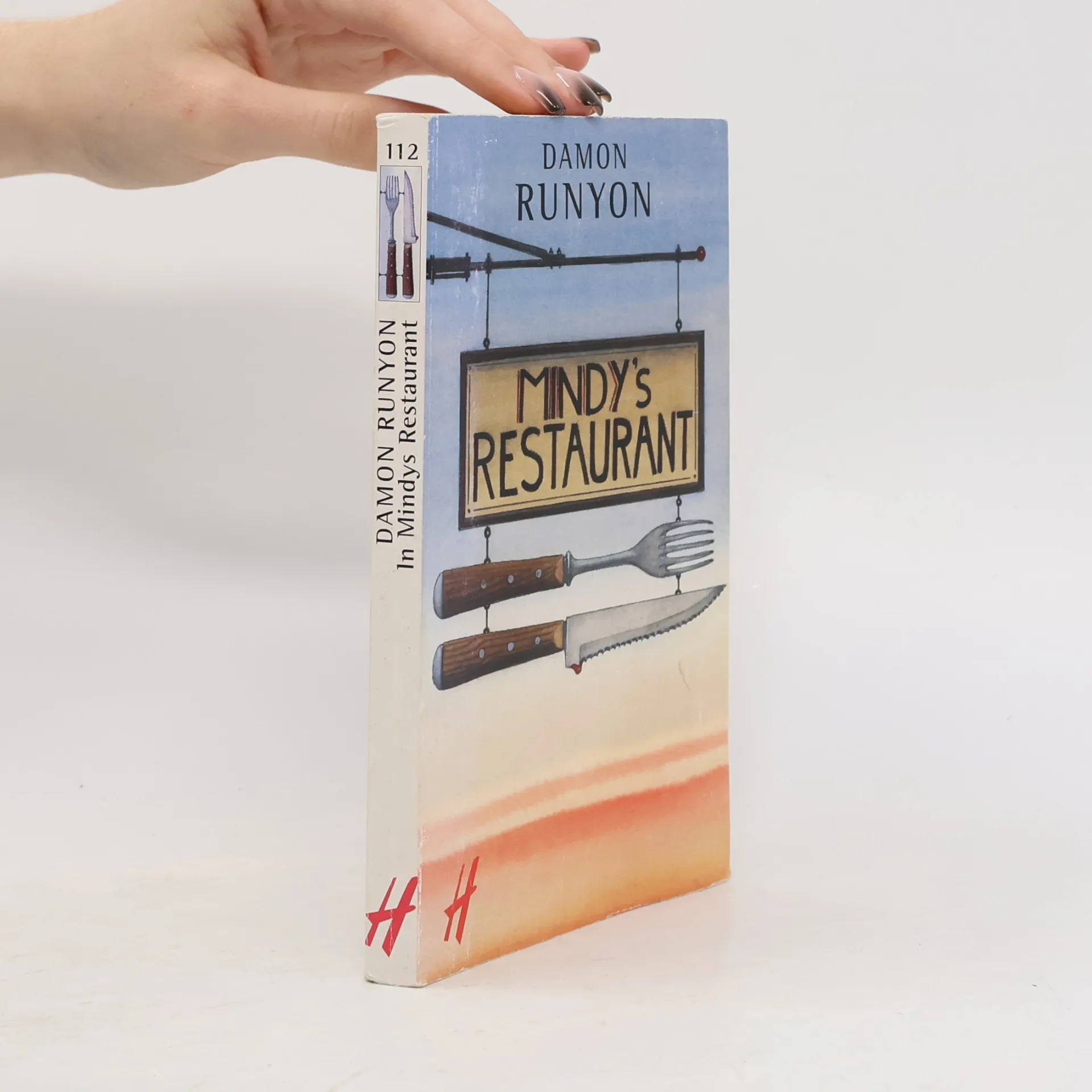
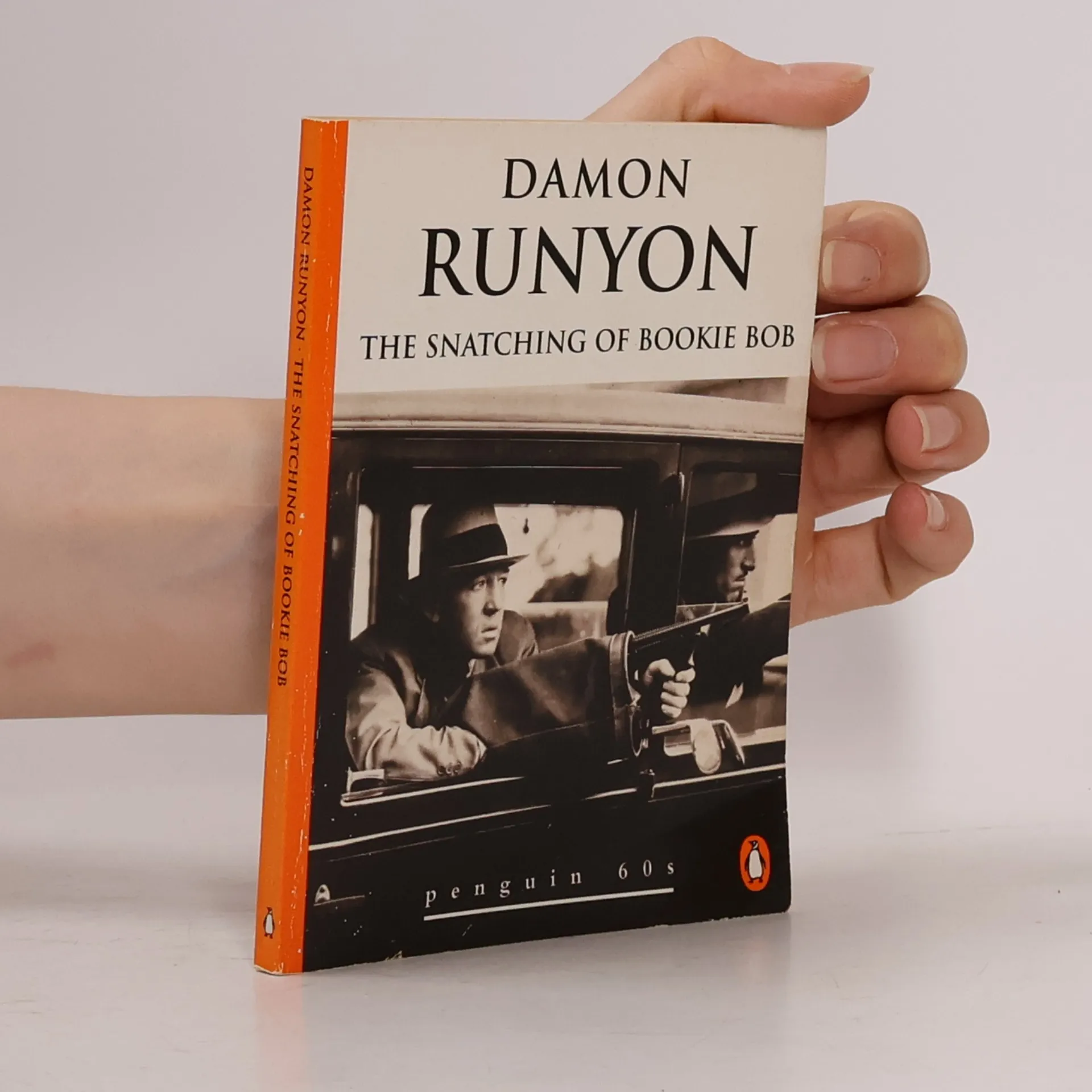
The Snatching of Bookie Bob - bk340; Penguin Books; Damon Runyon; pocket_book; 1995
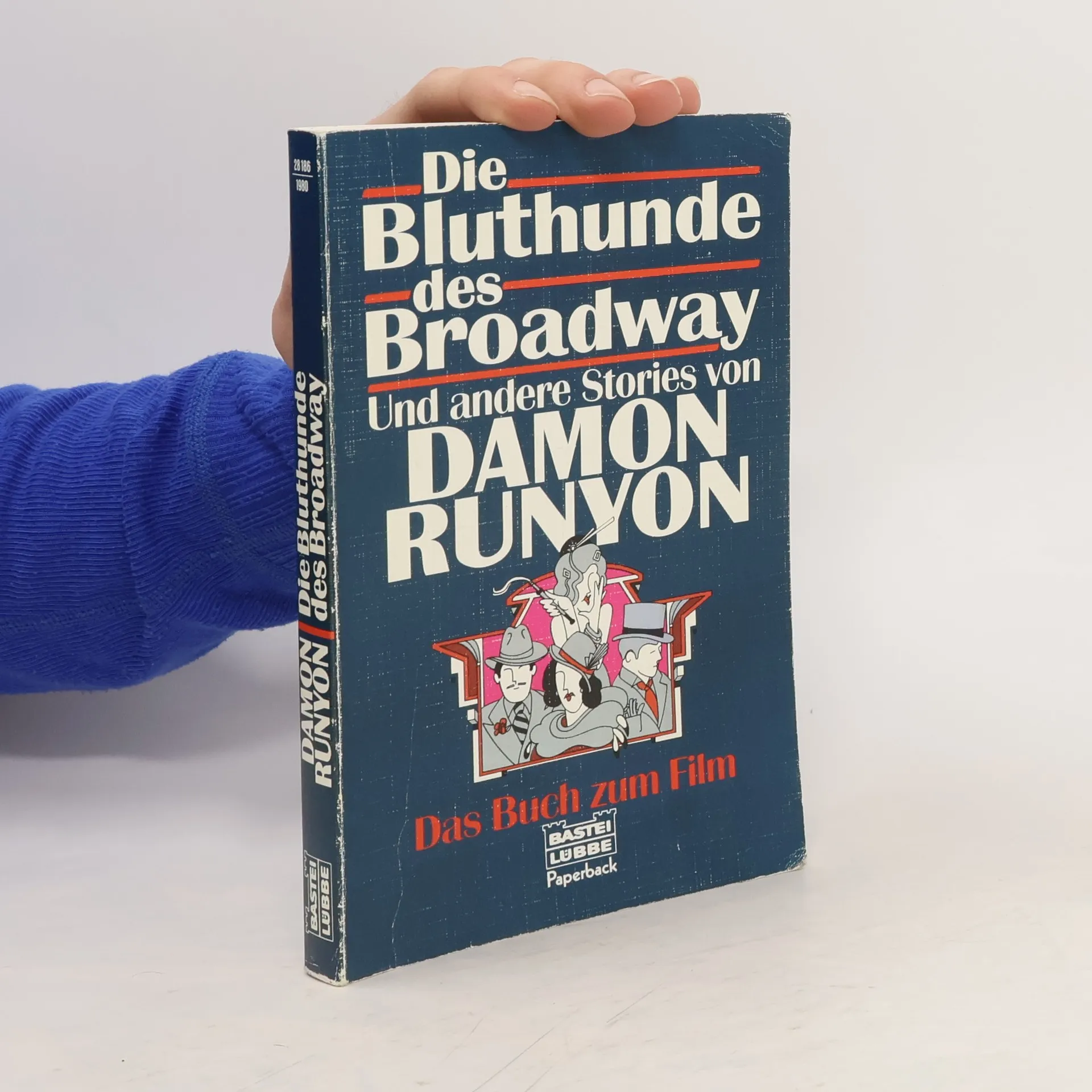
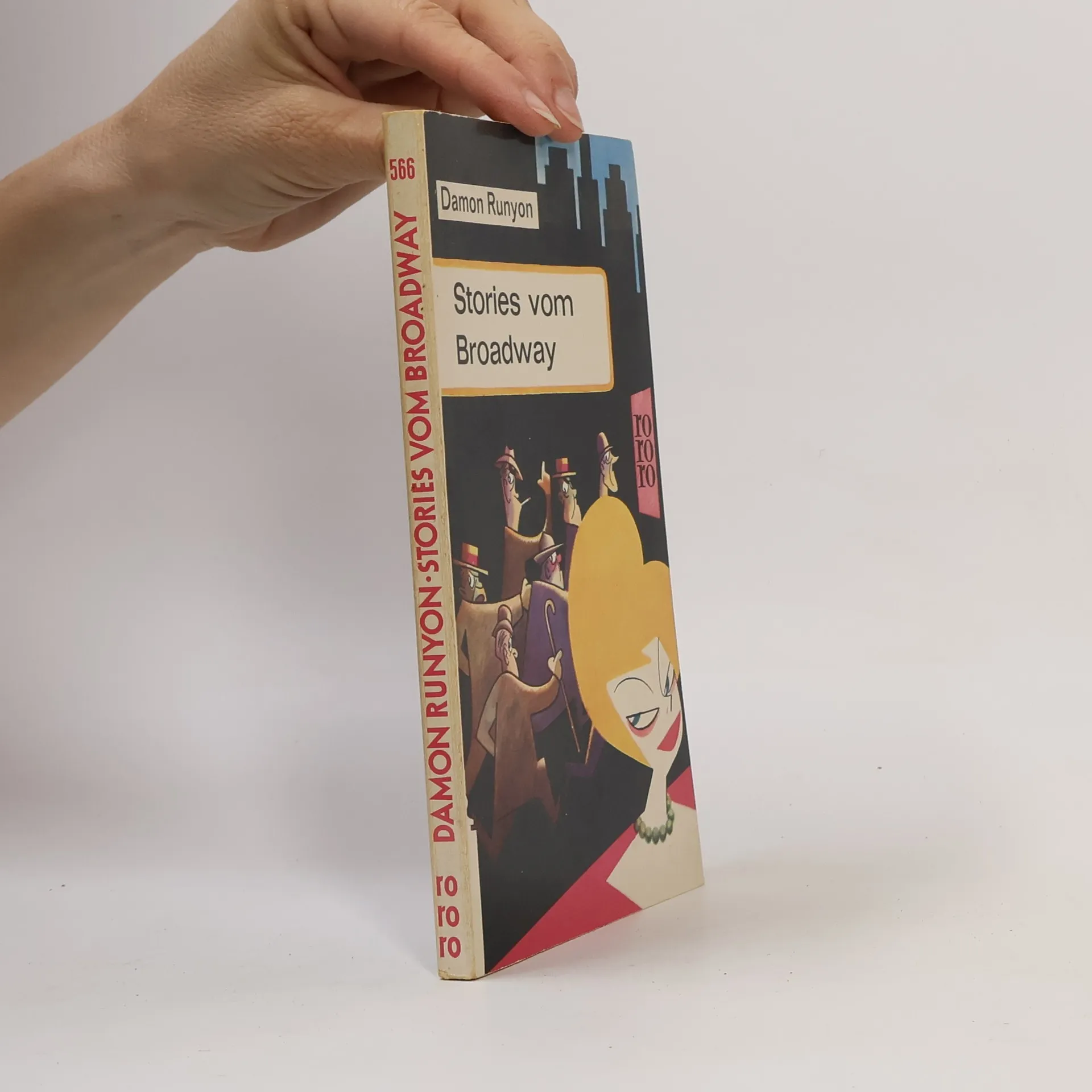
Die Bluthunde des Broadway und andere Stories
- 286pages
- 11 heures de lecture
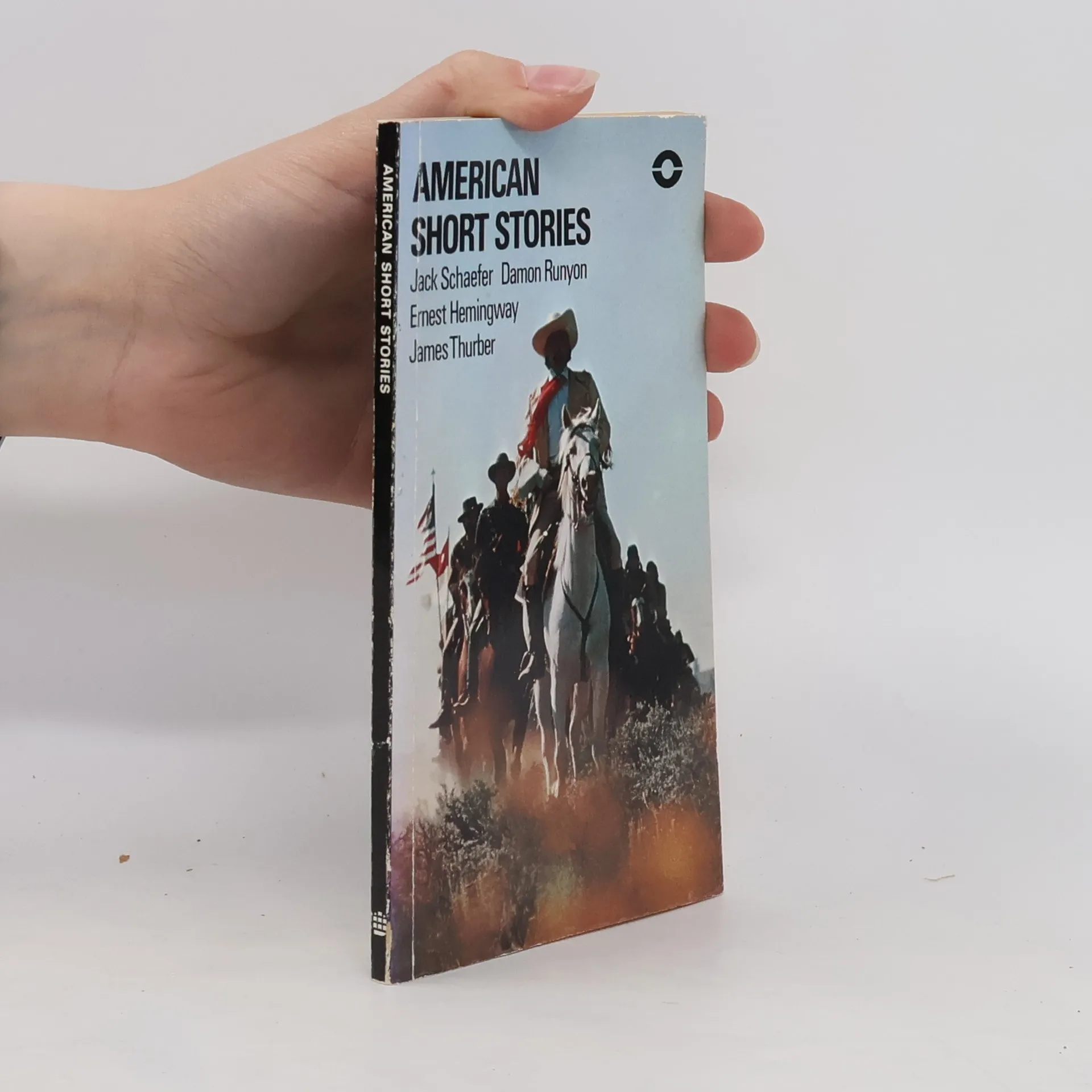
American short stories
- 128pages
- 5 heures de lecture
Harlow. 18 cm. 119 p. Encuadernación en tapa blanda de editorial ilustrada. Idioma inglés .. Este libro es de segunda mano y tiene o puede tener marcas y señales de su anterior propietario. 0582530261
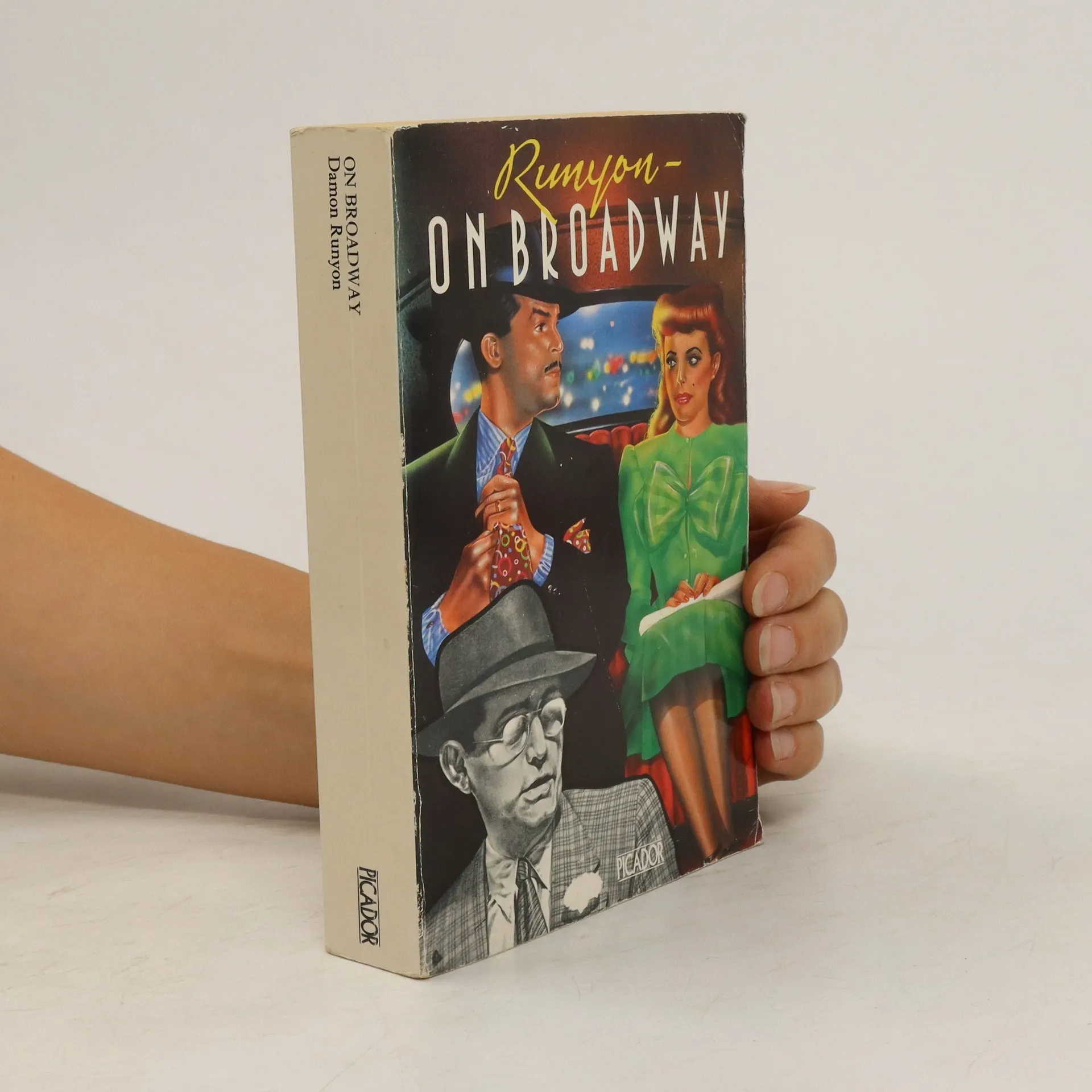
On Broadway
- 574pages
- 21 heures de lecture
A collection of the stories of Damon Runyon who presents the 1930s world of guys and dolls on Broadway.
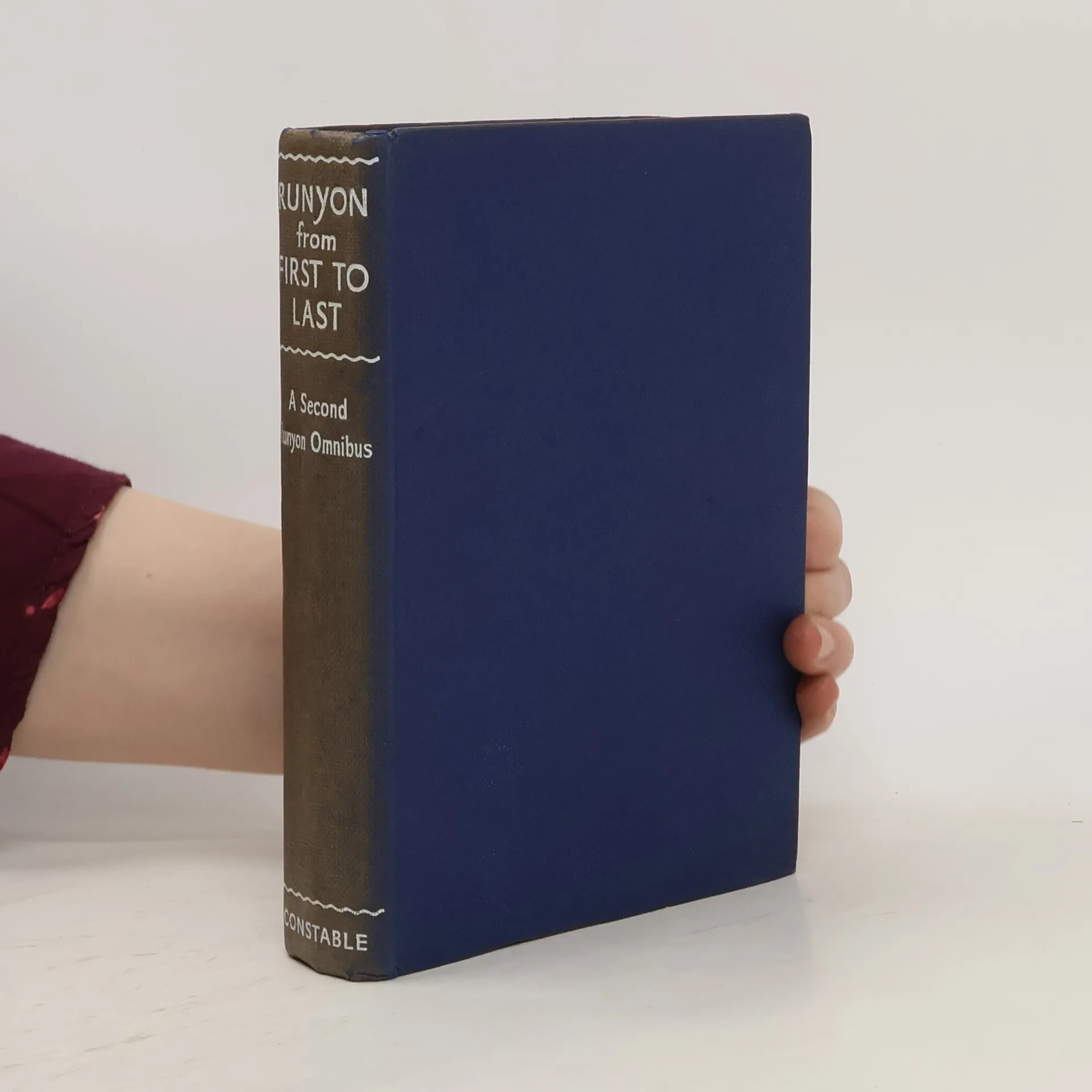
From First to Last
- 379pages
- 14 heures de lecture
The kind of writing included in this collection clearly shows the reasons for Damon Runyon's world-wide reputation.
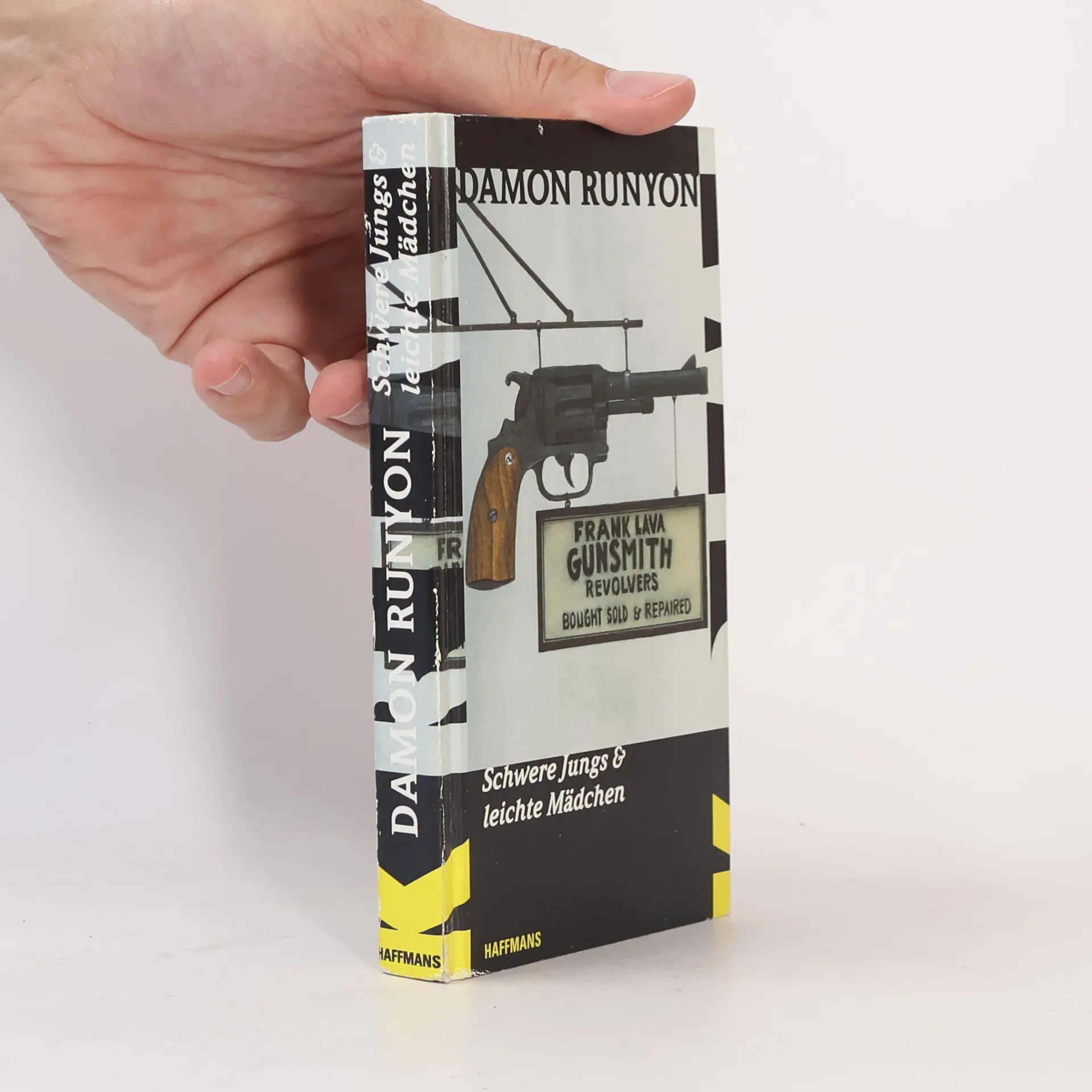
Runyonesque: Prosa von „Amerikas größtem Reporter“. Schwere Jungs, leichte Mädchen. Damon Runyons (1884–1946) Geschichten erzählen von halbseidenen Helden, die ihre dunklen Geschäfte unter den Neonlichtern des Broadways abwickeln. Sie heißen „Harry das Roß“ oder „Spanier-John“, haben einen üblen Ruf und schrecken nicht davor zurück, die feine Gesellschaft auszuplündern und niederzuknallen. Mittendrin im Geschehen: Der Ich-Erzähler Rusty, der alle schweren Jungs und leichten Mädchen Manhattans kennt, selbst aber eine blütenreine Weste hat – behauptet er zumindest. Runyon nahm bereits als Teenager am Spanisch-Amerikanischen Krieg 1898 teil, berichtete aus Mexiko von der Pancho-Villa-Expedition und aus Europa vom Ersten Weltkrieg. Später machte er sich einen Namen als Box- und Baseballjournalist und galt schnell als „Amerikas größter Reporter“. Er pflegte selbst Umgang mit Unterweltgrößen, bei denen „sprachlicher Schnickschnack wie Imperfekt und Futur auf wenig Verständnis stieß“ (Harry Rowohlt). Dementsprechend fiel Runyons Prosa aus, in der es ihm gelingt, im derben Rotwelsch der New Yorker Gangster spannende und berührende Stories zu erzählen.