Tasmania (Super ET)
- 272pages
- 10 heures de lecture





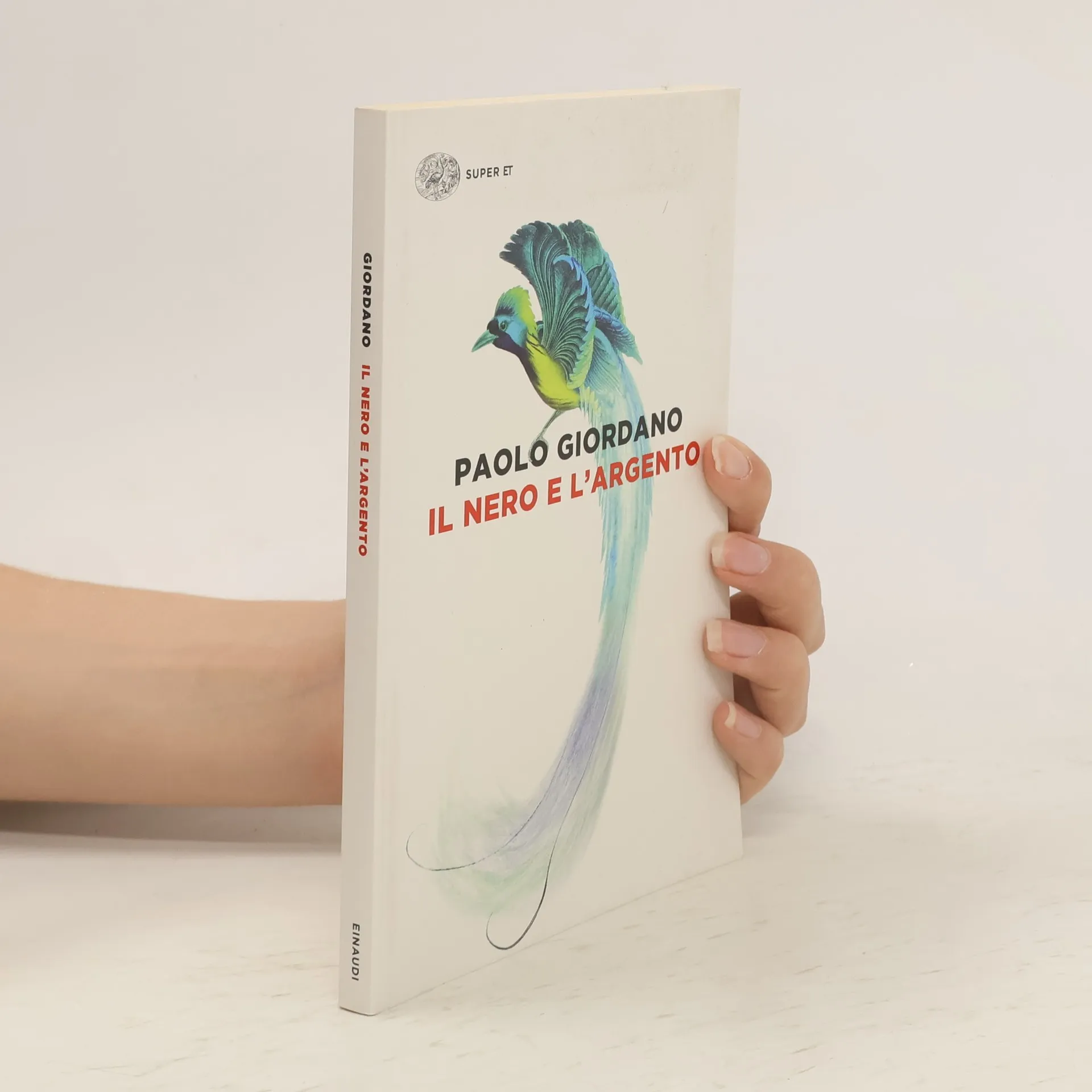
Set against the backdrop of climate change and global conflict, a writer grapples with personal loss and the quest for connection. As his marriage strains due to unfulfilled dreams of fatherhood, he immerses himself in journalism, reporting on the UN Climate Change Conference. His travels across Europe and Japan lead to encounters with diverse characters, each seeking refuge from an uncertain world. Through his journey, he confronts his past choices and explores the complexities of relationships amid societal upheaval, capturing the essence of human resilience and connection.
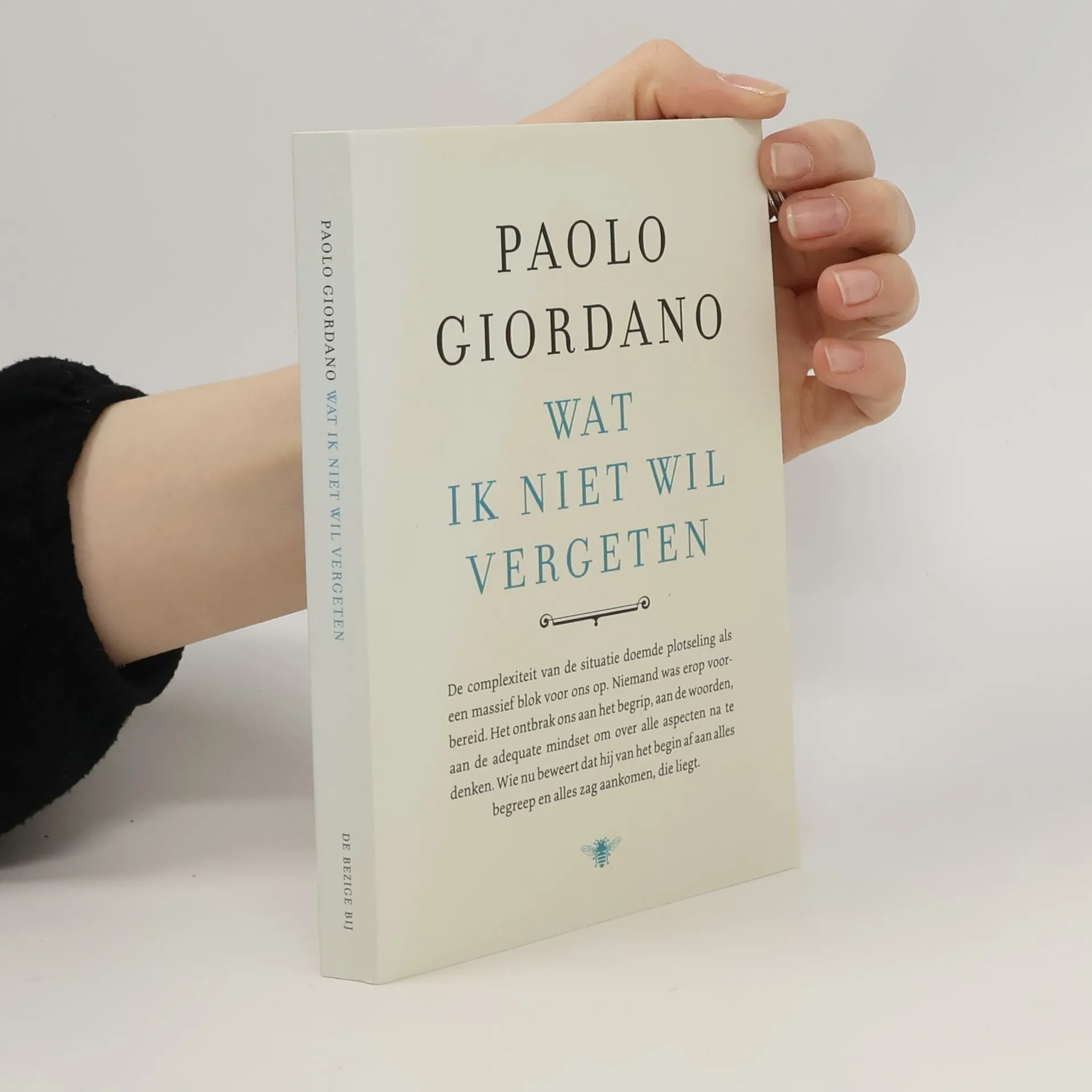
Tijdens de lange coronaperiode deed de Italiaanse schrijver Paolo Giordano wat schrijvers nu eenmaal doen: hij observeerde de situatie en probeerde een wereld te begrijpen die ineens vreemd en bedreigend was. Maar hij reageerde ook als academicus: hij probeerde de oorzaken en gevolgen te duiden, te luisteren naar de deskundigen en zijn eigen gedachten te ordenen. Zo vormde zich een uniek coronadagboek over een jaar van grote verandering en een reflectie op een unieke, onvergelijkbare periode in ons bestaan.Giordano brengt niet alleen een verhelderende terugblik op deze ingrijpende tijd, maar in Wat ik niet wil vergeten gaat hij op zoek naar een nieuwe balans tussen rede, emotie en verwachtingen. Want we zullen, wanneer de storm eindelijk is gaan liggen, op zoek moeten naar een nieuwe, toekomstbestendige manier van leven.
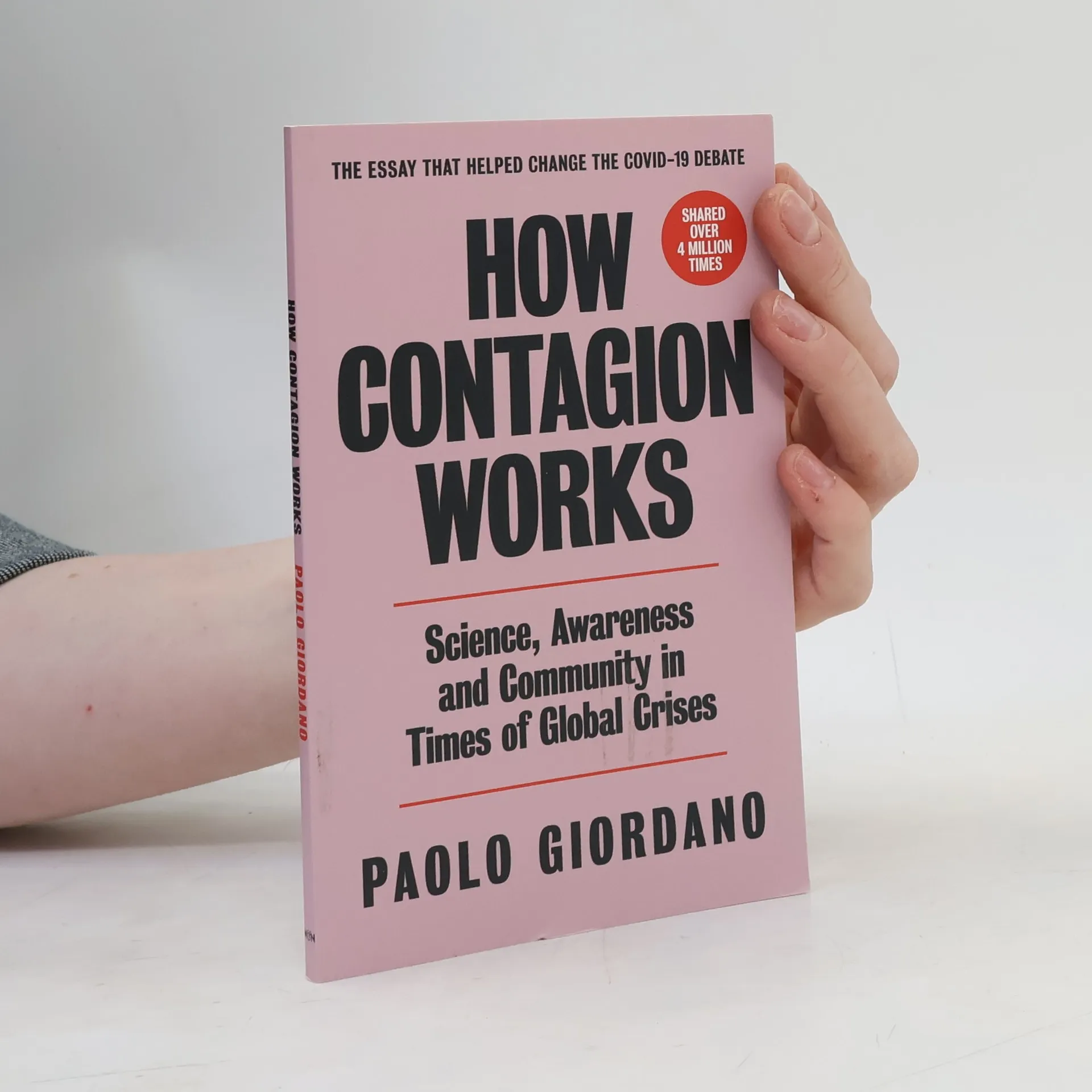
'Lucid, calm, informed, directly helpful in trying to think about where we are now... The literature of the time after begins here' Evening Standard 'Taking a breather from bewildering statistics and terrible tales of contagion to read Giordano's book was a jolt of brevity and simplicity... It takes concepts that have been dancing away in our minds, just out of reach, and lines them up neatly' The Times 'Potent and original' Sunday Times 'In one short hour, in the midst of this difficult moment, Giordano reinforced my sense of hope in humanity, in the one and the many' Philippe Sands, author of East West Street and The Rat Line The Covid-19 pandemic is the most significant health emergency of our time. Writing from Italy in lockdown, physicist and novelist Paolo Giordano explains how disease spreads in our interconnected world: why it matters how it impacts us how we must react Expanding his focus to include other forms of contagion - from the environmental crisis to fake news and xenophobia - Giordano shows us not just how the coronavirus crisis got so bad so quickly, but also how we can work together to create change. Paolo Giordano is a physicist and the author of four bestselling novels. His article 'The Mathematics of Contagion' - published in Italy at the beginning of the coronavirus emergency - was shared more than 4 million times and helped shift public opinion in the early stages of the epidemic.
An epic love story that spans twenty years and half the globe, from Puglia to a frozen cave in Iceland.
La voce narrante di questa storia è un giovane professore universitario, un fisico, sposato da qualche anno con Nora, un'arredatrice d'interni e padre di un bambino, Emanuele. La storia parte con il racconto della difficile gravidanza di Nora per raccontare l'ingresso in questa giovane famiglia borghese della signora A., un'anziana governante. La signora A. resterà in famiglia anche dopo la nascita del bambino e per tutti gli anni della sua infanzia, partecipando come un testimone silenzioso eppure autorevole, al menage familiare
"When a young married couple hire a middle-aged widow during the wife, Nora's, difficult pregnancy, they don't realize the dominating force she will become in their small family. Signora A--maid, nanny, and confidante--becomes the glue in their household, and over time, the steady and loving presence whose benign influence allows them to negotiate the complexities of married life. But the delicate fabric of the young family comes undone when Signora A is diagnosed with lung cancer. After she becomes too sick to work, both husband and wife feel the strain of her absence. Moving seamlessly between the past and present, Giordano weaves together the layers of Signora A's devotion and sacrifice--from her early experiences of love during a tragically short marriage, to her adoration of her new surrogate family. Highlighting the joy of youth and the fleeting nature of time with remarkable precision and lyricism, Paolo Giordano gives us a meditation on life, death, and the relationships we build in between. Like Family is not a simple love story; it's a story about love in its many forms, and how a capacity for love can give meaning to any existence, no matter how ordinary"--
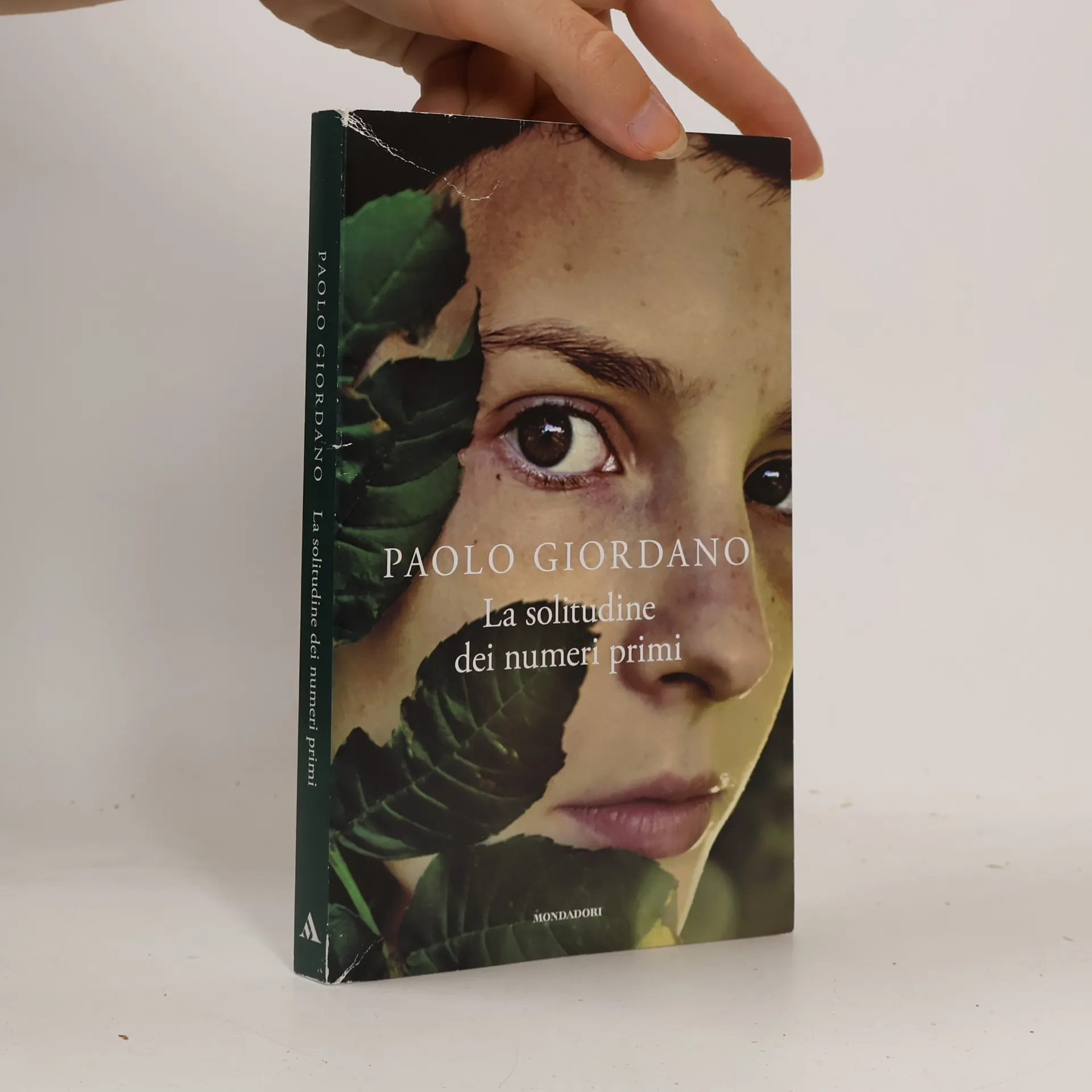
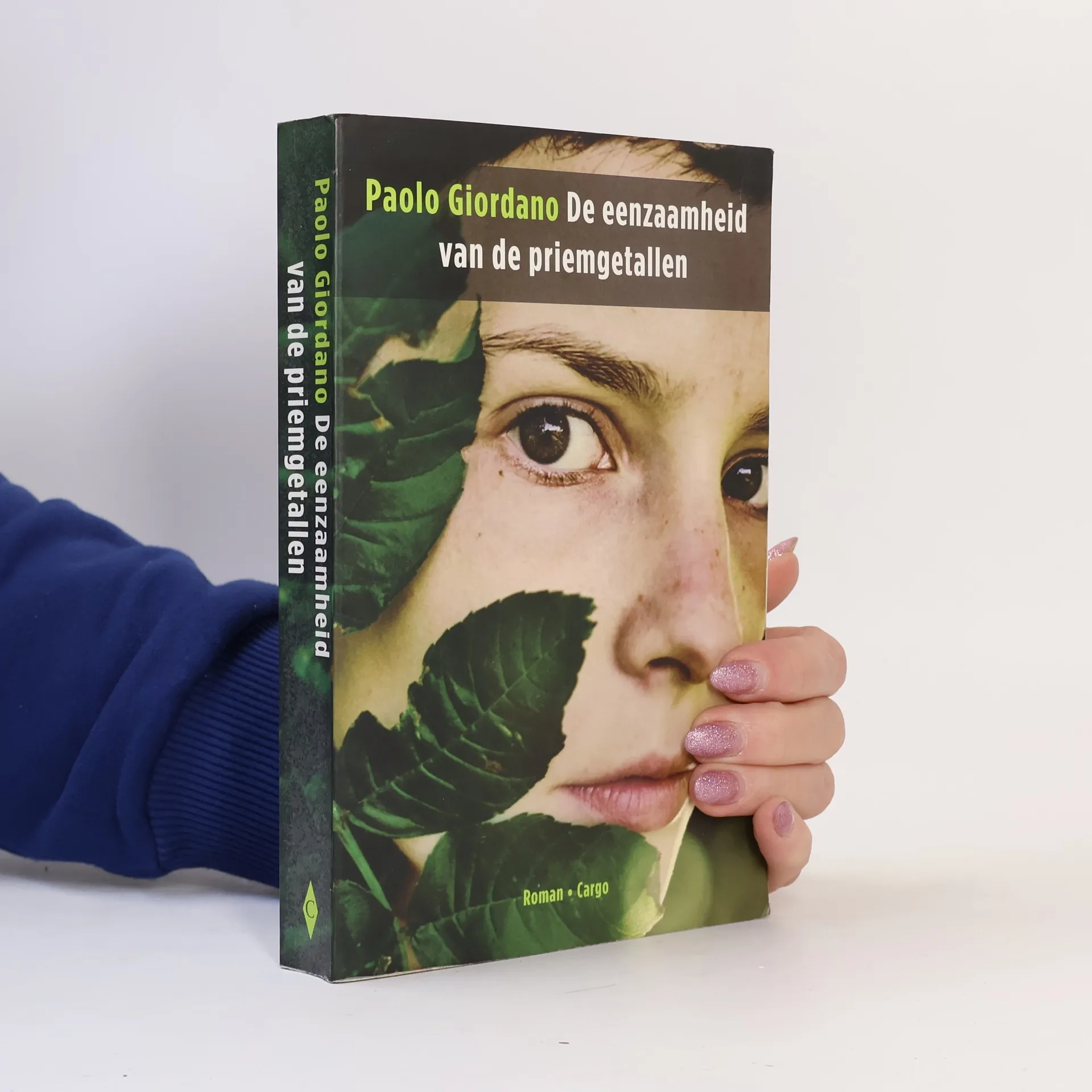
De zevenjarige Alice moet van haar vader elke dag tegen haar zin naar skiles. Op een mistige ochtend komt ze ten val en raakt voor de rest van haar leven verlamd aan een been. Mattia is de helft van een tweeling. Hij is hyperintelligent, zijn zusje Michela is zwakbegaafd. Als de tweeling wordt uitgenodigd voor een verjaardagspartijtje schaamt Mattia zich bij voorbaat voor het gedrag van Michela. Hij besluit om haar op een bank in het park achter te laten, maar als hij terugkomt is zijn zusje verdwenen. Ze wordt nooit meer gevonden. Op de middelbare school kruisen de levens van Alice en Mattia elkaar en er ontstaat een merkwaardige vriendschap. Ze voelen zich vanaf de dag van hun ontmoeting verbonden, maar merken al snel hoe moeilijk het is om wezenlijk contact met elkaar te krijgen.
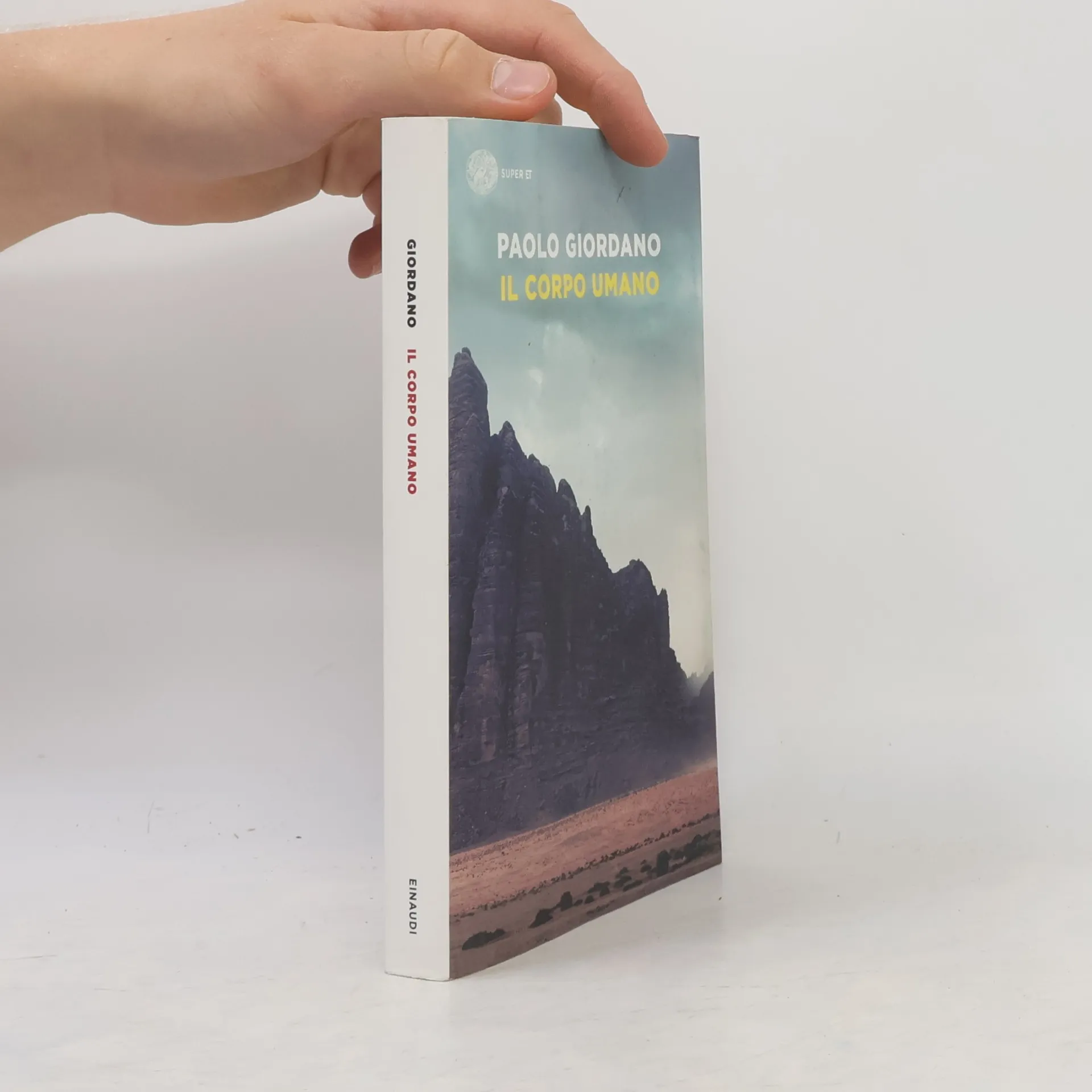
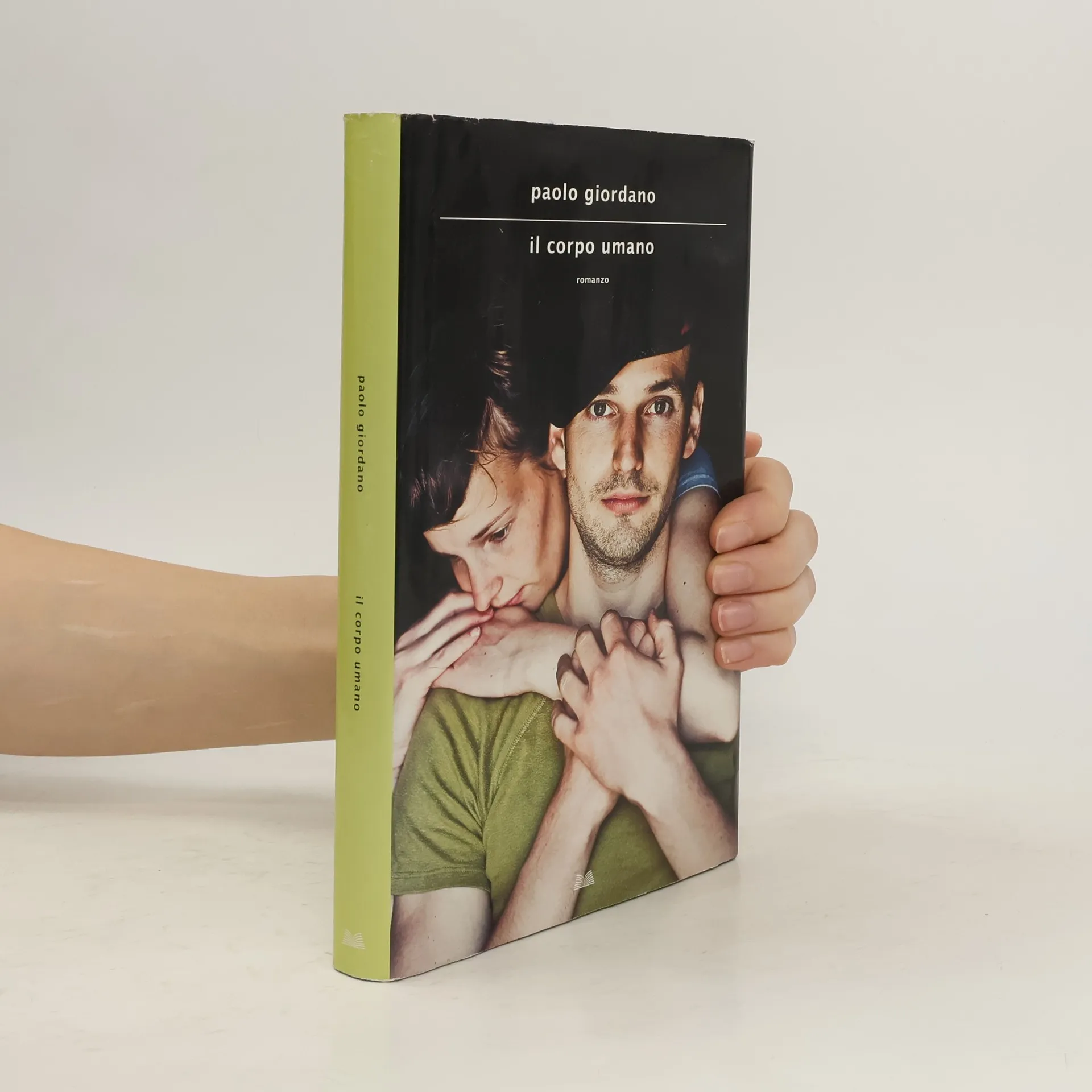
Deserto, vento e polvere. Disturbi gastrointestinali, nostalgia di casa e desiderio di avventura. Novizi inesperti, veterani esperti, un medico cinico. Una base operativa avanzata in Gulistan, provincia di Farah, nel sud-ovest dell'Afghanistan. E lontano, nel retro, il quartier generale che conduce una guerra in cui le vite individuali non contano. Paolo Giordano si interessa proprio alle storie degli individui che la guerra riunisce. Una guerra moderna, quella che conosciamo dai notiziari, ma di cui in realtà non sappiamo nulla. Il romanzo ha un narratore collettivo e polifonico, e il suo titolo può segnalare da un lato la perfezione fisica del corpo umano, dall'altro la sua insufficienza e vulnerabilità. L'opera, introdotta da una citazione di "Niente di nuovo sul fronte occidentale" di E. M. Remarque, si colloca apertamente nella tradizione della letteratura anti-bellica. L'autore, con il suo linguaggio preciso, descrive anche i campi di battaglia civili, che possono nascondersi dietro le quinte di famiglie apparentemente felici, dove a volte si combattono battaglie così spietate che, in confronto, l'inferno di sabbia dell'Afghanistan appare come una "bolla di sicurezza".
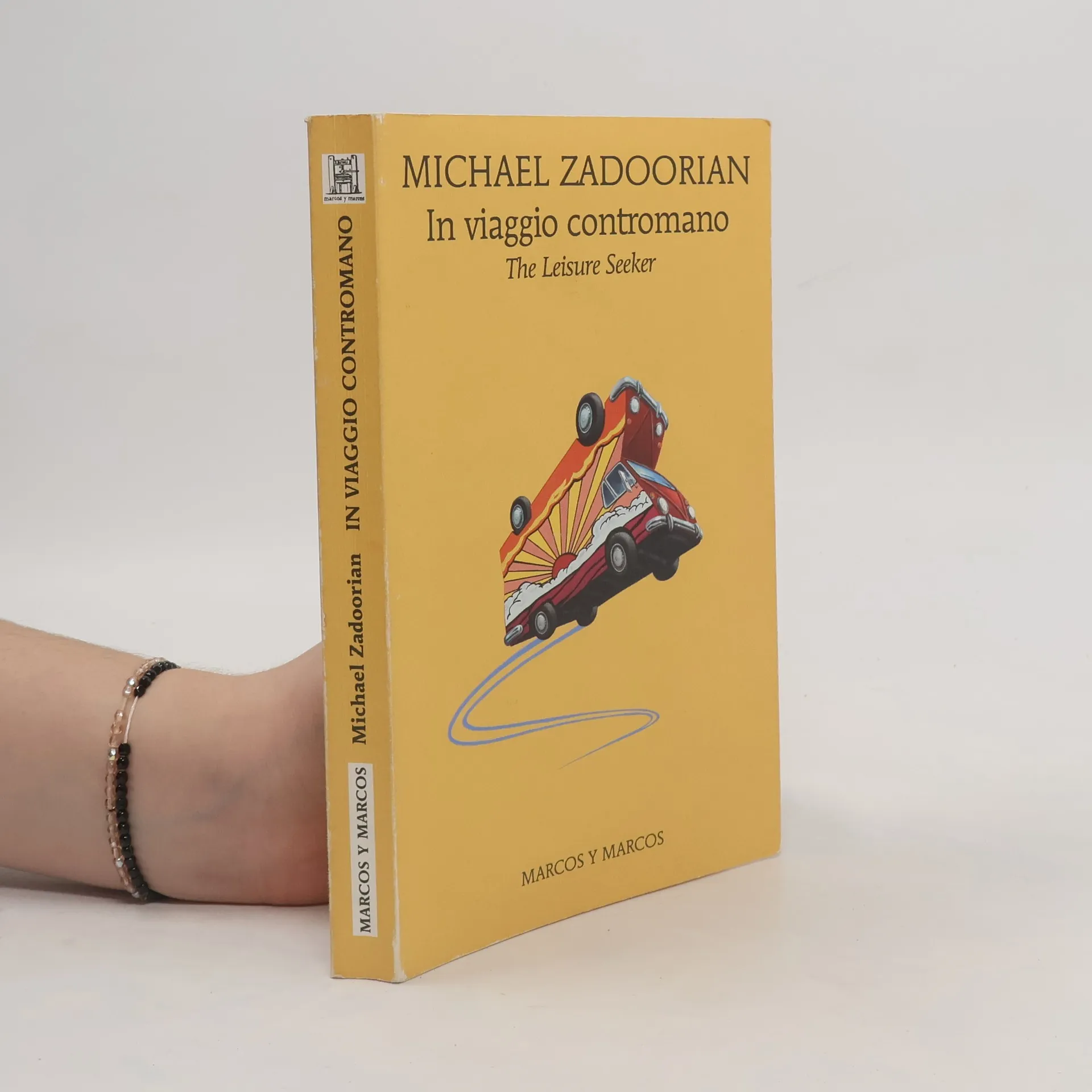
“Diciamolo pure: mio marito e io non siamo di quelli che viaggiano per ‘espandere la mente’”. Proprio così, Ella e John sono due persone semplici. Nessuna vergogna a confessare che Disneyland, per loro, è una meta importante. Ci sono stati con i figli quando erano bambini. Ci vogliono tornare adesso che hanno ottant’anni, sono quasi bisnonni e sono pieni di acciacchi infernali. Hanno deciso di mollare la chemio, non drammatizzare sull’Alzheimer e regalarsi un grande viaggio: “Alla nostra età nessuno apprezza la leggerezza, proprio quando ce ne sarebbe più bisogno”. Attraversare l’America seguendo la storica Route 66: Illinois, Missouri, Oklahoma, Texas, New Mexico, California; una galoppata che sfiancherebbe chiunque. In barba a ogni cautela, a ogni divieto, decidono di fare del camper – un Leisure Seeker del 1978 – la propria casa ambulante. Lungo il percorso, ovviamente ne succedono di ogni. Più di una volta, i figli minacciano di farli braccare dalla polizia: “Dovremmo tornare a casa… perché? Più medicine? Più cure? Più dottori?” Un viaggio contromano il loro, fatto di cocktail vietati, hippie irriducibili, diapositive all’alba, malviventi messi in fuga e, perché no? anche un angolino di sesso. Un grande inno alla Strada: uno straordinario caleidoscopio in cui si mescolano ciò che si vede e ciò che accade; quello che è stato, quello che hanno amato, che ancora sognano...
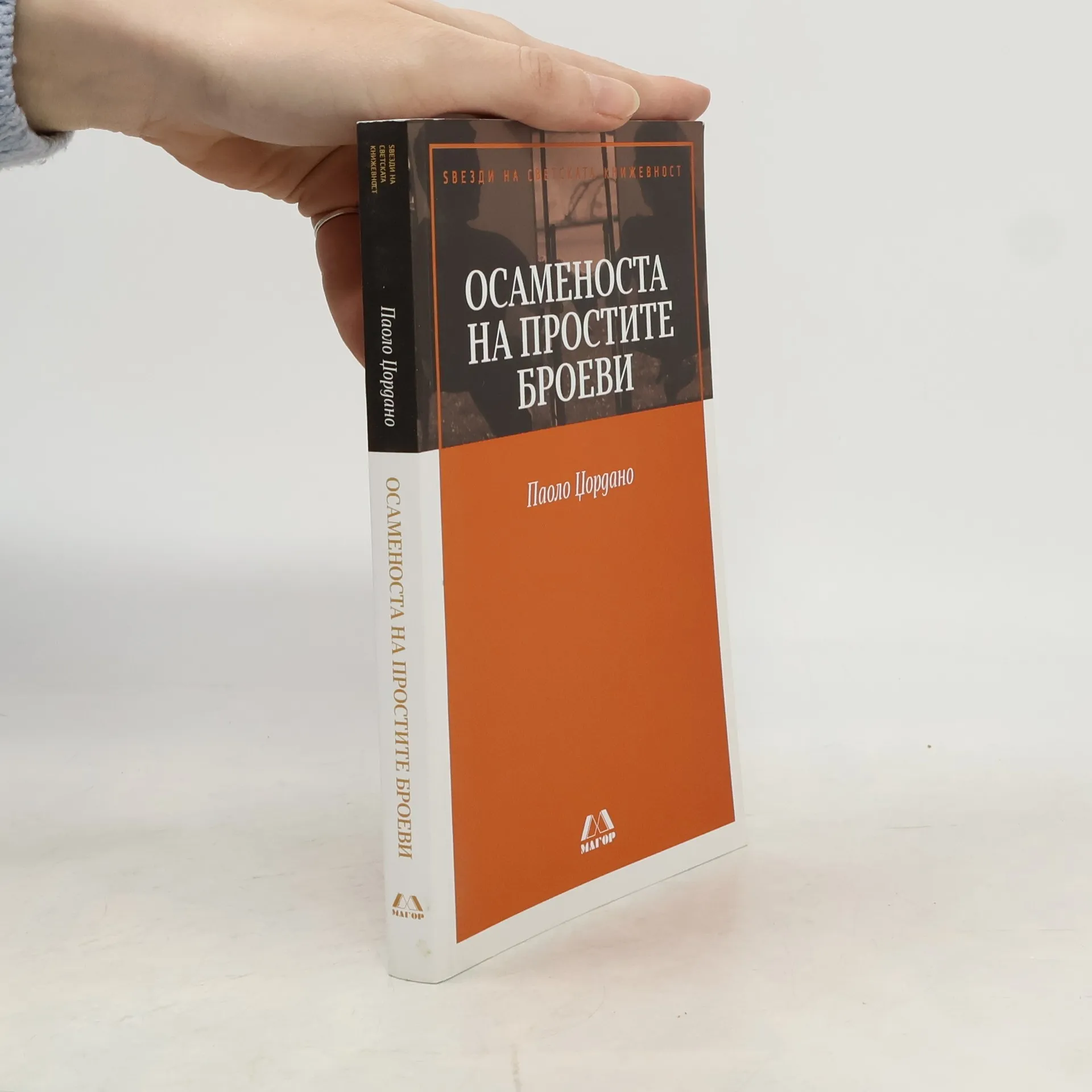
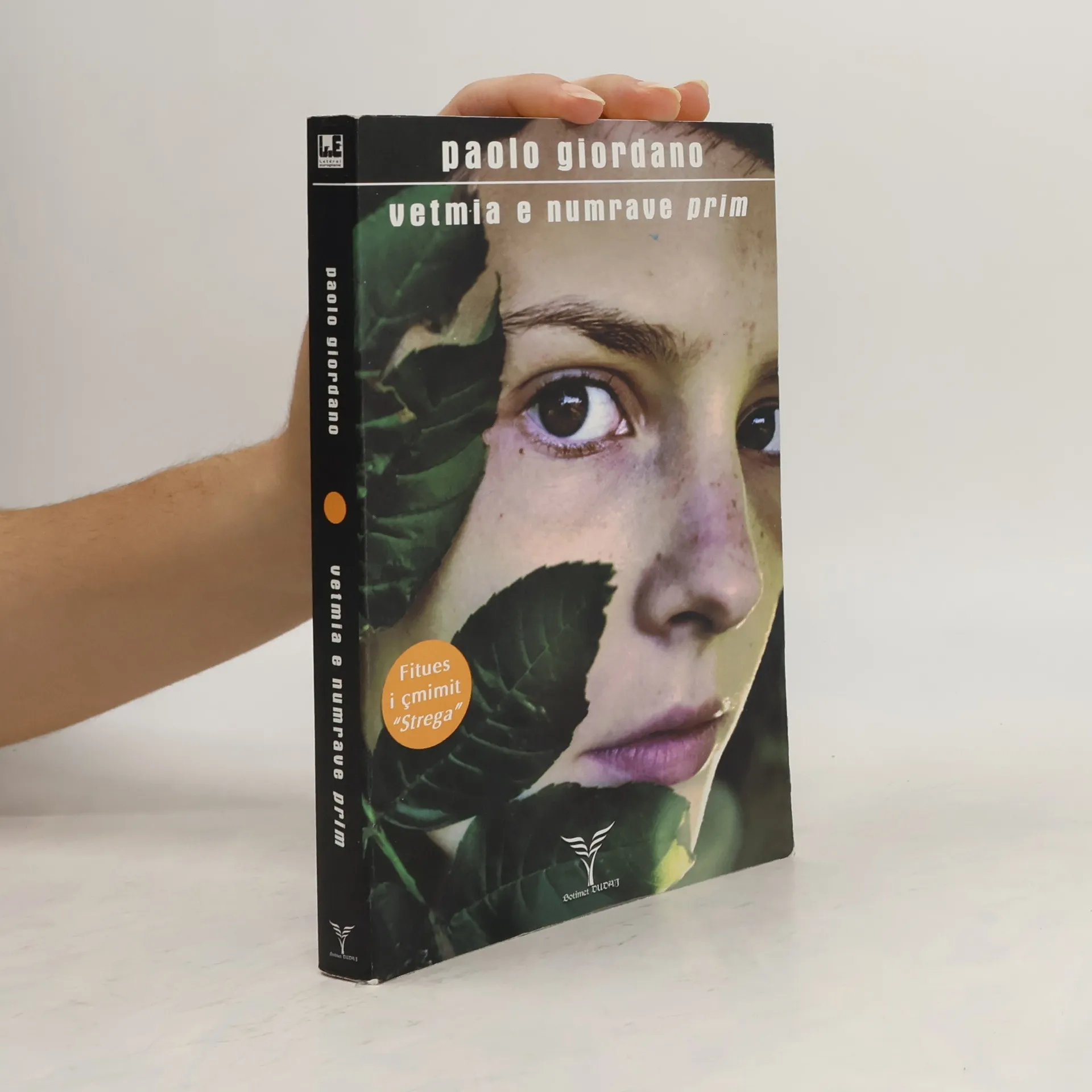
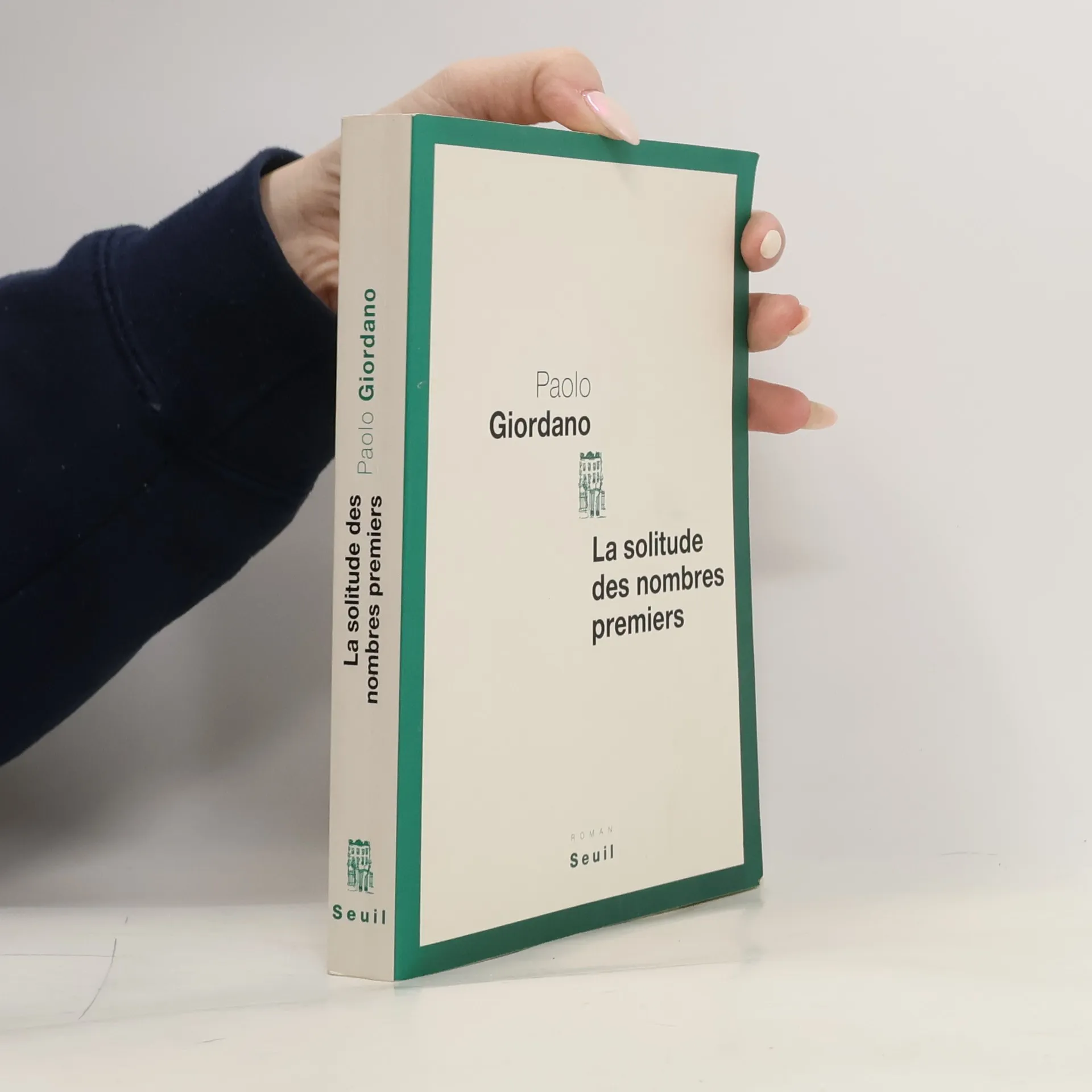
Les nombres premiers ne sont divisibles que par 1 et par eux-mêmes ; soupçonneux et solitaires, certains possèdent cependant un jumeau dont ils ne sont séparés que par un nombre pair. Maffia, jeune surdoué, passionné de mathématiques, en est persuadé : il compte parmi ces nombres, et Alice, dont il fait la connaissance au lycée, ne peut être que sa jumelle. Même passé douloureux, même solitude à la fois voulue et subie, même difficulté à réduire la distance qui les isole des autres. De l'adolescence à l'âge adulte, leurs existences ne cesseront de se croiser, de s'effleurer et de s'éloigner dans l'effort d'effacer les obstacles qui les séparent. Paolo Giordano scrute avec une troublante précision les sentiments de ses personnages qui peinent à grandir et à trouver leur place dans la vie. Ces adolescents à la fois violents et fragiles, durs et tendres, brillants et désespérés continueront longtemps à nous habiter.