

Bookbot

Prof. Ian Bogost

    30 décembre 1976

    Ian Bogost est un célèbre concepteur de jeux vidéo, critique et chercheur dont le travail enquête sur l'intersection des jeux, des médias et de la culture. Ses analyses explorent en profondeur la manière dont les jeux fonctionnent comme modes de communication et d'expression, révélant leur potentiel à influencer et à articuler des idées complexes. L'approche de Bogost emploie souvent la critique créative, utilisant la conception de jeux elle-même, comme le satirique Cow Clicker, pour éclairer des aspects de l'industrie du jeu et de l'interaction numérique.

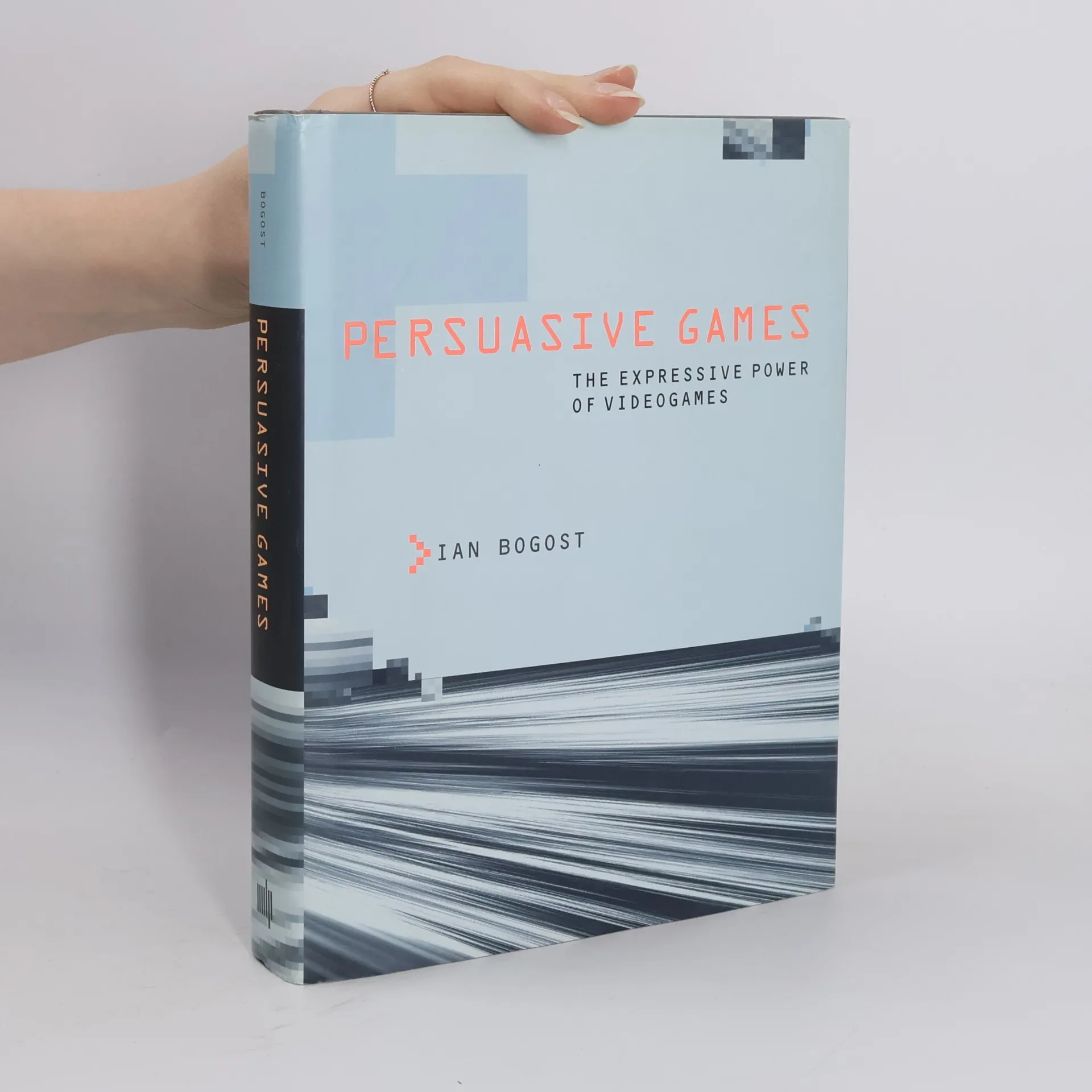
    Persuasive Games
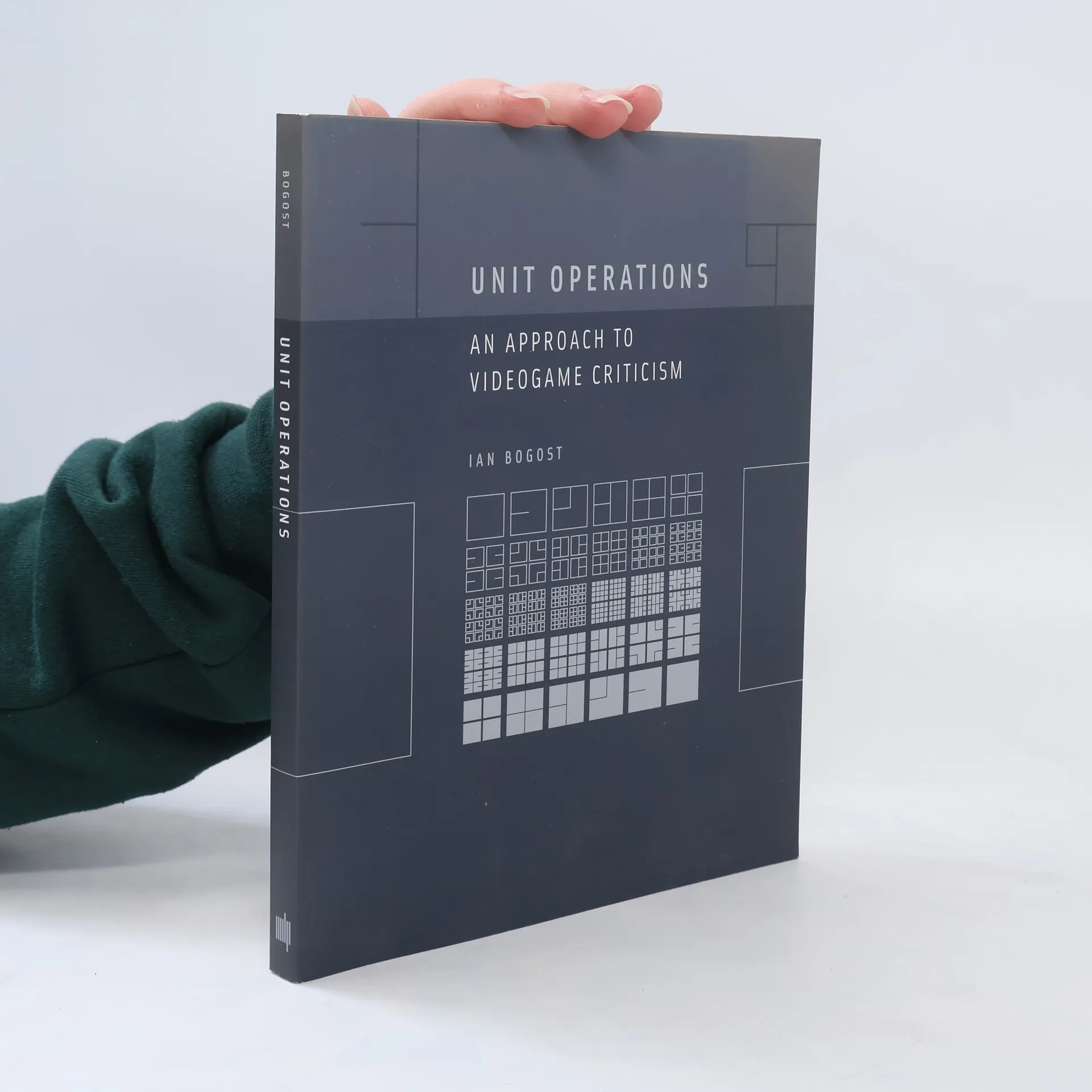
    Unit Operations
    10 PRINT CHR$(205.5+RND(1)); : GOTO 10
    • 10 PRINT CHR$(205.5+RND(1)); : GOTO 10

      • 328pages
      • 12 heures de lecture

      A single line of code offers a way to understand the cultural context of computing. This book takes a single line of code—the extremely concise BASIC program for the Commodore 64 inscribed in the title—and uses it as a lens through which to consider the phenomenon of creative computing and the way computer programs exist in culture. The authors of this collaboratively written book treat code not as merely functional but as a text—in the case of 10 PRINT, a text that appeared in many different printed sources—that yields a story about its making, its purpose, its assumptions, and more. They consider randomness and regularity in computing and art, the maze in culture, the popular BASIC programming language, and the highly influential Commodore 64 computer.

      10 PRINT CHR$(205.5+RND(1)); : GOTO 10
      4,0
    • Unit Operations

      • 264pages
      • 10 heures de lecture

      A critical approach that marries literary theory and information technology, reading digital and cultural artifacts--whether videogames, literature, or film--as configurative systems of interlocking units of meaning.

      Unit Operations
      3,5
    • Persuasive Games

      The Expressive Power of Videogames

      • 450pages
      • 16 heures de lecture

      This exploration delves into how videogames construct arguments and express statements about the world, highlighting their unique persuasive power through their computational properties. As both expressive and persuasive mediums, videogames illustrate real and imagined systems, inviting players to engage and form judgments. Ian Bogost's innovative analysis draws on a 2,500-year history of rhetoric to examine its role in software and videogames. While media studies typically focus on visual rhetoric, Bogost introduces "procedural rhetoric," a new form tied to the rule-based representations and interactions inherent in videogames. He argues that this procedurality grants videogames a distinctive persuasive power that surpasses other computational forms. Videogames not only reinforce existing social and cultural positions but also have the potential to disrupt and transform them, fostering significant long-term social change. Bogost investigates three areas where videogame persuasion has emerged, demonstrating its impact on politics, advertising, and learning. Through this lens, the analysis reveals how videogames can influence perceptions and drive meaningful dialogue in society.

      Persuasive Games