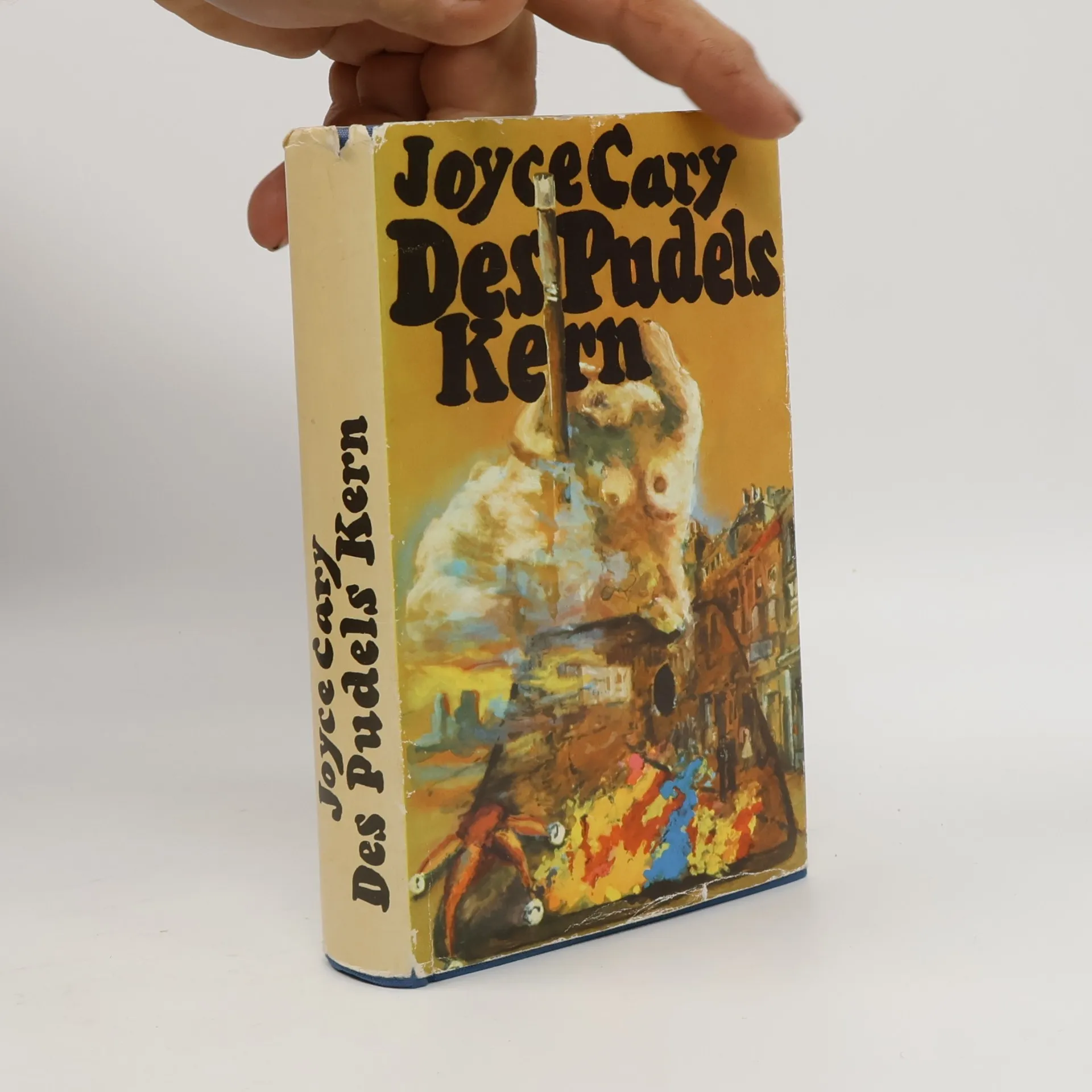
Castle Corner
- 424pages
- 15 heures de lecture


Joyce Cary était un romancier anglais prolifique dont les œuvres examinent souvent les thèmes du changement social et de la liberté humaine. Ses romans sont devenus célèbres pour leurs explorations incisives de la psychologie des personnages et leurs dilemmes moraux complexes. Le style artistique de Cary se caractérise par une prose riche et descriptive et un engagement profond envers les questions éthiques. Son œuvre, produite dans la seconde moitié du XXe siècle, reflète une quête de toute une vie pour comprendre les complexités de l'expérience humaine.
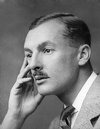

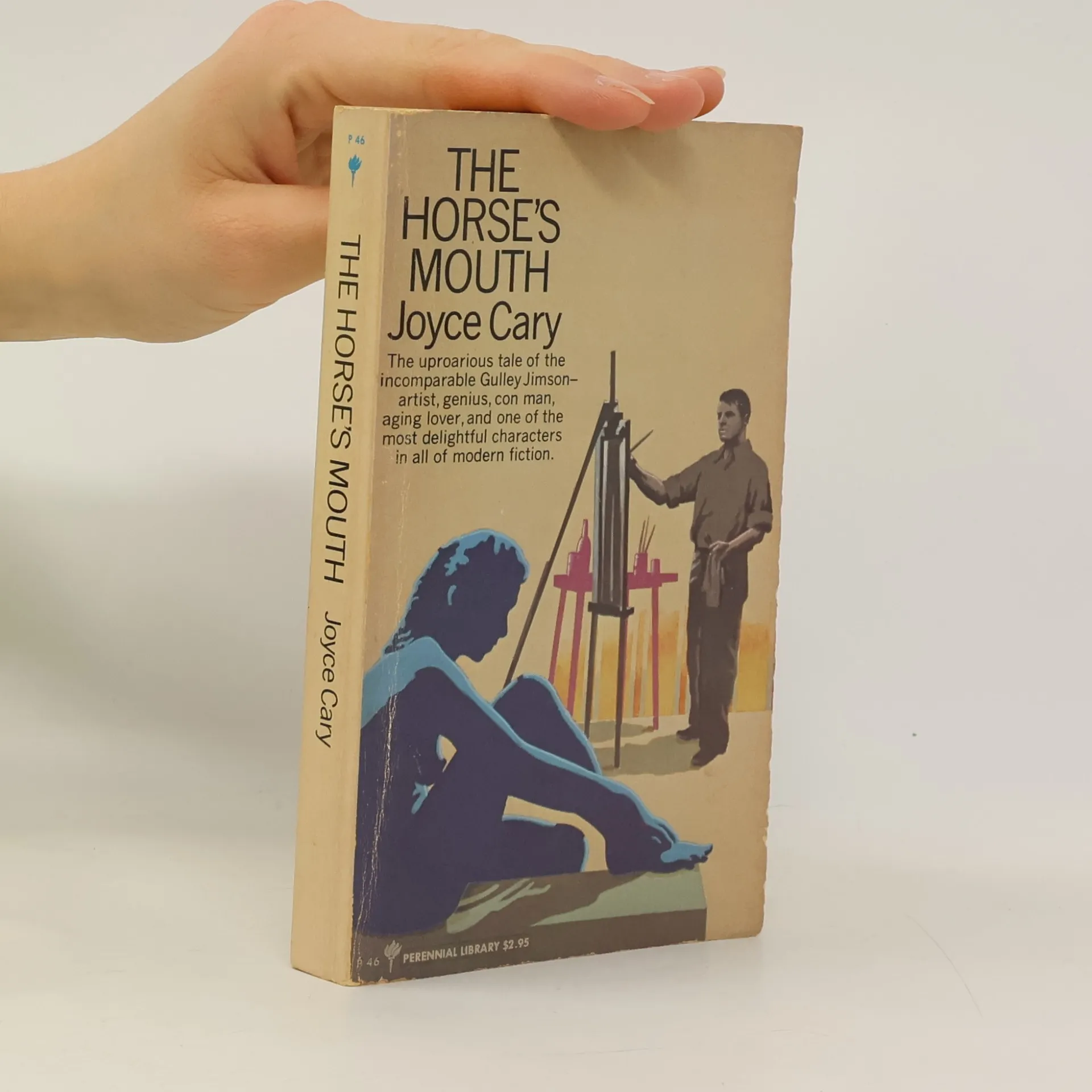
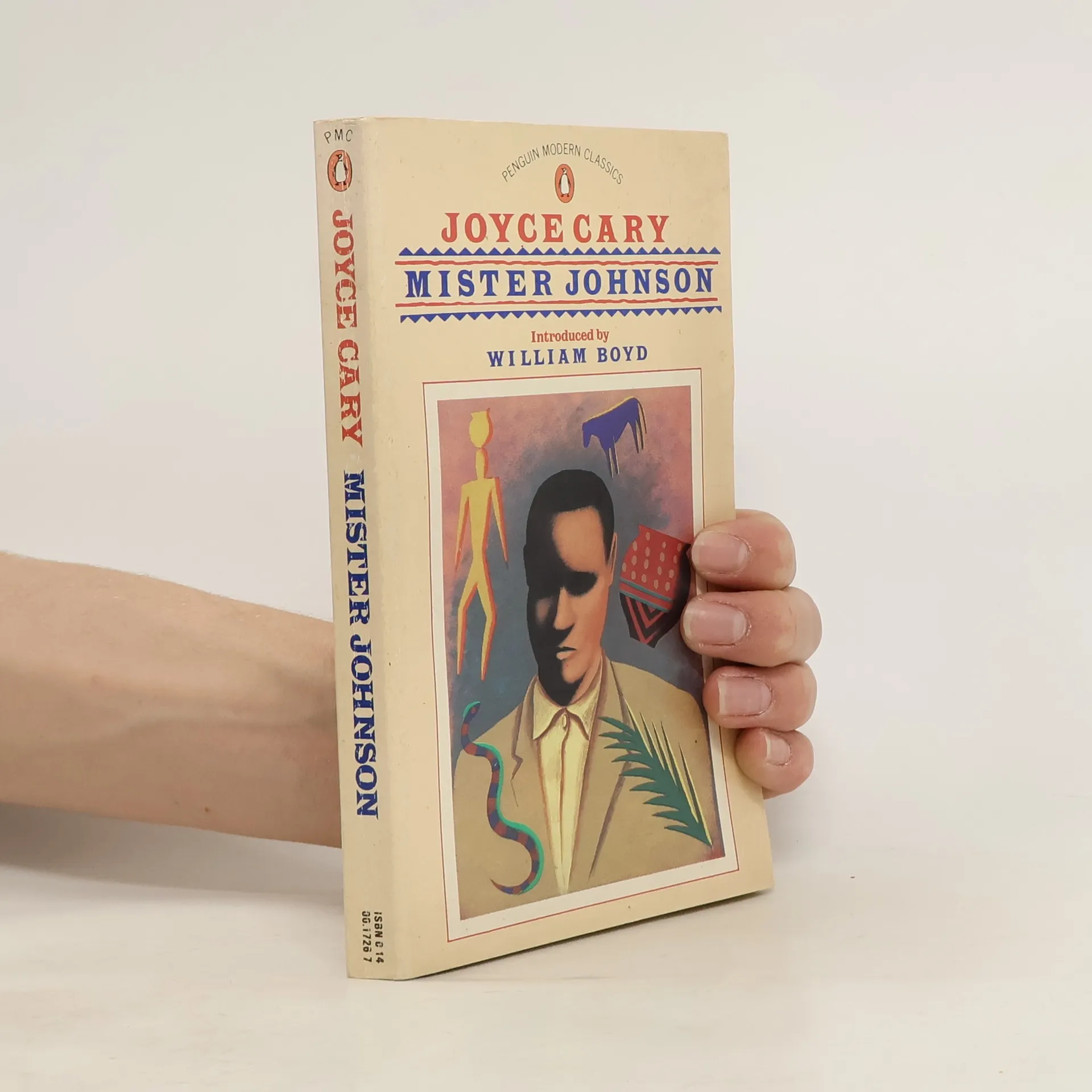
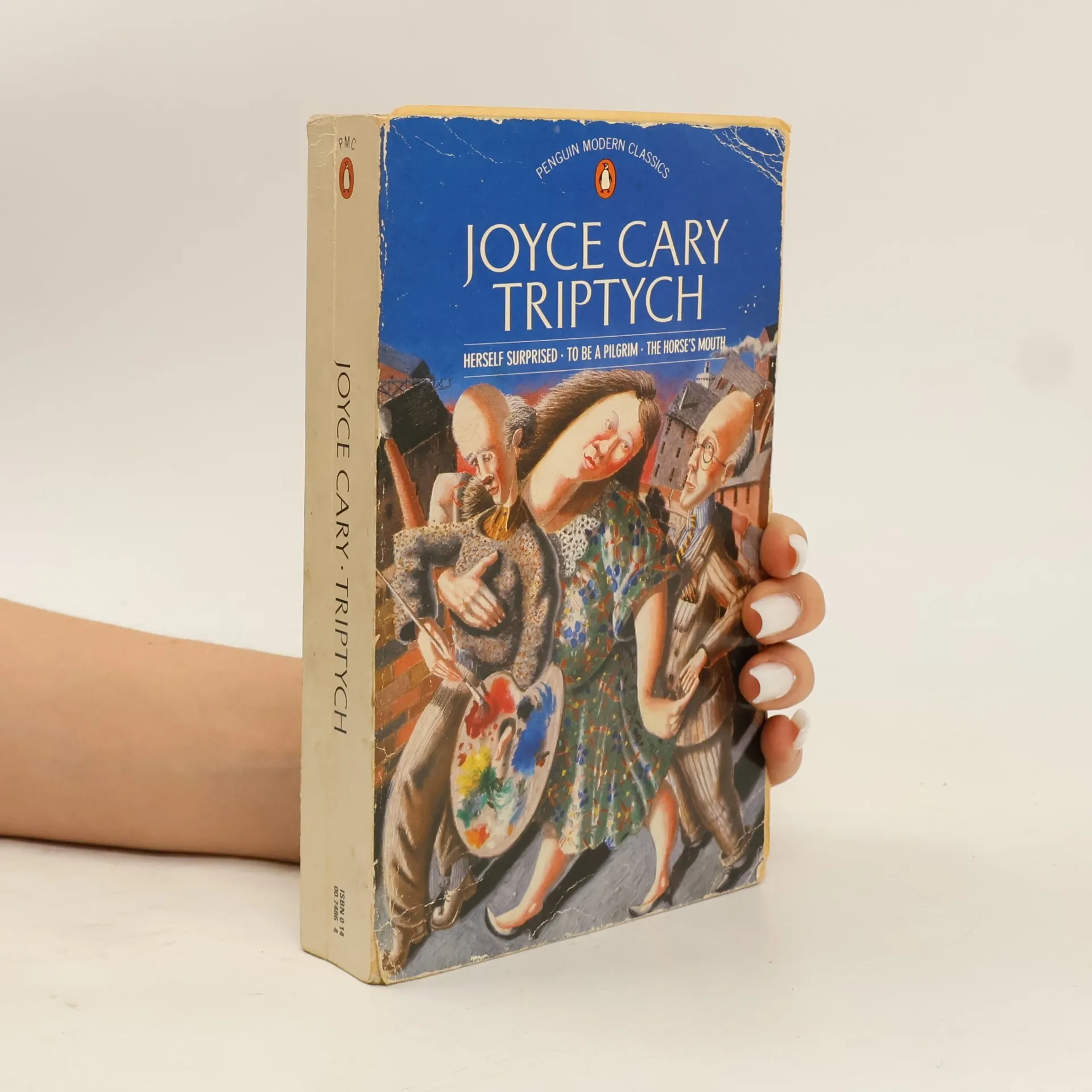
Libro usado en buenas condiciones, por su antiguedad podria contener señales normales de uso
Groteskní román britského autora líčí osudy nekonformního umělce, je pestrou mozaikou vypointovaných anekdot i úchvatného světa malířových představ. Doslov František Fröhlich.
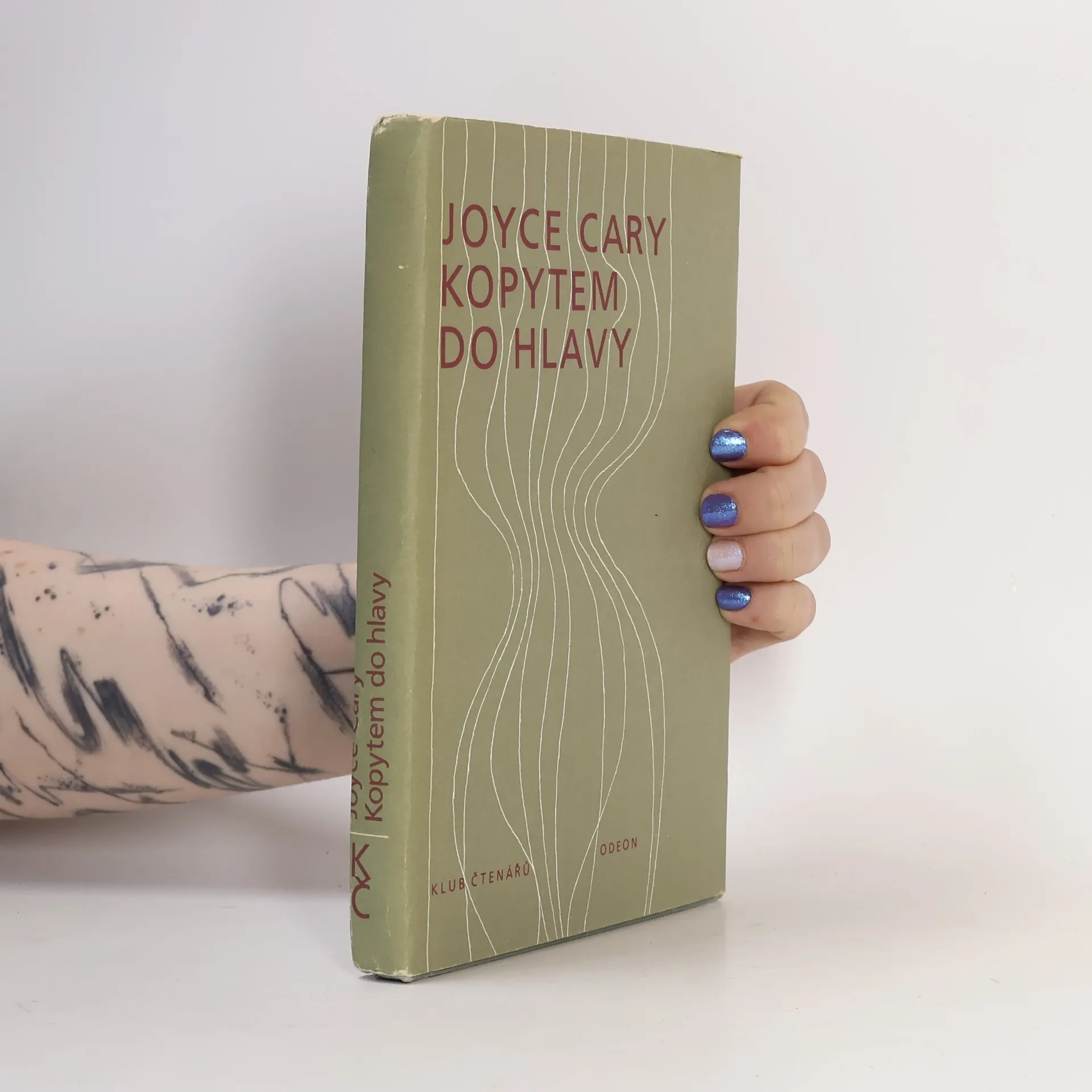
Joyce Cary wrote two trilogies, or triptychs as he later preferred to call them. The first comprises: Herself Surprised, To Be a Pilgrim and The Horse's Mouth. The Horse's Mouth is a portrait of an artistic temperament. Its principal character, Gulley Gimson, is an impoverished painter who scorns conventional good behaviour. He may be a bad citizen, but he is a good artist, so wholly preoccupied with his art that he is willing to endure any privation for its sake. Such is his contempt for orthodox mores, he takes a delight in cocking a snook at them. For him there is only one morality: to be a painter. 'Mr Joyce Cary is an important and exciting writer; there's no doubt about that. To use Tennyson's phrase, he is a Lord of Language ... if you like rich writing full of gusto and accurate original character drawing, you will get it from The Horse's Mouth.' John Betjeman, Daily Herald Cover: A detail from 'Desire' by Stanley Spencer, in the collection of Lady Watson


Herself Surprised , the first volume of Joyce Cary's remarkable First Trilogy, introduces Sara Monday, a woman at once dissolute and devout, passionate and sly. With no regrets, Sara reviews her changing fortunes, remembering the drudgery of domestic servitude, the pleasures of playing the great lady in a small provincial town, and the splendors and miseries of life as the model, muse, and mistress of the painter Gulley Jimson.
The story follows Tom Wilcher, a frugal lawyer who grapples with his disdain for the modern world as he nears the end of his life. Amidst a complex relationship with his loving yet resentful family, he reflects on his past experiences and choices, exploring themes of regret, familial bonds, and the passage of time.


Mr. Johnson, a Nigerian menial in a time when Britain was still a colonial power, is a rascal, a conniver, an idler who dedicates himself to ingratiating himself with others. He ingratiates himself with those who read his story. At the outset, it can appear Joyce Cary is sketching a caricature of Uncle Tom. Mr. Johnson is shrewd, however. As we come to know him we gain insight into how African people came to gain a grip on their own lands and how Britain began to lose its grip. There is no other book about re-World War II, 20th Century colonial Africa which resembles, "Mr. Johnson."